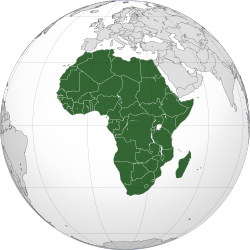
A significant consultative meeting aimed at addressing Africa’s veterinary medicine regulation challenges is taking place in Nairobi from 17 to 19 November 2025. The event, led by AU-IBAR, AU-PANVAC, GALVmed, the Veterinary Medicines Directorate, and several key partners, has brought together national regulatory authorities, Chief Veterinary Officers, regional bodies, manufacturers, and technical organisations. The central focus of the discussions is the long-standing issues that hinder access to quality veterinary medicines and vaccines across the continent.
In her opening remarks, Dr. Huyam Salih, Director of AU-IBAR, emphasised the crucial role livestock play in the continent’s food security, livelihoods, and economic resilience. With Africa’s livestock sector being a vital part of many nations’ economies, its growth and sustainability are being undermined by inadequate access to high-quality veterinary products. Dr. Salih pointed out that the continent loses over USD 4 billion annually due to preventable animal diseases, with one of the primary factors being the lack of effective and affordable veterinary medicines.
A major barrier to improving veterinary care in Africa is the fragmentation of regulatory systems across various nations. Dr. Salih outlined the numerous constraints that exist, including slow approval processes, weak enforcement of standards, and the widespread issue of counterfeit medicines. The lack of robust regulation and quality control in many regions allows substandard and fraudulent veterinary products to enter the market, further compromising animal health and productivity. Additionally, Africa’s inadequate cold-chain infrastructure makes it difficult to store and transport vaccines, which is essential for maintaining their efficacy, particularly in rural areas.
The discussions at the consultative meeting aim to tackle these challenges by exploring ways to harmonise regulatory frameworks across the continent. The goal is to streamline processes for the approval and distribution of veterinary medicines, while also ensuring that regulations are enforced consistently across borders. Experts and stakeholders at the event are focusing on enhancing cooperation between national regulatory authorities and regional bodies, to create a more unified approach to veterinary product regulation.
One of the key themes at the meeting is the need for accelerated reforms in the regulatory landscape. Experts believe that strengthening the systems for monitoring and regulating veterinary products will not only improve access to high-quality medicines but also contribute to the overall health of Africa’s livestock sector. Dr. Salih highlighted the ongoing efforts by AU-IBAR, which includes providing support for the development of veterinary legislation, enhancing surveillance systems, and building vaccine production capacities across the continent. These initiatives are seen as essential steps toward improving the accessibility and safety of veterinary products.
The harmonisation of the registration process for Peste des Petits Ruminants vaccines is one of the most pressing areas under consideration at the meeting. PPR, a viral disease that affects sheep and goats, poses a significant threat to livestock farmers across Africa. A unified regulatory approach would allow for quicker access to vaccines, which could be crucial in controlling outbreaks and reducing economic losses.
The consultative meeting in Nairobi is also seen as an opportunity to bolster partnerships between public and private sector players in the veterinary medicine industry. Collaboration between manufacturers, technical organisations, and regulatory authorities is key to overcoming the barriers that currently limit the availability and affordability of veterinary medicines. By building stronger connections between stakeholders, the meeting hopes to foster a more efficient and sustainable system for delivering veterinary care to Africa’s livestock sector.
Follow Arabian Post
Select Arabian Post as your preferred source on Google and MSN News for trusted business news and Arab politics and updates.