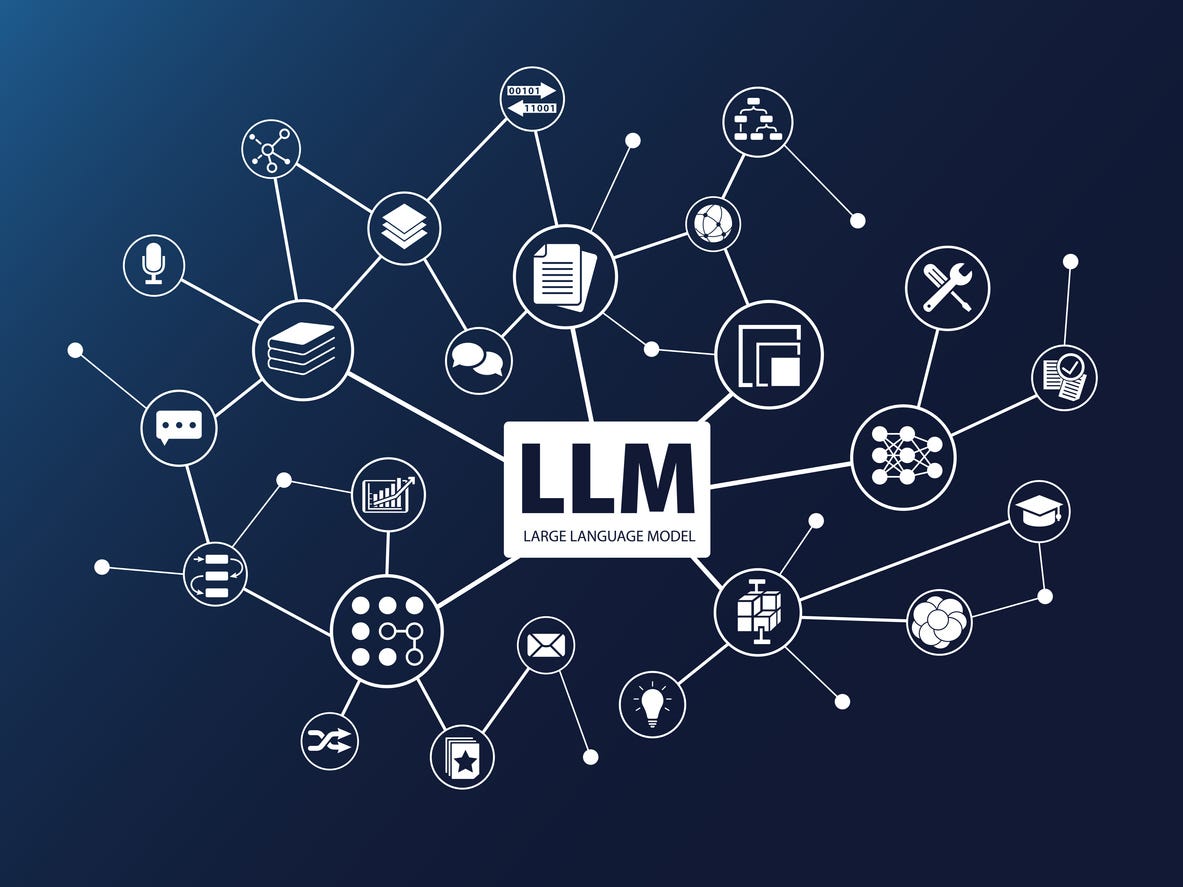
Large language models (LLMs) have taken the world by storm, churning out impressive feats of text generation and comprehension. However, a chorus of experts is emerging, cautioning against overhyping LLMs as the sole path forward for artificial intelligence (AI).
While acknowledging the undeniable progress LLMs represent, these experts argue for a more nuanced approach to AI development. They point out that LLMs, for all their capabilities, exhibit limitations that restrict their true intelligence. LLMs are adept at mimicking human language, but they often struggle with grasping the deeper meaning and context behind the words. This lack of true comprehension can lead to factual errors, nonsensical outputs, and an inability to adapt to new situations.
Critics also point to the vast computational resources required to train and run LLMs. The environmental impact of this energy consumption cannot be ignored, especially when considering the potential for more efficient AI approaches.
The focus on LLMs shouldn’t overshadow other promising avenues of AI research, argue the experts. One such area is symbolic AI, which emphasizes the importance of logical reasoning and knowledge representation. By enabling machines to understand and manipulate symbols, symbolic AI could pave the way for AI systems that are more transparent, interpretable, and efficient.
Another promising direction is the exploration of multi-modal learning. This approach goes beyond text data, incorporating visual, auditory, and other sensory inputs into the training process. This broader range of information allows AI systems to develop a richer understanding of the world and perform tasks that are currently beyond the capabilities of LLMs.
The field of AI is not a monolithic entity, and LLMs represent just one piece of the puzzle. Recognizing their limitations and fostering research into complementary approaches is crucial to ensure that AI reaches its full potential. By moving beyond the hype and embracing a multifaceted approach, we can develop AI systems that are not only impressive language mimics, but also truly intelligent and beneficial to society.
Follow Arabian Post
Select Arabian Post as your preferred source on Google and MSN News for trusted business news and Arab politics and updates.