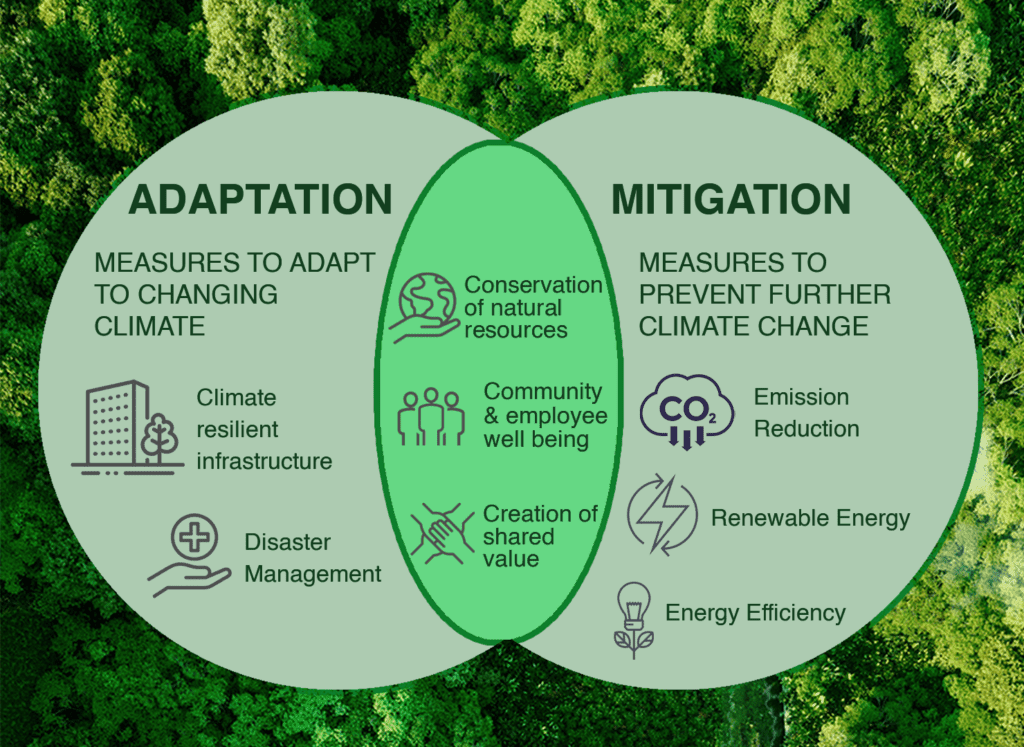
Innovative research is shedding light on how empathy influences climate action strategies. The latest studies integrate multidimensional learning paradigms and computational modeling to explore how individuals tailor their responses to distress based on various social and emotional cues. This research is crucial as it bridges gaps in understanding how empathetic responses can be effectively adapted to address environmental challenges.
Empathy, a complex emotional response, plays a significant role in social interactions. When people encounter distress, their empathetic reactions are influenced by their previous experiences, the emotional state of the distressed individual, and the nature of the distress itself. This process of empathetic response selection is pivotal in crafting interventions that are both compassionate and effective. The current research advances our knowledge by examining how these factors influence empathy-based learning and action.
Recent studies have applied multidimensional learning frameworks to dissect how empathy adapts in various social contexts. By leveraging computational models, researchers can simulate and analyze how different variables—such as the identity of the distressed person and their specific emotional needs—affect the empathetic responses individuals offer. This approach allows for a more nuanced understanding of how empathy operates in real-world situations and how it can be optimized for more impactful climate action strategies.
A key focus of the research is the adaptive empathy framework, which highlights how individuals adjust their responses based on the interplay of multiple factors. For instance, when responding to someone affected by climate-related issues, individuals consider not just the immediate emotional state but also the broader context, including past interactions and the perceived severity of the situation. This adaptive approach ensures that responses are not only appropriate but also effective in mitigating distress and promoting positive outcomes.
The integration of computational modeling in this research offers a significant advancement in predicting and understanding empathetic responses. These models simulate various scenarios to determine how different factors influence empathy and subsequent actions. By analyzing data from these simulations, researchers can identify patterns and strategies that enhance empathetic responses, thereby improving climate action initiatives.
Furthermore, this research contributes to the broader field of climate action by demonstrating how understanding human emotional responses can lead to more effective strategies for addressing environmental challenges. The findings suggest that by tailoring empathetic responses to the specific needs and contexts of individuals affected by climate issues, it is possible to foster greater engagement and support for climate action efforts.
As this research continues to evolve, it holds promise for refining how empathy is used in practice to tackle pressing environmental concerns. The emphasis on adaptive responses and multidimensional learning provides a comprehensive framework for enhancing empathy-based interventions. This approach not only improves the effectiveness of climate action strategies but also contributes to a more compassionate and responsive approach to addressing environmental issues.
Overall, the integration of advanced research methodologies and theoretical frameworks in studying empathy highlights a significant shift in how we understand and apply empathetic responses. By focusing on the intricate dynamics of social interactions and emotional states, this research paves the way for more effective and empathetic climate action strategies.
____________________________________
This article first appeared on Greenlogue and is brought to you by Hyphen Digital Network
Follow Arabian Post
Select Arabian Post as your preferred source on Google and MSN News for trusted business news and Arab politics and updates.