Just in:
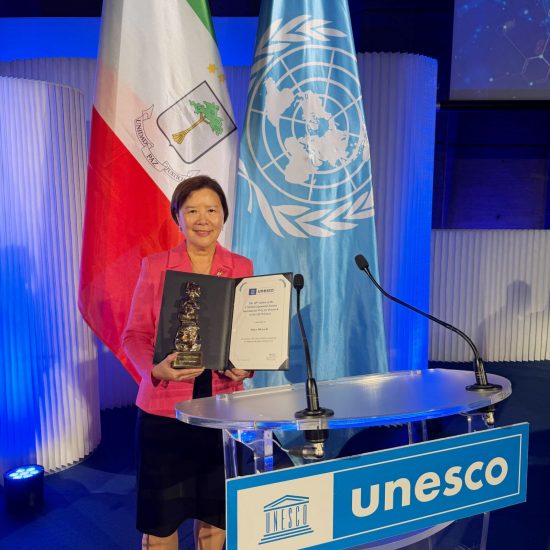
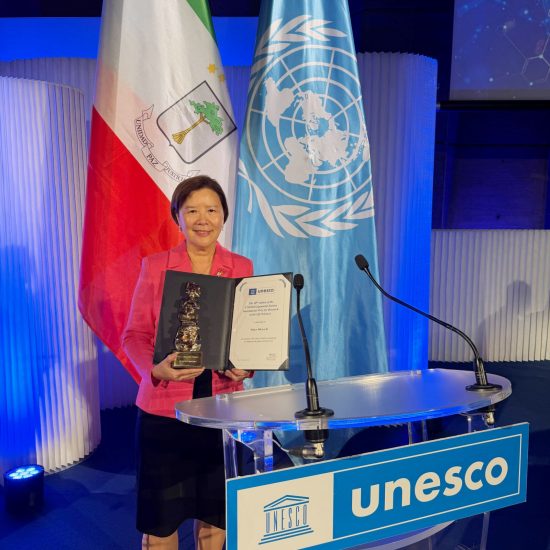
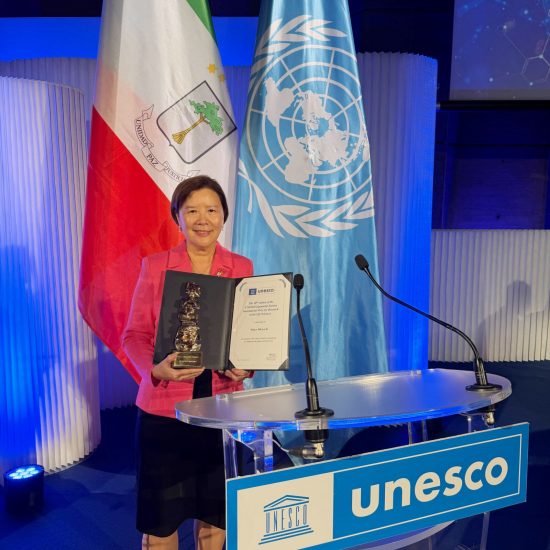
HKUST President Prof. Nancy IP Receives UNESCO–Equatorial Guinea International Prize for Research in Life Sciences // HKUST President Prof. Nancy IP Receives UNESCO–Equatorial Guinea International Prize for Research in Life Sciences // Miss Universe Hong Kong Jen Zhou Departs for Puerto Rico to Compete in the 75th Miss Universe World Final // ADNOC secures decade-long LNG supply pact with Gujarat Energy // Microfinance case trouble for Vellappally // Geely’s i-HEV Intelligent Hybrid Technology Offers a New Direction for Gasoline-Powered Vehicles // India Under Pressure To Join RCEP On The Eve Of ASEAN Summit In Manila On Nov 15-17 // Oil advances towards $100 as tanker attacks persist // Geely’s i-HEV Intelligent Hybrid Technology Offers a New Direction Vision for Gasoline-Powered Vehicles // Motorola introduces Signature 27 flagship priced at $1,599 // Dubai Future District Fund and Buimerc formalise cooperation // Emaar approves Development buyout ahead of planned delisting // HKUST President and Chinese Academy of Sciences Academician Prof. Nancy Ip Receives UNESCO Honor for a Second Time // Beyond the exhibition floor: How robots, AI and networks are moving into the real world // Private varsities bill all set to face the axe // Democrats Gearing Up For 2028 Presidential Elections To Gain Full Power // ADIA subsidiary seeks $7.5 billion private investment financing // OpenAI introduces GPT-6 Cyber with restricted security access // OpenAI abandons secrecy agreements for future data centres // Kochi police detain two actors over bid to honey trap doctor //

EU Enacts Groundbreaking Legislation for High-Risk AI

643d435b1e7e6902756fa5de risk pyramide blog

The European Union has taken a significant step towards shaping the global landscape of artificial intelligence regulation. On May 21st, 2024, EU ministers unanimously approved the Artificial Intelligence Act, a landmark piece of legislation designed to govern the development and use of high-risk AI systems. This act represents the culmination of years of deliberation and debate, and positions the EU as a frontrunner in establishing safeguards for this powerful technology.

The core principle of the AI Act hinges on a risk-based approach. Certain AI applications, deemed high-risk due to their potential impact on fundamental rights or safety, will face stricter regulations. These include systems deployed in areas like law enforcement, recruitment, and critical infrastructure. High-risk AI will need to comply with stringent standards regarding transparency, accuracy, security, and data bias. To ensure compliance, such systems will require certification from authorized bodies before entering the European market.

The act also establishes a new regulatory body, the AI Office, tasked with overseeing enforcement at the EU level. This office will provide guidance to businesses and organizations navigating the new regulations, while also working with member states to ensure consistent implementation.

For lower-risk AI applications, the regulations are less stringent. However, providers will still be obligated to adhere to certain baseline requirements, such as maintaining technical documentation for audits. This tiered approach aims to strike a balance between fostering innovation and mitigating potential risks associated with AI.

The EU’s AI Act has been met with cautious optimism by stakeholders. Industry leaders acknowledge the need for clear regulations but express concerns regarding potential hurdles to innovation. Civil society groups, on the other hand, welcome the legislation as a crucial step towards protecting citizens’ rights and privacy in the age of AI.

The global ramifications of the EU’s AI Act are yet to be fully understood. However, it is expected to serve as a precedent for other countries grappling with how to regulate this rapidly evolving technology. The EU hopes that by establishing a robust regulatory framework early on, it can help shape the development of AI in a way that prioritizes human well-being and ethical considerations.

Read the full story on 1arabia.com


Notice an issue?

Arabian Post strives to deliver the most accurate and reliable information to its readers. If you believe you have identified an error or inconsistency in this article, please don't hesitate to contact our editorial team at editor[at]thearabianpost[dot]com. We are committed to promptly addressing any concerns and ensuring the highest level of journalistic integrity.


Loading next story…
Just in:
Oil advances towards $100 as tanker attacks persist // Geely’s i-HEV Intelligent Hybrid Technology Offers a New Direction Vision for Gasoline-Powered Vehicles // Democrats Gearing Up For 2028 Presidential Elections To Gain Full Power // ADNOC secures decade-long LNG supply pact with Gujarat Energy // Miss Universe Hong Kong Jen Zhou Departs for Puerto Rico to Compete in the 75th Miss Universe World Final // Beyond the exhibition floor: How robots, AI and networks are moving into the real world // ADIA subsidiary seeks $7.5 billion private investment financing // Geely’s i-HEV Intelligent Hybrid Technology Offers a New Direction for Gasoline-Powered Vehicles // Dubai details five-year visa benefits for returning visitors // OpenAI abandons secrecy agreements for future data centres // CM disputes Vijayan’s claims // India Under Pressure To Join RCEP On The Eve Of ASEAN Summit In Manila On Nov 15-17 // HKUST President Prof. Nancy IP Receives UNESCO–Equatorial Guinea International Prize for Research in Life Sciences // The “1st Greater Bay Area Health and Longevity Summit & Awards Ceremony” concludes successfully in Macao // Battle Uttar Pradesh Will Be Tougher For Yogi Than Expected // Technology shares plunge as Nasdaq enters correction // Excise chief shunted out in bar licence dispute // HKUST President and Chinese Academy of Sciences Academician Prof. Nancy Ip Receives UNESCO Honor for a Second Time // Microfinance case trouble for Vellappally // Elephant calf on death line airlifted for treatment in Gujarat //