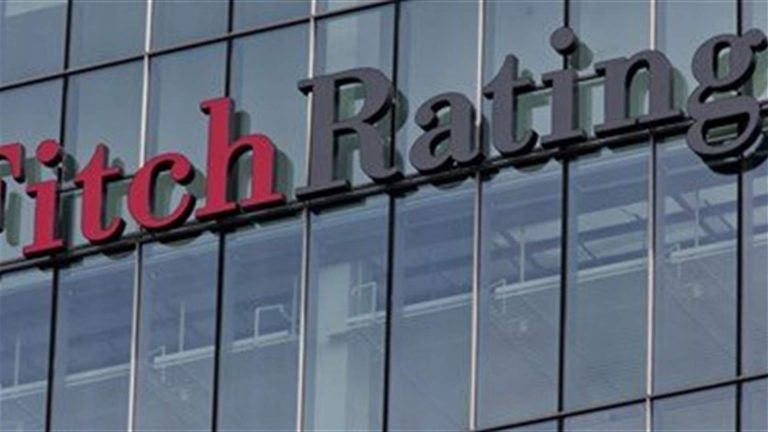
Lebanon’s credit rating has been withdrawn by Fitch Ratings due to the unavailability of crucial data. The global credit rating agency affirmed Lebanon’s long-term foreign and local-currency issuer default ratings as restricted before removing the nation’s IDR and country ceiling. This step marks a significant development in Lebanon’s ongoing financial crisis, signaling deep concerns about the country’s economic stability.
Fitch’s decision to withdraw the ratings stems from a lack of sufficient information to maintain its assessment. The agency stated that the absence of key data impeded their ability to provide an accurate evaluation of Lebanon’s creditworthiness. This move comes as Lebanon grapples with a severe economic crisis, marked by a currency collapse, soaring inflation, and widespread poverty.
The term ‘restricted default’ is used to describe situations where a country has defaulted on some of its financial obligations while continuing to meet others. In Lebanon’s case, this classification reflects the nation’s ongoing struggles to fulfill its debt commitments amidst a deteriorating economic landscape. The withdrawal of the credit rating means investors now face increased uncertainty regarding Lebanon’s financial outlook.
Lebanon’s financial crisis, one of the worst in modern history, has been exacerbated by political instability and corruption. The country has been without a fully functioning government for months, hindering efforts to implement necessary economic reforms. The Lebanese pound has lost over 90% of its value against the US dollar since 2019, severely impacting the purchasing power of citizens and leading to a significant decline in living standards.
The lack of a clear financial strategy and continuous political deadlock have further undermined confidence in Lebanon’s ability to recover. International organizations and experts have repeatedly called for comprehensive reforms to address the structural issues plaguing the economy. However, progress has been slow, and the outlook remains bleak without significant changes.
The withdrawal of Lebanon’s credit rating by Fitch highlights the urgency of addressing these challenges. It underscores the need for transparent and effective governance to restore investor confidence and stabilize the economy. The international community, including financial institutions and donor countries, has emphasized the importance of a stable and accountable government in Lebanon for any meaningful economic recovery to take place.
Amid this crisis, Lebanese citizens are facing unprecedented hardships. Basic necessities such as food, medicine, and fuel have become scarce, with many struggling to meet their daily needs. The banking sector is also in disarray, with strict capital controls limiting access to funds and eroding trust in the financial system.
Efforts to secure international aid have been hampered by Lebanon’s political paralysis. The International Monetary Fund (IMF) has indicated willingness to assist, but conditions for aid include significant economic reforms and anti-corruption measures, which have yet to be fully implemented by the Lebanese authorities.
The decision by Fitch Ratings serves as a stark reminder of the critical state of Lebanon’s economy and the urgent need for comprehensive reforms. It is imperative for Lebanese leaders to prioritize the nation’s economic recovery and work towards restoring stability and trust. The path to recovery is fraught with challenges, but decisive and transparent action can pave the way for a more stable and prosperous future for Lebanon.
Fitch’s withdrawal of Lebanon’s credit rating is a significant indicator of the broader economic issues facing the country. It is crucial for stakeholders, both domestic and international, to collaborate in addressing the root causes of the crisis. Only through sustained efforts and genuine reform can Lebanon hope to emerge from this severe economic downturn and rebuild a resilient economy.
Follow Arabian Post
Select Arabian Post as your preferred source on Google and MSN News for trusted business news and Arab politics and updates.