

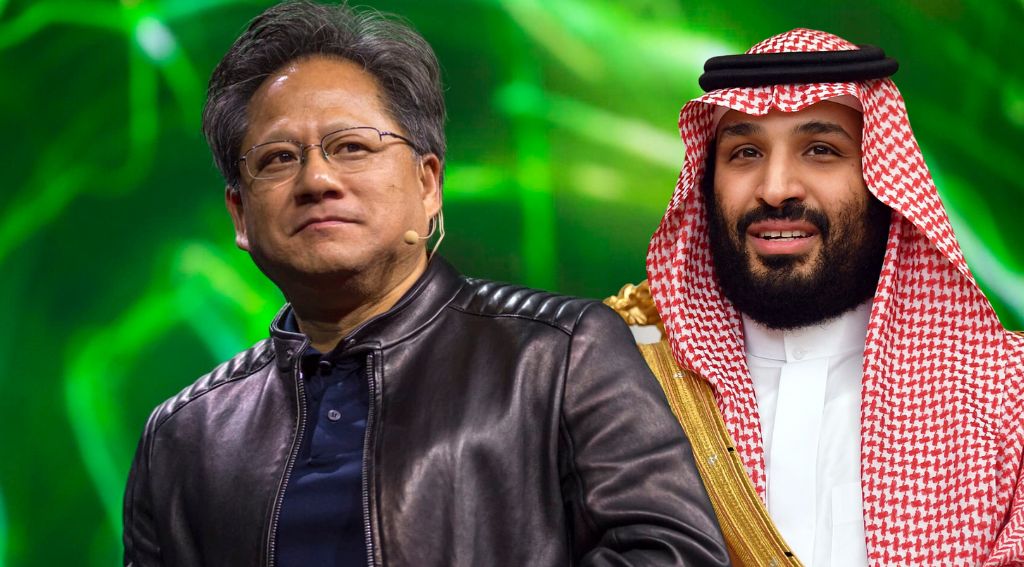
The Biden administration is weighing the possibility of granting Nvidia permission to export its advanced chips to Saudi Arabia, according to sources familiar with the matter. This move could significantly bolster Saudi Arabia’s efforts to enhance its artificial intelligence capabilities by enabling the training and operation of high-performance AI models.
The issue of chip sales emerged as a notable discussion point at GAIN, Saudi Arabia’s global AI summit, where the focus was on expanding the country’s technological infrastructure. Sources at the summit, including officials from the Saudi Data and AI Authority, indicated that Saudi Arabia is actively working to align with U.S. security protocols to accelerate the procurement process for these advanced chips.
The broader context of this potential policy shift stems from the Biden administration’s stringent measures imposed last year on AI chip exports. The U.S. government introduced new licensing requirements to prevent China from accessing critical technologies, which included restrictions on exports to the UAE and other Middle Eastern nations. These regulations were part of a strategic effort to limit China’s ability to advance its AI and technological capabilities.
Saudi Arabia’s interest in acquiring these chips reflects its broader ambition to become a leader in the global AI sector. The kingdom has been investing heavily in technology and innovation as part of its Vision 2030 initiative, which aims to diversify its economy beyond oil dependency and establish itself as a technology hub.
Nvidia’s advanced chips, known for their high processing power, are crucial for training sophisticated AI models, which can drive innovations in various sectors including healthcare, finance, and smart cities. The chips’ capabilities are pivotal for developing and deploying cutting-edge AI applications, which aligns with Saudi Arabia’s strategic goals.
The discussions around this export deal are occurring against a backdrop of heightened geopolitical tensions and technological competition. The U.S. government’s cautious approach to technology exports underscores the complex balance between fostering international trade and safeguarding national security interests.
The potential lifting of export restrictions to Saudi Arabia would mark a significant shift in U.S. policy, reflecting an evolving approach to global technology trade. This decision could set a precedent for how the U.S. manages its technological exports in the face of increasing global competition and strategic rivalries.
Follow Arabian Post
Select Arabian Post as your preferred source on Google and MSN News for trusted business news and Arab politics and updates.



