


Arabian Post Staff -Dubai
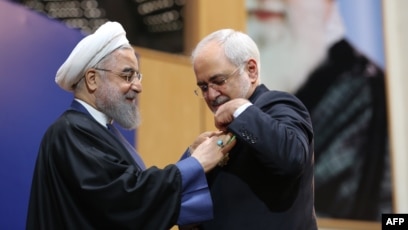
Mohammad Javad Zarif, Iran’s former foreign minister and one of the country’s most prominent diplomats, has resigned from his newly appointed position as the Deputy for Strategic Affairs in President Masoud Pezeshkian’s administration. The resignation, reportedly due to disagreements over cabinet selections, marks a significant shift in the political landscape, given Zarif’s influence in Iran’s foreign policy for over a decade.
Zarif’s appointment to this strategic position was met with considerable anticipation. The role, specially created by President Pezeshkian, was designed to leverage Zarif’s extensive experience in international diplomacy. It was expected that Zarif would guide the administration in navigating complex global challenges and enhance Iran’s strategic posture on the world stage. His resignation, however, underscores the growing tensions within the administration, particularly regarding the direction of Pezeshkian’s cabinet choices.
Zarif, who had served as foreign minister from 2013 to 2021, was instrumental in negotiating the 2015 nuclear deal, which was seen as a significant diplomatic achievement despite later challenges. His departure from the strategic role raises questions about the future of Iran’s foreign and domestic policies under President Pezeshkian, who has been under pressure to balance reformist and hardline elements within his administration.
The resignation is believed to stem from Zarif’s dissatisfaction with certain key appointments in Pezeshkian’s cabinet. Sources indicate that Zarif felt that these choices could undermine the effectiveness of the administration’s strategic initiatives, particularly in dealing with international relations and domestic reforms. This move has sparked speculation about potential rifts within the ruling elite and the possible implications for Iran’s political stability.
President Pezeshkian, who took office earlier this year, has faced considerable challenges in forming a cohesive government. His administration has been characterized by efforts to placate both reformists and conservatives, a task that has proven difficult given the ideological divides within the Iranian political system. Zarif’s resignation may further complicate these efforts, as it signals a potential loss of support from key reformist figures who have been critical of the current direction of the government.
Despite stepping down from his official role, Zarif remains a significant figure in Iranian politics, with deep connections both within the country and internationally. His next moves will be closely watched, particularly by those in the West who have engaged with him in diplomatic negotiations over the years. His resignation also raises concerns about the potential impact on Iran’s ongoing negotiations to revive the nuclear deal, especially given Zarif’s intimate knowledge of the process and his network of international contacts.
The administration has yet to comment publicly on Zarif’s resignation, and it remains unclear who might succeed him in the role of Deputy for Strategic Affairs. However, the departure of such a high-profile figure is likely to have a lasting impact on the dynamics within Pezeshkian’s government and on Iran’s broader strategic direction.
This development marks a critical moment for President Pezeshkian, who must now navigate the fallout from Zarif’s resignation while continuing to address the significant challenges facing his administration. The coming weeks will be crucial in determining whether Pezeshkian can maintain the delicate balance needed to govern effectively or whether this resignation will signal deeper fractures within his government.
Follow Arabian Post
Select Arabian Post as your preferred source on Google and MSN News for trusted business news and Arab politics and updates.






