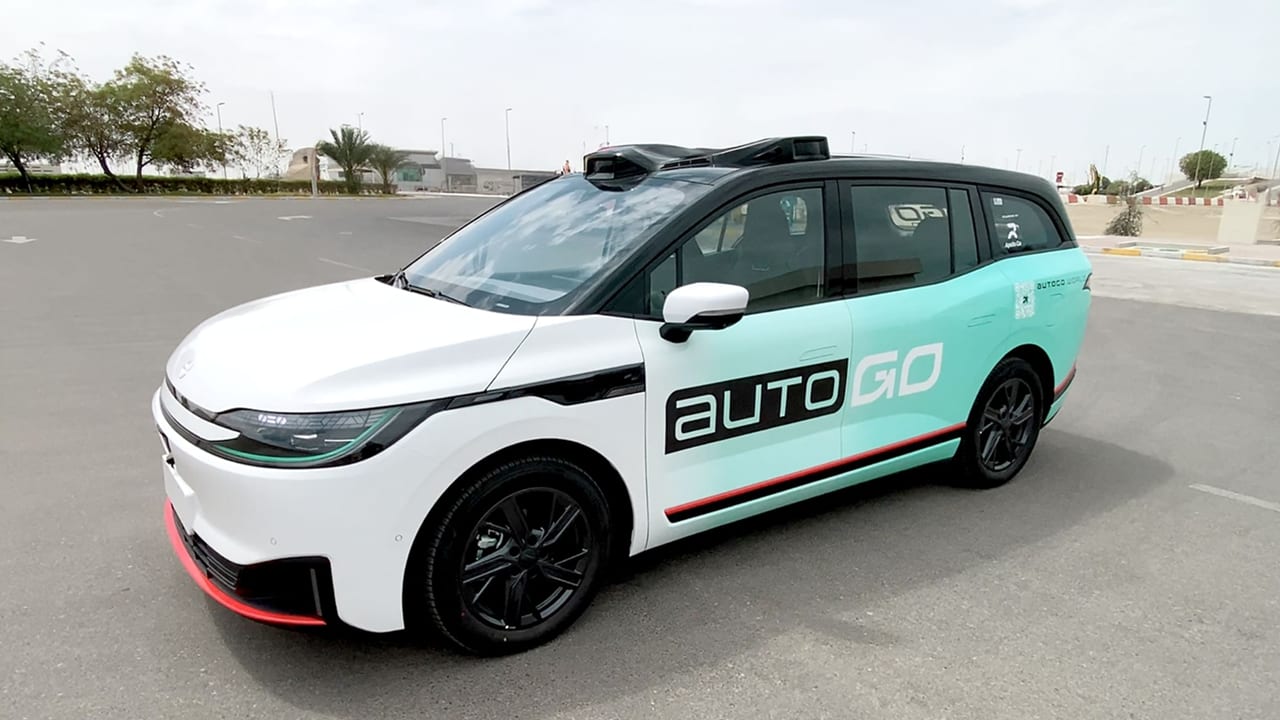
Dubai has taken a decisive step toward autonomous urban transport with the launch of a pilot public robotaxi service on the Uber app, allowing selected users to book self-driving rides within designated zones of the emirate. The initiative, rolled out by the Roads and Transport Authority in partnership with autonomous technology firm WeRide and Uber Technologies, marks the first time such a service has been made available to the public in Dubai under an official regulatory framework.
The pilot forms part of the emirate’s Self-Driving Transport Strategy, which aims for 25 per cent of all trips to be made using autonomous modes by 2030. Officials said the robotaxi programme is designed to test technology performance, safety protocols, rider experience and regulatory readiness before any wider deployment. Initial operations are confined to limited routes and times, with trained safety operators present during the early phase.
Dubai advances driverless mobility rollout as transport authorities accelerate efforts to integrate artificial intelligence and automation into everyday commuting. The RTA said the pilot would help refine technical standards, data-sharing requirements and insurance models while giving residents and visitors a first-hand experience of autonomous travel.
WeRide, a Guangzhou-based autonomous driving company, is providing the core self-driving system. The firm operates robotaxi services in several cities across China and has conducted trials in parts of the Middle East. Its vehicles rely on a combination of lidar, radar and camera systems, supported by high-definition mapping and real-time decision-making software. Uber’s role centres on user access, fleet dispatch and trip management through its existing app interface.
RTA officials described the partnership as a practical example of public-private collaboration, combining regulatory oversight with global technology platforms. According to the authority, Dubai has spent several years preparing the regulatory groundwork for autonomous vehicles, including dedicated testing permits, safety requirements and cybersecurity standards. The robotaxi pilot is being monitored closely by transport planners, traffic safety teams and data analysts.
Industry observers say Dubai’s move places it among a small group of cities worldwide that have transitioned from controlled trials to limited public availability of driverless taxis. Cities such as San Francisco, Phoenix and parts of Beijing have already introduced similar services, though each market has faced challenges ranging from public trust to operational constraints. Dubai’s approach has been characterised by gradual scaling and strong government coordination, which analysts believe could reduce friction during adoption.
For users, the experience closely mirrors a standard Uber booking, with the option to select a robotaxi where available. Pricing structures have not been positioned as promotional, reflecting the pilot’s focus on data gathering rather than rapid market expansion. RTA officials emphasised that passenger safety remains the primary benchmark, noting that the service will be adjusted or paused if operational thresholds are not met.
The launch also reflects broader economic and policy ambitions. Autonomous transport is viewed by Dubai’s leadership as a tool to improve road safety, reduce congestion and lower emissions over time. Studies commissioned by the RTA have suggested that widespread adoption of self-driving vehicles could cut traffic accidents significantly, given that human error accounts for the majority of collisions globally. Efficiency gains are also expected through smoother traffic flows and optimised routing.
Technology firms see the emirate as an attractive testing ground due to its advanced digital infrastructure, supportive regulatory stance and relatively predictable driving environment. WeRide executives have previously highlighted Dubai’s clear policy direction and willingness to integrate innovation into public services. Uber, which has invested heavily in autonomous partnerships after selling its own self-driving unit several years ago, has framed the collaboration as part of its strategy to remain central to future mobility ecosystems.
Public reaction is likely to play a crucial role in shaping the next phase. While surveys conducted during earlier autonomous shuttle trials in Dubai indicated growing acceptance, transport experts note that robotaxis operating in mixed traffic present different psychological and operational dynamics. Clear communication, transparent safety records and consistent service quality will be essential to building confidence.
Follow Arabian Post
Select Arabian Post as your preferred source on Google and MSN News for trusted business news and Arab politics and updates.