Arabian Post Special
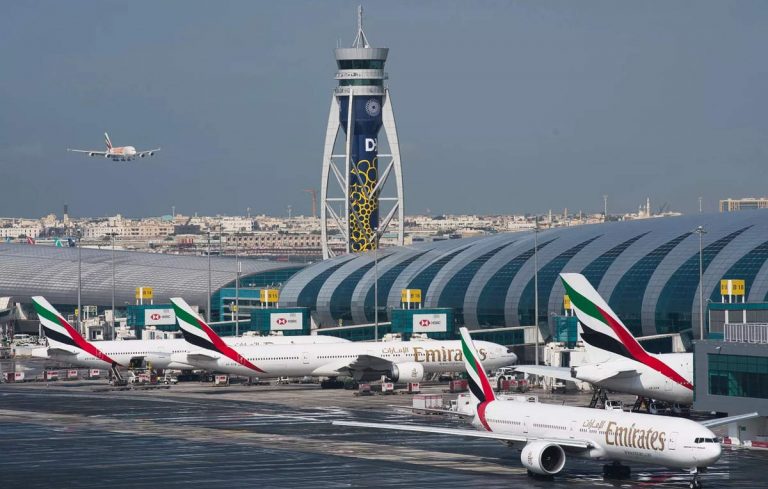
Dubai, the emirate synonymous with audacious ambition, has unveiled a new chapter in its relentless pursuit of innovation. The centerpiece? A staggering $35 billion investment in transforming Dubai’s Maktoum Airport into the world’s largest, marking a potential turning point for the emirate’s investment landscape.
This colossal project transcends mere bricks and mortar. It signifies a strategic shift, positioning Dubai as a future aviation epicenter. The sheer scale is mind-boggling: a capacity to handle 260 million passengers annually, dwarfing current leaders. This ambition is fueled by Dubai’s unwavering confidence in its role as a global transit hub, particularly as air travel rebounds from the pandemic.
The ramifications extend far beyond passenger numbers. Dubai envisions a metropolis rising around the airport, a “complete city” catering to a projected population of one million. This translates to a surge in construction, creating a potential boom for related industries. The project becomes a magnet for talent, fostering a dynamic ecosystem of aviation professionals, logistics experts, and service providers.
But the true potential lies in the promise of “new aviation technologies.” This enigmatic phrase hints at Dubai’s intent to be at the forefront of aerospace innovation. Imagine streamlined passenger processing, next-generation air traffic control systems, or even integration with emerging technologies like electric vertical take-off and landing (eVTOL) aircraft.
This focus on cutting-edge solutions aligns perfectly with Dubai’s broader vision, outlined in its D33 agenda. This ambitious strategy aims to double the size of Dubai’s economy by 2033, with a strong emphasis on diversification and attracting cutting-edge industries. The Maktoum Airport project embodies this spirit, potentially transforming Dubai into a global hub for research, development, and deployment of future aviation technologies.
However, navigating this ambitious path won’t be without challenges. The sheer scale of the project necessitates meticulous planning and execution. Dubai has a proven track record of delivering mega-projects, but the ten-year construction timeframe demands sustained commitment and resource allocation. Funding such a colossal undertaking will require a multifaceted approach, potentially involving public-private partnerships and strategic foreign investment.
Environmental considerations are paramount. Sustainable construction practices and energy-efficient technologies will be crucial to mitigate the project’s environmental footprint. Dubai’s reputation as a progressive city hinges on its ability to balance economic growth with environmental responsibility.
The social impact also merits close attention. The influx of a million residents necessitates the development of robust infrastructure – housing, education, healthcare – to ensure a high quality of life. This aspect requires careful planning to avoid sprawling, unsustainable urban development.
Despite the challenges, the potential rewards are undeniable. A successful Maktoum Airport project could solidify Dubai’s position as a global leader in aviation for decades to come. It would not only transform the emirate’s physical landscape but also act as a catalyst for economic diversification, technological advancement, and the creation of a future-proofed metropolis.
This audacious project serves as a powerful statement. Dubai is not content with resting on its laurels as a tourism and trade hub. It aspires to become a pioneer in the next chapter of air travel, shaping the future of how we connect and explore the world. The ramifications of this investment will likely extend far beyond Dubai’s borders, influencing the trajectory of global aviation for years to come. As the colossal project unfolds, the world will be watching with a mix of anticipation and intrigue, eager to see if Dubai can once again redefine the boundaries of ambition.
Also published on Medium.
Follow Arabian Post
Select Arabian Post as your preferred source on Google and MSN News for trusted business news and Arab politics and updates.