

Arabian Post Staff -Dubai
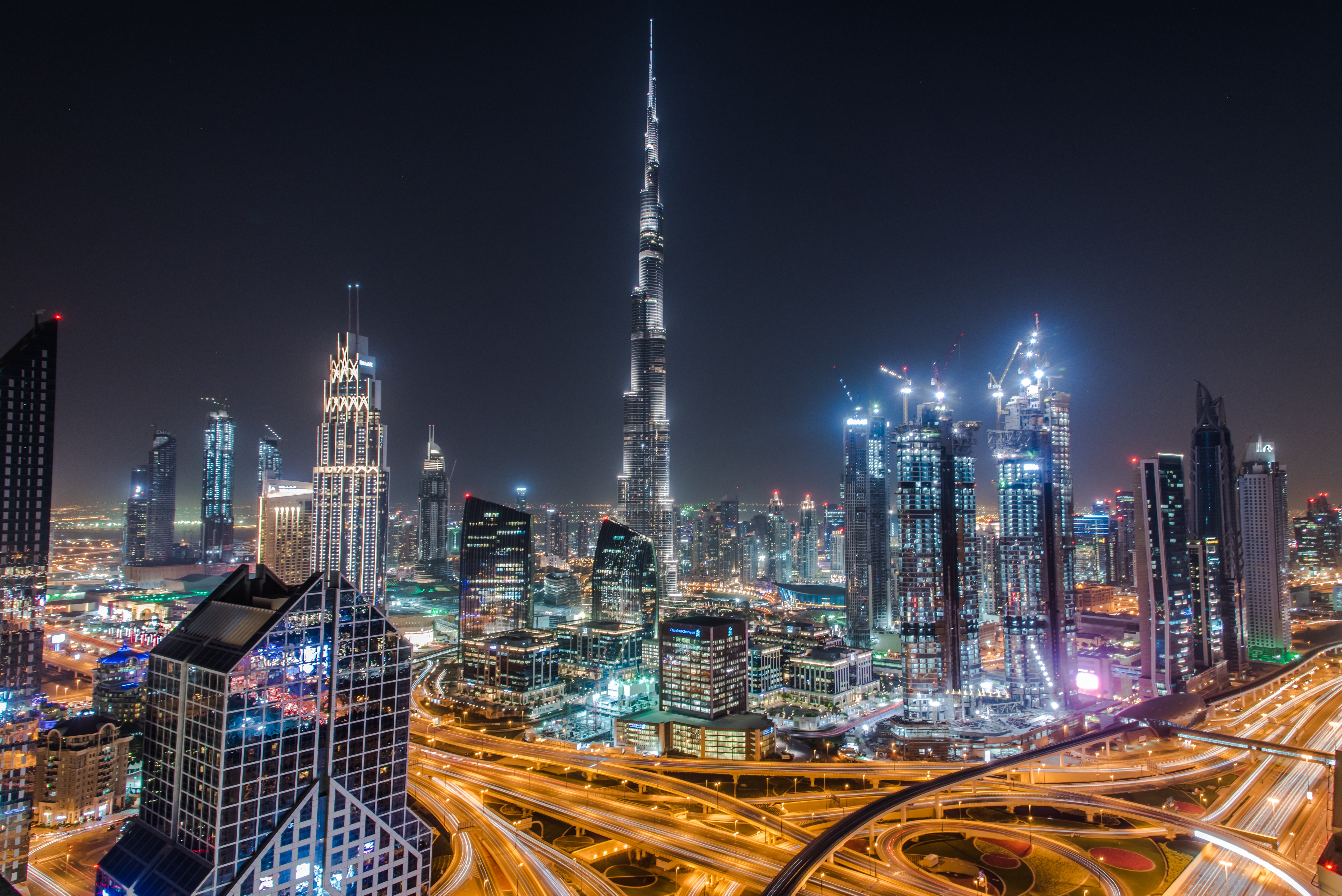
Dubai’s morning peak traffic has seen a significant reduction, with travel times decreasing by as much as 30%. This shift comes in the wake of widespread adoption of flexible working hours and remote work policies that have reshaped daily commutes across the city. The transformation highlights the growing impact of workplace changes on urban mobility patterns and traffic congestion.
The move towards more adaptable work schedules, accelerated by the pandemic, has seen a marked decline in the number of commuters rushing to the office during traditional hours. As companies continue to embrace hybrid work models, employees have greater autonomy over when they begin their workday, thus spreading out peak travel times.
Dubai, one of the world’s most bustling cities, had long struggled with traffic congestion. The morning rush hour often brought gridlock to key roads, with long waits on highways and delays in public transportation. However, the integration of flexible hours has provided a unique solution. According to traffic management experts, the reduction in office-bound commuters during the congested morning period has relieved pressure on the city’s infrastructure.
The Dubai government’s push for digital transformation and work flexibility has been central to this change. Various private and public sector organizations implemented remote work and staggered hours as part of their long-term business strategies. These policies have allowed workers to avoid the intense traffic rush typical of the early morning commute, particularly along major roads like Sheikh Zayed Road and Emirates Road.
For commuters, the effects of these changes are tangible. Daily travel times have shortened, not only for those who work from home but also for individuals who now choose to drive or take public transportation during non-peak hours. Traffic reports indicate a steady decline in congestion around office-heavy districts such as Business Bay and Dubai International Financial Centre (DIFC).
Dubai’s government has also introduced new traffic management strategies, which include rerouting certain traffic flows and expanding the metro network. These measures, combined with flexible work policies, have created a more efficient and less stressful commuting experience. Authorities have noted that traffic data collected over the past few months shows improved traffic speeds during the early hours of the workday, corroborating the positive effects of these adjustments.
Experts argue that this shift could have long-term benefits for the city’s infrastructure. By spreading out commuting times and reducing the number of vehicles on the road at any given moment, Dubai may be able to delay or even avoid costly investments in road expansions or additional public transport services. Furthermore, the environmental impact is expected to be favorable, with fewer vehicles idling during peak hours, reducing emissions and contributing to the city’s sustainability goals.
Flexibility in the workplace is also expected to continue influencing the way people travel. While Dubai has long been known for its emphasis on innovation, the trend of remote and hybrid working is likely to become a permanent fixture in the city’s labor landscape. This shift also aligns with global trends, as more businesses worldwide adopt similar policies in response to employee demands for better work-life balance.
Local businesses have taken notice of these changes and adjusted their operations accordingly. Companies are increasingly offering employees the option to work from home or choose flexible hours as part of their standard benefits packages. As a result, more people are opting to work remotely for at least part of the week, which further contributes to the reduction in commuter traffic during the busiest hours.
Public transport systems have also seen a positive shift, with trains, buses, and taxis benefiting from a more balanced distribution of passengers throughout the day. The Dubai Metro, which serves as a key mode of transportation for many, has experienced less overcrowding in the morning, offering a more comfortable ride for those who continue to commute to work.
The shift to remote work and flexible hours has also led to noticeable changes in the behavior of businesses. Firms in sectors like technology, finance, and consulting have been quick to embrace hybrid work models, recognizing both the benefits to employee satisfaction and the reduction in operational costs. For employees, this new approach to work offers greater autonomy, allowing them to optimize their schedules for productivity and personal well-being.
Despite these successes, some challenges remain. Although traffic congestion has been alleviated, certain areas of Dubai, particularly near popular commercial hubs, continue to see significant numbers of commuters at specific times of the day. Some business owners worry that widespread adoption of remote work could have unintended consequences, such as a decline in in-person collaboration and innovation. However, many firms are mitigating these concerns by establishing clear guidelines for when employees should be in the office, ensuring that face-to-face meetings and team-building activities continue to play a vital role in business operations.
Also published on Medium.
Follow Arabian Post
Select Arabian Post as your preferred source on Google and MSN News for trusted business news and Arab politics and updates.



