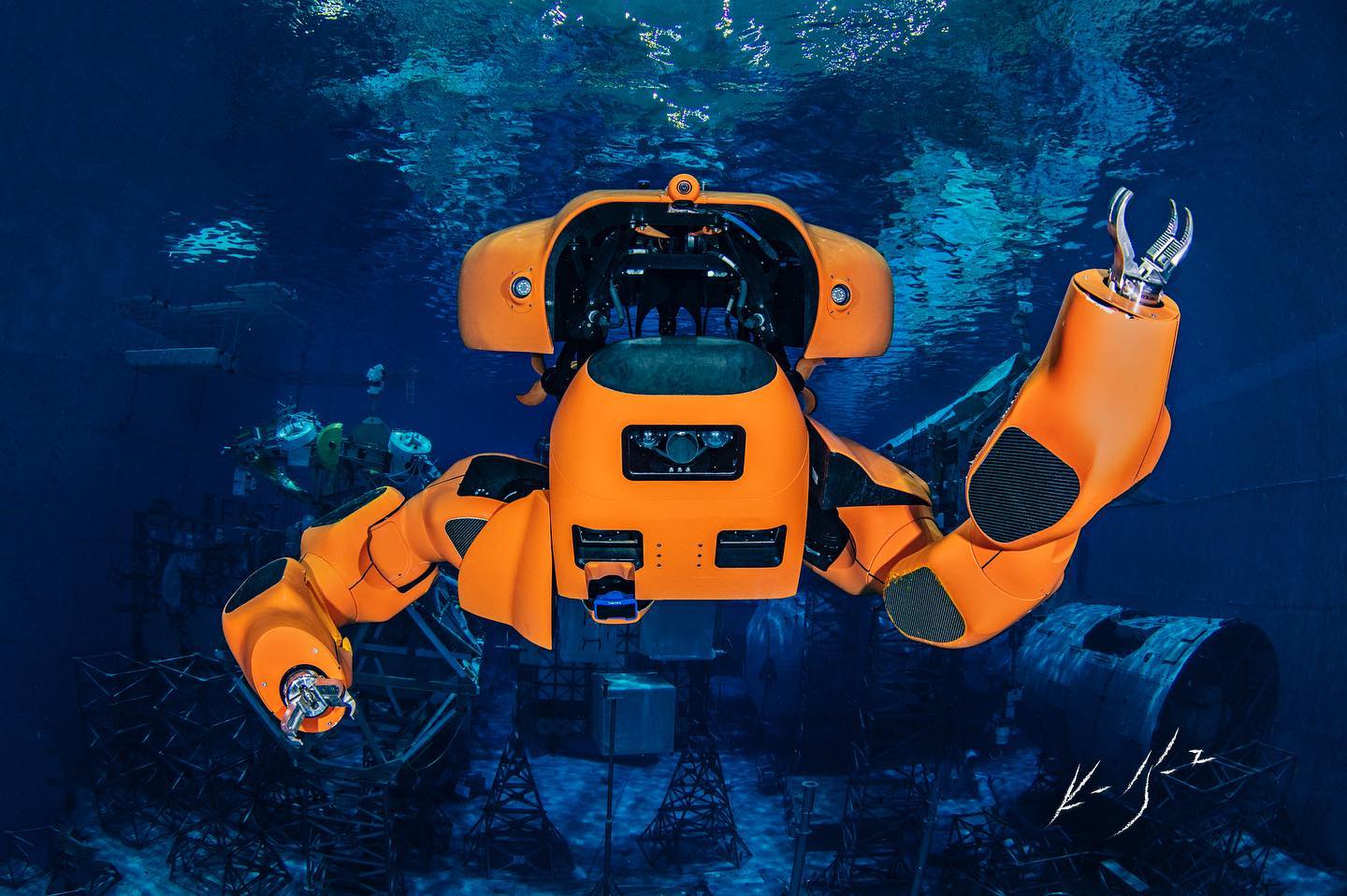
Marine researchers have set their sights on a new source of inspiration for underwater technology:jet-propelled sea creatures. A recent study by the University of Oregon investigated the locomotion techniques of salps, gelatinous marine animals that resemble jellyfish. The researchers discovered that salps, which migrate vertically through the ocean depths each night, achieve propulsion through a unique form of coordinated jet action. This finding has the potential to revolutionize the design of underwater vehicles.
Salps are filter feeders, drawing in water and expelling it through a muscular chamber. The study revealed that salp colonies, consisting of hundreds of individual animals linked together, can generate surprisingly powerful jets by pulsing in a synchronized manner. This synchronized pulsing allows the salps to swim in elaborate corkscrew patterns, efficiently navigating the water column.
The research team, led by Kelly Sutherland, associate professor of biology at the University of Oregon’s Oregon Institute of Marine Biology, believes this jet propulsion method holds significant promise for underwater robotics. Current underwater vehicles often rely on propellers or noisy electric motors, which can limit their efficiency and maneuverability. Salp-inspired propulsion systems, on the other hand, could be quieter and more energy-efficient. Additionally, the ability to mimic the salps’ corkscrew motion could enhance a robot’s ability to navigate complex underwater environments.
Sutherland highlights the potential benefits for ocean exploration:”These organisms could be platforms for inspiration for building robots that efficiently traverse the deep sea. They are these amazing, soft-bodied creatures that are moving through the water in a way that our current, rigid-bodied underwater vehicles simply can’t. “
The researchers envision a future where biomimetic robots, inspired by salp locomotion, could be deployed for a variety of tasks. These robots could be used for deep-sea exploration, environmental monitoring, and even underwater search and rescue operations. Their silent and efficient movement would allow them to access delicate ecosystems without causing disruption.
The development of biomimetic robots based on salp propulsion is still in its early stages. However, the findings of this study offer a glimpse into a future where underwater exploration is conducted with greater efficiency and less environmental impact. By taking a cue from the natural world, scientists are poised to develop a new generation of ocean robots that can delve deeper, explore further, and protect the delicate marine environment.
Follow Arabian Post
Select Arabian Post as your preferred source on Google and MSN News for trusted business news and Arab politics and updates.