

Arabian Post Staff -Dubai

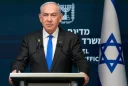
A senior aide to Israeli Prime Minister Benjamin Netanyahu has been dispatched to the United Arab Emirates in a discreet diplomatic move aimed at resolving strains between the two nations. This development marks a critical step in addressing the ongoing challenges faced by the UAE-Israel relationship, particularly in the aftermath of regional shifts and political tensions.
The aide’s visit, which has been kept under wraps to avoid further complicating the delicate diplomatic situation, underscores Israel’s desire to reassert its relations with the UAE following some setbacks in the past year. While the specifics of the discussions remain largely confidential, sources suggest the key focus is on reaffirming the normalization of ties, which was first achieved through the Abraham Accords in 2020. These accords established full diplomatic relations between Israel and the UAE, a historic shift in the Middle East, and the Netanyahu administration has been under pressure to maintain the momentum of these agreements despite regional turbulence.
Diplomatic sources point to a combination of political disagreements, security concerns, and international pressures that have strained the UAE-Israel partnership. One of the main issues is the growing unease in the Gulf over Israel’s stance on Palestinian issues and its handling of tensions in Gaza. While the UAE has remained committed to the Abraham Accords, there has been mounting public and political disquiet over Israel’s domestic policies, especially in relation to its stance on Palestinian sovereignty and peace efforts.
Experts suggest that Netanyahu’s decision to send a trusted aide is a direct response to growing concerns in Abu Dhabi about Israel’s domestic trajectory and its regional posture. This diplomatic outreach is seen as a move to reassure the UAE that Israel remains committed to cooperation, particularly in areas such as trade, technology, and security, which have flourished since the signing of the Abraham Accords.
There is speculation that the UAE has been considering a recalibration of its foreign policy, especially with the changing dynamics in the broader Middle East. With the shifting alliances and new players emerging in the region, including the growing influence of China and Russia, the UAE finds itself needing to maintain a balance between its Western ties, particularly with the United States, and its more recent alignment with Israel.
The UAE-Israel relationship, though officially cordial, has been fraught with complexities. The leadership in Abu Dhabi has long prioritised stability and economic growth, factors which drove the decision to engage diplomatically with Israel. However, regional developments, including the ongoing situation in Gaza and the broader Israeli-Palestinian conflict, have put these relations to the test.
Israel’s efforts to build and sustain relationships with Gulf states have been a key feature of Netanyahu’s foreign policy. The normalization agreements brokered by the Trump administration in 2020 were seen as a major victory for Israel, but they have not been without their challenges. The UAE has been wary of the potential fallout from these ties, particularly in the Arab world, where public sentiment on Israel remains divided.
Despite these challenges, there is a shared interest in several areas. Both countries are looking to advance economic collaborations, particularly in the fields of technology, energy, and defence. Israeli businesses have already established a foothold in the UAE, with cooperation extending to key sectors such as cybersecurity and artificial intelligence. These partnerships are expected to grow further as both nations seek to capitalise on new opportunities.
Israel’s relationship with the UAE has also allowed for greater security cooperation, particularly in the context of regional threats posed by Iran. Both countries share concerns over Iran’s nuclear ambitions and its influence across the region. This shared security interest has provided a basis for increased intelligence-sharing and military coordination, despite the undercurrent of political tensions.
Also published on Medium.
Follow Arabian Post
Select Arabian Post as your preferred source on Google and MSN News for trusted business news and Arab politics and updates.




