News related to
Power

Alibaba.com, a leading global business-to-business (B2B) e-commerce platform, has partnered with Mastercard to unveil a co-branded credit card aimed at small businesses in the United States. The Alibaba.com Business Edge Credit Card, set to launch later this year, promises to enhance the purchasing power of small enterprises by offering cashback rewards and favorable financing terms on both domestic and international sourcing transactions made through Alibaba’s marketplace.

Designed with small business owners in mind, the credit card aims to address common financial challenges faced by companies engaged in global trade, particularly those involved in cross-border e-commerce. The Alibaba.com Business Edge Credit Card will provide 3% cashback on eligible purchases, along with a 90-day order protection feature. This protection is geared towards businesses seeking to minimize risks when purchasing from international suppliers, a critical factor for companies that depend on reliable sourcing and supplier trust in the global market.

Alibaba’s strategic collaboration with Mastercard highlights the growing significance of financial tools tailored to support small and medium-sized enterprises (SMEs) engaged in international trade. For many businesses, navigating the complexities of global supply chains and managing foreign exchange transactions pose considerable challenges. By introducing this co-branded credit card, Alibaba and Mastercard aim to simplify these processes and empower businesses with greater financial flexibility.

John Caplan, President of North America and Europe for Alibaba.com, emphasized the need for more accessible financial solutions for small businesses engaged in global sourcing. “We understand the difficulties that small business owners face when purchasing from suppliers worldwide. This card was created to make the process easier, more secure, and rewarding,” Caplan remarked. His comments reflect Alibaba’s commitment to expanding its presence in the U.S. market by offering more value to small enterprises through tailored financial solutions.

Mastercard, a global payments leader, brings its expertise to the partnership by ensuring that the Alibaba.com Business Edge Credit Card is equipped with industry-leading security features and seamless transaction capabilities. The card will benefit from Mastercard’s robust global payment network, providing users with easy access to Alibaba’s vast supplier base without the usual concerns surrounding cross-border payments. Small businesses, particularly those relying on Alibaba.com for sourcing products, stand to benefit from reduced transaction fees and enhanced cashback opportunities.

Additionally, Cardless, a U.S.-based fintech firm, is involved in the partnership to offer digital-first capabilities for the card. Cardless is known for its user-friendly app that simplifies the application and card management process, allowing cardholders to access features such as tracking purchases, paying bills, and redeeming rewards—all from a mobile device. The involvement of Cardless adds an extra layer of convenience to the Alibaba.com Business Edge Credit Card, as it provides businesses with a modern, digital solution for managing their spending.

The Alibaba.com Business Edge Credit Card marks Alibaba’s first foray into co-branded credit cards in the United States, demonstrating the company’s intent to strengthen its foothold in the U.S. market. Although Alibaba.com has long been a prominent platform for sourcing goods from international suppliers, the introduction of a co-branded credit card tailored specifically for U.S. businesses signals a shift in the company’s strategy to become more integrated into the financial infrastructure of the country.

By tapping into the vast U.S. small business sector, Alibaba and Mastercard are positioning themselves at the intersection of e-commerce and finance, two industries that continue to experience rapid growth. According to estimates, the U.S. market for small business credit cards is worth billions of dollars, with an increasing number of enterprises relying on credit cards to finance their operations. The introduction of the Alibaba.com Business Edge Credit Card provides an opportunity for Alibaba to offer more than just a marketplace—it positions the platform as a financial partner to its users, offering tools that directly enhance their purchasing and operational capabilities.

Moreover, the launch of the Alibaba.com Business Edge Credit Card comes at a time when global supply chains are under heightened scrutiny. Many small businesses are struggling to navigate the impacts of fluctuating costs, tariffs, and logistics challenges. For businesses using Alibaba.com to source goods, the cashback rewards and extended payment terms offered by the card may help alleviate some of these pressures. By providing users with financial benefits tailored to their purchasing habits, the card is expected to foster long-term loyalty among Alibaba’s U.S. customer base.

The announcement of the card’s waitlist, which went live on September 5, has already generated significant interest from U.S. small business owners. Once available later this year, the Alibaba.com Business Edge Credit Card will allow users to apply through a streamlined digital process facilitated by Cardless. Applicants will be able to complete the process quickly and manage their cards directly from the Cardless mobile app, enhancing accessibility for small business owners who value simplicity and convenience.

NEW YORK, USA – Media OutReach Newswire – 6 September 2024 – Today marks the beginning of the much-anticipated Momcozy NYFW Popup Event During News York Fashion Week. Taking place from September 6th to 11th in New York City, this event embraces the theme “Cozy Evolution: Together We Grow.” This unique celebration focuses on the intimate moments that shape our lives, particularly the transformative journey of motherhood. […]

By Nitya Chakraborty Pakistan ,as the host country for the Shanghai Cooperation Organisation (SCO) ‘s Heads of the State Council (HSC) meeting scheduled at Islamabad on October 15 and 16 October this year, has invited Indian Prime Minister Narendra Modi to attend the two day summit. India is a member of the ten nation body […]


MADRID, SPAIN – Media OutReach Newswire – 6 September 2024 – OPPO has announced that it has renewed its partnership with the Union of European Football Associations (UEFA) for the next three seasons, covering multiple UEFA competitions including the UEFA Champions League, UEFA Super Cup, UEFA Futsal Champions League finals and the UEFA Youth League finals. Building on the partnership of the previous two seasons, OPPO will […]

YouTube has announced new measures aimed at curbing the negative effects of algorithm-driven content on young users, a move prompted by growing concerns over how prolonged exposure to certain videos can impact their well-being. The platform’s updated approach includes expanded parental controls designed to give guardians more visibility and authority over what their children watch. The changes, introduced in response to a surge in parental feedback and […]

China is preparing to form its largest brokerage firm by merging two major state-owned securities companies, Guotai Junan Securities and Haitong Securities. The merger is estimated to create a financial giant worth approximately $230 billion, positioning it to compete more effectively on the global stage, particularly against established Wall Street institutions. The plan, which has been in development for some time, is part of Beijing’s broader efforts […]

Etihad Airways is scrutinizing its fleet of Airbus A350 aircraft due to concerns over engine performance. The airline has grounded several planes for inspection following reports of engine anomalies. This proactive measure aims to ensure the safety and reliability of its operations. The decision comes amid growing scrutiny of the A350’s engine performance globally. Several airlines have reported similar issues with the Rolls-Royce Trent XWB engines, which […]

Advertisements

BMW has revealed plans to introduce a hydrogen-electric vehicle to its lineup by 2028, marking a significant advancement in its commitment to alternative propulsion technologies. This forthcoming model will feature a new hydrogen-electric powertrain developed in collaboration with Toyota, underscoring a significant partnership in the automotive industry.

The hydrogen-electric vehicle will utilize a fuel cell stack to generate power, a departure from traditional battery-electric vehicles which rely on energy stored in batteries. This innovative approach combines the benefits of hydrogen fuel cells with a battery system that can provide additional power during high-demand scenarios. The move is part of BMW’s broader strategy to diversify its lineup and address varying consumer preferences and environmental concerns.

Since late 2022, BMW has been experimenting with hydrogen-electric X5 SUVs, which have been used primarily for testing and demonstration purposes. These initial models were produced in limited quantities and were not available to the public. The new hydrogen-electric vehicle, however, will enter regular production and be available to consumers, representing a key milestone in BMW’s hydrogen strategy.

The collaboration with Toyota brings together two major players in the automotive industry, both of which have invested heavily in hydrogen technology. Toyota, known for its pioneering efforts in hydrogen vehicles, will also incorporate this next-generation powertrain into its own models, signaling a significant step forward for hydrogen propulsion.

Hydrogen fuel cell technology presents several advantages over conventional battery systems. It offers faster refueling times and greater range, attributes that can potentially address some of the limitations associated with electric vehicles. However, the technology also faces challenges, including the high cost of fuel cells and the need for a more extensive refueling infrastructure.

BMW’s decision to advance hydrogen technology reflects a growing interest among automakers in diversifying energy sources. While battery-electric vehicles have dominated the market, hydrogen-powered vehicles are seen as a complementary technology that could play a crucial role in reducing carbon emissions and meeting future mobility needs.

As the automotive industry moves towards greener technologies, BMW’s initiative highlights the competitive landscape of hydrogen vehicle development. The company’s upcoming model will likely set a new benchmark in the industry, contributing to the ongoing evolution of vehicle powertrains and sustainability efforts.

This development aligns with global trends towards cleaner energy solutions and reflects a commitment to innovation in the face of pressing environmental challenges. The introduction of BMW’s hydrogen-electric vehicle by 2028 will not only enhance its vehicle lineup but also potentially influence broader industry practices and consumer expectations.

The partnership with Toyota, a key player in the hydrogen space, signifies a collaborative approach to overcoming the technological and economic hurdles associated with hydrogen vehicles. Both companies are expected to leverage their expertise and resources to advance this technology, paving the way for a new era of automotive propulsion.

As BMW prepares to roll out this new model, the focus will likely be on refining the technology and expanding the infrastructure needed to support hydrogen vehicles. The company’s efforts reflect a strategic vision aimed at positioning itself as a leader in the next generation of automotive innovation.

The forthcoming hydrogen-electric vehicle represents a crucial step in BMW’s evolution and its response to the growing demand for sustainable transportation solutions. By integrating advanced fuel cell technology and leveraging a collaborative development approach, BMW aims to address both consumer needs and environmental imperatives in the automotive sector.

The accolade is for the sixth year running with 24 countries and territories certified a Great Place to Work® this year This is also the eighth time DHL Express has achieved this honor SINGAPORE – Media OutReach Newswire – 6 September 2024 – DHL Express is proud to be once again named the number 1 Great Place to Work® in the Asia Pacific region for 2024. It […]

The United Arab Emirates (UAE) has marked a significant advancement in the Arab world’s energy sector by commissioning its first nuclear power plant. This achievement positions the UAE as a trailblazer in nuclear energy within the region, aligning with its strategic vision of diversifying its energy sources and reducing dependency on fossil fuels. The Barakah Nuclear Energy Plant, located in the Al Dhafra region of Abu Dhabi, […]

LG Electronics is making a strong push into the future of smart homes with its latest AI-powered innovations showcased at IFA 2024. Under the theme “Experience, Affectionate Intelligence Home”, LG is positioning itself at the forefront of AI home technologies, aiming to redefine how people interact with their living environments. The IFA exhibition, held in Berlin from September 6 to 10, presents a comprehensive look into LG’s […]

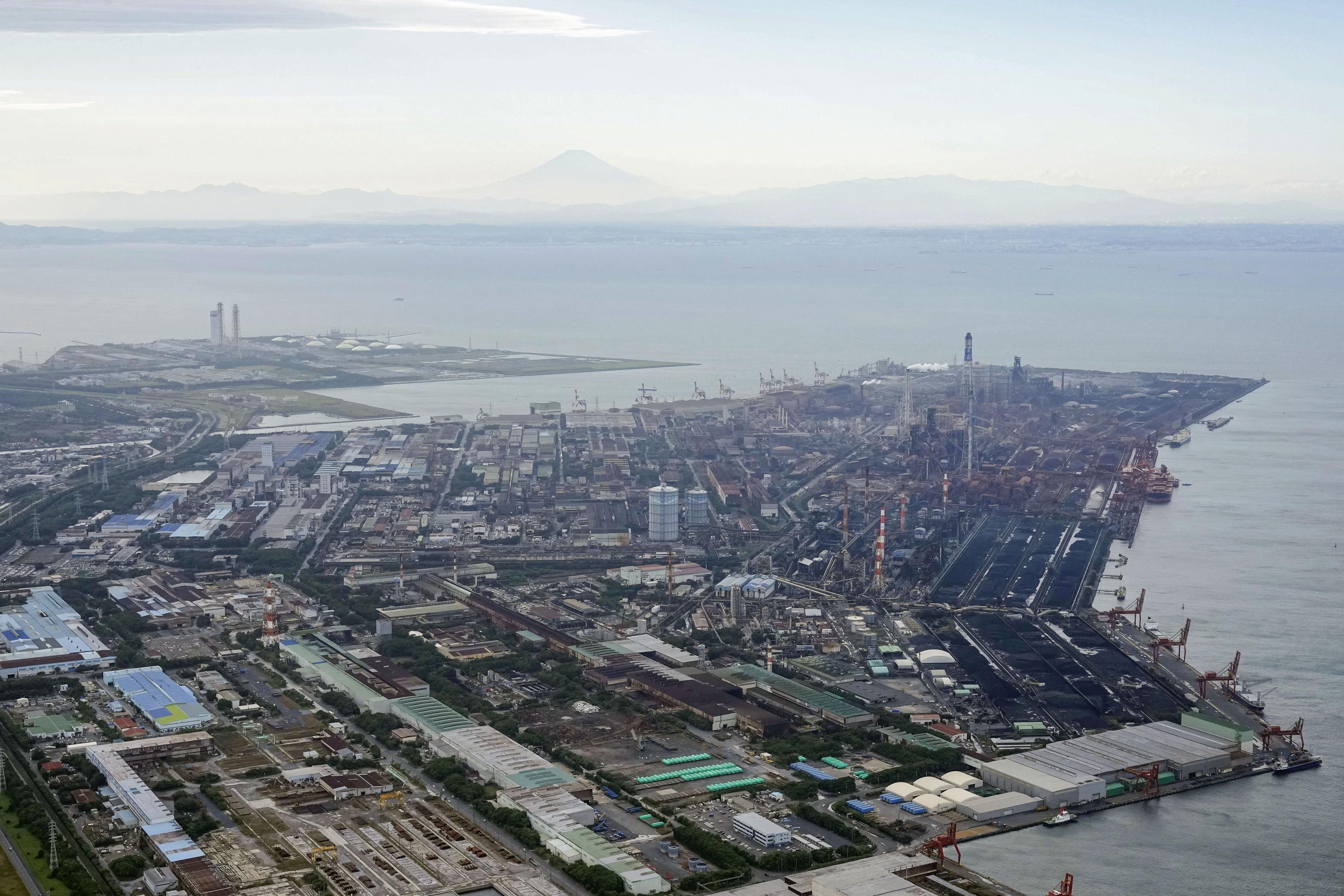
Nippon Steel Corp.’s ambitious $14.1 billion takeover of United States Steel Corp. appears to be in jeopardy, with the Biden administration signaling its intention to block the deal. The acquisition, seen as a strategic move by the Japanese steel giant to secure a larger foothold in the U.S. market, has run into significant political opposition as the White House prepares to intervene on grounds of national security and competition concerns. The move could derail what was shaping up to be one of the most significant cross-border acquisitions in the steel industry in years.

The takeover bid, which has been in the works for months, aimed to combine two of the world’s leading steel producers in a move that would have created a global steel powerhouse. Nippon Steel, already a major player in the industry, viewed the acquisition as a way to strengthen its presence in the U.S. market, where demand for steel is expected to surge due to infrastructure projects and defense contracts. U.S. Steel, on the other hand, has been grappling with aging infrastructure and rising costs, making it a potential target for foreign buyers seeking growth opportunities.

However, the proposed deal has drawn scrutiny from U.S. lawmakers and regulatory authorities, particularly due to the strategic importance of the steel sector to national defense. The Biden administration, keen on maintaining control over critical industries, is reportedly preparing to invoke regulatory powers to block the acquisition, citing national security concerns. Officials are reportedly worried that the sale of U.S. Steel to a foreign entity, even one as established as Nippon Steel, could pose risks to the country’s defense capabilities, especially with steel being a critical component in military hardware and infrastructure.

Nippon Steel’s interest in acquiring U.S. Steel is part of a broader strategy by the company to expand its global operations and secure a stable supply chain. With steel prices fluctuating and supply chains becoming more fragile in the aftermath of the COVID-19 pandemic, securing production capacity in key markets has become a priority for many manufacturers. The acquisition of U.S. Steel, with its extensive domestic production facilities and established relationships with American contractors, was seen as an ideal fit for Nippon Steel’s long-term plans.

The Biden administration’s opposition to the deal reflects a broader shift in U.S. trade and industrial policy, which has become increasingly protectionist under the current leadership. As part of its strategy to bolster domestic manufacturing and reduce reliance on foreign suppliers, the White House has taken a more aggressive stance on foreign takeovers, particularly in sectors deemed critical to national security. The steel industry, long considered a backbone of the U.S. economy and defense capabilities, has become a focal point of this policy shift.

Political opposition to the deal has been growing steadily. U.S. lawmakers have raised concerns over the potential loss of control over domestic steel production, pointing to the importance of maintaining a strong domestic industry in the face of global uncertainties. The U.S. Congress has also weighed in, with some members advocating for a review of the transaction under the Committee on Foreign Investment in the United States (CFIUS), which has the authority to block deals that pose a threat to national security.

At the same time, industry insiders argue that Nippon Steel’s acquisition of U.S. Steel would bring much-needed investment to the American company, which has struggled to modernize its operations in the face of mounting competition from international players. U.S. Steel, once a symbol of American industrial might, has seen its market share erode in recent years as cheaper imports and rising production costs have taken their toll. Proponents of the deal argue that foreign investment, particularly from a company with the resources and expertise of Nippon Steel, could revitalize U.S. Steel and strengthen the domestic industry in the long run.

The Biden administration’s stance, however, suggests that political considerations will ultimately outweigh economic arguments. With the 2024 elections looming, the White House is under pressure to demonstrate its commitment to protecting American jobs and industries, especially in critical sectors like steel. Blocking the Nippon Steel takeover allows the administration to signal its support for domestic manufacturing while reinforcing its broader trade policy objectives.

For Nippon Steel, the collapse of the deal would represent a significant setback in its efforts to expand its global footprint. The Japanese company has been aggressively pursuing international acquisitions in recent years as part of a strategy to diversify its operations and reduce its reliance on domestic markets. The U.S. market, with its robust demand for steel and favorable economic conditions, was seen as a key target for expansion. Losing out on the U.S. Steel acquisition would force Nippon Steel to reevaluate its options and look for alternative avenues for growth.

Bill Gates’ seminal essay on the dominance of content—aptly titled “Content is King”—has proven remarkably prescient as we navigate the digital landscape of 2024. His prediction that the future of online attention and revenue would pivot around content creation has come to fruition, with creators becoming pivotal players in a burgeoning trillion-dollar economy. Yet, despite the centrality of creators in this landscape, SocialFi platforms, which marry social media and decentralized finance, have yet to fully capture the mainstream audience’s imagination. For the true potential of SocialFi to be realized, a hybrid approach that synergizes its inherent benefits with traditional social media mechanics may be key.

At the heart of SocialFi’s promise is its commitment to empowering Web3 natives—those who operate within the decentralized realm of blockchain and cryptocurrency. These platforms aim to reimagine how creators monetize their content by integrating financial incentives directly into the social engagement ecosystem. Theoretically, this model is compelling: creators can earn from their work not just through indirect means, such as advertising revenue or sponsorships, but through direct interactions and transactions facilitated by blockchain technology. This could revolutionize the way content creators operate, giving them more control and financial reward.

However, the promise of SocialFi remains largely untapped outside of the Web3 niche. Mainstream users, who are more accustomed to traditional social media platforms like Instagram, TikTok, and Twitter, have yet to fully embrace the benefits of decentralized finance. One reason for this hesitation is the complexity and unfamiliarity of blockchain technology for the average user. SocialFi platforms often require a degree of technical understanding and crypto-literacy that can be a barrier to entry for many potential users. Moreover, the user experience on these platforms often lacks the polish and simplicity that mainstream social media giants have perfected over the years.

To address these challenges, SocialFi platforms could benefit from adopting a hybrid approach that blends their core decentralized features with elements from established social media platforms. This would involve creating a more user-friendly interface and offering seamless integration with existing social media accounts. By lowering the barrier to entry, SocialFi platforms could potentially attract a broader audience, including those who are less familiar with blockchain technology but are interested in the financial opportunities it presents.

Moreover, incorporating features from mainstream social media could enhance user engagement on SocialFi platforms. For instance, platforms could integrate familiar content discovery algorithms and social sharing features that users have come to expect. This would not only make SocialFi more accessible but also more engaging for users who are accustomed to scrolling through content feeds and interacting with a variety of posts.

Another significant factor in boosting SocialFi’s mainstream appeal is enhancing the creator experience. While financial incentives are a compelling draw, creators also seek robust tools to manage their content and interact with their audience. SocialFi platforms need to offer comprehensive analytics, easy content management systems, and effective community-building tools. By addressing these needs, SocialFi can provide creators with a compelling reason to transition from traditional social media platforms to a decentralized model.

The hybrid approach could also involve partnerships with existing social media platforms. By collaborating with these giants, SocialFi platforms could leverage their established user bases and technological infrastructure to introduce decentralized features gradually. For instance, a partnership could involve integrating SocialFi’s financial incentives into existing social media platforms, allowing users to earn rewards for engagement without requiring them to switch platforms entirely. This could serve as a bridge for mainstream users to experience the benefits of SocialFi without the need for a complete overhaul of their online habits.

Furthermore, education plays a crucial role in this transition. For SocialFi to gain traction, there needs to be a concerted effort to demystify blockchain technology and its applications. Educational campaigns, workshops, and simplified guides can help bridge the knowledge gap and make the concept of decentralized finance more approachable to the general public. As more users become familiar with the benefits and mechanics of SocialFi, the adoption rate is likely to increase.

SocialFi platforms also have an opportunity to differentiate themselves by focusing on niche communities and specialized content. While mainstream platforms cater to a broad audience, SocialFi can carve out a space for more targeted communities and content creators. By providing a platform for niche interests and specialized content, SocialFi can attract dedicated user bases that are passionate about specific topics, thus fostering a more engaged and supportive community.

By Satyaki Chakraborty Massive global protests in the last four days of September in all the major cities of the world including New York, Washington, London, Paris, Berlin and finally Tel Aviv against Israel Prime Minister Benjamin Netanyahu’s rigid attitude to the ceasefire proposal to end the Gaza war, have led to some positive reaction […]


Škoda Group, a leading Czech rail manufacturer, has secured a significant contract to supply up to 25 electric trains to Bulgaria, valued at 13 billion Czech crowns. This deal is part of Bulgaria’s ambitious plans to modernize its railway network and replace its aging fleet, enhancing the nation’s transportation infrastructure. The agreement centers on the delivery of 20 four-car electric train units, with an option for five […]

dnata, one of the world’s leading air services providers, has taken a significant step toward environmental sustainability by transitioning its entire fleet of ground handling equipment to biodiesel in the UAE. This move is part of the company’s larger strategy to reduce its carbon footprint and contribute to global efforts to mitigate climate change. The fleet-wide switch to biodiesel marks dnata’s commitment to achieving long-term sustainability goals, […]

ACWA Power, a leading player in global energy and water desalination, is set to develop a new independent water plant in Sharjah, UAE, with an investment totaling $680 million. This major initiative marks a significant expansion of the company’s operations in the Middle East and aims to bolster the region’s water security and infrastructure.

The new facility will be located in the Al Hamriya area of Sharjah and is expected to substantially increase the Emirate’s water production capacity. ACWA Power has secured a 35-year concession for the project, which aligns with its broader strategy to enhance its footprint in the region’s water and energy sectors.

The plant, named the Sharjah Independent Water Plant (SIWP), is slated to have a production capacity of 600,000 cubic meters per day. It will utilize advanced reverse osmosis technology, which is both energy-efficient and environmentally friendly. This technology will help reduce the carbon footprint associated with water desalination, addressing sustainability concerns while meeting growing water demands.

The Sharjah Independent Water Plant is part of the broader UAE Water Security Strategy 2036, which aims to secure sustainable water sources and enhance the efficiency of the water sector. By investing in cutting-edge technology and infrastructure, ACWA Power is contributing to the UAE’s goal of ensuring a reliable and sustainable water supply for its population.

In addition to bolstering water security, the project is expected to create numerous job opportunities and stimulate local economic growth. Construction of the plant will involve a range of activities, from civil engineering to specialized technology installation, providing a boost to local businesses and workforce.

The financing for the project includes a combination of equity and debt, with significant contributions from international and local financial institutions. This financial backing reflects the confidence in the project’s viability and its alignment with regional development goals. The plant’s construction is anticipated to create a substantial number of jobs, both directly and indirectly, benefiting the local community.

The announcement comes as part of a series of strategic moves by ACWA Power to enhance its portfolio and reinforce its position as a leader in the water and energy sectors. The company’s commitment to innovation and sustainability is evident in its choice of technology and its adherence to international standards for environmental protection and operational efficiency.

ACWA Power’s CEO, Paddy Padmanathan, emphasized the strategic importance of the SIWP in meeting the growing demand for water in the UAE and supporting the country’s environmental objectives. He noted that the project represents a significant step forward in advancing the company’s mission to provide reliable and sustainable solutions for critical infrastructure.

This development follows a trend of increased investment in water infrastructure across the Middle East. The region, characterized by its arid climate and growing population, faces ongoing challenges related to water scarcity and the need for efficient resource management. The Sharjah Independent Water Plant is expected to play a key role in addressing these challenges by improving water supply reliability and contributing to the overall resilience of the regional water network.

The plant’s design incorporates state-of-the-art technology to ensure high efficiency and minimal environmental impact. The use of reverse osmosis technology is particularly notable for its lower energy consumption compared to traditional desalination methods. This choice aligns with global trends toward more sustainable and eco-friendly practices in water treatment.

Construction is projected to commence shortly, with completion anticipated within a few years. The timeline reflects the complexity of the project and the commitment to ensuring that the plant meets the highest standards of performance and reliability.

The SIWP will also contribute to the UAE’s broader goals of economic diversification and sustainability. By investing in advanced water infrastructure, ACWA Power supports the country’s efforts to reduce its dependence on traditional water sources and enhance its resilience against potential water shortages.

By Arun Srivastava The RSS leadership has imparted a new dimension to its protracted battle against Prime Minister Narendra Modi by extending support to caste census at the three day conclave of RSS organisations that ended in Kerala on September 2. With deepening existential crisis and unable to find a viable political device to combat […]
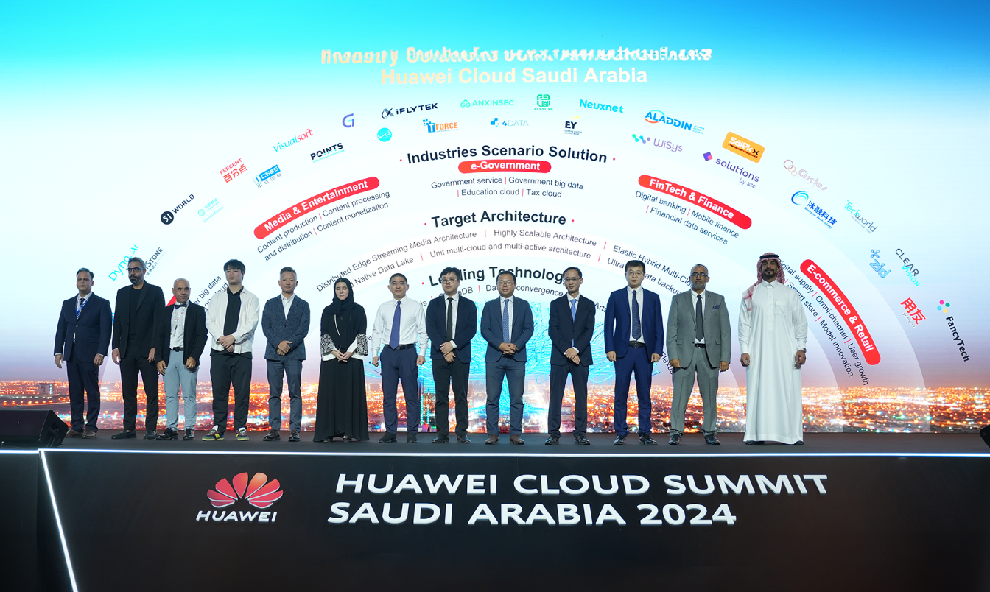

Saudi Arabia’s push towards digital modernization is gaining momentum, bolstered by Huawei Cloud’s latest technological advancements. The company’s cloud services, renowned for their high-performance and low-latency capabilities, are playing a crucial role in this transformation. Huawei Cloud’s infrastructure now offers a remarkable latency of just 25 milliseconds across the kingdom, reflecting its commitment to providing seamless and efficient AI-powered solutions.

Huawei Cloud’s robust network infrastructure has significantly enhanced the digital landscape in Saudi Arabia. This achievement is pivotal for various sectors, including finance, healthcare, and government services, which are increasingly relying on advanced technologies to improve their operations and deliver superior services. The low latency performance facilitates real-time data processing and AI applications, essential for businesses and institutions aiming to stay competitive in a fast-evolving digital environment.

The integration of Huawei Cloud’s services is expected to drive innovation and efficiency across different industries. For instance, financial institutions can leverage this technology to enhance transaction speeds and security, while healthcare providers can utilize AI for better diagnostics and patient care. Government agencies are also set to benefit, with improved data management and enhanced public service delivery.

This strategic expansion aligns with Saudi Arabia’s Vision 2030, a comprehensive plan to diversify the economy and reduce dependence on oil revenues. The initiative places a strong emphasis on technology and innovation as key drivers of economic growth. By providing cutting-edge cloud services, Huawei Cloud is positioning itself as a key player in this transformation, supporting the kingdom’s ambitious goals.

Huawei’s commitment to the region is further demonstrated through its significant investments in local data centers and partnerships with various Saudi entities. These efforts not only improve service reliability but also bolster local expertise and job creation. The company’s engagement in Saudi Arabia reflects a broader trend of global tech giants investing in the Middle East, recognizing the region’s growing importance as a tech hub.

The performance of Huawei Cloud’s network is a testament to the company’s technical prowess and dedication to meeting the needs of its clients. With a latency of 25 milliseconds, the cloud services are optimized for applications requiring high-speed data processing and minimal delays. This level of performance is crucial for businesses that rely on real-time analytics and AI-driven decision-making.

As digital transformation accelerates in Saudi Arabia, the demand for reliable and high-performance cloud services is expected to grow. Huawei Cloud’s advancements not only support this demand but also set a benchmark for other cloud service providers. The company’s focus on innovation and quality positions it well to lead the market and contribute significantly to the kingdom’s digital economy.

Nissan has unveiled its latest iteration of the Patrol SUV during a high-profile event in Abu Dhabi, marking a significant milestone for the automotive brand. This new model is designed to embody both luxury and rugged capability, catering to a market known for its appreciation of powerful and sophisticated vehicles.

The launch event, held at a prominent Abu Dhabi venue, drew attention from automotive enthusiasts and industry experts alike. The new Patrol is distinguished by its enhanced design features and advanced technology, promising to set new standards in the SUV segment. The vehicle’s debut underscores Nissan’s commitment to innovation and its strategic focus on the Middle Eastern market, which is a key player in the global SUV landscape.

Key features of the new Nissan Patrol include a redesigned exterior that enhances its robust appearance while integrating sophisticated aerodynamic elements. The interior has been upgraded with premium materials and state-of-the-art infotainment systems, aimed at delivering an elevated driving experience. The SUV also boasts improved performance capabilities, including a more powerful engine and advanced suspension systems designed to handle diverse driving conditions.

The global premiere in Abu Dhabi highlights the city’s role as a pivotal hub for automotive launches, reflecting its growing influence in the international automotive industry. The event featured a showcase of the Patrol’s capabilities through live demonstrations and interactive exhibits, allowing attendees to experience the vehicle’s performance firsthand. The unveiling was accompanied by a series of presentations and discussions led by Nissan executives, who emphasized the brand’s vision for the future of automotive innovation and sustainability.

Nissan’s decision to debut the Patrol in Abu Dhabi is also seen as a strategic move to align with the region’s high demand for luxury SUVs. The Middle East market, with its preference for large, powerful vehicles capable of tackling both urban environments and rugged terrains, is an ideal platform for the new Patrol. The SUV’s advanced features, including its off-road capabilities and cutting-edge technology, are tailored to meet the expectations of consumers in this region.

The launch event was attended by a mix of dignitaries, industry professionals, and media representatives, all of whom witnessed the new Patrol’s impressive array of features. The vehicle’s performance was highlighted through a series of dynamic demonstrations, showcasing its capabilities in various driving conditions. The event also included a detailed presentation of the SUV’s design philosophy, emphasizing how it aligns with Nissan’s broader goals of innovation and customer satisfaction.

The new Nissan Patrol aims to build on the success of its predecessors by offering a more refined driving experience while maintaining the robust performance characteristics that have made the model popular in markets around the world. Its launch represents a significant investment in the brand’s future, with a focus on leveraging the latest technologies to enhance vehicle performance and driver comfort.

The Singapore dollar has reached its strongest level against the US dollar in over ten years, reshaping economic dynamics and influencing various sectors from tourism to trade. This notable appreciation of the Singapore dollar, driven by a mix of global economic factors and local financial policies, has brought both opportunities and challenges to different stakeholders.

The current strength of the Singapore dollar, surpassing 1.35 against the US dollar, marks a significant shift in the currency’s performance. This upsurge is attributed to Singapore’s robust economic fundamentals, strategic monetary policies by the Monetary Authority of Singapore (MAS), and a relatively stable political environment compared to other global economies. Investors and analysts have observed that this strength reflects broader trends of a resilient Singaporean economy amidst global uncertainties.

For tourists, this stronger Singapore dollar translates to enhanced purchasing power. Visitors from countries with weaker currencies find their travel budgets stretching further, resulting in increased spending on luxury goods, dining, and entertainment. This shift has been beneficial for Singapore’s retail and hospitality sectors, with luxury boutiques and high-end restaurants reporting a boost in sales from foreign tourists. The tourism sector, a significant contributor to Singapore’s economy, is experiencing a revival as a result of this currency trend.

On the flip side, Singapore’s strong dollar poses challenges for local exporters. Companies exporting goods and services may face reduced competitiveness in international markets due to the higher cost of Singaporean products. This could impact profit margins and market share, particularly in sectors where price sensitivity is crucial. Exporters, especially those dealing with bulk commodities and price-competitive goods, are likely to experience squeezed margins unless they can offset the higher costs through operational efficiencies or increased value addition.

Importers, however, benefit from a stronger Singapore dollar. Lower costs for imported goods can lead to reduced expenses for businesses reliant on foreign products and raw materials. This could translate to lower prices for consumers, especially for imported electronics, vehicles, and other high-value items. The increased purchasing power of the dollar enables businesses to negotiate better terms with international suppliers and capitalize on favorable exchange rates.

The appreciation of the Singapore dollar has also influenced financial markets, with increased capital inflows observed as investors seek stable and profitable opportunities in Singapore. The local stock market has witnessed heightened activity, with foreign investors showing greater interest in Singaporean equities. This influx of investment is bolstering market liquidity and providing additional capital for domestic companies.

Moreover, the currency strength has implications for Singapore’s monetary policy. The MAS, which has a mandate to ensure price stability and economic growth, is closely monitoring the impact of the currency’s appreciation on inflation and economic activity. While a stronger dollar can help in containing import-driven inflation, it also requires careful management to ensure that the broader economic growth is not adversely affected.

The currency’s rise is also intertwined with global financial trends. Investors are increasingly turning to safe-haven assets and stable currencies amid economic uncertainties and geopolitical tensions. The Singapore dollar, often seen as a stable and secure currency, has attracted significant interest from global investors looking to hedge against risks. This trend is reflective of a broader shift towards currencies and assets perceived as safe havens in volatile times.

A Saudi podcast has achieved a remarkable feat, becoming the most-watched podcast episode on YouTube worldwide. The latest episode of *Fnjan*, featuring Yasser Al Hazimi, garnered over 110 million views, surpassing high-profile interviews, including the widely known Joe Rogan-Elon Musk episode. This achievement marks a significant milestone for Arabic-language content, spotlighting the region’s growing influence in the digital media space.

*Fnjan*, produced by the Saudi media company Thmanyah, has been steadily gaining traction in both regional and global markets. The podcast, known for its engaging interviews with prominent figures, tackles deep cultural, social, and philosophical issues, resonating with an increasingly diverse audience. The particular episode featuring Al Hazimi, a motivational speaker, captured viewers with its exploration of personal growth and emotional resilience, topics that have found universal appeal in an age of mental health awareness.

The surge in popularity of *Fnjan* reflects broader trends in the digital content landscape, where podcasts and video interviews are seeing unprecedented growth. The podcast’s appeal can be attributed not only to the substance of its discussions but also to the high production quality and strategic use of platforms like YouTube. The format of long-form, unfiltered conversations mirrors a global shift toward more in-depth, thoughtful content that allows audiences to connect with topics on a deeper level.

Industry observers note that *Fnjan*’s record-breaking viewership underscores the growing demand for Arabic content on global platforms, a shift that reflects broader digital consumption patterns in the Middle East. As digital literacy and internet access continue to rise, particularly among younger demographics, creators in the region are increasingly leveraging platforms like YouTube to reach audiences far beyond their geographical boundaries.

The success of *Fnjan* and Thmanyah illustrates the potential of Arabic content creators to carve out significant spaces in the global media landscape. This achievement not only highlights the appetite for regionally produced media but also underscores the potential for Middle Eastern creators to compete on a global scale, challenging traditional media powerhouses.

The episode’s viewership surge also speaks to the rise of digital content consumption in Saudi Arabia, where internet penetration has reached over 95%. The Saudi government has made significant investments in digital infrastructure as part of its Vision 2030 plan, which aims to diversify the economy and promote cultural industries. This has led to an explosion of online platforms, creative startups, and influencers, reshaping the country’s media landscape.

SINGAPORE – Media OutReach Newswire – 5 September 2024 – ST Telemedia Global Data Centres (STT GDC), one of the world’s fastest-growing data centre colocation services provider headquartered in Singapore, is pleased to announce the release of its enhanced Sustainability-Linked Financing Framework (SLFF). This update builds on STT GDC’s ongoing commitment to achieving carbon-neutral data centre operations by 2030, with more rigorous targets that align its financing […]

By K Raveendran The drop in crude oil prices below the $75 per barrel threshold has raised significant concerns within the oil market, particularly for the OPEC+ cartel, which has been striving to maintain prices near the desired $100 mark. The decline, influenced by a potential resolution of the Libyan political crisis and underlying economic […]

VISHNU RAJA
RYO YAMADA
HITORI GOTOH
IKUYO KITA