Just in:
Sharjah clears Kalba free zone plan for 400MW complex // Travel Insurance Was Built for the Few Who Claim. Ancileo’s Felt Coverage™ is for Everyone Else // LittleLives, Little Lab and SEGi College Sign MOU to Explore Early Childhood Education Collaboration Across ASEAN // Coinbase targets 2027 launch amid state gambling lawsuits // Thailand’s Most Iconic New Year’s Celebration Returns: ICONSIAM Unveils “Amazing Thailand Countdown 2027” // Oil futures rebound after Riyadh strikes and tanker alerts // PayerMax and ShopeePay Strengthen Strategic Partnership to Advance Digital Payment Collaboration in Southeast Asia // Dubai Introduces SHARH, an AI-Powered Platform Helping Entrepreneurs Buy, Sell and Manage Businesses in the UAE // Diabetes Malaysia And Alpro Pharmacy Set National Record With 11,007 Most Blood Glucose Screenings Conducted Across Malaysia In Just 48 Hours // International Business Leaders Say Xi’s Speech Boosts Confidence in Asia-Pacific Cooperation // Phancy Announces Business Performance for the Nine Months Ended September 30, 2026 // Promoting Common Human Development Through Exchanges and Mutual Learning Among Civilizations // Dalilk Academy reaches 27 million, targets 100 million by 2030 // Jaiedco and Golden Bridge Announce Strategic Collaboration for a New Dubai Islands Development // Anthropic shares finish above offer price after Nasdaq debut // Toward a Shared Future for Humanity: Rethinking Civilizational Exchange // Sui activates Hashi Bitcoin lending across partner network // 2026 Tropical Rainforest Ecosystem Partners Conference Kicks off in Hainan // Crypto market loses $150 billion amid broad sell-off // Balagopal challenges CM over tax revenue //

News related to
Power

Matein Khalid The late summer and autumn of 2024 may well go down in history as the Berlin Wall moment for the Middle East as the collapse of the nightmarish Assad dynastic dictatorship will have a seismic geopolitical fall out across the region. Iran has lost its land bridge/weapon supply conduit to its proxy militia Hezbollah, itself decapitated and militarily degraded by the IDF in Lebanon. Baathist […]

To truly make a difference, scientific innovation must translate into tangible benefits for society. VinFuture’s award criteria reflect this commitment to recognizing research with real-world applications. HANOI, VIETNAM – Media OutReach Newswire – 9 December 2024 – Prof. Richard Friend, Professor of Physics at the University of Cambridge (UK), Chair of the VinFuture Prize Council, expressed his enthusiasm for this year’s groundbreaking awards. He noted that the […]

The United States government has approved the export of cutting-edge artificial intelligence (AI) chips to the United Arab Emirates (UAE) under a deal involving Microsoft and the Emirati technology firm G42. This decision comes after a prolonged review, and the deal underscores growing interest in enhancing the UAE’s AI capabilities. Microsoft has invested heavily in G42, forming a partnership to push forward the development of AI technologies in the UAE, but the approval has sparked debates over security risks and potential misuse of the technology.

Microsoft’s $1.5 billion investment in G42 this year not only includes a minority stake but also a strategic partnership that integrates Microsoft’s cloud services with G42’s AI applications. This collaboration is expected to enhance the UAE’s role as a leading player in AI development, especially in areas such as healthcare, government services, and autonomous systems.

However, the deal has faced scrutiny from U.S. lawmakers, who expressed concerns over G42’s potential links to China. The fears center on the possibility of U.S. technology being leveraged by adversarial nations, particularly given G42’s connections to powerful players in the Middle East. U.S. officials have raised alarms about the company’s ties to the Chinese government and its military, fearing that advanced AI systems could inadvertently benefit Beijing or other entities of strategic concern to the U.S.

To mitigate these concerns, the U.S. government imposed strict conditions on the export. Among the most notable restrictions, personnel from countries subject to U.S. arms embargoes, including China, are prohibited from accessing the Microsoft-operated facility in the UAE. Additionally, the deal specifically blocks individuals linked to the Chinese government or organizations based in China from using the technology. These safeguards are designed to ensure that sensitive U.S. technology is not misappropriated by entities that could pose a threat to national security.

Despite these precautions, the deal has ignited a broader conversation about the global race to develop and deploy AI technologies. U.S. officials have repeatedly warned that AI advancements, particularly in fields like military applications and weapons technology, could have significant national security implications. In light of this, the Biden administration has taken steps to bolster oversight of AI development, with mandatory disclosures required from developers of large-scale AI systems regarding the potential security risks of their technologies.

G42, which is partially owned by Abu Dhabi’s sovereign wealth fund and chaired by Sheikh Tahnoon bin Zayed Al Nahyan, has tried to reassure critics by emphasizing its compliance with international standards on AI and its commitment to transparency. However, the company’s efforts have not fully alleviated concerns, with many observers questioning whether the restrictions will be sufficient to prevent sensitive technology from falling into the wrong hands.

The partnership with Microsoft is seen as a major boost for the UAE’s ambitions to position itself at the forefront of AI research and development. The country has long sought to diversify its economy beyond oil, and AI is seen as a key pillar of this transformation. Yet, as this deal shows, the international implications of such partnerships are complex and multifaceted. While the UAE stands to benefit from access to some of the world’s most advanced AI technologies, the potential security risks associated with the transfer of such capabilities remain a point of contention.

The United States government has granted approval for the export of advanced artificial intelligence (AI) chips to the United Arab Emirates (UAE), marking a significant development in the global AI hardware market. This decision, part of a strategic agreement with Microsoft, enables the UAE to enhance its technological infrastructure and further its ambitions in the field of AI and data science. The chips in question are designed […]

Saudi Arabia has taken a significant step toward its environmental ambitions by officially launching the National Sustainability Committee. The initiative, which aligns with the Kingdom’s Vision 2030 reform program, aims to spearhead the country’s efforts in sustainability, focusing on comprehensive environmental reforms across various sectors. The committee’s formation is a direct response to the growing global demand for sustainable development practices, as well as the Kingdom’s commitment […]

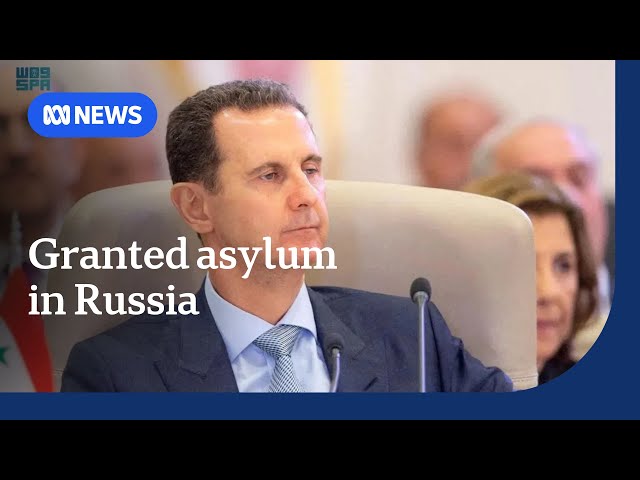
By Nitya Chakraborty The already war ravaged West Asian region has entered into a new phase of geo political turmoil with the ouster of the Syrian President Bashar-al Assad Government and the President fleeing from Damascus on Sunday to Moscow and granted asylum there by the Russian Government. The defeat of the Syrian Bath Party […]

New supply to weigh on office sector rental levels, while core retail high street rents continue to recover Grade A office year-to-date (YTD) net absorption as at mid-November recorded 1 million sq ft, with overall rents down by 5.9% in the same period. Rents are forecast to experience further downwards pressure in the 7%–9% range in 2025. Prime retail high street store leasing momentum slightly picked up […]

Advertisements

Oil prices have seen a notable uptick in recent weeks as escalating political tensions and shifting alliances in Syria continue to have a significant impact on the region’s oil production and global energy markets. As the influence of Bashar al-Assad’s regime wanes in the wake of Syria’s civil conflict, key players in the Middle East are positioning themselves to capitalize on the country’s vast energy resources, contributing to global price fluctuations.

Syria, once a minor oil producer in the Middle East, has become a focal point of geopolitical struggles. Despite being marred by years of civil war and under heavy international sanctions, the country still holds a considerable amount of oil, mostly concentrated in its northeastern region. For years, the Assad regime has relied on these oil fields for revenue, yet the ongoing conflict has severely hampered production and distribution capabilities.

One of the main factors contributing to the current rise in oil prices is the shifting control over Syria’s oil fields. While the Assad regime’s hold over these assets has weakened, both Kurdish forces and various regional actors have taken advantage of this power vacuum. The Kurdish-led Syrian Democratic Forces (SDF), with support from U.S. military forces, have been managing oil extraction in the northeast. However, their trade has been fraught with complications, as they have continued to sell crude to both Iraq’s Kurdistan Regional Government (KRG) and indirectly to the Assad regime, albeit under clandestine circumstances.

This complex trade network has drawn attention from global powers, with Washington’s policy fluctuating between trying to limit Assad’s access to these resources while also preventing the rise of other regional powers, including Russia, from exploiting the vacuum. U.S. efforts to maintain influence over the oil-rich regions have been complicated by the increasing involvement of Russian companies, such as Gulfsands Petroleum, which is now positioning itself to gain access to Syria’s energy assets. This has raised concerns that a shift toward Russian control could stabilize Assad’s regime financially and politically, but at the cost of U.S. objectives in the region.

As these power struggles unfold, oil prices have responded to market uncertainty. The Kurdish-controlled Syrian oil fields, despite being heavily damaged by the conflict, continue to produce, although at lower volumes compared to pre-war levels. However, the trade of oil at below-market prices has become more common, especially with the involvement of entities like Delta Crescent Energy. The U.S. company, which was initially granted a license to help the Kurdish-controlled Autonomous Administration of North and East Syria (AANES) boost its oil exports, faced significant challenges, including a lack of progress in securing long-term contracts. The Biden administration’s decision to revoke Delta Crescent’s license earlier this year has left the situation even more uncertain, and it remains to be seen whether the U.S. will allow new energy companies to enter the market.

Simultaneously, global oil prices have been influenced by shifts in Syria’s energy landscape. The ongoing conflict, the role of U.S. sanctions, and the intervention of Russia in the region’s oil trade have all contributed to price increases, as the Middle East remains a volatile hub for energy production. Additionally, international sanctions against Syrian oil exports have inadvertently created opportunities for black-market trading, often circumventing established sanctions regimes. As a result, global oil markets are left grappling with the complex realities of these geopolitical maneuvers.

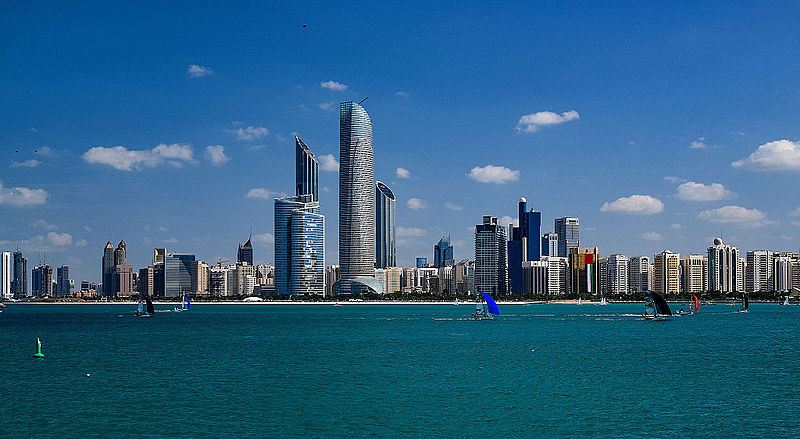
Abu Dhabi is steadily positioning itself as a global financial hub, attracting an increasing number of international bankers, investors, and financial institutions. The capital of the United Arab Emirates (UAE) has long been known for its oil wealth, but in recent years, its economic diversification strategies have begun to bear fruit, transforming it into a key player in the world’s financial markets. This shift is no longer just a future possibility; it is happening now, with rising interest from top-tier banking executives seeking to leverage the city’s infrastructure, favorable regulatory environment, and strategic position at the crossroads of Europe, Asia, and Africa.

As part of its ambition to become a leader in global finance, Abu Dhabi has made significant strides in enhancing its financial services ecosystem. Financial institutions, including major international banks, are increasingly opening branches and expanding operations in the city, attracted by its strategic location and investor-friendly policies. The UAE capital has also established itself as a center for private equity, wealth management, and Islamic finance, sectors where it continues to see consistent growth.

The financial sector in Abu Dhabi has grown rapidly, not just due to its historical advantages but because of deliberate policy decisions made by the government. For example, the Abu Dhabi Global Market (ADGM), a financial free zone established in 2015, has been pivotal in attracting foreign investment. ADGM offers a robust regulatory framework, tax exemptions, and a business-friendly environment that allows for greater ease of doing business compared to other regions in the Middle East.

Another factor drawing attention is Abu Dhabi’s growing role as a leading center for sustainable finance. The UAE has positioned itself as a key player in the global push towards greener investments, with Abu Dhabi at the forefront of green bonds and other sustainable financial products. In addition to the nation’s investment in renewable energy projects like the massive solar farm at Mohammed bin Rashid Al Maktoum Solar Park, the UAE has been a significant proponent of integrating environmental, social, and governance (ESG) criteria into investment strategies.

Abu Dhabi’s rise as a financial powerhouse is not only benefiting the city’s banks but also drawing the attention of global investment funds, particularly those looking to invest in markets with high growth potential. Financial giants from New York to London are setting up operations to tap into the rapidly growing wealth in the Gulf region, with Abu Dhabi being a prime location. The city’s appeal is also reinforced by its relatively low tax environment, particularly for foreign businesses, and the increased liberalization of the banking sector. This has helped make Abu Dhabi a go-to destination for global funds seeking to access emerging markets with fewer barriers.

The UAE government has long supported policies that encourage the diversification of the economy beyond oil, and banking and finance have become pivotal to this transformation. The establishment of the Financial Services Regulatory Authority (FSRA) has played an essential role in strengthening the regulatory framework, providing international businesses with confidence in operating within the emirate’s borders. This system offers a well-defined legal framework, based on international best practices, which ensures transparency and stability in the financial sector.

Abu Dhabi is seeking to capitalize on the global demand for fintech, especially with the increased adoption of digital financial services. Many leading global fintech companies have established a presence in the emirate, while government-backed initiatives continue to promote innovation in the sector. The growth of digital banking, blockchain technologies, and cryptocurrency is becoming more pronounced, positioning the city as an attractive destination for tech-driven financial services. The authorities in Abu Dhabi are keen to foster an ecosystem conducive to fintech startups, leveraging the city’s burgeoning tech infrastructure and access to venture capital funding.

In addition to financial services, Abu Dhabi’s ambitions are evident in its wealth management strategies. With a high concentration of wealthy individuals and families, Abu Dhabi has seen a surge in the demand for sophisticated wealth management services. The city’s wealth managers, private banks, and family offices are increasingly seeking to provide tailored services that cater to the unique needs of their clients. As such, Abu Dhabi is establishing itself as a key player in the high-net-worth individual (HNWI) market, attracting wealthy clients from the Gulf region and beyond.

International investors, particularly from Europe and Asia, are closely monitoring the developments in Abu Dhabi as they seek to capitalize on the economic growth that the emirate is experiencing. Many analysts view the city as one of the best places to invest in the Middle East, noting its ability to offer competitive returns and stability, especially in comparison to other regional markets that have seen geopolitical instability in recent years. Moreover, the city’s efforts to embrace innovation, sustainability, and diversification are making it an increasingly attractive destination for both traditional investors and those seeking to invest in cutting-edge sectors like green technologies and digital finance.

HONG KONG SAR – Media OutReach Newswire – 9 December 2024 – Zero Fintech Group (00093.HK) is thrilled to announce a strategic financing deal with Standard Chartered Bank (Hong Kong) Limited (“Standard Chartered”) (02888.HK) to enhance A.I. financing solutions for X Wallet. In 2024, registered users of the X Wallet App have seen an impressive uplift of 209% year-over-year, with monthly active users growing by 224%. This […]

Hanwha Life, a leading South Korean financial powerhouse managing assets worth over $300 billion, has announced a strategic investment in Abu Dhabi-based Shorooq Partners. The announcement was made during the Abu Dhabi Finance Week, underlining Hanwha’s ambitions to expand its influence in the Gulf region and strengthen its foothold in alternative investments globally. Shorooq Partners, an eminent venture capital firm in the Middle East, North Africa, and […]

BANGKOK, THAILAND – Media OutReach Newswire – 9 December 2024 – Multi-jurisdiction regulated broker FPG Fortune Prime Global has appointed Alice, the former Fullerton Markets Country Manager, as the Country Manager for Thailand to further strengthening the company’s presence in the ASEAN region. Country Manager, Alice Alice brings over 8 years of experience in the financial industry, including her role as Country Manager at Fullerton Markets. With […]

KUALA LUMPUR, MALAYSIA – Media OutReach Newswire – 5 December 2024 – Gold has been valued for its stability when the financial fires are raging. That stable nature was underscored in 2024 when its price shot upward, gaining over $700 per ounce. This amounted to a 34% increase since January. The vibrant price increase has gotten traders and investors all jazzed up again about gold, with the […]

Increasing global insolvency levels heighten risks for executives. The febrile geopolitical landscape poses liability challenges for global corporations caught up in world events. “AI washing” is an emerging risk trend, leading to securities class action lawsuits. D&O market remains competitive but a step up in scrutiny of corporate conduct around the globe means loss potential is still high. SINGAPORE – Media OutReach Newswire – 5 December 2024 […]

Syria is witnessing seismic shifts in its prolonged conflict, with President Bashar al-Assad’s regime facing growing challenges amid dwindling support from its critical allies, Russia and Iran. The rebel factions, spearheaded by Hayat Tahrir al-Sham (HTS), have made strategic advancements, creating uncertainty about the nation’s political future. This precarious balance raises concerns of a potential power vacuum with regional ramifications if Assad’s government collapses.

HTS, led by Abu Muhammad al-Julani, has intensified efforts to overthrow Assad’s rule, capturing key areas such as Aleppo and Hama in its latest offensive. The group, a splinter faction of al-Qaeda, has steadily consolidated power in northern Syria. It now serves as a dominant player in the opposition landscape, aiming to unify anti-Assad factions under its leadership. These developments coincide with a noticeable pivot by Assad’s key allies—Russia and Iran—toward addressing their respective internal and geopolitical priorities.

Russia’s involvement in Syria has been a cornerstone of Assad’s survival since the war began in 2011. However, its military and economic focus has shifted due to prolonged involvement in Ukraine, straining its capacity to maintain robust support for Damascus. Similarly, Iran, another critical ally, is grappling with its own domestic protests and regional tensions, which have curtailed its ability to extend substantial assistance to Syria. The weakening of external backing leaves Assad vulnerable as rebels push closer to his strongholds.

The United Nations reports that intensified fighting has displaced nearly 300,000 Syrians since late November, with estimates suggesting up to 1.5 million could be forced to flee if the conflict escalates further. These movements risk exacerbating the humanitarian crisis and fueling instability across neighboring countries. Regions like Homs and the coastal cities of Tartus and Latakia—home to Russian military bases—have witnessed increased civilian exodus as HTS fighters advance.

Strategically, HTS’s gains challenge the Assad regime’s hold on critical infrastructure, including the M5 highway connecting major urban centers. Russian forces have reportedly bombed key routes to hinder rebel advances, reflecting the gravity of the situation. The Syrian Observatory for Human Rights highlighted that HTS and allied factions have captured more than a dozen villages near Damascus, raising alarms about the regime’s shrinking control over territory.

The evolving dynamics of the Syrian conflict also have broader implications for Middle Eastern geopolitics. A power vacuum could embolden extremist groups, destabilize neighboring countries, and strain international diplomatic efforts to restore peace. The conflict has already drawn in multiple actors, including Turkey, whose backing of the Syrian National Army further complicates the landscape. This militia coalition, aligned with HTS in several battles, aims to expand its influence, positioning itself as a rival to the Assad regime.

Regional players like Iraq and Lebanon are closely monitoring developments, given their intertwined security interests. Iraq’s ongoing fight against ISIS and Lebanon’s fragile political situation underscore the interconnected nature of the region’s challenges. Meanwhile, the involvement of Gulf nations, particularly Qatar and Saudi Arabia, in supporting opposition factions has added layers to an already multifaceted conflict.

HTS leader Julani remains resolute in his calls for Assad’s removal, describing the regime as “propped up by external powers but fundamentally unsustainable.” This assertion resonates with segments of the Syrian population disillusioned by years of corruption, economic collapse, and military oppression under Assad’s rule. Yet, HTS’s classification as a terrorist organization by Western countries complicates its international recognition and the prospect of coordinated opposition leadership.

Schneider Electric has introduced a new suite of data center solutions aimed at addressing the growing energy demands of artificial intelligence (AI) systems. With AI adoption accelerating across industries, the need for more efficient and sustainable data processing infrastructure has become increasingly urgent. The company’s latest innovations offer advanced technologies designed to optimize energy consumption while supporting the complex needs of AI workloads. At the heart of […]

IonQ, a prominent player in quantum computing, has officially entered the European market with the launch of its first quantum computer on the continent. The company’s new Forte Enterprise system has been delivered to QuantumBasel’s uptownBasel site in Arlesheim, Switzerland, marking a significant milestone in the global expansion of its quantum computing operations. This partnership underscores the growing demand for quantum technologies in Europe and the increasing importance of quantum computing in addressing complex industrial and scientific challenges.

The delivery of the Forte Enterprise system to uptownBasel is a major step for IonQ, which has previously focused on expanding its presence in North America. The installation at Arlesheim is expected to further solidify Switzerland’s position as a key player in the European quantum ecosystem. QuantumBasel, a prominent quantum technology research and development hub, has partnered with IonQ to make the system available to a variety of businesses and academic institutions across Europe. This collaboration is set to accelerate quantum research and applications in fields ranging from pharmaceuticals to finance, with a particular focus on developing quantum algorithms that can outperform classical computing systems.

IonQ’s Forte Enterprise is among the most advanced quantum computers in the world, offering enhanced performance and scalability. The system leverages IonQ’s trapped-ion technology, which uses ions trapped in electromagnetic fields to perform quantum operations. Unlike traditional computing methods, which rely on binary data represented by 0s and 1s, quantum computing uses quantum bits (qubits), which can exist in multiple states simultaneously. This enables quantum computers to solve certain problems much faster than classical supercomputers, particularly in fields requiring high-level computational power, such as drug discovery, cryptography, and complex system simulations.

The launch of the Forte Enterprise system in Europe comes at a time when the quantum computing industry is experiencing rapid growth. Major tech companies, governments, and startups around the world are investing heavily in quantum research, recognizing its potential to revolutionize various industries. The European Union has also been increasing its efforts to develop a quantum computing strategy, with initiatives like the Quantum Flagship, a long-term program aimed at advancing the continent’s quantum technology capabilities.

IonQ’s decision to partner with QuantumBasel is a strategic move designed to leverage Switzerland’s favorable position within Europe’s growing quantum landscape. Switzerland has long been a hub for innovation in science and technology, with institutions like ETH Zurich and the University of Basel leading in quantum research. The uptownBasel site, located in Arlesheim, is a key location within this ecosystem, offering the ideal environment for deploying cutting-edge technologies like IonQ’s quantum systems.

The Forte Enterprise system’s installation is not only a technical achievement but also a significant step toward the commercialization of quantum computing. As quantum computing continues to evolve, businesses and academic institutions are increasingly seeking practical applications for the technology. The deployment of IonQ’s quantum systems is part of a broader effort to democratize access to quantum computing, enabling more organizations to experiment with quantum algorithms and explore the potential benefits for their specific industries.

One of the key areas where IonQ is focusing its efforts is quantum networking. Quantum computers, with their ability to process vast amounts of data in parallel, are poised to play a central role in the development of quantum networks that can enable ultra-secure communication and highly efficient data processing. The partnership with QuantumBasel is expected to facilitate the development of these networks, as quantum computing and quantum networking are expected to be closely intertwined in future technological advancements.

Quantum computing’s commercial potential is becoming increasingly apparent. Large corporations in industries like pharmaceuticals, aerospace, and energy are keenly interested in using quantum computing to solve problems that are currently intractable for classical computers. For example, quantum simulations could revolutionize the way new drugs are discovered by modeling complex molecular structures that traditional supercomputers cannot simulate in a reasonable time frame. Similarly, quantum computers could dramatically enhance the optimization of supply chains, improve financial modeling, and provide unprecedented breakthroughs in artificial intelligence.

Despite its promise, quantum computing is still in the early stages of development. The systems that have been developed thus far are mostly experimental, and significant challenges remain in scaling quantum computers to handle practical, real-world problems. However, companies like IonQ are making substantial progress in refining their systems and increasing the accessibility of quantum technology. The deployment of IonQ’s Forte Enterprise system in Switzerland signals a major step in the industry’s evolution from research-oriented to commercially viable solutions.

Looking ahead, the presence of IonQ’s quantum computer in Europe could help catalyze further collaboration between European academic institutions, technology companies, and government agencies. By providing access to powerful quantum systems, IonQ aims to foster innovation and drive the development of quantum applications across a wide array of industries. As quantum computing continues to mature, it is likely that Switzerland, along with other European nations, will play a pivotal role in the global race to harness the transformative potential of quantum technologies.

Yondr Group has reached a key milestone in its ambitious sustainable data center project in Bischofsheim, Germany, located south of Frankfurt. The company recently completed the first phase of its 40 MW data center, successfully deploying 20 MW of capacity. This achievement marks a significant step in the company’s efforts to build an energy-efficient, environmentally friendly hyperscale data center that aligns with growing demand for sustainable digital […]

The public cloud services (PCS) market in Europe, the Middle East, and Africa (EMEA) is on track to experience substantial growth, with projections indicating that the market will reach $415.1 billion by 2028. This marks a significant expansion from current levels, driven by increasing digital transformation initiatives, growing cloud adoption across industries, and the rise of new technologies that require cloud infrastructure. According to experts, the compounded […]

Apple CEO Tim Cook’s visit to the UAE this week marked a significant moment for both the tech giant and the local creative community. In an event aimed at highlighting the intersection of technology and art, Cook attended an exhibition showcasing the talent of Emirati photographers, captured through the lens of the new iPhone 16 Pro. The visit, which included a trip to the iconic Qasr Al […]

OVHcloud US has launched its third-generation bare metal game servers, designed to enhance the gaming experience with improved performance, scalability, and reliability. Featuring the powerful AMD EPYC 4004 processors, the new servers are targeted at gaming studios, eSports companies, and developers seeking robust infrastructure for their most demanding applications. These game servers are positioned to address the growing need for high-performance hosting in the gaming industry. As […]

Pasqal, a prominent player in the quantum computing industry, has delivered a 100-qubit quantum computer to the Jülich Supercomputing Centre (JSC) at Forschungszentrum Jülich, marking a significant advancement in European quantum research. The delivery is a major step toward harnessing the power of quantum computing to address complex scientific and industrial challenges. The new quantum system, built on Pasqal’s pioneering neutral-atom quantum technology, is expected to enable […]

Saudi Arabia’s startup ecosystem is experiencing a significant surge in investments, with major moves in private equity, sportstech, and digital platforms. As the country continues to diversify its economy, efforts to boost innovation and entrepreneurial ventures have shown tangible results, with prominent regional funds securing notable commitments from key players.

One of the latest developments comes from Jada Fund of Funds, a prominent investment vehicle in Saudi Arabia, which has committed to the Jadwa GCC Private Equity Fund I. Managed by Jadwa Investment, this fund is aiming for SR1.5 billion ($399.2 million) in commitments, with a hard cap of SR2 billion. This move is reflective of a broader trend of growing capital flows into the country’s private equity sector, particularly those supporting diversified businesses targeting the Gulf Cooperation Council (GCC) region.

The capital infusion into sportstech ventures is also noteworthy. Saudi Arabia is positioning itself as a leader in the Middle East’s rapidly growing sportstech industry, which is attracting attention from both regional and international investors. The government’s Vision 2030 initiative, aimed at reducing the country’s dependency on oil, is providing the foundation for an increasingly vibrant startup landscape. With an eye on the growing sports sector, Saudi firms are investing heavily in sports technologies, including wearable devices, data analytics, and performance-enhancing software that cater to athletes and sports organizations across the region.

Several Saudi-based investors, including venture capital firms and family offices, are increasingly putting their money into sportstech, reflecting the broader regional interest in this high-growth sector. The Saudi government has been actively supporting innovation in the sports industry, with ambitious projects like the establishment of mega-sports events and investment in sports infrastructure. This has, in turn, created significant opportunities for sportstech startups to grow and scale.

The trend is not limited to just private equity or sportstech. The digital platform sector, which includes e-commerce, fintech, and SaaS startups, has also seen an uptick in investment. The rise of e-commerce platforms and fintech innovations is being driven by growing internet penetration and mobile usage, particularly among Saudi Arabia’s tech-savvy youth. The government’s push to digitize various sectors of the economy has made the country a hotbed for digital platform startups looking to serve a rapidly evolving market.

These investments are not just a sign of a thriving startup ecosystem but are also a testament to the maturity of Saudi Arabia’s venture capital scene. With institutions like Jada Fund of Funds and Jadwa Investment playing key roles, the country is moving towards a more sophisticated investment environment. Jada Fund of Funds, a government-backed initiative, is helping to bridge the funding gap for early-stage companies, creating a more robust ecosystem for entrepreneurs.

Private equity firms are targeting sectors ranging from healthcare to renewable energy, demonstrating that the Saudi investment appetite is not confined to tech but extends across a range of industries vital for the kingdom’s long-term diversification strategy. This is part of a wider effort by the government to encourage private sector participation in building a non-oil economy, and the growth in startup investments reflects this strategy in action.

Beyond traditional venture capital, the sportstech space has seen a surge in the establishment of innovation hubs and incubators focused on sports technology. These hubs are providing much-needed resources and mentorship to emerging sportstech startups, enabling them to scale more rapidly. Companies in this space are developing innovative solutions that address the needs of professional athletes, fitness enthusiasts, and sports organizations alike.

International investors are also recognizing the potential of Saudi Arabia’s startup ecosystem, with increasing interest in the country from foreign venture capitalists and corporate investors. This influx of global capital is helping to accelerate the growth of homegrown startups, while also enhancing the visibility of Saudi Arabia as a regional innovation hub. By positioning itself as a key player in the tech and innovation space, Saudi Arabia is attracting startups and venture capital firms from around the world.

The government’s role in fostering innovation through policies and financial incentives cannot be overstated. Vision 2030 has made it clear that entrepreneurship and technological innovation are crucial components of Saudi Arabia’s future. With initiatives designed to support small and medium-sized enterprises (SMEs), including financial grants, tax breaks, and access to government contracts, the kingdom is ensuring that startups have the necessary tools to succeed.

These policies are beginning to bear fruit, with a number of high-profile exits in the startup space. Several homegrown startups have either been acquired by global firms or have secured substantial rounds of funding, further validating the strength of the Saudi startup ecosystem. This trend of successful exits will only continue to attract more venture capital to the country, further cementing Saudi Arabia’s position as a regional startup powerhouse.

The role of women in Saudi Arabia’s startup ecosystem has also seen notable expansion. With the government’s focus on gender equality as part of Vision 2030, female entrepreneurs are increasingly making their mark in the tech and business world. Initiatives such as the Women’s Empowerment Program are helping to provide a platform for female entrepreneurs to showcase their ideas, access funding, and network with key industry players.


HONG KONG SAR – Media OutReach Newswire – 5 December 2024 – The MIPIM Asia 2024 Awards, which honor excellence and innovation in Asia’s real estate industry, reveals this year’s winners during the Gala Dinner on December 4 at the Grand Hyatt in Hong Kong. The prestigious awards garnered numerous nominations from various countries, showcasing the remarkable diversity and growth within the sector. This wide array of […]

VISHNU RAJA
RYO YAMADA
HITORI GOTOH
IKUYO KITA