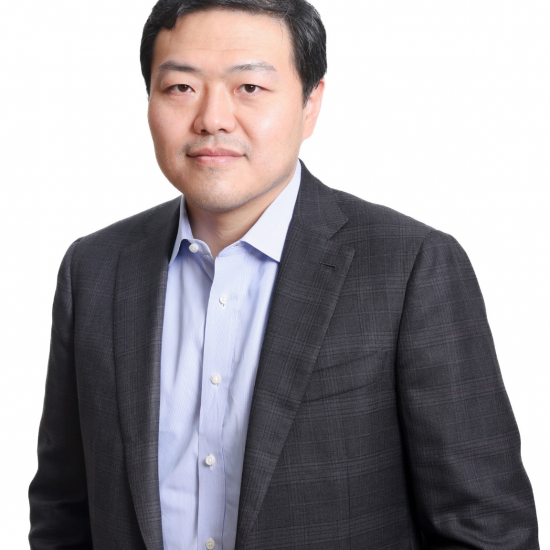
Speaking during a ministerial panel in Abu Dhabi, Al Mazrouei said geopolitical uncertainty, expanding industrial activity and the power requirements of artificial intelligence and data centres were making reliable energy supplies increasingly important to economic stability.
The proposed investment would support electricity generation, transmission networks, storage and the integration of energy systems, he said. The figures represent planned expenditure rather than completed projects, and the minister did not provide a detailed breakdown of allocations or financing arrangements. The investment range also leaves open how much spending would fall to public entities and how much would be undertaken by private companies over the next four calendar years.
Al Mazrouei described energy security as a national and economic priority extending beyond the availability of fuel. He argued that governments must develop systems capable of sustaining essential services, accommodating industrial growth and responding to disruptions without undermining affordability.
“Energy security is not simply about securing sufficient supplies. It is about building an integrated, resilient, and competitive energy system that can support economic growth, protect essential services, and respond effectively to future challenges,” he said.
He said the UAE intended to align energy investment with industrial development, technological advances and long-term sustainability, treating reliable and competitively priced power as an important factor in attracting and retaining economic activity.
The minister identified diversification as a central element of the country’s approach, with renewable energy, nuclear power and natural gas performing complementary roles. The combination is intended to reduce dependence on any single source while preserving sufficient generation capacity to meet demand.
Clean energy accounted for 32.4 per cent of the UAE’s electricity generation in 2025, he said, against a national target of 35 per cent by 2031. The figures indicate the scale of the remaining transition, although the minister did not announce a revised target at the panel.
The discussion, titled “Energy Security Is National Security: Building Resilient Supply in an Uncertain World”, formed part of ADIPEC’s strategic conference programme, which runs from 2 to 5 November. Organisers scheduled the session for Monday afternoon at the Exchange Theatre.
Al Mazrouei also called for energy infrastructure planning to incorporate physical protection, cybersecurity, climate resilience and continuity of operations. These safeguards, he said, should be considered when projects are designed and financed rather than treated separately from investment decisions.
He emphasised coordination between government authorities and energy operators to strengthen emergency preparedness, protect critical facilities and maintain essential services during disruptions. Such cooperation becomes more consequential as electricity networks connect a wider range of generation sources and industrial consumers.
The minister additionally highlighted domestic manufacturing capabilities, access to critical equipment and the development of specialised national skills. These priorities reflect the need to maintain equipment availability and technical expertise when international supply chains face pressure.
Another priority was flexibility in how electricity is generated, stored, transported and consumed. Al Mazrouei said better integration of supply and demand could improve efficiency, accommodate additional industrial loads and limit exposure to supply interruptions and volatile prices.
The growing electricity requirements of data centres and artificial intelligence were a particular consideration in his remarks. Unlike some conventional industrial loads, these facilities can require substantial, continuous power, adding to the importance of dependable networks and coordinated investment in generation and storage.
Al Mazrouei urged stronger partnerships among governments, producers, technology developers, investors and industrial electricity users. He said predictable regulation and clearly defined national priorities would help bring advanced technologies and infrastructure projects into operation.
His remarks came as ADIPEC’s conference programme examined energy security alongside investment, grid development, supply chains and the expansion of energy-intensive technologies. The event brings together government representatives and energy businesses to discuss how systems can withstand market and geopolitical pressures.
The minister linked the proposed investments to the UAE Energy Strategy 2050 and the country’s net-zero ambitions for 2050. He did not identify individual projects receiving funding under the Dh150 billion to Dh200 billion investment range.
The ADIPEC ministerial panel was scheduled from 1.20pm to 2pm on 2 November, according to the conference programme, under its energy security and resilience theme.
Follow Arabian Post
Select Arabian Post as your preferred source on Google and MSN News for trusted business news and Arab politics and updates.