Just in:
Temasek Trust and World Bank Group Forge Strategic Partnership to Advance Shared Development Priorities // Microsoft introduces Maia 300 for large-scale AI deployment // Al Jazeera disputes Gore claims over television acquisition // Panama mobilises emergency relief after widespread earthquake damage // Saudi airport attacks sharpen pressure for US intervention // It’s Time For British Labour Party To End Its Evasions On The Issue Of Genocide // Britain retains mansion tax threshold despite fiscal pressures // HKTDC Hong Kong International Lighting Fair (Autumn Edition) and Hong Kong International Outdoor and Tech Light Expo Set to Illuminate this October // Sheikh Mohammed bin Khalid investment arm backs COFE Tech // eplanet-Connected Gravity Brings Personal Branding Infrastructure to Forex IBs Across MENA and the GCC // VinFast announces special incentives for new electric motorcycle showrooms in Indonesia and the Philippines, accelerating distribution network expansion // KFC schedules Kenyan debut for Kentucky Town festival // Alibaba introduces new Qwen glasses with biometric payments // UK widens Saudi travel warnings, raising insurance risks // Working Graduate Share In Labour Market Fell To 5 Years Low In September // Chamet Brings Real-Time AI Translation in 50+ Languages and Multimodal Safety AI to Cross-Border Video Chat // Dubai Retail schedules 38 Ibn Battuta Mall openings // OPPO Partners with Manus to Bring Agentic AI Experiences to Smartphones // Dubai Global Village prepares 31st season opening Wednesday // Canada appoints national AI council to advise government //

UAE Stock Markets Experience Significant Declines Amid Global Trade Tensions

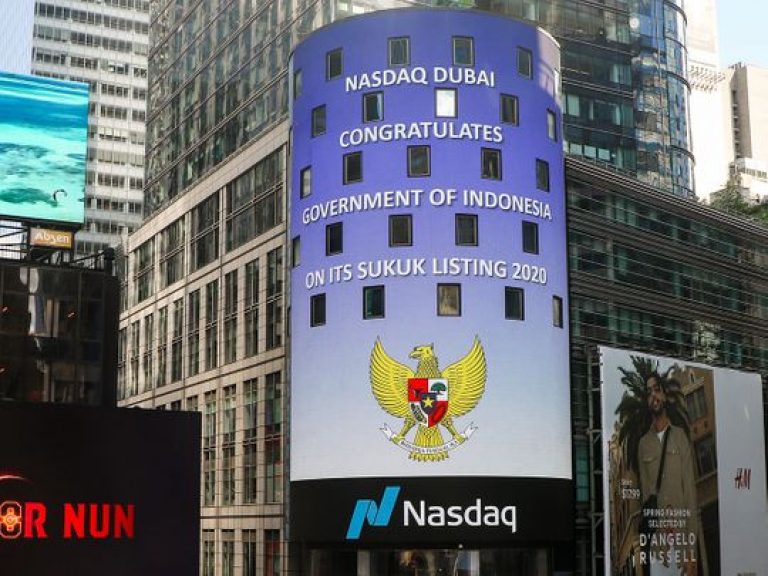
Nasdaq Dubai 1730a57c3e1 medium

Arabian Post Staff -Dubai

Stock markets across the United Arab Emirates have witnessed notable declines, influenced by escalating global trade tensions and fluctuating oil prices. The Dubai Financial Market and the Abu Dhabi Securities Exchange have both been affected, reflecting broader regional economic concerns.

The DFM’s main index recorded a 3.1% drop, with Dubai Islamic Bank experiencing a 5.7% decline. Similarly, the ADX index fell by 2.6%, influenced by a 5% decrease in ADNOC Gas shares. These downturns align with a broader trend observed across Gulf Cooperation Council markets, as investors react to the intensifying trade disputes between major global economies.

U.S. President Donald Trump’s recent implementation of comprehensive tariffs has heightened fears of a global recession. In retaliation, China announced a 34% tariff on American goods, effective April 10. President Trump stated he would not engage in negotiations with China until the U.S. trade deficit is addressed. These developments have contributed to increased volatility in global markets, with the S&P 500 companies in the U.S. losing $5 trillion in value over two days.

Oil prices, a critical component of Gulf economies, have also been affected. Brent crude prices declined nearly 15% over five days to just over $64 per barrel, marking a 30% decrease from the previous year. This decline is well below the break-even point for many Middle Eastern oil producers, adding to the economic strain in the region.

The Saudi stock market has not been immune to these pressures. The Saudi benchmark index experienced a 6.8% drop, its sharpest fall since May 2020. Major financial institutions like Al Rajhi Bank and Saudi National Bank lost nearly 6%, while oil giant Saudi Aramco fell 5.3%. These declines underscore the pervasive impact of global trade tensions on the region’s financial markets.

Analysts suggest that Gulf nations may need to consider austerity measures and fiscal cutbacks in response to these economic challenges. The increased tariffs and declining oil revenues could compel governments to reassess their spending and economic strategies to navigate the turbulent financial landscape.

The broader implications of these developments are significant. The escalating trade war between the U.S. and China has the potential to disrupt global supply chains, affecting economies worldwide. For the Gulf region, which is heavily reliant on oil exports and international trade, the ramifications could be particularly severe.


Also published on Medium.


Notice an issue?

Arabian Post strives to deliver the most accurate and reliable information to its readers. If you believe you have identified an error or inconsistency in this article, please don't hesitate to contact our editorial team at editor[at]thearabianpost[dot]com. We are committed to promptly addressing any concerns and ensuring the highest level of journalistic integrity.


Loading next story…
Just in:
Fake Marketplace adverts exploit users’ names to solicit replies // ADIA evaluates anchor stake as Zetwerk prices IPO // Etisalat introduces faster smartphone uploads on 5.5G network // Full Collaboration Of INDIA Bloc And CJP Needed To Fight Modi Govt // Panama mobilises emergency relief after widespread earthquake damage // Dubai Retail schedules 38 Ibn Battuta Mall openings // UK widens Saudi travel warnings, raising insurance risks // CGTN: A Mountain Road That Transformed a Village // Canada appoints national AI council to advise government // Working Graduate Share In Labour Market Fell To 5 Years Low In September // Attackers exploit Bricksforge flaw to breach WordPress websites // Microsoft introduces Maia 300 for large-scale AI deployment // Al Jazeera disputes Gore claims over television acquisition // It’s Time For British Labour Party To End Its Evasions On The Issue Of Genocide // HKTDC Hong Kong International Lighting Fair (Autumn Edition) and Hong Kong International Outdoor and Tech Light Expo Set to Illuminate this October // VinFast announces special incentives for new electric motorcycle showrooms in Indonesia and the Philippines, accelerating distribution network expansion // Gargash urges Gulf states to reinforce collective defences // Sprite Expands Global Basketball Footprint with NBA’s Nikola Jokić and New “Never Stop Refreshing The Game” Platform // Sheikh Mohammed bin Khalid investment arm backs COFE Tech // Thyssenkrupp establishes Pune centre for automotive software development //