


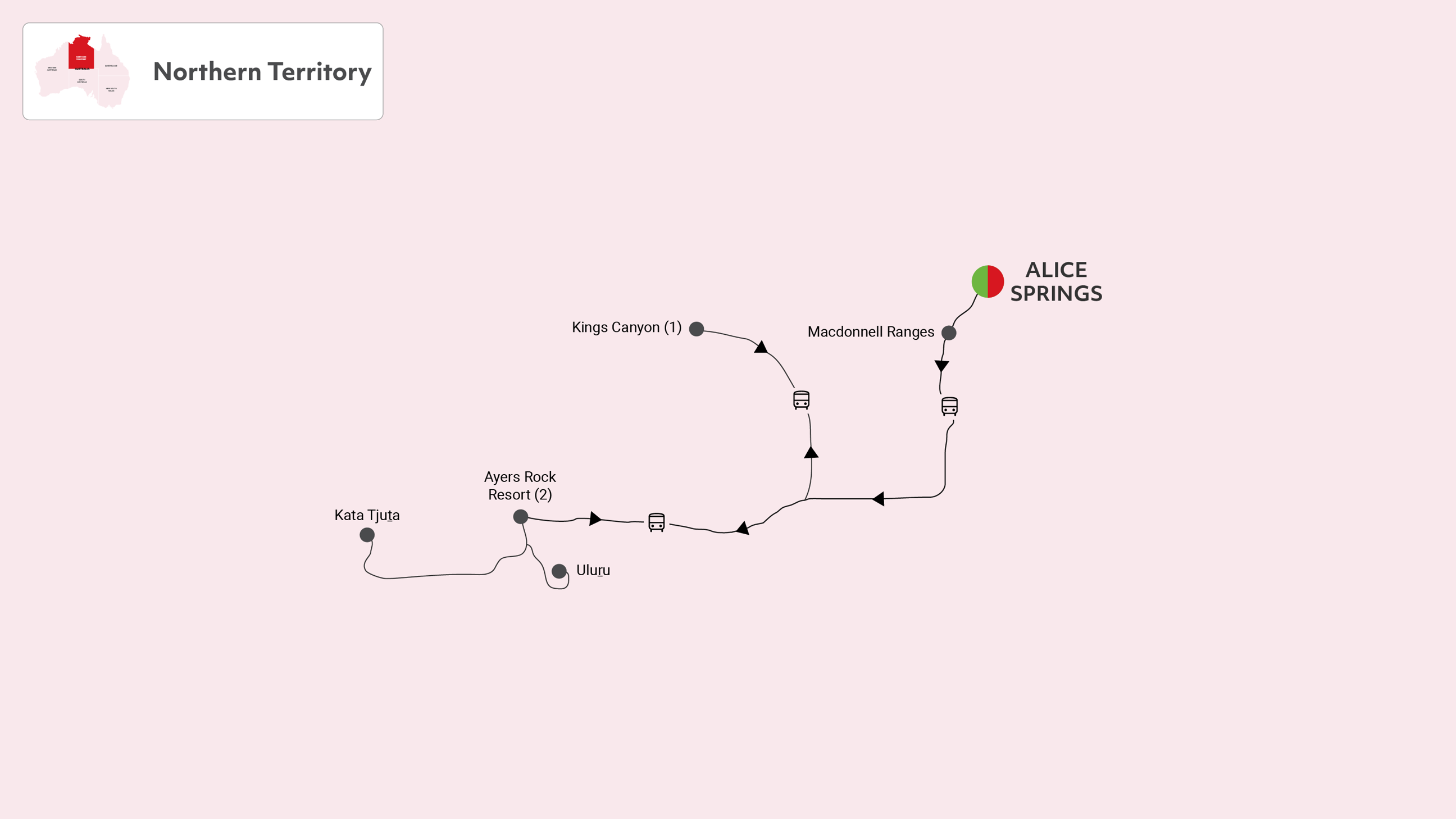
Visitors to the heart of Australia’s Red Centre are being drawn to Uluru‑Kata Tjuta National Park by a confluence of cultural significance, unique experiences and strategic branding that spotlight the historic destination for 2026. Plunge into the landscape and traditions of this immense sandstone formation and its neighbouring domes, and you’ll discover a land of deep meaning, geological wonder and evolving travel dynamics.
Standing 348 metres tall and encircling 9.5 kilometres at its base, Uluru is acknowledged as the largest monolith of its kind in the world, while just 30 kilometres away the 36 domes of Kata Tjuta stretch out over more than 20 kilometres. Together they shape one of Australia’s most iconic landscapes. They also form a site of enduring cultural significance for the traditional custodians of the land, the Anangu people, whose connection spans more than 30,000 years.
The global travel platform National Geographic has placed the park on its “Best of the World 2026” list, describing it as a meaningful and immersive destination that aligns with modern traveller priorities of cultural depth, nature and community engagement. The recognition has contributed to a spike in interest among discerning travellers, especially from Asia and the Middle East.
One major draw for 2026 is the launch of the “Signature Walk” — a 54-kilometre guided trek from Kata Tjuta to Uluru, operated in partnership with the Anangu community and set to begin in April. Early reports indicate that dates are selling fast, signalling strong demand among visitors seeking deeper, more active experiences rather than conventional sightseeing. Accommodation and tours near the park’s entrance at Yulara are already adjusting for increased bookings.
At the same time, conservation and cultural-respect imperatives have evolved. The Anangu and the Parks Australia jointly manage the park under a land-lease model, balancing tourism with Indigenous stewardship and preservation of sacred sites. Travellers are encouraged to engage in guided walking tours and cultural-centre sessions that help contextualise the land through Anangu law, knowledge and Dreamtime stories.
For travel-enthusiasts based in the Gulf region, the appeal is multi-layered. The flight from Dubai to Uluru is increasingly viable, and Australia’s currency movements favour Middle East visitors this season. Tour operators are launching “Red Centre” itineraries emphasising dawn and dusk photography of Uluru’s changing hues, introductions to bush foods and immersive nights under the desert stars.
However, the ride isn’t without caveats. Temperatures in the Northern Territory desert can soar in summer, with daytime highs often exceeding 40 °C, while winter nights can drop below freezing. Visitors must plan accordingly with suitable clothing, ample hydration and awareness of heat-risk protocols. Environmental protection also restricts some areas; climbers were banned from ascending Uluru itself in 2019 in recognition of its sacred status and to protect fragile ecosystems.
Learning the cultural etiquette is vital: The rock remains a sacred site for the Anangu, and respectful behaviour extends to not climbing the formation, following marked trails and avoiding disruption of ceremony-zones. Guided tours help bridge this understanding, and engagement with local Indigenous-led programmes adds both enrichment and integrity to the experience.
Mid-year is proving a strategic time to go, too. The international visitor-recovery phase for Australia is now well underway, Australian travel providers are offering fresh product bundles, and the inclusion on major global travel-editor lists gives enhanced visibility. For Arabian Post travel-junkies eager to “go deep” rather than just check another landmark, Uluru-Kata Tjuta presents a rare combination of natural splendour, living culture and new-horizon experience.
Follow Arabian Post
Select Arabian Post as your preferred source on Google and MSN News for trusted business news and Arab politics and updates.






