A newly announced strategic alliance between Ford and Renault will yield two new affordable Ford-badged electric vehicles for the European market, with the first expected to arrive in early 2028. The announcement marks a decisive move by both automakers to regain competitiveness amid mounting pressure from lower-cost electric vehicles flooding in from Chinese manufacturers.
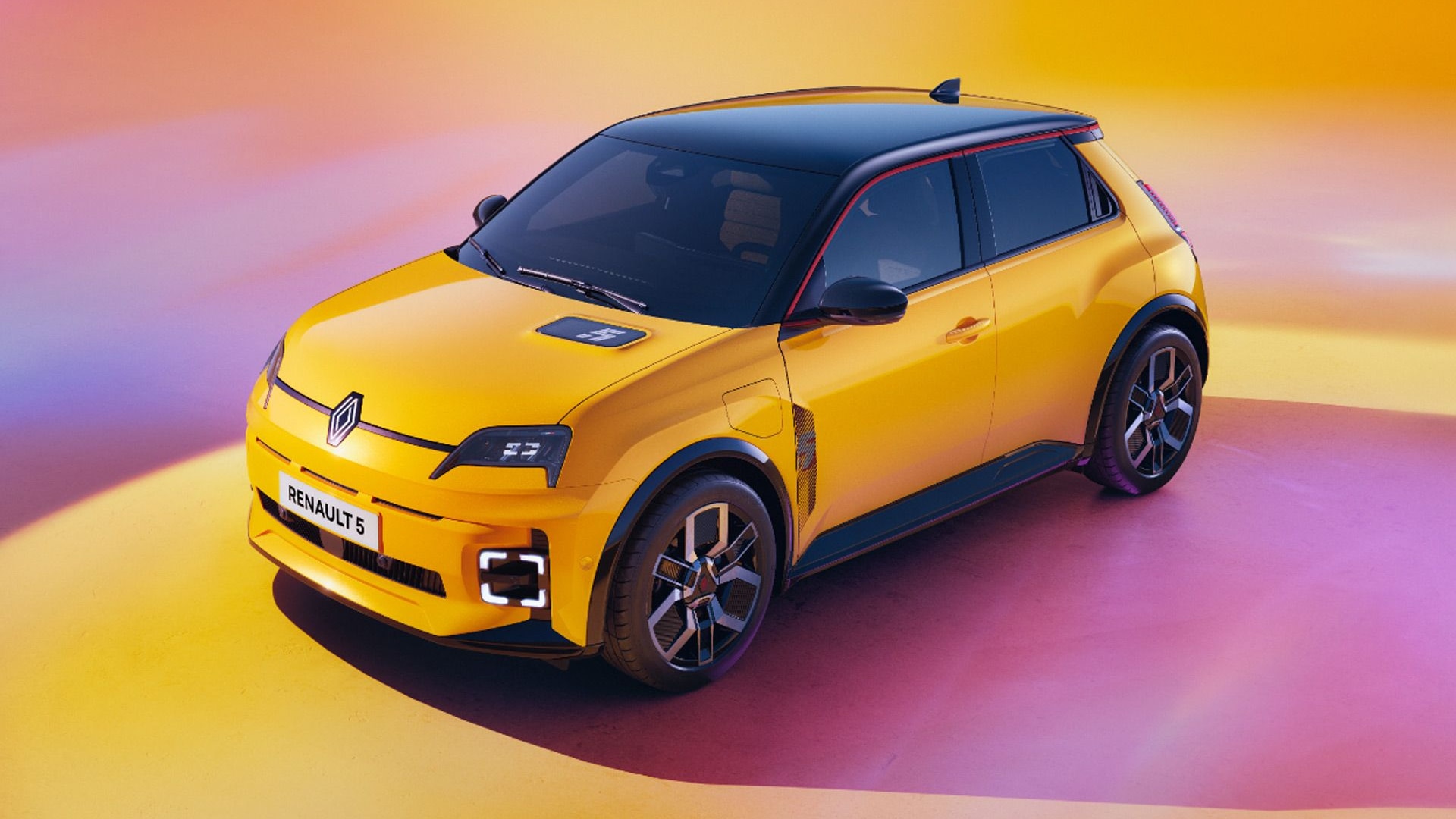
Under the agreement, Renault will provide its Ampere EV platform — already used for models such as the Renault 5 E‑Tech and Renault 4 E‑Tech — while Ford will contribute its design language, driving dynamics and software integration, ensuring the end product carries distinct “Ford DNA.” Production will take place at Renault’s ElectriCity facility in northern France. Ford executives emphasise that this collaboration is not a merger; rather, a platform-sharing and manufacturing alliance aimed at achieving economies of scale rapidly and efficiently.
One of the two planned vehicles is widely expected to serve as a spiritual successor to the erstwhile Ford Fiesta — reimagined as a compact electric hatchback, sharing underpinnings with Renault’s R5-derived models. The second is likely to be a small electric crossover, potentially replacing the current electric Puma variant. Neither car’s design has been publicly revealed yet, but early commentary suggests both will emphasise affordability and urban-friendly proportions.
Beyond passenger cars, the partnership also includes a Letter of Intent to explore joint development of light commercial vehicles under both brands. This approach reflects a bid to leverage shared production capacity and component sourcing to defend against intensifying price competition across Europe’s commercial-van segment.
For Ford, the alliance represents a broader recalibration of its European strategy. The company has been scaling down certain operations and cutting workforce in the region, as Europe’s transition to electrification strains profitability. The new partnership is framed as a pathway to a sustainable, multi-energy vehicle lineup — combining electric passenger cars and commercial vehicles — while optimising cost structures and responding to tightening emissions regulations across the EU.
Renault, meanwhile, stands to deepen utilisation of its Ampere platform and reinforce its manufacturing ecosystem in France. By deploying its electric-vehicle infrastructure to accommodate Ford’s scales, Renault strengthens its foothold in a landscape where electrification and consolidation are accelerating. The collaboration underscores how legacy automakers are increasingly relying on alliances rather than pure in-house development to remain competitive.
Follow Arabian Post
Select Arabian Post as your preferred source on Google and MSN News for trusted business news and Arab politics and updates.