Just in:
Phancy Announces Business Performance for the Nine Months Ended September 30, 2026 // 2026 Tropical Rainforest Ecosystem Partners Conference Kicks off in Hainan // Hackers exploit public notes to distribute NodeLinkRAT malware // Toward a Shared Future for Humanity: Rethinking Civilizational Exchange // Sabarimala booking discrepancies prompt sabotage angle probe // Jaiedco and Golden Bridge Announce Strategic Collaboration for a New Dubai Islands Development // LittleLives, Little Lab and SEGi College Sign MOU to Explore Early Childhood Education Collaboration Across ASEAN // Thailand’s Most Iconic New Year’s Celebration Returns: ICONSIAM Unveils “Amazing Thailand Countdown 2027” // Alibaba shares slip despite 53% cloud revenue growth // Oil futures rebound after Riyadh strikes and tanker alerts // Yeebo Announces Interim Results for FY26/27 Revenue Increases by 45.5% to HK$806.7 Million Profit Attributable to Owners Surges 87.6% to HK$2,284.7 Million // Dalilk Academy reaches 27 million, targets 100 million by 2030 // Workday targets Honeydew purchase to unify AI metrics // Padmini follows Padmaja for ‘ghar vapsi’ // Balagopal challenges CM over tax revenue // International Business Leaders Say Xi’s Speech Boosts Confidence in Asia-Pacific Cooperation // Travel Insurance Was Built for the Few Who Claim. Ancileo’s Felt Coverage™ is for Everyone Else // Dar Global unveils $700m Trump development in Qatar // Coinbase targets 2027 launch amid state gambling lawsuits // PicCollage extends photo editing platform to web browsers //

News related to
Democrats

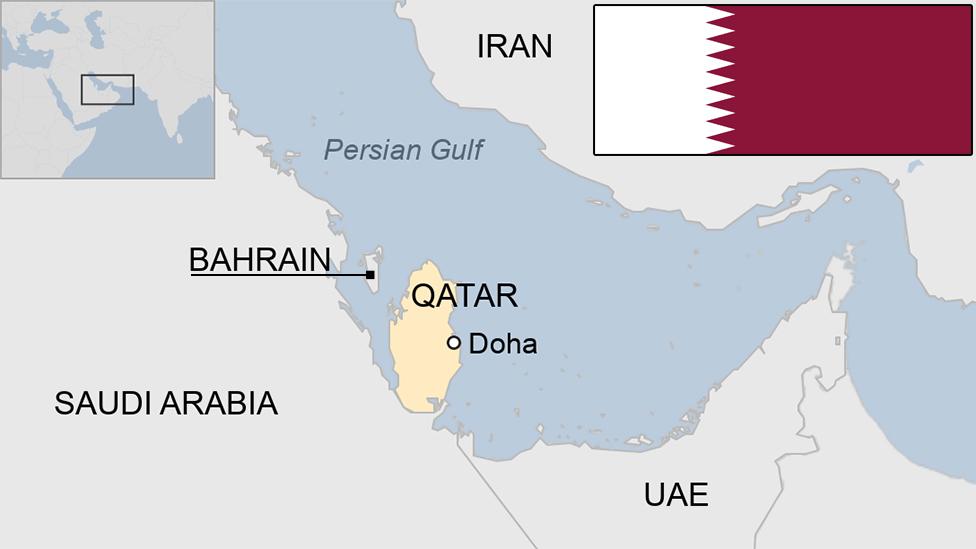
Defense Secretary Pete Hegseth informed the Senate Appropriations Committee on 11 June 2025 that the United States and Qatar have not yet formalised any agreement transferring a Boeing 747‑8 jetliner gifted by the Qatari royal family for potential use as Air Force One. Lawmakers pressing for details were met with repeated deferrals, as Hegseth invoked security and confidentiality concerns.

Senators voiced concern over the lack of transparency surrounding the gift. Senator Jack Reed of Rhode Island demanded insight into contractual terms and timeframe for retrofitting the aircraft to meet presidential standards, only to be told such information was “not for public consumption”. The Pentagon has neither disclosed cost estimates nor identified a specific US contractor for the extensive upgrade work required, including secure communications, defensive capabilities and airworthiness certification.

Despite earlier assurances from Air Force Secretary Troy Meink that retrofitting expenses could remain under USD 400 million, Democrats remain sceptical. Senator Chris Murphy pointed out that past Air Force One modernisation efforts have encountered significant budget escalations, sometimes reaching billions, and questioned the wisdom of funding work on a foreign jet when replacement aircraft are already in production.

Republicans, including Senators Jim Risch and Roger Marshall, defended the deal, asserting that Qatar and the UAE are strong US allies and that the jet donation alleviates procurement delays with Boeing. Secretary Hegseth echoed this view, suggesting that accepting Qatar’s jet could temporarily ease reliance on delayed Boeing‑built VC‑25B aircraft, though he declined to specify projected completion dates or key benchmarks.

Ethical concerns persist across party lines. Opponents argue that accepting a luxury aircraft from a foreign government may trigger Foreign Emoluments Clause issues or at least generate the appearance of impropriety. Qatar, meanwhile, has maintained that the nature of the transaction is under review—possibly a lease or outright purchase rather than a gift—though final details remain unresolved.

The Boeing 747‑8 in question, approximately 13 years old, features lavish interiors and advanced technology, earning it the nickname “palace in the sky.” Converting it to a presidential transport requires secure communications suites, defensive countermeasures, and structural modifications—a process estimated to span years. While Pentagon officials suggest costs may be contained beneath USD 400 million, analysts warn that upgrades for classified systems and nuclear safety could push costs well above one billion dollars.

Beyond the technical and ethical dimensions, questions remain over how accepting Qatar’s jet might affect broader US defence priorities. Some argue that prioritising resources for a foreign-made interim aircraft could detract from funding the delayed VC‑25B programme, which is pivotal to modernising the presidential fleet.

At the same hearing, Hegseth also dismissed calls for transparency, stating that budgetary and negotiating processes must remain classified for national security. This response intensified criticism from Democratic senators, who claim taxpayers deserve clarity on military expenditures and foreign transfers of high-value assets.

Meanwhile, Senate Republicans rejected two resolutions aiming to pause arms sales to Qatar and the UAE, signalling ongoing bipartisan support for the Gulf states despite growing unease over Trump administration’s foreign dealings. Republicans emphasised the strategic importance of maintaining strong defence cooperation, downplaying concerns over the aircraft gift.

The debate is set to continue as the Air Force advances planning and preliminary feasibility studies. Key upcoming moments include formalisation of the memorandum of understanding, selection of retrofit contractors, and disclosure of cost and timeline projections. The outcome will test the administration’s balance between diplomatic expediency, financial responsibility, and institutional transparency.

Tether, the issuer of the world’s most widely used stablecoin USDT, is intensifying its focus on emerging markets across Asia and Latin America, as U.S. lawmakers advance stringent legislation that could reshape the digital asset landscape.

From January 2024 to February 2025, USDT accounted for between 62% and 91% of global stablecoin payment volumes, with Asia and Latin America leading adoption. Singapore, Hong Kong, and Japan collectively represented 36.3% of global stablecoin traffic, while the United States trailed at 18.7%.

Tether CEO Paolo Ardoino reaffirmed the company’s commitment to these regions, stating that the firm will continue prioritizing emerging markets outside the U.S., despite regulatory progress and a pro-crypto administration. Ardoino emphasized that the company sees more opportunity abroad than under strict upcoming U.S. laws.

In a strategic move to deepen its presence in Latin America, Tether announced a significant investment in Orionx, a Chile-based cryptocurrency exchange and financial infrastructure firm. Orionx operates across Chile, Peru, Colombia, and Mexico, offering services such as cross-border payments, remittances, and treasury solutions. The investment aims to enhance Orionx’s technological capabilities and scale stablecoin-powered infrastructure throughout the region.

Ardoino highlighted the importance of this partnership, noting that the investment supports a high-impact company and advances Tether’s broader vision of making stablecoin-powered financial tools accessible to underserved communities across Latin America.

The surge in stablecoin adoption in Latin America is attributed to economic instability and high inflation rates in countries like Argentina and Brazil. Stablecoins offer a more stable store of value and a means to conduct transactions without relying on volatile local currencies. Tether’s USDT has become a preferred option for everyday needs such as saving, sending money to family, and conducting business transactions.

Meanwhile, in the United States, the regulatory landscape for stablecoins is undergoing significant changes. The Senate is advancing the Guiding and Establishing National Innovation for U.S. Stablecoins Act, which introduces stricter regulations on stablecoin issuers, focusing on consumer protection, national security, and financial system integrity. Key provisions include prohibiting yield offerings by stablecoins, mandating audits, and enhancing anti-money laundering protocols.

Despite the U.S. administration’s pro-crypto stance, with President Donald Trump and Vice President JD Vance advocating for the industry, the GENIUS Act reflects a bipartisan effort to establish a robust regulatory framework. The act has garnered support in the Senate, passing a motion to proceed with a 69-31 vote.

However, the legislation has sparked debate among lawmakers. Some Democrats express concerns over potential conflicts of interest due to the Trump family’s direct involvement in crypto ventures. Senators Chris Murphy and Elizabeth Warren have opposed the bill on ethical grounds, while others like Senators Cory Booker and Kirsten Gillibrand support it, emphasizing the need for consumer protection and clearer crypto regulations.

A group of prominent Senate Democrats, led by Elizabeth Warren and Minority Leader Chuck Schumer, has urged the Trump administration to reconsider newly announced artificial intelligence chip agreements with Saudi Arabia and the United Arab Emirates . The lawmakers argue that these deals could compromise U.S. national security by potentially exposing advanced technology to adversaries like China and Russia, while also limiting the availability of critical components for American companies.

The agreements, unveiled during President Donald Trump’s recent trip to the Middle East, involve major U.S. tech firms such as Nvidia Corp. and Advanced Micro Devices Inc. selling tens of thousands of advanced semiconductors to the Gulf nations. These deals could pave the way for the sale of over a million more chips, coinciding with the administration’s plans to rescind and rewrite Biden-era rules that had capped the access of these countries to such technology.

Critics within the Senate express concern that these moves could inadvertently aid China’s technological advancement, given the close ties between the Gulf states and Beijing. They also warn that the agreements might strain the domestic supply of AI chips, potentially hindering the growth of U.S. companies reliant on these components.

OpenAI CEO Sam Altman has defended the administration’s decisions, dismissing critics as “naïve” and emphasizing the strategic benefits of the deals. Altman, along with White House AI advisor David Sacks, argues that the agreements shift the technological balance in favor of the U.S. against China. Despite these assurances, concerns persist among lawmakers and national security experts about the potential risks associated with the export of sensitive technology to the Gulf region.

The deals have also sparked debate within the tech industry, with some companies eager to pursue opportunities in the Gulf, while others express apprehension regarding security and geopolitical implications. The collaborations highlight a divide in the industry and raise broader questions about the global strategic direction of emerging technologies.

By Nitya Chakraborty The United States of America President Donald J. Trump has completed his first one hundred days in office in his second non-consecutive term on April 29, Tuesday amidst continuing global disorder over his chaotic policies — unilateral tariffs hike, failure to establish peace in Gaza with Israeli killing spree continuing unabated and […]
Iran is offering its sanctioned economy as an investment opportunity to the United States, presenting an unconventional proposition amid ongoing negotiations over its nuclear programme. With diplomatic discussions showing momentum, Iranian officials are openly pitching economic engagement with Washington as a path toward a more durable and beneficial agreement, marking a shift not seen in decades. Talks have gained ground as both sides weigh the possibility of […]

Matein Khalid Tariffs are to economics what leeches are to medicine, what voodoo dolls are to risk management and what astrology is to astronomy. The very fact that Trump believed in this nonsense with rigid consistency for 40 years as a solution to the very real havoc meted out by Davos Man and the apostles of globalisation to Joe/Jane Sixpack in Middle America is both laughable and […]

By Dr. Sobhanlal Datta Gupta A controversy has erupted centring around CPI(M)’s position expressed in the Draft Political Resolution for the ensuing 24th Party Congress that the present Narendra Modi Government is not fascist, but marked by fascist tendencies. This stand has been subjected to criticisms by other Left parties on the ground that this […]
Advertisements
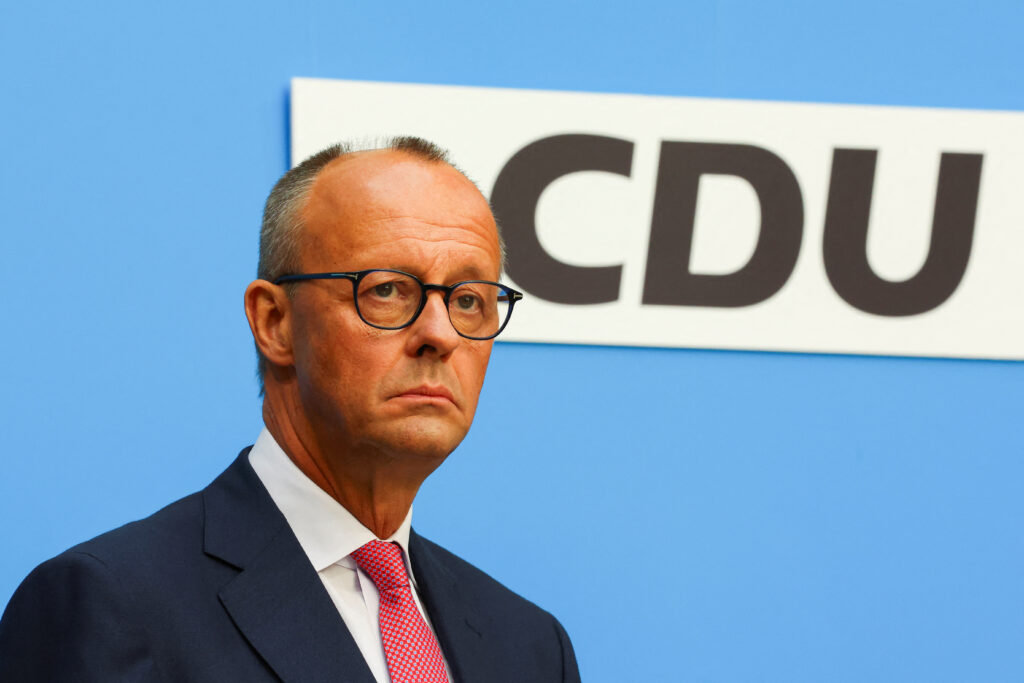
By Satyaki Chakraborty With just two days left for the national elections in Germany scheduled for next Sunday, February 23, all opinion polls suggest a near ten point lead by the conservative CDU/CSU combo as against the far right AFD which is threatening to take over power in European Union’s richest economy with the open […]

LOS ANGELES, USA – Newsaktuell – 31 January 2025 – High levels of governance have masked a slow decline in Germany, with political, economic, and social fractures “festering over years”, a new scientific report released only weeks ahead of the February 23 parliamentary elections concludes. On February 23, Germany elects a new Bundestag. The issue of migration plays a particularly important role, not least for supporters of […]

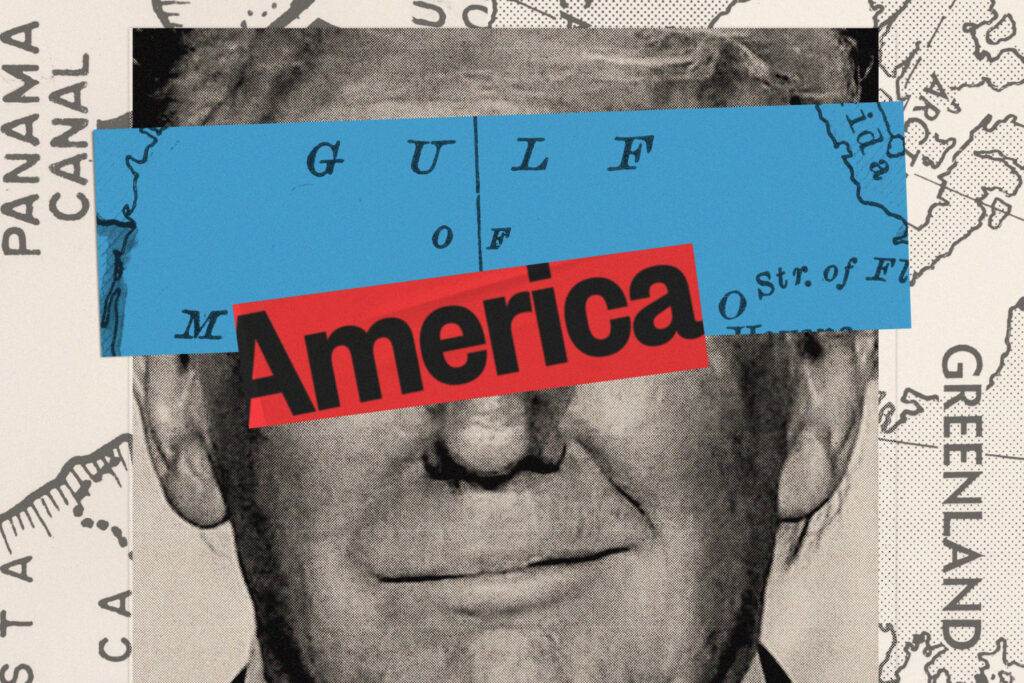
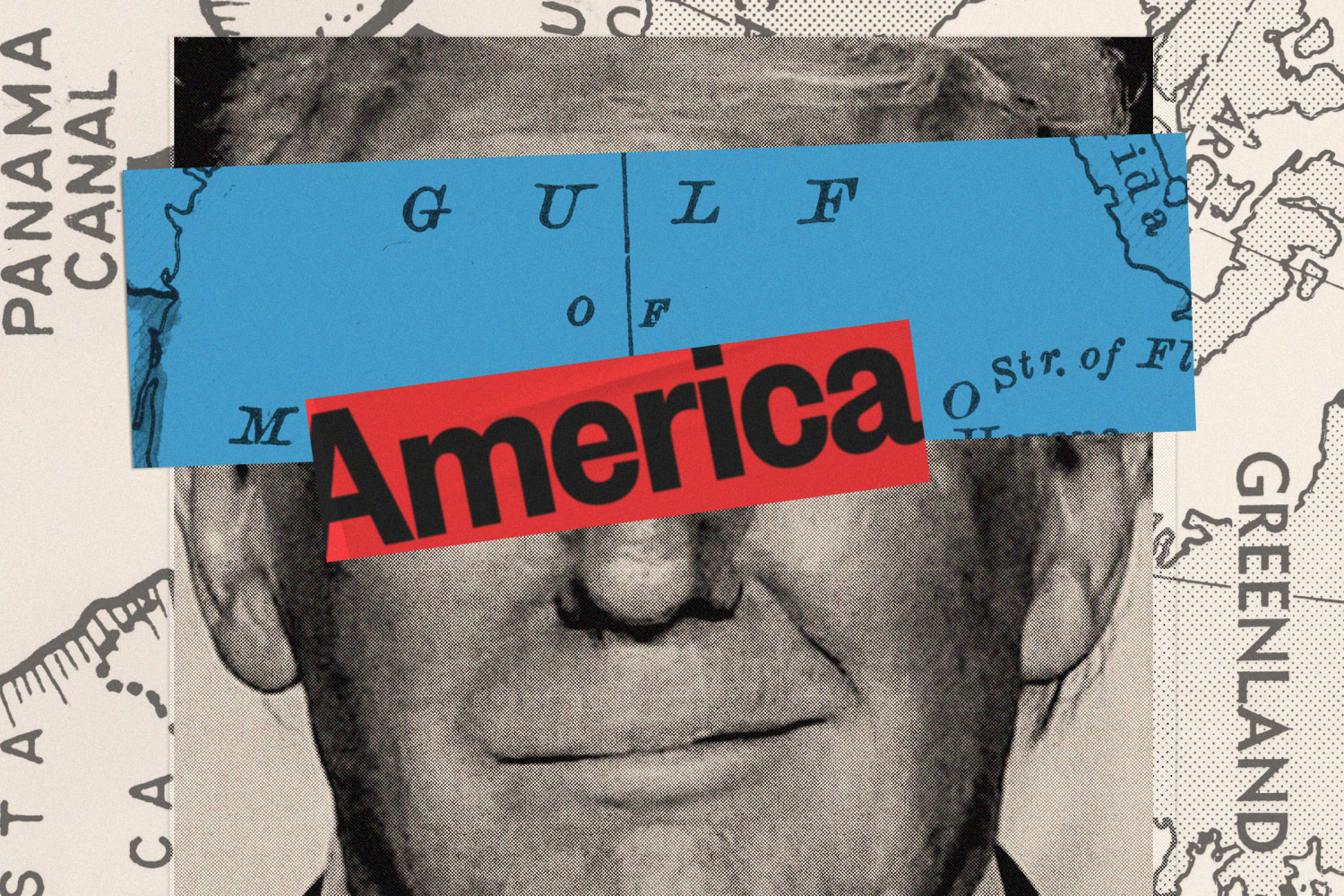
By Nantoo Banerjee There seems to exist a method in US President-elect Donald Trump’s madness when he talks about his desire to annex Canada and Greenland, and renaming the Gulf of Mexico among others. A US annexation of Canada is possible through a treaty between the two countries involving the British Monarch, or a referendum […]
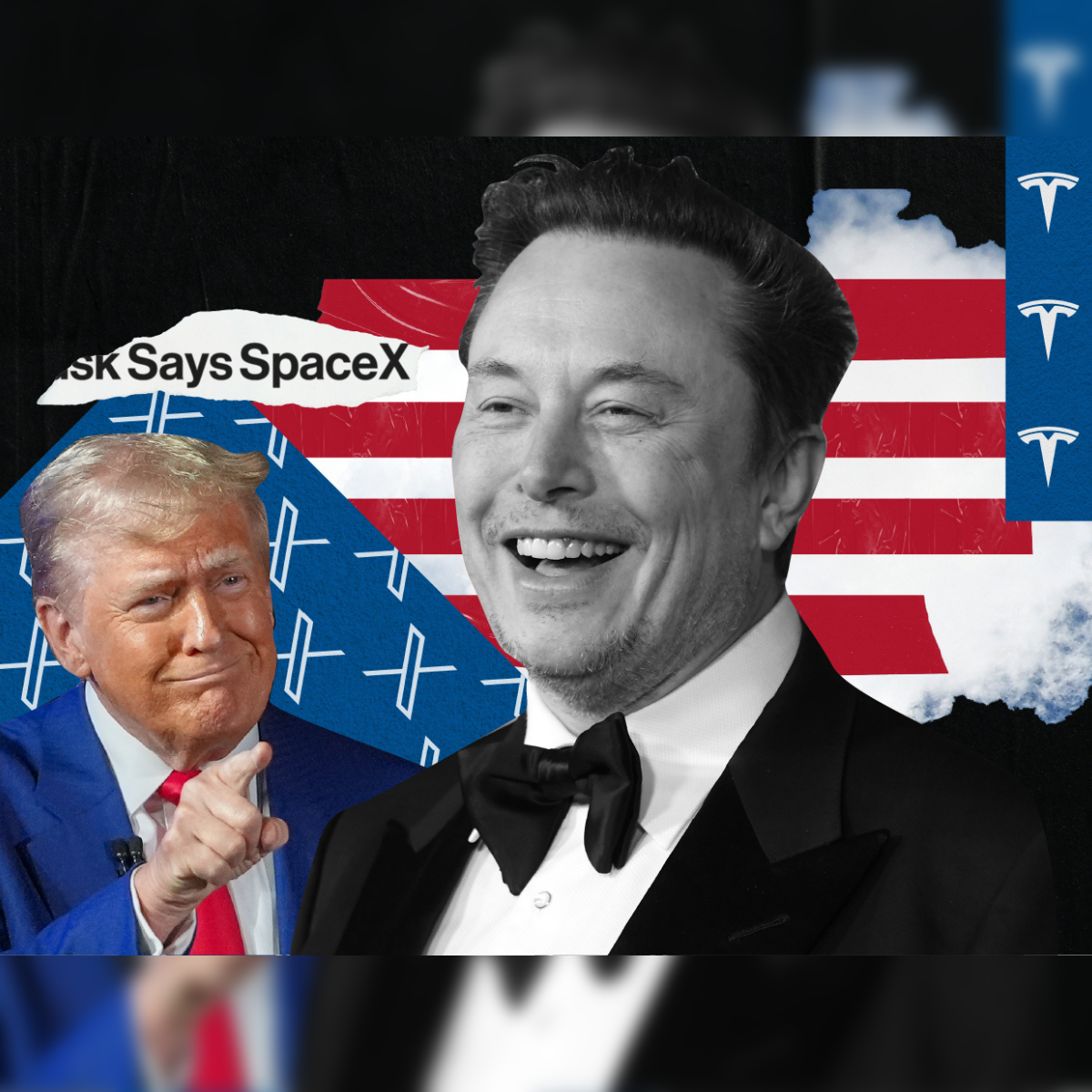
By Nitya Chakraborty Year 2025 is going to witness a new era of global advance of far right led by the incoming U.S. President Donald Trump and his acolyte, the richest man of the world Elon Musk. It will be a unique combination fusing the brand of Trump with the big money and tech skills […]

German President Frank-Walter Steinmeier has dissolved the Bundestag, setting new federal elections for February 23, 2025. This decisive action follows the collapse of Chancellor Olaf Scholz’s coalition government and his subsequent loss in a vote of confidence. The political crisis intensified on November 6, 2024, when Chancellor Scholz dismissed Finance Minister Christian Lindner, leading to the disintegration of the three-party coalition comprising the Social Democrats (SPD), Free […]

U.S. President Joe Biden has pardoned his son, Hunter Biden, clearing federal convictions related to gun possession and tax offenses. This decision follows months of scrutiny over Hunter’s legal troubles, which had drawn significant public attention and political criticism. The pardon marks a reversal from the president’s prior stance, where he had assured he would not interfere in the judicial process concerning his son. Hunter Biden was […]

Political divisions are increasingly shaping public health outcomes, creating barriers to effective healthcare and widening disparities across communities. The interplay between ideological and partisan identities has significant consequences on health policies, behaviors, and outcomes, as seen during the COVID-19 pandemic and beyond.

Polarization occurs when societal opinions, beliefs, or interests split into opposing extremes. This trend has grown over decades in the United States, fueling challenges in addressing public health crises. Researchers Shana Kushner Gadarian, Jay J. Van Bavel, Eric Knowles, and Kai Ruggeri highlight these impacts, emphasizing the urgent need to mitigate the health risks tied to political polarization.

The COVID-19 pandemic exemplified how political affiliations influence health behaviors. Data from 2020 to 2021 showed that individuals who supported Donald Trump were less likely to adopt recommended measures such as mask-wearing and social distancing. This partisan divide extended to vaccination rates, resulting in significantly higher COVID-19-related death rates among Republican voters compared to Democrats.

The research underscores that polarization doesn’t just influence individual behavior—it also stymies public health policymaking. When political leaders prioritize partisan interests over evidence-based strategies, essential compromises become elusive. The aftermath of the Affordable Care Act’s passage revealed this dynamic, with Republican voters less inclined to enroll in the program despite its benefits. Similarly, legislative battles over abortion rights and Medicaid expansion highlight how political divides obstruct progress on crucial health initiatives.

State-level policies further exacerbate health inequities. In the U.S., states with more liberal policies, such as Medicaid expansion, stricter tobacco regulations, higher minimum wages, and tighter gun control, tend to see better health outcomes and longer lifespans. Conversely, conservative-leaning states often resist such measures, leading to poorer health outcomes. This growing divide reflects the broader implications of polarization on individual and community well-being.

Polarization also hinders local governments’ ability to enact health policies. As state-level leaders increasingly preempt local regulations, measures such as paid sick leave, minimum wage adjustments, and firearm safety laws face significant hurdles. This limits the effectiveness of public health strategies and exacerbates disparities between states.

At an individual level, polarization can erode trust in healthcare systems and experts. People with strong partisan identities are more likely to reject contradictory information, even when it pertains to critical health risks or preventive measures. This resistance can lead to lower rates of flu vaccinations, unhealthy dietary choices, and reluctance to seek medical care.

The researchers also observed a link between extreme political beliefs and poorer physical and mental health outcomes. Individuals who align more ideologically with the extremes, compared to their state’s average voter, tend to experience worse overall health. These findings suggest that extreme partisanship not only divides communities but also harms individual well-being.

Former U.S. congressman Pete Hoekstra has been nominated by President Donald Trump to serve as the next U.S. Ambassador to Canada. Hoekstra, who represented Michigan’s 2nd Congressional District from 1993 to 2011, has a long history of involvement in both politics and national security. His nomination is expected to further solidify the U.S.-Canada relationship, although it also raises questions about his qualifications for the diplomatic post. Hoekstra’s […]

KUALA LUMPUR, MALAYSIA – Media OutReach Newswire – 20 November 2024 – Bitcoin, the world’s most famous digital currency, has demonstrated an impressive performance following the U.S. presidential elections, in which Donald Trump, a Republican candidate, achieved a decisive victory. Although it has been widely speculated that Bitcoin would rally under Trump, a 30% rise in value in the course of just two weeks surprised even the […]

By Dr. Nilanjan Banik Donald Trump made history by winning a larger share of Black and Hispanic votes compared to 2020, and by becoming the first since George W. Bush to win based on popular votes. There had already been indications of Trump winning, although not by such a decisive margin. Initially, the US betting […]
M A Hossain The upcoming US presidential election on November 5, 2024, carries significant implications for the entire world, including Bangladesh’s political landscape. With the recent ouster of Prime Minister Sheikh Hasina and her fleeing the country thus taking refuge in India, Bangladesh stands at a political crossroads, facing unprecedented geopolitical pressures. An intriguing aspect of this shift is the waning interest of foreign lobbyists in Washington, […]

North Carolina Governor Roy Cooper has suggested that the fallout surrounding Lieutenant Governor Mark Robinson could present an unexpected advantage for Democrats, particularly Vice President Kamala Harris, in the state’s upcoming elections. Robinson, a polarizing figure within the state’s Republican Party, has drawn increasing criticism for his controversial remarks on issues such as transgender rights and slavery, which some view as extreme even within conservative circles.

Robinson’s rise to prominence in 2020, largely supported by a populist, Trump-aligned base, has put him in a powerful position as the GOP’s gubernatorial candidate for 2024. However, a series of inflammatory statements made over the years — including derogatory comments about the LGBTQ+ community and remarks glorifying slavery — have resurfaced, igniting a public relations crisis for his campaign. The scandal has reverberated beyond North Carolina, affecting national politics as well, with Democrats eyeing potential openings.

Governor Cooper, who is not seeking re-election, believes that the controversy surrounding Robinson could benefit the Democrats, particularly as Harris seeks to flip North Carolina in her bid for the White House. Democrats have targeted Robinson’s divisive rhetoric, portraying him as part of a broader Republican movement that threatens to alienate key voter demographics, including women and minorities. Harris’s campaign has already launched targeted ads linking Robinson to former President Donald Trump, amplifying concerns about his suitability to lead a diverse state like North Carolina.

The state’s political landscape has seen significant shifts over the last decade. After briefly flipping for Barack Obama in 2008, North Carolina has remained a critical battleground, with Republicans holding legislative power and Cooper maintaining the governorship. The state’s GOP, previously known for its moderate positions, has increasingly aligned with Trump-style politics, which has energized its base but also alienated some moderate voters. Robinson’s candidacy encapsulates this evolution, as he rose to prominence with no prior political experience, riding the wave of populist anger and the viral nature of social media.

However, the baggage attached to Robinson’s candidacy now threatens to fracture the Republican coalition. His critics, including some within his own party, argue that Robinson’s inflammatory remarks could cost the GOP the state in what is shaping up to be a fiercely contested gubernatorial race. In the latest polling, Robinson trails the Democratic candidate, Attorney General Josh Stein, who has avoided the kind of controversy that has engulfed his opponent. Stein’s potential victory would make him North Carolina’s first Jewish governor, a historic moment that some Democrats believe would further erode the Trump-era influence in state politics.

Harris’s campaign is banking on Robinson’s controversies to swing suburban voters and women back toward the Democratic fold. By highlighting Robinson’s statements, Democrats aim to present Harris as a unifying force capable of bridging the state’s political divides. North Carolina’s importance as a swing state in the 2024 presidential election cannot be overstated, with both parties viewing it as a critical bellwether for national trends. While Robinson remains defiant and insists that his comments are being taken out of context, the broader political fallout is unmistakable.

Prominent Republicans, including Senator Thom Tillis, have expressed concern about the impact Robinson could have on down-ballot races, warning that his candidacy could depress turnout among moderate Republicans and swing voters. Despite this, the state GOP continues to back Robinson, viewing his appeal to the base as essential in a tightly contested election cycle.

Coinbase’s recent lobbying efforts have intensified, reflecting a broader strategy to sway U.S. regulatory landscapes in favor of the cryptocurrency sector. Over the past two years, the cryptocurrency exchange has channeled a significant portion of its lobbying budget, with 74% of its total spending during this period aimed at influencing policy and legislative outcomes. Despite these efforts, the exchange’s attempts to elevate cryptocurrency issues during high-profile political […]

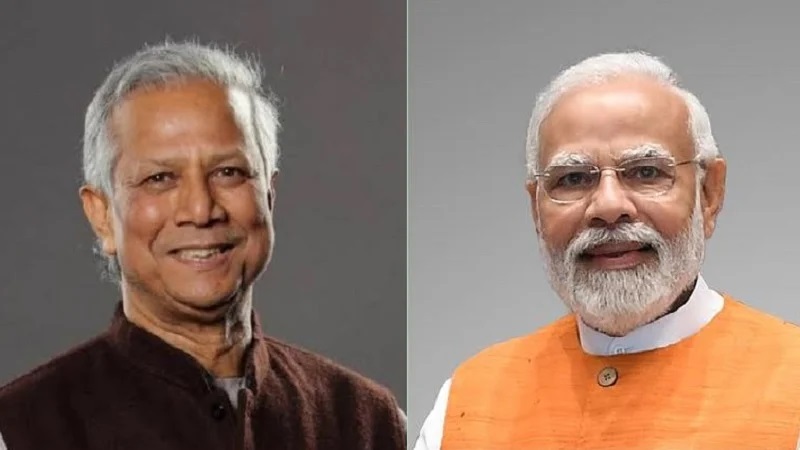
By Nitya Chakraborty Bangladesh Interim Head Dr. Muhammad Yunus has invited Indian Prime Minister Narendra Modi for talks in New York in the last week of September when both of them will be attending the session of United Nations general assembly .So far, there has been no response from the Indian Government sources. In fact, […]

The 2024 U.S. presidential election is rapidly shaping up to be a fierce contest, with Pennsylvania standing at the forefront of political attention. Both Kamala Harris, the current Vice President, and Donald Trump, the former president seeking another term, have concentrated their campaigns on the Keystone State. The focus on Pennsylvania comes as the state’s electoral votes are seen as pivotal for either candidate to secure victory […]

KUALA LUMPUR, MALAYSIA – Media OutReach Newswire – 2 September 2024 – The influence of presidential elections on financial markets is often temporary. Still, the psychological effect of elections on traders and investors can cause emotional and illogical behaviour, contributing to increased market swings. Apart from the White House, the Senate is also up for grabs this fall, and the balance of power inside the legislative branch […]

M A Hossain As the US presidential election approaches, Kamala Harris stands on the brink of making history. With approximately 70 days left in a compressed campaign, Harris is poised not only to become the first woman to ascend to the presidency but also to be the first president of Black and South Asian descent. Despite the significance of these firsts, Harris has made it clear that […]

VISHNU RAJA
RYO YAMADA
HITORI GOTOH
IKUYO KITA
Just in:
Travel Insurance Was Built for the Few Who Claim. Ancileo’s Felt Coverage™ is for Everyone Else // Anthropic shares finish above offer price after Nasdaq debut // Jaiedco and Golden Bridge Announce Strategic Collaboration for a New Dubai Islands Development // Oil futures rebound after Riyadh strikes and tanker alerts // International Business Leaders Say Xi’s Speech Boosts Confidence in Asia-Pacific Cooperation // Sharjah clears Kalba free zone plan for 400MW complex // Dubai Introduces SHARH, an AI-Powered Platform Helping Entrepreneurs Buy, Sell and Manage Businesses in the UAE // 2026 Tropical Rainforest Ecosystem Partners Conference Kicks off in Hainan // Phancy Announces Business Performance for the Nine Months Ended September 30, 2026 // PicCollage extends photo editing platform to web browsers // Malappuram hartal over Western Ghats // Dar Global unveils $700m Trump development in Qatar // Coinbase targets 2027 launch amid state gambling lawsuits // Dalilk Academy reaches 27 million, targets 100 million by 2030 // Balagopal challenges CM over tax revenue // Yeebo Announces Interim Results for FY26/27 Revenue Increases by 45.5% to HK$806.7 Million Profit Attributable to Owners Surges 87.6% to HK$2,284.7 Million // Russia permits retail cryptocurrency purchases under regulated framework // ED searches five districts in probe against hawala // Promoting Common Human Development Through Exchanges and Mutual Learning Among Civilizations // PayerMax and ShopeePay Strengthen Strategic Partnership to Advance Digital Payment Collaboration in Southeast Asia //