News related to
Dhabi partnership

President Donald Trump’s strategic tour across the Middle East has ignited internal discord within his administration, as China-focused officials express concern over expansive artificial intelligence agreements with Saudi Arabia and the United Arab Emirates . These deals, involving the acquisition of advanced semiconductors from U.S. firms Nvidia and Advanced Micro Devices , are perceived by some as potential threats to national security and economic interests. During his […]

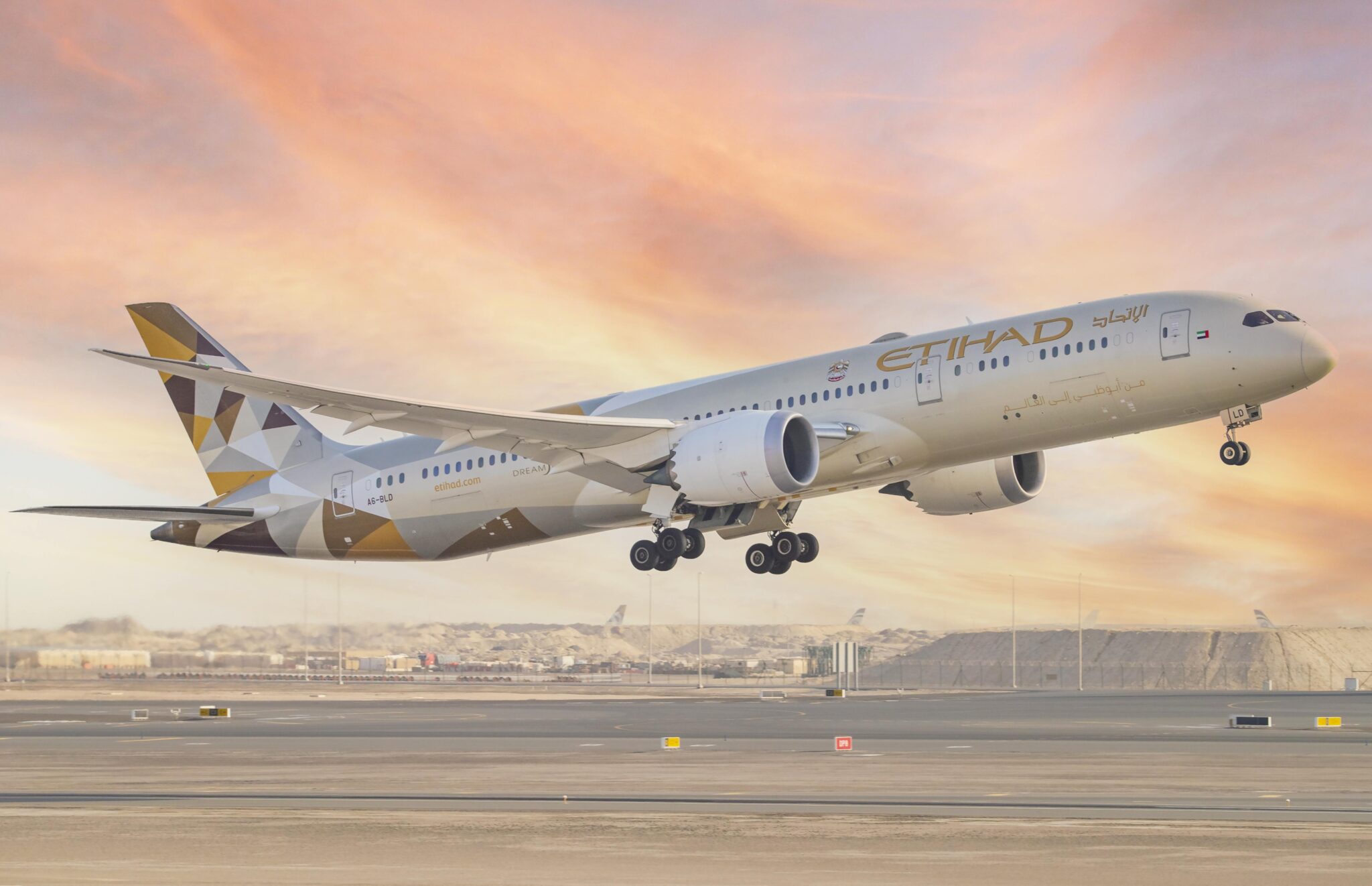
President Donald Trump has announced a series of agreements exceeding $200 billion between the United States and the United Arab Emirates, including a $14.5 billion deal involving Etihad Airways, Boeing, and GE Aerospace. The announcement was made during Trump’s visit to the UAE, part of his broader Middle East tour aimed at strengthening economic and diplomatic ties. Etihad Airways confirmed the purchase of 28 wide-body Boeing aircraft […]

President Donald Trump has unveiled a series of agreements with the United Arab Emirates totalling over $200 billion, encompassing significant investments in aviation and artificial intelligence. The announcements followed Trump’s meeting with UAE President Sheikh Mohamed bin Zayed Al Nahyan, underscoring a deepening strategic partnership between the two nations. Etihad Airways has committed $14.5 billion to acquire 28 wide-body Boeing aircraft, including 787 Dreamliners and 777X models, […]

Arabian Post Staff -Dubai The United States has pledged a $60 billion investment in the United Arab Emirates’ energy sector, as part of a broader $440 billion joint initiative extending through 2035. This commitment was announced during President Donald Trump’s visit to the Gulf, underscoring a significant deepening of economic relations between the two nations. Sultan al-Jaber, chief executive of the Abu Dhabi National Oil Company , […]

Abu Dhabi – Fakih Fertility Group has achieved a historic milestone in reproductive medicine by launching the UAE’s first accredited fellowship program in Reproductive Endocrinology and Infertility. This pioneering initiative sets a new standard in medical education and training, providing obstetricians and gynecologists with advanced expertise in assisted reproductive technologies (ART). The fellowship program, accredited by the National Institute for Health Specialties (NIHS), was officially inaugurated by Dr. […]

The United States is deliberating a significant agreement that would permit the United Arab Emirates to acquire over one million advanced Nvidia AI chips, a move that could reshape the technological landscape in the Gulf region. The proposed arrangement, still under negotiation, would allow the UAE to import 500,000 of Nvidia’s most sophisticated chips annually through 2027. Approximately 20% of these chips are earmarked for G42, an Abu Dhabi-based artificial intelligence firm, while the remainder would support U.S. companies establishing data centers within the UAE.

This potential deal marks a notable shift from the stringent export controls implemented during the Biden administration, which aimed to limit the proliferation of advanced AI technologies to certain regions. The Trump administration’s consideration of this agreement aligns with its broader strategy to bolster alliances and counterbalance China’s growing technological influence.

G42 has been at the forefront of the UAE’s AI ambitions, developing a bilingual Arabic-English large language model named Jais and collaborating with global tech giants to enhance its capabilities. The firm’s efforts to sever ties with Chinese entities and comply with U.S. regulations have been pivotal in facilitating this prospective deal.

The U.S. Department of Commerce’s introduction of the Validated End User program has further streamlined the export process for advanced technologies to trusted partners. Under this program, foreign data centers that meet rigorous security and compliance standards can receive AI chips without the need for individual export licenses. This initiative aims to safeguard national security while promoting international technological collaboration.

Nvidia’s advanced chips, particularly the H100 and the newer GB300 Blackwell models, are integral to the development of cutting-edge AI applications. The company’s collaboration with Saudi Arabia’s AI startup, Humain, to deliver 18,000 AI chips underscores the region’s commitment to becoming a global AI hub. These chips are set to power a 500-megawatt data center in Saudi Arabia, reflecting the Gulf’s substantial investments in AI infrastructure.

The UAE’s strategic partnerships extend beyond Nvidia. A notable collaboration between Microsoft and G42 has received U.S. approval, allowing the export of advanced AI chips to a Microsoft-operated facility in the UAE. This partnership is part of a broader U.S. effort to counter China’s Digital Silk Road initiative by strengthening technological ties with Gulf nations.

Despite these advancements, concerns persist regarding the potential for U.S. technologies to be accessed by adversarial nations. The U.S. government has imposed strict conditions on these deals, including prohibitions on the use of exported chips for model training by individuals from countries under U.S. arms embargoes, such as China. Regular audits and compliance checks are mandated to ensure adherence to these restrictions.

The UAE’s pursuit of AI sovereignty is evident in its initiatives to develop indigenous AI capabilities and infrastructure. Core42, a subsidiary of G42, has established a “regulated technology environment” to deploy Nvidia’s H100 Tensor chips securely within the country. This setup ensures that sensitive technologies are handled under strict guidelines, aligning with the UAE’s objectives to safeguard data and maintain control over its AI systems.

Abu Dhabi’s Yas Island is set to welcome its first Waldorf Astoria Residences, marking a significant collaboration between Aldar Properties and Hilton. This development introduces the luxury brand’s residential concept to the capital, aligning with Aldar’s broader strategy to enhance its hospitality portfolio.

The Waldorf Astoria Residences will be situated along the Yas Links Golf Course, offering residents panoramic views of the fairways and the Arabian Gulf. The project encompasses a selection of premium furnished apartments and penthouses, complemented by top-tier amenities and services synonymous with the Waldorf Astoria brand. This initiative is part of Aldar’s AED 1.5 billion investment aimed at transforming its hospitality assets to cater to the growing demand for luxury accommodations in Abu Dhabi.

Jonathan Emery, Chief Executive Officer at Aldar Development, and Daniel Wakeling, Vice President Development Luxury & Residences, EMEA, at Hilton, formalised the partnership in the presence of Talal Al Dhiyebi, Aldar’s Group Chief Executive Officer. The collaboration underscores Aldar’s commitment to introducing iconic global hospitality brands to the region, enhancing Abu Dhabi’s appeal as a premier tourism and leisure destination.

The Waldorf Astoria Residences on Yas Island are part of a larger transformation plan that includes rebranding the Eastern Mangroves hotel into a Waldorf Astoria luxury resort. This resort will feature 167 guest rooms and suites, many with views of the adjacent Mangrove National Park, and will offer amenities such as a brasserie, rooftop specialty restaurant, and the brand’s signature Peacock Alley lounge. Guests will also benefit from a Personal Concierge service, ensuring a tailored and seamless experience.

In addition to the developments on Yas Island, Aldar is undertaking significant upgrades across its hospitality portfolio. The Yas Plaza Hotels complex will be reimagined under the IHG brand, transforming the six-hotel complex into the largest Vignette Collection resort globally. This rebranding includes the addition of beachfront suites and access to a private beach, enhancing the resort’s appeal to both international and local guests.

Further afield, Aldar is repositioning its desert resort in the Al Dhafra region, formerly known as Tilal Liwa, into a luxury desert escape under the Vignette Collection brand. Enhancements will include new luxury suites, curated desert experiences, and upgraded facilities such as a kids club and spa. Nurai Island is also undergoing a major refurbishment and expansion to elevate its status as Abu Dhabi’s ultra-luxury island destination.

These strategic developments align with Abu Dhabi’s broader vision to boost tourism, with the Department of Culture and Tourism aiming to attract 39.3 million visitors by 2030. The emirate has already seen a 27% increase in hotel guests in 2023 compared to the previous year, with international guest arrivals rising by 54%. The opening of the new terminal at Zayed International Airport, capable of accommodating 45 million passengers annually, further supports this growth trajectory.

Carlos Khneisser, Vice President of Development, Middle East & Africa at Hilton, expressed enthusiasm about the partnership, stating, “We are delighted to have signed Abu Dhabi’s first Waldorf Astoria, which will enjoy an unrivalled location overlooking the Mangrove National Park. With its anticipatory service and timeless elegance, it is set to be a destination of choice for those seeking modern luxury in the capital.”

Advertisements

Aldar Properties has announced a partnership with Hilton to develop Abu Dhabi’s first Waldorf Astoria Residences, marking the debut of branded residences on Yas Island. The project, situated along the Yas Links Golf Course, will offer premium furnished apartments and penthouses with views of the fairways and the Yas Marina Circuit.

The partnership was formalised by Jonathan Emery, CEO of Aldar Development, and Daniel Wakeling, Vice President Development Luxury & Residences, EMEA, at Hilton, in the presence of Aldar’s Group CEO, Talal Al Dhiyebi. Al Dhiyebi stated that the collaboration would bring the Waldorf Astoria brand to Abu Dhabi for the first time, enhancing the emirate’s position as a global destination for investment and long-term residency.

Daniel Wakeling highlighted the region’s growing demand for luxury branded residences and expressed Hilton’s commitment to delivering exceptional properties that offer a luxury living experience with world-class amenities and service excellence. The Waldorf Astoria Residences Yas Island will be launched for sale in the coming weeks.

Residents will have access to nearby attractions including Ferrari World, Warner Bros. World Abu Dhabi, SeaWorld Abu Dhabi, and Etihad Arena, as well as the Gardenia Bay waterfront promenade and the mangroves of West Yas. The development is part of Aldar’s strategy to deliver unique lifestyle destinations in the UAE and reflects the increasing demand for luxury branded residences in the region.

Abu Dhabi Investment Office has announced the expansion of its San Francisco office, aiming to bolster the emirate’s economic clusters and facilitate global innovation, particularly in the healthcare sector. This move is part of a broader strategy to position Abu Dhabi as a central hub for health technology and related industries. The San Francisco office, situated in a region renowned for its advancements in health tech, biotech, […]

Sobha Realty has mandated a consortium of banks to arrange a new three-year, dollar-denominated Reg S benchmark sukuk, marking another significant move in the UAE’s Islamic finance landscape. The issuance will be conducted under Sobha Sukuk I Holding Limited’s $1.5 billion Trust Certificate Issuance Programme. The appointed joint lead managers and bookrunners include Abu Dhabi Commercial Bank, Abu Dhabi Islamic Bank, Arqaam Capital, Dubai Islamic Bank, Emirates […]

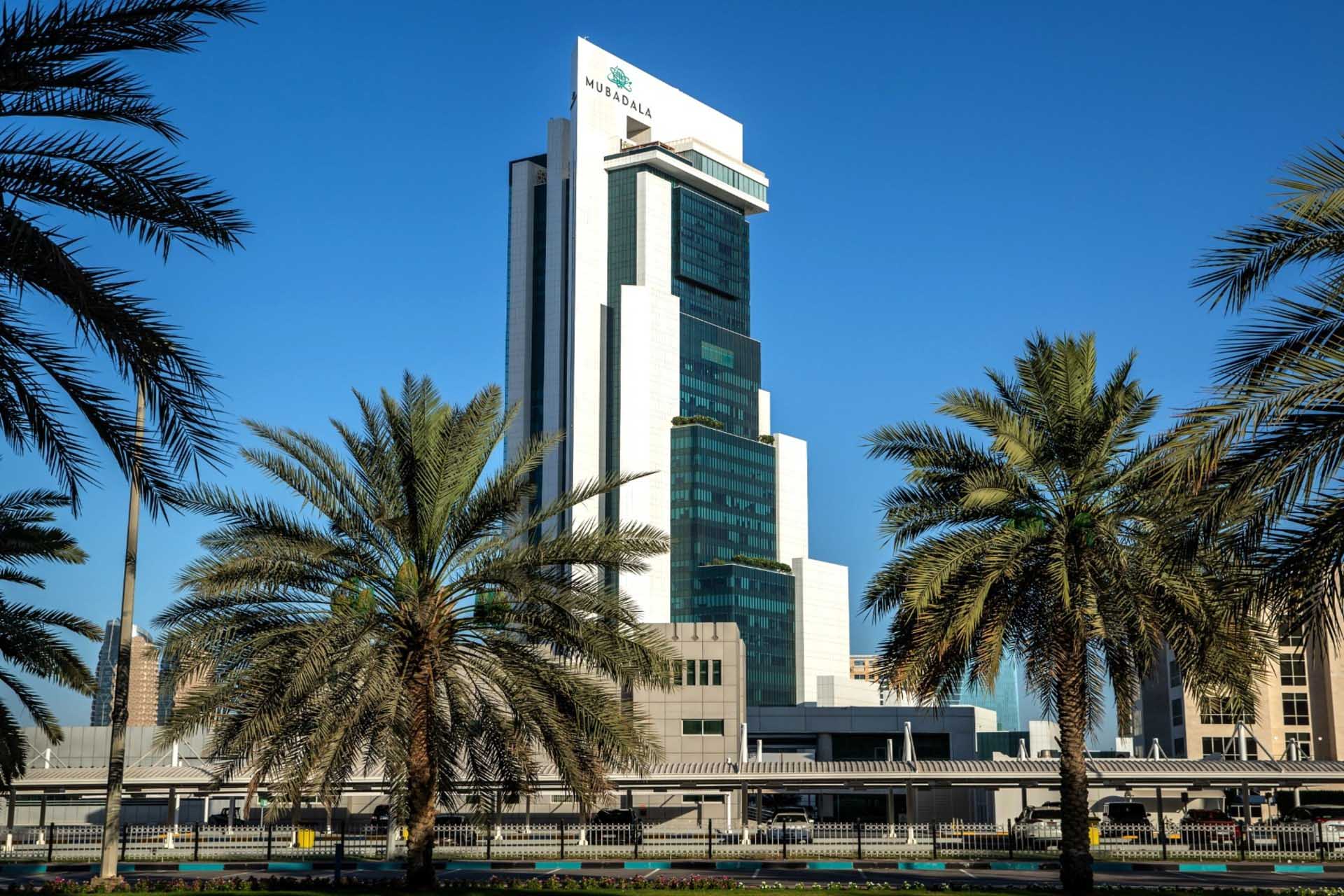
Abu Dhabi’s Mubadala Investment Company reported a 33.7% surge in capital deployment in 2024, reaching AED 119 billion , positioning it as the most active sovereign wealth fund globally, according to data from Global SWF. This uptick coincided with a 9% year-on-year increase in assets under management , now totaling AED 1.2 trillion , and a five-year annualised return of 10.1%.

The fund’s intensified investment activity was largely driven by strategic allocations in artificial intelligence , semiconductors, and private equity sectors. Notably, Mubadala’s investments in North America nearly doubled, underscoring its confidence in the U.S. market despite prevailing economic uncertainties. In a significant move, Mubadala acquired a 50% stake in MGX, an AI-focused entity that collaborated with BlackRock and Microsoft in a $30 billion AI infrastructure fund.

Mubadala’s portfolio composition remained relatively stable, with 40% allocated to private equity, 23% to public markets, and 17% to infrastructure and real estate. This allocation reflects a strategic emphasis on sectors poised for long-term growth. The fund also expanded its private credit holdings to $20 billion, aligning with its broader investment strategy.

In the healthcare sector, Mubadala finalized the acquisition of an 80% stake in Global Medical Supply Chain and Al Ittihad Drug Store, enhancing its presence in healthcare logistics and pharmaceutical distribution. Additionally, the fund invested in Zelis, a U.S.-based healthcare technology firm, alongside Norwest and HarbourVest.

Mubadala’s commitment to clean energy was evident through Masdar’s acquisition of a 50% stake in the Big Beau combined solar and battery storage project in California. Furthermore, Mubadala Capital announced a $13.5 billion investment in a biofuels project in Brazil, marking a significant step in sustainable energy initiatives.

The fund’s strategic partnerships extended to the financial sector, with the acquisition of Fortress Investment Group from SoftBank, following regulatory approval from the Committee on Foreign Investment in the United States . This acquisition bolsters Mubadala’s position in global credit markets.

Mubadala’s CEO, Khaldoon Al Mubarak, emphasized the fund’s focus on future-oriented sectors, stating that the portfolio is constructed to navigate market cycles and scale sectors such as AI, clean energy, life sciences, semiconductors, and advanced manufacturing, aligning with national priorities.

The fund’s strategic initiatives also include the establishment of Space42, a space and satellite technology entity formed through the merger of Yahsat and Bayanat, and M42, a tech-enabled healthcare company, both in collaboration with Abu Dhabi’s tech group G42.

Mubadala’s approach to sustainable finance was highlighted by the issuance of its inaugural green bond, aligning with the UAE’s commitment to Net Zero by 2050. The fund maintains a conservative gearing ratio of 10.3% and a strong liquidity position, ensuring resilience amid global economic fluctuations.

In the realm of private equity, Mubadala Capital raised $3.1 billion for its latest fund, surpassing the initial target of $2 billion. The fund aims to invest between $150 million and $500 million per deal, focusing on acquiring large holdings in private equity markets.

Abu Dhabi’s International Holding Company has joined forces with US-based investment giant BlackRock to establish a $1 billion reinsurance platform headquartered in the Abu Dhabi Global Market . The initiative, which also includes Lunate, an Abu Dhabi-based alternative investment manager, aims to underwrite liabilities exceeding $10 billion and is poised to reshape the global reinsurance landscape.

The yet-to-be-named platform will adopt a buy-and-build strategy, focusing on acquiring and developing reinsurance capabilities. BlackRock will contribute its insurance asset management expertise, advisory services, and Aladdin technology platform to the venture. Additionally, BlackRock is expected to make a minority investment commitment upon the finalization of the deal.

Lunate’s participation marks its entry into the reinsurance sector, expanding its investment portfolio beyond its existing $105 billion in assets under management. The firm has been actively investing across various sectors, including energy infrastructure and climate finance, as evidenced by its acquisition of a 40% stake in ADNOC Oil Pipelines and the establishment of the $30 billion ALTÉRRA climate investment vehicle.

The collaboration between IHC, BlackRock, and Lunate underscores Abu Dhabi’s strategic push to position itself as a global hub for financial services and reinsurance. The ADGM’s progressive regulatory framework and its appeal to international financial institutions have made it an attractive destination for such ventures.

This partnership is expected to leverage the strengths of each entity: IHC’s expansive investment portfolio and regional influence, BlackRock’s global asset management capabilities, and Lunate’s innovative investment strategies. Together, they aim to address the growing demand for reinsurance solutions and contribute to the diversification of Abu Dhabi’s financial sector.

The UAE’s blockchain market is expected to experience robust growth, with a compound annual growth rate of approximately 42% from 2025 to 2030. This surge is being driven by strategic government initiatives aimed at harnessing the potential of blockchain technology, positioning the UAE as a global leader in the sector.

The Emirates Blockchain Strategy 2021, alongside the Dubai Blockchain Strategy, has been a key factor in propelling the country’s blockchain ambitions. The UAE government aims to transform Dubai into the first city fully powered by blockchain technology, establishing the city as a central hub for digital innovation. The National Blockchain Strategy, launched to cover the period from 2021 to 2031, outlines a bold vision for the country, with a target to convert 50% of government transactions into blockchain-based systems. This initiative is set to fundamentally reshape the public sector, enhancing transparency, efficiency, and security in governmental operations.

At the heart of this growth is a clear government-driven commitment to blockchain, which has fostered a conducive environment for both local and foreign investors. By encouraging blockchain adoption across various sectors, the UAE has attracted substantial interest from international businesses seeking to tap into this emerging market.

Blockchain’s applications in sectors beyond government administration, such as finance, healthcare, and logistics, are seeing increased adoption across the UAE. The integration of blockchain into these industries promises to revolutionise processes, particularly in terms of data security and automation.

The rise in interest surrounding digital assets, especially cryptocurrencies such as Bitcoin and Ethereum, has further bolstered blockchain’s relevance in the UAE. As a growing hub for cryptocurrency, the UAE’s regulatory bodies have facilitated the establishment of secure environments where blockchain-powered digital assets can thrive. The Abu Dhabi Global Market and Dubai Multi Commodities Centre have set high standards for crypto businesses, ensuring that these ventures operate within a structured, regulated framework. This regulatory clarity has positioned the UAE as a safe and attractive destination for cryptocurrency investors and entrepreneurs.

The surge in blockchain-related developments has also had a ripple effect on startup ecosystems in the UAE. Many tech startups are focusing on blockchain innovations, tapping into the opportunities offered by a market eager for cutting-edge technology solutions. The government has offered various incentives to these startups, making it easier for entrepreneurs to develop and launch blockchain solutions across different industries. This includes support for research and development, tax incentives, and access to venture capital funding.

International investors have also shown significant interest in the UAE’s blockchain market. The country’s stable regulatory environment, coupled with its proactive stance on blockchain integration, makes it an attractive destination for global investors seeking exposure to the digital economy. The UAE’s financial and regulatory bodies, such as the UAE Central Bank, have been instrumental in ensuring that blockchain technologies are seamlessly integrated into existing financial infrastructure, laying the groundwork for future innovations in digital banking and transactions.

The UAE’s focus on blockchain adoption has resulted in collaborations with global technology giants. International companies, especially those from the fintech and tech sectors, are increasingly establishing a presence in the UAE, taking advantage of the region’s favourable business environment. These collaborations are not only elevating the UAE’s technological landscape but also contributing to the global development of blockchain technology.

One of the UAE’s strategic advantages is its ability to position itself as a gateway for the Middle East, Africa, and Asia in terms of blockchain technology. The country’s well-established infrastructure, highly developed financial services industry, and strong governmental support provide an ideal backdrop for the scaling of blockchain-related businesses and projects.

In addition, the UAE is committed to building a strong talent pool in blockchain technology. With the rapid rise of blockchain across industries, there has been a growing demand for professionals with expertise in blockchain development, smart contracts, and digital asset management. The UAE has introduced various educational initiatives to address this demand, including partnerships with international universities and the establishment of blockchain-focused training programmes.

Despite the promising outlook, the UAE’s blockchain market faces challenges, including the need for continuous technological innovation and regulatory adaptation to keep pace with the rapidly evolving sector. The country will need to ensure that its legal and financial infrastructure remains flexible and dynamic, catering to the needs of blockchain developers, crypto investors, and businesses seeking to integrate blockchain into their operations.

The adoption of blockchain technology across various sectors will require overcoming cultural and institutional resistance. Although the government has made significant strides in promoting blockchain, further education and awareness campaigns may be needed to ensure that blockchain’s potential is fully realised across all industries.

LONDON, UNITED KINGDOM – Media OutReach Newswire – 7 May 2025 – Diginex Limited (“Diginex”) (NASDAQ: DGNX), a global leader in ESG sustainable RegTech, is pleased to announce that His Highness Shaikh Mohammed Bin Sultan Bin Hamdan Al Nahyan, a member of the Abu Dhabi Royal Family, has purchased warrants to purchase 6.75 million Ordinary Shares of Diginex (the “Warrants”) in a private transaction for a consideration […]

G42, an AI powerhouse based in Abu Dhabi, is embarking on an ambitious expansion into the United States. This move signals the UAE’s broader strategy to solidify its role as a global leader in artificial intelligence, a sector that has become a cornerstone of its economic vision for the future. The company, founded in 2018, has grown swiftly into a major player in the Middle East’s rapidly […]

A high-level delegation from Abu Dhabi has arrived in Tokyo for the inaugural Abu Dhabi Investment Forum, marking a significant step towards deepening the economic ties between the UAE capital and Japan. The four-day visit, running from May 6 to 9, sees top officials and private sector leaders from Abu Dhabi engaging with their Japanese counterparts to explore new areas of collaboration, particularly in advanced industries such […]

UAE Cybersecurity Powerhouse CPX Appoints Tenet as Digital Growth Partner to Accelerate Regional and Global Expansion Award-winning UI/UX and growth marketing agency Tenet (We are Tenet) selected to spearhead CPX’s digital transformation efforts and accelerate global market expansion following strategic G42 acquisition. Abu Dhabi, UAE – May 5, 2025 – Tenet (We are Tenet), a globally recognized growth marketing and UI/UX design agency, today announced its appointment […]

Abu Dhabi’s Mubadala Capital is set to lead a $10 billion syndicated investment into TWG Global, marking a significant move into the global sports and entertainment sector. This partnership not only positions Mubadala at the forefront of high-value sports investments but also reflects a broader trend among Gulf sovereign wealth funds diversifying their portfolios beyond traditional assets.

TWG Global, co-chaired by Mark Walter and Thomas Tull, manages a diverse portfolio that includes stakes in prominent sports franchises such as the Los Angeles Dodgers, Los Angeles Lakers, and Chelsea FC. The conglomerate, valued at approximately $40 billion, also invests in sectors like artificial intelligence, biotechnology, and media. Walter, known for his role in Guggenheim Partners, and Tull, former owner of Legendary Entertainment, bring extensive experience in both finance and entertainment to the venture.

The investment deal includes TWG Global acquiring a minority stake in Mubadala’s asset management platform for $2.5 billion. This strategic move aims to increase commitments to an additional $20 billion of investment capital, signaling a deepening collaboration between private investment firms and sovereign wealth funds.

Global SWF, a sovereign fund tracker, described the partnership as “a new chapter in global finance,” highlighting the innovative nature of a private firm acquiring a stake in a sovereign wealth fund’s asset management arm. This arrangement provides Mubadala with indirect ownership exposure to iconic Western sports franchises, aligning with the rising valuations of global sports assets and the convergence of content, fan engagement, and streaming monetisation.

Mubadala’s move mirrors strategies employed by other Gulf sovereign wealth funds, such as Saudi Arabia’s Public Investment Fund , which has been actively building its sports and leisure portfolio. However, through this partnership with TWG Global, Mubadala gains immediate access to established sports entities, bypassing the need to build its portfolio from scratch.

In 2024, Mubadala emerged as the world’s largest sovereign wealth fund spender, deploying $29.2 billion across 52 transactions—a 67% increase from the previous year. This surge in investment activity underscores the fund’s commitment to diversifying its holdings and capitalising on emerging market opportunities.

Abu Dhabi-based investment firm MGX has committed $2 billion to cryptocurrency exchange Binance, marking the largest institutional investment in the platform’s history. The transaction, announced at the TOKEN2049 conference in Dubai, is being conducted using USD1, a stablecoin introduced by World Liberty Financial, a venture associated with former U.S. President Donald Trump.

USD1 is a dollar-pegged stablecoin fully backed by U.S. Treasuries, cash, and equivalents, designed to maintain a consistent value of $1. The coin was unveiled by World Liberty Financial, a decentralized finance platform launched in 2024 with Donald Trump serving as its “chief crypto advocate.” The venture includes his sons and Barron Trump in key roles. Zach Witkoff, co-founder of World Liberty Financial and son of Trump ally Steve Witkoff, announced the investment details during the conference.

MGX, established in 2024 by the Abu Dhabi government, has primarily focused on artificial intelligence investments. This $2 billion investment in Binance represents MGX’s first foray into the cryptocurrency sector. The firm aims to integrate AI, blockchain technology, and finance, aligning with the United Arab Emirates’ broader strategy to position itself as a global hub for digital assets and financial innovation.

Binance, the world’s largest cryptocurrency exchange by trading volume, has faced regulatory challenges in recent years. In 2023, the company agreed to a $4.3 billion settlement with U.S. authorities over anti-money laundering violations, leading to the resignation of founder Changpeng Zhao. Richard Teng, who previously headed the Abu Dhabi Financial Services Regulatory Authority, now serves as Binance’s CEO. The exchange employs approximately 1,000 of its 5,000 global staff in the UAE, reflecting the region’s progressive stance on digital asset regulation.

The use of USD1 in this significant investment underscores the growing legitimacy of stablecoins in large-scale institutional transactions. However, the involvement of a Trump-linked cryptocurrency in a major international financial deal raises questions about potential conflicts of interest and regulatory implications, especially as Binance continues to navigate global compliance challenges.

Eric Trump, present at the TOKEN2049 conference, highlighted plans to integrate USD1 with Trump-branded properties in the UAE, further intertwining the family’s business interests with the cryptocurrency venture. This development comes as President Trump prepares for a state visit to Gulf nations, signaling a deepening of ties between the U.S. administration and Middle Eastern financial entities.

The investment by MGX not only provides significant capital to Binance but also strengthens its ties to the United Arab Emirates. The partnership is expected to enhance Binance’s standing with regulators worldwide and may encourage further institutional participation in cryptocurrency markets. Industry analysts suggest that this move could trigger a domino effect, potentially leading to increased institutional investment in the crypto sector.

Micropolis Holding Co., a UAE-based robotics and AI firm, has entered into a strategic Memorandum of Understanding with SEE Holding Ltd to integrate advanced artificial intelligence and robotics infrastructure into The Sustainable City 2.0, SEE Holding’s forthcoming urban development model. This collaboration aims to embed intelligent systems into the core operations of the city, enhancing efficiency, sustainability, and resident engagement.

The MoU outlines plans for deploying autonomous fleets, smart mobility applications, and integrated command systems to oversee city functions. Additionally, digital platforms will be developed to connect residents with intelligent services, leveraging Internet of Things infrastructure, edge computing, and computer vision technologies. A joint research and development programme is also set to advance sustainable urban technologies, focusing on operational efficiency, resident experience, and environmental performance across SEE Holding’s global projects.

This partnership builds upon a decade-long relationship between the two companies. Faris Saeed, Chairman and CEO of SEE Holding, was among the initial investors in Micropolis at its inception in 2014. Over the years, SEE Holding has provided strategic capital and a real-world testing environment within The Sustainable City for Micropolis’ robotics, computer vision, and autonomous systems.

The Sustainable City 2.0, unveiled at the Annual Investment Meeting Congress 2025 in Abu Dhabi, represents SEE Holding’s next-generation model of urban development. Designed to be AI-driven, net-zero, and human-centric, the city aims to transform waste into resources through repurposing, recycling, or energy conversion, thereby avoiding landfill accumulation and fostering a resilient circular economy. Mobility within the city is planned to be fully electric and autonomous, featuring shared e-cars, e-bikes, self-driving shuttles, and homes equipped to support contactless delivery via last-mile delivery robots and drone pads.

Faris Saeed stated, “With The Sustainable City 2.0, we are revolutionising sustainable urban living through the strategic integration of AI-driven solutions and net-zero principles. Our partnership with Micropolis accelerates this vision, customising and rapidly deploying intelligent robotics solutions that significantly enhance safety, efficiency, and quality of life, ultimately shaping smarter, more resilient, and human-centric communities for the future.”

China International Capital Corp. is intensifying efforts to expand its presence beyond mainland China by establishing a new branch in Dubai and deepening its foothold in Southeast Asia, as global demand for cross-border financial services continues to grow. The Beijing-based investment bank, recognised as one of the country’s most influential financial institutions, is preparing to open a new branch in the Gulf city to cater to sovereign […]

Etihad Airways is edging towards a decision on its much-anticipated initial public offering, with CEO Antonoaldo Neves indicating that the final call rests with the airline’s shareholder. Market speculation suggests that a formal announcement could arrive within this quarter, although the carrier has yet to confirm any official timeline.

Speaking during the Arabian Travel Market conference in Dubai, Neves reaffirmed Etihad’s commitment to a progressive expansion plan, despite persistent headwinds from global economic volatility, including US tariff pressures and fluctuating oil prices. He emphasised that while discussions around a potential listing are gaining momentum, the ultimate decision lies with the shareholder, Abu Dhabi’s state-backed holding company ADQ.

Market interest surrounding Etihad’s IPO ambitions has grown steadily over the past months, fuelled by the airline’s strong operational turnaround and ambitious future plans. Etihad reported a return to profitability in 2023, with a net profit of $143 million, reversing years of accumulated losses and restructuring challenges. The carrier’s sharp focus on operational efficiency, route network optimisation, and sustainability initiatives have been cited as key drivers behind its improved performance.

The $7 billion fleet investment programme, announced last year, underscores Etihad’s broader ambitions. Under the plan, the airline aims to double its fleet size to around 150 aircraft by the end of the decade. Neves reiterated at the conference that the expansion is designed to position Etihad as a leading global connector, with new long-haul routes to key growth markets across Asia, Africa, and Europe already in the pipeline.

Industry analysts suggest that the timing of a potential IPO would be critical, given the volatile backdrop of global markets. Aviation stocks have shown mixed performance this year, influenced by concerns over rising fuel costs, geopolitical tensions, and evolving travel demand patterns. Nevertheless, Abu Dhabi’s broader economic diversification strategy, coupled with increasing investor appetite for exposure to the Middle East’s aviation sector, provides a favourable context for Etihad’s market debut.

Etihad’s prospective IPO would follow the path set by other regional carriers such as Dubai’s Dnata Group-linked entities and Saudi Arabia’s flynas, which have either listed or are exploring listing options to tap into investor enthusiasm and raise growth capital. However, Neves made it clear that the airline’s current focus remains on executing its five-year strategy, which includes boosting load factors, enhancing customer service innovation, and advancing sustainability initiatives aimed at achieving net-zero emissions by 2050.

Over the past year, Etihad has embarked on a series of strategic partnerships and codeshare agreements with airlines such as Air France-KLM, offering it greater network reach without significantly adding to operational costs. The airline has also invested in next-generation fuel-efficient aircraft, such as the Boeing 787 Dreamliner and the Airbus A350, aligning with its green aviation objectives. These moves have not only improved the airline’s environmental credentials but have also enhanced its cost competitiveness in an increasingly price-sensitive market.

Neves’ leadership has been widely credited for steering the airline through a transformative phase, characterised by prudent financial management and targeted growth. Before joining Etihad, he served as CEO of TAP Air Portugal, where he oversaw a significant restructuring programme that returned the airline to profitability. His experience in navigating complex corporate environments has positioned him well to lead Etihad into its next phase of development, including the potential leap into public markets.

While Neves refrained from giving any concrete details about the potential size or structure of an IPO, market experts speculate that Etihad could aim for a multi-billion-dollar valuation, given its strategic importance to Abu Dhabi’s economy and the airline’s growing operational metrics. Any public offering is expected to attract significant regional and international investor interest, particularly among funds focused on infrastructure, aviation, and emerging markets.

Etihad’s evolution reflects broader shifts underway across the Gulf’s aviation sector, where legacy carriers are reorienting themselves to compete in a post-pandemic world marked by changing travel patterns, heightened sustainability pressures, and new technological disruptions. The Middle East remains a pivotal aviation hub, with Abu Dhabi investing heavily in airport infrastructure upgrades and tourism promotion to bolster its global standing.

Beyond its immediate IPO ambitions, Etihad continues to refine its customer experience offering, rolling out new premium cabin products and digital enhancements aimed at differentiating the brand in a crowded market. The airline’s loyalty programme, Etihad Guest, has also been expanded through a series of partnerships with financial institutions, retail brands, and travel service providers, adding new revenue streams and deepening customer engagement.

Although no definitive IPO timeline has been announced, analysts maintain that Etihad’s fundamentals, combined with the supportive regulatory and economic backdrop in the United Arab Emirates, create a strong foundation for a successful listing when the decision is ultimately made. Abu Dhabi’s increasing emphasis on privatisation and public-private partnerships signals a strategic shift aimed at unlocking value from key state-owned assets, with Etihad poised to be a potential flagship offering in this broader economic transformation.

As speculation builds, market participants are closely watching for signals from ADQ, whose growing portfolio of publicly listed companies reflects an ambitious strategy of capital market development and diversification. The shareholder’s decision on Etihad’s IPO will not only impact the airline’s future trajectory but also serve as a key indicator of Abu Dhabi’s evolving approach to strategic asset management.

Neves’ remarks at the Arabian Travel Market have reignited interest and speculation across industry circles and financial markets alike. His assurance that the airline is forging ahead with its aggressive expansion blueprint, even amid external challenges, suggests that Etihad is carefully laying the groundwork for a sustainable and prosperous future, whether as a privately held entity or as a publicly traded airline.

Driverless transport options are gaining ground in Abu Dhabi as authorities move to widen the reach of RoboTaxi services across the emirate. The Integrated Transport Centre, operating under Abu Dhabi Mobility, confirmed the expansion of autonomous taxi trials through a strategic collaboration with Autogo, an advanced autonomous mobility solutions provider, and Apollo Go, Baidu’s self-driving platform.

Abu Dhabi Mobility stated that the expansion marks a significant step towards integrating autonomous vehicles into everyday life, with an emphasis on both safety and sustainability. The project is part of the broader Smart Mobility strategy aimed at reducing carbon emissions and improving transport efficiency. This move follows initial successful trials on Yas Island, where RoboTaxis operated under controlled conditions to collect performance and safety data.

The latest phase extends the autonomous taxi service to additional urban areas within Abu Dhabi, including Saadiyat Island and parts of Al Reem Island. Passengers can now hail RoboTaxis through dedicated mobile applications, with the service designed to offer round-the-clock operations. The vehicles are equipped with Level 4 autonomy, meaning they can perform all driving tasks within defined operational areas without human intervention, although a safety operator remains onboard during trials as a precautionary measure.

Autogo and Apollo Go are deploying an updated fleet fitted with enhanced sensor arrays, including lidar, radar, and high-resolution cameras. These vehicles are capable of detecting and responding to complex traffic scenarios, such as pedestrian crossings, cyclist movements, and emergency vehicle prioritisation. Abu Dhabi authorities have indicated that full commercial operations are anticipated once regulatory frameworks are fully established and trial benchmarks are consistently met.

Demand for autonomous mobility services in the emirate has been steadily growing, driven by factors such as urbanisation, digitalisation, and a young, tech-savvy population open to adopting innovative transport modes. Global consultancy reports predict that the Middle East’s autonomous vehicle market will grow significantly over the next decade, with Abu Dhabi positioned to lead regional adoption given its early investment in smart city technologies.

Abu Dhabi’s Department of Municipalities and Transport, which oversees the Integrated Transport Centre, has reiterated its commitment to fostering a regulatory environment that prioritises safety while encouraging innovation. Current trials are being closely monitored, with data analytics playing a key role in assessing vehicle performance, user acceptance, and integration with traditional traffic systems.

Autogo’s Chief Executive Officer, Wang Yu, emphasised the importance of international collaboration in accelerating the adoption of autonomous technologies. Speaking at a media briefing, Yu said the partnership with Abu Dhabi Mobility was a model for how governments and technology firms could work together to bring transformative transport solutions to market. Baidu’s Apollo Go division echoed these sentiments, noting that Abu Dhabi offered favourable infrastructure conditions for high-level autonomous driving trials.

The RoboTaxi initiative forms part of Abu Dhabi’s larger plan to diversify its economy and reduce dependence on oil revenues by investing heavily in technology, innovation, and sustainable infrastructure. The expansion of the service is also aligned with the UAE’s Net Zero 2050 strategy, which targets a significant reduction in greenhouse gas emissions through a variety of initiatives, including sustainable transport solutions.

While the adoption of autonomous vehicles in Abu Dhabi has been largely welcomed, industry experts caution that challenges remain. Public trust in self-driving technology is still developing, and authorities are working to address concerns through extensive safety demonstrations, public education campaigns, and transparent data sharing. Insurance and liability frameworks are also under review, as current models must adapt to scenarios where vehicles, rather than drivers, are responsible for road incidents.

Meanwhile, competition in the global autonomous vehicle sector is intensifying. Companies such as Waymo, Cruise, and Motional have made substantial progress in cities across the United States, while Asian markets like China and Japan are moving rapidly towards large-scale RoboTaxi deployment. Abu Dhabi’s proactive approach is aimed at positioning the emirate as a leader not only regionally but also on the global stage of autonomous mobility.

Recent deployments by Apollo Go in other territories, including parts of China’s first-tier cities, have demonstrated the scalability of the technology, offering encouraging prospects for Abu Dhabi’s ambitions. Autogo’s track record in delivering commercial-scale deployments in international markets has further strengthened confidence in the success of the partnership.

The trial expansion also includes provisions for enhanced accessibility, with the vehicles designed to accommodate passengers with limited mobility. Special features such as lower step-in heights, automatic ramps, and voice-activated controls have been integrated to ensure inclusivity. Abu Dhabi Mobility confirmed that these considerations were central to the service’s design ethos, aiming to create a transport system that is equitable and user-friendly for all demographics.

As the service expands, Abu Dhabi Mobility is engaging with stakeholders across sectors including urban planning, energy, and telecommunications to ensure that the infrastructure needed to support mass autonomous vehicle adoption is in place. This includes the development of smart intersections, 5G communication networks, and dedicated pickup and drop-off zones optimised for autonomous vehicle operations.

Technological advancements are expected to drive further enhancements to the RoboTaxi experience, with future iterations promising even greater vehicle-to-infrastructure communication capabilities and improved AI decision-making models. Engineers working on the trials are also studying the impact of local environmental conditions, such as extreme heat and sandstorms, on the performance of autonomous systems to tailor solutions specifically for the region.

Public sentiment around the RoboTaxi service has so far been largely positive, with early users praising the convenience and novelty of the experience. Authorities have stressed, however, that safety remains the overriding priority, with rigorous checks in place at every stage of service delivery. Plans are underway to gradually transition the RoboTaxi fleet from supervised to fully driverless operations once confidence in system reliability is firmly established.

Abu Dhabi’s vision for a technology-driven future is steadily taking shape, with autonomous transport a key pillar in its broader innovation agenda. The expansion of the RoboTaxi service is being closely watched by global cities also exploring autonomous mobility solutions, underlining the emirate’s growing influence in shaping the next era of urban transportation.


Abu Dhabi’s sovereign wealth fund, Mubadala Investment Company, has committed $1 billion to a strategic partnership with U.S.-based Fortress Investment Group, aiming to capitalise on credit and special situations co-investment opportunities. This collaboration will see Mubadala deploying capital into Fortress’s existing private credit, asset-based lending, and real estate strategies, alongside Fortress’s current capital pools. The partnership follows Mubadala Capital’s acquisition of a majority stake in Fortress in […]

VISHNU RAJA
RYO YAMADA
HITORI GOTOH
IKUYO KITA