Just in:
IP addresses on scrutiny over Sabarimala bookings // Palo Alto weighs Terra acquisition above $500 million // Satheesan rival camp takes grievances to Kharge // India shares briefly erase 2026 losses before retreat // Taiwan enforces wider short-selling curbs after market rout // European gas futures climb as cold forecasts strain supplies // Vinhomes Green Paradise: An ESG++ Megacity and the Future of Sustainable Urban Living // Oil prices oscillate as Gulf exports withstand attacks // Acrab Signs MoU with ModigenceVision at SWITCH 2026 to Advance On-Device AI for Robotics // A Bridge Between Indonesia and China: Bali Brought Together Government, Investors, Developers and Future Technologies at the Indonesia-China Bridge Forum // BIT Capital Expands Asia-Pacific Activities with Focus on Hong Kong and Singapore, Bringing Its Human × AI Approach to Asian Investors // COP31 ends without pact after fossil fuel dispute // GTA VI Batman parody revives Knightfall comic scene // Webuild secures controlling stake in Trevi tender offer // NMDC Energy agrees to buy Wasco fabrication businesses // Dubai exchange records 22% trading growth amid summit plans // Green SM Celebrates Second Anniversary In Indonesia With “G2EEN SEASON” Promotion, Offering Special Fare Discounts // LlamaIndex unveils OCRia-nano-1 weights for local CPU parsing // COOEC signs $800 million QatarEnergy offshore pipeline contract // Oodles Smart Wins Best Use of AI & Smart Living Gold Award at the HKICT Awards 2026 //

News related to
Dhabi partnership

Abu Dhabi National Oil Company (ADNOC) is set to close its acquisition of a controlling stake in Fertiglobe, the joint venture it holds with Netherlands-based OCI N.V. Fertiglobe, a major player in the global nitrogen fertilizer market, produces ammonia and urea, two crucial components in agriculture and industrial applications. This strategic move will expand ADNOC’s influence in the fertilizer industry, positioning it as a significant global player […]

ADNOC L&S, the shipping and logistics arm of the Abu Dhabi National Oil Company (ADNOC), has signed a joint venture agreement to build two ammonia carriers valued at $250 million. This move marks a significant step in ADNOC’s growing role in the global energy transition and reflects the increasing demand for low-carbon fuel transport. The vessels, which will be used to transport blue ammonia, align with the company’s strategic objectives in clean energy, offering a glimpse into the future of shipping for energy companies worldwide.

The joint venture, formed between ADNOC L&S and the Norwegian shipping giant, Navig8, will oversee the construction of these ammonia carriers, marking an important development in the regional and international maritime landscape. This agreement signifies ADNOC’s intent to expand its green energy shipping capacity, positioning itself as a key player in the ammonia market as the world continues to shift towards cleaner energy solutions.

Blue ammonia, produced using natural gas where the resulting carbon emissions are captured and stored, has become a crucial part of ADNOC’s broader decarbonization strategy. Ammonia’s potential as a hydrogen carrier makes it a vital component in the global energy transition, and the demand for such low-carbon fuels has surged amid the drive toward net-zero emissions. These new vessels will meet international standards for transporting this form of ammonia and enhance ADNOC’s logistical capabilities, ensuring that the company can meet growing market demands.

The ships will be designed to transport ammonia safely over long distances and are expected to play a critical role in serving both regional and international markets. The ammonia trade is poised to grow, with several energy producers looking at ammonia not only as a fuel but also as a means of storing and transporting hydrogen, which is increasingly viewed as a key element in the decarbonization of heavy industries. With ADNOC’s growing emphasis on its low-carbon projects, the joint venture’s investment highlights the Middle East’s rising prominence in clean energy innovation.

This joint venture comes at a time when ADNOC is accelerating its investments in energy transition initiatives. The ammonia carriers will add to ADNOC’s existing fleet, which already plays a pivotal role in transporting various energy products, including crude oil, liquefied petroleum gas (LPG), and refined products. The company’s ongoing commitment to sustainable shipping is evident in its drive to incorporate low-carbon solutions within its broader fleet strategy.

The deal is also a milestone for Navig8, whose expertise in managing shipping assets and operations on a global scale complements ADNOC’s ambitions. Navig8 will bring its deep technical and operational expertise in the maritime sector, ensuring the successful delivery and management of the ammonia carriers. This collaboration aligns with the broader industry trend toward partnerships that bridge regional energy players with international logistics and shipping firms, furthering decarbonization efforts across supply chains.

Ammonia’s importance has been highlighted by both industry experts and governments, with many viewing it as a significant enabler in the global transition to a cleaner energy future. The International Energy Agency (IEA) has underscored ammonia’s potential, particularly in helping countries meet their climate goals by providing a versatile, storable fuel that can be used in various industries. The vessels being built under this agreement will serve a growing number of markets, enabling the secure and efficient delivery of low-carbon ammonia to key hubs around the world.

ADNOC’s investment in ammonia carriers coincides with a broader push within the company to diversify its portfolio beyond oil and gas. The company is exploring a range of clean energy initiatives, including renewable energy projects and carbon capture technologies. By investing in vessels that can transport ammonia, ADNOC is positioning itself to take advantage of the rising demand for green hydrogen and its derivatives, a market that is expected to grow exponentially over the next decade.

As the demand for cleaner energy sources increases, the global maritime industry has been under pressure to adapt to new regulations and fuel standards. The International Maritime Organization (IMO) has set ambitious targets to reduce carbon emissions from ships, pushing shipping companies to innovate and find new ways to meet these demands. The ammonia carriers being constructed through the ADNOC-Navig8 joint venture will not only support the energy industry’s needs but also contribute to the maritime sector’s efforts to lower its carbon footprint.

The vessels, scheduled for delivery by 2026, will operate under ADNOC’s clean energy logistics strategy, furthering the company’s capabilities in handling low-carbon fuels. This move signals ADNOC’s readiness to be at the forefront of the evolving global energy market, where clean fuel transport is becoming increasingly vital. The global transition toward decarbonized industries is gathering pace, and ADNOC’s latest joint venture is set to strengthen its foothold in the green fuel sector, positioning the company to meet the demands of both regional and global customers.

Abu Dhabi-based Ghitha Holding, a subsidiary of the International Holding Company (IHC), is making strategic moves to strengthen its position in the food sector by acquiring a significant stake in International Food Industries (IFI) for $11 million. This transaction highlights the company’s ongoing commitment to expanding its portfolio, particularly in the food and agribusiness sectors.

Ghitha, which has consistently pursued high-growth opportunities in line with IHC’s overarching diversification strategy, is expected to leverage IFI’s established market presence and distribution networks across the UAE and beyond. The acquisition aligns with IHC’s broader vision to solidify its presence in sectors deemed critical to the region’s food security.

The acquisition of a stake in IFI is seen as a vital move for Ghitha, known for its investments across agriculture, food processing, and distribution. This deal further enhances Ghitha’s capabilities to scale its operations, allowing it to meet the increasing demand for food products in the region and establish a stronger foothold in local and regional food markets.

The food sector in the UAE is experiencing significant growth, driven by rising demand for sustainable food sources, population growth, and government initiatives aimed at food security. IHC has been particularly active in this area, with several recent investments in food, agriculture, and logistics to bolster the UAE’s supply chain resilience. Ghitha’s acquisition is in line with these goals, as the company aims to contribute to national food security efforts while expanding its revenue base.

This acquisition comes on the heels of IHC’s broader strategy of acquiring stakes in diverse industries such as healthcare, energy, and technology, making it one of the largest and most diversified holding companies in the region. The holding company, chaired by Sheikh Tahnoon bin Zayed Al Nahyan, has demonstrated a keen focus on scaling investments in key sectors that align with the UAE’s long-term growth strategy. IHC’s rapid rise in the global investment landscape has been fueled by both organic growth and aggressive acquisition strategies, with its subsidiaries, including Ghitha, playing a critical role in achieving this vision.

International Food Industries, a notable player in the region’s food manufacturing space, specializes in producing a wide range of food products that cater to consumer needs. With this acquisition, Ghitha is expected to introduce operational efficiencies and enhance the production capabilities of IFI, further cementing its position as a leader in the region’s food industry.

The acquisition of a stake in IFI also underscores Ghitha’s ambition to scale its food-related businesses in international markets. Given its history of successful partnerships and acquisitions, Ghitha is poised to utilize its resources and expertise to ensure that IFI continues to grow and compete on a global scale.

By reinforcing its presence in the food industry, Ghitha is aligning with the UAE government’s broader goals of ensuring food security, increasing local production, and reducing dependence on food imports. The investment is expected to drive innovation within IFI, supporting the development of new products and enhancing its distribution reach across the region.

Market analysts see the acquisition as a strategic move that will likely bolster Ghitha’s financial performance, adding to the holding company’s expanding revenue streams. This also serves as another indication of IHC’s growing influence in critical industries across the UAE and its commitment to supporting sectors that play a crucial role in the country’s economic future.

Aldar has unveiled a joint venture to spearhead a $476 million real estate development in Expo City Dubai, marking a significant move in the Emirate’s property market. The collaboration, which brings together Aldar and Dubai Holding, is expected to fuel Expo City’s transformation into a premier residential and commercial hub. The partnership will develop approximately 38,000 square meters of land within the city, with a focus on sustainability, innovation, and high-end living. This latest announcement is viewed as a strategic step for Aldar as it seeks to expand its portfolio and strengthen its presence in Dubai’s booming property sector.

Expo City Dubai, originally conceived as a site for the World Expo 2020, has been gradually transformed into a multi-functional district, serving residential, business, and entertainment needs. Aldar’s latest development aims to further enhance this district by introducing a series of new residential complexes designed to cater to the increasing demand for upscale living spaces. The development is anticipated to attract both residents and businesses looking to benefit from Expo City’s strategic location and well-established infrastructure.

This project comes at a time when the UAE’s property market is experiencing steady growth, with rising demand for luxury homes and commercial spaces. The collaboration between Aldar and Dubai Holding will leverage the strengths of both entities, with Aldar contributing its expertise in real estate development and Dubai Holding providing prime land and access to Expo City’s robust infrastructure. The project’s primary goal is to create an integrated community that aligns with Expo City’s vision of becoming a leading global destination for business, leisure, and sustainable living.

Aldar, headquartered in Abu Dhabi, has been expanding its footprint in Dubai’s real estate market over the past few years. This joint venture highlights the developer’s ambitions to play a more prominent role in shaping Dubai’s urban landscape. Aldar’s CEO has emphasized that the project will not only contribute to the city’s economic growth but also help position Dubai as a leading destination for property investment. The development, he said, aligns with the UAE’s long-term strategy to diversify its economy and boost its non-oil sectors, particularly real estate and tourism.

Expo City, which has retained much of its infrastructure and facilities from the World Expo, has seen an uptick in investment since the event concluded. Aldar’s project is one of several high-profile developments slated for the area, which is expected to attract both domestic and international buyers and investors. The city is being marketed as a hub for sustainability, innovation, and connectivity, with easy access to key locations such as Al Maktoum International Airport, Jebel Ali Port, and major highways connecting it to Abu Dhabi and the rest of Dubai.

With a focus on environmental sustainability, the development will incorporate energy-efficient designs and technologies, in line with the UAE’s broader sustainability goals. Aldar has a strong track record of integrating eco-friendly features into its projects, and this new venture is expected to follow suit, offering smart homes, green spaces, and pedestrian-friendly environments. Such features are increasingly sought after by buyers in the UAE, where the government has been promoting sustainable urban development as part of its Vision 2030 plan.

Dubai’s real estate market has shown resilience over the past year, with property prices and transactions rebounding after a challenging period due to the pandemic. Experts in the industry are optimistic about the future, pointing to Expo City’s unique selling points and its role in Dubai’s broader urban development plans. Aldar’s involvement in such a high-profile project further cements its status as one of the leading developers in the UAE, and the collaboration with Dubai Holding is expected to bring considerable synergies to the development.

Aldar’s focus on high-end residential units in this project aligns with the broader trend in Dubai’s property market, where luxury homes and apartments have seen significant growth in demand. The influx of high-net-worth individuals, particularly from Europe and Asia, has driven the expansion of the luxury segment, with properties in premium locations commanding higher prices. Aldar and Dubai Holding’s joint venture is well-positioned to capitalize on this trend, offering a blend of exclusivity, innovation, and strategic location within Expo City.

Dubai Holding, which manages an extensive portfolio of assets across multiple sectors, is expected to play a crucial role in facilitating the development’s integration with the rest of Expo City. As a key player in Dubai’s real estate and infrastructure sectors, Dubai Holding has the resources and expertise to ensure the success of this venture. Both companies have expressed confidence in the project’s potential to contribute to the city’s long-term vision of becoming a global hub for trade, tourism, and investment.

The new development is also expected to create numerous job opportunities, both during the construction phase and after the project’s completion. Expo City has already seen significant interest from businesses looking to set up offices in the area, and Aldar’s project will likely further boost its appeal as a commercial center. The mixed-use nature of the development means that it will cater to both residential and business needs, creating a dynamic community that reflects the diverse nature of Dubai’s population and economy.


Abu Dhabi’s Modon Properties has announced a strategic joint venture with Candy Capital to develop a luxury real estate portfolio aimed at affluent buyers. This collaboration reflects the growing demand for high-end living spaces in the United Arab Emirates, particularly as the market rebounds from the impacts of the global pandemic. Modon, a leading developer in Abu Dhabi, has established a strong reputation for creating master-planned communities […]

Abu Dhabi has emerged as the wealthiest city globally, boasting sovereign wealth funds (SWFs) that collectively manage assets worth $1.7 trillion. This ranking highlights the city’s financial significance and positions it as a critical player on the world stage.

The analysis, conducted by various financial institutions, underscores Abu Dhabi’s SWFs, including the Abu Dhabi Investment Authority (ADIA) and Mubadala Investment Company. These entities have strategically diversified their investments across sectors such as technology, infrastructure, healthcare, and renewable energy, driving substantial returns. As of this year, the ADIA alone manages assets estimated at over $700 billion, positioning it as one of the largest SWFs globally.

A crucial aspect of Abu Dhabi’s financial success stems from its oil and gas revenues, which have historically fueled the growth of these funds. The emirate has effectively transformed its natural resource wealth into a broad-based investment strategy, allowing it to capitalize on opportunities beyond hydrocarbons. Investments in international markets and partnerships with global firms have further diversified its portfolio and reduced dependency on oil revenues.

The financial environment in Abu Dhabi benefits from robust government support and a commitment to enhancing the investment climate. Initiatives to attract foreign direct investment (FDI) have played a vital role in expanding the emirate’s economic landscape. The introduction of new laws and reforms aimed at easing business operations, coupled with free trade zones, has made Abu Dhabi an appealing destination for global investors.

Recent developments indicate that the UAE, led by Abu Dhabi, is keen on positioning itself as a center for financial technology (fintech). The government has launched various initiatives to promote innovation in the financial sector, attracting startups and established companies to the region. These initiatives are expected to create a vibrant ecosystem that enhances the emirate’s economic resilience.

While Abu Dhabi’s wealth continues to grow, it faces challenges common to cities reliant on large-scale investments. The ongoing global shift towards sustainable investments and green energy poses both risks and opportunities. Abu Dhabi is already taking proactive measures to address these changes, with investments in renewable energy projects such as the Mohammed bin Rashid Al Maktoum Solar Park and the Barakah Nuclear Energy Plant.

Another key player in Abu Dhabi’s economic landscape is the Abu Dhabi Global Market (ADGM), an international financial center that has garnered attention for its regulatory framework and ease of doing business. ADGM has attracted numerous global financial institutions and fintech firms, enhancing the emirate’s reputation as a financial hub. This growth is evidenced by a significant increase in the number of registered entities within ADGM, reflecting the appeal of Abu Dhabi as a business destination.

The global economic climate, characterized by inflationary pressures and geopolitical uncertainties, also influences investment strategies in Abu Dhabi. Financial analysts note that the emirate’s diversified approach mitigates risks associated with market volatility. Its emphasis on long-term investments and sustainable growth positions Abu Dhabi favorably compared to cities that may rely heavily on cyclical industries.

Abu Dhabi’s wealth is not just confined to financial markets. The emirate has invested heavily in cultural and social projects aimed at enhancing quality of life and promoting tourism. Initiatives such as the Louvre Abu Dhabi and the Guggenheim Museum project exemplify the city’s commitment to fostering a rich cultural scene, making it an attractive destination for visitors and expatriates alike.

As global economies navigate the complexities of post-pandemic recovery, Abu Dhabi’s status as the world’s richest city reinforces its position as a resilient and adaptive financial center. The emirate’s strategic investments and commitment to innovation and sustainability ensure that it remains a focal point for wealth generation and investment opportunities.

The ranking of Abu Dhabi as the wealthiest city underscores not only its financial prowess but also the broader trends shaping global wealth distribution. As sovereign wealth funds gain prominence in the investment landscape, cities like Abu Dhabi exemplify how strategic asset management can lead to sustainable economic growth.

Abu Dhabi Investment Authority (ADIA), one of the world’s largest sovereign wealth funds, has established a subsidiary in Gujarat International Finance Tec-City (GIFT City), India’s first operational smart city and International Financial Services Centre (IFSC). This strategic move underlines ADIA’s growing interest in India’s financial ecosystem and is expected to accelerate the UAE’s investments in key sectors of the Indian economy.

ADIA’s decision aligns with the broader UAE-India economic collaboration that has deepened in recent years, driven by the Comprehensive Economic Partnership Agreement (CEPA). Signed in May 2022, CEPA has already resulted in substantial gains in bilateral trade, particularly in non-oil sectors, reaching $28.2 billion in the first half of 2024 alone. This agreement, designed to remove trade barriers, has also spurred significant foreign direct investment (FDI) inflows into India, with ADIA playing a prominent role.

The new subsidiary will benefit from GIFT City’s unique regulatory and tax advantages, enhancing ADIA’s capacity to manage and diversify its global portfolio from India. GIFT City offers a conducive environment for international businesses, with simplified tax regimes, ease of operations, and direct access to Indian and global markets, making it an attractive hub for financial activities. ADIA’s expansion into this zone signals a potential increase in UAE-driven investments, particularly in infrastructure, real estate, and technology sectors, areas where India is actively seeking foreign capital.

This development follows a series of UAE-led initiatives in India, such as the establishment of food parks and logistics hubs, and marks the strengthening of bilateral ties under the leadership of Indian Prime Minister Narendra Modi and UAE President Sheikh Mohamed bin Zayed Al Nahyan. Both leaders have emphasized the significance of UAE’s investments in India, with projects spanning across infrastructure, renewable energy, and technology sectors. The bilateral focus is not just on economic gains but also on fostering sustainable growth and innovation.

ADIA’s growing footprint in India is part of a broader trend of Middle Eastern sovereign wealth funds seeking to diversify their investment portfolios amidst global economic uncertainties. India, with its burgeoning middle class, robust consumption patterns, and ambitious infrastructure development plans, has emerged as a prime destination for such funds. ADIA’s investments are not only expected to boost India’s financial services sector but also contribute to the creation of high-skilled jobs and the development of a sophisticated financial ecosystem.

The subsidiary in GIFT City is anticipated to further bolster ADIA’s long-standing presence in India, where it has already invested in a variety of sectors including logistics, highways, and affordable housing. Over the past few years, the fund has also collaborated with local partners to channel investments into emerging sectors like e-commerce, technology, and healthcare. The new base in GIFT City could facilitate the expansion of ADIA’s investment portfolio, providing opportunities for greater collaboration with Indian companies and startups, especially those focusing on cutting-edge technologies like artificial intelligence (AI) and renewable energy.

With ADIA’s move into GIFT City, the potential for synergies between UAE’s sovereign funds and India’s development goals has significantly increased. GIFT City is positioned to be a critical financial hub, and the entry of global players like ADIA could accelerate the transformation of this zone into a regional powerhouse. India’s policymakers have been actively promoting GIFT City as a destination for international financial services, aiming to attract leading global financial institutions to establish a presence there. ADIA’s entry could prompt other sovereign funds and multinational corporations to follow suit, further cementing GIFT City’s role in global finance.

The announcement of ADIA’s subsidiary comes at a time when India is also witnessing a surge in foreign investments across various sectors, thanks in part to favorable government policies and the country’s economic resilience. Despite global headwinds, India remains one of the fastest-growing economies in the world, and its government has been keen on securing investments that contribute to long-term growth. The cooperation between India and the UAE, symbolized by initiatives such as ADIA’s expansion, is seen as a key pillar in India’s broader strategy to bolster its economic prospects through strategic partnerships with key global players.

Advertisements

Abu Dhabi National Hotels (ADNH) Catering, a prominent subsidiary of ADNH, is gearing up for a public offering that could raise up to $235 million on the Abu Dhabi Securities Exchange (ADX). This IPO marks a significant moment for the company, which has established itself as a leading player in the UAE’s hospitality and catering sectors, reflecting the region’s booming capital markets and growing investor interest in […]

Nio, the Chinese electric vehicle (EV) manufacturer, has taken a strategic step forward by partnering with Abu Dhabi-based CYVN Holdings to enhance EV production and sales across the Middle East and North Africa (MENA) region. The collaboration aims to accelerate the deployment of smart electric vehicles, addressing the growing demand for sustainable transportation and positioning Abu Dhabi as a key player in the global EV market. Nio’s […]

Abu Dhabi Investment Authority (ADIA) has announced the establishment of a subsidiary within India’s GIFT City, a move that is set to enhance the region’s reputation as a global financial hub. This development reflects ADIA’s strategic intent to tap into emerging opportunities in India and reinforces the country’s growing appeal as an investment destination.

GIFT City, located in Gandhinagar, Gujarat, is designed as a smart city to facilitate financial services and technology-driven initiatives. The city operates under a special economic zone framework, offering favorable regulations and tax incentives to attract foreign investment. ADIA’s entry into GIFT City marks a significant milestone for the financial landscape of India, signaling confidence in the country’s economic trajectory.

The establishment of the subsidiary comes amid a surge in foreign direct investment (FDI) in India, particularly in sectors such as technology, renewable energy, and infrastructure. ADIA’s foray into GIFT City aligns with the broader trend of institutional investors increasingly seeking to diversify their portfolios by exploring opportunities in India’s rapidly expanding economy.

As a sovereign wealth fund managing assets exceeding $800 billion, ADIA’s strategic investments are focused on long-term growth and value creation. The authority has a history of investing in various sectors globally, including real estate, technology, and infrastructure, aiming to capitalize on lucrative opportunities that emerge across different markets.

The GIFT City initiative is being touted as a transformative project for India, attracting several global financial institutions and tech companies. By hosting a variety of financial services and fostering innovation, GIFT City aims to emerge as a key player in the global finance landscape. ADIA’s presence will likely encourage other foreign investors to consider GIFT City as a viable option for investment, further bolstering the city’s standing.

Experts have noted that GIFT City’s establishment has provided a platform for financial technology (fintech) companies to thrive. The city has already attracted notable players in the fintech space, aiming to facilitate seamless financial transactions and enhance service delivery in the sector. ADIA’s new subsidiary could further catalyze this growth by potentially investing in innovative fintech solutions.

The announcement of ADIA’s subsidiary also highlights a growing trend of collaboration between sovereign wealth funds and local governments to stimulate economic growth. The Indian government has been actively promoting GIFT City as a hub for international business and finance, reflecting its commitment to making India a preferred investment destination.

GIFT City’s unique position as a designated financial zone allows it to offer services such as international banking, insurance, and capital market operations under a single umbrella. This integrated approach has garnered attention from various sectors, making it an attractive proposition for foreign investors.

Industry analysts predict that the collaboration between ADIA and GIFT City will lead to the development of new financial products and services that cater to both local and international markets. The subsidiary could also explore partnerships with Indian startups and established companies to foster innovation and growth within the financial sector.

As ADIA embarks on this new venture, its role will likely extend beyond mere investment. The authority’s extensive global experience and resources can contribute to knowledge sharing and capacity building within GIFT City, potentially enhancing the capabilities of local firms and promoting sustainable development.

This development comes at a time when India is striving to position itself as a global economic powerhouse. The government’s focus on digital transformation, infrastructure development, and policy reforms is aimed at enhancing the ease of doing business and attracting foreign investments. ADIA’s commitment to establishing a subsidiary in GIFT City is indicative of the growing interest from global investors in India’s economic potential.

Abu Dhabi National Hotels (ADNH) Catering has officially declared the price range for its upcoming initial public offering (IPO), which is set to begin on October 7, 2024. The company has established a price range of AED 2.45 to AED 2.65 per share, valuing the entire offering at approximately AED 508 million to AED 537 million. This strategic move reflects ADNH Catering’s ambitions to enhance its capital […]

MANILA, PHILIPPINES – Media OutReach Newswire – 4 October 2024 – Salmon, a leading provider of financial services and consumer lending products in Southeast Asia, operating a licensed bank in the Philippines, today announces the successful completion of its $30 million Series A-2 equity financing round. The planned round saw strong participation from key institutional investors of the Company, including the International Finance Corporation (IFC) and Lunate […]

Abu Dhabi’s Abu Dhabi Holding Company (ADQ) has joined forces with EQTY Lab to introduce ClimateGPT, an innovative artificial intelligence tool aimed at addressing climate change challenges. The collaboration emphasizes the commitment of both organizations to leverage cutting-edge technology in the pursuit of sustainability and climate resilience. ClimateGPT is designed to provide actionable insights and recommendations to policymakers, businesses, and communities, facilitating more informed decision-making in the […]

Masdar, the renewable energy subsidiary of Abu Dhabi’s Mubadala Investment Company, is experiencing accelerated growth in the United States, reflecting the country’s increasing commitment to clean energy. The company’s expansion strategy in the US has been underscored by its recent projects, significant investments, and partnerships aimed at enhancing its renewable energy capacity, particularly in solar and wind energy sectors. This momentum coincides with the US government’s focus […]

Etihad Rail has unveiled its new brand identity, a strategic move that aligns with its vision to strengthen connectivity among the cities and regions of the United Arab Emirates. The initiative comes as the rail network progresses toward its operational milestones, promising to redefine transport and logistics in the region. The new identity aims to embody the nation’s Spirit of the Union, reflecting the core values of unity, progress, and sustainability.

The unveiling event, held at the Etihad Rail headquarters, featured high-ranking officials, stakeholders, and representatives from the construction and logistics sectors. Speaking at the event, Etihad Rail CEO Shadi Malak emphasized the significance of the new branding as a catalyst for future growth and innovation. He stated that the new identity encapsulates the ambition to connect communities, stimulate economic development, and create job opportunities across the UAE.

This branding initiative coincides with several key developments in the Etihad Rail project, which aims to link Abu Dhabi, Dubai, and other emirates through a 1,200-kilometer rail network. The project, envisioned as part of the UAE’s broader strategy for sustainable development, is expected to revolutionize the freight and passenger transport sectors. Currently, the construction of the first phase is nearing completion, with significant advancements reported in track laying and station construction.

The design of the new logo and branding elements symbolizes a modern and progressive vision for the rail network. Inspired by the natural landscapes of the UAE, the logo incorporates elements that represent the desert and urban environments, highlighting the harmony between nature and innovation. The brand colors were chosen to reflect the diverse culture and heritage of the UAE, aiming to resonate with both local and international audiences.

The rail network is anticipated to play a vital role in facilitating trade and tourism, with projections indicating that it will significantly reduce transportation costs and times. By providing a reliable and efficient mode of transport, Etihad Rail aims to support the UAE’s strategic objectives for economic diversification and sustainability. This aligns with the government’s long-term vision to establish the UAE as a global hub for business and tourism.

As the project progresses, various partnerships have been established with local and international firms to ensure the successful execution of the rail network. These collaborations are essential for integrating cutting-edge technologies and best practices in construction and operations. The involvement of key stakeholders underscores the project’s significance in enhancing the UAE’s infrastructure and connectivity.

Etihad Rail’s branding initiative also focuses on public engagement, aiming to raise awareness about the benefits of the rail network. Through targeted campaigns and community outreach, the company intends to foster a sense of ownership among residents and stakeholders. The objective is to encourage the use of rail transport, thereby promoting a shift towards more sustainable and efficient modes of travel.

With the UAE’s commitment to environmental sustainability, the rail network is designed to minimize its ecological footprint. By providing a viable alternative to road transport, it is expected to contribute to reduced traffic congestion and lower greenhouse gas emissions. This aligns with the UAE’s broader environmental objectives, including the reduction of carbon emissions by 30% by 2030 as part of its National Climate Change Plan.

The completion of the first phase of Etihad Rail, which will connect the freight and logistics sectors to key ports and industrial areas, is expected to revolutionize supply chain logistics. This phase is projected to enhance the efficiency of cargo transport, facilitating smoother operations for businesses reliant on logistics. It will also cater to the growing demand for efficient transport solutions in line with the UAE’s economic diversification goals.

Looking ahead, the subsequent phases of the Etihad Rail project will focus on expanding passenger services, connecting urban centers with suburban areas, and promoting regional tourism. This will not only improve mobility for residents but also enhance access for tourists exploring the UAE’s rich cultural and historical sites. The development of integrated transport solutions is anticipated to make travel more accessible and enjoyable for everyone.

Masdar, the renewable energy subsidiary of Abu Dhabi’s Mubadala Investment Company, is gearing up to launch a new green bond as part of its strategic financing efforts aimed at expanding its renewable energy portfolio. Chief Financial Officer, Mohamed Jameel Al Ramahi, confirmed this initiative, emphasizing Masdar’s commitment to sustainable financing and clean energy investment. The anticipated issuance is part of the company’s broader strategy to attract investment […]

Marex Group, a prominent global financial services firm, has announced its decision to acquire Aarna Capital, a leading asset management company based in Abu Dhabi. This acquisition marks a significant move in the financial landscape of the region, enhancing Marex’s operational capacity and broadening its investment portfolio. The deal is seen as a strategic step for Marex to expand its footprint in the Middle East and take advantage of the growing investment opportunities in the area.

Established in 2020, Aarna Capital has quickly established itself as a key player in asset management, focusing on providing innovative solutions tailored to the evolving needs of its clients. The firm specializes in various investment strategies, including private equity, real estate, and alternative investments. With a strong local presence and a deep understanding of the regional market dynamics, Aarna has attracted a diverse client base that includes institutional investors, family offices, and high-net-worth individuals.

Marex Group’s acquisition of Aarna Capital is expected to create synergies that will benefit both firms. Aarna’s expertise in the regional market will complement Marex’s existing capabilities, particularly in derivatives and commodities trading. This strategic alignment aims to enhance Marex’s service offerings while providing Aarna’s clients with access to a broader range of financial products and expertise.

The deal is anticipated to close within the next few months, pending regulatory approvals. Following the acquisition, Aarna will continue to operate under its brand while integrating Marex’s operational strengths. This dual-brand strategy is intended to retain Aarna’s established client relationships while leveraging Marex’s global reach and resources.

Marex Group’s Chief Executive Officer, Ian Lowitt, expressed confidence in the acquisition, highlighting Aarna’s impressive track record and local market knowledge. He noted that this acquisition is a testament to Marex’s commitment to growing its presence in key financial hubs around the world. The UAE’s strategic location, robust regulatory framework, and rapidly growing economy make it an attractive market for financial services firms.

Industry analysts view this acquisition as a reflection of the increasing competition in the asset management sector, particularly in the Middle East. As more global financial institutions look to establish a presence in the region, strategic partnerships and acquisitions are becoming essential for growth. Marex Group’s move to acquire Aarna Capital underscores the importance of localized expertise in navigating the complexities of regional markets.

The deal also comes at a time when the UAE is positioning itself as a global financial center, attracting investments from various sectors. The government’s initiatives to diversify the economy and foster a business-friendly environment have led to a surge in foreign direct investment. As a result, firms like Marex Group are keen to capitalize on this growth potential through strategic acquisitions.

Investors are optimistic about the potential for enhanced performance resulting from this acquisition. The combined strengths of Marex and Aarna are expected to deliver innovative investment solutions that cater to the unique needs of clients in the region. This collaboration aims to enhance operational efficiencies, enabling both firms to compete more effectively against larger global players.

Marex Group, headquartered in London, has been actively expanding its global operations over the past few years. This acquisition of Aarna Capital aligns with its strategy to enhance its service offerings and strengthen its position in the financial markets. With a workforce that spans multiple continents and a diverse range of financial products, Marex is well-equipped to navigate the complexities of the global financial landscape.

Aarna Capital’s founders, who will remain involved post-acquisition, emphasized their excitement about joining Marex Group. They believe that the partnership will unlock new growth opportunities and enable them to serve their clients with an expanded suite of financial products. The founders expressed confidence that the collaboration will further enhance Aarna’s reputation as a leading asset manager in the region.

As the financial sector in the UAE continues to evolve, the acquisition of Aarna Capital by Marex Group represents a strategic move that aligns with broader industry trends. The need for localized expertise, innovative solutions, and strong client relationships has never been more critical. This acquisition positions both firms to leverage their strengths and capitalize on the burgeoning opportunities within the asset management space.

G42, a prominent technology holding group based in Abu Dhabi, has reportedly decided to halt a significant investment partnership with Ray Dalio’s Bridgewater Associates, which was aimed at forming a $1 billion venture. The move comes amid a backdrop of changing dynamics in the investment landscape and economic uncertainties. G42, known for its focus on artificial intelligence and cloud computing, was expected to leverage Bridgewater’s expertise in managing investments but has now opted to refocus its strategic priorities.

Sources indicate that the partnership was intended to integrate G42’s technological prowess with Bridgewater’s investment acumen, particularly in AI-driven financial solutions. However, ongoing evaluations of market conditions, regulatory challenges, and internal assessments may have influenced the decision to shelve the project.

This decision aligns with a broader trend of investment firms reassessing their strategies in light of fluctuating economic indicators and evolving market demands. G42 had previously engaged in various high-profile partnerships, including a notable collaboration with Microsoft, which infused $1.5 billion into the company to enhance AI development and infrastructure.

The cancellation of the investment venture reflects not only G42’s shifting focus but also highlights the challenges faced by firms in the technology and finance sectors as they navigate complex market environments. As technology firms increasingly prioritize responsible AI development and compliance with international regulations, strategic pivots such as this may become more common.

Peng Xiao, G42’s Group Chief Executive Officer, has emphasized the importance of aligning with partners who share the company’s vision of responsible innovation. This includes commitments to enhance security and compliance frameworks within their projects. The decision to pause the collaboration with Bridgewater could signal G42’s intent to prioritize these principles in future endeavors.

Abu Dhabi Developmental Holding Company (ADQ) has announced a strategic partnership with Swiss artificial intelligence firm EQTY Lab to enhance climate solutions across diverse sectors. This collaboration aims to utilize AI and data analytics to facilitate a sustainable future, focusing on critical areas such as energy efficiency, waste management, and the reduction of carbon emissions. ADQ, one of the largest holding companies in the region, plays a […]

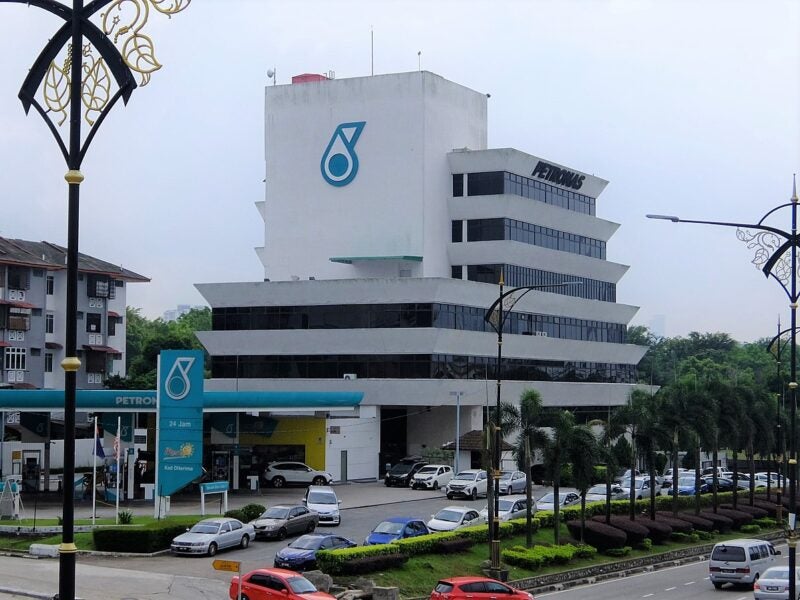
Petronas, the Malaysian oil and gas company, has achieved a significant milestone by securing an onshore concession license in Abu Dhabi. This development signals a noteworthy expansion for Petronas in the Middle East, positioning the company for increased engagement in the region’s burgeoning energy sector.

The agreement grants Petronas the right to explore, develop, and produce hydrocarbons in the concession area, an endeavor that aligns with the company’s strategic focus on enhancing its international upstream portfolio. The concession spans a 30-year term, during which Petronas aims to leverage its technological expertise and innovative solutions to optimize production while adhering to the highest environmental standards.

Abu Dhabi’s hydrocarbon-rich landscape has long attracted major oil players due to its substantial reserves and favorable investment climate. The emirate is keen on diversifying its economy and enhancing energy sustainability, and Petronas’s involvement is anticipated to contribute positively to these objectives. This concession license aligns with Abu Dhabi’s broader strategy to attract foreign investment while ensuring a sustainable energy future.

The licensing agreement underscores the UAE’s commitment to maintaining its status as a pivotal player in the global energy market. It also reflects Petronas’s strategic intention to capitalize on growth opportunities outside its home market, thereby enhancing its global footprint. The partnership with the Abu Dhabi National Oil Company (ADNOC) is expected to facilitate knowledge transfer and collaboration, fostering innovation within the energy sector.

ADNOC has actively sought international partners to strengthen its upstream capabilities, and Petronas’s involvement is seen as a testament to ADNOC’s strategy of forging alliances with leading global energy firms. The collaboration will focus on advanced technologies, including digitalization and artificial intelligence, to enhance exploration and production efficiencies.

Petronas has been expanding its international operations over the past few years, with significant investments in various countries, including Canada, Brazil, and Mozambique. The company aims to maintain a balanced portfolio while exploring opportunities in renewable energy, aligning with global shifts towards sustainable practices. The Abu Dhabi concession marks a continuation of Petronas’s efforts to adapt to evolving market dynamics and shifting energy demands.

Industry analysts view this agreement as a positive step for both Petronas and ADNOC, as it creates synergies that can drive value creation. The partnership is expected to leverage ADNOC’s extensive experience in the region along with Petronas’s technical capabilities, thereby enhancing operational efficiencies. With the global energy landscape undergoing significant transformations, this collaboration is poised to bolster the resilience and competitiveness of both entities.

The concession also comes at a time when oil prices are experiencing volatility, prompting many companies to reassess their strategies and investments. By securing this license, Petronas is positioning itself to navigate these fluctuations effectively. The company’s focus on innovation and sustainability is anticipated to enhance its adaptability to market challenges, ensuring its long-term growth prospects.

As the energy transition accelerates, the partnership between Petronas and ADNOC is likely to explore opportunities beyond traditional oil and gas. The companies may jointly investigate initiatives in carbon capture and storage, as well as investments in renewable energy projects. This strategic approach is essential for maintaining relevance in a rapidly changing energy landscape.

Both companies are well-positioned to contribute to Abu Dhabi’s goal of achieving net-zero emissions by 2050. The collaboration could lead to groundbreaking advancements in energy efficiency and sustainability practices, setting a benchmark for future partnerships in the region.

While the immediate focus is on hydrocarbon production, the strategic collaboration may pave the way for broader initiatives that align with global sustainability goals. This could include exploring alternative energy sources, enhancing energy efficiency measures, and investing in clean technologies that reduce carbon footprints.

The successful acquisition of the onshore concession license by Petronas not only highlights its commitment to expanding its operational footprint but also underscores the importance of collaboration in achieving energy sustainability. The agreement reflects a shared vision between ADNOC and Petronas to develop innovative solutions that meet the demands of an evolving energy landscape while prioritizing environmental stewardship.

As global energy markets continue to transform, Petronas’s expansion into Abu Dhabi marks a significant development in the region’s oil and gas sector. This venture is expected to enhance both companies’ operational efficiencies, drive technological innovation, and contribute to the sustainable development goals set forth by the UAE. The collaboration serves as a model for future partnerships, illustrating the potential of strategic alliances in navigating the complexities of the energy industry.

Ripple has achieved a significant milestone by receiving in-principle approval from the Dubai Financial Services Authority (DFSA) to enhance its operations from the Dubai International Financial Centre (DIFC). This approval marks Ripple as the first blockchain-enabled payment services provider licensed by the DFSA, enabling the company to offer its suite of digital asset infrastructure and services in the United Arab Emirates (UAE). With this regulatory endorsement, Ripple […]

Adnoc Drilling has initiated a significant campaign targeting unconventional oil and gas resources, with an investment exceeding $1.7 billion. This move underscores the company’s commitment to expanding its operational capabilities and enhancing its production capacity amid the growing global demand for energy. The unconventional campaign aims to unlock resources that require advanced extraction technologies, reflecting a strategic shift toward maximizing the potential of the region’s energy landscape. […]

Masdar, a prominent clean energy company based in Abu Dhabi, has intensified its commitment to renewable energy in the United States by acquiring a 50% stake in Terra-Gen, a leading independent power producer (IPP). This strategic investment, valued at approximately $1 billion, aligns with Masdar’s broader objective to scale its operations in the North American renewable energy market and supports the global transition towards sustainable energy. The […]

Sovereign wealth funds in the Gulf Cooperation Council (GCC) countries have made significant investments, deploying $55 billion in various sectors during the first three quarters of 2024. This surge in investment underscores the GCC’s continued commitment to diversify its economies and reduce reliance on oil revenues. These funds are channeling capital into technology, healthcare, renewable energy, and infrastructure, among other sectors, aiming to foster long-term growth and […]

VISHNU RAJA
RYO YAMADA
HITORI GOTOH
IKUYO KITA