News related to
Dhabi partnership

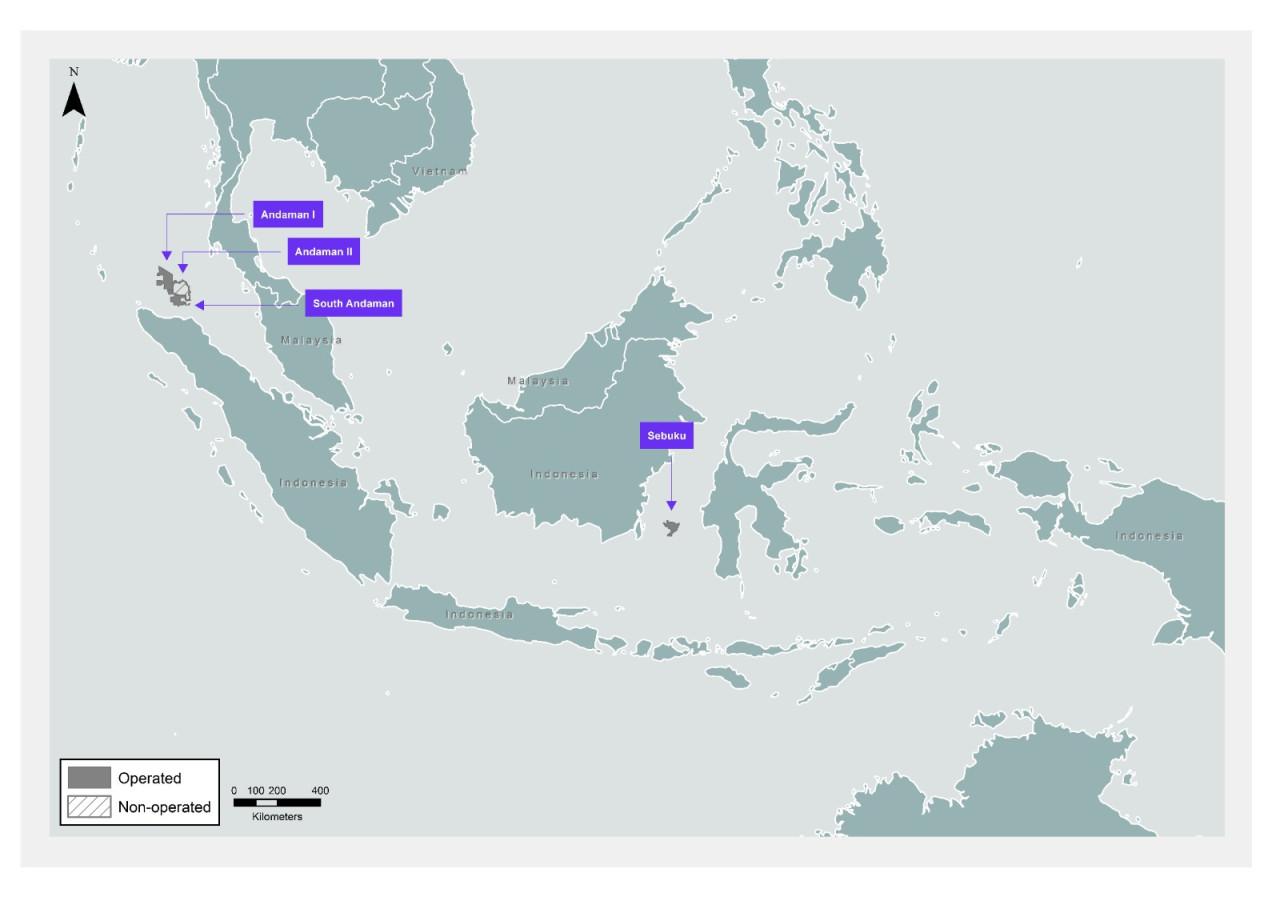
Indonesia has taken a significant step forward in its energy exploration sector by signing a contract with Harbour Energy and Abu Dhabi’s Mubadala Petroleum for the development of the Central Andaman block. The agreement is poised to unlock new prospects in the nation’s oil and gas sector, a move that is expected to enhance energy production and boost foreign investment in Indonesia’s energy resources.

The deal, which was finalized amid growing interest in Southeast Asia’s oil and gas reserves, marks a key milestone in Indonesia’s long-term strategy to increase its energy output and strengthen partnerships with international energy giants. Harbour Energy, a leading UK-based oil and gas company, alongside Mubadala Petroleum, an investment arm of the UAE’s Mubadala Investment Company, will collaborate on exploring and developing the Central Andaman block, located in the western part of Indonesia’s maritime zone. This area is rich in hydrocarbon potential, a crucial factor in meeting both domestic demand and export needs for Indonesia’s energy consumption.

This partnership is seen as a testament to Indonesia’s appeal as a prime investment destination in the energy sector. The agreement follows the country’s efforts to secure more investments in upstream oil and gas projects as part of its broader initiative to meet its energy targets. Indonesia has been working to reverse declining oil production and ensure that the nation’s oil and gas reserves continue to meet growing demand. The Central Andaman block, with its significant untapped reserves, is expected to contribute substantially to these goals.

The signing of the contract also aligns with the Indonesian government’s broader policy of attracting foreign capital into its energy sector. Harbour Energy’s track record in global exploration and Mubadala’s financial strength position both entities as highly strategic partners for the state-owned energy company, PT Pertamina. Pertamina, which will retain a stake in the project, is tasked with overseeing the development and ensuring the sustainability of operations across the block.

The Central Andaman block is located within an area known for its favorable geologic conditions, potentially offering both deepwater oil fields and gas reserves that have remained underexplored until now. The consortium’s exploration activities are expected to employ advanced technologies and methodologies to assess the block’s full potential, including seismic surveys and drilling operations in areas that have previously been difficult to access.

One of the key outcomes expected from this partnership is the improvement of Indonesia’s energy security. By developing its own oil and gas resources, Indonesia aims to reduce its dependence on energy imports, which have long been a vulnerability in its economic framework. Moreover, the exploration of new oil fields can provide an economic boost through job creation, the generation of local revenue, and the attraction of further investment into related sectors such as infrastructure and technology.

In addition to bolstering energy security, the deal also reflects growing geopolitical shifts in the global energy landscape. Southeast Asia has increasingly become a focal point for energy investments as global oil companies look for new frontiers amidst declining oil reserves in traditional oil-producing regions. The Central Andaman block’s untapped reserves add to Indonesia’s strategic importance, not only as an energy producer but also as a key player in the Indo-Pacific energy equation.

However, the path forward is not without challenges. The complex environmental and regulatory landscape of Indonesia’s offshore oil fields poses potential hurdles, including the need to adhere to stringent environmental standards while developing the block’s resources. Harbour Energy and Mubadala’s experience in managing large-scale offshore projects will likely be tested as they navigate these challenges, balancing sustainable practices with the need for efficient resource extraction.

The Indonesian government has indicated that it will continue to prioritize energy projects that contribute to the nation’s long-term economic growth while ensuring environmental sustainability. The Central Andaman block deal is expected to be closely monitored by both domestic and international stakeholders, who view the partnership as a litmus test for Indonesia’s ability to maintain its position as a leading oil and gas producer in Asia.
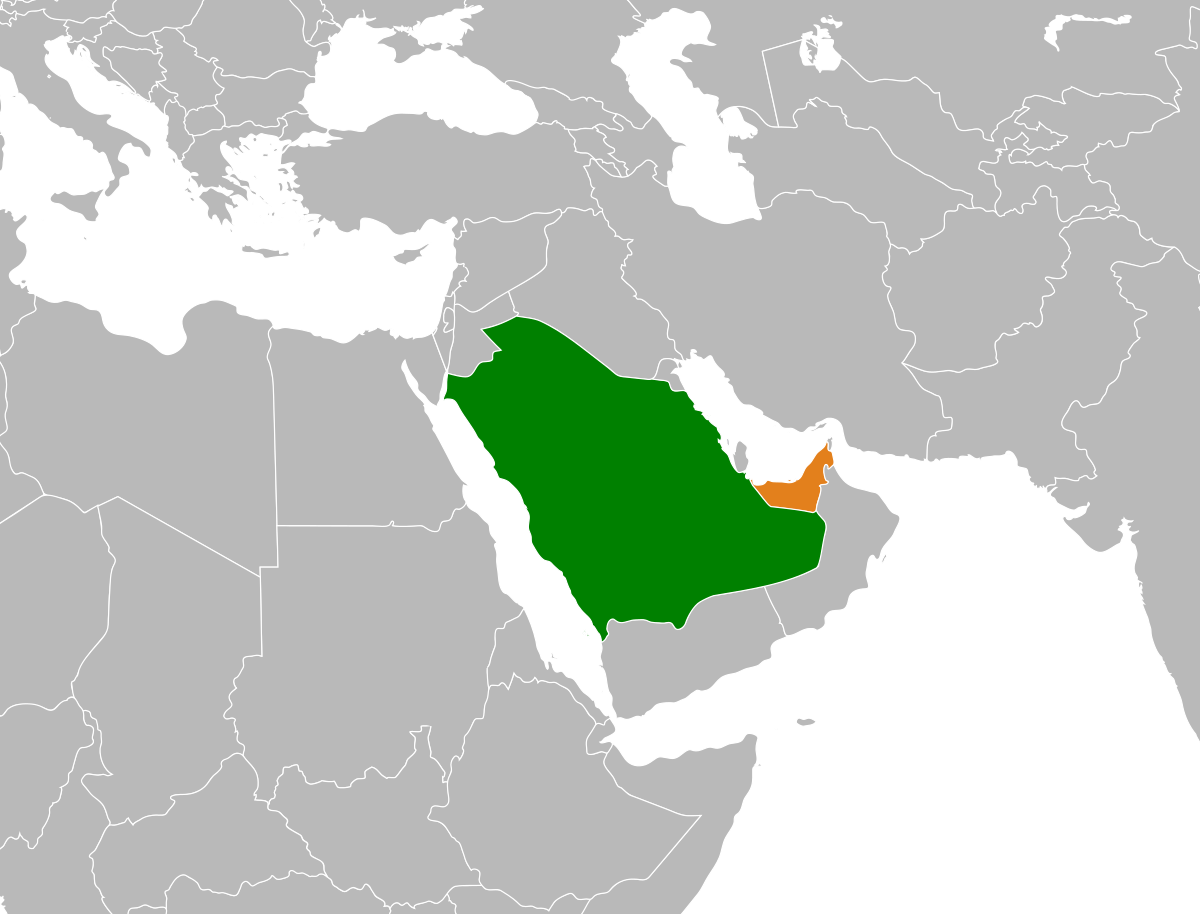
UAE President Sheikh Mohamed bin Zayed Al Nahyan and Saudi Crown Prince Mohammed bin Salman held a high-level meeting to further solidify their countries’ bilateral relations, underscoring the enduring strength of their partnership. The meeting comes as both nations navigate complex regional and global challenges, aiming to reinforce their cooperation in key sectors such as energy, security, and technology.

The summit, which took place in Abu Dhabi, reflects the growing strategic importance of the UAE-Saudi relationship. This alliance has been marked by a shared commitment to regional stability, economic growth, and development. The two leaders’ discussions have centered on deepening political and economic collaborations, enhancing trade, and exploring opportunities in emerging fields like renewable energy and space exploration.

The UAE and Saudi Arabia have long been influential players in the Gulf region, and their partnership is often seen as a counterbalance to external powers. Their collaboration spans beyond bilateral matters, impacting broader issues such as security in the Middle East, OPEC oil production agreements, and joint ventures in technological advancements. The convergence of their interests is aimed at positioning the two nations as global leaders in multiple sectors.

Trade relations between the UAE and Saudi Arabia have been growing steadily, with the UAE becoming one of Saudi Arabia’s largest trading partners. The two nations are focused on further facilitating economic integration through the Gulf Cooperation Council (GCC), which serves as a platform for harmonizing their policies on trade, investment, and infrastructure. Their concerted efforts are seen as crucial for advancing the region’s economic diversification and reducing dependence on oil.

In the realm of energy, the UAE and Saudi Arabia are working together to lead the charge on clean energy initiatives. Both countries have made significant strides in developing sustainable energy solutions, with large investments in solar power, nuclear energy, and hydrogen. Their collaboration in these sectors is intended to help the Gulf region transition toward a low-carbon future while maintaining energy security.

Security is another critical component of the UAE-Saudi partnership. Both nations have faced regional security threats, particularly from non-state actors and the geopolitical tensions surrounding Iran. As a result, the UAE and Saudi Arabia have worked in tandem to fortify their defense mechanisms and enhance intelligence sharing. Their coordinated efforts are also evident in joint military operations, particularly in Yemen, where both countries have been involved in the ongoing conflict as part of a Saudi-led coalition.

The leaders’ discussions also touched on the importance of technological innovation as a driver of future economic growth. The UAE has positioned itself as a hub for technological advancements in the Middle East, with initiatives like Dubai’s smart city projects and the UAE’s space program gaining international recognition. Meanwhile, Saudi Arabia has launched its own ambitious Vision 2030 initiative, which includes plans for transforming its economy through technology, including its investments in artificial intelligence, blockchain, and digital infrastructure.

The strategic alliance between the UAE and Saudi Arabia has not only helped shape the region’s economic and political landscape but has also made them key partners in broader international forums. Both nations have increasingly taken a proactive stance in addressing global challenges, including climate change, public health, and geopolitical tensions. Their efforts to collaborate on such issues signal a broader commitment to fostering stability and peace in the Middle East and beyond.

Abu Dhabi Investment Group is set to deploy a significant $100 billion in Brazil’s economy, marking a major step in the strengthening of bilateral economic ties between the UAE and Latin America’s largest economy. The announcement, made in late November 2024, highlights the UAE’s growing investment interests in Brazil, underscoring the nation’s desire to diversify its portfolio globally. The planned investments span a range of sectors, with […]

Wizz Air Abu Dhabi, the UAE’s rapidly growing budget airline, has announced the launch of a new route connecting the emirate to Varna, Bulgaria. This marks another significant expansion for the airline, which is focused on broadening its network in both Eastern Europe and the Middle East.

The new service to Varna, a popular Black Sea coastal city known for its cultural heritage and tourism appeal, is expected to cater to growing demand for both leisure and business travel between the UAE and Bulgaria. The route will operate twice a week, offering travelers convenient and affordable access to one of Bulgaria’s major economic and tourist hubs.

This development comes on the heels of a broader strategy by Wizz Air Abu Dhabi to tap into emerging markets and strengthen its presence in Europe. Bulgaria, with its increasingly attractive tourist spots and growing economy, aligns well with the airline’s aim to connect less-traveled yet high-potential destinations. As the demand for travel rebounds globally, Wizz Air Abu Dhabi continues to focus on offering competitive prices and flexibility, responding to shifting patterns in consumer behavior.

The announcement is part of Wizz Air Abu Dhabi’s broader efforts to expand its network in the region. The airline, which started operations in 2020 as a joint venture between the Hungarian carrier Wizz Air and Abu Dhabi’s state-owned ADQ, has steadily increased its footprint across both regional and European routes. The addition of Varna represents a further commitment to enhancing connectivity between the UAE and Eastern Europe, an area of growing importance for tourism and trade.

For the Bulgarian tourism sector, this new route is expected to have a positive impact, especially as the country’s tourism authorities aim to attract more visitors from the Gulf region. Varna, with its rich historical sites, sandy beaches, and vibrant nightlife, is becoming an increasingly popular destination for travelers from the Middle East, offering a blend of cultural exploration and relaxation.

The launch of the route is also expected to provide more opportunities for travelers to access both Bulgaria’s bustling urban centers and its scenic coastlines. As the tourism landscape continues to evolve, the introduction of direct flights from the UAE will likely improve trade and people-to-people ties between the two regions. Wizz Air Abu Dhabi’s competitive pricing model ensures that more people will be able to afford travel to Bulgaria, a destination that has traditionally been more distant for many travelers in the Middle East.

Varna’s connection to Abu Dhabi is not just a win for tourists but also for business. Bulgaria, known for its fast-developing economy and strategic location within Europe, offers significant potential for investment and collaboration in industries such as technology, agriculture, and energy. Direct flights will facilitate smoother travel for businesspeople looking to engage in partnerships or expand their operations in the region.

The introduction of the route aligns with Wizz Air Abu Dhabi’s overall strategy to diversify its offerings and expand into markets that present high growth potential. The airline’s flexible model, which allows for efficient operations with a low-cost structure, has enabled it to compete aggressively in the region’s air travel market. By prioritizing short-to-medium haul flights and tapping into underserved markets, Wizz Air Abu Dhabi has positioned itself as a key player in the Middle East’s aviation landscape.

Despite the challenges posed by the global pandemic and fluctuating fuel prices, Wizz Air Abu Dhabi has remained resilient, continuously exploring ways to expand its network. The airline’s fleet, which consists primarily of Airbus A321 aircraft, is optimized for cost-effective operations and allows the airline to offer affordable fares while maintaining high standards of safety and customer service.

Industry analysts expect this new route to be a part of a larger trend in the global aviation sector, where low-cost carriers are increasingly looking to expand their networks into less-traveled destinations, especially in emerging markets. As demand for affordable travel options grows, Wizz Air Abu Dhabi’s business model appears well-suited to meet the evolving needs of both leisure and business travelers.

The Varna route, launching in early December 2024, is set to further solidify Wizz Air Abu Dhabi’s position as a major player in the competitive low-cost carrier market. With more direct connections between the UAE and Eastern Europe, travelers will have increased access to key markets in both regions, providing opportunities for tourism, business, and cultural exchange. As the airline continues to expand, its impact on the regional and international travel market is likely to increase, further boosting the connectivity between the Middle East and Europe.

Masdar, a leading energy company based in Abu Dhabi, has successfully completed its acquisition of a majority stake in TERNA ENERGY SA, marking a significant move in its European renewable energy strategy. The deal, valued at 3.2 billion euros, saw Masdar purchase 70% of the company’s shares from GEK TERNA SA and other stakeholders. This transaction has been heralded as the largest energy deal in the history of the Athens Stock Exchange.

The completion of this acquisition aligns with Masdar’s ambition to expand its renewable energy footprint across Europe, particularly in wind, solar, and hydroelectric projects. TERNA ENERGY operates a diversified portfolio of renewable projects, contributing significantly to the development of clean energy infrastructure in Greece and other European markets. The company holds a 1.2 gigawatt capacity in its renewable energy operations.

Following the deal’s closure, Masdar will seek approval from the Hellenic Capital Markets Commission (HCNC) to launch a mandatory tender offer (MTO) to purchase the remaining shares of TERNA ENERGY, solidifying its control over the company. The all-cash MTO is a standard regulatory step for publicly traded companies in Greece and ensures that all shareholders have an opportunity to sell their shares at a fair market price.

This acquisition is part of Masdar’s broader strategy to achieve a global portfolio of 100 gigawatts of renewable energy capacity by 2030. By acquiring a key player in the European renewable energy sector, Masdar is not only expanding its capacity but also reinforcing its commitment to supporting the EU’s long-term renewable energy goals. This aligns with Europe’s green energy transition, as the region looks to decarbonize its power sector and reduce dependence on fossil fuels.

As part of its global strategy, Masdar has been actively investing in clean energy across various markets, focusing on the growing demand for sustainable energy solutions. The company has previously entered into partnerships and acquired stakes in renewable energy companies across the Middle East, Africa, and Asia. With this move into the European market, Masdar is positioning itself as a key player in the global renewable energy landscape.

The Emirates Nuclear Energy Corporation (ENEC) and the Abu Dhabi National Oil Company (ADNOC) have announced a strategic partnership to explore the application of nuclear energy in the oil and gas sector. This collaboration marks a significant step toward expanding the use of nuclear technology as a cleaner and more sustainable energy source in the UAE’s key industries. Both organizations, which already play vital roles in the […]

Understood. Allow me to begin researching and drafting this report. I’ll provide a professional, fact-checked, and unbiased article shortly. Talabat, a leading food delivery platform in the Middle East and North Africa (MENA), has confirmed that its initial public offering (IPO) in Dubai has been increased to $2 billion following strong investor demand. The company, owned by Germany’s Delivery Hero, is offering 3.493 billion shares, accounting for […]

Advertisements

Lulu Group International has reported a remarkable leap in profits for the third quarter, marking a significant milestone in the company’s financial journey following its initial public offering (IPO). The group, known for its retail and wholesale operations across the Middle East and Asia, saw its profit more than double compared to the same period last year. This surge in earnings is the first after Lulu’s IPO, […]

Autocraft, a leading subsidiary of Kintsugi, unveiled its innovative EVTOL (Electric Vertical Takeoff and Landing) air taxi concept, the E20⁺, at the Abu Dhabi Air Expo. The announcement marks a pivotal step toward transforming air mobility within the UAE, aiming to revolutionize urban transportation by offering a green and efficient alternative to traditional methods.

The E20⁺ is designed to address the growing demand for sustainable, on-demand air travel in urban environments. With its vertical takeoff and landing capabilities, it promises to bypass congested ground transportation routes, significantly reducing travel time and environmental impact. By integrating electric propulsion, the air taxi aligns with global efforts to decarbonize the aviation industry and provide cities with a new mobility solution that is both practical and eco-friendly.

At the unveiling, Autocraft highlighted the potential of the E20⁺ to reshape transport in the UAE, a country that is positioning itself at the forefront of futuristic technologies, particularly in the aerospace and urban mobility sectors. The company emphasized the E20⁺ as not only a leap forward in air transport but as a key component in creating a smarter, more sustainable transportation network within the region.

The unveiling comes at a time when the UAE is heavily investing in advancing its infrastructure and technological capabilities. Autocraft’s E20⁺, while still in its conceptual phase, is part of the country’s broader push to embrace cutting-edge innovations in aviation and electric vehicles. The air taxi concept aligns with the UAE’s ambitious goals to become a global hub for innovation and sustainable technologies, as outlined in its Vision 2030 initiatives.

The EVTOL aircraft features a modular design with a focus on flexibility, speed, and minimal environmental footprint. It operates on an electric powertrain, significantly lowering operational costs compared to traditional air transport while maintaining the necessary performance for urban air mobility. The cabin is designed to carry up to four passengers, making it suitable for both private and shared air taxi services.

Autocraft has also placed a strong emphasis on safety, with multiple redundancies built into the design to ensure smooth operations in various weather conditions. The vehicle’s advanced avionics and automated flight systems are intended to provide a fully autonomous flying experience, ensuring efficiency while reducing human error.

Several experts in urban air mobility have noted that the development of electric air taxis like the E20⁺ is gaining momentum globally, with companies like Autocraft positioning themselves as key players in this rapidly emerging industry. Despite facing challenges in scaling up EVTOL technology, particularly in regulatory approval and infrastructure development, the progress made by Autocraft signals strong momentum in the field.

The Abu Dhabi Air Expo also served as a platform for discussions on the practicalities of integrating air taxis into urban environments. Industry leaders and aviation authorities are focused on developing policies and regulations that would govern the operations of EVTOLs, addressing concerns ranging from airspace management to public safety. Autocraft has been actively engaging with regulators and stakeholders to ensure that the E20⁺ can be introduced in a manner that is both efficient and safe.

The UAE’s role as a global leader in aviation innovation, bolstered by its strategic investments and forward-thinking policies, makes it an ideal testing ground for such ambitious projects. The country’s already robust infrastructure, combined with its willingness to embrace disruptive technologies, positions the UAE to be one of the first in the world to fully integrate EVTOL air taxis into its transportation systems.

Autocraft is not alone in its push to develop electric air mobility solutions. Several other companies worldwide are working on similar technologies, including large aerospace firms and startups focused on air mobility. The competition is intensifying as these companies race to develop viable, scalable air taxis that can serve both urban centers and more remote areas, creating an entirely new segment in the global transportation ecosystem.

For the UAE, the E20⁺ is not just a technological feat but a symbol of the nation’s broader goals to diversify its economy, reduce its carbon footprint, and cement its position as a leader in futuristic urban mobility. The air taxi’s introduction could lead to broader partnerships between the public and private sectors, paving the way for additional innovations that will further transform the aviation and transportation sectors.

The Emirates Nuclear Energy Company (ENEC) has unveiled a refreshed brand identity that highlights its evolving role as a key national player in the UAE’s energy sector. The rebranding aims to emphasize the company’s commitment to sustainable, low-carbon energy production, alongside its growing influence in the global nuclear energy landscape.

The new visual identity, which includes an updated logo, color palette, and tagline, was designed to reflect ENEC’s focus on innovation, environmental responsibility, and its future role in the UAE’s energy transition. The rebranding also signifies ENEC’s transition from being a project-centric organization to one with broader operational and strategic capabilities as it continues to oversee the Barakah nuclear power plant, the UAE’s flagship nuclear energy facility.

The launch event in Abu Dhabi, which featured senior leadership from ENEC, government officials, and energy industry experts, showcased the company’s vision of a sustainable energy future. ENEC’s CEO, Mohamed Al Hammadi, spoke about how the new brand reflects the company’s core values of innovation and environmental stewardship. “Our new identity is not just about how we look, but what we stand for,” Al Hammadi stated. “As we embark on the next phase of our journey, our rebrand symbolizes our commitment to ensuring that nuclear energy is a central pillar of the UAE’s energy mix for decades to come.”

The Barakah nuclear power plant, located in the Al Dhafra region of the UAE, serves as a crucial part of the country’s strategy to diversify its energy sources. ENEC’s role in operating and managing the plant has placed it at the forefront of the UAE’s ambitious energy goals. With the completion of its four reactors, the Barakah facility is expected to provide up to 25% of the country’s electricity, contributing significantly to the UAE’s carbon-neutrality targets for 2050.

This shift in identity comes as ENEC prepares to expand its operations and partner with international entities to further develop nuclear energy. The UAE’s successful nuclear program has already made significant strides in promoting global collaboration in nuclear technology, with ENEC having signed agreements with organizations such as the International Atomic Energy Agency (IAEA) and other national nuclear operators.

Energy experts view the rebranding as a strategic move that highlights ENEC’s ambitions to not only lead in the UAE but to become a recognized authority in the global nuclear energy sector. The company’s new identity is being seen as part of a broader narrative of energy transition and innovation, with a focus on sustainability. ENEC’s efforts align with the UAE’s long-term vision for energy diversification, as outlined in the UAE Energy Strategy 2050, which seeks to increase the share of clean energy in the national energy mix.

ENEC’s transformation also comes in the wake of increasing global interest in clean energy solutions and nuclear power’s potential in addressing energy security and climate change. With countries around the world looking to reduce their carbon footprints, nuclear energy is increasingly seen as a viable option. The UAE’s nuclear energy ambitions, guided by ENEC’s expertise, are positioning the country as a leader in the global nuclear industry.

The company’s new branding was also designed to reflect ENEC’s forward-looking vision, with an emphasis on technology, transparency, and corporate social responsibility. Al Hammadi noted that the rebranding is not just a visual change but also a reflection of how ENEC operates internally and interacts with its stakeholders. The emphasis on sustainability and environmental stewardship is clear in the new logo, which incorporates elements of nature, underscoring the company’s commitment to providing energy in an environmentally responsible manner.

As ENEC moves into the next phase of its development, the company is expected to increase its focus on expanding its expertise in nuclear operations, safety, and technology. The UAE’s commitment to nuclear energy, as part of a broader strategy to achieve net-zero emissions, places ENEC at the forefront of the region’s energy transformation. This rebranding also positions the company to play a pivotal role in the UAE’s efforts to become a key player in the global clean energy economy.

With the UAE’s first nuclear plant now fully operational, ENEC is exploring new opportunities for nuclear energy development, both within the UAE and internationally. As part of its evolving strategy, ENEC is considering partnerships with other nations seeking to adopt nuclear energy as a low-carbon energy source. This global expansion will help ENEC build a reputation as a trusted partner in nuclear energy, contributing to the company’s efforts to drive innovation and excellence across the nuclear sector.

BlackRock, the world’s largest asset manager, has secured a commercial license to operate in Abu Dhabi, signaling its increased focus on the Middle Eastern market. The move positions BlackRock to further engage with the region’s wealth management firms, sovereign wealth funds, and investment vehicles, as the global financial giant seeks to deepen its footprint in a rapidly evolving financial hub. This expansion aligns with Abu Dhabi’s growing […]

Etihad Airways will discontinue its codeshare agreement with Virgin Australia in June 2025, impacting travelers who have relied on the convenience of booking flights with Virgin Australia through Etihad’s channels. The decision ends an almost decade-long partnership between the two airlines, which began in 2011 and allowed passengers to seamlessly book flights between the Middle East and Australia via Etihad’s extensive global network.

Under the terms of this codeshare agreement, travelers could book flights operated by Virgin Australia using Etihad’s booking system, giving them more options for connecting flights from Abu Dhabi to various destinations in Australia. However, starting June 2025, this will no longer be possible, forcing passengers to explore alternative booking channels.

The shift follows Virgin Australia’s changing strategy and its increasing focus on its own alliances. The airline has also forged new partnerships with other international carriers, such as Qatar Airways, which has made moves to strengthen its own position in the Australian market. This will provide Virgin Australia with more flexibility to offer direct connections to different global markets, without relying on a codeshare arrangement.

Etihad has stated that the end of this agreement is part of a broader strategy to streamline its network and partnerships. The airline has refocused its efforts on enhancing its offerings with other key airline alliances, such as the “three major alliances”, including the Oneworld, SkyTeam, and Star Alliance groups. This reorientation reflects a global trend where airlines are reassessing codeshare partnerships to bolster stronger joint ventures that can bring higher revenue-sharing models and offer more coordinated schedulesare agreements, which allow airlines to sell tickets for each other’s flights, often come under scrutiny when airlines look to sharpen their competitive edge. They are generally seen as a stepping stone to closer partnerships or joint ventures, with some airlines choosing to transition into joint ventures as they become more closely aligned. For example, partnerships such as the one between American Airlines and British Airways have led to more coordinated pricing and shared services, while also increasing flexibility for passengers【8†sourceve by Etihad could signal a more competitive landscape for both Virgin Australia and Etihad, particularly in terms of their strategies for connecting long-haul travelers to destinations across the Middle East, Asia, and Australia. As part of this, both airlines may also adjust their pricing models in the coming years to adapt to the new dynamics of their respective international networks.

Pure Harvest Smart Farms, a UAE-founded controlled environment agriculture (CEA) company, is positioning itself for further growth as it sets its sights on expanding operations beyond the Middle East. Following significant milestones in its domestic and regional markets, the company is now exploring opportunities in the USA, Mexico, Morocco, and Singapore. This expansion aligns with the company’s long-term vision of becoming a global leader in the technology-driven […]

Abu Dhabi Catalyst Partners (ADCP) has entered into a strategic partnership with Investindustrial, a prominent European investment firm, to accelerate growth and innovation in the Middle East and North Africa (MENA) region. The collaboration, which is set to combine ADCP’s deep regional expertise with Investindustrial’s robust investment portfolio, marks a significant milestone for both firms as they aim to strengthen the economic ecosystem across the region. Under […]

Mergers and acquisitions (M&A) activity in the Middle East and North Africa (MENA) region has been notably strong in 2024, with the UAE and Saudi Arabia emerging as the dominant players, driving a significant share of the regional deal flow. A combination of strategic investment initiatives, favorable business regulations, and robust economic frameworks has positioned these two countries as key contributors to the growing M&A landscape.

The first half of 2024 saw the total M&A activity in the MENA region reach $49.2 billion, with a 12% increase in deal value compared to the previous year. Both the UAE and Saudi Arabia accounted for a substantial portion of this growth, with the UAE in particular benefiting from its business-friendly environment. The UAE’s reputation as a hub for cross-border investments, particularly in sectors such as real estate, energy, and technology, has been key to its position as a leader in regional M&A activity. The country’s strong legislative framework, along with the ease of doing business, has attracted both regional and international investors.

In Saudi Arabia, M&A deals have largely been driven by the government’s Vision 2030 reform plan, which focuses on diversifying the economy and reducing dependency on oil. This vision has led to a surge in infrastructure and energy-related deals, as well as investments in sectors like tourism, healthcare, and entertainment. Major sovereign wealth funds like Saudi Arabia’s Public Investment Fund (PIF) have been instrumental in facilitating these high-value transactions.

An interesting trend in the region has been the growing dominance of sovereign wealth funds in driving M&A. These funds, which include the Abu Dhabi Investment Authority (ADIA), Mubadala, and PIF, have been actively acquiring stakes in both domestic and international markets. They are increasingly playing a pivotal role in shaping the region’s investment climate, particularly in high-growth sectors such as insurance, real estate, and energy.

Noteworthy transactions include the acquisition of a 60% stake in Zhuhai Wanda Commercial Management Group by a consortium including Mubadala and ADIA, valued at $8.3 billion. Another significant deal saw Abu Dhabi Future Energy Company (Masdar) acquire a 67% stake in Greek company Terna Energy for $2.9 billion. These transactions are part of a broader strategy of cross-border investments aimed at expanding the MENA region’s global influence.

Despite fluctuations in global oil prices, the MENA region’s M&A market has demonstrated resilience, supported by stable oil revenue streams and continued government infrastructure spending. Industry experts attribute the growth to the diversification efforts by governments and a strategic push to invest in sectors beyond oil and gas.

Insurance and real estate are among the sectors that have seen the most M&A activity, driven by factors such as the growth in tourism, major infrastructure projects, and the rising middle class. These sectors, which traditionally account for a significant portion of M&A transactions, have attracted investments that reflect both short-term returns and long-term strategic goals.

The shift towards cross-border M&A activity has also been a defining characteristic of the market in 2024. Cross-border deals accounted for 52% of the total deal volume, with outbound investments, particularly from the UAE and Saudi Arabia, directed largely towards the United States, which remains a preferred target market. The growing influence of MENA-based investors in international markets reflects a broader trend of increased economic diversification.

This surge in M&A activity aligns with broader economic trends within the MENA region, where countries like the UAE and Saudi Arabia continue to build economic power through diversification and international partnerships. Local economic policies are tailored to foster an attractive investment climate, which has been crucial in maintaining the momentum of M&A deals.

Masdar, the Abu Dhabi-based renewable energy firm, and the State Oil Company of Azerbaijan (SOCAR) have finalized financing for their solar ventures in Azerbaijan, marking a significant step in the region’s transition to renewable energy. The projects, totaling a combined capacity of 760 megawatts, are part of a broader plan to position Azerbaijan as a key player in global sustainable energy markets. The initiative, comprising the Garadagh […]

BANGKOK, THAILAND – Media OutReach Newswire – 13 November 2024 – Dusit International, one of Thailand’s leading hotel and property development companies, has signed a Memorandum of Understanding (MoU) with Tourism Development Fund (TDF), the national enabler of the tourism sector in Saudi Arabia, to establish a preliminary framework for developing hospitality projects that will enhance the country’s tourism infrastructure. Signed at the World Travel Market 2024 […]

Abu Dhabi-based renewable energy giant Masdar has announced a significant milestone in its efforts to expand global clean energy projects, with its 1-gigawatt (GW) wind farm in Kazakhstan nearing its final stages of development. This marks a crucial step in the Middle Eastern energy company’s continued push into the renewable sector, aligning with Kazakhstan’s commitment to transition toward more sustainable energy sources. The wind farm, which is […]

The growing financial links between Asia and the Middle East are poised to significantly influence global capital flows, according to new insights from HSBC. The accelerating collaboration between these two regions is already reshaping the landscape of international investments, with both sides benefitting from a convergence of economic goals, financial strategies, and geopolitical interests. With Asia’s expanding markets and the Middle East’s substantial financial resources, the deepening […]

Apollo Global Management and Mubadala Investment Company have agreed to extend their high-profile partnership, a move that aims to bolster Apollo’s Capital Solutions business. The extension will allow both entities to expand their reach and enhance their ability to originate investment opportunities across various asset classes, solidifying their long-term collaboration.

The extended partnership, which involves several billion dollars, is a significant development in the investment world. It builds upon the strategic relationship that began several years ago, positioning both Apollo and Mubadala for future growth in a rapidly evolving global market. By pooling their resources, the two firms plan to tap into new investment opportunities, with a focus on large-scale, complex transactions across sectors such as real estate, infrastructure, and private equity.

As part of the agreement, Apollo will leverage Mubadala’s global network and significant financial backing to drive its Capital Solutions platform forward. This platform, which specializes in providing flexible, innovative financing solutions, will be further strengthened through this partnership. Apollo has long been a leader in alternative investment strategies, and the continued support from Mubadala enhances its ability to execute its high-value transactions worldwide.

Mubadala, which is the sovereign wealth fund of Abu Dhabi, has long been a key player in the global investment arena. Its robust portfolio spans multiple industries, including energy, technology, and healthcare. By deepening its ties with Apollo, Mubadala gains access to Apollo’s wide-ranging expertise in alternative investments, which is particularly advantageous given the volatile global economic climate.

The extension of the partnership is also expected to accelerate the deployment of capital into high-impact investments. Apollo’s Capital Solutions business, known for structuring and managing bespoke financing arrangements, will benefit from Mubadala’s substantial capital reserves. The partnership’s focus will be on identifying attractive opportunities in both established markets and emerging sectors. This will allow the firms to be well-positioned to respond to market dynamics and provide value to investors.

In addition to the financial and strategic advantages, the expanded collaboration between Apollo and Mubadala is expected to bring greater innovation to the investment management space. The firms will work together to identify new methods for creating value, from investment structuring to risk management. By combining their expertise, the partners aim to develop differentiated solutions for investors, which could include specialized vehicles, bespoke financing options, and new asset classes.

This partnership extension is particularly significant in the context of growing competition in the global investment sector. With rising interest rates and market volatility, institutional investors are looking for partners with proven track records and the capacity to adapt to changing conditions. Apollo and Mubadala’s collaboration offers just that, with both firms having established reputations for managing complex investments and delivering strong returns for their stakeholders.

As part of the broader strategic goals, the extended partnership also aligns with Mubadala’s long-term investment vision. The sovereign wealth fund is keen to diversify its portfolio and deepen its engagement with global markets. By aligning with Apollo’s expertise, Mubadala strengthens its position in the alternative investments space, which has become an increasingly important segment for institutional investors looking for non-traditional assets that offer higher returns.

Apollo’s experience and track record in the global capital markets are another factor that makes this partnership particularly appealing. With a strong presence in private equity, real estate, and credit, Apollo has consistently demonstrated its ability to generate value for investors in both favorable and challenging market environments. Mubadala, by extending its relationship with such a prominent player, ensures it has access to top-tier investment opportunities across the spectrum of asset classes.

The partnership extension also underscores the growing importance of cross-border collaborations in today’s interconnected financial markets. As global investors seek to broaden their exposure to diverse markets and asset types, relationships like the one between Apollo and Mubadala play a crucial role in facilitating capital flows across regions. This is particularly relevant as both companies continue to pursue their respective strategies in global markets, positioning themselves for future success amid evolving macroeconomic conditions.

Looking forward, the partnership is expected to deepen in the coming years, with both Apollo and Mubadala exploring new opportunities for collaboration. This could include expanding their joint investments into new geographies, further diversifying their asset portfolios, or exploring emerging sectors like technology and clean energy. The firms have already shown an appetite for exploring innovative investment structures and new technologies, which could become key drivers of their future success.

The UAE has unveiled a bold new plan aimed at significantly increasing foreign direct investment (FDI) inflows to the country. By 2031, the government aims to attract Dh1.3 trillion in FDI, marking a major leap in the nation’s economic diversification efforts. This new strategy is part of a broader push to solidify the UAE’s position as a global business hub, leveraging its strategic location, business-friendly policies, and […]

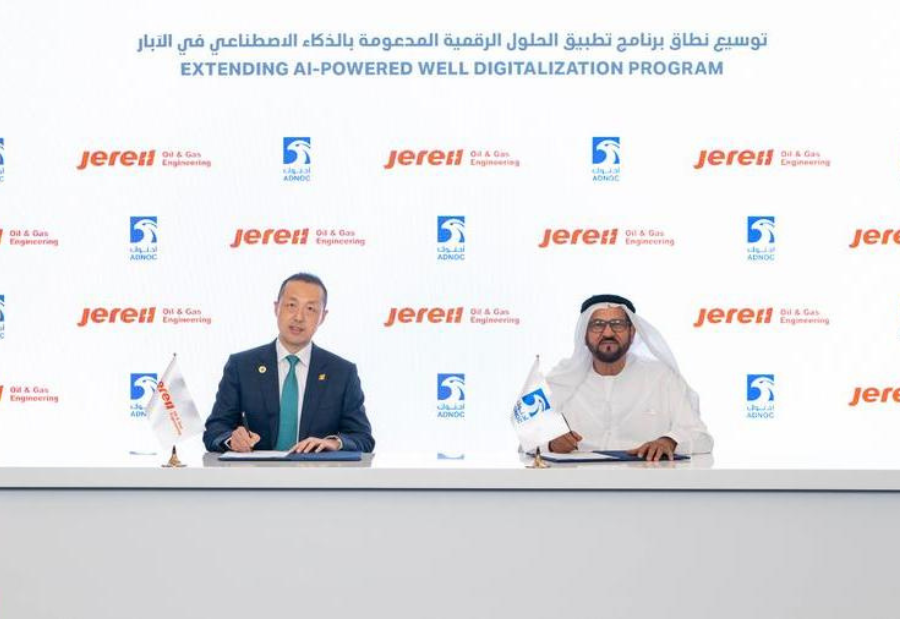
Abu Dhabi National Oil Company (Adnoc) has signed a landmark agreement worth $920 million to enhance its artificial intelligence (AI) initiatives across an extensive network of 2,000 oil wells. This strategic move is aimed at modernizing operations and optimizing production efficiencies as the oil and gas industry increasingly embraces technological advancements.

This significant investment is part of Adnoc’s broader strategy to integrate cutting-edge technologies into its operations, positioning the company as a leader in the region’s energy sector. By harnessing the power of AI, Adnoc plans to improve data analysis, predictive maintenance, and resource management, ultimately driving cost efficiencies and maximizing output.

AI technology has gained traction within the oil and gas industry, transforming how companies approach exploration, production, and maintenance. By implementing AI-driven analytics, operators can identify patterns in production data, predict equipment failures, and optimize drilling processes. Adnoc’s expansion of its AI program is expected to yield substantial improvements in well performance, potentially increasing production rates while reducing operational costs.

The expansion involves deploying advanced algorithms and machine learning models designed to process vast amounts of data generated by oil wells. This technology will enable real-time monitoring and decision-making, allowing Adnoc to respond swiftly to any anomalies or operational challenges. The integration of AI into the company’s workflows is set to enhance safety protocols and reduce the environmental impact of drilling activities.

This investment aligns with the United Arab Emirates’ vision to diversify its economy and reduce reliance on oil revenues. By adopting innovative technologies, Adnoc aims to improve its operational efficiency while contributing to the sustainability goals set forth by the UAE government. The move is expected to position Adnoc at the forefront of the global energy transition, demonstrating its commitment to sustainable practices.

Industry experts recognize the potential of AI in reshaping the oil and gas landscape. Analysts highlight that companies leveraging AI can achieve significant competitive advantages by optimizing production processes and enhancing decision-making capabilities. As a result, firms that embrace AI technologies are better equipped to navigate market fluctuations and operational challenges.

Adnoc’s focus on AI is part of a broader trend observed across the global energy sector, where firms are increasingly investing in digital transformation initiatives. Companies are deploying AI solutions to analyze seismic data, streamline supply chain operations, and improve asset management. This shift reflects a recognition that advanced technologies are essential for maintaining competitiveness in an evolving market.

The financial commitment to the AI program signals Adnoc’s confidence in the long-term viability of oil and gas operations, even amid pressures to transition towards renewable energy sources. The company has been actively exploring new business models and investment opportunities, including renewable energy projects and carbon capture technologies, which complement its traditional oil and gas portfolio.

As part of the agreement, Adnoc plans to collaborate with technology partners and academic institutions to advance its AI capabilities further. This collaborative approach will allow the company to tap into cutting-edge research and innovations, ensuring that its AI program remains at the forefront of industry developments. By fostering partnerships, Adnoc aims to create a robust ecosystem for technological advancement, driving efficiency and sustainability across its operations.

The agreement is also expected to generate significant economic benefits for the UAE, supporting job creation and skills development in the technology sector. By investing in AI and related technologies, Adnoc is likely to enhance its workforce capabilities, ensuring that employees are equipped with the necessary skills to operate advanced systems. This investment in human capital aligns with the UAE’s broader goals of fostering innovation and developing a skilled workforce.

In addition to operational improvements, the AI initiative has the potential to enhance Adnoc’s reputation as a forward-thinking company committed to innovation and sustainability. As the global energy landscape shifts towards greater environmental accountability, companies that prioritize technological advancements will likely be better positioned to meet regulatory expectations and societal demands.

The adoption of Central Bank Digital Currencies (CBDCs) in the UAE is fostering closer collaboration between financial institutions and FinTech companies, marking a transformative shift in the country’s financial landscape. In response to the rapid advancement of digital currencies, the UAE government and its financial regulators have emphasized the importance of integrating CBDCs into the nation’s economy. This development is shaping the future of financial transactions and reshaping the relationship between traditional banks and emerging FinTech players.

The UAE’s Central Bank has been at the forefront of digital currency discussions, focusing on exploring a digital dirham, which could enhance the country’s financial infrastructure. The initiative, as part of a broader effort to modernize the financial system, is seen as a strategic move to diversify the nation’s economy, reduce its reliance on oil, and boost its global competitiveness. Banks are now working closely with FinTech firms to understand and integrate CBDCs, aligning with the government’s vision of becoming a hub for digital finance innovation.

One of the driving forces behind this collaboration is the need to create a more efficient and secure payment system. CBDCs, unlike cryptocurrencies, are state-backed and carry the guarantee of the central bank. This makes them an attractive proposition for banks, which are seeking to improve their payment systems while staying ahead of the competition in a rapidly digitizing market. For FinTech companies, the introduction of CBDCs offers a unique opportunity to expand their services, leveraging blockchain technology and other digital tools to enhance financial inclusion and streamline transactions.

Among the key players in this space are traditional banks such as Emirates NBD, First Abu Dhabi Bank (FAB), and Mashreq Bank, which are increasingly working with technology providers and startups to develop CBDC solutions. These banks are testing various use cases for digital currencies, including faster cross-border payments, improved customer experiences, and more secure digital wallets. By collaborating with FinTech firms, these banks aim to bridge the gap between traditional banking services and the fast-evolving digital economy.

FinTech companies, on the other hand, are seizing this moment to expand their footprint in the UAE’s financial sector. Many have already established partnerships with banks to develop CBDC platforms that are more agile and adaptable to user needs. These firms are leveraging their expertise in areas like digital payments, cybersecurity, and blockchain to build innovative solutions that can seamlessly integrate with the UAE’s financial ecosystem. As digital currencies become more mainstream, these partnerships between banks and FinTech firms are expected to accelerate, leading to the rapid development of CBDC infrastructures.

One notable collaboration between traditional banks and FinTech firms is the establishment of new payment systems, which will enable faster, more secure transactions. For instance, several financial institutions are exploring the use of blockchain technology to create a more efficient digital payment infrastructure. Blockchain’s decentralized nature offers enhanced security, transparency, and reduced transaction fees—features that are appealing to both banks and consumers.

The UAE’s regulatory environment plays a crucial role in facilitating these partnerships. The Central Bank has been proactive in introducing regulations that support the development of digital currencies while ensuring financial stability. In 2024, the Central Bank announced that it would begin testing a digital dirham, focusing on its integration with existing financial systems. The success of these trials could lead to the widespread adoption of CBDCs, which could further enhance the UAE’s position as a regional leader in digital finance.

The UAE’s ongoing push towards financial innovation is supported by the Dubai International Financial Centre (DIFC), which serves as a hub for global FinTech companies. The DIFC has established itself as a key player in attracting investment in digital finance and supporting the development of blockchain-based solutions. The centre’s efforts are complemented by the UAE’s broader ambition to integrate artificial intelligence (AI) and blockchain into financial services, further driving the collaboration between banks and FinTech firms.

Despite the promise that CBDCs hold, there are still challenges to overcome. Security concerns, the risk of cyber-attacks, and regulatory uncertainties remain top of mind for both banks and FinTech companies. To address these issues, collaboration between financial institutions, technology providers, and regulators will be critical. As these stakeholders continue to work together, they will need to develop robust cybersecurity frameworks and ensure that the legal and regulatory frameworks are agile enough to accommodate the rapid pace of digital innovation.

Another challenge is the need for public awareness and education. While the benefits of CBDCs are widely recognized within the financial industry, consumer adoption remains a key hurdle. Banks and FinTech companies are tasked with educating their customers about the advantages of digital currencies, including faster transaction times, lower fees, and greater financial inclusion. The success of CBDC integration depends not only on the technological and regulatory landscape but also on how well these digital currencies are received by the public.

Covestro AG, the German polymer giant, appears set to endorse a takeover bid from Abu Dhabi National Oil Company (ADNOC) following an extensive review of ADNOC’s offer terms. This potential endorsement arrives as Covestro revises its profit outlook, a decision influenced by operational pressures across global markets. ADNOC, a major energy player based in the UAE, proposed acquiring Covestro at a valuation that positions the German firm’s […]

VISHNU RAJA
RYO YAMADA
HITORI GOTOH
IKUYO KITA