News related to
flights

BANGKOK, THAILAND – Media OutReach Newswire – 13 May 2025 – Siam Piwat is redefining travel experiences in Bangkok with the ONESIAM Global Visitor Card, an exclusive privilege card created especially for global visitors. Designed to match the needs of modern explorers, the card offers seamless access to extraordinary experiences across travel, shopping, dining, sightseeing, and more under the concept of “Access the Extraordinary.” This all-in-one travel […]

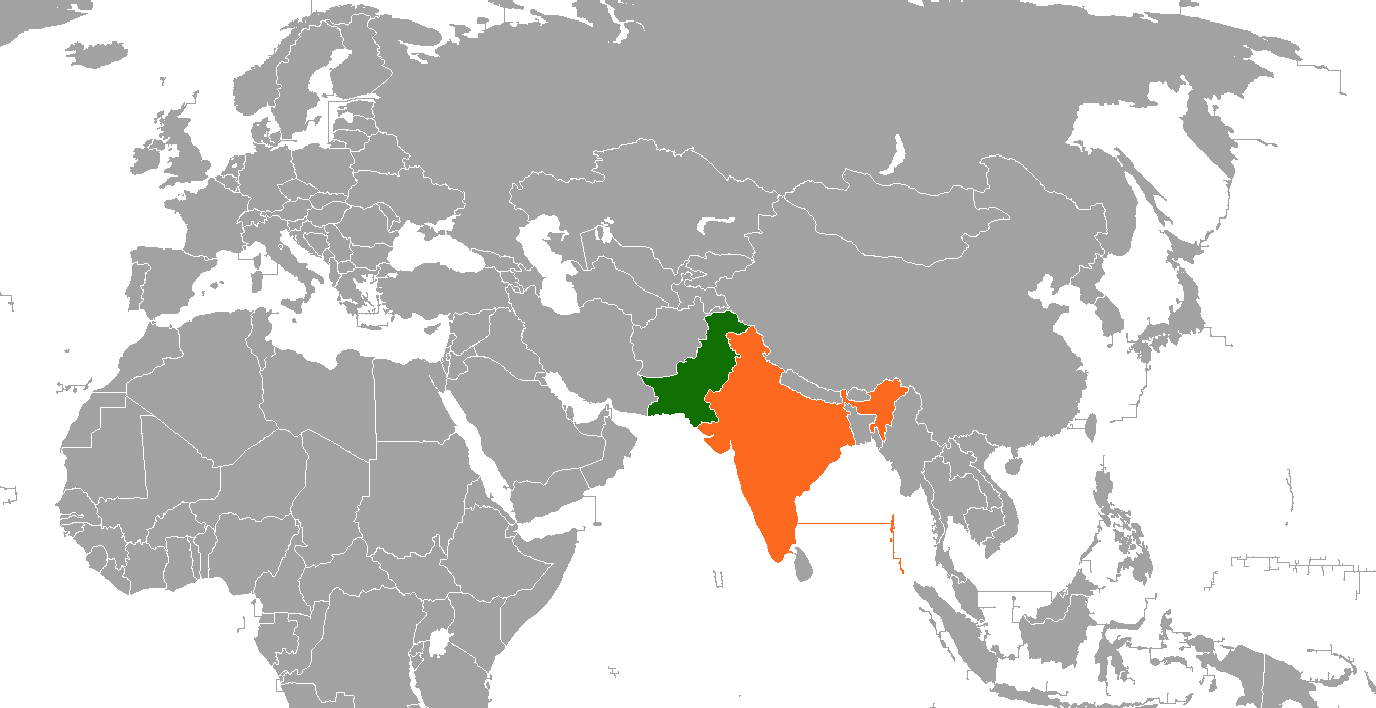
UAE-based airlines have resumed flights to Pakistan following the reopening of the country’s airspace, which had been closed due to military tensions along the border with India. The resumption of services marks a significant step in improving regional connectivity, with both Emirates and Etihad Airways promptly reinstating their routes to key Pakistani cities such as Islamabad, Karachi, and Lahore.

The closure of Pakistan’s airspace, which began earlier this year, had caused substantial disruption to air travel, especially for international carriers operating flights between the UAE and Pakistan. The airspace restrictions had forced airlines to reroute their flights, resulting in longer travel times, higher operational costs, and a reduction in passenger services. The renewed access is expected to enhance the efficiency of flight operations and restore passenger convenience between the two countries.

The airspace closure came as a consequence of escalating tensions between Pakistan and India, triggered by the ongoing disputes over the Kashmir region. These tensions led to a series of military confrontations, prompting both countries to take precautionary measures, including limiting access to their respective airspaces. The situation remained tense for several months, with the international community expressing concern over the stability of the region.

Diplomatic efforts led by the United States and other global powers played a crucial role in the eventual resolution of the situation. After several rounds of negotiation and pressure from major stakeholders, including the United Nations, Pakistan and India reached a ceasefire agreement, paving the way for the reopening of the airspace. While the terms of the agreement have not been publicly disclosed in full, both sides have reportedly committed to reducing military activity along the disputed borders, with the aim of stabilising the region.

The reopening of airspace holds significant economic implications, particularly for the UAE, which has a considerable number of expats from Pakistan. The demand for air travel between the two nations is substantial, and the resumption of direct flights will provide greater convenience for passengers. Additionally, it will enable airlines to operate more cost-effectively, as they will no longer need to take longer routes to avoid restricted airspace. The UAE’s flag carriers, Emirates and Etihad, are both highly reliant on international travel, and the restoration of these routes is expected to boost their bottom line, offering more frequent and efficient connections.

The reopening of the airspace comes at a critical time, as global air travel continues to recover from the impact of the COVID-19 pandemic. The pandemic led to a massive decline in air traffic worldwide, and the recovery of international routes is seen as a vital part of the aviation industry’s return to pre-pandemic levels of operations. For Pakistan, the resumption of flights is seen as a positive step in regaining access to the global aviation network and supporting its economic recovery.

Despite the positive developments, analysts warn that the situation remains fragile. The underlying political tensions between Pakistan and India have not been fully resolved, and the potential for flare-ups in the future remains a concern. While the ceasefire agreement has been welcomed, it is clear that long-term peace will require continued diplomatic engagement and confidence-building measures between the two nuclear-armed neighbours.

The UAE’s strategic interests in the region further underscore the importance of restoring stable air travel. As one of the Middle East’s key aviation hubs, Dubai, in particular, benefits from its role as a transit point for passengers travelling between Asia, Europe, and North America. The connectivity between Pakistan and the UAE is a significant component of this hub-and-spoke model, and the restoration of these routes will reinforce Dubai’s position as a global aviation leader.

The aviation sectors in both countries are now preparing to increase flight frequencies, with airlines already announcing plans to expand services in the coming months. Emirates, for instance, has indicated that it will gradually return to pre-crisis levels of capacity, while Etihad has committed to restoring full operations between Abu Dhabi and Lahore. These developments highlight the recovery of not just the airlines but also the broader travel and tourism sectors, which rely on air connectivity for economic growth.

The reopening of airspace signals a potential shift in how air travel can be affected by geopolitical tensions. While airlines and passengers generally hope for stability, there is an increasing awareness that political events and military tensions can have a significant impact on flight operations. In this context, air carriers are likely to continue exploring contingency plans and alternative routes to safeguard operations in the event of future escalations.


By K Raveendran Reports from across the border suggest that Pakistan is already suffering a fuel crisis, with petrol pumps having been ordered closed for the time being. An analysis of the emerging energy scenario in the wake of the ongoing conflict suggests the beginning of a serious crisis for Pakistan, while India is relatively […]

Tensions between India and Pakistan have prompted the closure of 24 airports in India, severely impacting civil aviation operations. The Ministry of Civil Aviation confirmed the development late on Thursday, citing security concerns due to the heightened situation. The airports, which include both major and smaller regional facilities, will be closed for an indefinite period, severely disrupting domestic and international flight schedules.

Airlines have also issued travel advisories, urging passengers to verify their flight status before heading to the airports. With the closures affecting airports in multiple states, airline operators have scrambled to adjust their operations. Several flights have been rerouted, while others have been delayed or cancelled entirely.

The decision to temporarily halt civil aviation activities was taken in light of the worsening security situation, as both nations engage in a war of words, following escalating border tensions and military skirmishes. Experts suggest that these disruptions could have significant economic consequences, especially for air traffic and tourism in India.

The airports affected include some of the busiest in the country, which serve as key hubs for both international and domestic flights. Among those closed are airports in major cities such as Mumbai, Delhi, and Bangalore, although smaller regional airports, especially those located closer to the western border, have also been impacted.

Authorities have not specified the exact nature of the threat leading to the closures but have made it clear that national security remains the top priority. Government sources indicate that security agencies are on high alert, monitoring the situation closely. The closure of these airports is seen as a precautionary measure to prevent any potential threats to civil aviation.

Airlines, including domestic carriers such as Air India and IndiGo, have been proactive in reaching out to passengers with updated flight details. The carriers have also advised those planning to travel to check with their respective airlines for any changes to their flight schedules. The uncertainty surrounding travel dates has caused frustration among passengers, many of whom are now scrambling to rebook their tickets.

The aviation industry, which has been recovering from the significant impacts of the COVID-19 pandemic, faces yet another setback. The temporary airport shutdowns come at a time when air travel demand has been rising in India, fuelled by a growing middle class eager to travel both domestically and internationally.

Travel experts caution that the ongoing closures could strain both the logistics and the tourism sector, which had been seeing an uptick in activity after a prolonged period of restrictions. Regional tourism hotspots, especially those relying heavily on air traffic, could feel the economic ramifications of these disruptions.

The closures are not the first instance of aviation disruptions tied to geopolitical tensions between India and Pakistan. Both nations have historically imposed airspace restrictions during periods of heightened conflict, particularly along their shared border. However, the scale of this shutdown, involving 24 airports, represents a significant disruption to India’s aviation infrastructure.

The government has yet to provide a timeline for when normal operations will resume at the affected airports. Aviation authorities have urged the public to remain patient and adhere to updated guidelines. Security forces have been deployed around the airports that remain operational, and extra measures are in place to handle the surge of passengers affected by the closures.

Meanwhile, businesses in sectors reliant on air cargo are also facing disruptions, with certain freight shipments delayed due to the grounding of flights. India’s growing logistics and e-commerce industries, which depend on efficient air freight services, could experience a ripple effect from the ongoing crisis.

As the situation continues to evolve, the Indian government has promised to keep the public informed of any further developments. The Ministry of Civil Aviation has set up a helpline for affected passengers and continues to collaborate with security agencies to monitor any emerging threats.

By Saifur Rahman The Emirates Group reported an 18 percent growth in profit before tax exceeding US$6.2 billion (Dh22.7 billion) – a new record – in the financial year 2024-25. This is the first financial year that the UAE corporate tax, enacted in 2023, is applied to the Emirates Group. After accounting for the 9 percent tax charge, the Group’s profit after tax reached US$5.6 billion (Dh20.5 […]

Taiwan’s China Airlines has confirmed an order for 14 Boeing 777X aircraft, comprising 10 777-9 passenger jets and four 777-8 freighters. The agreement includes options for an additional five 777-9s and four 777-8Fs, with deliveries scheduled to commence in 2029.

This procurement is part of a broader $11.9 billion investment aimed at modernising the airline’s long-haul fleet. The comprehensive plan also encompasses the acquisition of 10 Airbus A350-1000 passenger aircraft. The new aircraft are intended to replace aging Boeing 777-300ERs and Airbus A330-300s, enhancing operational efficiency and passenger experience.

The Boeing 777-9s will feature a three-class configuration: Premium Business, Premium Economy, and Economy. Notable enhancements include raised ceilings, improved cabin air exchange systems, and dynamic LED mood lighting designed to reduce passenger fatigue on long-haul flights. The Airbus A350-1000s will be equipped with Rolls-Royce Trent XWB-97 engines and will incorporate advanced features such as electro-dimmable windows for superior light control.

In the cargo sector, the addition of four Boeing 777-8F freighters will augment China Airlines’ existing fleet of nine 777Fs and eight 747-400Fs. The 777-8F offers a maximum structural payload of 118 tonnes and a range of 8,167 km, providing increased flexibility and capacity for long-haul cargo routes to North America and Europe.

China Airlines’ strategic decision to diversify its fleet with both Boeing and Airbus aircraft reflects a commitment to operational resilience and flexibility. This approach mitigates risks associated with supply chain disruptions or delays from a single manufacturer. The airline’s focus on sustainability is evident in the selection of fuel-efficient aircraft, aiming to reduce fuel consumption and carbon emissions by 25% compared to previous models.

The timing of this order is significant for Boeing, as it navigates challenges related to delays in the 777X program and geopolitical tensions affecting orders from mainland China. China Airlines’ commitment provides a boost to Boeing’s wide-body aircraft segment and underscores the airline’s confidence in the 777X’s capabilities.

The United Arab Emirates has called upon India and Pakistan to exercise restraint and prioritise diplomatic engagement following a surge in cross-border hostilities that has heightened fears of a broader conflict in South Asia.

Sheikh Abdullah bin Zayed Al Nahyan, the UAE’s Deputy Prime Minister and Minister of Foreign Affairs, issued a statement on Wednesday urging both nations to avoid further escalation that could jeopardise regional and international peace. He emphasised that diplomacy and dialogue remain the most effective means of resolving crises peacefully and achieving shared aspirations for stability and prosperity.

The appeal comes in the wake of India’s missile strikes targeting nine sites in Pakistan and Pakistan-administered Kashmir, reportedly aimed at militant infrastructure linked to the April 22 attack in Indian-administered Kashmir that killed 26 tourists. India’s Defence Ministry stated that the strikes were focused, measured, and non-escalatory, asserting that no Pakistani military facilities were targeted. However, Pakistan reported that the attacks resulted in at least 19 casualties, including women and children, and damaged several mosques and a medical clinic.

In retaliation, Pakistan claimed to have shot down five Indian fighter jets and launched strikes into Indian-administered Kashmir, reportedly killing three people. The heightened conflict has led to school closures, disrupted international flights, and drawn global concern, with calls for restraint from China, the United Nations, and U.S. leaders.

Sheikh Abdullah’s statement underscores the UAE’s commitment to supporting initiatives aimed at peaceful conflict resolution and mitigating humanitarian consequences. He stressed the importance of heeding voices calling for dialogue and mutual understanding to prevent military escalation and strengthen stability in South Asia.

The UAE has a history of mediating in regional conflicts and has previously facilitated exchanges between conflicting parties. Its call for restraint reflects a broader international consensus urging India and Pakistan to de-escalate tensions and engage in constructive dialogue to resolve their longstanding disputes.

Advertisements

At 1:44 a.m. on 6 May 2025, Indian armed forces carried out precision strikes on nine locations in Pakistan and Pakistan-administered Kashmir. The operation, codenamed ‘Operation Sindoor,’ was launched in response to the 22 April massacre in Pahalgam, where 26 civilians, predominantly Hindu tourists, were killed. The Indian government stated that the targets were terrorist infrastructure linked to the attack.

The Indian Ministry of Defence described the strikes as “focused, measured, and non-escalatory,” emphasizing that no Pakistani military facilities were targeted. The operation involved coordinated efforts from the Army, Navy, and Air Force, with Prime Minister Narendra Modi reportedly monitoring the mission closely.

Pakistan condemned the strikes, labeling them an “act of war” and reported civilian casualties, including the death of a child. Islamabad claimed to have shot down two Indian jets and vowed a robust response. A state of emergency was declared in Punjab province, and airspace was closed to commercial flights.

The Pahalgam attack, carried out by militants in army fatigues, targeted tourists in the Baisaran meadow. Eyewitnesses reported that the assailants singled out non-Muslims before opening fire. The Resistance Front, an offshoot of Lashkar-e-Taiba, initially claimed responsibility but later retracted. Indian authorities linked the attack to Pakistan-based operatives, citing digital traces leading to safe houses in Muzaffarabad and Karachi.

In the aftermath, India suspended the Indus Waters Treaty, expelled Pakistani diplomats, and closed borders. Pakistan responded by suspending the Simla Agreement, restricting trade, and closing airspace. Both nations have engaged in cross-border exchanges of fire, raising concerns of a broader conflict.

By Saifur Rahman When Ho Kwon Ping, a young Stanford drop-out, saw an abandoned tin mine in Thailand’s Bang Tao Bay in Laguna Phuket area in 1984, he didn’t know what to do with it as the land that was dimmed ‘useless’ by its former occupiers. It was a patch of a waste land with no activities then. In his Stanford days, he was a firebrand social […]

Saudi Arabian budget airline flynas, under the backing of billionaire Prince Alwaleed Bin Talal, is preparing to launch an initial public offering later this month. This move marks the first IPO by a Gulf airline in nearly two decades, a significant milestone for both the airline and the broader Middle Eastern aviation industry. The airline, which has become a key player in the region’s air travel market, […]

United Airlines has cut 35 daily flights at Newark Liberty International Airport, citing a critical shortage of air traffic controllers and repeated failures in the Federal Aviation Administration’s infrastructure. The move, which affects approximately 10% of United’s domestic round-trip operations at the airport, follows days of severe delays, cancellations, and diversions that have rippled across the national aviation network. Chief Executive Scott Kirby described the situation as […]

flynas has entered into an agreement with Safran to outfit its upcoming fleet of 60 Airbus A320neo aircraft with the latest-generation Z200 seats. The memorandum of understanding was formalised during the Arabian Travel Market in Dubai, with deliveries scheduled to commence in the latter half of 2025.

Each aircraft will feature a 174-seat configuration, comprising both Economy and Premium class sections. The Premium section, spanning four rows at the front of the cabin, will offer enhanced passenger comfort with wider seat pitch, adjustable headrests, and a middle seat blocker to provide additional personal space. The Economy class will be equipped with seats designed for medium- to long-haul flights, incorporating features such as smart cushions, portable electronic device holders, dual USB-A and USB-C power ports with 60W output, lower literature pockets, coat hooks, and cup holders.

Bander Almohanna, CEO of flynas, highlighted that this collaboration aligns with the airline’s expansion strategy, which aims to connect Saudi Arabia with 250 international destinations, accommodate 330 million passengers, and host 100 million tourists annually by 2030. He stated that the partnership with Safran is instrumental in reimagining flynas’ future cabins with smart design and advanced technologies, offering passengers a unique and comfortable travel experience.

Quentin Munier, Executive Vice President of Safran Seats France, expressed enthusiasm about the collaboration, noting that this marks Safran’s first partnership with flynas. He emphasized that the Z200 seats are designed to deliver benefits for both passengers and operators, enhancing comfort and operational efficiency.

LIVERPOOL, UK – Media OutReach Newswire – 23 April 2025 – Liverpool FC published its latest The Red Way report today, celebrating the club’s continued sustainability progress in building a better future for its people, planet and communities. Liverpool FC showcases its leadership in sustainability with latest The Red Way report The Red Way (TRW), which was launched in 2021, is the club’s award-winning sustainability strategy, and […]

CHENGDU, CHINA – Media OutReach Newswire – 17 April 2025 – On April 16, the “2025 Chengdu International Friendship Cities Cooperation and Development Forum”, hosted by the Chengdu Municipal People’s Government and organized by the Foreign Affairs Office of the Chengdu Municipal People’s Government, officially kicked off in Chengdu. This conference was themed on “Hand in Hand, Sharing and Winning Together”. Major activities included the opening ceremony, […]

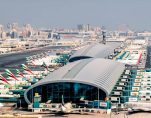
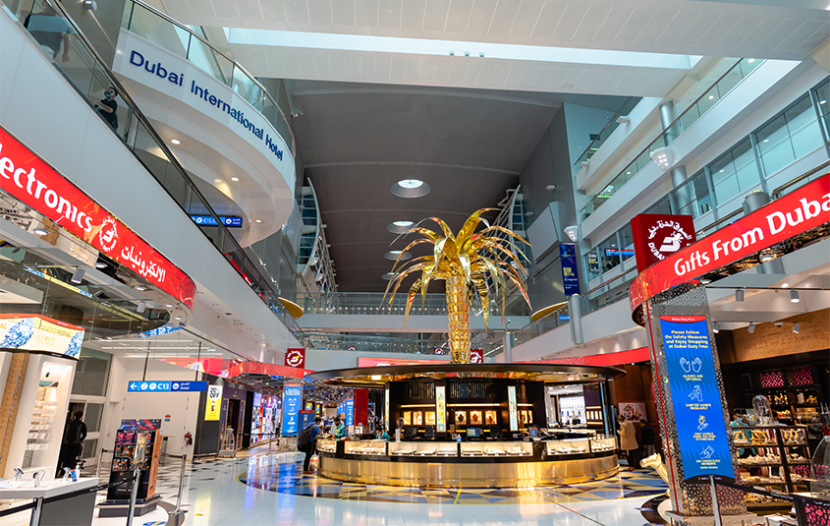
Dubai International Airport achieved a historic benchmark in 2024, welcoming 92.3 million passengers and solidifying its status as the world’s busiest international airport for the tenth consecutive year. This figure eclipses its previous high of 89.1 million set in 2018 and underscores the emirate’s strategic role in global aviation.

The surge in passenger traffic reflects Dubai’s sustained investment in infrastructure and its appeal as a nexus for international travel. December emerged as the busiest month, recording 8.2 million travellers, highlighting the city’s capacity to handle peak demand efficiently.

India remained DXB’s top destination market, contributing 12 million passengers. Saudi Arabia and the United Kingdom followed, with 7.6 million and 6.2 million passengers respectively. The airport’s extensive network now connects to 272 cities across 107 countries, serviced by 106 airlines, reinforcing its position as a global hub.

Operational efficiency has been a cornerstone of DXB’s success. Despite the increased footfall, 98.2% of departing passengers cleared passport control in under ten minutes, and 99.2% passed through security in less than five minutes. Baggage handling also saw improvements, with only 5.5 mishandled bags per 1,000 passengers, outperforming the international standard of 6.9.

Over the past decade, DXB has facilitated over 700 million passenger journeys across more than 3.3 million flights. This consistent performance is attributed to the airport’s commitment to innovation and excellence in service delivery.

Looking ahead, plans are underway to transition operations to Al Maktoum International Airport by 2032. The proposed $35 billion expansion aims to accommodate future growth, featuring five parallel runways and 400 aircraft gates. The design incorporates advanced technologies, including facial recognition systems, to streamline passenger processing and enhance the travel experience.

Dubai’s aviation sector continues to outpace traditional competitors. While London’s Heathrow Airport recorded 63.1 million passengers in the same period, DXB’s figures underscore its dominant position in international air travel.

Emirates Airline has intensified its sustainability initiatives by implementing a closed-loop recycling programme aimed at reducing plastic waste. This initiative involves recycling millions of onboard items, including plastic trays, bowls, snack dishes, and casserole dishes, at a local facility in Dubai. These items are remanufactured into new meal service products for use on flights, aligning with the principles of a circular economy where materials are reduced, reused, and recycled.

The recycling process entails collecting used and damaged meal service items from Economy and Premium Economy Class after flights. These items are then washed, inspected for damage, and transported to a Dubai facility where they are ground down, reprocessed, and remoulded into new dishes, bowls, and trays. The remanufactured products are subsequently returned to Emirates Flight Catering for use in future in-flight services.

Emirates has partnered with deSter FZE UAE, a leading provider of serviceware concepts to the aviation industry and an expert in closed-loop manufacturing, for this initiative. The new meal service items contain at least 25% reused material, with plans to increase this proportion over time. The deSter facility in UAE was chosen to minimize the carbon footprint associated with recycling processes, as it eliminates the need to send products to other countries for recycling. The factory also incorporates sustainable design principles, focusing on solar power, efficient water use, and waste minimization.

Corporate events have long gone beyond simple team building activities. They address a wide range of tasks today: helping to accelerate onboarding, improving internal communications, increasing employee engagement and strengthening corporate culture. This is especially important for employees of remote teams who risk losing contact with each other and the company due to remote working formats. In recent years, online tools have made communication easier and virtual […]

For those seeking an unforgettable vacation, The Holiday Island offers a variety of carefully designed tour packages to some of the world’s most iconic destinations. Whether you’re looking for a peaceful beach retreat, an adventurous cultural exploration, or a luxurious getaway, The Holiday Island ensures a journey that will remain in your memories for years to come. About The Holiday Island Tours & Travels LLC The Holiday […]

Abu Dhabi Aviation has entered into a strategic partnership with Archer Aviation to introduce the Midnight electric vertical take-off and landing aircraft in the United Arab Emirates . This collaboration aims to deploy the inaugural fleet of Midnight eVTOLs globally, commencing operations within the year.

The initiative is part of Archer’s “Launch Edition” program, which seeks to establish a scalable and repeatable framework for the commercial deployment of the Midnight aircraft in early adopter markets. The program’s objective is to build operational expertise, generate revenue, and strengthen long-term demand for urban air mobility solutions.

ADA and Archer will collaborate closely with the UAE General Civil Aviation Authority to ensure the safe integration of air taxi services into the region’s airspace. This partnership underscores the UAE’s commitment to adopting advanced technologies in transportation and enhancing urban mobility.

His Excellency Nader Al Hammadi, Chairman of Abu Dhabi Aviation, expressed enthusiasm about the partnership, stating, “We have been observing the advancements in eVTOL technology for years, and we are proud to partner with Archer to bring this innovation to the UAE. Abu Dhabi Aviation has the expertise to develop a scalable urban air mobility service, and we are excited to lead the way in launching the region’s first electric air taxi service, starting right here in Abu Dhabi.”

Archer’s Midnight aircraft is designed to carry a pilot and four passengers, offering a sustainable and efficient alternative for urban transportation. The eVTOL is engineered for rapid back-to-back flights with minimal charge time between operations, aiming to transform commutes that typically take 60 to 90 minutes by car into approximately 10 to 20-minute flights.

Adam Goldstein, CEO and Founder of Archer, highlighted the significance of the Launch Edition program, stating, “The unveiling of our Launch Edition program marks the beginning of the next chapter for Archer. This is how we’ll bring Midnight from the manufacturing line to our first customers—and it’s a playbook we’ll run repeatedly as we scale our operations globally. Thank you to Abu Dhabi Aviation for being our first Launch Edition customer. We have a big year ahead.”

To support the deployment, Archer plans to provide ADA with a team of pilots, technicians, and engineers to facilitate the initial operational ramp-up. Additionally, Archer intends to supply backend software infrastructure and a front-end booking application to support urban air mobility operations during the Launch Edition program.

Airlines across the globe are tightening regulations concerning the use and carriage of power banks on flights, following a series of incidents involving lithium-ion batteries. These measures aim to enhance passenger safety by mitigating the risks associated with battery malfunctions.

In January, an Air Busan aircraft in South Korea was engulfed in flames while preparing for departure. Investigations suggest that a power bank was the likely cause of the fire. In response, Air Busan revised its policies, now requiring passengers to carry power banks on their person rather than storing them in overhead compartments. By March 1, South Korean authorities mandated all national airlines to enforce stricter regulations, including prohibiting the charging of devices onboard.

Singapore Airlines and its budget subsidiary, Scoot, announced that from April 1, passengers would be prohibited from charging portable power banks via onboard USB ports or using them to charge personal devices during flights. The airline emphasized that safety remains its top priority and that in-flight procedures are regularly reviewed to ensure passenger well-being.

Kazakhstan’s Air Astana implemented similar measures on March 13, banning the charging or use of power banks during flights. The airline specified that lithium batteries, external batteries, and e-cigarettes must be kept in hand luggage and placed in the overhead bins.

Taiwanese carriers EVA Air and China Airlines introduced prohibitions starting March 1, disallowing the charging and use of power banks and spare lithium batteries during flights. Both airlines advised passengers to utilize the USB power outlets available at most seats for charging other devices.

Thai Airways followed suit on March 15, banning the use and charging of power banks and portable batteries during flights. The airline’s decision aligns with a broader industry trend aimed at reducing in-flight fire hazards associated with lithium-ion batteries.

Hong Kong’s Civil Aviation Department expressed significant concern over safety incidents involving passengers using lithium power banks during flights. Consequently, from April 7, passengers on Hong Kong-based airlines will be prohibited from using or charging power banks during flights and from storing them in overhead compartments. Instead, power banks should be kept under the seat or in the seat pocket in front of passengers.

These regulatory changes are in response to a rising number of incidents involving lithium-ion batteries. In 2024, the U.S. Federal Aviation Administration recorded three incidents of overheating lithium batteries on planes every two weeks, up from just under one per week in 2018. Such statistics underscore the growing concern within the aviation industry regarding the safety of these devices.

KUALA LUMPUR, MALAYSIA – Media OutReach Newswire – 24 March 2025 – Premium travel lifestyle brand Cathay is strengthening its lifestyle presence in Southeast Asia through an exciting new partnership with Mitsui Mall Group in Kuala Lumpur. This collaboration opens up new ways for Cathay members to earn Asia Miles while shopping or dining at two popular retail hubs in Kuala Lumpur—Mitsui Outlet Park KLIA Sepang and […]

A major fire at an electrical substation in Hayes, west London, has led to the complete closure of Heathrow Airport, causing widespread disruption to global air travel. The blaze resulted in a significant power outage, prompting airport authorities to suspend all operations until midnight on 21 March. The incident began when a fire broke out at the North Hyde substation, approximately 1.5 miles from Heathrow. Emergency services, […]

Wizz Air Abu Dhabi has announced the inauguration of a direct flight service connecting Abu Dhabi to Beirut, commencing on June 4, 2025. This development is seen as a strategic move to capitalize on Lebanon’s burgeoning tourism sector following a prolonged period of conflict.

The ultra-low-cost carrier will operate three weekly flights to the Lebanese capital, with fares starting at 359 AED. This initiative underscores the airline’s commitment to expanding its network in the Middle East, aiming to cater to both the visiting friends and relatives segment and leisure travelers. The introduction of this route is anticipated to enhance connectivity between the UAE and Lebanon, facilitating increased tourism and business exchanges.

The decision to launch this route aligns with Lebanon’s efforts to rejuvenate its tourism industry, which has been severely impacted by the 14-month conflict between Israel and Hezbollah. The ceasefire agreement, effective since November 27, 2024, has ushered in a period of relative stability, prompting optimism among stakeholders in the tourism sector. However, challenges persist, particularly in regions near the southern border, where access to certain tourism projects remains restricted due to security concerns.

The World Bank estimates that Lebanon requires approximately $11 billion for reconstruction and recovery following the extensive damages incurred during the conflict. Despite these challenges, there is a palpable sense of hope as displaced residents begin to return, and businesses, including those in the tourism sector, initiate rebuilding efforts. The resumption of international flights, such as Wizz Air Abu Dhabi’s new route, is expected to play a pivotal role in this recovery process by boosting tourist arrivals and stimulating economic activity.

Johan Eidhagen, Managing Director of Wizz Air Abu Dhabi, expressed enthusiasm about the new route, stating that it reflects the airline’s strategy to expand its network and offer affordable travel options to emerging destinations. He emphasized the potential of Beirut as a vibrant city with rich cultural heritage, making it an attractive destination for travelers from the UAE and beyond.

The Lebanese government has also been proactive in its efforts to revitalize the tourism industry. Initiatives include infrastructure development, promotional campaigns targeting international markets, and collaborations with airlines to enhance accessibility. The introduction of Wizz Air Abu Dhabi’s flights is expected to complement these efforts by providing a cost-effective travel option, thereby attracting a broader demographic of tourists.

However, the path to full recovery is fraught with challenges. The lingering effects of the conflict, coupled with economic constraints, necessitate concerted efforts from both the public and private sectors. Ensuring the safety and security of tourists, rebuilding damaged infrastructure, and restoring confidence among international travelers are critical components of this recovery strategy. The collaboration between airlines like Wizz Air Abu Dhabi and Lebanese authorities signifies a positive step towards achieving these objectives.

SpaceX’s ambitious Starship program encountered a significant setback as its eighth test flight ended in failure. The spacecraft disintegrated minutes after launch from Boca Chica, Texas, scattering debris over the Caribbean. This incident marks the second failure for the Starship vehicle within a span of six weeks, raising concerns about the program’s trajectory and safety protocols. The test flight commenced at 5:30 p.m. CST, with the Super […]

VISHNU RAJA
RYO YAMADA
HITORI GOTOH
IKUYO KITA