Medical science is undergoing a transformative phase, with innovative approaches like xenotransplantation, 3D bioprinting, and stem cell therapies offering potential solutions to the persistent organ shortage crisis. These cutting-edge technologies aim to bridge the gap between organ demand and supply, providing hope to thousands awaiting transplants.
Xenotransplantation, the practice of transplanting organs from one species to another, has seen significant strides. In November 2024, Towana Looney, a 57-year-old Alabama resident, received a kidney from a genetically engineered pig at NYU Langone Health. This procedure eliminated her need for dialysis, and she was discharged in stable condition on December 6. This landmark surgery underscores the potential of xenotransplantation in addressing the organ shortage, with over 103,000 individuals in the U.S. currently on transplant waiting lists, the majority requiring kidneys.
The success of such transplants hinges on advanced gene-editing techniques. Companies like Revivicor have developed genetically modified pigs with specific edits to reduce the risk of organ rejection in human recipients. These modifications are crucial, as they help the human immune system accept the foreign organ, thereby enhancing the viability of xenotransplants. However, challenges persist, including ensuring long-term organ function and addressing ethical considerations surrounding the use of animals for organ harvesting.
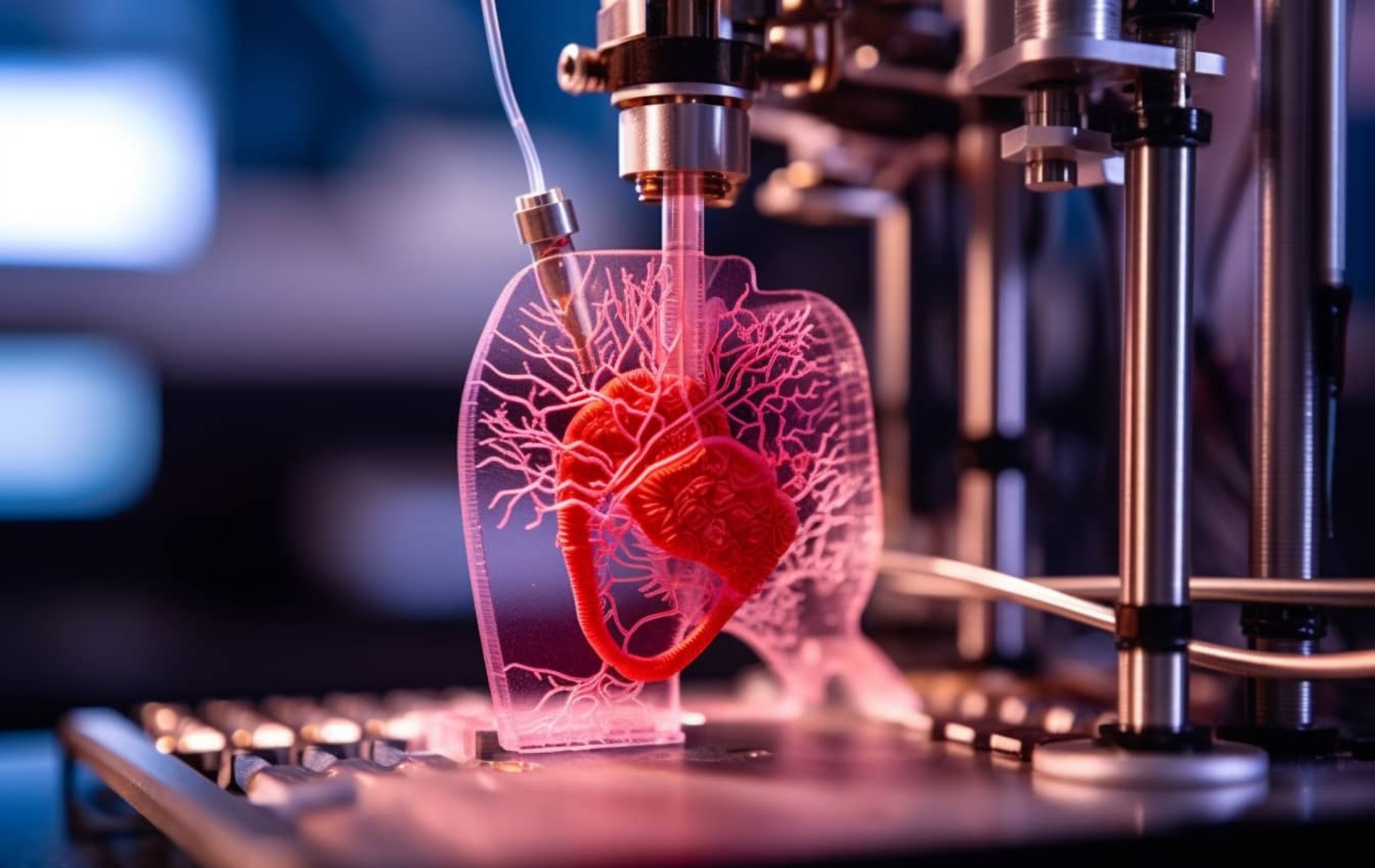
In tandem with xenotransplantation, 3D bioprinting is emerging as a revolutionary method for organ fabrication. This technology involves the precise layering of living cells and biomaterials to construct complex tissues and organs. Researchers have successfully bioprinted components of the human heart using collagen, demonstrating the potential to create patient-specific organ replacements. While still in experimental stages, advancements in 3D bioprinting hold promise for on-demand organ manufacturing, potentially eliminating the dependence on donor organs and reducing transplant wait times.
Stem cell therapies are also making significant contributions to regenerative medicine. A notable development involves the use of stem cell patches to repair damaged heart tissue. In a study published in “Nature,” scientists applied patches grown from induced pluripotent stem cells to the hearts of patients suffering from heart failure. These patches integrated with the existing heart tissue, improved cardiac function, and offered a new treatment avenue for the approximately 920,000 individuals in the UK affected by heart failure. While patients require immunosuppressive therapy to prevent rejection, this approach provides a viable alternative to full organ transplantation.
The integration of these technologies is further exemplified by initiatives such as the Transforming Transplant Initiative. This research effort combines 3D bioprinting, tissue engineering, and biomaterials to cultivate human-like organs. Dr. Taner, a leading figure in the initiative, emphasizes the complexity of bioengineering new organs, projecting a research timeline of 10 to 15 years before these options become clinically available. The initiative aims to create functional organs tailored to individual patients, thereby reducing the risk of rejection and improving transplant outcomes.
Despite the promise these technologies hold, ethical and logistical challenges remain. The use of genetically modified pigs raises concerns about animal welfare and the potential transmission of zoonotic diseases. Moreover, the long-term viability and functionality of bioengineered organs are still under investigation. Researchers and ethicists advocate for continued investment in alternative solutions, such as growing human organs from patients’ own cells and improving the management of conditions that lead to organ failure.
In response to the growing interest and potential of xenotransplantation, United Therapeutics Corp. has announced plans to construct a $96 million facility in Houston dedicated to breeding genetically engineered pigs for organ transplants. Scheduled to begin construction in February 2025, this facility aims to produce organs compatible with human physiology, adhering to FDA standards. While this development signifies a proactive approach to addressing organ shortages, it also invites scrutiny from animal rights organizations and necessitates robust ethical considerations.
Follow Arabian Post
Select Arabian Post as your preferred source on Google and MSN News for trusted business news and Arab politics and updates.