

Category: Cybersecurity
Latest Arabian cybersecurity news covering global cyber threats, ransomware attacks, data breaches, digital espionage, and technology security developments affecting governments, companies and individuals.
Hosting panels face root takeover wave
Cybersecurity teams are racing to contain attacks against cPanel and WHM servers after a critical authentication bypass flaw opened a path for unauthorised access to hosting control panels used across large parts of the web. The vulnerability, tracked as CVE-2026-41940, affects cPanel & WHM versions after 11.40, including DNSOnly, as well as WP Squared versions up to 136.1.6. It carries a CVSS score of 9.8, placing it in the critical category because an attacker can exploit it remotely without credentials or
AI-built zero day raises cyber alarms
Cybercriminals have used artificial intelligence to identify and weaponise a previously unknown software flaw, marking a significant escalation in the use of AI for offensive cyber operations. The attempted campaign targeted a widely used open-source, web-based system administration tool and centred on a zero-day vulnerability that could bypass two-factor authentication when valid user credentials were already available. The operation was disrupted before it could be used in a wider mass-exploitation attack, limiting immediate damage but raising concern across the security industry
Claude lure targets developer secrets
Cybercriminals are using fake Claude Code installation pages to push a PowerShell-based information stealer at developers, marking a sharper turn in attacks that exploit the rush to adopt AI coding tools. The campaign impersonates Anthropic’s Claude Code, a command-line assistant used by software teams to write, review and debug code. Victims are drawn through sponsored search results or cloned documentation pages that resemble legitimate installation guides. Instead of installing the tool, the copied command launches a Windows infection chain built around
Fake OpenClaw installer widens credential theft
Cybercriminals are exploiting interest in OpenClaw with a counterfeit installer that delivers a Rust-based information stealer designed to harvest cryptocurrency wallet data, browser secrets and password-manager credentials. The campaign centres on a fake OpenClaw download site and a typosquatted GitHub organisation that impersonates the legitimate open-source AI assistant project. Victims are lured into downloading what appears to be a Windows installer, but the archive instead contains a large malicious executable engineered to avoid routine security checks and frustrate automated analysis. The malware
Relaunched Crimenetwork falls to European cyber police
German and Spanish police have shut down a revived version of Crimenetwork, the German-speaking dark web marketplace that had re-emerged within days of its 2024 takedown, arresting a 35-year-old German citizen at his home in Mallorca under a European arrest warrant. The suspect, from the Recklinghausen district in North Rhine-Westphalia, is accused of building and administering a new technical infrastructure for Crimenetwork after the original platform was dismantled in December 2024. The relaunched marketplace had gathered more than 22,000 users and
Claude chat lure exposes Mac users
Mac users searching for Claude installation help are being targeted by a malvertising campaign that turns Google-sponsored results and legitimate Claude shared-chat pages into a malware delivery route. The campaign, disclosed on 10 May by security researcher Berk Albayrak, uses search ads that appear to point to Anthropic’s real claude. ai domain. Users looking for terms such as “Claude mac download” are led to a shared Claude chat that presents itself as an official “Claude Code on Mac” installation guide and
Bogus Claude portal plants Windows backdoor
Windows users seeking Claude-branded desktop tools have been targeted by a fake Anthropic-themed website distributing Beagle, a previously undocumented backdoor delivered through a DLL sideloading chain that gives attackers remote control over infected machines. The campaign used the domain claude-pro[.]com to imitate Claude’s official interface and lure visitors into downloading a supposed Claude-Pro Relay installer aimed at developers working with Claude Code. The fraudulent site copied the visual cues of the real Claude service, including similar colours and fonts, but its
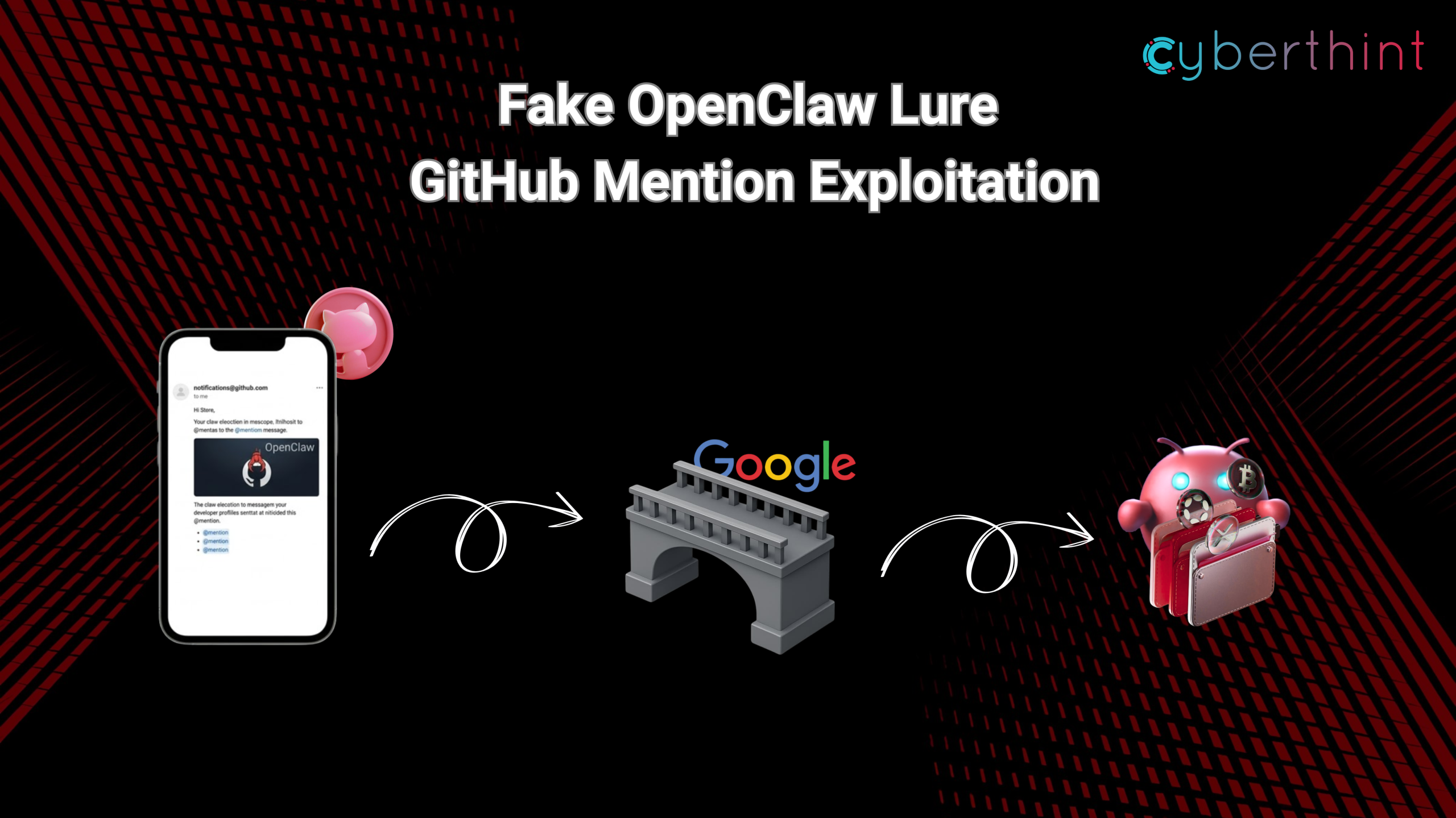
Fake OpenClaw lure exposes wallet risks
Hackers are exploiting demand for OpenClaw by circulating a counterfeit installer that delivers Hologram, a Rust-based information-stealing framework built to harvest credentials from crypto wallets, password managers and browser extensions. Security analysis of the campaign shows a polished fake installer site distributing an archive named OpenClawx64.7z. Inside it is OpenClawx64. exe, a bloated 130MB executable designed to appear legitimate while frustrating automated sandbox checks. The payload is tied to a wider abuse pattern in which attackers mimic fast-growing AI tools, open-source
PCPJack sharpens cloud credential threat
Cloud security teams are facing a new credential-theft campaign after researchers identified PCPJack, a worm-like malware framework built to compromise exposed container, database and cloud-native systems while stripping away traces of rival TeamPCP tooling. The framework targets internet-facing Docker APIs, Kubernetes environments, Redis and MongoDB instances, Ray dashboards and vulnerable web applications. Its operators appear less interested in cryptomining, a familiar revenue stream in cloud intrusions, and more focused on harvesting credentials that can be used for fraud, spam operations, extortion
Fake call apps expose Play Store gaps
Fraudulent Android apps promising private call records for any phone number drew more than 7.3 million downloads on Google Play before being removed, exposing fresh weaknesses in app-store screening, digital payments oversight and consumer protection around subscription fraud. The 28 apps, tracked under the name CallPhantom, advertised access to call histories, SMS records and WhatsApp call logs, a service they could not legitimately provide. Users were asked to pay before seeing the full results, but the information displayed after payment
GitHub lures deepen Windows infostealer threat
Cybersecurity researchers have identified a targeted espionage-style malware campaign that uses GitHub Releases to conceal payload delivery, combining phishing, trusted cloud infrastructure and a fileless Python implant to steal sensitive data from Windows systems. The operation, tracked as Operation HumanitarianBait, begins with phishing emails carrying a malicious Windows shortcut file inside a RAR archive. The lure is built around Russian-language humanitarian aid material, including what appears to be an application form for assistance. Once opened, the shortcut launches a hidden infection
AI tools expose water sector risks
Commercial artificial intelligence models helped an unidentified adversary plan and conduct a cyber intrusion against the operational technology environment of a water and drainage utility in Mexico, sharpening concern over how widely available AI systems can accelerate attacks on critical infrastructure. Industrial security specialists at Dragos said the campaign targeted a municipal utility serving the Monterrey metropolitan area after a wider compromise of Mexican government organisations between December 2025 and February 2026. The intrusion began in the enterprise IT network and
Workplace logins become insider risk
Corporate login credentials have become a growing internal security weakness, with one in eight workers admitting they have sold access to company systems or know someone who has done so over the past year. The finding points to a shift in workplace fraud risk from external hacking alone to insider-enabled access, where criminals can enter corporate systems through legitimate credentials rather than breaking through technical defences. The issue is gaining urgency as businesses expand remote work, cloud platforms, contractor access and
NuGet impostors expose developer secrets
Malicious NuGet packages masquerading as familiar. NET libraries have put developer workstations and build environments at risk of credential theft, with attackers using plausible package names, hidden version histories and obfuscated payloads to target users in Chinese software ecosystems. Five packages identified in the campaign — IR. DantUI, IR. OscarUI, IR. Infrastructure. Core, IR. Infrastructure. DataService. Core and IR. iplus32 — were published through the same account, bmrxntfj. They presented themselves as user interface and infrastructure components for. NET development, a
Vercel abuse sharpens phishing threat
Cybercriminals are turning Vercel’s AI-assisted web development tools into a faster route for building convincing phishing pages, raising fresh concerns over how legitimate cloud platforms are being exploited to steal credentials and evade traditional email defences. Security analysts tracking the activity have identified a sharp rise in campaigns using Vercel-hosted pages to imitate widely recognised brands, including Microsoft, Spotify, Adidas, Ferrari, Louis Vuitton and Nike. The lures range from fake sign-in portals and calendar invites to bogus recruitment messages and brand-themed

Phishing ads target WordPress control panels
Hackers are using sponsored Google search results to steal ManageWP credentials, raising fresh concerns over the exposure of agencies, developers and businesses that administer large fleets of WordPress websites through a single GoDaddy-owned dashboard. The campaign places a fraudulent advertisement above the legitimate ManageWP search result, copying the platform’s branding and directing users to a look-alike login page. Victims who search for ManageWP rather than typing the official address manually are led into an adversary-in-the-middle phishing flow that captures credentials and
Bogus Mac cleaners widen stealer threat
Mac users are being targeted by a widening ClickFix campaign that disguises malicious commands as disk-cleaning and system-maintenance advice, turning routine troubleshooting into a route for credential theft, wallet compromise and cloud-data exposure. The attacks use pages that appear to offer help with storage optimisation, system clean-up or utility installation. Victims are instructed to copy commands into Terminal, or in some variants to trigger Apple’s Script Editor, under the impression that they are reclaiming disk space or installing trusted helper tools.
MS Teams phishing masks espionage campaign
Cybersecurity investigators have linked a Microsoft Teams-based credential theft operation to MuddyWater, the state-sponsored threat group associated with Iran’s intelligence apparatus, after an intrusion first presented itself as an ordinary Chaos ransomware attack. The operation, detected in early 2026 and detailed this week, shows how trusted workplace collaboration tools are being turned into entry points for espionage. Attackers used Teams chats and screen-sharing sessions to trick employees into handing over credentials, assist with multi-factor authentication approvals and provide access that later
Salat stealer sharpens Windows intrusion playbook
Cybersecurity teams are tracking a more capable strain of Salat Stealer, a Windows-focused malware family that has moved beyond routine credential theft into full remote access, surveillance and stealthy command-and-control activity. The Go-based tool, also tracked as WEB_RAT, combines the functions of an infostealer and a Remote Access Trojan. Its operators can harvest browser passwords, cookies, Telegram sessions, cryptocurrency wallet data and system details, while also opening remote shells, logging keystrokes, watching the clipboard, streaming desktop activity and accessing webcams. The
CloudZ exposes weak link in OTP security
Cybercriminals are exploiting Microsoft’s Phone Link app to intercept text messages and one-time passwords from connected smartphones without installing malware on the phone itself, exposing a fresh weakness in cross-device authentication systems. The activity centres on CloudZ, a modular remote access trojan deployed on Windows machines, and a previously undocumented plugin called Pheno. The malware has been observed in an intrusion active since at least January 2026, using the trust relationship between a Windows PC and a paired mobile device to
Iran-linked hackers mask espionage as extortion
Cybersecurity investigators have linked a deceptive ransomware-style intrusion to MuddyWater, a state-sponsored hacking group associated with Tehran’s intelligence apparatus, after forensic evidence showed the operation was built around espionage rather than financial extortion. The campaign, observed in early 2026, was presented to victims as an attack by an affiliate of the Chaos ransomware-as-a-service ecosystem. Yet the intrusion lacked a defining feature of ransomware: there was no file encryption. Instead, the attackers focused on social engineering, credential theft, multi-factor authentication manipulation, persistence,
Oman ministries face widening cyber breach
Omani government networks have been hit by a wide-ranging espionage campaign attributed to Iran-linked operators, with evidence pointing to the theft of judicial records, identity data, staff credentials and internal system files from multiple state entities. The operation centred on the Ministry of Justice and Legal Affairs, where attackers used a custom ASP. NET webshell to maintain access, issue commands and extract data. Exposed attacker infrastructure showed more than 26,000 DotNetNuke user records taken from ministry systems, including staff email addresses
QLNX raises alarm over developer credential theft
A newly documented Linux remote access trojan has sharpened concerns over software supply-chain security after researchers found it was built to steal developer and DevOps credentials that could be used to compromise trusted code repositories, cloud systems and package registries. The malware, known as Quasar Linux or QLNX, combines remote access functions with a rootkit, a Pluggable Authentication Module backdoor, keylogging and credential-harvesting features. Its design suggests an intent to establish long-term control over Linux developer environments rather than carry out
Compliance lures expose Microsoft account risks
Microsoft has warned of a large-scale credential theft operation that used fake workplace compliance emails to target more than 35,000 users across over 13,000 organisations in 26 countries, underscoring how cybercriminals are refining corporate-style social engineering to bypass both human caution and automated defences. The campaign, observed between April 14 and 16, 2026, relied on emails that appeared to come from internal human resources, regulatory or conduct departments. The messages claimed that a code-of-conduct review or non-compliance case had been opened
Gaming platform breach exposes Yanbian users
North Korea-linked hackers compromised a gaming platform used by ethnic Koreans in China’s Yanbian region, turning Windows and Android game software into surveillance tools aimed at users in a strategically sensitive border community. Cybersecurity researchers identified the operation as the work of ScarCruft, also tracked as APT37, Reaper and Ricochet Chollima, a long-running espionage group aligned with Pyongyang. The campaign appears to have been active since late 2024 and centred on sqgame. net, a platform offering Yanbian-themed card and board games
Trellix breach sharpens source code concerns
Cybersecurity vendor Trellix has confirmed unauthorised access to part of its source-code repository, raising fresh questions over the protection of development environments inside companies trusted to defend enterprises and public-sector networks. The privately held company said it had brought in external forensic specialists after identifying the intrusion and had notified law enforcement. Trellix said its investigation had so far found no evidence that its source-code release or distribution process was affected, or that the accessed code had been exploited. The company
Small contractors face stealth cyber squeeze
Small US defence suppliers are being outmatched by nation-state hackers using poorly monitored network edges to gain long-term access before attacks become visible, new cyber threat analysis has warned. Team Cymru senior threat intelligence adviser Stephen Campbell said smaller companies inside the US Defense Industrial Base face a structural disadvantage because many hold sensitive contract, technical and personnel data but lack the network-level visibility available to major prime contractors. His assessment points to routers, firewalls, VPN concentrators and other edge devices
SAP developers face npm supply shock
Malicious code inserted into four SAP-related npm packages exposed developer workstations and automated build systems to credential theft, marking a sharp escalation in attacks against open-source software supply chains used by enterprise technology teams. The compromised packages were published on April 29, 2026, and affected components tied to SAP’s Cloud Application Programming Model and Multi-Target Application build workflows. The malicious versions identified were @cap-js/sqlite 2.2.2, @cap-js/postgres 2.2.2, @cap-js/db-service 2.10.1 and mbt 1.2.48. Each carried installation-time code that could run before developers
QR phishing reshapes Microsoft email threat map
Microsoft detected about 8.3 billion email-based phishing threats in the first quarter of 2026, exposing a sharp shift in attacker behaviour as criminal groups moved deeper into QR codes, fake CAPTCHA pages, phishing-as-a-service kits and file-based payloads to bypass conventional email defences. The volume eased from about 2.9 billion threats in January to 2.6 billion in March, but the decline in headline numbers masked a more important change in tactics. Link-based threats dominated the quarter, accounting for 78 per cent of

cPanel flaw exposes hosting defences
A publicly released exploit for a critical cPanel and WebHost Manager flaw has intensified pressure on hosting companies and website operators after monitoring groups reported tens of thousands of likely compromised internet-facing systems. The vulnerability, tracked as CVE-2026-41940, allows unauthenticated attackers to bypass login controls and obtain administrative access to affected cPanel & WHM environments. The weakness carries a CVSS severity score of 9.8, placing it among the highest-risk flaws facing shared hosting providers, managed server operators and organisations running exposed
Trusted platforms fuel Facebook account theft
More than 30,000 Facebook accounts have been compromised in a large phishing operation that exploited trusted internet services to make fraudulent messages appear legitimate, sharpening concerns over how cybercriminals are turning mainstream cloud tools into delivery channels for account theft. Cybersecurity researchers have identified the campaign as AccountDumpling, a Vietnamese-linked operation aimed largely at Facebook Business users, page administrators and account operators. The attackers used Google AppSheet to send authenticated emails, Netlify and Vercel to host deceptive pages, Google Drive to
Wireshark update exposes packet analysis risks
Wireshark has issued version 4.6.5 after a large batch of security flaws was identified across its packet dissection engine, protocol parsers and file-handling components, underscoring the risk faced by administrators and security teams using the tool to inspect untrusted network traffic. The release fixes more than 40 vulnerabilities, including several flaws that may allow arbitrary code execution when malformed packets, crafted trace files or malicious configuration profiles are processed. The update affects one of the world’s most widely used network protocol
Chrome users face urgent browser patch
Google has issued an urgent Chrome security update after fixing 30 vulnerabilities, including four critical memory-related flaws that could expose users to attacks through compromised or malicious web pages. The update moves Chrome’s stable desktop channel to version 147.0.7727.137 or 147.0.7727.138, depending on platform, and is being rolled out across Windows, macOS and Linux. Users have been advised to restart the browser after the update is installed, as Chrome does not fully apply security fixes until the relaunch is completed. The four

Fake meetings fuel crypto malware raids
A fake video meeting can now be enough to breach a Web3 company, with North Korea-linked BlueNoroff hackers using bogus Zoom calls, clipboard tricks and fileless PowerShell malware to steal credentials from cryptocurrency targets across multiple countries. The campaign marks a sharper turn in social engineering against the digital assets sector, where attackers are no longer relying only on malicious attachments or crude phishing pages. Instead, they are building convincing meeting environments, impersonating credible figures in the fintech and legal world,