News related to
Etihad

Etihad Rail has launched the region’s first “CO2 Emission Avoidance and Reduction Certificates,” enabling businesses to quantify and validate the carbon savings achieved by choosing rail over alternative transport modes. This initiative aligns with the UAE’s Net Zero by 2050 Strategy and supports the nation’s climate change agenda. The certificates, powered by EcoTransIT, a globally recognized tool for assessing the environmental impact of transport, calculate CO2 Equivalents […]

Abu Dhabi’s state-owned holding company, ADQ, has acquired a 22% stake in Aramex, a leading global logistics and transportation solutions provider. This strategic investment aims to bolster the United Arab Emirates’ position in the international logistics and transportation sector.

The acquisition was executed through a series of on-market transactions and an off-market special deal. Murtaza Hussain, ADQ’s acting chief investment officer for M&A and alternative investments, stated that Aramex’s global leadership in logistics complements ADQ’s existing investments, including Abu Dhabi Ports, Abu Dhabi Airport, and Etihad Rail, as the company works to expand the UAE’s logistics ecosystem.

Established in 1982, Aramex has grown into a global provider of logistics and transportation solutions, with over 600 offices in more than 65 countries. The company offers a wide range of services, including domestic and international express delivery, e-commerce shipping and fulfillment solutions, road, air, and sea freight, supply chain management, and more.

In September 2020, ADQ initially acquired the 22% stake in Aramex through its subsidiary, Alpha Oryx Limited. This move was part of ADQ’s broader strategy to invest in key sectors that support the UAE’s economic diversification and growth.

Subsequently, in January 2022, Alpha Oryx transferred its 22.32% stake in Aramex to Abu Dhabi Ports Group, another ADQ subsidiary. This transfer aimed to create synergies between Aramex’s global logistics operations and Abu Dhabi Ports’ regional infrastructure, enhancing the UAE’s logistics capabilities.

Aramex has been actively restructuring its operations to adapt to the evolving logistics landscape. In September 2021, the company split its core businesses into Aramex Express, focusing on business-to-consumer deliveries, and Aramex Logistics, handling business-to-business operations. This strategic realignment was designed to capture growth opportunities in the post-COVID-19 transportation and logistics industry.

The UAE’s logistics sector has been experiencing significant growth, driven by increasing e-commerce demand and strategic investments in infrastructure. ADQ’s acquisition of a substantial stake in Aramex aligns with the nation’s vision to become a global logistics hub, leveraging its strategic location and advanced infrastructure.

ADQ, established in 2018, is one of the region’s largest holding companies, with a broad portfolio spanning key sectors, including utilities, tourism and hospitality, aviation, transportation, logistics, industrial, real estate, media, healthcare, food and agriculture, and financial services. The company’s investment in Aramex reflects its commitment to enhancing the UAE’s economic competitiveness and diversification.

The United Arab Emirates has undertaken a series of ambitious infrastructure projects throughout 2024, aiming to enhance economic growth and improve the quality of life for its residents. These initiatives span various sectors, including transportation, water management, and urban development. In the transportation sector, the Dubai Roads and Transport Authority (RTA) awarded a contract valued at 20.5 billion dirhams (approximately $5.6 billion) for the construction of the […]

Abu Dhabi’s tourism industry is experiencing significant growth, marked by a substantial increase in visitor numbers and a corresponding expansion of its workforce. From January to October 2024, the emirate welcomed 4.8 million hotel guests, surpassing pre-pandemic figures and achieving a 26 percent increase in international arrivals compared to 2023.

This surge in tourism has been accompanied by a notable rise in employment within the sector. The World Travel & Tourism Council (WTTC) forecasts that by the end of 2024, the UAE’s travel and tourism sector will employ nearly 833,000 individuals, reflecting an increase of more than 23,500 jobs from the previous year.

Abu Dhabi’s ambitious Tourism Strategy 2030 aims to further elevate the sector’s contribution to the economy. The strategy sets a target of attracting 40 million visitors and generating 178,000 new jobs by 2030, which would bring the total employment in the tourism sector to approximately 366,000.

The emirate’s hotel industry has mirrored this upward trend. In the first five months of 2024, Abu Dhabi hotels received over 2.4 million guests, generating revenues totaling AED 3.18 billion. The distribution of hotel guests during this period was as follows: 498,700 in January, 507,400 in February, 433,700 in March, 500,080 in April, and 471,800 in May.

The UAE’s broader tourism sector has also demonstrated robust performance. In the first half of 2024, hotel establishment revenues across the seven emirates increased by 7 percent to reach AED 24.6 billion. The number of hotel guests during this period reached approximately 15.3 million, reflecting a 13 percent growth compared to the same period in 2023.

Abu Dhabi’s commitment to enhancing its tourism offerings is evident in its strategic initiatives and investments. The Department of Culture and Tourism – Abu Dhabi (DCT Abu Dhabi) has been instrumental in promoting the emirate as a premier global destination, focusing on cultural tourism, heritage preservation, and the development of world-class attractions. Notably, more than 3.9 million visitors have engaged with Abu Dhabi’s cultural sites, museums, and landmarks, underscoring the increasing importance of cultural tourism as part of the city’s diverse offerings.

The private sector has also played a pivotal role in this growth trajectory. Etihad Airways, the state-owned Abu Dhabi carrier, reported a 66 percent increase in net profit for the first nine months of 2024, earning AED 1.4 billion compared to AED 814 million in the same period the previous year. This financial upturn is attributed to a 35 percent increase in passenger traffic, with the airline transporting 13.6 million passengers over the year.

The expansion of the tourism sector has had a positive ripple effect on employment. The WTTC forecasts that by 2034, the sector will contribute more than AED 275 billion to the UAE economy, accounting for almost 11 percent of the GDP, and is projected to employ over 928,000 people across the country, with one in nine residents working in the sector.

Abu Dhabi’s strategic vision for tourism is not only focused on increasing visitor numbers but also on enhancing the quality of experiences offered. The emirate is investing in infrastructure development, regulatory improvements, and the advancement of digital transformation in civil aviation to support the ongoing travel recovery and ensure seamless and secure cross-border mobility.

Elite Group Holding, a diversified UAE-based conglomerate, has announced plans to develop a one million square foot integrated facility in Dubai Industrial City, with an investment of Dhs100 million. This strategic move aims to bolster the company’s presence in the automotive and e-commerce sectors.

The new facility is expected to support Elite Group Holding’s expansion and strengthen its foothold in these industries. The company, known for its luxury automotive dealership, The Elite Cars, holds exclusive partnerships with brands such as Zenvo Automotive, Jetour, and Soueast. Additionally, it operates ART Elite Car Rental and other subsidiaries.

Saud Abu Alshawareb, Executive Vice President of Industrial at TECOM Group, emphasized the significance of the automotive industry’s pursuit of innovation in driving economic activity, attracting investment, and creating new skill-based jobs. He noted that Elite Group Holding’s investment underscores the growing confidence in the UAE’s robust business ecosystem and its attractiveness for companies seeking to expand their regional footprint.

The project aligns with several UAE national strategies, including Operation 300bn, Make it in the Emirates, and the Dubai Economic Agenda ‘D33’. By enhancing efficiencies across vital sectors such as automotive and e-commerce, the new hub is expected to catalyze industry excellence and positively impact society and the economy.

Tamer Abu Khalaf, partner of Elite Group Holding, expressed enthusiasm about the company’s future growth and the project’s role in expanding its presence in key sectors. He stated that this investment marks a pivotal step in broadening their footprint across key sectors and solidifying their presence in the dynamic region. Khalaf highlighted that Dubai Industrial City aligns perfectly with their vision to innovate and lead in industries shaping tomorrow’s economy, offering a center of excellence to drive efficiency, sustainability, and innovation across their operations.

The group’s growth strategy includes launching new branches, expanding dealership networks, and building strategic partnerships to bring leading luxury and premium automotive brands to the UAE. Their focus on eco-friendly solutions, such as electric and hybrid vehicles, and advancing digital integration across e-commerce and automotive operations aligns with the UAE’s sustainability goals.

The facility’s strategic location within Dubai Industrial City offers several advantages, including proximity to Al Maktoum International Airport, Jebel Ali Port, and key national roadways. This positioning will allow Elite Group Holding to streamline operations and expand its reach in both local and international markets. The site will also benefit from an Etihad Rail freight terminal, further enhancing its logistics capabilities.

Middle Eastern airlines are on track to generate the highest profits globally per passenger in 2024, with a projected $23 in earnings for every passenger flown. This figure sets the region apart from other global airlines and highlights its robust recovery and growth within the aviation sector.

The Middle East has long been a pivotal hub for international aviation, with carriers such as Emirates, Qatar Airways, and Etihad Airlines driving both passenger traffic and financial performance. According to data from the International Air Transport Association (IATA), airlines in the region are expected to see a combined net profit of $3.1 billion in 2024, a significant jump from the previous yearncrease in profitability stems from a combination of factors, including the region’s strategic location as a bridge between the East and West, the rapid expansion of flight routes, and increasing demand for air travel. The number of Revenue Passenger Kilometres (RPK) is anticipated to grow by 6.3% in 2024, signaling strong demand for international and regional travel.

Despiges faced by the global aviation sector, such as fluctuating fuel prices and geopolitical tensions, the Middle East’s aviation sector continues to display resilience. Airlines have diversified their revenue streams, not only focusing on passenger traffic but also expanding cargo operations, which has become a significant part of their income. The expansion of premium services has been another contributing factor, with affluent travelers flocking to these airlines for their exceptional services.

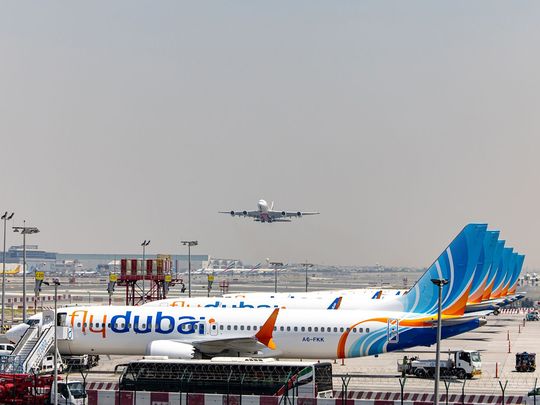
Emirates Airline has expressed deep frustration with Boeing over persistent delays in aircraft deliveries, which are hampering the airline’s growth plans and disrupting operations. Boeing, one of the world’s leading aircraft manufacturers, has faced challenges in meeting its delivery commitments, with several aircraft orders for both Emirates and its subsidiary Flydubai delayed. These setbacks have impacted Emirates’ ability to expand its fleet, adding pressure to its financial performance and customer satisfaction.

The airline, which relies on Boeing aircraft as a key component of its long-haul fleet, has been forced to revise its strategies as a result of these delays. According to a statement from Emirates, the delays are particularly disruptive for its planned network expansions and fleet renewals. The airline had previously aimed to introduce new aircraft to meet the growing demand for travel and enhance its services. However, Boeing’s inability to meet delivery deadlines has caused operational disruptions and forced Emirates to re-evaluate its growth projections for 2024.

Emirates’ issues with Boeing mirror similar frustrations at Flydubai, its sister company, which operates a significant fleet of Boeing 737s. Flydubai has voiced similar concerns, citing delays in the delivery of its aircraft that are hindering its expansion and affecting its financial performance. The airline had plans to introduce additional aircraft to meet rising passenger demand, but with Boeing falling behind on its commitments, Flydubai has had to adjust its schedules and operations. This has not only strained Flydubai’s ability to meet its planned expansion but also disrupted the airline’s efforts to maintain its competitive edge in the crowded Middle Eastern aviation market.

The impact of these delays extends beyond just operational concerns. Both Emirates and Flydubai are at risk of losing market share as competitors like Qatar Airways and Etihad Airways continue to enhance their fleets. As the delays continue, both airlines face increased financial pressures, especially since they had budgeted for the new aircraft and expansion plans. Industry analysts suggest that the continued strain on Boeing’s production capabilities could lead to longer-term consequences for both airlines’ strategic goals.

Boeing has acknowledged the delays, citing challenges in its manufacturing process, including supply chain disruptions and labor shortages. The company has pledged to work closely with its clients to resolve the backlog, but the situation remains uncertain. This has led to widespread dissatisfaction among customers and a growing sense of frustration in the aviation industry, where timely deliveries are critical to maintaining competitive advantage and operational efficiency.

Advertisements

Dubai has unveiled the world’s largest mosaic artwork, an extraordinary tribute to the UAE’s Founding Fathers, Sheikh Zayed bin Sultan Al Nahyan and Sheikh Rashid bin Saeed Al Maktoum. This monumental piece, spanning 50 meters in length, is located at the Dubai International Financial Centre (DIFC) Gate, an iconic site in the city. The artwork commemorates the vision and leadership that shaped the nation, immortalizing the founding leaders in a bold and innovative display.

The mosaic, designed by Emirati artist Maitha Demithan, fuses both traditional art forms and modern technology. Demithan’s work combines intricate photographic imagery and contemporary artistic techniques, creating a three-dimensional visual experience. This piece prominently features historic photos by renowned photographer Ramesh Shukla, whose work has documented the UAE’s evolution over the past five decades.

Shaima Al Suwaidi, Director of Brand Dubai, highlighted that the artwork serves as a symbol of national unity and collective achievement. The installation is part of the #ZayedAndRashid campaign, which is aligned with national celebrations such as Flag Day and Eid Al Etihad, marking significant milestones in the UAE’s history.

The artwork also embodies the nation’s ongoing progress, set against the backdrop of Dubai’s modern skyline. By showcasing the two leaders against this backdrop, the piece highlights the enduring legacy of their leadership in shaping the UAE’s transformation into a global hub.

Etihad Airways will discontinue its codeshare agreement with Virgin Australia in June 2025, impacting travelers who have relied on the convenience of booking flights with Virgin Australia through Etihad’s channels. The decision ends an almost decade-long partnership between the two airlines, which began in 2011 and allowed passengers to seamlessly book flights between the Middle East and Australia via Etihad’s extensive global network.

Under the terms of this codeshare agreement, travelers could book flights operated by Virgin Australia using Etihad’s booking system, giving them more options for connecting flights from Abu Dhabi to various destinations in Australia. However, starting June 2025, this will no longer be possible, forcing passengers to explore alternative booking channels.

The shift follows Virgin Australia’s changing strategy and its increasing focus on its own alliances. The airline has also forged new partnerships with other international carriers, such as Qatar Airways, which has made moves to strengthen its own position in the Australian market. This will provide Virgin Australia with more flexibility to offer direct connections to different global markets, without relying on a codeshare arrangement.

Etihad has stated that the end of this agreement is part of a broader strategy to streamline its network and partnerships. The airline has refocused its efforts on enhancing its offerings with other key airline alliances, such as the “three major alliances”, including the Oneworld, SkyTeam, and Star Alliance groups. This reorientation reflects a global trend where airlines are reassessing codeshare partnerships to bolster stronger joint ventures that can bring higher revenue-sharing models and offer more coordinated schedulesare agreements, which allow airlines to sell tickets for each other’s flights, often come under scrutiny when airlines look to sharpen their competitive edge. They are generally seen as a stepping stone to closer partnerships or joint ventures, with some airlines choosing to transition into joint ventures as they become more closely aligned. For example, partnerships such as the one between American Airlines and British Airways have led to more coordinated pricing and shared services, while also increasing flexibility for passengers【8†sourceve by Etihad could signal a more competitive landscape for both Virgin Australia and Etihad, particularly in terms of their strategies for connecting long-haul travelers to destinations across the Middle East, Asia, and Australia. As part of this, both airlines may also adjust their pricing models in the coming years to adapt to the new dynamics of their respective international networks.

Etihad Airways, the national carrier of the UAE, achieved a substantial post-tax profit of $368 million (approximately AED 1.35 billion) for the first nine months of 2024, marking a 66% increase compared to the same period last year. This achievement underscores the success of its comprehensive restructuring strategy initiated in 2017, coupled with robust passenger and cargo performance.

The airline reported a 24% surge in total revenue, amounting to AED 11.7 billion for the first half of 2024, fueled by a significant rise in passenger traffic and an expanded network. Passenger revenue alone increased by 24% year-on-year, attributed to higher demand and frequency of flights across key routes. A total of 8.7 million passengers were transported in the first half, reflecting a 38% growth compared to the previous year. These figures highlight the airline’s ability to outperform regional competitors, with its growth rate surpassing the 13% industry average for Middle Eastern carriers during the same period.

Cargo operations also contributed significantly, recording a 10% revenue increase in the first half of the year. This growth was driven by heightened demand and increased fleet capacity dedicated to freight operations. The strong performance in cargo reflects Etihad’s ability to capitalize on global trade recovery and logistics demands.

Etihad’s operational efficiency has been pivotal in achieving these results. By maintaining a passenger load factor of 85% in the first half of 2024, the airline demonstrated its effective utilization of resources. This measure of profitability and seat occupancy aligns with its broader strategic goals, ensuring a balance between growth and financial sustainability.

The company’s achievements are a testament to its restructuring efforts over the past seven years. The initiative aimed at streamlining operations, optimizing routes, and enhancing fleet efficiency has led to a leaner, more focused business model. The restructuring has enabled the airline to transition from years of financial challenges to consistent profitability, positioning it as a formidable player in the aviation sector.

Looking ahead, Etihad Airways continues to focus on sustainability and innovation. The airline is actively investing in fuel-efficient technologies and exploring partnerships to minimize environmental impact. It recently expanded its use of sustainable aviation fuel (SAF) and adopted advanced technologies to enhance operational efficiency and customer experience.

Etihad Airways has announced a new seasonal route to Al Alamein in Egypt, a popular destination along the northern Mediterranean coast. The airline aims to cater to the rising travel demand for unique summer destinations from the UAE, making Al Alamein an accessible option for vacationers. Known for its scenic Mediterranean beaches and proximity to major cultural sites, the destination offers a blend of leisure and historical attractions.

The flights to Al Alamein, set to operate bi-weekly, provide UAE residents and international travelers with a convenient link to Egypt’s North Coast, an area that has seen a surge in tourism due to its resorts and cultural heritage. Al Alamein’s strategic location near Alexandria and the historic World War II battlefields adds to its appeal, attracting tourists interested in both relaxation and historical exploration.

Etihad Airways has completed a significant acquisition, finalizing a deal for 16 aircraft engines at a total cost of Dhs1.5 billion. This move is part of the airline’s strategy to modernize its fleet and enhance operational efficiency. The engines, produced by prominent manufacturers, are set to be deployed across a range of aircraft, bolstering Etihad’s capacity to meet growing passenger demand. The airline’s investment aligns with its […]

Sanad, a global aerospace engineering company, has finalized a $408 million transaction with Etihad Airways to purchase and lease back jet engines, marking a significant expansion of their partnership. The deal involves the sale of aircraft engines from Etihad’s fleet, enhancing the carrier’s financial flexibility and operational efficiency. By offloading these high-value assets, Etihad secures long-term funding while maintaining access to crucial engines through leaseback agreements, ensuring […]

Etihad Rail has taken a bold step toward sustainable operations by initiating a solar-powered freight terminal at Ghuweifat. This project, developed in partnership with Emerge, marks a milestone in the UAE’s commitment to green energy as part of the nation’s broader goal of achieving net-zero emissions by 2050. By integrating solar power into its logistics network, Etihad Rail is redefining freight transport in the UAE with a […]

Etihad Rail has unveiled its new brand identity, a strategic move that aligns with its vision to strengthen connectivity among the cities and regions of the United Arab Emirates. The initiative comes as the rail network progresses toward its operational milestones, promising to redefine transport and logistics in the region. The new identity aims to embody the nation’s Spirit of the Union, reflecting the core values of unity, progress, and sustainability.

The unveiling event, held at the Etihad Rail headquarters, featured high-ranking officials, stakeholders, and representatives from the construction and logistics sectors. Speaking at the event, Etihad Rail CEO Shadi Malak emphasized the significance of the new branding as a catalyst for future growth and innovation. He stated that the new identity encapsulates the ambition to connect communities, stimulate economic development, and create job opportunities across the UAE.

This branding initiative coincides with several key developments in the Etihad Rail project, which aims to link Abu Dhabi, Dubai, and other emirates through a 1,200-kilometer rail network. The project, envisioned as part of the UAE’s broader strategy for sustainable development, is expected to revolutionize the freight and passenger transport sectors. Currently, the construction of the first phase is nearing completion, with significant advancements reported in track laying and station construction.

The design of the new logo and branding elements symbolizes a modern and progressive vision for the rail network. Inspired by the natural landscapes of the UAE, the logo incorporates elements that represent the desert and urban environments, highlighting the harmony between nature and innovation. The brand colors were chosen to reflect the diverse culture and heritage of the UAE, aiming to resonate with both local and international audiences.

The rail network is anticipated to play a vital role in facilitating trade and tourism, with projections indicating that it will significantly reduce transportation costs and times. By providing a reliable and efficient mode of transport, Etihad Rail aims to support the UAE’s strategic objectives for economic diversification and sustainability. This aligns with the government’s long-term vision to establish the UAE as a global hub for business and tourism.

As the project progresses, various partnerships have been established with local and international firms to ensure the successful execution of the rail network. These collaborations are essential for integrating cutting-edge technologies and best practices in construction and operations. The involvement of key stakeholders underscores the project’s significance in enhancing the UAE’s infrastructure and connectivity.

Etihad Rail’s branding initiative also focuses on public engagement, aiming to raise awareness about the benefits of the rail network. Through targeted campaigns and community outreach, the company intends to foster a sense of ownership among residents and stakeholders. The objective is to encourage the use of rail transport, thereby promoting a shift towards more sustainable and efficient modes of travel.

With the UAE’s commitment to environmental sustainability, the rail network is designed to minimize its ecological footprint. By providing a viable alternative to road transport, it is expected to contribute to reduced traffic congestion and lower greenhouse gas emissions. This aligns with the UAE’s broader environmental objectives, including the reduction of carbon emissions by 30% by 2030 as part of its National Climate Change Plan.

The completion of the first phase of Etihad Rail, which will connect the freight and logistics sectors to key ports and industrial areas, is expected to revolutionize supply chain logistics. This phase is projected to enhance the efficiency of cargo transport, facilitating smoother operations for businesses reliant on logistics. It will also cater to the growing demand for efficient transport solutions in line with the UAE’s economic diversification goals.

Looking ahead, the subsequent phases of the Etihad Rail project will focus on expanding passenger services, connecting urban centers with suburban areas, and promoting regional tourism. This will not only improve mobility for residents but also enhance access for tourists exploring the UAE’s rich cultural and historical sites. The development of integrated transport solutions is anticipated to make travel more accessible and enjoyable for everyone.


A groundbreaking initiative has been announced by Dubai Airports, marking the launch of the world’s largest solar rooftop project in collaboration with Etihad Clean Energy Development Company, a fully owned subsidiary of the Dubai Electricity and Water Authority (DEWA). This ambitious project aims to enhance the airport’s sustainability efforts and significantly contribute to Dubai’s clean energy targets.

The project involves the installation of solar photovoltaic panels on the rooftops of Dubai International Airport (DXB) and Dubai World Central (DWC). This effort is part of a broader commitment by Dubai Airports to adopt sustainable practices and support the emirate’s goal of becoming a global leader in renewable energy. The installation will generate a substantial amount of electricity, contributing to the operational energy needs of the airports while reducing carbon emissions.

Expected to generate up to 8 megawatts of power, the solar rooftop installation will occupy over 60,000 square meters of rooftop space across both airports. This initiative aligns with Dubai’s Clean Energy Strategy 2050, which aims to increase the share of clean energy in the city’s total energy mix to 75 percent by 2050. The solar project not only enhances the airports’ sustainability profile but also sets a benchmark for energy efficiency in the aviation sector.

This collaboration underscores the commitment of both Dubai Airports and DEWA to drive sustainable growth and innovation. The installation of solar panels at the airports is a pivotal step towards enhancing energy resilience and reducing reliance on fossil fuels. As part of the project, it is anticipated that the solar energy generated will power various airport facilities, thus optimizing operational efficiency.

The strategic partnership between Dubai Airports and Etihad Clean Energy Development Company highlights the importance of public-private collaborations in achieving sustainability goals. This project is poised to pave the way for similar initiatives in other sectors, reinforcing the UAE’s leadership in renewable energy adoption. Moreover, it exemplifies the proactive measures being taken by Dubai to address environmental challenges while supporting economic growth.

Several key players have contributed to the formulation and execution of this initiative. The project was developed following extensive feasibility studies and consultations with industry experts to ensure that it meets the highest standards of efficiency and effectiveness. DEWA, recognized for its commitment to innovation and sustainability, has been instrumental in supporting the integration of renewable energy solutions across the emirate.

Dubai Airports has a history of implementing sustainability measures, including the introduction of energy-efficient technologies and practices aimed at minimizing the environmental footprint of airport operations. The launch of the solar rooftop project represents a significant milestone in this ongoing effort and showcases Dubai’s ambition to lead by example in the global aviation industry.

In addition to the environmental benefits, the project is expected to have positive economic implications, providing job opportunities in the renewable energy sector and stimulating growth within the local economy. The focus on sustainability aligns with the broader vision of the UAE to diversify its economy and reduce its dependence on oil.

As part of its commitment to sustainability, Dubai Airports continues to explore innovative solutions to reduce energy consumption and enhance operational efficiency. The implementation of solar energy solutions is just one aspect of a comprehensive sustainability strategy that encompasses various initiatives aimed at minimizing waste, conserving resources, and promoting environmentally friendly practices.

This project represents a significant step forward in Dubai’s journey towards achieving a more sustainable future. The commitment to renewable energy aligns with the global shift towards cleaner energy sources and highlights the potential for airports and other major infrastructure to contribute positively to environmental sustainability.

Dubai’s leadership has emphasized the importance of such projects in realizing the emirate’s long-term sustainability goals. The solar rooftop initiative not only demonstrates the feasibility of large-scale renewable energy projects but also serves as a model for other cities and countries looking to enhance their sustainability efforts.

flydubai has confirmed that it will resume operations to key Middle Eastern destinations—Iran, Iraq, Israel, and Jordan—starting from October 4, 2024. This announcement follows temporary suspensions caused by the escalating geopolitical tensions, particularly the outbreak of hostilities between Israel and Hamas on October 1. The airline is closely monitoring the situation and has stated that it will remain flexible with its schedule should circumstances change.

While services to Iran, Iraq, Israel, and Jordan are set to resume, flights to Beirut remain grounded until at least October 7 due to the volatile security environment. Other UAE carriers, including Emirates and Etihad Airways, have extended their suspension of Beirut-bound flights until October 8. Emirates also announced the temporary halt of its flights to Baghdad, Basra, Tehran, and Amman for October 4 and 5, citing security concerns across the region.

DUBAI, UAE – EQS Newswire – 1 October 2024 – Dubai Electricity and Water Authority (DEWA) (www.DEWA.gov.ae) organises the 26th Water, Energy, Technology and Environment Exhibition (WETEX) from 1 to 3 October 2024 at the Dubai World Trade Centre. The exhibition is a standout event in the global sustainability calendar. It is the largest exhibition in the region in energy, water, green development, sustainability, decarbonisation, green mobility, […]

Etihad Airways has announced an ambitious plan to invest $7 billion by the year 2030, signaling a significant commitment to enhancing its operations and services. The airline’s CEO, Antonoaldo Neves, emphasized that this financial injection will focus on improving customer experience, expanding the fleet, and embracing sustainability initiatives as part of a broader strategy to maintain its competitive edge in the aviation sector. The investment is part […]

Etihad Airways has marked a significant milestone by becoming the official sponsor of Girona FC, part of the City Football Group. This strategic move reflects Etihad’s commitment to expanding its presence in the European market and building stronger ties with the football community. The multi-year partnership comes at a time when Girona FC is rising in prominence within La Liga, further strengthening the connection between the airline and the sports industry.

Etihad’s branding will now appear on Girona FC’s team jerseys, highlighting the partnership’s visibility to global football fans. The collaboration also promises a range of fan engagement activities, both in Abu Dhabi and Girona, aiming to enhance the matchday experience for supporters and bring fans closer to the action. Special promotions and events will also be rolled out, with a focus on showcasing the diverse cultural connection between the UAE and Spain.

This sponsorship is part of Etihad’s broader strategy to bolster its brand internationally by associating with prestigious football teams. The airline has previously partnered with prominent clubs such as Manchester City FC and continues to view football as a vital medium to connect with a global audience. Girona FC’s increasing stature in La Liga offers a unique platform for Etihad to reach new markets, particularly within the European and Spanish tourism sectors.

The timing of the partnership coincides with a surge in travel between Abu Dhabi and Spain, with Etihad Airways already operating flights to Barcelona, located near Girona. Tourists traveling to Catalonia can explore the region’s picturesque landscapes, cultural festivals, and vibrant culinary scene, making it a top destination for both leisure and adventure travelers. The partnership is expected to further boost tourism by linking Etihad’s vast network of destinations with Girona’s local attractions.

Girona FC fans are eager to see how the airline’s involvement will influence their team, both on and off the field. The City Football Group’s proven record of developing football clubs, combined with Etihad’s support, suggests that Girona FC could continue its upward trajectory within La Liga and European football. The airline’s role will extend beyond brand promotion, potentially playing a key part in Girona’s community outreach and internationalization efforts.

Etihad Airways’ focus on sustainability has also been highlighted in this partnership. The airline remains committed to reducing its carbon footprint, and this initiative will include sustainable travel options for Girona FC supporters flying to matches across Spain and Europe. This aligns with Etihad’s broader environmental goals, which include becoming one of the world’s most sustainable airlines.

The Ministry of Energy and Infrastructure (MoEI) and Etihad Water and Electricity (EtihadWE) have joined forces to promote the use of renewable energy in the Northern Emirates. This collaboration focuses on expanding sustainable energy resources and reducing carbon emissions as part of the UAE’s wider goals to meet its ambitious climate targets. The initiative will involve the deployment of solar panels across various public and private sectors, […]

Etihad Water and Electricity (EtihadWE) has launched a new initiative in collaboration with the Ministry of Energy and Infrastructure (MoEI) to significantly advance the adoption of renewable energy across the Northern Emirates. This partnership underscores a strategic push to integrate sustainable energy solutions in the region, aligning with broader national goals of reducing carbon emissions and fostering environmental stewardship.

The initiative marks a significant step in EtihadWE’s ongoing efforts to diversify the energy mix and promote clean energy solutions in the UAE. By focusing on the Northern Emirates, the project aims to address regional energy needs and support the UAE’s broader commitment to sustainability. This move is expected to bolster the adoption of renewable technologies and provide a model for other regions within the country.

EtihadWE has been at the forefront of the UAE’s energy transformation, emphasizing a shift from conventional energy sources to renewable alternatives. The collaboration with MoEI is poised to accelerate this transition by facilitating the implementation of renewable energy projects, including solar and wind energy installations. This partnership aligns with the UAE’s Vision 2021 and the broader sustainability goals outlined in the UAE Energy Strategy 2050, which aims to increase the share of clean energy in the national energy mix to 50% by 2050.

The Northern Emirates, which include regions such as Ras Al Khaimah, Fujairah, Sharjah, Ajman, and Umm Al-Quwain, are set to benefit from this initiative through enhanced infrastructure and technology deployment. The focus on these areas is driven by their potential for renewable energy generation and the need to support local economic and environmental development.

The initiative will involve several key components, including the installation of solar photovoltaic panels on government buildings, schools, and other public facilities. Additionally, the project will explore the potential for wind energy, leveraging the natural wind resources available in these regions. These efforts are expected to contribute significantly to the reduction of the UAE’s carbon footprint while also providing economic benefits through job creation and energy savings.

One of the primary objectives of this partnership is to improve energy efficiency and promote sustainable practices within the local communities. Educational programs and workshops will be conducted to raise awareness about the benefits of renewable energy and encourage public participation in sustainability efforts. This approach aims to create a more informed and engaged populace, ultimately driving greater acceptance and implementation of green technologies.

The MoEI’s involvement in this initiative highlights its role in shaping the country’s energy landscape and ensuring that strategic objectives are met. The ministry will provide regulatory support and guidance throughout the project, ensuring that all renewable energy projects comply with national standards and best practices. This collaboration represents a significant alignment between government and industry efforts to achieve the UAE’s environmental and energy goals.

In addition to the direct benefits of increased renewable energy capacity, the project is expected to stimulate further investment in the region. By demonstrating the viability and advantages of renewable energy, it is anticipated that other private sector entities and investors will be encouraged to explore similar opportunities. This could lead to a broader expansion of green energy projects and innovations within the Northern Emirates and beyond.

The focus on renewable energy is part of a global trend toward more sustainable energy practices, driven by the need to address climate change and reduce reliance on fossil fuels. The UAE’s commitment to these goals reflects its position as a leader in the Middle East and a proactive participant in global environmental initiatives.

EtihadWE’s initiative, in partnership with the MoEI, exemplifies how collaborative efforts between government and industry can lead to substantial advancements in renewable energy. As the project progresses, it will be closely monitored to assess its impact and effectiveness, providing valuable insights for future energy initiatives.

The UAE’s General Civil Aviation Authority (GCAA) has entered into an interim agreement with Hong Kong-based Volar Air Mobility to establish the Emirates’ first green aviation technology centre. The initiative is part of the UAE’s broader strategy to strengthen its environmental sustainability efforts, particularly within the aviation sector, which has seen significant investment in recent years to reduce carbon emissions and promote cleaner energy solutions.

The centre will focus on advancing clean energy technology and driving research and development in sustainable aviation solutions. Aiming to serve as a hub for collaboration between international stakeholders, regulators, and innovators, the project is positioned as a crucial step toward making aviation more eco-friendly in one of the world’s busiest air travel hubs.

Sustainability is a central pillar of the UAE’s Vision 2050, a national plan that targets a balance between economic growth and environmental responsibility. The GCAA has emphasized that the collaboration with Volar Air Mobility will not only bolster the UAE’s efforts to lead in green aviation but will also pave the way for future innovations that could be adopted globally. This initiative reflects a growing awareness among Middle Eastern nations of the need to integrate sustainable practices across various industries.

Volar Air Mobility, known for its cutting-edge technology in electric vertical take-off and landing (eVTOL) aircraft, has positioned itself at the forefront of green air mobility. The company’s expertise in developing low-emission transport solutions is expected to play a critical role in shaping the future of aviation in the Emirates. By leveraging Volar’s technology, the new centre will explore ways to integrate sustainable practices into existing aviation infrastructure, including the development of low-emission aircraft and green fuel alternatives.

The agreement comes at a time when the global aviation industry faces mounting pressure to reduce its carbon footprint. Aviation accounts for around 2-3% of global CO2 emissions, with air travel expected to grow significantly in the coming decades. Many countries are now focusing on developing green technologies to meet ambitious emission reduction targets set by international agreements such as the Paris Accord. The UAE’s green aviation technology centre is aligned with these goals and aims to address some of the most pressing challenges faced by the industry.

While the GCAA has not yet disclosed the specific location for the centre, officials have hinted that it will be based in one of the country’s major aviation hubs, likely in close proximity to Dubai or Abu Dhabi airports. Both cities are home to some of the world’s busiest airports, making them ideal candidates for a green aviation initiative that seeks to marry innovation with practicality.

The centre will also aim to attract global talent and research teams to the UAE, encouraging collaboration between local and international experts in green aviation technologies. In addition to research and development, the facility will provide a testing ground for new technologies that could eventually be implemented in commercial aviation. This is expected to include the trial of electric and hydrogen-powered aircraft, as well as the exploration of biofuels and synthetic fuels that promise lower emissions than traditional jet fuels.

The agreement between the UAE and Volar Air Mobility also underscores the importance of international partnerships in tackling the global challenges of climate change. The aviation sector, which is heavily reliant on fossil fuels, is one of the industries most in need of innovation to meet global climate goals. By teaming up with a tech leader like Volar, the UAE is positioning itself as a key player in the global push for sustainable aviation solutions.

The collaboration comes on the heels of other major sustainability initiatives within the UAE’s aviation sector. Earlier this year, Emirates Airline announced its commitment to using sustainable aviation fuel (SAF) across its fleet, while Etihad Airways has invested in the development of hybrid-electric and fully electric aircraft. Both airlines have signaled their intent to drastically cut their carbon emissions over the coming decades, aligning with the UAE’s broader environmental goals.

Sustainability has become a growing priority for the UAE government across multiple sectors, with aviation identified as a key area for transformation. The nation’s commitment to becoming a global leader in green technology is evident in its support for projects such as Masdar City, a pioneering green city designed to be a hub for clean energy companies, and its investments in renewable energy projects like solar and wind farms.

The new aviation technology centre is expected to build upon these efforts by promoting innovation that can be applied not only in the UAE but also globally. The centre’s emphasis on collaboration with international stakeholders suggests that the UAE sees this project as a stepping stone toward becoming a global leader in green aviation. The country’s strategic location as a global travel hub makes it an ideal place to test and implement new aviation technologies, which could eventually influence the practices of airports and airlines worldwide.

Abu Dhabi’s Etihad Airways is targeting a stock market debut in 2025, according to sources familiar with the plans. This move, if realized, could mark the first initial public offering (IPO) of a major Gulf airline and aligns with the UAE’s strategic push to establish itself as a leading global travel hub.

The airline, which is wholly owned by Abu Dhabi’s sovereign wealth fund ADQ, had initially contemplated launching its IPO earlier this year. However, the decision to delay is influenced by a desire to present strong financial results for 2024, showcasing robust performance to attract potential investors.

The geopolitical landscape in the region has also impacted the timing of the planned offering. Instability in various parts of the Middle East has led to cautious approaches from major investors and financial analysts, potentially affecting market confidence.

Etihad Airways, one of the world’s leading airlines, aims to leverage its strong market position and recent performance improvements to drive interest in its stock. The airline’s financial health has been bolstered by strategic investments and operational enhancements, contributing to its resilience amidst a challenging economic environment.

As the UAE continues to bolster its position as a global travel and business hub, Etihad’s IPO is seen as a critical component of this strategy. The airline’s potential listing would not only enhance its capital base but also reflect the growing confidence in the UAE’s aviation sector.

The planned IPO comes at a time when Gulf airlines are increasingly focusing on expanding their global footprint and improving their financial positions. With competition among regional carriers intensifying, the strategic timing of Etihad’s market entry will be crucial.

VISHNU RAJA
RYO YAMADA
HITORI GOTOH
IKUYO KITA
Just in:
Jaiedco and Golden Bridge Announce Strategic Collaboration for a New Dubai Islands Development // Sharjah clears Kalba free zone plan for 400MW complex // Hackers exploit public notes to distribute NodeLinkRAT malware // HC nullifies assets FIR against minister // Anthropic shares finish above offer price after Nasdaq debut // 2026 Tropical Rainforest Ecosystem Partners Conference Kicks off in Hainan // International Business Leaders Say Xi’s Speech Boosts Confidence in Asia-Pacific Cooperation // Travel Insurance Was Built for the Few Who Claim. Ancileo’s Felt Coverage™ is for Everyone Else // Phancy Announces Business Performance for the Nine Months Ended September 30, 2026 // Dalilk Academy reaches 27 million, targets 100 million by 2030 // Oil futures rebound after Riyadh strikes and tanker alerts // NASA tests supersonic Mars rotors for heavier payloads // LittleLives, Little Lab and SEGi College Sign MOU to Explore Early Childhood Education Collaboration Across ASEAN // Malappuram hartal over Western Ghats // Antony’s wife called to police station with husband over complaint // Coinbase targets 2027 launch amid state gambling lawsuits // Dubai Introduces SHARH, an AI-Powered Platform Helping Entrepreneurs Buy, Sell and Manage Businesses in the UAE // Russia permits retail cryptocurrency purchases under regulated framework // PicCollage extends photo editing platform to web browsers // Thailand’s Most Iconic New Year’s Celebration Returns: ICONSIAM Unveils “Amazing Thailand Countdown 2027” //