Just in:
Promoting Common Human Development Through Exchanges and Mutual Learning Among Civilizations // Yeebo Announces Interim Results for FY26/27 Revenue Increases by 45.5% to HK$806.7 Million Profit Attributable to Owners Surges 87.6% to HK$2,284.7 Million // Anthropic’s debut is lifting markets, but someone is still paying for it // Russia permits retail cryptocurrency purchases under regulated framework // Hackers exploit public notes to distribute NodeLinkRAT malware // Dubai Introduces SHARH, an AI-Powered Platform Helping Entrepreneurs Buy, Sell and Manage Businesses in the UAE // Oil futures rebound after Riyadh strikes and tanker alerts // LittleLives, Little Lab and SEGi College Sign MOU to Explore Early Childhood Education Collaboration Across ASEAN // Jaiedco and Golden Bridge Announce Strategic Collaboration for a New Dubai Islands Development // NASA tests supersonic Mars rotors for heavier payloads // Coinbase targets 2027 launch amid state gambling lawsuits // Anthropic shares finish above offer price after Nasdaq debut // Women held for plot to rob pilgrims // Dar Global unveils $700m Trump development in Qatar // Malappuram hartal over Western Ghats // Phancy Announces Business Performance for the Nine Months Ended September 30, 2026 // AXS and PayerMax Advance Omnichannel Payment Acceptance for Merchants // International Business Leaders Say Xi’s Speech Boosts Confidence in Asia-Pacific Cooperation // Antony’s wife called to police station with husband over complaint // Thailand’s Most Iconic New Year’s Celebration Returns: ICONSIAM Unveils “Amazing Thailand Countdown 2027” //

News related to
Etihad

Arabian Post Staff -Dubai Abu Dhabi has approved the consolidation of Abu Dhabi Developmental Holding Group’s portfolio under a newly created sovereign investor, L’IMAD, a move designed to sharpen capital allocation and scale the emirate’s investment reach across strategic sectors. The decision was issued by the Supreme Council for Financial and Economic Affairs, the body that sets public policy on finance, investment, the economy, petroleum and natural […]

Arabian Post Staff -Dubai Etihad Rail has taken a significant step towards reshaping freight transport in the Gulf after completing a magnetic levitation freight trial with Italy-based technology firm IronLev, marking the first time such a system has been tested in the Middle East. The trial, conducted at the Al Faya Depot, demonstrated the ability of a maglev platform to move heavy cargo efficiently, signalling a potential […]

Severe weather across large parts of the United States and planned airport infrastructure works in Europe have forced major Gulf carriers to cancel and suspend flights, highlighting how environmental shocks and logistical constraints can ripple through tightly connected aviation networks. Emirates, Etihad Airways, flydubai and Qatar Airways have issued a series of travel advisories as winter storms in North America disrupted air traffic control operations and ground […]

UAE’s federal utility Etihad Water and Electricity has invited eligible consulting firms to register interest in a tender for a techno-economic feasibility study on a proposed undersea power interconnector linking the Emirates with India, signalling a fresh push to test the commercial and technical case for cross-border electricity trade across the Arabian Sea. The utility said the study is intended to produce a comprehensive, bankable feasibility package […]

Arabian Post Staff -Dubai UAE’s national railway operator Etihad Rail has outlined the rollout of the country’s first passenger railway network, marking a significant expansion of the federal transport system that will connect 11 cities and regions through a series of strategically located stations scheduled to become operational this year. The passenger rail service builds on the national freight network that has been running since 2023 and […]

Canada’s airline sector is bracing for sharper competition after Ottawa moved to widen market access for carriers from the Middle East, a shift that industry executives and analysts say could force domestic airlines to improve pricing, punctuality and onboard service as more long-haul capacity enters the market. The policy change, announced through updated air transport arrangements, gives carriers based in the Gulf greater flexibility to add frequencies […]

Aviation in the United Arab Emirates has deepened its role as a strategic pillar of the national economy, with 2025 marking a year of consolidation that underscored the sector’s influence on trade, tourism, logistics and supply chains. Policymakers and industry leaders say the ecosystem’s direct and indirect contribution has reached as much as 18 per cent of gross domestic product, reflecting the scale of activity generated by airlines, airports, maintenance hubs, free zones and aviation-linked services.

Passenger and cargo volumes across the federation continued to trend higher, supported by steady growth in international travel demand and the country’s positioning as a crossroads between Asia, Europe and Africa. Major hubs operated by Dubai Airports and Abu Dhabi Airports handled sustained traffic flows as carriers expanded networks and frequencies. Capacity discipline and targeted route additions allowed operators to absorb higher volumes while maintaining service standards, reinforcing the UAE’s reputation for operational reliability.

Flag carriers remained central to the sector’s momentum. Emirates Airline pressed ahead with fleet renewal and network optimisation, focusing on long-haul markets that underpin connectivity for tourism and business travel. Etihad Airways pursued a parallel strategy centred on profitability and partnerships, aligning growth with demand and strengthening Abu Dhabi’s role as a transfer hub. Together, the airlines’ scale supported ancillary industries ranging from catering and ground handling to training and aviation finance.

Cargo performance remained a defining feature of the year. Dedicated freighter operations and belly-hold capacity benefited from the UAE’s role in high-value, time-sensitive shipments, including pharmaceuticals, perishables and e-commerce. Logistics providers highlighted improved customs processes and digital clearance systems as key enablers, allowing faster turnaround times and reinforcing confidence among multinational shippers. The integration of air cargo with ports and free zones helped sustain supply chains amid ongoing adjustments in global trade patterns.

Governance and regulation were cited by executives as competitive advantages. The General Civil Aviation Authority continued to align oversight with international standards while supporting innovation through performance-based regulation. Industry participants pointed to predictable policy frameworks and coordinated planning between federal and emirate-level authorities as factors that reduced friction for investors and operators.

Sustainability initiatives gathered pace across airlines and airports, reflecting both regulatory expectations and commercial imperatives. Carriers advanced fuel-efficiency programmes through newer aircraft types and operational measures, while airports invested in energy management, waste reduction and water stewardship. Trials involving sustainable aviation fuel expanded through partnerships with energy suppliers and research institutions, positioning the UAE as an early mover in the region’s decarbonisation efforts. While volumes of alternative fuels remain limited, industry leaders argued that early adoption builds expertise and supply-chain readiness.

Technology adoption also shaped the sector’s evolution. Biometric processing, predictive maintenance and data-driven air traffic management systems were rolled out to improve efficiency and resilience. Airports leveraged automation to manage peak flows without proportional increases in staffing, while airlines used analytics to refine scheduling and revenue management. These investments were framed as necessary to accommodate future growth while preserving service quality.

The aviation workforce expanded alongside operations, with training academies and partnerships focusing on pilots, engineers and air traffic specialists. Officials emphasised localisation and skills development as priorities, citing aviation’s role in high-value employment and knowledge transfer. At the same time, competition for specialised talent remained intense, prompting employers to enhance retention and career progression pathways.

Tourism authorities linked aviation capacity directly to visitor inflows, noting that air connectivity underpins hotel occupancy, events and retail activity. Route launches and increased frequencies supported diversification into new source markets, aligning with broader economic strategies aimed at reducing reliance on hydrocarbons. Business travel and exhibitions contributed to premium traffic, reinforcing the UAE’s positioning as a regional commercial hub.

Advertisements

A new specialised laboratory for testing and certifying sustainable aviation fuel is being set up in Fujairah, marking a significant expansion of the UAE’s ambitions to become a leading hub for low-carbon aviation fuels across the Middle East and North Africa. The project, developed by MENA Biofuels in partnership with Saybolt, is positioned as the first facility of its kind in the country dedicated to sustainable aviation fuel testing and is expected to strengthen the supply chain for carriers adopting cleaner fuel blends.

The laboratory will be located within the Fujairah Oil Industry Zone, one of the region’s key energy storage and logistics centres. According to the developers, the facility will operate under internationally recognised standards and provide independent verification and certification services for SAF produced in the UAE and the wider region. This will allow aviation fuel suppliers to meet the stringent quality and sustainability benchmarks required by global regulators and airlines, many of which are targeting large-scale SAF adoption over the coming decade.

MENA Biofuels and Saybolt have indicated that the lab is being designed to serve both domestic producers and international clients moving fuel through Fujairah’s terminals. Industry analysts note that Fujairah’s strategic location on the global maritime route linking the Gulf to Asia and Europe gives the new testing operation considerable potential to influence regional fuel flows. The developers said the initiative reflects growing demand among airlines for certified SAF, which is viewed as one of the most immediate pathways to reducing aviation emissions.

The UAE has been expanding investments in biofuels as part of its broader decarbonisation strategy, with several aviation stakeholders stepping up procurement of SAF blends for commercial flights. Etihad Airways and Emirates have both trialled SAF operations, while Abu Dhabi and Dubai authorities have emphasised the need for stronger regional production capacity. Industry data indicates that SAF supply remains constrained worldwide, making certification infrastructure a critical component for scaling up output. The new Fujairah lab aims to close a gap in regional capabilities by offering end-to-end testing that aligns with international requirements established by organisations such as ASTM International, which governs SAF specifications.

Saybolt, an inspection and testing group with long-standing operations in global energy markets, is expected to lead the technical management of the laboratory. Its role will involve implementing fuel-testing protocols, quality assurance systems and sustainability verification frameworks. Executives familiar with the arrangement said the partnership combines Saybolt’s technical expertise with MENA Biofuels’ regional network and logistics access. Market observers believe this gives the venture a strong foundation to support both emerging SAF producers and established energy companies evaluating diversification into aviation biofuels.

The decision to anchor the lab within the Fujairah Oil Industry Zone aligns with local authorities’ push to broaden the zone’s portfolio beyond crude and refined products. The zone already hosts significant tank storage, bunkering and refining infrastructure, and expanding into sustainable fuels aligns with the UAE’s national energy transition commitments. Investors and analysts have pointed to Fujairah’s ability to handle large volumes of fuel as an advantage for SAF certification, particularly for producers that require rapid turnaround on testing to meet airline delivery schedules.

Aviation industry figures have highlighted that the move addresses a structural bottleneck in the SAF market. Certification processes are often conducted in Europe or the United States, adding cost and delay for producers operating in the Gulf. By offering testing capacity locally, the Fujairah lab is expected to reduce lead times and encourage investment in regional SAF manufacturing. Some analysts say the initiative may draw interest from energy companies in neighbouring Gulf states exploring SAF pathways as part of their decarbonisation agendas.

Airline industry targets have accelerated demand for SAF, with global carriers collectively aiming for significant emissions reductions by 2030. Several Gulf-based airlines, including those operating through Abu Dhabi, Dubai and Sharjah, have pledged to expand their use of sustainable fuel blends once supply becomes more stable. SAF production in the region remains at an early stage, but energy firms have been evaluating waste-to-fuel pathways, renewable feedstocks and partnerships with technology providers to scale output. The establishment of credible certification capacity is viewed as an essential precursor to commercial production.

Manchester City and Etihad Airways unveiled a new immersive content piece, “Lights Out”, which places players Erling Haaland, Rayan Aït-Nouri and Nico O’Reilly inside a virtual version of the Yas Marina Circuit, blending advanced augmented-reality highlights and player-tracking data to re-imagine key moments from Manchester City’s season. The launch coincides with heightened interest in the 2025 Etihad Airways Abu Dhabi Grand Prix, adding a fresh digital spectacle to build fan excitement ahead of one of motorsport’s biggest weekends.

This marks the latest collaboration between the club and airline following their “Beyond Borders” campaign earlier this year, which first brought match highlights into stylised virtual worlds tied to Etihad’s expanding global destinations — notably highlighting new routes including Krabi, Hanoi and Sumatra. The “Lights Out” video replicates defining plays and celebrations from the 2024/25 campaign such as deft finishes and memorable goals, now reframed within the futuristic circuit environment of Yas Marina.

Beyond just replaying match footage, the content integrates virtual storytelling features. Fans witness Haaland’s trademark celebration as a robotic animation, while Aït-Nouri appears to race through Hanoi’s iconic Train Street — a nod to Etihad’s global network and its commitment to linking sport with travel experiences. This blend of sport and travel marketing reflects a broader trend among major clubs and sponsors seeking to expand engagement beyond traditional media into immersive digital formats.

For supporters of the Abu Dhabi Grand Prix, the timing amplifies the atmosphere surrounding the 2025 season finale. Organisers say this edition will be the largest yet, with enhanced fan experiences, expanded cultural access and expected turnout surpassing past years. The convergence of a high-stakes motorsport finale and a high-tech football release highlights how sports entities are increasingly cross-pollinating content across disciplines to tap into global fan bases.

Finding the best conference room in Abu Dhabi is essential for hosting productive meetings, impactful presentations, and memorable corporate events. As the emirate continues to grow as a global business hub, its meeting and event spaces have evolved to match world class standards.  Whether you are planning a board meeting, training session, investor presentation, or full scale corporate gathering, Abu Dhabi offers state of the art venues […]

The Ministry of Human Resources and Emiratisation has announced the holiday for the private sector in observance of Eid Al Etihad, aligning with the cabinet’s decision to recognise official public holidays. The holiday will offer employees in the private sector a designated time off to mark the festive occasion. The Eid Al Etihad holiday typically reflects national pride and unity, as it is celebrated across the country, […]

The Middle East’s aviation market is poised for an extraordinary expansion, according to Airbus’s Global Market Forecast 2025. The region, currently experiencing rapid economic growth and a surge in travel demand, is expected to see its in-service fleet more than double over the next two decades. The forecast reveals that the fleet will increase from 1,480 aircraft in 2024 to 3,700 by 2044, driven by both the […]

Etihad Airways has marked a historic achievement in its financial performance, posting the highest profit after tax in its history for the first nine months of 2025. The airline reported a 26 per cent increase in profit, amounting to AED 1.7 billion, solidifying its position as a leader in the aviation industry. This growth reflects not only a significant rise in profitability but also a continued upward trajectory in key operational areas.

The substantial improvement in profit is indicative of the airline’s successful efforts in managing costs and boosting operational efficiency. Etihad Airways has consistently focused on refining its processes to deliver better service, and these strategies have evidently paid off. The airline’s profit margin rose to 8 per cent, up from 7 per cent for the same period last year, further highlighting the impact of its streamlined operations.

Growth across multiple business segments has been a cornerstone of the airline’s performance. Passenger services saw a notable increase in demand, with higher load factors on flights. The airline has also made strides in its cargo division, benefiting from rising global trade volumes. This diversified growth has provided Etihad Airways with a stable foundation, as it continues to weather any challenges posed by the dynamic nature of the global aviation market.

Customer satisfaction has also been a major contributor to Etihad’s success. The airline’s emphasis on delivering premium services and its commitment to ensuring a seamless travel experience have resonated well with passengers. As a result, Etihad has seen increasing loyalty from its customer base, driving repeat business and enhancing its reputation in a competitive market.

The airline’s commitment to sustainability remains central to its business strategy. By focusing on improving its environmental footprint, Etihad Airways has actively worked towards integrating sustainable practices across its operations. From fuel-efficient aircraft to innovative waste-reduction initiatives, the company has positioned itself as a forward-thinking airline that not only aims for financial success but also strives for responsible growth.

Technological advancements have played a pivotal role in driving Etihad’s operational efficiency. The airline has integrated cutting-edge digital tools to enhance customer service and streamline its backend processes. By implementing smarter ticketing systems, improving flight scheduling, and increasing the digital accessibility of its services, Etihad has been able to stay ahead of customer expectations while also improving internal productivity.

Despite the challenges that the global airline industry has faced, including fluctuating fuel prices and ongoing geopolitical uncertainties, Etihad Airways has managed to sustain its growth trajectory. This continued success can be attributed to the airline’s adaptable business model, which has allowed it to remain flexible in the face of economic and external pressures.

EZHOU, CHINA – Media OutReach Newswire – 11 November 2025 – Since the beginning of this year, Ezhou Huahu International Airport, has seen robust growth in air cargo. According to the latest data, its international airfreight throughput in the first three quarters rose 138% year-on-year. The airport has also expanded its global cargo network with 24 new routes, further strengthening its role as a key air logistics […]

Etihad Airways has unveiled four new routes from its Abu Dhabi hub, linking the UAE capital with networks in North Africa and Asia in a major push to cement its global connectivity. The airline announced flights to Tunis, Hanoi, Chiang Mai and Hong Kong, opening up additional access across Africa and Asia. According to the carrier, these launches account for nearly 45 per cent of the UAE’s aviation growth this year.

The new North African route to Tunis flies three times a week starting 1 November, while the Vietnamese capital Hanoi will receive six weekly flights from 2 November. Chiang Mai in northern Thailand is added with four weekly services from 3 November, and Hong Kong is re-connected via five weekly flights also from 3 November under a renewed codeshare with Hong Kong Airlines. The carrier now serves more than 85 destinations globally.

Chief Executive Officer Antonoaldo Neves described the destinations as “each adding their own character” to the network, underscoring the airline’s aim to diversify its route map and bolster Abu Dhabi’s role as a travel and trade gateway. The move is timed to support the emirate’s broader economic pivot, complementing efforts in tourism, business and infrastructure.

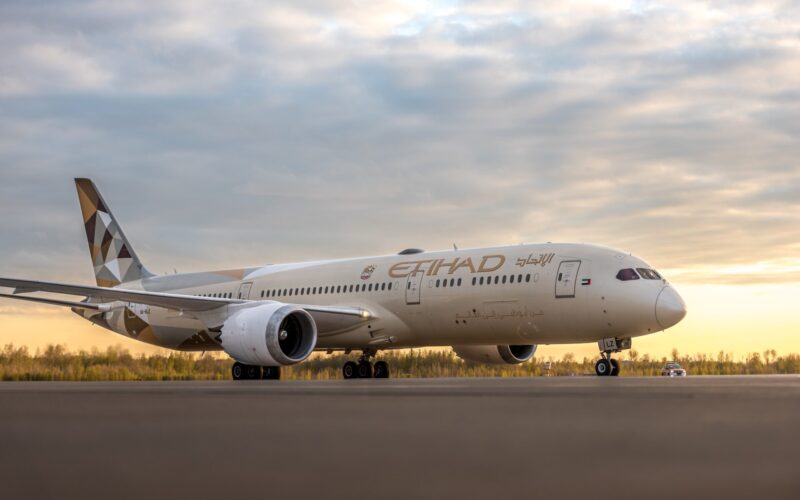
The four-route addition forms part of Etihad’s strategic expansion alongside investments in both fleet and operational capabilities. The carrier has been ramping up use of its long-range Airbus A321LR and Boeing 787 aircraft, enabling direct links to previously unserved or underserved markets. The Tunis launch marks an enhanced North African footprint from Abu Dhabi, while Vietnam and Thailand reflect deeper penetration into Southeast Asia’s growing outbound travel markets. The Hong Kong entry is particularly significant given its status as a major financial and regional hub.

For travellers and partners the implications extend beyond new city-pairs. The enhanced network encourages greater inbound tourism into the UAE and provides domestic and international travellers increased flexibility via the Abu Dhabi hub. Industry analysts say the expansion underscores the carrier’s growing ambition to rival other Gulf-based airlines in forging east-west connectivity. It also aligns with Abu Dhabi’s Vision 2030 agenda, which includes boosting the emirate’s role as a global gateway.

Commercially, the airline’s published figures indicate that it expects the four new routes to contribute thousands of new seats in its system, aiding load-factor optimisation and revenue growth. The timing of launches over consecutive days signals a deliberate push to generate momentum across the network rather than incremental additions. Stakeholders within the regional aviation ecosystem view the move as one that may stimulate competitive responses from other carriers operating in similar markets.

While the expansion has drawn praise for its scale and ambition, there are strategic and operational considerations. Rapid rollout of new routes requires careful yield management, cost containment on long-haul sectors, and the calibration of frequency to ensure sustainable load factors. The North African route to Tunis, for example, hinges on demand that may fluctuate with seasonal tourism and business activity. Similarly, competition in the Thailand and Vietnam sectors remains intense with regional low-cost and full-service carriers vying for market share. The Hong Kong route will need to navigate the evolving regional regulatory and air-freight environment, especially given Hong Kong’s role in both tourism and cargo flows.

Abu Dhabi’s sovereign wealth fund ADQ has shown preliminary interest in acquiring a majority stake in SAC, the operator of Catania Airport in Sicily, sources said, as investor focus intensifies on Italy’s regional infrastructure.

The sale process is not yet formally launched; however, ENAC is evaluating a draft tender expected to receive approval by late October to set the transaction in motion. Under the plan, between 51 % and 66 % of SAC would be sold. The asset is valued at between €500 million and €600 million, underpinned by projected core earnings in excess of €30 million.

SAC, controlled by local authorities and chambers of commerce, manages both Catania–Fontanarossa—Italy’s fifth busiest airport by traffic—and Comiso Airport in southern Sicily. The operating concession runs through 2049. The Sicilian airport served over 12.3 million passengers in 2024.

Privatisation of Sicily’s airports has been under discussion since 2022, when SAC appointed Mediobanca to advise on structuring the deal. Local shareholders have recently approved calls for an international tender and adopted updated industrial plans to attract private capital, while pledging to retain a qualified minority stake.

Antonino Belcuore, special commissioner of the Chamber of Commerce of South and East Sicily, welcomed ADQ’s interest, stating that it underscores the strategic importance of the asset and aligns with the broader push for privatisation in Sicily. ADQ declined to comment; SAC and ENAC have not issued responses.

ADQ currently holds investments spanning transport and logistics, including interests in Abu Dhabi Airports and Etihad Airways, and manages a portfolio worth approximately US$251 billion. Analysts say its appearance among suitors signals growing appetite from Gulf-based capital for stable, long-term infrastructure assets in Europe.

Observers flag that the EU and Italy are increasingly receptive to foreign capital inflows into infrastructure, particularly where public budgets remain constrained. The potential deal dovetails with Prime Minister Giorgia Meloni’s agenda to deepen ties with Gulf states, exemplified by agreements under which the UAE committed to invest US$40 billion across strategic sectors in Italy.

Should ADQ or another bidder proceed to formal offers, the Catania sale could set benchmarks for airport privatisations in southern Europe. Authorities will need to balance investor returns with preserving public oversight, territorial interests, and aviation safety standards.

Local stakeholders—including regional governments and municipalities—are expected to negotiate protections within the concession framework to safeguard continuity of services, employment, and regional development. Meanwhile, potential bidders are assessing traffic trends, inflation, regulatory risk, and concession duration as they size their offers.

The sale of SAC would open a new chapter in Italy’s ongoing wave of airport privatisations, which has involved assets in the UK and across European markets. That backdrop provides precedent and comparators for valuation, regulatory design, and deal structures.


Etihad Rail has confirmed that passenger services will begin operations in 2026, ushering in a new era of high-speed connectivity across the UAE. At the Global Rail 2025 exhibition in Abu Dhabi, the company revealed the first public visuals of its passenger rolling stock and detailed plans for its network, integration efforts, and operating partnerships. Azza Al Suwaidi, deputy CEO of Etihad Rail Passenger Services, stated that […]

Matein Khalid Mauritius, an island archipelago state in the Indian ocean, has long maintained extensive economic and cultural ties with the GCC. Thanks to tax treaties with India, Mauritius is a favourite domicile for wealthy Indian expatriate residents of the UAE and Saudi Arabia. GCC citizens and residents are prominent investors in some of Africa’s most expensive luxury beach resorts located in the island nation, where property […]

Etihad Airways has stressed it has no set timetable for a public listing, affirming that its $20 billion expansion over the coming decade can be financed from within.

The airline’s chief executive, Antonoaldo Neves, confirmed it is prepared for an initial public offering, yet the decision remains with its shareholder—Abu Dhabi’s sovereign wealth fund, ADQ. He stated that “the time has not come yet”, emphasising that Etihad can self‑fund its next phase of growth.

Neves traced the shift in strategy to ADQ’s acquisition of Etihad in October 2022, which ushered in a focus on organic growth and strengthened regional connectivity through Abu Dhabi, rather than continuing merger or acquisition activity.

Passenger demand continues to rise, with traffic up 17 percent year‑on‑year and load factors climbing to 88 percent—up from 86 percent a year earlier. Despite a slowdown during the Israel-Iran conflict, bookings rebounded fully by the end of July, demonstrating robust consumer interest.

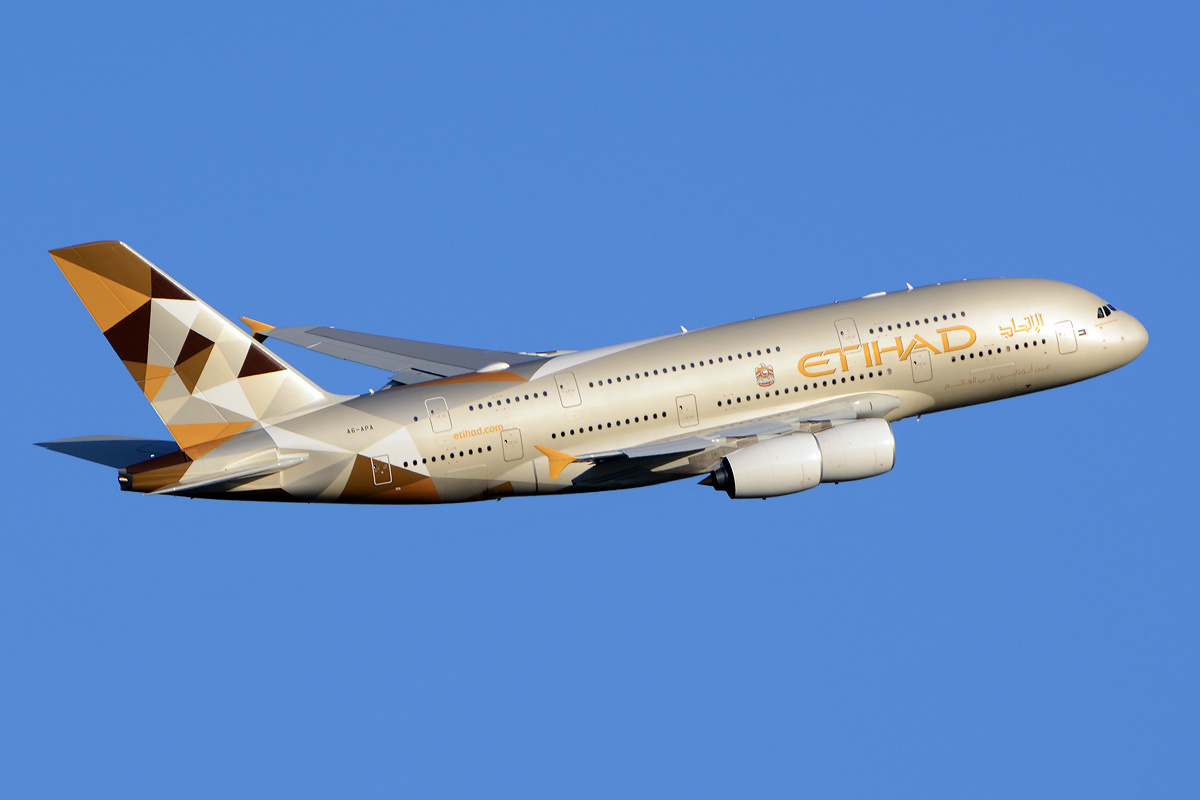
Etihad’s fleet exceeds 100 aircraft, spanning both Airbus and Boeing models. In May, the airline placed a major order with Boeing for 28 wide‑body jets—including 777X aircraft destined to replace its Airbus A380s after 2030. Neves also revealed plans to supplement fleet expansion via secondhand aircraft and lessor sourcing.

This public statement builds upon a broader narrative unfolding over the past year. Etihad reported profitability in 2022 and 2023—92 million dirhams and 525 million dirhams respectively—after years of losses. The airline has been enhancing transparency, governance, and operational efficiency, eliminating underperforming routes and returning grounded aircraft to service.

Earlier projections had flagged a possible IPO no earlier than 2025, allowing Etihad to bolster its financials before a listing. Speculative growth targets under its “Journey 2030” strategy include expanding to over 125 destinations and substantially growing its fleet.

Other commentary from February 2025 suggested Neves intended to float a stake of up to 20 percent on the Abu Dhabi stock exchange, possibly valuing the airline at $5 billion, and underscored his readiness for a float—though final approval again resides with ADQ.

Throughout this period, Etihad has forged strategic alliances. A landmark joint venture with China Eastern Airlines will coordinate schedules and revenues on selected routes from 2025, the first such pact between Middle East and Chinese carriers. Additionally, the airline has broadened its network through expanded service offerings to emerging and mid‑distance markets, positioning Abu Dhabi as a strategic travel hub.

Linkin Park have confirmed their return to Abu Dhabi with a performance at Etihad Arena, Yas Island, on Tuesday 20 January 2026—tickets open for Live Nation’s general sale at 12 pm Gulf Standard Time that day. Presales for Linkin Park Underground community members, including Legacy and Passport Plus members, begin on Monday 1 September, with Live Nation presales running from 2–4 September, ahead of the general public sale […]

The mortgage market in Dubai and the wider UAE has entered a new stage of maturity. Once dominated almost entirely by cash buyers, today’s property landscape is increasingly shaped by mortgage financing. The first quarter of 2025 recorded AED 33 billion in cash transactions versus AED 21 billion in financed purchases. This indicates a clear rise in mortgage penetration as more residents, families, and long-term investors choose […]

A new digital platform, the Flight Operations Centralised Unified System, has been unveiled by the General Civil Aviation Authority to drastically streamline how both foreign and national air operators seek operational approvals across the UAE. The system consolidates key regulatory links and information into a single, user‑friendly gateway, promising faster processing, greater transparency, and reduced bureaucracy. Saif Mohammed Al Suwaidi, Director‑General of the GCAA, described F. O. C. U. S. […]

TECOM Group has committed AED 1.6 billion to acquire 138 land plots totalling 33 million sq ft from Dubai Holding Asset Management. The move enlarges the Group’s land portfolio to over 209 million sq ft and directly addresses strong customer demand for industrial space at Dubai Industrial City, which currently operates at 99 per cent occupancy. The acquisition reinforces TECOM Group’s role as a key contributor to the industrial sector within the UAE, aligning with national economic objectives such […]

The UAE’s civil aviation sector has demonstrated significant growth in the first half of 2025, with key indicators such as passenger traffic, air cargo volumes, and air traffic movements all showing notable increases. Airports across the nation welcomed 75.4 million passengers during this period, marking a 5% rise from the 71.7 million recorded in the same timeframe the previous year. January was the busiest month, with over […]

VISHNU RAJA
RYO YAMADA
HITORI GOTOH
IKUYO KITA
Just in:
Dalilk Academy reaches 27 million, targets 100 million by 2030 // Thailand’s Most Iconic New Year’s Celebration Returns: ICONSIAM Unveils “Amazing Thailand Countdown 2027” // Russia permits retail cryptocurrency purchases under regulated framework // Jaiedco and Golden Bridge Announce Strategic Collaboration for a New Dubai Islands Development // Women held for plot to rob pilgrims // Dubai Introduces SHARH, an AI-Powered Platform Helping Entrepreneurs Buy, Sell and Manage Businesses in the UAE // Alibaba shares slip despite 53% cloud revenue growth // 2026 Tropical Rainforest Ecosystem Partners Conference Kicks off in Hainan // Antony’s wife called to police station with husband over complaint // Yeebo Announces Interim Results for FY26/27 Revenue Increases by 45.5% to HK$806.7 Million Profit Attributable to Owners Surges 87.6% to HK$2,284.7 Million // AXS and PayerMax Advance Omnichannel Payment Acceptance for Merchants // Travel Insurance Was Built for the Few Who Claim. Ancileo’s Felt Coverage™ is for Everyone Else // LittleLives, Little Lab and SEGi College Sign MOU to Explore Early Childhood Education Collaboration Across ASEAN // NASA tests supersonic Mars rotors for heavier payloads // Workday targets Honeydew purchase to unify AI metrics // Coinbase targets 2027 launch amid state gambling lawsuits // PicCollage extends photo editing platform to web browsers // Oil futures rebound after Riyadh strikes and tanker alerts // HC nullifies assets FIR against minister // Sharjah clears Kalba free zone plan for 400MW complex //