Just in:
PicCollage extends photo editing platform to web browsers // Women held for plot to rob pilgrims // International Business Leaders Say Xi’s Speech Boosts Confidence in Asia-Pacific Cooperation // LittleLives, Little Lab and SEGi College Sign MOU to Explore Early Childhood Education Collaboration Across ASEAN // Anthropic’s debut is lifting markets, but someone is still paying for it // Yeebo Announces Interim Results for FY26/27 Revenue Increases by 45.5% to HK$806.7 Million Profit Attributable to Owners Surges 87.6% to HK$2,284.7 Million // Workday targets Honeydew purchase to unify AI metrics // 2026 Tropical Rainforest Ecosystem Partners Conference Kicks off in Hainan // Jaiedco and Golden Bridge Announce Strategic Collaboration for a New Dubai Islands Development // Toward a Shared Future for Humanity: Rethinking Civilizational Exchange // Russia permits retail cryptocurrency purchases under regulated framework // NASA tests supersonic Mars rotors for heavier payloads // Oil futures rebound after Riyadh strikes and tanker alerts // AXS and PayerMax Advance Omnichannel Payment Acceptance for Merchants // Anthropic shares finish above offer price after Nasdaq debut // Antony’s wife called to police station with husband over complaint // Dar Global unveils $700m Trump development in Qatar // Phancy Announces Business Performance for the Nine Months Ended September 30, 2026 // Dubai Introduces SHARH, an AI-Powered Platform Helping Entrepreneurs Buy, Sell and Manage Businesses in the UAE // Alibaba shares slip despite 53% cloud revenue growth //

News related to
Hamas

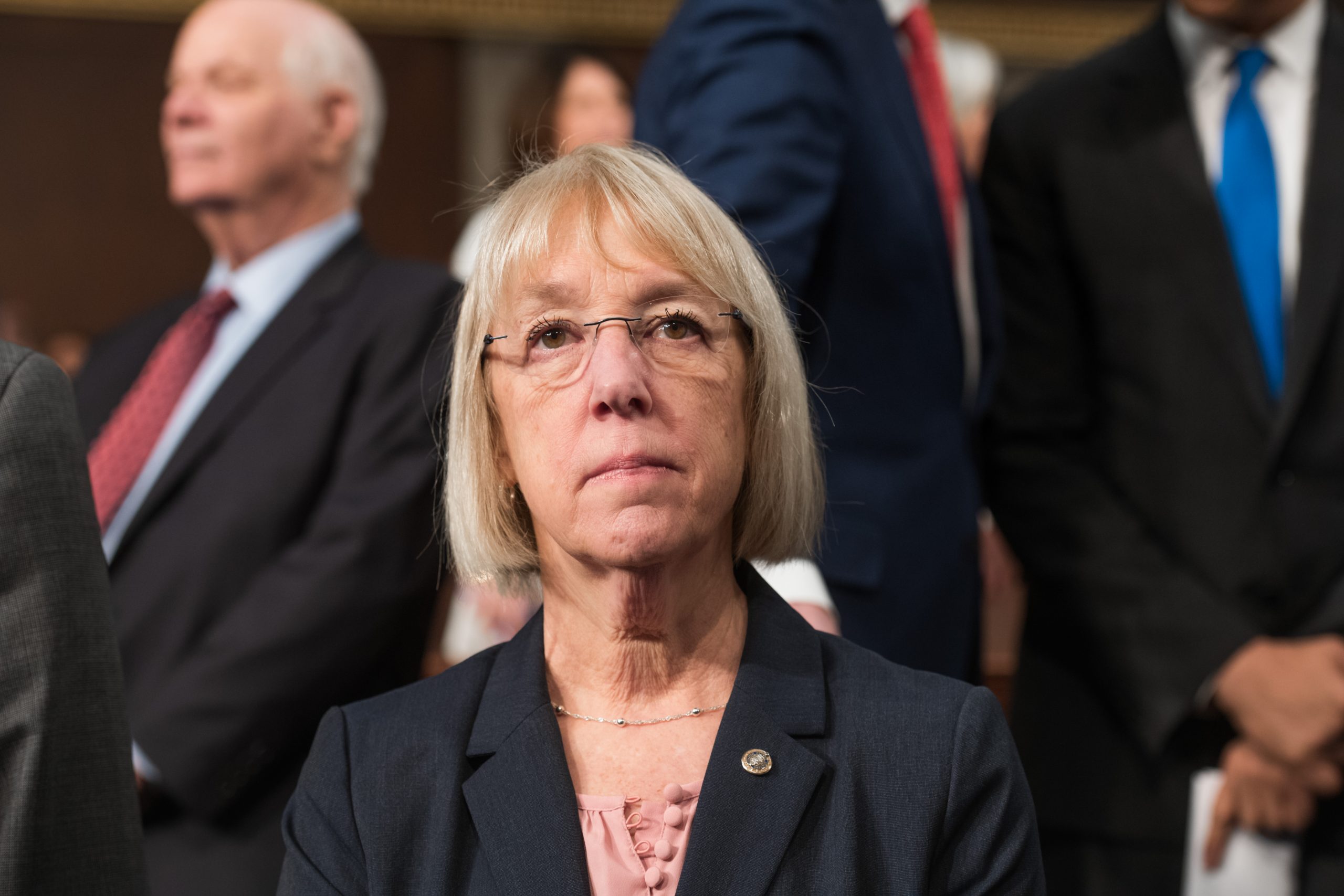
U.S. Senators Chris Coons and Ted Cruz introduced a resolution condemning attacks by Iranian military proxies on American troops stationed in Iraq and Syria. The resolution, backed by a bipartisan group of lawmakers, aims to respond to and deter these assaults, which have surged since mid-October following terror attacks by Hamas on Israel. More than 115 incidents have been recorded against U.S. forces in the region, attributed to Iranian-backed militia groups that receive financial and military support from Tehran.

Senator Coons emphasized the necessity for a strong response from the Biden administration to these provocations. He expressed his support for American service members in the Middle East and the mission of the U.S. Central Command in countering terrorism and maintaining regional stability. Senator Cruz highlighted the broader implications of Iranian aggression, which not only endangers American troops but also threatens freedom of navigation and global economic stability through actions in critical waterways like the Red Sea.

The resolution is co-sponsored by a diverse group of senators, reflecting broad bipartisan concern over the issue. Among the co-sponsors are Senators Jeanne Shaheen, Joe Manchin, Katie Britt, and John Barrasso, among others. They collectively underscore the urgency of holding Iran accountable for its actions and supporting measures to protect U.S. personnel and interests abroad.

In parallel, a separate legislative effort led by Senators Jeff Merkley and Marco Rubio, the Transnational Repression Policy Act, addresses the broader issue of foreign governments targeting dissidents and activists across borders. This bill proposes new policies to hold foreign entities accountable for such repressive actions, which can include stalking, intimidation, and physical assault. High-profile cases cited in support of this legislation include the Belarusian government’s diversion of a plane to arrest an opposition journalist and various instances of harassment by Iranian and Chinese agents against activists abroad.

These legislative initiatives represent a concerted effort by U.S. lawmakers to address and deter acts of aggression and repression by foreign governments. They highlight the ongoing challenges posed by authoritarian regimes to international stability and human rights, and the steps being taken to ensure accountability and protection for those targeted by such actions.

The Israeli Defense Forces (IDF) have announced the death of Mohammed Deif, a senior military commander for Hamas, in a targeted strike on Gaza. This operation, executed on July 13, represents a significant escalation in the ongoing conflict between Israel and Hamas.

Deif, who had long been a high-value target for Israeli forces, was reportedly eliminated during an airstrike in Gaza City. The IDF has described the strike as a successful operation aimed at dismantling the leadership structure of Hamas, a militant organization that has been involved in numerous conflicts with Israel.

The Israeli government has framed Deif’s death as a strategic victory, suggesting that it will weaken Hamas’s ability to coordinate attacks against Israeli targets. Deif was known for his role in orchestrating several high-profile attacks against Israel, including rocket launches and other military operations. His death is anticipated to have significant repercussions on Hamas’s operational capabilities.

Hamas has not officially confirmed the death of Deif but has condemned the strike as an act of aggression. The group has vowed retaliation, indicating that it views the death of one of its senior leaders as a direct challenge to its resilience and resistance efforts.

This latest development comes amid heightened tensions in the region. The ongoing conflict has seen numerous casualties and has exacerbated humanitarian issues within Gaza. Both sides continue to exchange fire, with civilian areas frequently caught in the crossfire, leading to a growing international concern over the impact on non-combatants.

The impact of Deif’s death on Hamas’s operational strategy is still unfolding. Analysts suggest that while the loss of a key leader could disrupt Hamas’s immediate military strategies, it is unlikely to bring an end to the conflict. The group has shown a capacity for adaptation and resilience, often rebuilding its command structures even after significant losses.

The international community remains vigilant, monitoring the situation as it evolves. Efforts to mediate and negotiate peace have been ongoing, but achieving a lasting resolution has proven challenging. The cycle of violence continues to affect both Israelis and Palestinians, with significant implications for regional stability.

As the situation develops, further updates from both the Israeli government and Hamas will be crucial in understanding the full ramifications of this strike. The death of a high-profile figure like Mohammed Deif inevitably shifts the dynamics of the conflict, potentially influencing future military and diplomatic strategies on both sides.

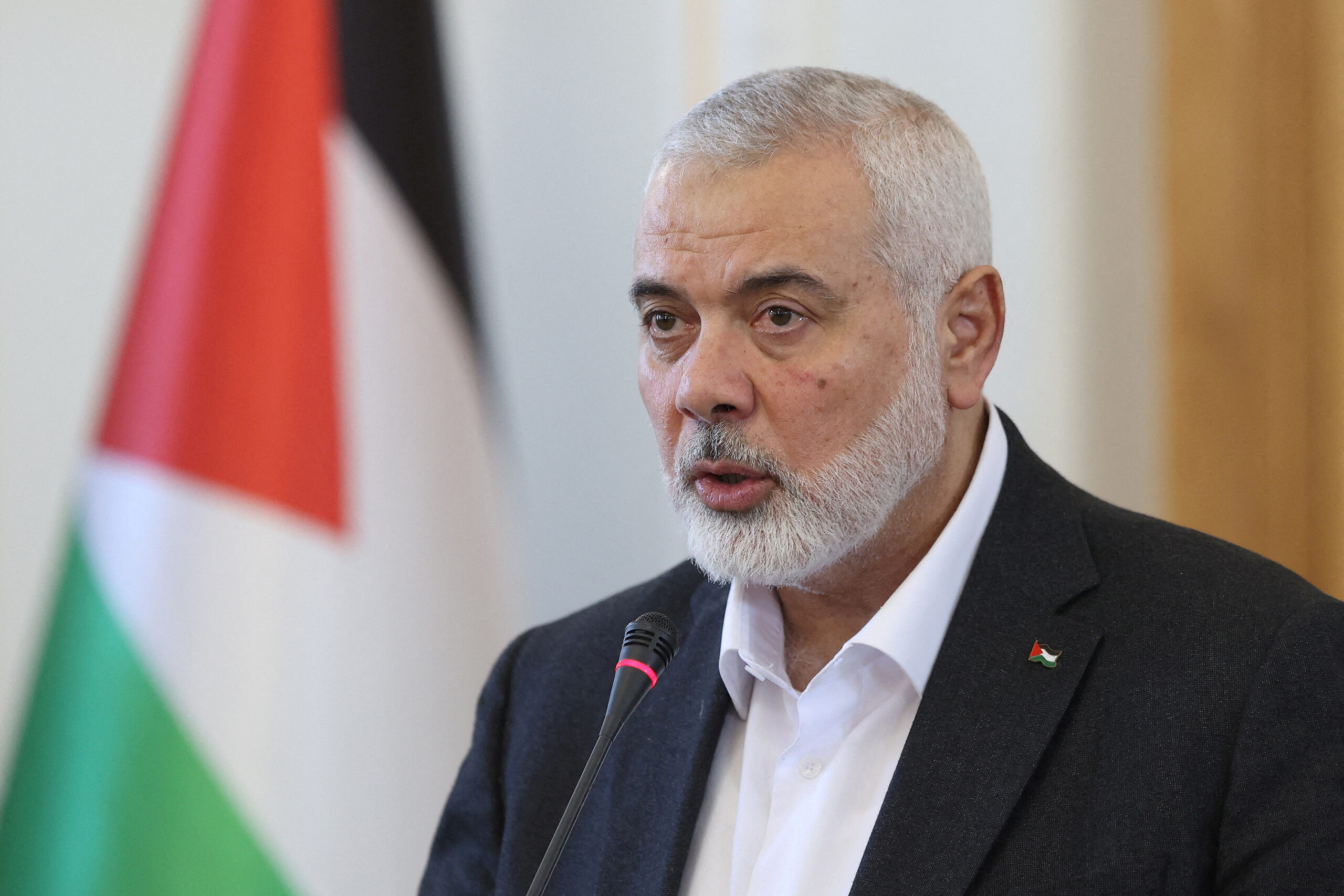
Israel has launched a series of targeted strikes, escalating tensions in the Middle East. The assassination of Ismail Haniyeh, a top Hamas leader, has particularly inflamed the conflict. Haniyeh, who was in exile, was killed in a missile strike in Tehran. This action is part of Israel’s broader campaign against militant leaders across the region.

The Israeli government has confirmed the strike, labeling it a critical blow to Hamas’ leadership. The attack has sparked significant international reactions, with Iran and its allies condemning the assassination. Iranian leaders have vowed retaliation, promising that Israel will regret this action.

The Israeli military is preparing for potential retaliatory strikes from Iran and its proxies. In addition to Haniyeh’s killing, Israel also conducted strikes in Beirut, targeting Hezbollah’s military chief. These operations mark a significant escalation, expanding the conflict beyond Gaza and into neighboring countries.

Palestinian Authority President Mahmoud Abbas has declared a day of mourning for Haniyeh, denouncing the killing as cowardly. Pro-Hamas marches have erupted in various cities, including a significant demonstration in Istanbul, where Turkish President Recep Tayyip Erdoğan condemned the assassination.

The strikes have also complicated ongoing hostage negotiations. Egypt and Qatar have criticized the timing of the attacks, suggesting they undermine efforts to secure the release of captives held by Hamas. U.S. Secretary of State Antony Blinken has emphasized the necessity of a ceasefire to facilitate these talks.

The United Nations Security Council held an emergency meeting to address the escalating tensions. Members of the Iran-backed axis, including Hezbollah, have harshly criticized Israel, calling the situation a dangerous escalation. Security experts predict that while Iran and its allies are likely to respond, they may not be able to reverse Israel’s strategic gains in Gaza.

This series of high-profile killings highlights Israel’s extended reach and intelligence capabilities. The assassination of Haniyeh in Tehran underscores the deep penetration of Israeli operations in Iran, a point acknowledged by various analysts. As the conflict enters a new phase, the potential for wider regional instability looms large.

The situation remains volatile, with both sides bracing for further developments. The international community continues to monitor the conflict closely, urging restraint and the pursuit of diplomatic solutions to prevent further escalation.

Diplomatic efforts to revive peace talks between Israel and Gaza have intensified following the death of Ismail Haniyeh, a key figure in the Hamas leadership. The US government is actively engaging with regional stakeholders to address the potential implications of Haniyeh’s death on the ongoing conflict and peace negotiations. Ismail Haniyeh, who served as the political leader of Hamas, passed away due to health complications. His death […]

The death of a high-ranking Hamas official has shed light on significant vulnerabilities within Iran’s political and security framework. The figure, a prominent leader in Hamas’s military wing, was killed in an operation that has exposed serious gaps in Iran’s oversight and influence over its allies in the region. Hamas confirmed the death of the leader, which took place in a coordinated attack attributed to rival factions […]

Palestinians in Gaza are grappling with heightened despair following the tragic death of three sons of Hamas leader Ismail Haniyeh in an Israeli airstrike. This attack occurred during the Muslim holiday of Eid al-Fitr, a time typically marked by celebration and communal gathering.

The Israeli airstrike targeted a car carrying Haniyeh’s sons—Hazem, Amir, and Mohammed—along with several of his grandchildren in the Al-Shati refugee camp. Eyewitnesses reported the car being obliterated, resulting in the deaths of all its occupants. This incident has intensified the already dire humanitarian situation in Gaza, where more than 30,000 Palestinians have been killed since the conflict began six months ago.

Ismail Haniyeh condemned the attack as a “horrendous massacre” and reaffirmed his commitment to the Palestinian cause. In a televised statement, he declared that such actions by Israel would not weaken the resolve of the Palestinian people but instead strengthen their determination to resist.

The war in Gaza has led to widespread devastation, with the majority of the population facing severe shortages of food, clean water, and medical supplies. Israel’s military offensive has displaced 85% of Gaza’s population, leaving many without homes and basic necessities. The international community has voiced concern over the humanitarian crisis, with the International Court of Justice urging Israel to take measures to prevent famine in the region.

This event has exacerbated tensions in the Middle East, with Israel’s actions being condemned by various global leaders. Iran’s Supreme Leader, Ayatollah Ali Khamenei, issued a stern warning to Israel, promising repercussions for the airstrike that also killed several Iranian generals in Syria.

As Gaza continues to mourn, the future remains uncertain. The conflict has pushed the region to the brink, with the latest incident only deepening the sense of hopelessness among its residents.

By Nitya Chakraborty The Middle East was thrown into an unprecedented turmoil on Wednesday as the news came of the killing of the Hamas leader Ismail Haniyeh in Teheran in the morning by unidentified gunmen in his residence. Though the Iranian government said that they were investigating the killing and the Israeli government kept officially […]
Advertisements

Hamas’s political chief, Ismail Haniyeh, was killed in an attack on his residence in Tehran, Iran. This incident, which also claimed the life of one of his bodyguards, marks a significant escalation in the ongoing tensions involving the Palestinian militant group. The attack has drawn immediate condemnation and concern from international leaders and analysts.

According to initial reports, the assailants targeted Haniyeh’s residence with a coordinated assault, leading to his death and the injury of several others. The circumstances surrounding the attack remain under investigation, and no group has yet claimed responsibility. The Iranian government has vowed a thorough investigation into the incident, emphasizing its commitment to combating terrorism and securing the safety of its citizens.

Haniyeh, a prominent figure in Hamas, has been a central player in the group’s leadership and operations. His death could potentially shift the balance within Hamas and affect its strategies and alliances. Analysts are closely watching for potential repercussions on regional stability and the broader Israeli-Palestinian conflict.

The assassination of Haniyeh represents a critical development in the ongoing conflict dynamics. His leadership was instrumental in Hamas’s political and militant activities, and his absence might create a power vacuum within the organization. This event is likely to provoke varied responses from different factions, both within the region and internationally.

International reactions have been swift, with calls for restraint and dialogue from various world leaders. The attack underscores the volatile nature of the geopolitical landscape in the Middle East, highlighting the persistent risks associated with high-profile figures in conflict zones. The implications of Haniyeh’s death will unfold in the coming days as the situation develops and more information becomes available.

As the investigation continues, the global community remains on alert for potential repercussions. The situation reflects the ongoing complexities of Middle Eastern politics and the enduring challenges in achieving lasting peace and stability in the region.

Amid intensified hostilities in Gaza, over 200,000 individuals have been displaced, according to the UN Office for the Coordination of Humanitarian Affairs (OCHA). This surge in displacement stems from ongoing bombardments, with Israeli military operations significantly impacting northern Gaza. Eastern Gaza City, particularly the Shujaiya district, has seen around 84,000 people forced to flee due to heavy fighting. The violence has disrupted essential services, cutting off access […]

A series of U.S. airstrikes targeted facilities used by Iran-backed militia groups in Iraq, following a surge in attacks on American forces in the region. The strikes were conducted in response to ballistic missile attacks that wounded several U.S. soldiers.

The targeted facilities, operated by the Hezbollah Brigades, included a headquarters, storage areas, and training sites for rockets, missiles, and unmanned aerial vehicles (UAVs). These strikes mark the latest escalation in the ongoing conflict between U.S. forces and Iran-backed militias, which have conducted over 150 attacks on U.S. bases in Iraq and Syria since October 2023.

U.S. Secretary of Defense Lloyd Austin described the strikes as “necessary” and “proportionate,” aimed at deterring further attacks on U.S. and coalition personnel. The Hezbollah Brigades, designated as a Foreign Terrorist Organization by the U.S., have vowed to continue their assaults. Their spokesperson, Jaafar al-Husseini, affirmed their commitment to targeting U.S. strongholds.

The airstrikes resulted in the death of Ali Subieh, a fighter with the Hezbollah Brigades, as confirmed by the group on its Telegram channel. This development underscores the persistent volatility in the region, with Iran-backed groups maintaining their offensive stance despite significant losses.

The conflict has intensified since the onset of the Israel-Hamas war in October 2023, which has indirectly fueled militia activities against U.S. interests. The U.S. response, involving precision strikes on militia assets, aims to mitigate threats and stabilize the security situation for American and allied forces.

Hezbollah Brigades, a prominent Shia militia in Iraq, receives extensive support from Iran’s Qods Force, including training, funding, and weaponry. Founded by Abu Mahdi al-Muhandis and closely allied with the late Qassem Soleimani, the group has been a significant adversary for U.S. forces in the region. The persistent threat posed by these militias necessitates ongoing vigilance and strategic countermeasures by the U.S. military.

Airstrikes hit southern Beirut as the conflict between Israel and Gaza intensifies. The Israeli military launched attacks targeting Hezbollah positions in Lebanon’s capital, marking a significant escalation in the region.

Israel’s foreign minister declared the country was facing an “all-out war” following a deadly rocket strike in Majdal Shams, a town in the Golan Heights. The attack resulted in multiple casualties, raising tensions and prompting a swift military response from Israel.

The Israeli Defense Forces (IDF) reported that the airstrikes in Beirut aimed at neutralizing Hezbollah’s military capabilities, which Israel accuses of collaborating with Hamas in Gaza. The bombings targeted key infrastructure and weapons storage facilities, according to IDF spokespersons.

Hezbollah’s leader condemned the airstrikes, vowing retaliation and further complicating the conflict. The group claimed that the Israeli attacks damaged civilian areas and infrastructure, although the extent of the damage remains unclear.

The conflict’s escalation has drawn international concern, with calls for restraint and dialogue from the United Nations and several global leaders. The UN Secretary-General emphasized the need for immediate cessation of hostilities to prevent further humanitarian catastrophe.

In Gaza, the fighting has resulted in substantial casualties on both sides. Israeli airstrikes have targeted what they describe as military installations and tunnels used by Hamas. The Palestinian Health Ministry reported significant civilian casualties, including women and children, as a result of the bombings.

Humanitarian organizations have raised alarms over the deteriorating situation in Gaza. Hospitals are overwhelmed, facing shortages of medical supplies and electricity. The International Committee of the Red Cross (ICRC) called for safe corridors to deliver aid and evacuate the wounded.

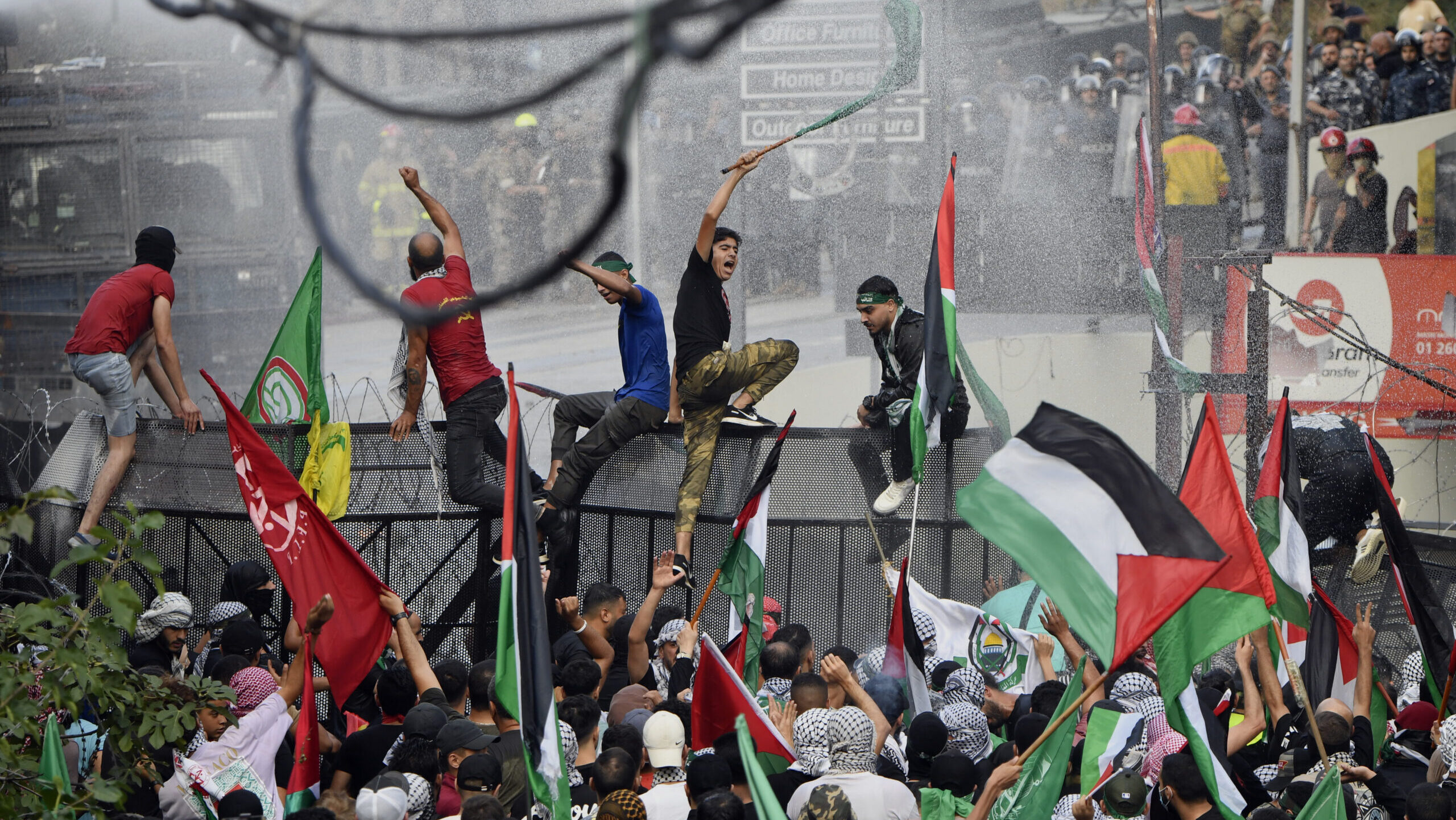
The conflict’s impact extends beyond the immediate war zone. Protests and violent clashes have erupted in several cities across the Middle East, reflecting widespread anger and solidarity with the Palestinian cause. Demonstrations have also taken place in Western capitals, urging governments to intervene and advocate for a peaceful resolution.

Israel has faced international scrutiny over its military actions. Human rights organizations have called for investigations into potential violations of international law, particularly regarding the targeting of civilian areas in Gaza and Lebanon. The Israeli government maintains that its military operations are in self-defense and aimed at minimizing civilian harm.

Diplomatic efforts to broker a ceasefire have thus far been unsuccessful. Egypt and Qatar have been particularly active in mediating between the conflicting parties, but both sides remain entrenched in their positions. The United States has expressed support for Israel’s right to self-defense while urging for measures to protect civilians and reduce casualties.

The economic repercussions of the conflict are also significant. Gaza’s infrastructure has suffered extensive damage, affecting essential services and livelihoods. In Israel, the economy faces disruptions from rocket attacks, with businesses and schools in affected areas forced to close temporarily.

Regional analysts warn that the ongoing hostilities could destabilize the broader Middle East, with potential spillover effects into neighboring countries. The involvement of Hezbollah and the airstrikes in Beirut indicate a risk of the conflict expanding beyond Gaza and Israel.

As the situation unfolds, the international community continues to monitor developments closely. The prospects for a lasting peace appear dim amid the current escalation, with deep-seated grievances and historical animosities driving the conflict.

Efforts to address the humanitarian crisis and rebuild trust between the parties are crucial for any future resolution. The global call for peace underscores the urgent need for dialogue and diplomacy to end the violence and pave the way for a sustainable solution.

The Gaza conflict, now in its tenth month, has escalated with significant military and humanitarian implications. The Israeli Defense Forces (IDF) have intensified their operations, focusing on dismantling Hamas infrastructure. According to IDF Chief of Staff Herzi Halevi, these efforts aim to weaken Hamas’s capabilities and secure the release of hostages.

The death toll in Gaza has reached over 38,000, as reported by the Hamas-run Gaza Health Ministry, though these figures remain unverified by independent sources. The United Nations has previously critiqued Hamas for inflating casualty figures, particularly regarding non-combatants. The conflict has resulted in extensive civilian casualties and widespread destruction, exacerbating the humanitarian crisis in the region.

Israeli Defense Minister Yoav Gallant reported that approximately 60% of Hamas combatants have been killed or wounded, significantly reducing the group’s operational capacity. This includes the dismantling of several Hamas battalions, reflecting the intensity of the ongoing military campaign.

The situation in Gaza is described by UN humanitarian officials as catastrophic, with urgent calls for international intervention. The conflict has strained regional stability and led to severe shortages of essential supplies, including food, water, and medical aid.

The international community remains divided on the response to the conflict, with some nations advocating for a ceasefire and humanitarian aid, while others support Israel’s right to defend itself against Hamas’s aggression. The prolonged conflict continues to impact the lives of countless civilians, highlighting the urgent need for a resolution.

This ongoing situation underscores the complexities and dire consequences of prolonged conflict, necessitating a concerted effort from global leaders to address both immediate humanitarian needs and long-term peace prospects.

Israel has issued a stern warning to Hezbollah, promising severe repercussions following a deadly attack in the Golan Heights. Tensions escalated after Hezbollah launched a multi-drone assault on an Israeli military outpost in the region, an incident the militant group claimed responsibility for but later denied initiating. The Israeli Defense Forces (IDF) reported the drone strike on the Golan Heights, an area Israel has controlled since the […]

Negotiations aimed at resolving the conflict in Gaza have been delayed, with talks originally scheduled for Thursday in Doha now postponed to next week. This development follows the announcement that Israeli Prime Minister Benjamin Netanyahu will remain in Washington for an extended period. The postponement has been attributed to the need for Netanyahu’s presence in the negotiations, as key discussions were anticipated to involve high-level Israeli officials. […]

By Nantoo Banerjee The US Ambassador to India, Eric Garcetti, may have exceeded his brief by issuing a warning to India that the country can’t take its improved relationship with the United States for granted in the context of Prime Minister Narendra Modi’s talks with Russian President Vladimir Putin in Moscow, last week. The ambassador, […]

Shama Suasana Johor Bahru Relaunches as 87 All-Suite Premier Serviced Residence in Vibrant Cityscape JOHOR BAHRU, MALAYSIA – Media OutReach Newswire – 1 July 2024 – Shama Suasana Johor Bahru unveils a new chapter announcing the official rebranding from Suasana Suites Johor Bahru. This exciting transformation marks a new era of exceptional hospitality in the heart of vibrant Johor Bahru. Shama Suasana Johor Bahru’s relaunch ribbon-cutting ceremony […]

The jingle of coins and the rustle of bills may become a relic of the past as central banks around the world delve into the potential of central bank digital currencies (CBDCs). Driven by the burgeoning digital economy and the growing popularity of cashless transactions, these government-backed digital tokens aim to streamline payments and enhance financial inclusion. But will CBDCs completely dethrone physical cash? The rise of […]

James M Dorsey Even by Israeli standards, Uri Tzafon (Awaken North) is a far-right fringe group. Amid mounting tension with Lebanese Shiite political group and militia, Hezbollah, along the Lebanon-Israel border, Uri Tzafon is calling for Israeli settlement of southern Lebanon. The group has yet to gain traction. Uri Tzafon’s membership is in the low teens. Less than 300 people attended the group’s recent online conference. Few, if […]

By Tajul Islam The recent provocations by Myanmar in the Bay of Bengal have significantly escalated tensions between Myanmar and Bangladesh, threatening regional stability and security. Reports indicate that Myanmar has been engaging in aggressive actions against Bangladeshi vessels operating in the Teknaf and St Martin’s sea lanes. This article examines the current situation, its historical context, and the broader implications for regional security, while also addressing […]

James M Dorsey Israeli military triumphs and exploits often produce battlefield victories that fail to garner political gains. The Gaza war has changed that paradigm. It has produced neither a military nor a political victory. Adding fuel to the fire, Israel has abandoned the notion that soft power is as important as hard power in the vein of scholar Joseph Nye, who recently cautioned that “ignoring or neglecting […]

By Nantoo Banerjee The government’s strong reaction to the news of the death of two Russian Army-recruited Indian nationals in the Ukraine war asking the Russian authorities for an early release and return of all Indian nationals serving in the Russian Army does not seem to be quite justified. It may be even considered as […]

The United States and Saudi Arabia are on the cusp of finalizing a significant security agreement, according to reports from US and Saudi officials. The draft treaty, modeled after the existing US-Japan mutual defense pact, would pledge American military support to Saudi Arabia in the event of an attack. This commitment is seen as a potential turning point in US-Saudi relations, which have been strained in recent […]

By James M Dorsey The coming week or two could determine Prime Minister Binyamin Netanyahu’s political fate and reshape the Biden administration’s support for Israel’s Gaza war. That is, if Netanyahu fails to comply with war cabinet member Benny Gantz’s demand that the prime minister produce a plan for the post-war administration of GaIf Gantz […]

The post Next Week Could Mark A Make Or Break For Netanyahu’s Political Future first appeared on Latest India news, analysis and reports on IPA Newspack.

James M Dorsey The coming week or two could determine Prime Minister Binyamin Netanyahu’s political fate and reshape the Biden administration’s support for Israel’s Gaza war. That is, if Netanyahu fails to comply with war cabinet member Benny Gantz’s demand that the prime minister produce a plan for the post-war administration of Ga If Gantz resigns, he will likely be joined by fellow war cabinet member and […]

VISHNU RAJA
RYO YAMADA
HITORI GOTOH
IKUYO KITA
Just in:
Antony’s wife called to police station with husband over complaint // Hackers exploit public notes to distribute NodeLinkRAT malware // LittleLives, Little Lab and SEGi College Sign MOU to Explore Early Childhood Education Collaboration Across ASEAN // Yeebo Announces Interim Results for FY26/27 Revenue Increases by 45.5% to HK$806.7 Million Profit Attributable to Owners Surges 87.6% to HK$2,284.7 Million // Anthropic shares finish above offer price after Nasdaq debut // Travel Insurance Was Built for the Few Who Claim. Ancileo’s Felt Coverage™ is for Everyone Else // PicCollage extends photo editing platform to web browsers // Coinbase targets 2027 launch amid state gambling lawsuits // Russia permits retail cryptocurrency purchases under regulated framework // Dar Global unveils $700m Trump development in Qatar // Dalilk Academy reaches 27 million, targets 100 million by 2030 // NASA tests supersonic Mars rotors for heavier payloads // Oil futures rebound after Riyadh strikes and tanker alerts // HC nullifies assets FIR against minister // International Business Leaders Say Xi’s Speech Boosts Confidence in Asia-Pacific Cooperation // Toward a Shared Future for Humanity: Rethinking Civilizational Exchange // Workday targets Honeydew purchase to unify AI metrics // Thailand’s Most Iconic New Year’s Celebration Returns: ICONSIAM Unveils “Amazing Thailand Countdown 2027” // Anthropic’s debut is lifting markets, but someone is still paying for it // Jaiedco and Golden Bridge Announce Strategic Collaboration for a New Dubai Islands Development //