News related to
Hamas

Israel has mandated the United Nations Relief and Works Agency for Palestine Refugees to cease all operations in East Jerusalem by January 30, 2025. This directive compels UNRWA to vacate its premises and halt services that tens of thousands of Palestinian refugees depend on, including education and healthcare. The Israeli government, citing allegations of UNRWA staff involvement in militant activities, enacted a law in October prohibiting the […]

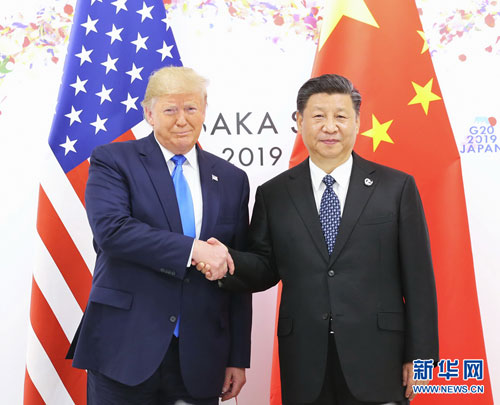
By Nitya Chakraborty Is the U.S. President Donald Trump looking for a big deal with the Chinese President Xi Jinping in his second term to reshape the global order favouring two super powers and marginalizing both Western Europe and Russia? The question gets all the relevance if one analyses the policy announcements by the second […]

Wizz Air Abu Dhabi is evaluating the potential to introduce flights to Syria, aiming to broaden its network and offer more travel options to passengers. This consideration aligns with the airline’s strategy to expand its presence in the Middle East and connect underserved destinations.

The airline has experienced significant growth, carrying over 3.5 million passengers in 2024, a 20% increase from the previous year. This expansion has been accompanied by the introduction of innovative travel products, such as the Wizz MultiPass and All You Can Fly memberships, which sold out within 48 hours of their launch. These initiatives cater to travelers seeking affordable and flexible options for exploring multiple destinations throughout the year.

In addition to exploring new routes, Wizz Air Abu Dhabi is increasing the number of flights between Abu Dhabi and Tel Aviv following the recent ceasefire agreement between Israel and Hamas. The airline had previously scaled back its Tel Aviv-Abu Dhabi service due to the conflict but is now working to restore services to meet growing demand.

By Nitya Chakraborty The announcement on Gaza between Israel and Hamas just five days before the inauguration of Donald Trump as the President of USA on January 20 has baffled many leaders of the peace movement as also left liberal political analysts as to how to properly assess the policies of this hard far right […]

Matein Khalid There is no geopolitical risk premium in Brent crude even though history just went fast forward and literally ballistic in the Middle East as the IDF bombed Hamas into the Stone Age, decapitated Hezbollah’s command/communications networks, killed Nasrallah, forced Iran’s most valuable proxy militia to sue for a ceasefire in Lebanon, destroyed Iran’s Russian S300 anti-missile defense systems and escalated its air assault on the […]

By Manish Rai While on my recent visit to Iraqi Kurdistan, I visited several frontline positions of the Peshmerga forces, where they are facing the Iraqi Army and active ISIS cells. Firstly, I visited Brigade 14 headquarters near Dibak, approximately 60 km from the Kurdistan capital, Erbil. There, I met with Brigadier General Almi Mzuri; he is a seasoned soldier who worked in the Iraqi Army for […]

Oil prices have declined, with Brent crude futures dropping 41 cents to $72.47 per barrel, and U.S. West Texas Intermediate crude futures falling 39 cents to $68.99 per barrel. China’s oil demand is projected to peak by 2027, with fuel consumption slowing. The U.S. dollar has reached its highest value since November 22, making commodities more expensive for holders of other currencies. OPEC+ has reduced its 2024 […]

Advertisements

Princess Resorts is set to transform Jamaica’s tourism sector with the development of the country’s first-ever casino, marking a significant milestone in the nation’s hospitality and entertainment offerings. The resort, which is expected to open in 2025, will feature a $400 million investment, making it one of the most ambitious projects in the Caribbean region in recent years. The development will not only add a new layer to Jamaica’s resort scene but will also create a considerable impact on the local economy, both in terms of tourism and employment.

The integrated resort will consist of 1,005 rooms, including a variety of luxury accommodations, with overwater suites designed to provide guests with exclusive and high-end experiences. This expansion into the casino and gaming market highlights the increasing demand for diverse tourist attractions and is seen as a pivotal step in attracting new types of visitors to the island, particularly those interested in gaming and luxury entertainment.

Jamaica’s tourism industry, which has long been known for its beautiful beaches, vibrant culture, and all-inclusive resorts, has faced increasing competition from other Caribbean destinations. The introduction of a casino resort is expected to bolster the country’s appeal, particularly to affluent travelers seeking a comprehensive luxury vacation experience. The resort’s casino will offer a range of gaming options, from traditional table games to modern slot machines, catering to both seasoned players and newcomers to the gaming world.

The resort is also expected to serve as a catalyst for broader economic growth. According to industry experts, the project will generate hundreds of jobs, including those in hospitality, security, construction, and management, contributing to the island’s employment rate. Local businesses are also poised to benefit from the influx of international tourists who will spend on dining, shopping, and other leisure activities outside the resort complex.

Princess Resorts has a history of successful luxury developments, with locations in other parts of the Caribbean, including the Bahamas. The company’s decision to invest in Jamaica is seen as a strategic move to capitalize on the island’s stable tourism industry and its position as one of the top destinations in the region. While the development promises to bring new opportunities to Jamaica, it also raises questions about the balance between mass tourism and preserving the island’s cultural and environmental heritage.

Local stakeholders have expressed mixed reactions to the casino project. While some view it as a necessary step toward diversifying Jamaica’s tourism offerings, others are concerned about the potential negative impacts on local communities. There is growing concern that the expansion of large-scale resorts with integrated gaming facilities could lead to increased commercialization, potentially eroding the island’s unique cultural identity and its natural landscapes.

The Jamaican government has remained supportive of the project, citing its potential to boost the economy and elevate the country’s profile as a luxury tourism destination. Authorities have stressed that the development is in line with the government’s broader strategy to attract high-net-worth individuals and families, while also creating sustainable job opportunities for Jamaicans. The regulatory framework for the casino’s operations will be closely monitored, with the aim of ensuring that gaming activities comply with local laws and are integrated responsibly into the broader tourism ecosystem.

While the Jamaican government has embraced the project, critics argue that there should be a more comprehensive examination of the social implications of introducing a casino culture. Gambling addiction, increased crime, and the potential for exploitation of vulnerable communities are among the concerns raised by various advocacy groups. To mitigate these risks, local leaders have called for the implementation of responsible gaming practices and stronger community support mechanisms to ensure that the benefits of the development outweigh any adverse effects.

The casino will likely set a new benchmark for the Caribbean resort market, with developers looking to Princess Resorts as a model for future integrated casino-resort developments across the region. Many see the move as a signal of the growing importance of gaming in the tourism industry, which has long been dominated by beach resorts and eco-tourism. As Jamaica positions itself as a leading destination for luxury travelers and gaming enthusiasts, the success of this project will undoubtedly have broader implications for the Caribbean’s tourism and hospitality sectors.

Matein Khalid The dramatic events of last week in Syria have only boosted President Erdogan’s role as the preeminent regional powerbroker in the heart of the Arab Levant as Turkish armed/financed Sunni militias engineered their collapse of the 54-year-old Assad dynastic tyranny in Damascus. Syria is once again a de facto Turkish protectorate, as it was in the five centuries since Sultan Selim Yavuz vanquished its Mamluk […]

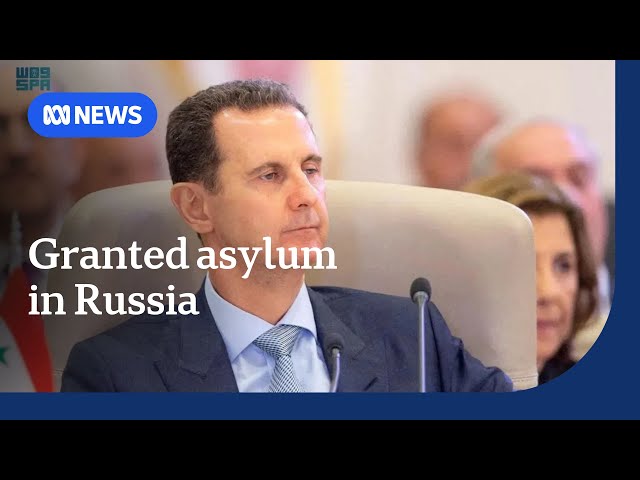
By Nitya Chakraborty The already war ravaged West Asian region has entered into a new phase of geo political turmoil with the ouster of the Syrian President Bashar-al Assad Government and the President fleeing from Damascus on Sunday to Moscow and granted asylum there by the Russian Government. The defeat of the Syrian Bath Party […]

The Caribbean and the United States are now seamlessly connected through the newly unveiled Caribbean Elite Alliance (CELIA) undersea cable, marking a transformative leap in digital infrastructure for both regions. This high-capacity cable, which spans more than 5,000 kilometers, promises to revolutionize data transfer and telecommunications, providing faster, more reliable internet access for millions of people in the Caribbean and on the U.S. East Coast. CELIA, which […]

Hong Kong Tourism Poised for Growth; Cruise Business Fuels Economic Recovery HONG KONG SAR – Media OutReach Newswire – 7 December 2024 – Royal Caribbean International, the world’s leading and Hong Kong’s longest-standing homeporting cruise line, is set to double its Hong Kong homeport sailings next year with an extended season of 10 roundtrip sailings. The Quantum Ultra Class Spectrum of the Seas and sister ship Ovation […]

The International Criminal Court (ICC) has issued arrest warrants for Israeli Prime Minister Benjamin Netanyahu and former Defense Minister Yoav Gallant in connection with alleged war crimes committed during Israel’s military operations in Gaza. The charges stem from actions taken by Israeli forces that resulted in the deaths of civilians and the destruction of civilian infrastructure, which the ICC claims violated international law. The court’s decision marks […]

The United Nations General Assembly has overwhelmingly voted in favor of a resolution recognizing the right of the Palestinian people to self-determination, paving the way for the establishment of an independent Palestinian state. A total of 170 countries supported the resolution, signaling strong international backing for the Palestinian cause, while six nations, including Israel and the United States, voted against it. Nine others abstained from the vote, […]

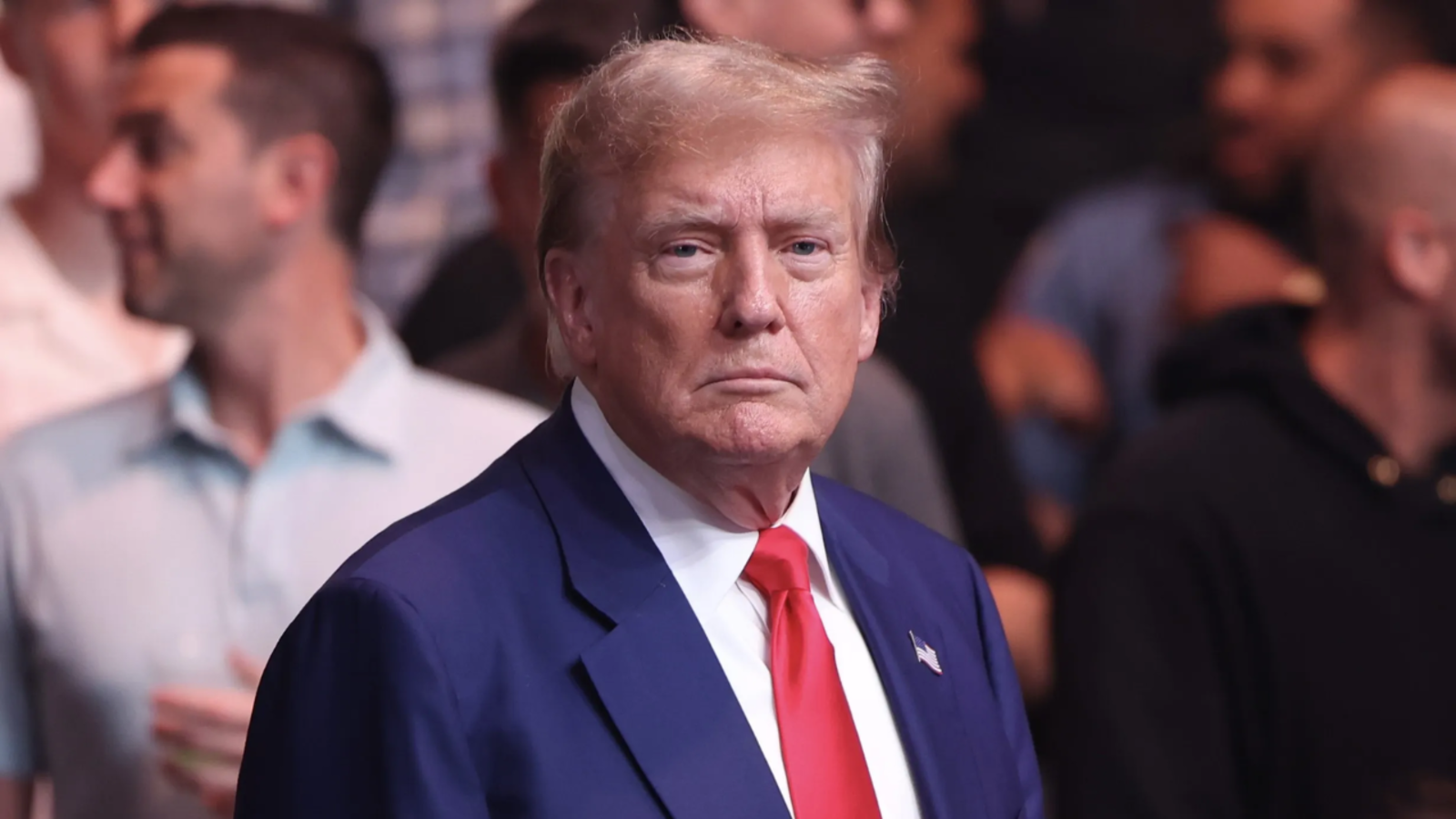
By Asad Mirza Donald Trump’s re-entry in the White House is seen with a bated breath all over the world, especially the Muslim nations across the globe, as the world waits to see in which manner his current presidency will run. Will it be “America First” like the previous one or a rather tolerant one […]
By Nitya Chakraborty Finally, the U.S. election results are out. The Republican candidate Donald Trump has swept the polls by winning convincingly in the presidential contest as also leading the Republican Party to majority in both the Senate and the House of Representatives. There is no grey area. It is apparent that the majority of […]
By Nantoo Banerjee With geopolitical tensions rising in Europe and Asia and central banks across the world buying gold like never before are mainly behind the near continuous rise in gold prices since last year. The surging gold price trend may continue through the coming months unless peace and economic stability soon return to the […]

Divya Malhotra Middle East has turned into a ticking time bomb as Iran and Israel stand on the verge of a full-blown war. A lot has transpired between the two countries since the October 2023 Hamas attack on Israel and the ensuing Gaza war. Israel is more than a thousand miles away from Iran. They do not share any border and there are no significant bilateral claims […]

A significant shift in global oil prices has occurred, triggered by reports that Israel will not target Iranian energy facilities during its ongoing military operations. The announcement has contributed to a notable decrease in crude oil prices, with Brent crude futures falling to approximately $83.50 per barrel, a drop of nearly 5%. West Texas Intermediate (WTI) also experienced a decline, trading around $78.50 per barrel. The news of a potential de-escalation of tensions has sparked optimism among traders and analysts, prompting discussions about the implications for oil supply and regional stability.

This development follows heightened concerns about the geopolitical landscape in the Middle East, particularly since the onset of hostilities involving Israel and Hamas. Market observers had speculated that any escalation involving Iran could disrupt oil supply chains, especially given Iran’s substantial role in the global oil market. The country, a member of the Organization of the Petroleum Exporting Countries (OPEC), has consistently been a significant player in oil production, with its output averaging around 3 million barrels per day prior to the imposition of sanctions.

Analysts have noted that the decision to refrain from targeting Iranian facilities could stabilize oil prices in the short term. Such stability is crucial, as fluctuations in oil prices often reflect broader economic sentiments and can influence inflation rates worldwide. The International Energy Agency (IEA) had previously warned that any conflict in the region could lead to a supply shock, resulting in further price surges. However, the latest assurances have alleviated some of these fears, allowing for a moment of respite in oil markets.

The interplay between Israel and Iran extends beyond military engagements, encompassing significant economic implications as well. Iran’s oil exports have faced restrictions due to sanctions imposed by Western nations, limiting its ability to engage in international trade. Despite these challenges, Iran has sought to bolster its oil exports through partnerships with countries such as China, which has emerged as a primary importer of Iranian crude.

This latest news has prompted reactions from various stakeholders in the oil market. Major oil companies are closely monitoring the situation, as any potential escalation could alter their operational strategies and long-term investment plans in the region. Executives from companies like BP and Shell have expressed cautious optimism, reiterating their commitment to maintaining stable supply chains while navigating geopolitical uncertainties.

While the immediate outlook appears more favorable for oil prices, analysts caution that the situation remains fluid. The potential for conflict in the Middle East has not dissipated, and other geopolitical factors could still influence market dynamics. For instance, the ongoing conflict in Ukraine and its ramifications for global energy supply also weigh heavily on market sentiment. European countries continue to seek alternatives to Russian gas, further complicating the energy landscape and contributing to price volatility.

Market analysts are keeping a close eye on OPEC’s strategies in response to shifting demand dynamics. The organization has historically played a critical role in managing oil supply to influence prices. The group is likely to convene in the coming weeks to assess the current situation and consider adjustments to their production quotas. OPEC’s decisions are crucial for maintaining market equilibrium, especially during times of uncertainty.

In the context of these developments, there has been a renewed focus on the importance of diversifying energy sources and enhancing energy security. Nations worldwide are increasingly exploring renewable energy options as part of their long-term strategies to reduce dependence on fossil fuels. This transition has been accelerated by rising global temperatures and the urgent need to address climate change, prompting many governments to invest in sustainable energy infrastructure.

The Pentagon has announced the deployment of the Terminal High Altitude Area Defense (THAAD) missile defense system to Israel, reinforcing the nation’s defense capabilities against potential missile threats, particularly from Iran. This strategic move includes sending US military personnel to operate the system and comes amid escalating tensions in the region, notably due to Iran’s ongoing missile development and regional activities.

The deployment of the THAAD system, which is designed to intercept short- to intermediate-range ballistic missiles, marks a significant step in US-Israel defense cooperation. The system will enhance Israel’s already robust missile defense architecture, which includes the Iron Dome and David’s Sling systems. US Secretary of Defense Lloyd Austin emphasized the importance of this deployment, stating that it demonstrates the United States’ unwavering commitment to Israel’s security. He reiterated that the United States will continue to work closely with its allies to address shared security challenges.

Analysts suggest that this deployment is not merely a precautionary measure; it serves as a signal to both allies and adversaries that the US stands firmly with Israel in the face of rising threats. Iran’s missile program has expanded rapidly in recent years, with officials claiming capabilities to strike targets across the Middle East. Reports indicate that Iran is developing long-range missiles capable of reaching Europe and beyond, raising alarms not only in Israel but also among European nations and the Gulf states.

The THAAD system, operational since 2008, has been deployed in several locations worldwide, including South Korea and the United Arab Emirates, highlighting its role in US military strategy. This particular deployment is part of a broader framework of military support provided by the United States to Israel, which receives approximately $3.8 billion annually in military aid, as outlined in a 10-year memorandum of understanding signed in 2016.

Tensions have intensified in the region due to a range of factors, including Iran’s nuclear program and its support for militant groups like Hezbollah and Hamas. The Biden administration’s approach to Iran, characterized by attempts to re-engage diplomatically while maintaining a stance of deterrence, reflects the complexities of regional geopolitics. In the wake of stalled negotiations over the Iran nuclear deal, the deployment of THAAD serves as a tangible measure of deterrence.

Experts also note that Israel has been strengthening its own military capabilities, including advancements in aerial defense systems and cyber warfare. The Israeli military has been conducting various exercises to prepare for potential confrontations, ensuring that its forces are ready to respond to threats on multiple fronts. The addition of THAAD will complement these efforts, particularly in countering long-range missile threats.

The timing of this deployment coincides with heightened tensions between Israel and Palestinian factions in Gaza. Following a series of rocket attacks from Gaza, the Israeli military has intensified airstrikes, prompting fears of an escalation into broader conflict. The THAAD system is expected to provide an additional layer of defense against potential retaliatory missile strikes that could emerge from such clashes.

US officials have reiterated that the deployment does not signify an intention to escalate military involvement in the region but rather aims to bolster Israel’s defensive posture. This move reflects a strategic shift toward enhancing missile defense capabilities in an era marked by technological advancements in missile systems worldwide.

As the situation unfolds, the implications of this deployment will likely resonate beyond Israel, influencing the broader dynamics of Middle Eastern security. Regional actors, including Iran, will be closely monitoring the developments, assessing the implications for their own defense strategies and military posturing.

International reactions to the THAAD deployment have been mixed. While Israeli officials have welcomed the additional security assurances, some regional nations view the move with skepticism. There are concerns that increased US military presence could exacerbate existing tensions in an already volatile region.

As the Pentagon mobilizes resources to support Israel, the focus will also shift to diplomatic efforts aimed at addressing the underlying issues driving regional instability. Engaging Iran in constructive dialogue remains a challenge, with trust deficits complicating the prospects for meaningful negotiations.

By Nitya Chakraborty Monday October 7 2024 marks the completion of one year of the Israel-Palestine war which started with the brutal attack on the citizens of Israel by the militant Palestine group Hamas and the more severe retaliation by the Israel Defence Forces (IDF) and the complete annexation of the Gaza area along with […]

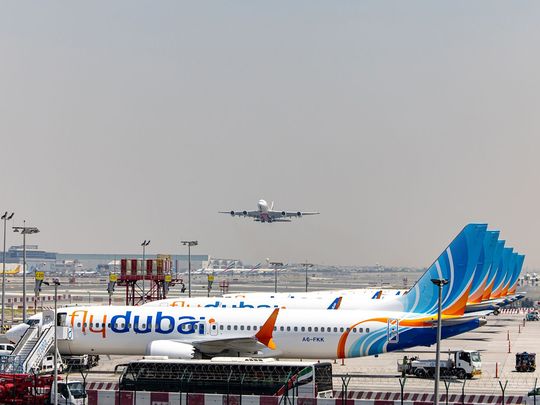
flydubai has confirmed that it will resume operations to key Middle Eastern destinations—Iran, Iraq, Israel, and Jordan—starting from October 4, 2024. This announcement follows temporary suspensions caused by the escalating geopolitical tensions, particularly the outbreak of hostilities between Israel and Hamas on October 1. The airline is closely monitoring the situation and has stated that it will remain flexible with its schedule should circumstances change.

While services to Iran, Iraq, Israel, and Jordan are set to resume, flights to Beirut remain grounded until at least October 7 due to the volatile security environment. Other UAE carriers, including Emirates and Etihad Airways, have extended their suspension of Beirut-bound flights until October 8. Emirates also announced the temporary halt of its flights to Baghdad, Basra, Tehran, and Amman for October 4 and 5, citing security concerns across the region.

Crude oil prices have experienced a significant downturn, dropping approximately 17% in the third quarter of this year. This decline, marked by market volatility and geopolitical tensions, highlights a complex interplay between Middle Eastern conflicts and diminishing global demand.

As of late September, West Texas Intermediate (WTI) crude settled at around $89 per barrel, down from its highs earlier in the quarter. Brent crude, the global benchmark, followed suit, trading at roughly $92 per barrel. The reduction in prices comes after a series of events that initially fueled price increases due to fears of supply disruptions in the Middle East. However, weakening demand signals from major economies have overshadowed these concerns.

Ongoing hostilities in the Middle East, particularly the conflict in Gaza, have raised alarms about potential disruptions to oil supplies. Israel’s military actions have been met with retaliatory strikes from Hamas, leading to fears that regional tensions could escalate and affect oil-producing nations. However, despite these fears, oil production in the region has remained largely unaffected, allowing for a gradual decline in prices as the immediate risks did not materialize as significantly as anticipated.

Simultaneously, global economic indicators have pointed to a slowdown in demand for oil. The International Energy Agency (IEA) recently projected a weaker demand growth outlook for 2024, influenced by slower economic growth in key markets such as China and Europe. China’s oil demand growth has been particularly disappointing, with recent data indicating a sharp decline in refinery throughput amid struggling manufacturing and economic challenges. This downturn has led to concerns that the world’s largest oil importer may not recover as quickly as previously hoped.

The economic landscape has also been affected by rising interest rates, particularly in the United States, where the Federal Reserve’s aggressive monetary policy has contributed to slowing growth. High borrowing costs have prompted businesses and consumers to cut back on spending, leading to reduced fuel consumption. This trend is reflected in decreasing gasoline prices, which have fallen by approximately 20% since their peak earlier in the year.

Analysts are now closely monitoring the impact of the U.S. Federal Reserve’s interest rate policies on the energy market. As inflation remains a concern, higher rates are expected to temper economic activity further, which could result in continued softness in oil demand. Meanwhile, the market is also reacting to potential supply adjustments from the Organization of the Petroleum Exporting Countries (OPEC) and its allies, collectively known as OPEC+. The group has faced pressure to cut production to stabilize prices but has been hesitant to take drastic measures amid the ongoing global economic uncertainties.

OPEC’s recent meeting has been characterized by discussions surrounding production levels and output targets. While some member countries advocate for cuts to prevent a further slump in prices, others, particularly those reliant on oil revenues, express reluctance to decrease output. This tension reflects broader geopolitical dynamics, as different countries prioritize their economic needs amidst fluctuating global demand.

In addition to OPEC’s considerations, there are also rising concerns about the impact of new renewable energy projects on long-term oil demand. Governments worldwide are increasingly committing to net-zero emissions targets, and investment in clean energy sources continues to grow. This shift poses a long-term challenge to the oil industry as electric vehicle adoption rises and cleaner energy alternatives become more mainstream.

Market participants are also keeping a close eye on potential developments in the Ukraine conflict, which has significantly affected European energy markets. While the ongoing war has prompted Europe to diversify its energy sources away from Russian oil and gas, disruptions in supply chains can reverberate across global markets, leading to unexpected fluctuations in oil prices.

Analysts emphasize that while current prices reflect immediate market dynamics, underlying structural changes in energy consumption and production will play a crucial role in shaping the future of the oil market. As countries adjust their energy strategies and seek more sustainable options, traditional oil producers may need to adapt to a changing landscape characterized by increasing competition from alternative energy sources.

Climate policies and international agreements aimed at reducing carbon emissions will likely further pressure the oil sector. Countries that rely heavily on fossil fuel exports may face economic repercussions as the world shifts toward cleaner energy, necessitating a reevaluation of their long-term economic strategies.


M A Hossain The recent explosion of thousands of pagers across Lebanon is an alarming development that bears the hallmarks of Israeli involvement, potentially signaling an imminent military escalation between Israel and Hezbollah. This tension has been mounting since Hezbollah’s recent engagement with Israeli forces, a direct response to Israel’s intensified military actions against Gaza following the deadly October 7 Hamas-led attack. The strategic aim behind targeting […]

VISHNU RAJA
RYO YAMADA
HITORI GOTOH
IKUYO KITA