Just in:
Dubai Introduces SHARH, an AI-Powered Platform Helping Entrepreneurs Buy, Sell and Manage Businesses in the UAE // Sharjah clears Kalba free zone plan for 400MW complex // Toward a Shared Future for Humanity: Rethinking Civilizational Exchange // Diabetes Malaysia And Alpro Pharmacy Set National Record With 11,007 Most Blood Glucose Screenings Conducted Across Malaysia In Just 48 Hours // LittleLives, Little Lab and SEGi College Sign MOU to Explore Early Childhood Education Collaboration Across ASEAN // Balagopal challenges CM over tax revenue // Russia permits retail cryptocurrency purchases under regulated framework // Thailand’s Most Iconic New Year’s Celebration Returns: ICONSIAM Unveils “Amazing Thailand Countdown 2027” // Coinbase targets 2027 launch amid state gambling lawsuits // Diabetes Malaysia And Alpro Pharmacy Set National Record With 11,007 Most Blood Glucose Screenings Conducted Across Malaysia In Just 48 Hours // Anthropic shares finish above offer price after Nasdaq debut // Dar Global unveils $700m Trump development in Qatar // Diabetes Malaysia And Alpro Pharmacy Set National Record With 11,007 Most Blood Glucose Screenings Conducted Across Malaysia In Just 48 Hours // PayerMax and ShopeePay Strengthen Strategic Partnership to Advance Digital Payment Collaboration in Southeast Asia // Phancy Announces Business Performance for the Nine Months Ended September 30, 2026 // Jaiedco and Golden Bridge Announce Strategic Collaboration for a New Dubai Islands Development // Sabarimala booking discrepancies prompt sabotage angle probe // International Business Leaders Say Xi’s Speech Boosts Confidence in Asia-Pacific Cooperation // Crypto market loses $150 billion amid broad sell-off // Promoting Common Human Development Through Exchanges and Mutual Learning Among Civilizations //

News related to
Power

  • Long range, premium comfort, and five-star safety—the CHANGAN DEEPAL S05 delivers a high-tech electric driving experience.
  • Cutting-edge EV technology that brings together global design, engineering, and manufacturing.

BIRMINGHAM, UK – Media OutReach Newswire – 14 March 2026 – Changan UK has launched the all-electric CHANGAN DEEPAL S05, a compact C-SUV blending premium design, intelligent technology, and everyday practicality.

“The CHANGAN DEEPAL S05 is designed for people who want an electric SUV that fits effortlessly into everyday life,” Nic Thomas, Managing Director of Changan UK, said, “It delivers reassuring performance, thoughtful comfort, and technology that simply works—all without the premium price tag. ”

The CHANGAN DEEPAL S05: Range, Comfort, Safety

Powered by a 68.8kWh LFP battery, the CHANGAN DEEPAL S05 delivers WLTP ranges of up to 303 miles (RWD) and 278 miles (AWD). Inside, the aircraft-inspired cockpit features vegan leather heated and ventilated front seats, including a full-recline zero gravity passenger seat. A 15.4-inch rotating touchscreen, AR-HUD, 14-speaker audio system, and wireless smartphone connectivity complete the high-tech cabin.

Safety is central to the CHANGAN DEEPAL S05, earning it a five-star Euro NCAP rating. It comes standard with 17 intelligent driver assistance systems, enabling L2 autonomous driving through a network of cameras, radars, and ultrasonic sensors—including a 540-degree surround-view camera system.

More Than a Model: How the CHANGAN DEEPAL S05 Embodies a Global Vision

Changan is now present in 16 European markets, with launches in Italy, Spain, and Poland coming soon. The UK anchors this footprint as a strategic hub for local development. Leading this momentum is the CHANGAN DEEPAL S05, a model built on a truly global foundation. Designed at Changan Design Center Europe in Turin and calibrated at the Changan UK R&D Centre in Birmingham, it has been meticulously tuned for local roads.

For the UK market, the CHANGAN DEEPAL S05 is produced at Changan Rayong Factory in Thailand—established in 2023 as a dedicated hub for global right-hand drive markets. With approximately 60% local sourcing, the facility ensures consistent quality, testing, and supply, while its strategic location enables worldwide logistics. More than a new model, the S05 stands as a testament to Changan’s global ambitions—integrating design, engineering, and production across continents to deliver a truly international electric vehicle.

Hashtag: #Changan

The issuer is solely responsible for the content of this announcement.

A sophisticated malware operation targeting software developers has expanded its reach by exploiting trusted extension ecosystems, with security researchers uncovering dozens of malicious packages distributed through the Open VSX marketplace. The campaign, known as GlassWorm, now relies on hidden transitive dependencies to introduce malicious code into developer environments, marking a notable shift in tactics within the growing wave of software supply-chain attacks. Security analysts have identified at […]

Bosch SDS and NxtGen Datacenter & Cloud Technologies have unveiled plans to launch a sovereign artificial intelligence cloud platform designed to accelerate Industry 4.0 adoption across India’s manufacturing and industrial sectors. The initiative aims to give enterprises secure domestic infrastructure for deploying advanced AI applications, including predictive maintenance, asset optimisation and real-time industrial data orchestration from factory floors to cloud platforms.

The partnership brings together Bosch’s software and digital engineering capabilities with NxtGen’s hyperscale data-centre infrastructure and managed cloud services. Executives involved in the project say the platform is intended to address a growing demand among industrial companies for locally hosted AI environments that comply with national data sovereignty expectations while enabling modern digital manufacturing systems.

Manufacturers across sectors such as automotive, energy, logistics and heavy engineering are increasing investment in AI-driven automation as global supply chains shift toward greater efficiency and resilience. Analysts say many firms are seeking platforms capable of processing large volumes of machine data generated by connected sensors, robotics systems and industrial equipment. The Bosch–NxtGen cloud aims to provide such capabilities by linking edge computing devices installed on factory floors with secure domestic cloud infrastructure.

Industry 4.0 technologies depend heavily on real-time analytics and machine learning models trained on operational data from equipment and production lines. Engineers use these tools to forecast equipment failures, schedule maintenance more efficiently and optimise energy use in industrial facilities. Bosch SDS has developed software frameworks and digital twin technologies designed to model industrial processes, while NxtGen operates data centres capable of hosting high-performance computing and AI workloads.

Executives from both companies say the sovereign AI cloud will enable manufacturers to run advanced analytics while ensuring sensitive operational data remains within national boundaries. Data localisation requirements have become an important consideration for companies adopting AI technologies, particularly in sectors linked to critical infrastructure and strategic industries.

Industrial data orchestration represents a central component of the project. Factories typically generate vast amounts of information from sensors embedded in machines, assembly lines and supply-chain systems. The new platform aims to unify these streams into a single architecture that allows companies to analyse operational patterns and automate decision-making across production networks.

Predictive maintenance stands among the most prominent applications expected to benefit. Machine-learning models trained on historical equipment data can detect early warning signs of mechanical problems before breakdowns occur. Companies adopting such systems report improvements in production uptime and reductions in maintenance costs. Asset optimisation tools can also adjust equipment performance dynamically based on real-time operational conditions, helping plants operate more efficiently.

Bosch SDS, a digital engineering and IT services division of the Bosch Group, has built a strong presence in industrial software development, automotive electronics and embedded systems. The organisation provides engineering services to manufacturing clients globally and has increasingly expanded into artificial intelligence and Internet of Things technologies.

NxtGen Datacenter & Cloud Technologies operates hyperscale data-centre infrastructure in several metropolitan regions and provides cloud platforms designed for enterprise workloads requiring high performance and data security. The company has promoted the concept of sovereign cloud infrastructure as governments and corporations seek greater control over digital assets and regulatory compliance.

Demand for domestic cloud infrastructure has expanded as companies become more cautious about where critical data is stored and processed. Sovereign cloud environments typically guarantee that data remains within a country’s jurisdiction and that infrastructure operators comply with local legal frameworks. Such models have gained traction among governments and enterprises concerned about cross-border data transfer risks.

Industrial companies are also moving toward hybrid architectures combining edge computing and centralised cloud platforms. Edge devices located inside factories can process sensor data close to the source, enabling immediate operational responses, while cloud platforms provide the computing power required for large-scale analytics and machine-learning training. Integrating these environments allows enterprises to monitor production lines in real time while developing predictive insights from aggregated data.

Artificial intelligence adoption within manufacturing has accelerated as companies pursue automation and efficiency gains. Industrial AI applications include quality control using computer vision, supply-chain forecasting, energy-efficiency optimisation and autonomous robotics. Technology providers see manufacturing as one of the largest growth markets for AI deployments because factories generate extensive data suitable for machine-learning models.

Digital transformation initiatives in India’s industrial sector have gained momentum as manufacturers attempt to strengthen global competitiveness. Government-backed programmes promoting advanced manufacturing and smart factories have encouraged investment in automation, robotics and digital infrastructure. Large technology firms and industrial groups have launched multiple projects aimed at building domestic platforms capable of supporting AI-driven manufacturing systems.

Bosch and NxtGen executives say the sovereign AI cloud will provide enterprises with tools to modernise legacy manufacturing operations while maintaining strict security and governance standards. Industrial clients are expected to gain access to modular services including AI development environments, digital twin simulations and scalable computing resources tailored to industrial workloads.

Technology analysts note that partnerships combining industrial engineering expertise with specialised cloud infrastructure have become increasingly common as companies seek to accelerate digital transformation. Providers that can integrate operational technology systems with enterprise cloud platforms are viewed as well positioned to serve manufacturers adopting Industry 4.0 strategies.

Government plans to establish an $11 billion fund aimed at accelerating semiconductor development, a move designed to strengthen the country’s position in the global electronics supply chain and reduce dependence on imported chips. The proposed initiative, valued at more than ₹1 trillion, is under active discussion and could be unveiled within months as part of a broader push to expand domestic technology manufacturing.

Semiconductors form the backbone of modern technology, powering devices ranging from smartphones and laptops to vehicles, industrial equipment and artificial intelligence systems. Officials believe the new fund will provide subsidies for chip design, semiconductor manufacturing equipment and the development of supporting supply chains, while encouraging investment from both domestic conglomerates and international technology companies.

Policy planners view the programme as a key step in transforming the country into a major centre for semiconductor manufacturing and design. Industry specialists say the fund would complement earlier government initiatives aimed at building a full semiconductor ecosystem, including design, fabrication, assembly, testing and packaging capabilities.

The proposal builds on earlier efforts launched in 2021 under the semiconductor incentive scheme, which earmarked about $10 billion to attract chip manufacturers and component makers. That programme sought to cover a significant share of the capital costs associated with establishing fabrication and assembly plants, a strategy widely adopted by governments worldwide seeking to secure technology supply chains.

Authorities have framed semiconductor development as a strategic priority amid rising global demand for advanced electronics. The push is also tied to ambitions of expanding the domestic electronics manufacturing sector, which has grown rapidly over the past decade as multinational companies diversify production away from traditional manufacturing hubs.

Major industrial projects linked to this strategy are already underway. A semiconductor assembly and testing facility led by Tata Group in the northeast is expected to become one of the country’s first large-scale chip processing plants, while U. S. firm Micron is developing a packaging facility valued at about $2.7 billion. These projects represent early steps toward creating an integrated semiconductor ecosystem spanning design, fabrication and advanced packaging.

Other proposals include joint ventures between technology firms and global chipmakers. One such project involves a partnership between HCL Group and Taiwan’s Foxconn to establish a semiconductor unit near Jewar airport in Uttar Pradesh. The facility is designed to produce display driver chips used in consumer electronics and could reach an output of tens of millions of units annually once operational.

Government officials have also focused on strengthening the talent pipeline required for the semiconductor industry. A national programme known as “Chips to Startups” aims to train around 85,000 engineers in chip design across more than 300 academic institutions, reflecting recognition that workforce development is critical for sustaining a competitive semiconductor sector.

Industry leaders note that chip manufacturing remains one of the most capital-intensive segments of the technology economy. Fabrication plants require investments that can exceed $10 billion, along with long development timelines and highly specialised expertise. As a result, government subsidies and strategic partnerships are widely seen as essential for building a viable domestic semiconductor base.

Global competition in the semiconductor sector has intensified as governments race to secure supply chains for critical technologies. The United States has enacted multi-billion-dollar incentives through its CHIPS and Science Act, while China continues to channel state funding into chip design and manufacturing. Similar programmes have emerged in Europe, Japan and South Korea, underscoring the geopolitical significance of semiconductor production.

Economic planners argue that strengthening chip capabilities could support broader industrial growth, particularly in sectors such as electric vehicles, telecommunications, defence electronics and artificial intelligence infrastructure. Demand for semiconductors is expected to surge as digitalisation spreads across industries and emerging technologies such as machine learning, cloud computing and smart devices expand globally.

Technology companies have shown growing interest in establishing operations in the country as electronics manufacturing scales up. Smartphone assembly has expanded sharply, with global firms increasing production capacity and boosting exports, reflecting a shift in supply chains that had previously centred heavily on East Asia.

Private investment in semiconductor start-ups has also gained momentum. State-backed funds and regional initiatives have begun supporting chip design ventures working on networking processors and communications hardware, signalling a move toward building indigenous intellectual property alongside manufacturing capacity.

Challenges remain significant. Establishing advanced chip fabrication facilities requires complex infrastructure, steady power supply, large water resources and access to specialised equipment dominated by a small number of global suppliers. Analysts say progress will depend on sustained policy support, long-term financing and collaboration with established semiconductor companies.

Artificial intelligence has moved from experimentation to operational priority across industries, yet many organisations struggle to turn promising pilots into large-scale value. Executives and technology leaders increasingly argue that the barrier is no longer access to powerful models or computing infrastructure but a lack of organisational capability to use them effectively. Analysts and industry researchers say AI literacy — the ability of employees and leaders to understand, […]

Arabian Post Staff -Dubai Global aviation authorities have begun rolling out a new digital platform designed to eliminate paper documentation for hazardous air cargo shipments, a move aimed at improving safety and efficiency across the air freight industry. The International Air Transport Association has launched DG Digital, a technology integrated into its DG AutoCheck compliance platform that enables shippers, airlines and logistics companies to create and approve […]

Arabian Post Staff -Dubai Approval of a national strategy aimed at expanding entrepreneurship and small-business activity across rural communities has signalled a renewed push to strengthen economic opportunities beyond major urban centres in the United Arab Emirates. The initiative, endorsed by Sheikh Theyab bin Mohamed bin Zayed Al Nahyan in his capacity as Deputy Chairman of the Presidential Court for Development and Fallen Heroes’ Affairs and Chairman […]

Advertisements

Nintendo’s newest Pokémon spin-off has delivered a powerful commercial debut, selling more than 2.2 million copies worldwide within its first four days and triggering a sharp rally in the company’s share price as investors respond to renewed momentum for the Switch 2 platform. The title, Pokémon Pokopia, launched globally on 5 March for Nintendo Switch 2 and rapidly climbed digital sales charts while physical editions sold out […]

Bittensor’s native cryptocurrency TAO climbed sharply on March 13, posting gains of about 12 per cent as enthusiasm around decentralised artificial intelligence networks and new training activity on its Templar subnet drew fresh investor attention. Market data showed the token breaking above the $210 resistance level and trading near $230 during the session, outperforming several major digital assets during the same period. The rally was accompanied by […]

Ferrari has introduced the Amalfi Spider, a V8-powered 2+ convertible designed to blend grand touring comfort with the marque’s hallmark performance engineering, marking another expansion of the company’s front-mid-engine sports car line-up. Revealed as part of Ferrari’s evolving range of high-performance open-top models, the Amalfi Spider features a front-mid-mounted V8 engine configuration and a 2+ seating layout intended to combine everyday usability with the brand’s racing-derived dynamics. […]

Arabian Post Staff -Dubai Apple is preparing to launch a new MacBook Pro powered by its next-generation M6 processor later this year, according to multiple industry reports and supply-chain disclosures, signalling another step in the company’s rapid push to refine its in-house silicon strategy. Information circulating within the technology supply chain suggests the updated MacBook Pro models will maintain the design language introduced with earlier Apple Silicon […]

Matein Khalid The moment Qatar Energy declared force majeure and cut output at Ras Laffan, the largest LNG complex on the planet, once Iranian missiles and drones began raining down on America’s Gulf allies, I knew that the time had come to hedge Strait of Hormuz chokepoint risk with by buying the shares of US LNG colossus Cheniere Energy (LNG) at $220. Yet I was stunned to […]

  • A native world model built from the ground up for embodied intelligence, Kairos 3.0-4B delivers exceptional physics-consistent deep understanding and cross-embodiment generalization, enabling a single “brain” to drive robots of multiple form factors.
  • Kairos 3.0-4B leverages a unified “multi-modal understanding-generation-prediction” architecture for physical-level deep understanding, long-horizon dynamic interaction, precise action control, and long-horizon interaction — 7-minute coherent interaction videos set a new industry benchmark.
  • As a lightweight 4B-parameter model, Kairos 3.0-4B outperforms mainstream embodied world models while delivering industry-leading inference efficiency. It achieves real-time edge generation on the THOR platform with a1:1.5 ratio of generation time to video duration, leading performance across both cloud and edge environments.
  • Kairos 3.0-4B achieves top-ranking accuracy across multiple authoritative benchmarks. Furthermore, leveraging model capabilities and inference tooling, its inference speed is 72 times faster than Cosmos 2.5, setting a new global performance record for embodied world models.

SHANGHAI, CHINA – Media OutReach Newswire – 13 March 2026 – ACE ROBOTICS announced the open-source release of Kairos 3.0-4B, the industry’s first native world model for embodied intelligence to realize unified “multi-modal understanding-generation-prediction” within a single architecture. As the technical cornerstone of the company’s “Human-Centric” ACE Embodied Intelligence R&D Paradigm, Kairos 3.0-4B is designed from the ground up for real-world robotic operation — integrating physical laws, human behavior, and real robot actions to deliver physics-consistent deep understanding of the real world.

The prevailing approach to embodied world models has largely involved retrofitting general-purpose large language or vision models with motion interfaces. Kairos 3.0-4B takes a fundamentally different path. Rather than appending motion capabilities onto existing model architectures, it is built from the architectural level around the fundamental physical and causal laws that govern real-world environments, constructing a unified world-understanding framework capable of cross-embodiment generalization. By embedding causal reasoning chains directly into its decision-making process, the model transcends behavioral imitation and achieves what ACE ROBOTICS defines as physical-level deep understanding — enabling robots to not only know what to do, but to understand why. Its core breakthrough lies in the deep integration of three categories of data: real robot interaction data, structured human behavioral data, and chain-of-thought reasoning data, effectively breaking down multi-source data barriers and significantly improving the reuse efficiency of real-world data.

A landmark achievement of this release is Kairos 3.0-4B’s real-time edge deployment capability. Deployed on the NVIDIA Jetson Thor T5000 platform at 517 TFLOPs, it is the world’s first embodied world model to achieve real-time generation on edge hardware — achieving a 1.5x faster-than-real-time generation speed on the THOR platform — and the first capable of directly driving physical robot bodies for real-world task execution through native edge deployment. The model issues full-body control commands spanning upper limbs, fingers, and lower limbs without intermediate control layers, enabling robots to move from “capable of performing” to genuinely “capable of working.”

Kairos 3.0-4B also delivers a breakthrough in long-horizon interaction. By combining its unified architecture with Agent-based hierarchical planning and a self-reflective iterative optimization mechanism, the model generates coherent future-state predictions up to 7 minutes in length while maintaining full scene coherence and physical fidelity throughout — setting a new industry benchmark for long-horizon embodied interaction and opening new pathways for embodied intelligence training and deployment.

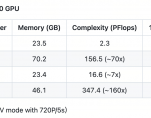
On the A800 GPU benchmark, Kairos 3.0-4B’s inference speed surpasses NVIDIA Cosmos 2.5 by 72 times, setting a new global performance record for embodied world models. This performance is delivered with a lightweight footprint of just 4B parameters and 23.5GB of VRAM — a fraction of Cosmos 2.5’s 70.2GB requirement — demonstrating that efficiency and capability need not be in tension and fundamentally challenging the assumption that larger parameters are a prerequisite for superior performance. The model has also achieved top rankings across three authoritative global benchmarks: PAI-Bench-robot, co-developed by Georgia Tech and CMU; WorldModelBench-robot TI2V, introduced at CVPR 2025; and NVIDIA GEAR Lab’s DreamGen Bench, outperforming all evaluated models on physical consistency and instruction-following metrics.

In A800 GPU benchmarks, Kairos 3.0-4B achieves order-of-magnitude breakthroughs in compute efficiency and inference speed

Supporting seamless cross-embodiment deployment across single-arm, dual-arm, and dexterous hand configurations with no additional per-embodiment training required, Kairos 3.0-4B is compatible with major hardware platforms including Agilex PIPER, Unitree G1, and Galaxy G1. Kairos 3.0-4B is now available on Github (https://github.com/kairos-agi/kairos-sensenova) and Hugging Face (https://huggingface.co/kairos-agi/kairos-sensenova-common).

Hashtag: #ACEROBOTICS


The issuer is solely responsible for the content of this announcement.

About ACE ROBOTICS – Equipping robots with intelligent “brains” and engaging “souls”

ACE ROBOTICS is a pioneering robotics company dedicated to advancing the field of embodied intelligence. Founded by SenseTime co-founder Wang Xiaogang, the company has brought together a team of young, globally scarce AI scientists and industry experts to focus on embodied intelligence. Through breakthrough technological innovations and deep insights into embodied intelligence scenarios, we aim to empower robots with the ability to autonomously understand and explore the physical world, thereby accelerating their commercial implementation.

The company pioneered the ACE R&D paradigm and built a vision-based “environmental data engine, real-world cognition, embodied interaction generalization” technology chain. Using full spatiotemporal and multi-perspective environmental capture as its engine, along with Kairos 3.0 – China’s first open-source and commercially applicable world model – plus the Embodied Foundation Model as its technical backbone, ACE ROBOTICS addresses core industry challenges such as data scarcity, common sense gaps, poor generalization, and limited versatility. Simultaneously, the company unveiled its flagship A1 Embodied Super Brain Module, accelerating the large-scale commercial deployment of embodied intelligence across diverse scenarios.

ACE ROBOTICS is both a technology pioneer and an ecosystem builder. Through strategic cooperation with top hardware manufacturers, cloud service providers, and vertical scenario partners, we have broken through the “model-hardware-scenario” industrial deadlock, providing standardized and customized solutions that are driving the development of China’s embodied intelligence industry.

By Nitya Chakraborty As the U.S. Israel war against Iran entered its fourteenth day on Friday March 13, in the diplomatic corridors in the UN headquarters in New York and in other major capitals including the EU headquarters in Brussels, speculation has started on what can be the likely stand of Iran’s two allies China […]

The article China, Russia Join Hands To Move Cautiously In Defending Their Ally Iran In War Against U.S. appeared first on Latest India news, analysis and reports on Newspack by India Press Agency).

Hosting New Energy Summit to Connect Global Experts Insights on New Energy Landscape

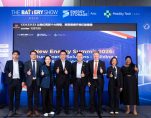
HONG KONG SAR – Media OutReach Newswire – 13 March 2026 – Centre of Advanced Power and Autonomous Systems (APAS), under the Hong Kong Productivity Council (HKPC),made its debut at The Battery Show Asia held from 10 to 12 March. During the exhibition, APAS set up a dedicated showcase area to present eight innovative battery technology solutions featuring high safety standards and intelligent capabilities for the first time. In parallel, APAS hosted the second edition of the New Energy Summit during the exhibition. The summit brought together five industry experts and scholars from Hong Kong, Singapore, Thailand, India and Switzerland to deliver speeches on various topics related to new energy and energy storage. Speakers shared the latest industry developments and application trends, fostering international technology exchange and collaboration.

During the exhibition, APAS hosted the second New Energy Summit, inviting industry experts and scholars from Hong Kong, Singapore, Thailand, India and Switzerland to speak and share the latest technological developments and application trends in the fields of new energy and advanced materials.

Mr Yonghai DU, Chief Innovation Officer of HKPC and General Manager of APAS, said, “In line with the strategic priorities set out in the outline of the 15th Five-Year Plan for emerging and future industries such as new energy, advanced energy storage and hydrogen energy, energy technologies are entering an unprecedented period of growth. The outline also emphasise the pursuit of smart, green, and integrated development of industry, injecting long-term momentum for the new energy development. For many years, HKPC has been committed to market-led technology R&D. APAS focuses on areas including new energy technologies, green transportation, smart mobility, intelligent systems and emerging applications, actively translating research outcomes into market-ready solutions to help industries enhance technological capabilities and industrial value.”

He added, “Through this international platform, we hope to strengthen our collaboration with enterprises and research institutions from around the world. Hong Kong can play a more proactive role as a connector between Chinese Mainland and the global market in the development of innovation, international standards and the practical application of new energy technologies, thereby enhancing the city’s global competitiveness in the new energy industry. Looking ahead, APAS will continue to focus on research and practical applications in new energy and intelligent systems, while advancing technological innovation and cross-regional collaboration to support both the nation and Hong Kong in fostering emerging industries and future industries.”

First Participation in The Battery Show Asia, Highlighting Battery Technology Achievements

The Battery Show Asia brings together more than 20,000 industry representatives from Chinese Mainland, Japan, Korea, Southeast Asia, India, Europe and the United States, including policymakers, technology innovators, engineers, manufacturers and industry experts. Covering battery manufacturing, energy storage solutions and new energy transportation industries, the exhibition serves as an international platform integrating technology showcase, industry exchange and business collaboration.

In its first participation in the exhibition, APAS showcased its research strengths in new energy technologies and emerging applications by presenting a range of innovative battery technology solutions. The showcase aims to contribute to the development of the battery industry while providing an important platform for Hong Kong to connect with global technologies and markets, facilitating cross-regional exchange and collaboration.

APAS set up a dedicated exhibition area to present several research outcomes developed in collaboration with industry partners, including:

  • Battery Cell Technologies:
    • High-performance Sodium-ion Battery: Using stable poly-anionic phosphate cathode, the battery enables rapid storage and release of sodium-ions while offering high safety and cost efficiency. It is suitable for applications such as low-speed electric vehicles, power batteries and large-scale energy storage. Looking ahead, APAS will collaborate with industry partners to establish large-scale production capabilities for high-performance sodium-ion battery, further optimising its performance and cost-effectiveness while exploring deployment in low-speed electric vehicles and utility-scale energy storage systems.
  • Battery Systems and Solutions:
    • Explosion-Proof High-Energy Battery Systems:This solution features proprietary safety technology that prevents thermal runaway, delivering reliable power in the most challenging environments, engineered for demanding marine and portable power applications. APAS will assist partners in optimising battery module design and thermal management systems to enhance product performance and align R&D processes with industry standards. This will support partners in establishing manufacturing facilities in Hong Kong and expanding into overseas markets.
    • Yacht Battery System: The system integrates advanced solid-state battery technology with an intelligent Battery Management System (BMS) to eliminate risks associated with traditional liquid electrolytes, including leakage, corrosion and thermal runaway. It is specifically designed to withstand the high-humidity, high-vibration and salt-spray conditions inherent to open-water yacht operations. APAS is currently supporting partners in obtaining international battery standard certifications to facilitate entry into the global market.

These solutions feature high safety standards, intelligent capabilities, and flexible applications. They support a wide range of sectors, including electric transportation and smart mobility, marine and industrial applications, specialised equipment, aerospace and high-end manufacturing, medical devices, consumer electronics, home assistive equipment and portable energy storage for travel.

Hosting New Energy Summit to Jointly Build a Sustainable Future

During the exhibition, APAS also hosted the second New Energy Summit, which brought together industry leaders and academic experts from Hong Kong, Singapore, Thailand, India and Switzerland. The summit focused on key topics related to new energy development and applications, providing a platform for speakers to share insights and engage in discussions with industry professionals in attendance.

The summit focused on two key themes — new energy and advanced materials — bringing together global experts to explore technological development and industrial applications. In the new energy sector, a representative from The Hong Kong and China Gas Company Limited introduced innovative hydrogen energy technologies and their potential applications in promoting clean energy development in Hong Kong. Representatives from energy technology companies and alliances in Switzerland, India and Thailand shared the latest trends and practical applications in energy storage technologies, as well as the integration of renewable energy with smart infrastructure. In the field of advanced materials, a scholar from the Department of Materials Science and Engineering at the National University of Singapore highlighted the critical role of nanotechnology in energy and sustainable development, offering insights into the future landscape of sustainable new energy.

Through this cross-regional and cross-industry platform, APAS aims to promote international technology exchange and collaboration, accelerate the application of new energy technologies and drive industry transformation, contributing to a more resilient and sustainable future energy ecosystem.

Advancing Technologies onto the Global Stage, Reinforcing Hong Kong’s Connectivity Advantages

HKPC actively participates in various international exhibitions and industry exchange activities to showcase innovative solutions co-developed with industry partners. Leveraging Hong Kong as a platform, HKPC supports enterprises in expanding into international markets and advancing cutting-edge technologies and standards worldwide.

Through international exhibitions and collaboration initiatives, HKPC further strengthens Hong Kong’s role as an important connector between Chinese Mainland and the world. In line with the Government’s 2026-27 Budget to attract large-scale international exhibitions to Hong Kong and promote the city’s exhibition brand globally, HKPC will continue to participate in international exhibitions and foster industry exchanges to drive innovation showcase and collaboration.

Hashtag: #APAS

The issuer is solely responsible for the content of this announcement.

About Centre of Advanced Power and Autonomous Systems (APAS)

Centre of Advanced Power and Autonomous Systems (APAS) (formerly Automotive Platforms and Application Systems R&D Centre) was established in 2006 and is fully integrated as a business division under HKPC on 1 April 2025. APAS continues to undertake market-led R&D programmes spanning green transportation, smart mobility, intelligent systems and emerging applications, as well as commercialises R&D results in collaboration with industry, universities and technology institutes to enhance the competitiveness of Hong Kong’s automotive and other transportation sectors in new energy and smart driving.

About Hong Kong Productivity Council

The Hong Kong Productivity Council (HKPC) is a statutory body established in 1967, dedicated to enhancing the productivity and competitiveness of Hong Kong enterprises through world-class applied R&D, innovative technology services, and integrated manufacturing solutions. As a market-oriented, international R&D organisation, HKPC leverages its deep expertise and extensive industry experience in key areas such as AI, advanced manufacturing, life and health technology, green technology and new energy to drive new industrialisation and support the growth of emerging and future industries.

HKPC focuses on addressing businesses challenges and industrial technology needs, promoting the full integration between technological and industrial innovation. Through technology transfer, product innovation, intellectual property protection and commercialisation of R&D outcomes, the Council fosters collaboration with the local business community as well as top global R&D institutions, delivering added value to industries and advancing the development of new productive forces. HKPC’s world-class R&D achievements have been widely recognised over the years, winning an array of local and overseas accolades, reinforcing Hong Kong’s role as an international innovation and technology centre and a smart city.

To help enterprises capitalise on Hong Kong’s strengths in international connectivity to expand into global markets, HKPC offers comprehensive overseas expansion services tailored to critical areas including product development, technology, manufacturing, and management, enabling businesses to successfully go global from Hong Kong.

HKPC is also committed to providing timely and practical support to SMEs and startups with timely and practical, assisting them in accessing Government funding programmes. Through its FutureSkills training initiatives, HKPC helps both industry and academia stay ahead in latest digital and STEM technologies, nurturing a future-ready talent pool for Hong Kong.

For more information, please visit HKPC’s website: .

Pressure on cooking gas supplies has pushed households and businesses across the country toward more polluting fuels, including kerosene, biomass and fuel oil, highlighting the vulnerability of energy supply chains during geopolitical upheaval.

Authorities have authorised the wider use of alternative fuels to ease the strain on liquefied petroleum gas and natural gas networks after disruptions to shipments from West Asia tightened availability and drove up prices. The shift marks a temporary reversal of a decade-long policy drive aimed at replacing traditional fuels such as coal, wood and kerosene with cleaner LPG and piped gas.

Officials say the measures are designed to shield households from the worst effects of the supply squeeze while allowing industries and commercial establishments to adapt by switching to alternative fuels. Hospitality businesses, restaurants and small manufacturers have been among the first to face curbs on LPG allocations as authorities prioritise residential supply. Environmental regulators have advised state pollution control boards to permit the temporary use of biomass, kerosene, refuse-derived fuel pellets and coal in certain sectors to maintain operations during the shortage.

The supply stress is linked to the conflict in West Asia, which has disrupted energy shipments through the Strait of Hormuz, a crucial corridor for crude oil, liquefied petroleum gas and liquefied natural gas moving from the Gulf to Asian markets. The country imports a large share of its LPG needs and has limited strategic reserves of the fuel, leaving the domestic market exposed to sudden supply shocks and price spikes when global trade routes are interrupted.

Government agencies have sought to reassure consumers that domestic cooking gas deliveries remain stable even as authorities adopt contingency measures. Emergency powers have been invoked to instruct refiners to maximise LPG production, diverting propane and butane toward household cooking fuel and away from petrochemical uses. Oil marketing companies have also tightened commercial sales and redirected supplies to residential consumers, a move affecting hotels, restaurants and other energy-intensive sectors.

As part of the response, officials have increased allocations of kerosene to states through the public distribution system to ensure access for households that depend on subsidised fuels. Additional supplies of the product are being released to meet growing demand in areas where LPG refills have become harder to secure.

Energy analysts say the sudden return to older fuels underscores the complexity of managing the transition to cleaner energy sources in a country with rapidly rising consumption. Over the past decade, policies promoting LPG connections for low-income households helped drive a significant decline in the use of biomass and kerosene for cooking, improving public health outcomes and reducing indoor air pollution. Programmes designed to expand LPG access reached tens of millions of homes and sharply increased the penetration of modern cooking fuels in rural regions.

Yet the current disruption reveals how heavily the system relies on global supply chains. Nearly two-thirds of the country’s LPG consumption is met through imports, with a substantial portion arriving from Gulf producers. When shipments are delayed or rerouted, domestic supply can tighten quickly, forcing policymakers to intervene to stabilise markets and protect vulnerable consumers.

Industry groups warn that sustained disruptions could place additional strain on manufacturing and services, particularly sectors that rely heavily on natural gas or LPG for process heat. Fertiliser plants, petrochemical complexes and small industrial units have already faced adjustments to gas allocations, and some facilities have reduced operations as fuel availability fluctuates.

Energy companies have responded by diversifying import sources in an effort to offset supply disruptions from the Gulf. Cargoes are being sourced from producers in North America, Europe and other regions as traders seek alternative routes and suppliers. This diversification strategy is intended to reduce dependence on any single supply corridor and cushion the domestic market from geopolitical shocks.

At the same time, officials are urging consumers and businesses to conserve fuel where possible and avoid panic buying. Authorities have intensified monitoring of fuel distribution channels to prevent hoarding and black-market sales, which can worsen shortages and inflate prices during periods of uncertainty.

Environmental experts note that the temporary return to dirtier fuels may carry consequences for air quality and emissions if prolonged. Burning kerosene, coal and biomass releases higher levels of particulate matter and greenhouse gases compared with LPG, potentially undermining progress made through clean cooking initiatives.

Policy planners therefore face a delicate balancing act: ensuring reliable energy supplies for households and industry while maintaining momentum toward cleaner fuels and reduced emissions. The current crisis has renewed debate among energy economists over the need for larger strategic reserves of LPG and natural gas, as well as expanded domestic production and storage capacity to cushion future shocks.

Global medical technology manufacturer Stryker has been hit by a major cyberattack claimed by an Iran-linked hacker collective, triggering widespread disruption to corporate systems and raising fresh concerns about cyber warfare spilling into commercial infrastructure. The group, calling itself Handala, said it carried out a destructive operation that wiped data across more than 200,000 company devices while extracting roughly 50 terabytes of information from internal networks. The […]

Japan’s stock market volatility has surged to levels not seen since the global pandemic turmoil of 2020 as a sharp jump in crude oil prices shakes confidence in the country’s economic outlook and disrupts what had been a strong equity rally.

Measures of market anxiety tied to Japanese equities climbed sharply as investors reacted to the sudden rise in global energy prices and mounting geopolitical tensions affecting oil supply routes. The spike in volatility coincided with a steep sell-off in Tokyo’s equity market, where the Nikkei 225 index plunged more than 7 per cent during trading while the broader Topix index fell over 6 per cent, marking one of the most severe declines in several years.

Traders and analysts attribute the surge in market fear to an abrupt reversal of expectations that had supported Japan’s equity rally earlier in the year. A powerful jump in crude prices above the $100-a-barrel threshold has heightened concerns about rising import costs, inflationary pressure and potential disruption to the country’s fragile economic recovery.

Japan remains one of the world’s largest importers of energy resources, relying heavily on overseas supplies for oil and liquefied natural gas. The sharp rise in crude prices therefore carries immediate implications for corporate profitability, household spending and the nation’s trade balance. Higher fuel costs can quickly feed into transport, manufacturing and electricity prices, creating ripple effects across the broader economy.

Equity strategists say that markets had been pricing in a favourable scenario for Japan’s corporate sector, including stable energy costs, a weaker yen that supports exporters, and gradual improvement in domestic consumption. The oil shock has complicated that outlook, prompting investors to reassess earnings forecasts and risk exposure.

The volatility gauge for Japanese equities, often referred to as the market’s “fear index,” spiked to levels not seen since the early months of the Covid crisis. Such indicators measure the expected turbulence in stock prices based on options trading, and a sharp rise typically signals increased hedging activity by investors preparing for further market swings.

The abrupt shift in sentiment comes amid wider turbulence across global financial markets. Equity benchmarks across Asia fell sharply as investors reacted to the energy price shock and rising geopolitical tensions in the Middle East, a region responsible for a large share of global oil production. The surge in crude prices has revived worries that inflation could accelerate again just as many central banks were expected to ease monetary policy.

Market participants say the latest volatility reflects more than a temporary correction. Analysts note that the rally in Japanese equities had drawn significant foreign investment during the past year, encouraged by corporate governance reforms, share buybacks and improved shareholder returns. Strong gains in technology stocks and export-oriented companies had helped drive the Nikkei to multi-decade highs.

Rising energy costs now threaten to undermine some of those positive dynamics. Japan’s manufacturing sector, including carmakers and electronics producers, depends heavily on imported raw materials and fuel. A sustained rise in oil prices could increase production costs and squeeze margins, particularly for companies unable to pass higher expenses on to consumers.

Currency movements add another layer of complexity. The yen often weakens when oil prices surge because the country must spend more on energy imports. While a weaker currency can benefit exporters by boosting overseas earnings, it also increases the cost of imported fuel and food, intensifying inflationary pressure on households.

Economic policymakers are watching the developments closely. Officials at the Bank of Japan have maintained an accommodative monetary stance even as other major central banks tightened policy to fight inflation. The current surge in energy prices raises questions about how the central bank might respond if inflationary pressure accelerates further while economic growth slows.

Financial analysts emphasise that volatility indicators should not be interpreted as a prediction of sustained market decline. Instead, they reflect heightened uncertainty and the demand for protection against abrupt price swings. Still, such spikes often coincide with periods of intense market stress and rapid portfolio adjustments.

Energy-related stocks and commodity producers have been among the few segments to benefit from the oil surge, as higher crude prices can boost revenues for companies involved in exploration, refining and trading. Conversely, sectors sensitive to fuel costs, including airlines, shipping and heavy manufacturing, have faced selling pressure.

Global investors are also weighing broader geopolitical risks tied to the energy market. Disruptions to shipping routes in key waterways used for oil transport could tighten supply and prolong elevated prices. Analysts warn that if crude remains above the $100-a-barrel mark for an extended period, the impact could spread beyond equity markets into inflation expectations, bond yields and currency movements.

By T.N. Ashok NEW YORK: Let’s be blunt about what’s actually happening in the current no holds barred war between Iran and US-Israel combine. The United States and Israel have been bombing Iran for thirteen straight days. Cruise missiles, precision strikes, relentless sorties. The kind of firepower that flattened cities in Iraq within weeks and […]

The article After 13 Days Of Iran War, Trump And Netanyahu Are Learning Bitter Lesson appeared first on Latest India news, analysis and reports on Newspack by India Press Agency).

  • Strategic Investment of S$3-5 billion in Singapore to advance AI-ready data centre developments, supporting over 2 GW of AI-ready capacity globally, and driving technological innovation with international ecosystem partners.
  • First-mover advantage as one of Asia Pacific’s top three hyperscale data centre developers, with proven track record delivering large-scale campus developments in Malaysia, Thailand and India, supporting regional AI and cloud demand.
  • Pioneering sustainable energy solutions, including Singapore’s first floating hydrogen power generation model leveraging the nation’s strengths in maritime transport, port infrastructure and global energy supply chains and research into nuclear energy as a future clean power source for data centres.
  • Building an integrated innovation ecosystem in Singapore through partnerships with universities, research institutions and global technology companies, while supporting job creation and talent development initiatives for around 3,000 students and professionals.

SINGAPORE – Media OutReach Newswire – 12 March 2026 – Bridge Data Centres (BDC), a Singapore-headquartered digital infrastructure platform backed by Bain Capital, has announced ambitious plans to invest S$3-5 billion in Singapore to advance next-generation digital infrastructure and strengthen the country’s position as a leading AI and cloud hub in Asia Pacific.

BDC had announced its new strategic brand identity in early 2026 that reflects the Company’s position of being a leading hyperscale and AI-infrastructure builder with a growing network of mega-campus developments in Asia Pacific. With close to a decade of experience developing high quality data centres, BDC’s new brand identity reflects BDC’s reputation as platform built on disciplined execution, certainty of delivery, and the ability to scale with customers.

As AI and high-density workloads accelerate across Asia Pacific, customers are looking for partners who can offer world-class capabilities and local agility, provide bespoke solutions at scale, and deliver and operate with a proven track record.

With Singapore serving as its global headquarters, BDC is uniquely positioned to support hyperscale customers and global technology companies seeking high-performance, sustainable and scalable data centre platforms across Asia Pacific, while enabling global technology companies to establish and expand their presence in Singapore as they develop AI and digital capabilities in the region.

Over the past decade, BDC has established itself as one of Asia Pacific’s leading digital infrastructure developers and operators. The Company currently operates and develops hyperscale campuses across Malaysia, Thailand and India.

Building on strong relationships with global hyperscale customers and ecosystem partners, BDC is on track to expand its regional capacity to approximately 2 GW by 2030.

By deepening its investments in Singapore, BDC aims to support customers seeking world-class digital infrastructure expertise, strong technology partnerships and integrated energy solutions that enable the sustainable growth of AI workloads.

First-mover advantage

BDC is among the first data centre developers to foray into Malaysia, where the Company has several large-scale data centre campuses – both operational and under development.

BDC’s flagship MY06 campus is the Company’s first project in Johor, as well as the state’s first hyperscale data centre development. In addition, BDC is the first data centre developer in Southeast Asia to adopt a build-to-suit (BTS) model for hyperscale data centre construction. BDC was also among the first hyperscale operators in the region to deploy advanced liquid cooling technologies at scale, including cold plate liquid cooling, to support high-density and AI-driven workloads. BDC’s suite of sustainability initiatives at MY06 enabled the facility to achieve an annualised Power Usage Effectiveness (PUE) of below 1.2.

BDC is also the first in Southeast Asia to incorporate Prefabricated, Prefinished Volumetric Construction (PPVC) construction, an innovative method that assembles large building sections off site. This enabled BDC to complete MY06 within eight months, which is 40 per cent faster than traditional methods, while reducing on-site dust, waste and noise. This strategy is one of BDC’s key competitive advantages to support the growing needs of hyperscale customers in the region, including Singapore, who need to rapidly scale to meet increasing demand for more capacity to power AI-workloads.

BDC has built Malaysia’s first large-scale Water Treatment Plant (WTP) to treat effluent and convert it into high grade effluent water to cool its upcoming 400MW campus in Ulu Tiram, Johor. The WTP applies advanced Membrane Bioreactor (MBR) and Reverse Osmosis (RO) technologies to deliver superior water recovery and quality. Since commencing operations in 2025, the WTP has been significantly reducing reliance on potable water. It further strengthens the long-term resilience of BDC’s operations and supports Johor’s broader environmental agenda.

The WTP has also attracted interest from regional public agencies. In 2025, BDC hosted a technical visit by representatives from PUB, Singapore’s National Water Agency, who were presented with an overview of the plant’s design and its use of advanced membrane technologies for sustainable water reuse in data centre operations.

BDC’s MY-06 Campus (Building 1) has achieved Singapore’s BCA Green Mark Platinum Award granted under the BCA-IMDA Green Mark International for Data Centres 2024 (GMDC: 2024) framework. The BCA Green Mark Award recognises developers, building owners and individuals who have made outstanding achievements in environmental sustainability in the built environment. BDC is the first data centre operator to achieve this recognition for a facility based outside of Singapore. Beyond project certification, BDC has also signed a Memorandum of Understanding with BCA International (BCAI) to support the international adoption of Singapore’s Green Mark standards in global data centre developments. Through this partnership, BDC will promote Singapore’s sustainable building standards globally while reinforcing the country’s position as a leading AI and green digital infrastructure hub in the region.

These capabilities are aligned with Singapore’s Green Data Centre (DC) Roadmap, which emphasises energy efficiency, sustainable resource use and the integration of green energy to support the growth of digital infrastructure. BDC’s experience in delivering high-efficiency campuses positions it well to contribute to these objectives through practical, deployable solutions.

Pioneering energy solutions

As AI workloads drive the rapid expansion of digital infrastructure, energy resilience, data security and sustainability are becoming increasingly important. BDC is advancing a range of initiatives to explore alternative energy pathways and strengthen long-term power strategies.

A key collaboration is with Concord New Energy (CNE), where the partners are jointly developing Singapore’s first floating hydrogen power generation solution tailored for next-generation AI digital infrastructure, marking a significant milestone in advancing low-carbon energy pathways for the data centre sector.

BDC and CNE will also collaborate with Nanyang Technological University (NTU) to support the development of Singapore’s hydrogen ecosystem, accelerating research, engineering and the deployment of scalable clean energy technologies for digital infrastructure applications.

In addition, BDC is working with Singapore’s Agency for Science, Technology and Research Institute of High Performance Computing (A*STAR IHPC) and HY to evaluate the potential of nuclear energy as a long-term clean power source for data centres.

BDC’s alliance with A*STAR IHPC and HY will leverage advanced modelling and engineering expertise to explore innovative low-carbon energy pathways that will support Singapore’s sustainable digital growth while reinforcing the nation’s position as a trusted global technology hub.

BDC has also established partnerships with global leaders in energy and energy storage technologies, including CATL, EcoCeres, SK Innovation. Through these collaborations, the partners will jointly explore the establishment of innovation and research platforms to advance the development and pilot deployment of clean energy solutions such as hydrogen and biomass energy, as well as next-generation energy storage technologies designed for tropical climates. These initiatives aim to enhance thermal management, improve safety performance and increase the power density of data centre energy storage systems.

These collaborations and pilot initiatives will also contribute to talent development and workforce capability building in Singapore’s digital infrastructure and energy sectors. Through joint research programmes, technology pilots and knowledge exchange with universities, research institutions and industry partners, BDC aims to support the development of specialised expertise in areas such as advanced energy systems, sustainable data centre design, and next-generation cooling and energy storage technologies.

The initiatives are also expected to create high-value job opportunities in Singapore, spanning engineering, energy systems research, digital infrastructure operations and advanced technology development. By nurturing local talent and strengthening cross-disciplinary capabilities, these efforts will help build a robust talent pipeline to support Singapore’s growing AI and digital infrastructure ecosystem.

These partnerships represent a strategic step in BDC’s long-term roadmap to diversify power sourcing pathways, enhance energy security, and future-proof its Singapore data centre portfolio amid evolving grid constraints and decarbonisation dynamics. They also reinforce Singapore’s position as a regional hub for AI-ready digital infrastructure, while supporting the nation’s broader ambitions in sustainable energy innovation and green economic growth. Furthermore, these advancements accelerate Singapore’s ambition to achieve its net zero emissions goal by 2050.

Advancing technology and ecosystem growth

BDC is also pushing the envelope in innovative and sustainable cooling solutions through collaborations with ecosystem technology partners such as Vertiv, Terahop and Teracule, which are subsidiaries of Zhongji Innolight, as well as Delta Electronics and Supermicro.

Many of these partners are established leaders in data centre cooling, power systems and high-performance computing infrastructure, and are active participants in the broader AI infrastructure ecosystem, working closely with leading chipmakers to support next-generation compute environments.

Through its collaboration with Teracule and Terahop, the subsidiaries of Zhongji Innolight, BDC is exploring opportunities to jointly develop next-generation liquid cooling modules and high-performance optical connectivity solutions tailored for AI data centre environments. By combining Innolight’s expertise in optical modules and high-speed interconnect technologies with BDC’s experience in hyperscale data centre design and operations, the partners aim to advance integrated solutions that enhance thermal efficiency, data transmission performance and system reliability for high-density AI workloads.

The collaboration will also explore the establishment of joint research and development initiatives in Singapore, bringing together industry, academia and research institutions to support innovation in AI infrastructure technologies. Through this industry–academia-research collaboration model, the partners aim to accelerate the development and commercialisation of advanced cooling and connectivity technologies while contributing to Singapore’s broader push to strengthen research, talent development and innovation within the digital infrastructure ecosystem.

Together, these alliances focus on the development of advanced liquid cooling architectures, high-density GPU cooling solutions, and energy-optimised HVAC systems designed to support increasingly compute-intensive workloads. These technologies are critical in enabling the efficient operation of AI infrastructure, particularly as rack densities and thermal loads continue to rise in next-generation data centre environments.

Driving regional connectivity

As a Singapore-headquartered digital infrastructure platform, BDC continues to strengthen Singapore’s position as a regional hub for digital infrastructure and AI-driven innovation. With its highly developed connectivity ecosystem, robust regulatory environment and strong international network links, Singapore plays a central role in enabling the growth of the digital economy across Asia Pacific.

In this context, Singapore serves as one of the primary regional hubs, supporting high-value and latency-sensitive digital services such as edge computing deployments, international data traffic management and regional digital service platforms.

To support the burgeoning demand for AI and cloud computing across the region, complementary infrastructure resources across Asia Pacific can help provide additional capacity for compute-intensive workloads, including AI inference, machine learning and large-scale data processing. This cross-border model enables Singapore to remain the connectivity and innovation anchor of the ASEAN digital ecosystem, while regional infrastructure supports the scaling of digital capacity.

BDC’s collaborations with ecosystem partners, including major telecommunications companies and global technology firms, also help expand connectivity networks beyond Asia Pacific, further reinforcing Singapore’s role as a key regional interconnection hub.

One such ecosystem partner is Zenlayer, a leading global edge cloud and connectivity provider with a well-established customer base across Asia Pacific, North America and Europe. Through this partnership, BDC continues to strengthen its regional and international network connectivity anchored in Singapore.

This expanded network reach supports low-latency cross-border digital infrastructure integration, enabling hyperscalers to scale efficiently across markets while leveraging Singapore as one of the core regional gateways for digital services.

Catalysing Singapore’s AI-driven digital growth

Looking ahead, BDC will continue to leverage its operating model as a glocal platform, combining regional scale with deep local execution capabilities to expand across Asia Pacific. The Company’s strategy focuses on connecting key economic corridors, developing high-density, utility-integrated campuses, and working with ecosystem partners to align digital infrastructure growth with evolving energy pathways.

Anchored in Singapore as its strategic regional hub, BDC’s investments and partnerships contribute to the development of a robust digital infrastructure ecosystem that supports AI-driven workloads and cross-border connectivity.

BDC is also adopting an industry–academia–research collaboration mode, bringing together industry partners, universities and research institutes to accelerate innovation in AI infrastructure, advanced cooling technologies and sustainable energy systems. This integrated approach supports the development of new technologies while nurturing local talent and strengthening Singapore’s innovation ecosystem.

BDC’s initiatives in hydrogen, low-carbon power solutions and energy storage further contribute to the growth of Singapore’s green economy, catalysing investment in sustainable energy infrastructure and support the transition towards lower-carbon digital operations.

BDC’s efforts support the creation of high-value jobs and the development of specialised technical expertise in Singapore, spanning engineering, digital infrastructure and advanced energy systems. In addition, BDC will work with universities, research institutes and industry partners to support talent development initiatives, including internships, training programmes and collaborative research opportunities, contributing to the development of a strong local talent pipeline for Singapore’s AI and digital infrastructure ecosystem.

Collectively, these contributions reinforce Singapore’s position as a leading AI and digital infrastructure hub in Asia Pacific, underpinned by resilient, efficient and sustainable infrastructure.
Hashtag: #BridgeDataCentres #Singapore

The issuer is solely responsible for the content of this announcement.

Bridge Data Centres

Bridge Data Centres (BDC) is a Singapore-headquartered hyperscale data centre provider delivering high-performance, next-ready infrastructure across Asia Pacific. Backed by Bain Capital, BDC operates in Malaysia, Thailand, India, and other high-growth markets, with the capability to deliver up to 3 gigawatts (GW) of capacity globally by 2030 through partnerships with sister platforms in Europe and the United States.


LG Energy Solution is preparing to commercialise an upgraded iron-based battery designed for large-scale energy storage, marking a strategic push by the South Korean manufacturer to capture a larger share of the rapidly expanding global market for grid and renewable-energy storage systems. The company plans to introduce the higher-performance lithium-iron-phosphate battery model next year, seeking to strengthen its position in the energy storage sector at a time […]

Japan will release crude from its strategic petroleum reserves in a unilateral move aimed at cushioning energy markets as the Middle East conflict disrupts global oil supplies, Prime Minister Sanae Takaichi said, signalling one of the earliest national responses to the escalating crisis.

Tokyo plans to release about 80 million barrels from its emergency stockpiles, equivalent to roughly 45 days of domestic consumption, according to government officials. The decision is designed to stabilise fuel supplies and dampen price pressures as shipping through the Strait of Hormuz — a key artery for global energy trade — has been severely disrupted by the conflict involving Iran, the United States and Israel.

Takaichi said Japan would move ahead with the release rather than wait for coordinated international action, reflecting concerns that prolonged disruption could tighten supplies for import-dependent Asian economies. Officials indicated that private-sector reserves would be drawn down first, followed by state stockpiles, allowing domestic refiners to maintain operations and ensure sufficient petroleum product supply to the market.

Energy security has become an urgent priority for Tokyo as nearly all of its crude imports originate from Middle Eastern producers such as Saudi Arabia, the United Arab Emirates, Kuwait and Qatar. Around 70 per cent of that oil typically travels through the Strait of Hormuz, a narrow waterway between Iran and Oman that normally handles roughly one-fifth of the world’s seaborne oil trade.

The ongoing conflict has sharply reduced tanker traffic through the strait after missile and drone attacks targeted vessels and infrastructure across the region. Shipping companies have diverted or halted voyages, leaving more than a hundred tankers anchored outside the corridor while insurers raised war-risk premiums. Oil prices have surged above $100 a barrel amid fears of prolonged supply disruption and escalating geopolitical tensions.

Japan’s move also comes as the International Energy Agency considers one of the largest coordinated releases of emergency oil reserves in history. Member countries of the agency have discussed releasing hundreds of millions of barrels to counter supply losses triggered by the conflict and calm volatile energy markets.

Officials in Tokyo signalled that the unilateral step could be followed by participation in a broader international release if the crisis deepens. Policymakers argue that acting quickly could prevent domestic fuel shortages and limit the economic damage of rising energy costs.

Economic pressure is mounting across Japan as oil and liquefied natural gas prices climb. The country imports the vast majority of its energy resources, leaving it highly vulnerable to geopolitical shocks. Higher fuel costs have already begun to affect industrial production, with petrochemical producers scaling back output and transport costs rising across supply chains.

The surge in energy prices poses a challenge for Takaichi’s government, which has pledged to strengthen economic growth while managing inflation and stabilising household costs. Economists warn that sustained oil prices above $140 per barrel could slow economic expansion and revive fears of stagflation in a country already grappling with a fragile recovery.

Energy analysts say the planned release from strategic reserves may provide short-term relief but will not fully offset the scale of disruption if shipping through the Strait of Hormuz remains constrained. The waterway normally carries about 20 million barrels of oil each day, linking Gulf producers to major Asian consumers including Japan, China and South Korea.

Japan maintains one of the world’s largest emergency oil stockpiles. Combined government and private reserves are estimated to cover more than 200 days of consumption, giving authorities significant flexibility during supply shocks. Such reserves are designed precisely for crises triggered by geopolitical events or natural disasters that threaten global energy flows.

Government officials say the release will be phased to ensure a stable supply chain and avoid sudden market distortions. Domestic refiners are expected to receive the first shipments from storage facilities, allowing them to continue processing crude into petrol, diesel and other fuels.

The last major release of strategic reserves by Japan occurred during the global energy turmoil following Russia’s invasion of Ukraine, when coordinated action among advanced economies sought to stabilise crude markets and ease inflationary pressure worldwide.

Current circumstances, however, present a more complex challenge because of the geographic concentration of supply risks. The Middle East remains the dominant source of Japan’s oil imports, and prolonged instability in the region could reshape energy strategies for Asia’s largest economies.

Policymakers in Tokyo have begun exploring longer-term measures to reduce exposure to supply shocks. Discussions include expanding renewable energy capacity, diversifying import sources and accelerating the restart of nuclear reactors that were shut down after the Fukushima disaster.

Supporters of nuclear power argue that restoring more reactors could lower dependence on imported fossil fuels and help shield the economy from geopolitical turbulence in global energy markets. Opponents remain cautious, citing safety concerns and public resistance in several regions.

Bitcoin could one day reach a valuation of $1 million per coin as it steadily positions itself as a rival to gold, according to Matt Hougan, chief investment officer at asset manager Bitwise. The assessment reflects growing confidence among institutional investors that the cryptocurrency’s long-term trajectory is becoming clearer as it matures into a mainstream financial asset. Hougan’s outlook highlights the expanding role Bitcoin is playing in […]

Cyber-criminals have compromised hundreds of legitimate WordPress websites in a global operation designed to infect unsuspecting visitors with information-stealing malware, raising fresh concerns about the security of widely used web platforms and the increasing sophistication of social-engineering attacks. Threat researchers at cybersecurity firm Rapid7 say attackers infiltrated more than 250 websites across at least 12 countries, including the United Kingdom, United States, Germany, Canada, Australia, Brazil, Israel […]

VISHNU RAJA
RYO YAMADA
HITORI GOTOH
IKUYO KITA
Just in:
Russia permits retail cryptocurrency purchases under regulated framework // 2026 Tropical Rainforest Ecosystem Partners Conference Kicks off in Hainan // Toward a Shared Future for Humanity: Rethinking Civilizational Exchange // Jaiedco and Golden Bridge Announce Strategic Collaboration for a New Dubai Islands Development // International Business Leaders Say Xi’s Speech Boosts Confidence in Asia-Pacific Cooperation // Sui activates Hashi Bitcoin lending across partner network // Phancy Announces Business Performance for the Nine Months Ended September 30, 2026 // Diabetes Malaysia And Alpro Pharmacy Set National Record With 11,007 Most Blood Glucose Screenings Conducted Across Malaysia In Just 48 Hours // Travel Insurance Was Built for the Few Who Claim. Ancileo’s Felt Coverage™ is for Everyone Else // Oil futures rebound after Riyadh strikes and tanker alerts // Dalilk Academy reaches 27 million, targets 100 million by 2030 // PayerMax and ShopeePay Strengthen Strategic Partnership to Advance Digital Payment Collaboration in Southeast Asia // Sabarimala booking discrepancies prompt sabotage angle probe // Promoting Common Human Development Through Exchanges and Mutual Learning Among Civilizations // Coinbase targets 2027 launch amid state gambling lawsuits // Padmini follows Padmaja for ‘ghar vapsi’ // Thailand’s Most Iconic New Year’s Celebration Returns: ICONSIAM Unveils “Amazing Thailand Countdown 2027” // Diabetes Malaysia And Alpro Pharmacy Set National Record With 11,007 Most Blood Glucose Screenings Conducted Across Malaysia In Just 48 Hours // LittleLives, Little Lab and SEGi College Sign MOU to Explore Early Childhood Education Collaboration Across ASEAN // ED searches five districts in probe against hawala //