Just in:
Sabarimala booking discrepancies prompt sabotage angle probe // Toward a Shared Future for Humanity: Rethinking Civilizational Exchange // Bail refused to 17-year old in Abhiram murder // CrowdStrike explores Zscaler takeover amid cybersecurity dealmaking // Egypt’s African Union trade climbs to $8.2 billion // Ex-minister named accused in Messi visit fraud case // Anthropic briefly reaches $2 trillion in Nasdaq debut // Diabetes Malaysia And Alpro Pharmacy Set National Record With 11,007 Most Blood Glucose Screenings Conducted Across Malaysia In Just 48 Hours // FirstBank expands LIT app with integrated financial services // Crypto market loses $150 billion amid broad sell-off // US military rebuts Iran’s Gulf F-16 strike allegation // Abu Dhabi boat show seals manufacturing partnership on Saturday // California examines possible criminal breaches in Nvidia investigation // Promoting Common Human Development Through Exchanges and Mutual Learning Among Civilizations // Bahrain demands UN action after Iranian industrial strike // Yeebo Announces Interim Results for FY26/27 Revenue Increases by 45.5% to HK$806.7 Million Profit Attributable to Owners Surges 87.6% to HK$2,284.7 Million // Saudi defences destroy three Houthi missiles targeting Riyadh // PayerMax and ShopeePay Strengthen Strategic Partnership to Advance Digital Payment Collaboration in Southeast Asia // Technology at Work, Heritage for All: The “Chinese Approach” to Safeguarding the Leshan Giant Buddha //
Centre grants aircraft cabin access for Sabarimala pilgrims’ irumudi
//

News related to
Saudi Arabia

VinFast, Vietnam’s electric vehicle champion, is steering into the Gulf with ambition and pride, transforming the nation’s global image from factory floor to innovation force. HANOI, VIETNAM- Media OutReach Newswire – 16 May 2025 – Ford means America. Toyota means Japan. And now VinFast – a name unfamiliar to most Westerners just 8 years ago – is becoming synonymous with Vietnam. The automaker, born from the Vingroup […]

Apple continues to hold its position as the world’s most valuable brand, maintaining a dominant lead in the annual Kantar BrandZ rankings. The technology giant’s brand value remains firmly ahead of its competitors, driven by sustained innovation, strong consumer loyalty, and expanding services. Among the global giants, Saudi Aramco stands out as the only company from the Gulf Cooperation Council and Middle East region to secure a spot within the Top 100, reflecting its growing international recognition amid shifting energy markets.

The Kantar BrandZ report evaluates thousands of brands worldwide based on consumer perceptions, financial performance, and market presence. Apple, which has consistently topped the rankings for several years, saw its brand value strengthen further due to its diversified product ecosystem and significant investments in augmented reality, artificial intelligence, and subscription services. Its ability to integrate hardware, software, and services continues to set it apart, contributing to record-breaking revenues and reinforcing customer engagement across the globe.

The inclusion of Saudi Aramco in the Top 100 highlights the resilience and strategic positioning of this energy giant amid global transitions. As the world accelerates its shift towards renewable energy, Saudi Aramco’s presence in the rankings underscores its efforts to diversify and adapt to evolving demands. The company has been investing heavily in cleaner energy technologies and sustainability initiatives, while still capitalising on its vast oil reserves and refining capabilities. This dual approach has helped maintain its strong financial standing and global brand stature.

Saudi Aramco’s entry into the list marks an important milestone for the GCC and the Middle East, regions that have been working to boost their global business profiles beyond the traditional hydrocarbon sector. The company’s brand value benefits from its critical role in global energy supply chains and its status as one of the largest integrated energy and chemicals companies worldwide. Its prominence in the BrandZ ranking reflects the ongoing transformation of the regional economy and the growing importance of Gulf-based enterprises in international markets.

Technology companies dominate the upper echelons of the BrandZ Top 100, with Apple’s closest rivals including Microsoft, Amazon, Google, and Samsung. These brands owe their high valuations to their broad global reach, innovation pipelines, and ability to capture consumer attention in a fast-evolving digital landscape. The report shows a marked increase in the value of brands involved in cloud computing, software services, and digital entertainment, signalling shifts in consumer behaviour and business investment.

Financial services and luxury goods brands also feature prominently, with firms such as Visa, Mastercard, and Louis Vuitton holding strong positions. These sectors benefit from sustained consumer demand and adaptation to digital channels, including e-commerce and fintech innovations. Luxury brands have further capitalised on expanding affluent markets in Asia and the Middle East, contributing to their steady brand valuation growth.

Saudi Aramco’s inclusion is particularly notable given the absence of other Middle Eastern brands in the Top 100, illustrating the challenging environment for regional companies in competing at this global scale. Despite high national revenues and significant economic influence, many Gulf firms have yet to establish the kind of global brand recognition needed to appear alongside the world’s largest multinational corporations. This reflects broader economic and strategic factors, including the diversification efforts underway across GCC countries and their focus on building competitive industries beyond energy.

The report also highlights evolving consumer expectations around sustainability and corporate responsibility, with brands that demonstrate genuine commitment to environmental and social governance increasingly favoured in valuation metrics. For energy companies like Saudi Aramco, this presents both challenges and opportunities, as stakeholders scrutinise their environmental impact and transition strategies. The company’s public commitments to reducing carbon emissions and investing in alternative energy projects are critical to its ongoing reputation and brand strength.

Among the factors contributing to Apple’s sustained brand leadership is its capacity to maintain premium pricing while expanding its user base globally. Its flagship products such as the iPhone, iPad, and Mac continue to enjoy strong demand, while services like Apple Music, iCloud, and the App Store generate consistent recurring revenue streams. Innovations in health technology, privacy features, and integration with smart home devices further deepen consumer engagement and brand loyalty.

The Kantar BrandZ rankings serve as a barometer for global business trends, reflecting shifts in consumer sentiment, technological advancement, and economic power distribution. Apple’s dominance underlines the continuing importance of technology innovation as a driver of brand value, while Saudi Aramco’s position signals the evolving role of energy companies in the global economy. As the world grapples with climate change and digital transformation, these rankings highlight how adaptability and strategic vision underpin the most valuable brands.

The presence of Saudi Aramco in the Top 100 is likely to inspire other Gulf-based companies to pursue greater international brand recognition through strategic investments, partnerships, and innovation. Governments across the region have increasingly prioritised economic diversification and global competitiveness, aiming to foster industries such as technology, finance, tourism, and renewable energy. Building strong, globally respected brands will be essential to this long-term vision.

This year’s BrandZ report underscores the growing concentration of brand value among a relatively small group of global leaders, with the top 10 brands accounting for a significant share of total valuation. While new entrants occasionally disrupt the rankings, the core list remains dominated by technology firms and consumer-focused corporations with expansive ecosystems and high consumer trust.

Saudi Aramco’s performance within this competitive context is a testament to its strategic management and financial robustness. It reflects its ability to navigate geopolitical uncertainties, market volatility, and the pressures of a shifting energy paradigm. As international investors and consumers become more conscious of sustainability, Saudi Aramco’s ongoing brand strategy will likely focus on balancing its traditional strengths with innovation in low-carbon energy solutions.

The Kantar BrandZ Top 100 also illustrates broader global economic trends, including the rise of Asian brands and the shifting influence of different markets. Chinese companies such as Tencent, Alibaba, and Huawei continue to climb the rankings, leveraging vast domestic markets and aggressive expansion strategies. Meanwhile, European brands have seen mixed fortunes amid economic challenges and regulatory shifts, emphasising the competitive pressures on established global players.


Saudi Arabia has authorised SpaceX’s Starlink satellite internet service for deployment in its aviation and maritime sectors, marking a significant step in the Kingdom’s push to modernise its digital infrastructure. The announcement was made by Elon Musk during the Saudi-US Investment Forum in Riyadh, where he expressed gratitude to the Kingdom for the approval. The decision aligns with Saudi Arabia’s broader ambitions to diversify its economy and […]

Matein Khalid I was neurologically programmed to disbelieve every communique issued by the Indian or Pakistani military in the wartime and thus missed the spectacular 50% rise in the shares of A​VIC Chengdu Aircraft, a Shenzhen listed vendor of the $39 million J-10 fighter jet that downed three Indian ​$250 million Rafales, a MiG-29 and Sukhoi-30 while Frenc​h, British and US intelligence told sources in Reuters, Bloomberg, […]

Saudi Aramco has unveiled 34 preliminary agreements with major American firms, collectively valued at up to $90 billion, marking one of its most substantial single-day commitments to deepening commercial ties with the United States. The signings, announced during the U.S.-Saudi Investment Forum in Riyadh, coincide with U.S. President Donald Trump’s Gulf tour and underscore Aramco’s strategic push to diversify its portfolio under Saudi Arabia’s Vision 2030 initiative.

The agreements span a broad spectrum of sectors, including energy, technology, and finance. In the energy domain, Aramco has entered into memoranda of understanding with U.S. liquefied natural gas producers NextDecade and Sempra, securing approximately 6.2 million tons of LNG supply. This move aligns with Aramco’s ambition to reach nearly 7.5 million tons of LNG capacity by 2030. Additionally, a $3.4 billion investment is earmarked for the expansion of the Motiva refinery in Texas, enhancing its refining capabilities.

In the technology sector, Aramco has partnered with Nvidia to establish advanced industrial AI infrastructure, including an AI Hub and a robotics center. Collaborations with Amazon Web Services and Qualcomm aim to drive digital transformation and enhance industrial networks and AI capabilities. An agreement with ExxonMobil focuses on evaluating significant upgrades to their SAMREF refinery, with plans to expand it into an integrated petrochemical complex.

The financial services front sees Aramco forging agreements with asset management giants such as PIMCO, State Street Corporation, and Wellington. A notable initiative includes the establishment of a unified investment fund, named ‘Fund of One,’ in collaboration with BlackRock, Goldman Sachs, Morgan Stanley, and PIMCO, aimed at streamlining short-term cash investments.

Acwa Power has formalised Memorandums of Understanding valued at $500 million with several US companies, reinforcing its strategic collaborations in the energy sector. These agreements were signed during the Saudi-US Investment Forum held in Riyadh, aiming to bolster innovation and investment in renewable energy and infrastructure. The new MoUs build upon Acwa Power’s existing partnerships with American firms, which now collectively exceed $6 billion. The latest agreements […]

U.S. President Donald Trump has announced plans to lift longstanding U.S. sanctions on Syria, in place since 1979 and intensified during the Syrian Civil War. During his Middle East tour, Trump revealed the decision at the U.S.-Saudi Investment Forum, describing the sanctions as historically significant yet now detrimental. The sanctions had frozen Syrian assets, banned petroleum imports, and isolated the country from the global economy. Critics highlight […]

Advertisements
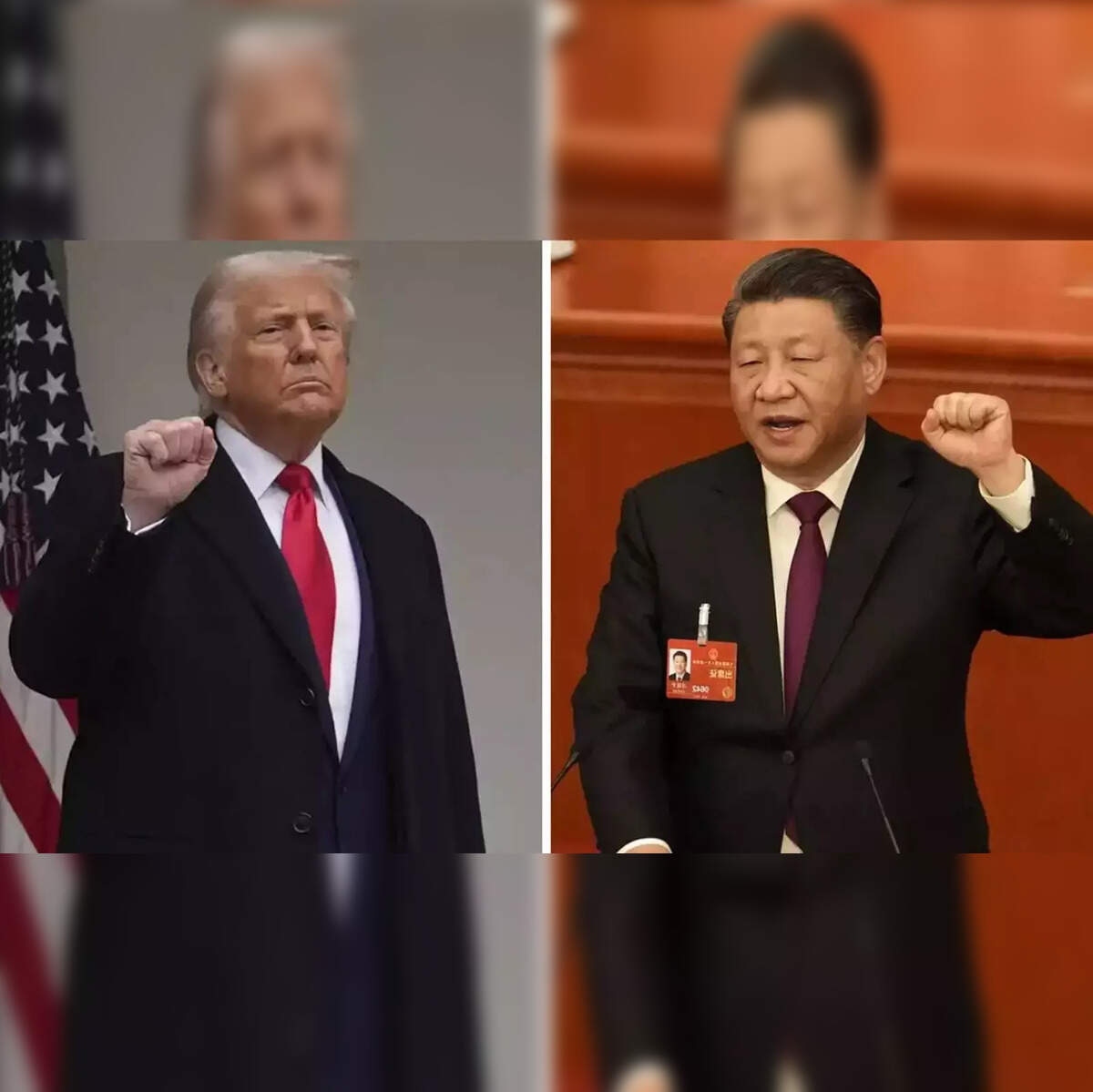
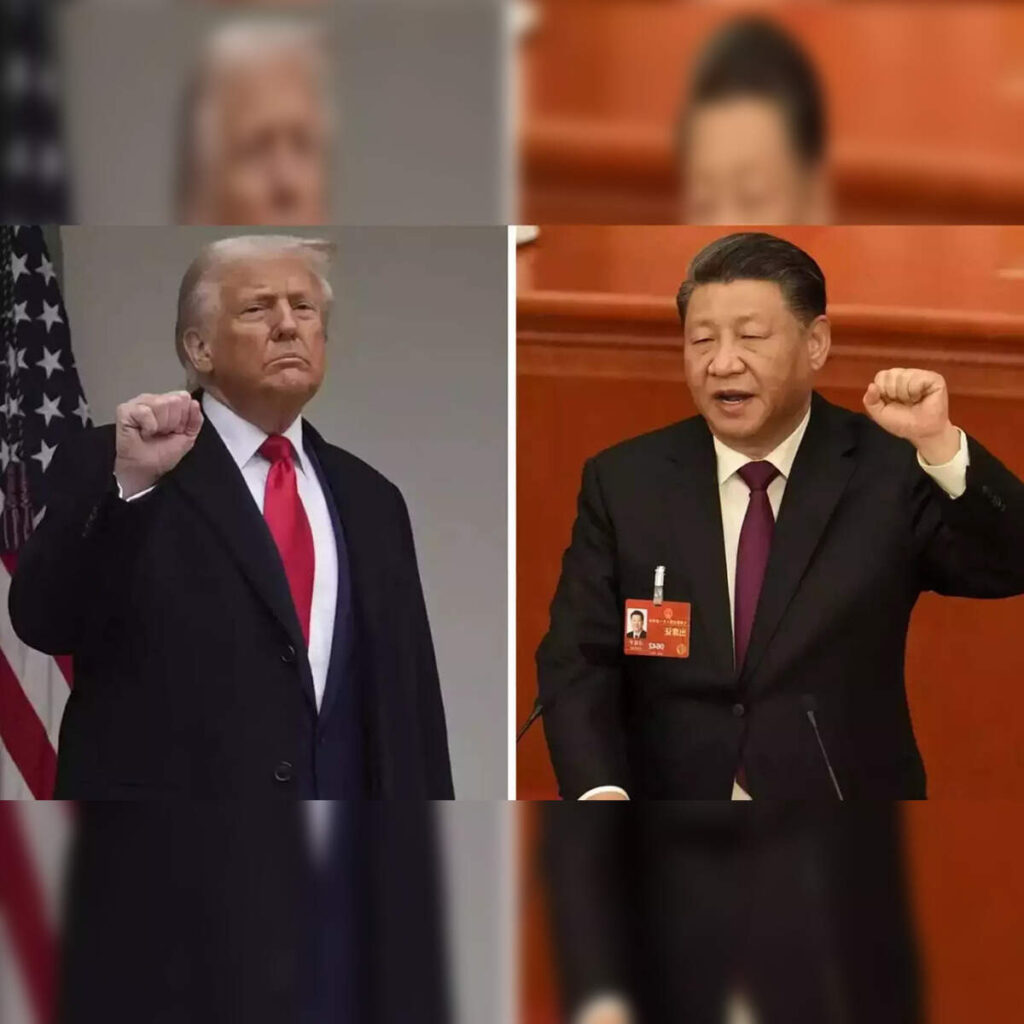
By Nitya Chakraborty Soon after organizing a 90 day truce last week end at Geneva through three day intensive talks between top officials of the United States and China, President Donald Trump is on a three nation tour covering Saudi Arabia, Qatar and UAE to pursue his deal making focusing on both trade and security. […]
Supermicro, a prominent American server technology company, has entered into a transformative partnership with Saudi data centre developer DataVolt. This landmark deal, valued at $20 billion, is set to accelerate the deployment of ultra-dense GPU platforms and rack-scale systems across DataVolt’s extensive infrastructure. The collaboration signals a robust technological alliance between the United States and Saudi Arabia, with both parties committing to ambitious infrastructure projects in the […]

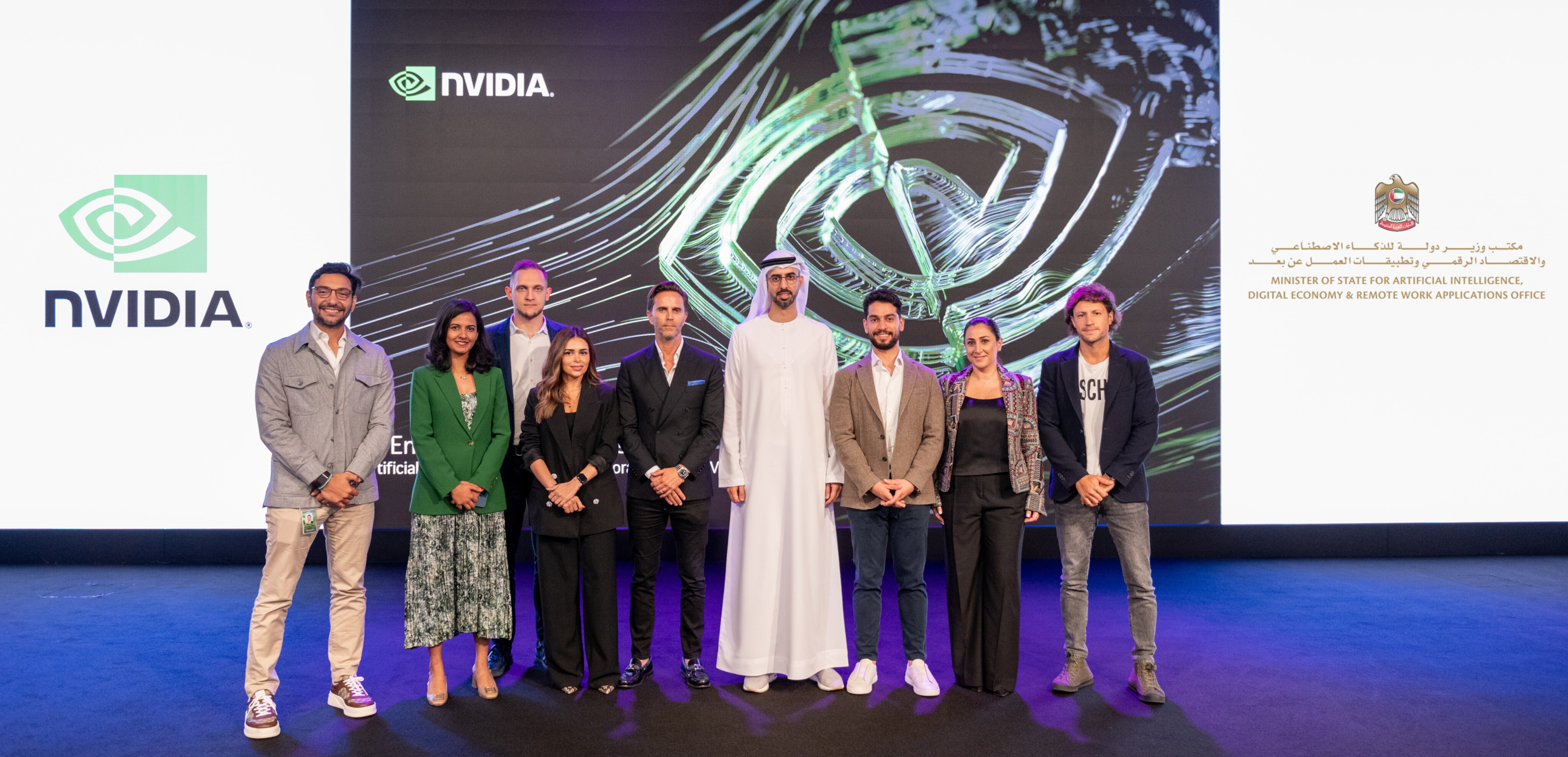
The United States is deliberating a significant agreement that would permit the United Arab Emirates to acquire over one million advanced Nvidia AI chips, a move that could reshape the technological landscape in the Gulf region. The proposed arrangement, still under negotiation, would allow the UAE to import 500,000 of Nvidia’s most sophisticated chips annually through 2027. Approximately 20% of these chips are earmarked for G42, an Abu Dhabi-based artificial intelligence firm, while the remainder would support U.S. companies establishing data centers within the UAE.

This potential deal marks a notable shift from the stringent export controls implemented during the Biden administration, which aimed to limit the proliferation of advanced AI technologies to certain regions. The Trump administration’s consideration of this agreement aligns with its broader strategy to bolster alliances and counterbalance China’s growing technological influence.

G42 has been at the forefront of the UAE’s AI ambitions, developing a bilingual Arabic-English large language model named Jais and collaborating with global tech giants to enhance its capabilities. The firm’s efforts to sever ties with Chinese entities and comply with U.S. regulations have been pivotal in facilitating this prospective deal.

The U.S. Department of Commerce’s introduction of the Validated End User program has further streamlined the export process for advanced technologies to trusted partners. Under this program, foreign data centers that meet rigorous security and compliance standards can receive AI chips without the need for individual export licenses. This initiative aims to safeguard national security while promoting international technological collaboration.

Nvidia’s advanced chips, particularly the H100 and the newer GB300 Blackwell models, are integral to the development of cutting-edge AI applications. The company’s collaboration with Saudi Arabia’s AI startup, Humain, to deliver 18,000 AI chips underscores the region’s commitment to becoming a global AI hub. These chips are set to power a 500-megawatt data center in Saudi Arabia, reflecting the Gulf’s substantial investments in AI infrastructure.

The UAE’s strategic partnerships extend beyond Nvidia. A notable collaboration between Microsoft and G42 has received U.S. approval, allowing the export of advanced AI chips to a Microsoft-operated facility in the UAE. This partnership is part of a broader U.S. effort to counter China’s Digital Silk Road initiative by strengthening technological ties with Gulf nations.

Despite these advancements, concerns persist regarding the potential for U.S. technologies to be accessed by adversarial nations. The U.S. government has imposed strict conditions on these deals, including prohibitions on the use of exported chips for model training by individuals from countries under U.S. arms embargoes, such as China. Regular audits and compliance checks are mandated to ensure adherence to these restrictions.

The UAE’s pursuit of AI sovereignty is evident in its initiatives to develop indigenous AI capabilities and infrastructure. Core42, a subsidiary of G42, has established a “regulated technology environment” to deploy Nvidia’s H100 Tensor chips securely within the country. This setup ensures that sensitive technologies are handled under strict guidelines, aligning with the UAE’s objectives to safeguard data and maintain control over its AI systems.

Saudi Arabia has launched HUMAIN, a new artificial intelligence company under the Public Investment Fund , aiming to position the kingdom as a global leader in AI innovation. Chaired by Crown Prince Mohammed bin Salman, HUMAIN is set to provide advanced AI services, including next-generation data centres, AI infrastructure, cloud capabilities, and sophisticated AI models. A key focus will be the development of one of the world’s […]

The United States has approved a $1.4 billion arms sale to the United Arab Emirates, encompassing six CH-47F Chinook helicopters and maintenance support for F-16 fighter jets. This development coincides with President Donald Trump’s diplomatic visit to the Middle East, highlighting the strengthening of US-UAE defense relations. The CH-47F Chinook helicopters, produced by Boeing, are renowned for their heavy-lift capabilities and versatility in various military operations. The […]

Supermarket operator Spinneys reported a 14% year-on-year increase in net profit for the first quarter of 2025, reaching AED 85 million , buoyed by new store openings and a significant uptick in online sales. Revenue for the quarter climbed over 11% to AED 906 million, reflecting the company’s strategic expansion and digital initiatives.

The Dubai-based retailer, which went public on the Dubai Financial Market in 2024, attributed its robust performance to the launch of three new stores and a continued focus on enhancing its e-commerce platform. The company has been actively expanding its footprint, with plans to open 10 to 12 new stores across the UAE and Saudi Arabia by the end of the year.

Spinneys’ entry into the Saudi market marks a significant milestone in its regional growth strategy. The company inaugurated its first store in Riyadh’s La Strada Yard, receiving an exceptional response from customers. CEO Sunil Kumar highlighted the strong demand in the Kingdom, stating that the early performance reinforces a positive outlook for Spinneys in Saudi Arabia. The retailer plans to open additional stores in Riyadh’s King Abdulaziz Financial District and other locations before the end of 2025.

The company’s e-commerce segment has also shown impressive growth. Online sales increased by 21.7% year-on-year, surpassing AED 217 million in the first half of 2024. E-commerce now accounts for 14% of Spinneys’ total revenue, driven by the launch of the Spinneys Swift app, which offers hyperlocal delivery services. The app’s 60-minute delivery service has been piloted in key locations, with plans for a broader rollout across the UAE.

Spinneys’ strategic focus on premium grocery segments has positioned it well in the GCC’s evolving retail landscape. The company’s target market, comprising affluent households, is growing faster than the broader grocery sector. In the UAE, this segment is projected to expand at a compound annual growth rate of 4.4% from 2022 to 2028, while in Riyadh and Jeddah, the growth rate is expected to be 6.7%.

The retailer’s commitment to quality and innovation is evident in its product offerings and store concepts. Spinneys has introduced ‘The Kitchen, by Spinneys,’ a food hall concept in Dubai Mall, offering fresh meal solutions with margins exceeding traditional grocery retail. The company plans to open more locations of this concept in the UAE, catering to the growing demand for convenient and high-quality dining options.

Financially, Spinneys maintains a strong position. The company reported a 9.9% increase in revenue to AED 1.6 billion in the first half of 2024, with a net profit of AED 146 million, up 15.2% year-on-year. Despite the introduction of a 9% corporate tax in the UAE, Spinneys has continued to deliver solid financial results, supported by efficient sourcing, supply chain management, and a successful private label strategy.

Arabian Post Staff -Dubai President Donald Trump’s ambitious pursuit of $1 trillion in investment pledges from Saudi Arabia is encountering a formidable challenge: the kingdom’s own sweeping economic transformation plans, which are projected to cost nearly twice that amount. As Trump embarks on his first Middle East tour of his second term, his administration is focusing on securing substantial trade and investment agreements with Gulf allies, including […]

By Saifur Rahman The governments and the private sector in the GCC are investing heavily in infrastructure and creating world-class race tracks for the development of motorsports that, coupled with strong interest among the local youth are spearheading the motorsports in the region. Home to two global Formula 1 race tracks, the region is yet to become a global hotspot for motorsports. Although a lot of youngsters […]

Opec+ has made significant moves in recent months, shifting from a neutral to a more aggressive stance. After a period of gradual production increases, the group, led by Saudi Arabia, has opted for a sharp rise in output, signalling a strategic push to regain market share. However, with key members such as Iraq and Kazakhstan failing to meet targets, the question remains: who will bear the brunt […]

Saudi Arabia’s Crown Prince Mohammed bin Salman continues to assert his influence in the global energy markets, a strategy that has far-reaching implications not only for the kingdom’s domestic policies but also for its relationship with the United States. Recent moves to reduce oil production as a means of boosting global oil prices have drawn international attention, as MBS looks to solidify his standing with key economic players, including former U.S. President Donald Trump. However, the evolving relationship between the two figures is far from straightforward, as both appear to have their own agendas in mind.

The Saudi decision to slash oil output in recent months comes on the back of increasing pressure to stabilise global oil prices, which had been fluctuating due to global economic instability and shifting energy demands. By reducing production, Saudi Arabia has not only asserted its dominance within OPEC but also sent a clear signal to the global market that it has the leverage to influence pricing dynamics.

This move directly impacts oil markets in the U.S., a key trading partner for Saudi Arabia. As a major importer of oil, the United States is highly sensitive to fluctuations in oil prices. For Trump, whose policies focused on energy independence and bolstering U.S. oil production, the actions of MBS represent a clear challenge to his broader economic goals. The former U.S. president’s embrace of the kingdom, characterised by lucrative arms deals and a focus on maintaining strong bilateral ties, suggests that any tension between the two figures could have significant geopolitical consequences.

For MBS, maintaining close relations with the U.S. remains a critical aspect of his strategy. He has worked tirelessly to secure arms deals and other investments from the U.S., ensuring that the kingdom remains a key player in global economic and political circles. However, the Crown Prince has also sought to diversify Saudi Arabia’s global alliances, looking toward China and Russia for alternatives in the wake of fluctuating U.S. domestic politics.

While Saudi Arabia’s actions in the oil market may be seen as a tactical move to assert its power within OPEC, there is also an undercurrent of economic diversification within the kingdom. MBS has long been an advocate for economic reform, including his ambitious Vision 2030 plan, which aims to reduce the country’s dependence on oil and foster other sectors like technology, entertainment, and tourism. These long-term goals often put him at odds with traditional partners like the U.S., who benefit from the current structure of the global oil market.

MBS’s strategy of reducing oil production comes at a time when the U.S. is attempting to navigate its own challenges within global energy markets. Biden’s administration has faced criticism for its handling of oil prices and its response to OPEC’s decision to cut production. There have been mounting calls for the U.S. to reassert its influence over global energy policy, especially as rising fuel prices continue to affect domestic inflation. Trump, during his tenure, positioned himself as a champion of American energy interests, and his critique of OPEC’s actions highlights the ongoing tension between the U.S. and Saudi Arabia over energy policy.

The dynamics of this relationship are further complicated by political realities within the U.S. The upcoming presidential election, with Trump seeking to regain power, could see a shift in how the U.S. engages with Saudi Arabia. Trump’s previous tenure saw him pursuing an “America First” policy that frequently placed him at odds with traditional allies, including Saudi Arabia. His emphasis on energy independence and a focus on domestic oil production often ran counter to Saudi interests, particularly as MBS sought to maintain control over global oil pricing.

Despite these tensions, there remains a mutual interest in maintaining a working relationship. Saudi Arabia’s desire to secure arms deals and investments from the U.S. continues to be a driving factor in their engagement with Trump and other American leaders. Meanwhile, Trump’s political aspirations likely hinge on securing economic benefits from Saudi Arabia, whether through increased oil production or strategic investments in U.S. infrastructure. These mutual interests, though at times misaligned, provide the foundation for ongoing negotiations between the two figures.

Sharjah’s real estate sector has demonstrated impressive growth, registering 7,206 transactions in April 2025, totalling AED 4 billion in trading value. The total area of sales transactions amounted to 10.3 million square feet, indicating a sustained upward trajectory in the emirate’s real estate market.

This marked performance underscores the sector’s resilience and continued momentum, which has been a result of a combination of strategic government policies, urban expansion, and an influx of both local and international investors. Experts note that Sharjah’s real estate market is witnessing a fundamental transformation, spurred by a series of developments aimed at enhancing the emirate’s appeal as a prime investment destination.

The significant boost in Sharjah’s real estate market can be attributed to several key factors that have contributed to its rapid growth. The emirate’s government has implemented flexible policies and supportive legislative measures, providing a stable and investor-friendly environment. These regulations not only ensure security for investors but also create the conditions for long-term capital inflows, making Sharjah an increasingly attractive proposition for both domestic and international players.

Notable among these are the continued urban developments that have reshaped the city’s landscape. Sharjah has focused on large-scale infrastructure projects, aimed at expanding residential, commercial, and industrial areas. These initiatives have enhanced the emirate’s appeal as a dynamic hub for business and investment, attracting a growing number of investors seeking to capitalise on its expanding property market.

Sharjah’s strategic location, proximity to major business centres, and a robust transport network have also been crucial in driving demand. The emirate’s accessibility to both the UAE’s northern and southern markets makes it an ideal location for business expansion, which in turn fuels the demand for real estate across various sectors.

Alongside these developments, government policies targeting ease of doing business have provided a strong foundation for growth. The introduction of regulations designed to encourage foreign investment, including the ability to purchase freehold properties in certain areas, has attracted a wider range of investors. The emirate’s efforts to streamline property registration processes and offer competitive investment incentives have contributed to a growing sense of confidence in the market, positioning Sharjah as a favourable alternative to other regional markets.

The residential sector, in particular, has seen a significant surge in demand, fuelled by a combination of population growth and increasing economic activity. A growing middle-class population, coupled with rising disposable incomes, has driven the demand for both affordable and luxury properties. The government’s push to create new communities, supported by amenities such as schools, hospitals, and recreational areas, has further reinforced the attractiveness of Sharjah as a place to live and invest.

Commercial real estate has also experienced substantial growth. With increasing demand for office spaces, retail outlets, and industrial facilities, developers have responded with new projects tailored to meet the needs of an evolving business landscape. The expansion of Sharjah’s commercial infrastructure is expected to continue, supported by initiatives such as the Sharjah Free Zones, which have long been a key draw for investors looking to establish a presence in the emirate.

Foreign investment in the sector has been another major driver behind the growth of Sharjah’s real estate market. With a burgeoning interest from overseas investors, particularly from neighbouring GCC countries, the region’s property market has benefitted from the influx of foreign capital. Investors from countries such as Saudi Arabia, Qatar, and Kuwait have been particularly active in Sharjah, attracted by the relatively affordable property prices and the emirate’s strategic location within the UAE.

Despite the growing demand and development, Sharjah’s real estate market is not without its challenges. While the sector continues to experience strong growth, experts warn that maintaining this upward trend will require continued attention to infrastructure development and the sustainability of urban expansion projects. As the emirate becomes more developed, ensuring that urbanisation remains in line with environmental sustainability will be key to preserving Sharjah’s attractiveness as a destination for investors.

By Nitya Chakraborty More than forty hours have passed since the missile strikes by Indian military on the nine terror camp sites in Pakistan. The situation in both New Delhi and Islamabad is witnessing the same type of preparations indicating that Pakistan is getting ready for another military confrontation with India after the Kargil war […]

By Saifur Rahman When Ho Kwon Ping, a young Stanford drop-out, saw an abandoned tin mine in Thailand’s Bang Tao Bay in Laguna Phuket area in 1984, he didn’t know what to do with it as the land that was dimmed ‘useless’ by its former occupiers. It was a patch of a waste land with no activities then. In his Stanford days, he was a firebrand social […]

Greenlogue/AP CO2Wall, a Netherlands-based climate solutions company, has launched operations in Saudi Arabia with the opening of a new office in Riyadh. This move aligns with the Kingdom’s Vision 2030, which aims to achieve carbon neutrality by 2060 and enhance urban sustainability. The company’s expansion is facilitated through a partnership with AstroLabs, a business expansion platform in the Gulf region. Gerwin Pul, CEO of CO2Wall Group BV […]

Panasonic Marketing Middle East and Africa has entered into a strategic partnership with Saudi Company for Hardware , a leading retailer in Saudi Arabia, to revolutionise the retail experience for customers in the Kingdom. This move marks a significant shift in the retail and electronics sectors, directly aligning one of Japan’s biggest manufacturers with a key local distributor, reshaping supply chains and enhancing customer engagement.

The collaboration between Panasonic and SACO will introduce a direct supply model, which aims to streamline product availability and improve service efficiency. By working closely together, the two companies will ensure a smoother, faster product distribution system, ultimately benefiting consumers with quicker access to Panasonic’s wide range of electronics and home appliances. SACO’s established retail network and expertise in the local market provide Panasonic with the necessary infrastructure to reach a broader audience while maintaining the highest service standards.

As part of the partnership, SACO will become Panasonic’s exclusive retail distributor for several product categories, including air conditioners, home appliances, and consumer electronics. The deal is expected to strengthen Panasonic’s presence in Saudi Arabia, which is one of the Middle East’s largest and most lucrative consumer markets. Both companies are focusing on providing customers with an enhanced shopping experience by offering a range of cutting-edge technologies and products, with a focus on energy-efficient and environmentally friendly solutions.

The collaboration is also set to create a seamless integration of Panasonic’s products into SACO’s expansive network of stores across the Kingdom. With a deep understanding of the Saudi consumer landscape, SACO is well-positioned to promote Panasonic’s products effectively while ensuring that they meet the local market’s unique needs and preferences. SACO’s strategic locations across major cities in Saudi Arabia will provide Panasonic with an enhanced retail footprint, allowing it to tap into new demographics and increase brand recognition.

The partnership comes at a time when Saudi Arabia’s retail and electronics sectors are experiencing substantial growth, driven by a youthful population, rising disposable incomes, and increased consumer demand for high-quality home electronics. This trend is further supported by the Saudi Vision 2030 initiative, which aims to diversify the economy and reduce its reliance on oil exports. As part of this vision, the Kingdom is increasingly focusing on expanding its non-oil sectors, with retail and consumer electronics being key growth areas.

Panasonic’s commitment to sustainability aligns with the growing demand for energy-efficient products in the Kingdom. In response to this demand, the company plans to introduce a range of environmentally conscious solutions, such as energy-saving home appliances and air conditioning systems, designed to meet Saudi Arabia’s strict energy regulations. These products are expected to resonate well with consumers who are becoming more environmentally aware and seek to reduce their carbon footprints while maintaining high standards of comfort and quality.

Through this collaboration, Panasonic also aims to strengthen its after-sales service network in Saudi Arabia. The partnership will facilitate the creation of dedicated service centres, staffed by highly trained technicians who can provide maintenance and repair services for Panasonic products. This move is designed to enhance customer satisfaction, ensuring that consumers receive comprehensive support throughout the life cycle of their purchased products. Panasonic’s reputation for high-quality manufacturing and reliability will be further bolstered by SACO’s robust service infrastructure.

The partnership is expected to play a pivotal role in transforming the electronics retail sector in Saudi Arabia. By leveraging SACO’s local expertise and Panasonic’s global brand strength, the companies aim to offer a unique value proposition to consumers. Shoppers will benefit from a more integrated shopping experience, including access to the latest Panasonic products, expert advice, and convenient after-sales support. Furthermore, the collaboration is likely to spark more innovation in the retail sector, as other manufacturers may look to follow suit and form similar partnerships with local distributors to enhance their market presence.

As the Kingdom continues to prioritise economic diversification and digital transformation under Saudi Vision 2030, the collaboration between Panasonic and SACO represents a significant step in aligning global brands with local expertise. By directly addressing consumer needs and preferences, the partnership is well-positioned to drive further growth in the Kingdom’s electronics and retail sectors, supporting the wider goal of modernising the economy and improving the quality of life for Saudi citizens.

Capital A Berhad, the parent company of budget airline AirAsia, is preparing for a secondary listing on the Hong Kong Stock Exchange, aiming to raise at least $200 million. This move is part of a broader strategy to access deeper pools of capital in Greater China and to support the company’s ongoing financial restructuring.

The proposed listing follows a series of significant financial maneuvers by Capital A, including a $226 million private placement completed in March 2025. This placement featured a $100 million investment from Saudi Arabia’s sovereign wealth fund, with additional contributions from investors in Singapore and Japan. These funds are intended to bolster the company’s capital base and facilitate its exit from Malaysia’s financially distressed PN17 classification.

Capital A has also secured a $443 million revenue bond, with $200 million provided by Ares Management Corp and Indies Capital Partners. This financing is earmarked for reactivating aircraft grounded during the pandemic and refinancing existing lease liabilities, thereby strengthening the company’s balance sheet.

The company is undergoing a significant restructuring, including the sale of its aviation business to long-haul affiliate AirAsia X. This consolidation aims to unify short and long-haul operations under a single AirAsia brand, streamlining operations across Malaysia, Thailand, Indonesia, the Philippines, and Cambodia. The merger is expected to create a new listed entity valued at approximately $1.42 billion.

Capital A’s financial performance has shown signs of recovery, with a net profit of RM2.01 billion reported in the third quarter of 2024, partly due to foreign exchange gains. The company anticipates a return to profitability in 2025, following a loss of $106.5 million in 2024 attributed to one-off forex losses.

The Hong Kong listing is seen as a strategic move to tap into the region’s revitalized equity markets and attract mainland Chinese investors. Capital A is reportedly close to appointing an international investment bank to advise on the listing structure and process, pending internal reviews and regulatory approvals.

CEO Tony Fernandes has emphasized that the company’s financial uncertainties are linked to pending milestones rather than underlying business strength. He remains confident in completing the regularization and restructuring efforts by June 2025.

As part of its commitment to transparency, Capital A has announced plans to publish internal business targets alongside quarterly results. This initiative aims to provide investors with a clearer picture of the company’s financial outlook and progress toward its strategic goals.

The company’s efforts to exit PN17 status are progressing, with shareholder approval secured for the aviation business disposal and a vote scheduled for May 7 to revoke its distressed classification. Capital A also plans to retain an 18% stake in the resulting AirAsia airline group, focusing on its non-aviation businesses, including logistics firm Teleport and aircraft maintenance company Asia Digital Engineering.

Saudi Arabian budget airline flynas, under the backing of billionaire Prince Alwaleed Bin Talal, is preparing to launch an initial public offering later this month. This move marks the first IPO by a Gulf airline in nearly two decades, a significant milestone for both the airline and the broader Middle Eastern aviation industry. The airline, which has become a key player in the region’s air travel market, […]

VISHNU RAJA
RYO YAMADA
HITORI GOTOH
IKUYO KITA