GCC’s Debt Capital Market Poised to Surpass $1 Trillion Amid Diversification Efforts

The Gulf Cooperation Council is on track to see its debt capital market exceed $1 trillion in outstanding issuances by the end of 2025, driven by government initiatives aimed at market development, economic diversification, and the need to fund fiscal deficits and upcoming debt maturities. Fitch Ratings reports that the DCM in the GCC reached $940 billion by the close of the first quarter of 2024, marking a 7% year-on-year increase.
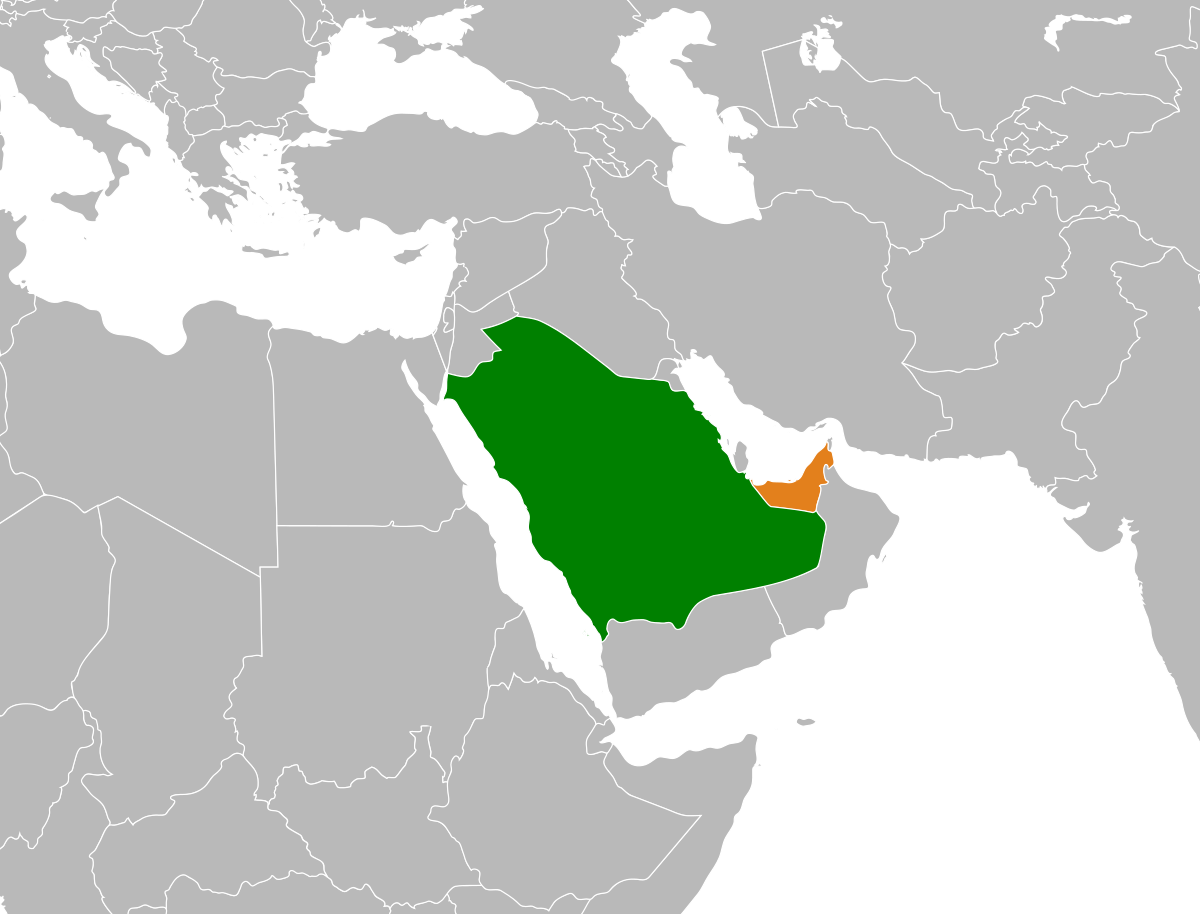
Saudi Arabia and the United Arab Emirates lead the region’s DCM, holding 43% and 30% of the market share, respectively. Approximately 40% of the GCC’s outstanding debt comprises sukuk, with the remainder in conventional bonds. Fitch Ratings, which assesses over 70% of the GCC’s US dollar-denominated sukuk, notes that 81% of these are investment-grade, with no defaults reported.
The anticipated growth in debt issuances is attributed to several factors, including projected declines in oil prices to $65–$70 per barrel in 2025 and 2026, which may prompt increased sovereign borrowing to cover budgetary shortfalls. Additionally, government-led initiatives to enhance debt capital markets and diversify funding sources are expected to play a significant role. Bashar Al Natoor, Global Head of Islamic Finance at Fitch Ratings, emphasizes that “most GCC countries have come a long way in developing their DCMs, with the bloc now accounting for almost a third of total emerging-market dollar issuance, excluding China.”
Despite these advancements, the GCC’s debt capital markets remain less mature compared to more developed regions and exhibit varying stages of development across member states. Saudi Arabia and the UAE possess the most advanced markets, while Qatar and Oman have seen contractions due to debt repayments. Kuwait’s absence of a debt law limits its funding options, and Bahrain continues to rely heavily on DCM access and support from other GCC nations amid persistent deficits.
In the banking sector, GCC banks are projected to issue over $30 billion in US dollar-denominated debt in 2025, a decrease from the record $42 billion issued in 2024. This decline is partly due to the maturation of approximately $23 billion in existing debt, with Qatari banks accounting for about a third of these maturities, and UAE and Saudi banks each representing around a quarter. Fitch Ratings anticipates that most additional Tier 1 instruments with first call dates in 2025 and 2026 will be called, given favorable financing conditions.
The US Federal Reserve is expected to reduce interest rates by 100 basis points in 2025, potentially leading to more favorable financing conditions for GCC banks. Strong credit growth, particularly in Saudi Arabia and the UAE, is also anticipated to support further issuances. In 2024, GCC banks’ US dollar debt issuance reached an unprecedented level, driven by high credit growth in Saudi Arabia, efforts to diversify funding bases, and substantial debt maturities.





 By K Raveendran OPEC+ is once again at the centre of a global energy crisis as it grapples with a new challenge posed by President Donald Trump’s tariffs on major crude oil suppliers. The tariffs, which include a 10 percent levy on Canadian oil and 25 percent on US imports into Canada in retaliation, threaten […]



 NEW DELHI: Skilling and job creation will be a major theme in the Budget as government seeks to fill a critical gap and in the process boost income and demand in the economy. Indian companies are looking for skilled workers, including at construction sites within the country, and the skilling initiative will help meet […]