News related to
Saudi Arabia

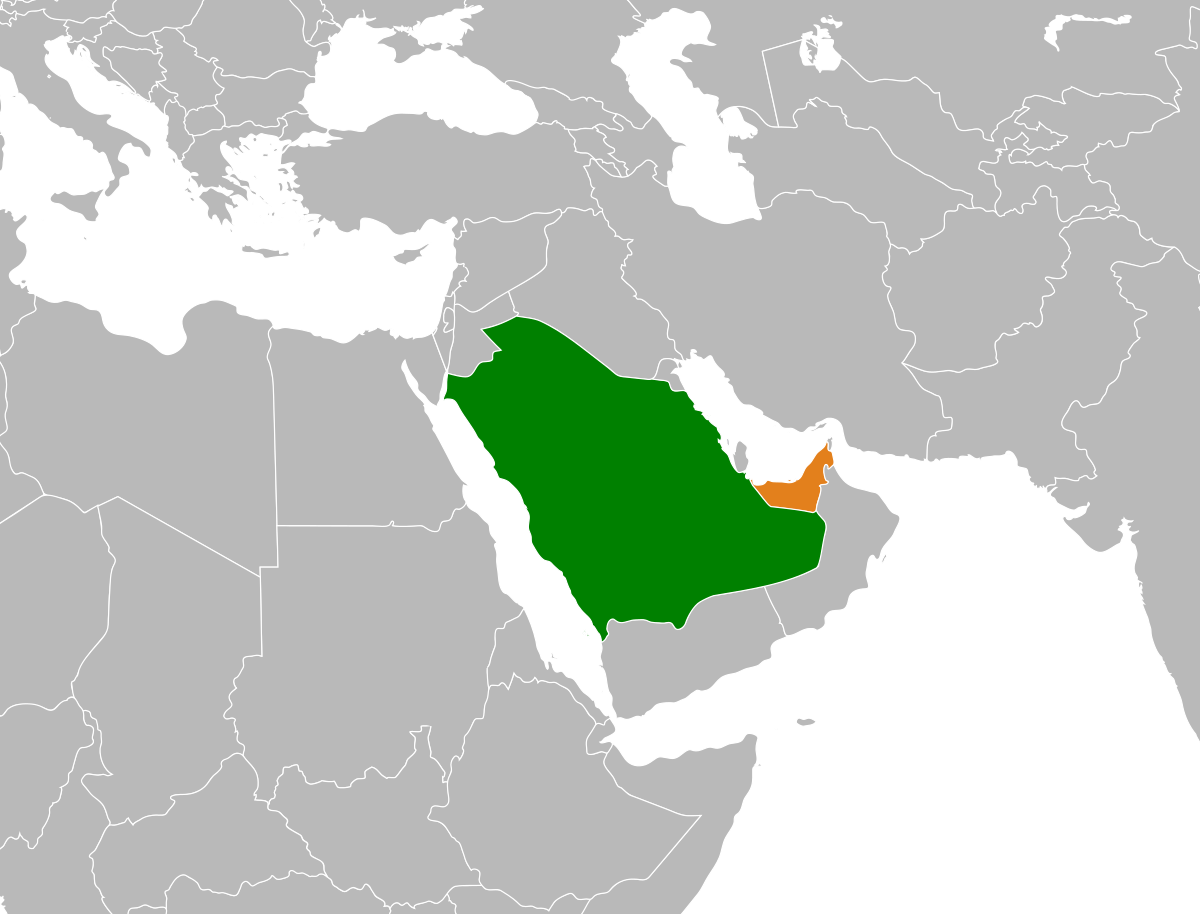
UAE President Sheikh Mohamed bin Zayed Al Nahyan and Saudi Crown Prince Mohammed bin Salman held a high-level meeting to further solidify their countries’ bilateral relations, underscoring the enduring strength of their partnership. The meeting comes as both nations navigate complex regional and global challenges, aiming to reinforce their cooperation in key sectors such as energy, security, and technology.

The summit, which took place in Abu Dhabi, reflects the growing strategic importance of the UAE-Saudi relationship. This alliance has been marked by a shared commitment to regional stability, economic growth, and development. The two leaders’ discussions have centered on deepening political and economic collaborations, enhancing trade, and exploring opportunities in emerging fields like renewable energy and space exploration.

The UAE and Saudi Arabia have long been influential players in the Gulf region, and their partnership is often seen as a counterbalance to external powers. Their collaboration spans beyond bilateral matters, impacting broader issues such as security in the Middle East, OPEC oil production agreements, and joint ventures in technological advancements. The convergence of their interests is aimed at positioning the two nations as global leaders in multiple sectors.

Trade relations between the UAE and Saudi Arabia have been growing steadily, with the UAE becoming one of Saudi Arabia’s largest trading partners. The two nations are focused on further facilitating economic integration through the Gulf Cooperation Council (GCC), which serves as a platform for harmonizing their policies on trade, investment, and infrastructure. Their concerted efforts are seen as crucial for advancing the region’s economic diversification and reducing dependence on oil.

In the realm of energy, the UAE and Saudi Arabia are working together to lead the charge on clean energy initiatives. Both countries have made significant strides in developing sustainable energy solutions, with large investments in solar power, nuclear energy, and hydrogen. Their collaboration in these sectors is intended to help the Gulf region transition toward a low-carbon future while maintaining energy security.

Security is another critical component of the UAE-Saudi partnership. Both nations have faced regional security threats, particularly from non-state actors and the geopolitical tensions surrounding Iran. As a result, the UAE and Saudi Arabia have worked in tandem to fortify their defense mechanisms and enhance intelligence sharing. Their coordinated efforts are also evident in joint military operations, particularly in Yemen, where both countries have been involved in the ongoing conflict as part of a Saudi-led coalition.

The leaders’ discussions also touched on the importance of technological innovation as a driver of future economic growth. The UAE has positioned itself as a hub for technological advancements in the Middle East, with initiatives like Dubai’s smart city projects and the UAE’s space program gaining international recognition. Meanwhile, Saudi Arabia has launched its own ambitious Vision 2030 initiative, which includes plans for transforming its economy through technology, including its investments in artificial intelligence, blockchain, and digital infrastructure.

The strategic alliance between the UAE and Saudi Arabia has not only helped shape the region’s economic and political landscape but has also made them key partners in broader international forums. Both nations have increasingly taken a proactive stance in addressing global challenges, including climate change, public health, and geopolitical tensions. Their efforts to collaborate on such issues signal a broader commitment to fostering stability and peace in the Middle East and beyond.

Nissan’s iconic Patrol SUV has entered its seventh generation, showcasing an evolved design and cutting-edge features that highlight its versatility and power. The highly anticipated model was unveiled in Saudi Arabia, offering an impressive blend of luxury and performance tailored for diverse terrains. With a rich history since its inception in 1951, the Patrol continues to stand as a symbol of durability and innovation.

This latest iteration introduces a bold design, featuring Nissan’s signature V-motion grille integrated seamlessly with its body and flanked by advanced Double C-shaped headlights. Adaptive Driving Beam technology ensures optimal visibility in challenging environments. At the rear, a full-width light bar mirrors the striking front, while the 22-inch alloy wheels enhance both ground clearance and aesthetic appeal. Customers can choose from seven dynamic exterior colors, including four two-tone options, providing a personalized touch.

Performance upgrades include two new engine options: a 3.5-liter V6 twin-turbo engine delivering 425 horsepower and 700 Nm of torque, and a 3.8-liter naturally aspirated V6 engine producing 316 horsepower. These powertrains replace the outgoing V8, offering a 7% increase in power and 25% improvement in torque, along with enhanced fuel efficiency. A newly integrated nine-speed automatic transmission with paddle shifters ensures smooth gear transitions, catering to both city and off-road driving.

The Patrol’s off-road capabilities are further boosted by a standard adaptive air suspension system, adjustable ride heights, and six drive modes, including sand, rock, and mud. Additionally, a 4WD transfer mode interlock system offers intuitive handling across various terrains, supported by advanced chassis and electronic aids like Vehicle Dynamic Control and Traction Control.

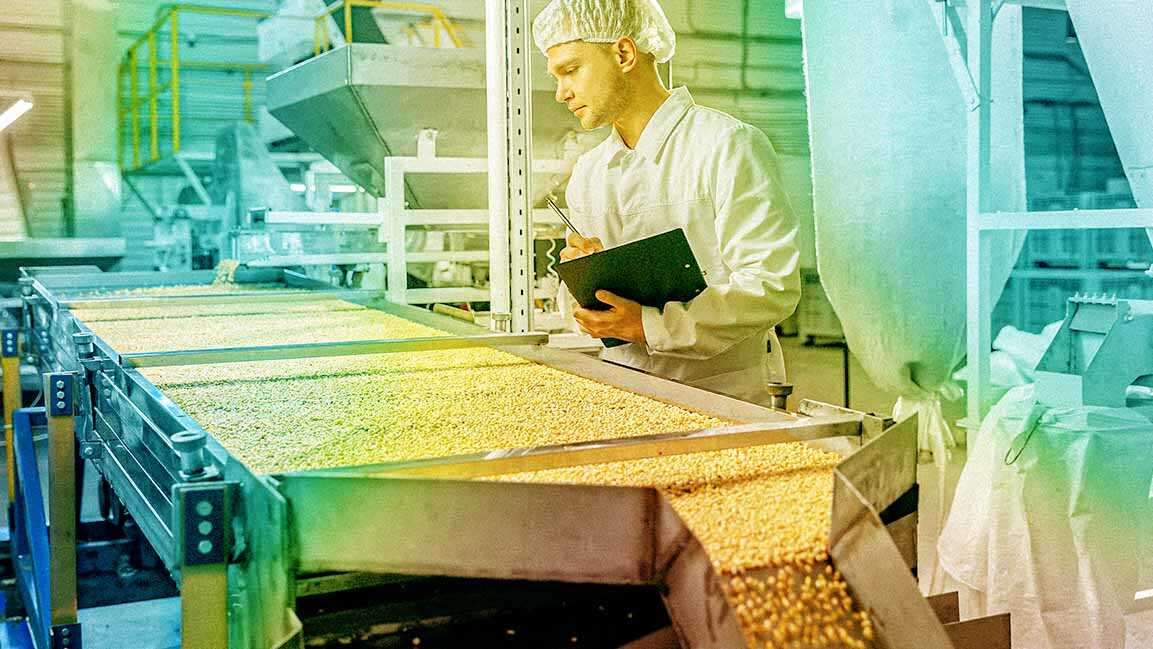
Saudi Arabia has unveiled the Jeddah Food Cluster, a groundbreaking initiative aimed at transforming Jeddah into a global hub for the food industry. Officially recognized by Guinness World Records as the largest food park in the world, this project spans 11 million square meters and is poised to attract SR20 billion ($5.3 billion) in investments.

Abu Dhabi Investment Group is set to deploy a significant $100 billion in Brazil’s economy, marking a major step in the strengthening of bilateral economic ties between the UAE and Latin America’s largest economy. The announcement, made in late November 2024, highlights the UAE’s growing investment interests in Brazil, underscoring the nation’s desire to diversify its portfolio globally. The planned investments span a range of sectors, with […]

Delivery Hero has set the final price for the highly anticipated IPO of its Middle Eastern arm, Talabat, at $0.44 per share. The pricing marks a significant move for the German food delivery giant as it pushes ahead with its plan to list the popular regional platform on the Dubai Financial Market. This marks a crucial step in Delivery Hero’s strategy to strengthen its position in the […]

Saudi Arabia’s insurance sector is experiencing a transformative shift, with mergers and acquisitions (M&As) expected to surge in the coming years, according to Moody’s. The sector’s ongoing consolidation is driven by a combination of market pressures, regulatory changes, and evolving consumer demands. Moody’s recent analysis suggests that the trend towards mergers and acquisitions could redefine the landscape, bringing both opportunities and challenges to industry players.

The Saudi insurance market has been under intense scrutiny as it adapts to evolving regulations, demographic changes, and heightened competition. As part of the country’s Vision 2030 goals, the Kingdom aims to diversify its economy, reduce reliance on oil, and develop various sectors, including insurance. The consolidation trend reflects a broader strategy to streamline operations, enhance profitability, and meet growing demand for more comprehensive insurance products.

In particular, the Saudi Arabian Monetary Authority (SAMA) has implemented stricter capital requirements for insurance firms in recent years. These regulations aim to ensure financial stability and protect policyholders but have also placed pressure on smaller insurers. As a result, many companies are struggling to maintain their competitive edge, leading them to explore strategic partnerships or acquisitions.

The consolidation process is further fueled by rising operational costs. Insurers are under pressure to enhance their digital capabilities, improve customer experiences, and streamline their administrative processes. The increasing reliance on technology is leading to significant investment in digital infrastructure, with firms seeking to pool resources to stay competitive in an increasingly tech-driven market. Larger entities are better positioned to capitalize on these changes, and mergers allow them to strengthen their technological and operational foundations.

One of the most significant drivers behind the surge in M&A activity is the shifting demographics of the Kingdom. Saudi Arabia’s young, tech-savvy population is reshaping the demand for insurance products, especially in health, life, and vehicle insurance. With an increasing awareness of the importance of financial protection, there is growing interest in comprehensive insurance policies tailored to the needs of younger consumers. The consolidation of smaller companies into larger ones may enable insurers to better target these evolving consumer preferences and offer a wider range of services.

Foreign investments in Saudi Arabia’s insurance sector are also playing a pivotal role in the current consolidation trends. The Kingdom’s market remains attractive to international investors looking to capitalize on its expanding insurance market. As the sector continues to mature, the influx of foreign capital is expected to foster even more M&A activity. Global players see the potential for growth in Saudi Arabia, especially as the country develops a more diverse economy and strengthens its regulatory framework.

The Saudi government’s approach to healthcare, including reforms and a shift towards privatization, has also influenced the insurance sector. With healthcare services being increasingly privatized, the demand for health insurance coverage is rising. Insurers are now seeking to expand their portfolios to include comprehensive health policies and other specialized coverage plans. Larger firms, often backed by foreign investors, are best positioned to acquire companies with expertise in specific areas, allowing them to quickly adapt to the evolving landscape.

While the outlook for mergers and acquisitions is generally positive, the sector is also facing challenges. The increasing concentration of the market may lead to concerns over competition, with some experts warning that fewer players in the market could limit choices for consumers. Smaller insurers may find it difficult to compete against larger, more capitalized companies, potentially leading to a reduction in diversity within the market. Regulatory bodies will need to monitor the consolidation process closely to ensure that it does not hinder competition or lead to higher premiums for consumers.

The global economic environment is another factor that may influence the pace and nature of M&As in the Saudi insurance market. Economic fluctuations, shifting oil prices, and geopolitical factors could create uncertainty, which may affect investment decisions. However, despite these risks, the long-term prospects for the sector remain strong, supported by Saudi Arabia’s strategic economic plans and its ambition to become a regional financial hub.

Singapore is one of only seven countries globally where all top 100 companies report on sustainability, surpassing the global average of 79 percent. Singapore’s top 100 companies outperformed global benchmarks in six of 12 key sustainability reporting indicators, including board-level accountability, ESG integration and climate risk recognition. 76 percent of Singapore companies now recognise climate change as a financial risk, well above the global average of 55 […]

Advertisements

The UAE is accelerating its efforts to expand solar power capacity, targeting several ambitious large-scale projects to meet the growing electricity demand and ensure energy sustainability. With a strong push towards renewable energy, the UAE aims to significantly increase its solar capacity by 2030, in line with its broader sustainability goals. Central to this growth is the country’s thriving solar market, supported by both government policy and […]

Gulf Cryo, a prominent player in gas solutions in the Middle East, has teamed up with Saudi Aramco to advance the development and assessment of lower-carbon hydrogen technologies. The collaboration focuses on testing hydrogen solutions with an emphasis on reducing carbon emissions, aligning with both companies’ efforts to contribute to the region’s energy transition goals. The partnership will leverage Gulf Cryo’s state-of-the-art Applications & Technology Center, a […]

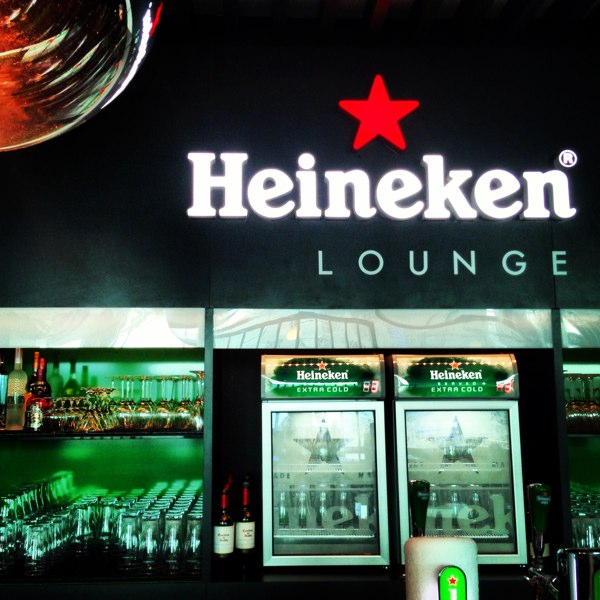
Heineken, the Dutch brewing giant, is preparing to open its first large-scale brewery in Dubai, a significant milestone in the evolving beverage industry within the Gulf Cooperation Council (GCC). This development, expected to materialize in 2024, will mark a pivotal shift in the region’s approach to alcohol production and consumption, reflecting broader changes in social and economic policies across the Middle East.

The brewery, located in Dubai Industrial City, will focus on producing various Heineken products tailored for the Middle Eastern market. This move aligns with Dubai’s strategic goals of fostering industrial diversification while attracting international investment to expand its manufacturing and export capabilities. With an estimated initial output of over 500,000 hectoliters annually, this facility represents one of the most ambitious projects of its kind in the Gulf region.

This initiative follows the UAE’s progressive steps to relax alcohol-related regulations to encourage tourism and economic growth. For instance, the country recently abolished its longstanding alcohol license requirement for personal consumption and introduced tax cuts on alcoholic beverages, effectively making them more accessible. The UAE remains an outlier in the GCC, where most countries maintain stringent controls on alcohol in adherence to cultural and religious norms.

The brewery will create employment opportunities and enhance Dubai’s standing as a hub for innovation and manufacturing excellence. With an emphasis on sustainability, Heineken plans to incorporate energy-efficient technologies and prioritize the use of local ingredients where feasible. This environmentally conscious approach underscores the company’s commitment to aligning its operations with the UAE’s sustainability initiatives.

The decision to establish operations in Dubai is also influenced by its logistical advantages. The emirate serves as a gateway to regional and international markets, offering robust infrastructure and connectivity. Industry analysts believe this move could spark increased competition in the regional beverage market, potentially encouraging other multinational firms to explore opportunities in the GCC.

This brewery is part of a larger trend where the Gulf region is witnessing shifts in lifestyle and economic priorities. While alcohol remains restricted in neighboring nations like Saudi Arabia, a more inclusive attitude toward diversifying economic activities is evident. Dubai’s openness to hosting Heineken’s venture highlights the city’s progressive stance and its broader ambition to solidify its position as a global city catering to diverse industries.

Spain has approved Saudi Arabia’s telecommunications giant, STC Group, to expand its investment in Telefónica, the nation’s iconic telecom operator, from just over 5% to nearly 10%. Economy Minister Carlos Cuerpo confirmed the government’s decision, which follows deliberations over the strategic implications of such a move. The authorization allows STC to solidify its financial involvement in Telefónica, though regulatory safeguards are being reinforced to maintain Spain’s control over vital communications infrastructure.

STC Group initially acquired a 4.9% stake in Telefónica, coupled with financial instruments granting voting rights for an additional 5%, raising questions about Spain’s ability to protect its critical infrastructure. The Saudi operator has expressed its interest in Telefónica as an investment opportunity rather than a bid for operational control. This assurance is intended to mitigate geopolitical concerns over foreign influence in the telecom sector, particularly involving companies pivotal to national security, defense, and digital services.

Telefónica holds significant importance in Spain’s technological and defense landscape, serving as a critical entity in telecommunications and cybersecurity. The government has emphasized the need to preserve the strategic capabilities of such companies, which has been a recurring theme in global debates about foreign ownership of critical industries.

To counterbalance STC’s growing presence, the Spanish government has instructed the state holding company, Sociedad Estatal de Participaciones Industriales (SEPI), to potentially acquire up to a 10% stake in Telefónica. This move, if realized, would make SEPI the company’s largest shareholder. The government is reportedly aiming to align Telefónica’s ownership structure with practices seen in other European countries, where governments maintain stakes in major telecom operators to safeguard national interests.

Telefónica’s shareholder composition has seen gradual evolution over time. Current major stakeholders include CaixaBank with 4.88%, Banco Bilbao Vizcaya Argentaria (BBVA) holding 4.84%, and BlackRock managing 4.8%. If SEPI proceeds with its planned acquisition, it would reshape the balance of influence within the company.

STC’s expansion in Telefónica aligns with its broader strategy of increasing international reach. The company, already active in telecommunications investments across Europe and the Middle East, is reportedly exploring further acquisitions, including potential stakes in Portugal’s Altice and the UK’s BT Group. This strategy reflects a wider trend of Gulf-based telecom entities seeking global prominence, similar to UAE-based e&, which has steadily increased its investments in Vodafone and other global operators.

Spain’s approach to safeguarding Telefónica echoes similar measures adopted across Europe. For instance, Germany retains a 13.8% stake in Deutsche Telekom, while France holds 13.39% in Orange. Italy has also bolstered its share in Telecom Italia’s fixed network grid. These measures underscore a growing recognition of telecom infrastructure as a vital element of national security and economic stability.

The European Union is ramping up efforts to enhance its collaboration with Saudi Arabia in the field of green energy, seeking to bolster clean energy initiatives and investments. This push comes as part of broader EU objectives to reduce its reliance on fossil fuels, accelerate the transition to renewable energy, and meet its ambitious climate goals set under the Paris Agreement. Recent dialogues between EU officials and […]

OPEC and its allies, collectively known as OPEC+, are grappling with crucial decisions as global oil markets display signs of instability. The organization’s latest measures include a mix of sustained and extended production cuts aimed at maintaining price stability amid growing economic uncertainty and competitive pressures from non-OPEC producers.

The alliance announced that several member nations will extend voluntary production cuts totaling 2.2 million barrels per day into the second quarter of 2024. This follows previous reductions implemented in early 2023, which have been critical to offsetting weakening demand and bolstering market sentiment. Key contributors to this strategy include Saudi Arabia, Iraq, and the United Arab Emirates, with Saudi Arabia leading the initiative by reducing output by one million barrels per day. These moves align with OPEC’s goal of stabilizing prices while ensuring market balance. The Russian Federation has also committed to reducing its oil output by nearly 500,000 barrels per day as part of these measures.

The production cuts underscore a broader dilemma for OPEC: balancing the immediate need for revenue stability with long-term market influence. Despite holding significant sway, accounting for 50% of global crude production and over 70% of proven reserves, the organization faces headwinds from the surge in U.S. shale production and slowing economic growth in major oil-consuming regions. As OPEC seeks to prop up prices, it inadvertently creates incentives for competitors to fill the supply gap, a dynamic that has undermined the cartel’s pricing power over the past decade.

Market reactions to OPEC’s strategies have been mixed. While production cuts have supported prices temporarily, a lack of sustained demand growth has limited their impact. Benchmark crude prices have struggled to gain significant traction, reflecting broader concerns about the global economy, including high inflation, interest rate hikes, and geopolitical tensions. Analysts have noted that further cuts could push prices higher but risk alienating key consumers and spurring alternative energy investments.

Beyond economic implications, OPEC’s decisions carry political weight. Production adjustments are often seen as a tool for asserting geopolitical influence, particularly as the energy landscape shifts. The current strategy signals an intent to reinforce cohesion within OPEC+ despite differing national interests among members. By coordinating voluntary cuts, the group aims to maintain credibility and ensure compliance, which has been a historical challenge for the alliance.

OPEC’s focus on supply-side management is not without risks. Extended cuts may lead to tighter global inventories, potentially straining relationships with consumer nations reliant on affordable energy. Moreover, prolonged curbs could dampen economic recovery efforts in oil-importing countries, particularly in Asia and Europe. The organization must also navigate internal pressures, as member states with smaller economies express concerns over lost revenue opportunities.

Saudi Arabia has announced a fiscal budget for 2025 forecasting a deficit of approximately $27 billion, or 2.3% of its GDP, driven by extensive spending on mega-projects central to its Vision 2030 initiative. The projected revenues are set at $315 billion against expenditures amounting to $342 billion, reflecting a strategic choice to prioritize long-term economic transformation over short-term fiscal surpluses.

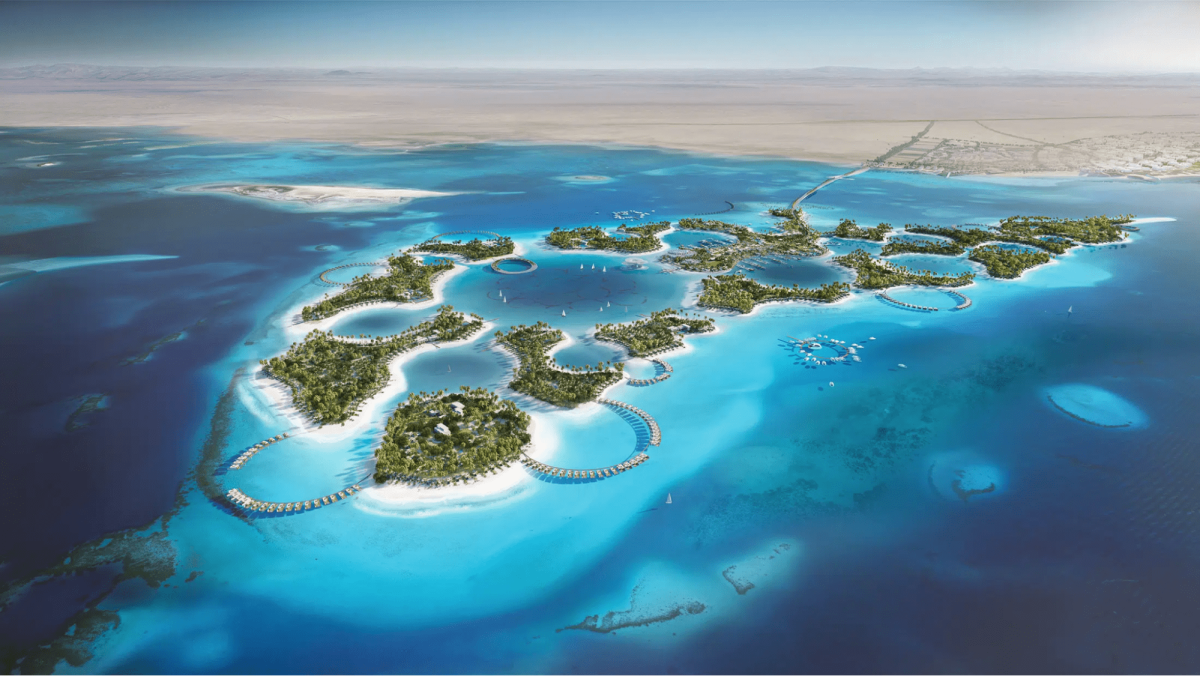
This marks a calculated shift from Saudi Arabia’s earlier efforts to achieve balanced budgets. Despite the deficit, fiscal policy remains expansionary to support initiatives like NEOM, the Red Sea Project, and other transformative ventures. These projects are designed to diversify the economy, reduce reliance on oil revenues, and stimulate private sector participation, aligning with Vision 2030’s objectives.

Saudi Arabia’s debt-to-GDP ratio is expected to remain manageable, with controlled debt growth underscoring the kingdom’s commitment to maintaining financial sustainability. The government has emphasized the use of reserves and prudent borrowing strategies to fund the deficit while ensuring resilience against economic volatility.

Rating agencies have responded favorably to these strategies, reflecting confidence in Saudi Arabia’s fiscal reforms. Fitch, Moody’s, and S&P Global Ratings have recently reaffirmed strong ratings for the kingdom, highlighting its structural reforms and the effectiveness of its fiscal policies. The government’s drive to modernize and digitize economic sectors has further strengthened its global economic position.

Oil remains a significant contributor to the economy, but ongoing fluctuations in global oil prices underscore the urgency of economic diversification. Saudi Arabia has bolstered its focus on sectors such as tourism, technology, and renewable energy to mitigate potential impacts of reduced oil revenues. These investments, while substantial, are expected to deliver long-term economic returns.

The fiscal outlook also reflects the kingdom’s strategic investments in enhancing infrastructure and social services, with education, healthcare, and digital transformation among key priorities. Analysts suggest that such investments, coupled with policies aimed at attracting foreign direct investment, will bolster the non-oil GDP growth rate, supporting broader economic stability.

Saudi Arabia announced a series of major agreements in its metals and minerals sector, totaling over $9 billion. These deals, unveiled during the World Investment Conference in Riyadh under the Global Supply Chain Resilience Initiative, mark a significant step toward diversifying the kingdom’s economy and reducing its reliance on oil. The agreements aim to boost domestic production capabilities, enhance sustainability, and position Saudi Arabia as a key […]

Arabian Post Staff -Dubai Iraqi Prime Minister Mohammed Shia al-Sudani met with Saudi Arabian Energy Minister Prince Abdulaziz bin Salman and Russian Deputy Prime Minister Alexander Novak in Baghdad to address pressing concerns in global energy markets. The discussions, held on Tuesday, centered on ensuring stability in oil markets, balancing production, and meeting international demand.The high-level talks come at a pivotal moment as fluctuating oil prices and […]

Electric vehicle manufacturer Lucid Motors is generating significant interest as it prepares to launch its first models in the UAE. Backed by Saudi Arabia’s Public Investment Fund (PIF), which holds a 60% stake in the company, Lucid has been intensifying its operations in the Middle East. This expansion includes the opening of a service center in Dubai Investment Park and a studio in Abu Dhabi, aiming to […]

Arabian Post Staff -Dubai Saudi Arabia and the United Arab Emirates (UAE) are locked in a fierce battle for dominance in the Middle Eastern investment banking landscape, with both countries vying for the title of top destination for investment banking fees. The competition between these two financial powerhouses has intensified in 2024, fueled by an uptick in debt underwriting and strong initial public offering (IPO) activity. As […]

Saudi Arabia is set to host a groundbreaking United Nations forum focused on combatting desertification, marking a significant step in the global fight against land degradation. This event, which will be held under the Kingdom’s presidency of the UN Convention to Combat Desertification (UNCCD) COP16, will introduce a dedicated Green Zone for the first time. The Green Zone will provide a platform for dialogue, innovation, and the […]

The net assets of licensed endowment investment funds in Saudi Arabia have hit a record SR1 billion ($266.67 million) in 2024, reflecting a significant growth of 29.3 percent compared to the previous year. This achievement marks a major milestone for the country’s endowment sector, driven by the licensing of new entities and an expanding investment landscape.

The growth in assets follows a noteworthy performance in 2023, where the total exceeded the half-billion riyal mark, reinforcing the momentum in Saudi Arabia’s drive to diversify its economy. The General Authority for Endowments, which monitors the endowment sector, attributed this increase to several key factors, including the licensing of five new entities in 2024. This brought the total number of licensed endowment investment funds to 34, with 27 public funds and seven private funds.

This surge in assets reflects a broader trend in Saudi Arabia’s efforts to enhance the endowment sector’s role in supporting long-term social, cultural, and economic development. The funds are primarily used for charitable and community-based projects, and their growing financial strength is seen as a direct result of enhanced regulatory frameworks and the increasing participation of private entities in the endowment market.

The rise in the value of endowment investment funds comes as Saudi Arabia continues to implement various initiatives aimed at strengthening the financial sector and boosting its non-oil revenue streams, in line with the Kingdom’s Vision 2030. This strategic vision seeks to reduce the country’s dependence on oil exports and create a more diversified economy.

Investment in endowment funds plays a critical role in fostering sustainable development across Saudi Arabia. These funds are used for a wide range of purposes, including supporting educational institutions, healthcare services, and cultural programs, in line with the Kingdom’s social goals. The funds are also seen as a way to foster social cohesion by promoting charitable activities and supporting the welfare of disadvantaged communities.

The increasing asset value also underscores the growing trust in Saudi Arabia’s regulatory environment. The General Authority for Endowments has made significant strides in modernizing the sector by introducing new regulations designed to attract more investment and streamline the governance of endowment funds. These reforms have created a more transparent and efficient framework for both public and private sector participants, which has contributed to the overall growth in assets.

Saudi Arabia’s endowment funds are also benefiting from a growing interest from institutional investors, both within the Kingdom and internationally. The licensing of new entities has made it easier for local businesses and global investors to tap into the endowment market, creating a more competitive landscape that is expected to drive further growth in the coming years. The inclusion of private funds in the sector has helped to create a more diverse range of investment opportunities, allowing for more innovative and tailored investment strategies that align with the broader goals of Saudi Arabia’s economic diversification efforts.

Experts have noted that while the growth in endowment fund assets is a positive sign of development, the sector still faces challenges. One of the main concerns is ensuring that the funds are managed effectively and ethically, with a focus on long-term sustainability. As the sector continues to expand, there is a growing need for robust oversight and accountability to ensure that the funds are used in ways that benefit society as a whole.

In addition to expanding the scope of endowment funds, Saudi Arabia has been working to improve the financial literacy and technical expertise within the sector. This includes providing training and resources for fund managers, as well as implementing programs aimed at increasing public awareness of the role of endowments in the country’s social fabric. By enhancing knowledge and expertise in the sector, Saudi Arabia aims to ensure that the funds continue to grow in value while serving their intended social purposes.

The rise in endowment assets comes amid broader financial reforms in Saudi Arabia, with the government continuing to prioritize investments in sectors such as technology, renewable energy, and infrastructure. These investments are viewed as essential to the Kingdom’s long-term economic strategy, which seeks to position Saudi Arabia as a leading player in the global economy. As part of this strategy, the endowment sector is expected to play a pivotal role in funding initiatives that support the Kingdom’s transformation into a knowledge-based economy.

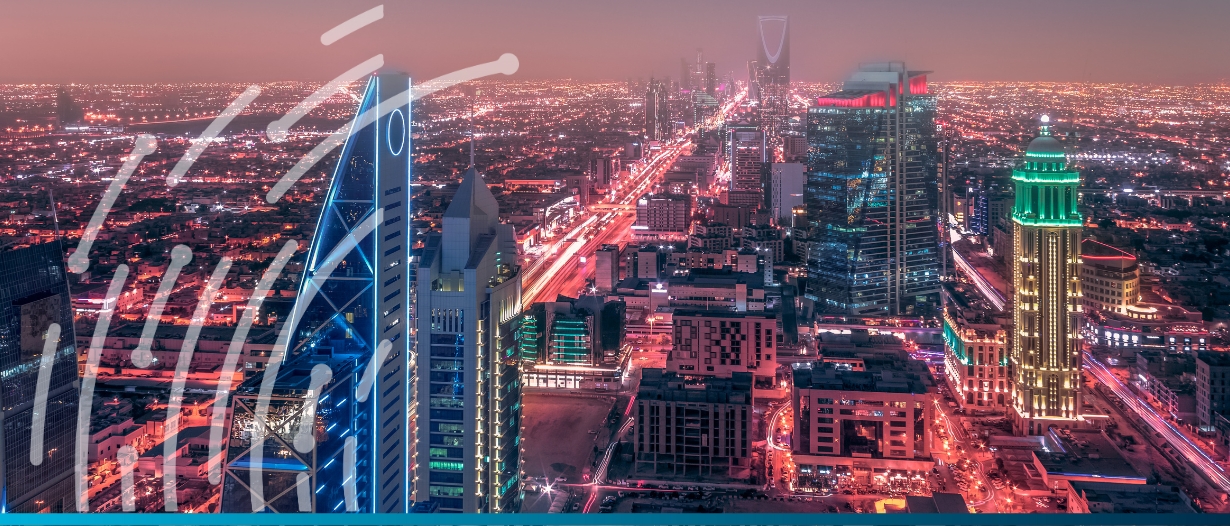
Riyadh is set to mark a significant milestone in its urban development with the much-anticipated launch of the Riyadh Metro’s first phase on November 27. This phase will feature three key lines, marking the beginning of a transformative project aimed at reshaping the city’s public transport landscape.

The Riyadh Metro is one of the largest and most ambitious transportation projects in the world, spearheading the Saudi capital’s efforts to modernize infrastructure and reduce congestion. The first phase includes three lines: the Red Line, Green Line, and Blue Line. Together, these lines will cover a network spanning more than 40 kilometers and will offer commuters a fast, efficient, and environmentally friendly alternative to the city’s heavily congested roads.

The metro network is designed to cater to the growing population of Riyadh, which has seen rapid urbanization over the past few decades. With a population now surpassing 7.5 million, the city has been grappling with traffic congestion, air pollution, and a lack of efficient public transport options. The Riyadh Metro aims to address these challenges by providing a reliable, sustainable mode of transportation for both residents and visitors.

The project has been a long time in the making, with construction having begun in 2014. The Riyadh Metro is being developed by the Saudi Arabian government in collaboration with a number of international firms, including the Spanish company Obrascon Huarte Lain (OHL), the French multinational Alstom, and the American company Bechtel, among others. The project is a cornerstone of the Kingdom’s Vision 2030, which seeks to modernize and diversify the economy and improve the quality of life for Saudi citizens.

The Red Line, which will be the longest of the three, spans 22 kilometers and runs along a north-south axis, connecting key areas such as the King Abdulaziz Historical Center, King Saud University, and the King Khalid International Airport. This line is expected to significantly reduce travel times for residents and visitors moving between the city center and the airport, as well as improving access to cultural and commercial hubs.

The Green Line, at 13 kilometers in length, runs east-west and links some of Riyadh’s most densely populated neighborhoods. This line will provide an important service for commuters traveling between residential areas, business districts, and major shopping centers. The Green Line also intersects with the Red Line at several key points, allowing passengers to easily transfer between the two.

The Blue Line, though shorter at just 5 kilometers, will provide crucial access to critical sites within Riyadh’s urban core, including government buildings, commercial centers, and transportation hubs. This line is expected to help alleviate congestion in the city’s busiest areas, particularly during rush hours.

The Riyadh Metro’s infrastructure is designed with sustainability in mind, incorporating advanced technology to ensure minimal environmental impact. The system will be powered by electricity, which aligns with Saudi Arabia’s broader push toward cleaner, renewable energy sources. The trains are designed to be energy-efficient, with an automated system to reduce energy consumption during non-peak hours. In addition to being environmentally friendly, the metro is designed to handle high passenger volumes, with the system expected to carry around 1.16 million passengers per day once fully operational.

As the first phase of the Riyadh Metro prepares for its official launch, the city has been undergoing a significant transformation to accommodate the new system. New stations, depots, and maintenance facilities have been built, while roadways and pedestrian infrastructure have been upgraded to facilitate easy access to metro stations. Several test runs have been conducted to ensure the system operates smoothly and efficiently, and the Saudi government has promised to offer free rides during the initial months to encourage adoption among the city’s residents.

The Riyadh Metro will play a central role in addressing the Kingdom’s broader goals for urban mobility. Public transportation in Saudi Arabia has historically been limited, with car ownership and road travel being the primary modes of transport for most residents. The Riyadh Metro is expected to significantly reduce the city’s reliance on private cars, thus easing congestion and cutting down on air pollution. The metro is also expected to boost Riyadh’s economic development by providing better access to key business areas, enabling greater productivity and increasing the overall efficiency of the urban environment.

In addition to its environmental and economic benefits, the Riyadh Metro project is set to improve the quality of life for residents by reducing travel times and providing a safe, reliable, and convenient alternative to private cars. The metro stations have been designed with accessibility in mind, catering to the needs of people with disabilities, and offering modern amenities such as air-conditioned waiting areas, Wi-Fi, and ample space for commuters.

The completion of the first phase is just the beginning of a larger metro network planned for Riyadh. Future phases of the project will include additional lines, connecting more neighborhoods, business districts, and cultural centers. This expansion will help integrate the metro system into the city’s broader transportation ecosystem, which includes bus services, taxis, and ride-sharing options. The overall aim is to create a comprehensive, multimodal transportation system that enhances mobility and improves quality of life for all of Riyadh’s residents.

Saudi Arabia has secured its first-ever credit rating upgrade from Moody’s Investors Service, a significant achievement that reflects the kingdom’s growing economic resilience and fiscal reforms. The credit rating agency raised the country’s rating from “A1” to “Aa3”, with a stable outlook, signaling enhanced investor confidence in the nation’s economic future.

This upgrade marks a turning point for Saudi Arabia, which has been actively pursuing a broad range of reforms under its Vision 2030 strategy. The country has made substantial strides in diversifying its economy away from oil dependence, focusing on non-oil sectors such as tourism, entertainment, and technology. The reforms have attracted attention from international investors and have been instrumental in Saudi Arabia’s efforts to modernize its economy.

The decision to upgrade Saudi Arabia’s rating is largely attributed to the country’s improved fiscal management and its ability to weather global economic challenges, including fluctuations in oil prices. Moody’s noted that the kingdom’s budgetary performance has been significantly strengthened by its efforts to boost non-oil revenues, such as through the implementation of a value-added tax (VAT) and reforms to its labor market and public sector.

Saudi Arabia’s efforts to diversify its revenue base have yielded positive results, according to financial analysts. Non-oil revenues have surged in recent years, providing the kingdom with a more stable financial foundation that is less reliant on volatile oil markets. Additionally, the government has made significant progress in reducing its fiscal deficits, which had been a major concern in previous years.

In a broader context, this upgrade is seen as a key indicator of the kingdom’s ongoing transition from an oil-dependent economy to one with a broader, more diversified economic base. Under Vision 2030, Saudi Arabia has committed to investing heavily in sectors like renewable energy, entertainment, and technology, with major projects such as the futuristic city of Neom and the Red Sea tourism developments receiving international attention. These initiatives are designed to boost foreign investment, create jobs, and reduce the kingdom’s economic vulnerability to oil price volatility.

The improvement in Saudi Arabia’s credit rating also comes at a time when the country has been actively pursuing strategic partnerships with global powers and international corporations. This includes strengthening its ties with the United States, China, and key European nations, as well as attracting international investment in various sectors. Moody’s noted that the kingdom’s international relationships have provided it with valuable opportunities to diversify its economic activities and deepen its global integration.

However, challenges remain as Saudi Arabia continues to navigate its ambitious reform agenda. While the country has made notable progress in certain areas, there are still concerns about the pace of some reforms and the potential for social unrest, particularly in relation to the country’s labor market and the integration of women into the workforce. Furthermore, while non-oil revenues have grown, they still represent a small fraction of the total fiscal intake, and the kingdom remains vulnerable to fluctuations in global commodity prices.

Despite these challenges, the positive shift in Saudi Arabia’s credit rating is viewed as a testament to the strength of its ongoing reforms and the successful implementation of key economic strategies. Investors have responded favorably, with some expecting further upgrades in the future as the kingdom’s economic transformation gains momentum.

The country’s sovereign wealth fund, the Public Investment Fund (PIF), is another key element of Saudi Arabia’s vision for the future. The PIF has been tasked with diversifying the kingdom’s investments beyond oil, and it has already committed to several high-profile projects in renewable energy, technology, and infrastructure development. The fund’s growing portfolio is seen as an essential component in ensuring the long-term stability of the kingdom’s economy.

While the rating upgrade offers an optimistic outlook for Saudi Arabia’s economic future, experts caution that the kingdom must remain vigilant in its efforts to reduce its dependence on oil and address lingering social and political challenges. Continued economic diversification, fiscal discipline, and the management of the nation’s growing public sector will be critical to maintaining the momentum of these reforms.

In light of these developments, it is clear that Saudi Arabia is on a transformative path, one that seeks to reshape its economic landscape and enhance its standing on the global stage. The upgrade from Moody’s is a significant milestone in this journey, and the kingdom’s leaders are now tasked with ensuring that the reforms and initiatives driving this transformation continue to produce tangible results.

Saudi Arabia and Japan have fortified their partnership through a newly signed memorandum of understanding (MoU) aimed at bolstering cultural cooperation. This agreement, finalized by Saudi Minister of Culture Prince Badr bin Abdullah bin Farhan and Japanese Minister of Education, Culture, Sports, Science, and Technology Dr. Toshiko Abe, seeks to foster mutual understanding and collaboration in areas including arts, heritage, and cultural exchange programs. The signing ceremony […]

Demand for diversified services and strategic investments are significantly driving the expansion of businesses in the Gulf Cooperation Council (GCC) region, setting a course for sustained economic growth. Efforts to localize supply chains, foster digital transformation, and promote infrastructure development are key contributors to this dynamic growth landscape. Strategic sectors such as technology, real estate, healthcare, and tourism have emerged as focal points for investments. Countries like […]

VISHNU RAJA
RYO YAMADA
HITORI GOTOH
IKUYO KITA
Just in:
Centre grants aircraft cabin access for Sabarimala pilgrims’ irumudi
// Diabetes Malaysia And Alpro Pharmacy Set National Record With 11,007 Most Blood Glucose Screenings Conducted Across Malaysia In Just 48 Hours // Energy Markets Find Little Substance In Shenzhen Summit Promises // Padmini follows Padmaja for ‘ghar vapsi’ // Saudi Arabia schedules multinational top-up tax for 2027 // Ex-minister named accused in Messi visit fraud case // Fungal toxins detected across 212 UK plant-based products // CrowdStrike explores Zscaler takeover amid cybersecurity dealmaking // Crypto market loses $150 billion amid broad sell-off // 2026 Tropical Rainforest Ecosystem Partners Conference Kicks off in Hainan // Anthropic briefly reaches $2 trillion in Nasdaq debut // Saudi defences destroy three Houthi missiles targeting Riyadh // Yeebo Announces Interim Results for FY26/27 Revenue Increases by 45.5% to HK$806.7 Million Profit Attributable to Owners Surges 87.6% to HK$2,284.7 Million // Phancy Announces Business Performance for the Nine Months Ended September 30, 2026 // Bail refused to 17-year old in Abhiram murder // Sabarimala booking discrepancies prompt sabotage angle probe // Technology at Work, Heritage for All: The “Chinese Approach” to Safeguarding the Leshan Giant Buddha // Toward a Shared Future for Humanity: Rethinking Civilizational Exchange // Singapore regulator cautions against AI access to bank logins // Sui activates Hashi Bitcoin lending across partner network //