Just in:
Oil futures rebound after Riyadh strikes and tanker alerts // Dar Global unveils $700m Trump development in Qatar // Thailand’s Most Iconic New Year’s Celebration Returns: ICONSIAM Unveils “Amazing Thailand Countdown 2027” // Dubai Introduces SHARH, an AI-Powered Platform Helping Entrepreneurs Buy, Sell and Manage Businesses in the UAE // 2026 Tropical Rainforest Ecosystem Partners Conference Kicks off in Hainan // Jaiedco and Golden Bridge Announce Strategic Collaboration for a New Dubai Islands Development // Sabarimala booking discrepancies prompt sabotage angle probe // Balagopal challenges CM over tax revenue // Coinbase targets 2027 launch amid state gambling lawsuits // Yeebo Announces Interim Results for FY26/27 Revenue Increases by 45.5% to HK$806.7 Million Profit Attributable to Owners Surges 87.6% to HK$2,284.7 Million // Alibaba shares slip despite 53% cloud revenue growth // Sui activates Hashi Bitcoin lending across partner network // ED searches five districts in probe against hawala // International Business Leaders Say Xi’s Speech Boosts Confidence in Asia-Pacific Cooperation // Antony’s wife called to police station with husband over complaint // Padmini follows Padmaja for ‘ghar vapsi’ // Phancy Announces Business Performance for the Nine Months Ended September 30, 2026 // Dalilk Academy reaches 27 million, targets 100 million by 2030 // Workday targets Honeydew purchase to unify AI metrics // Russia permits retail cryptocurrency purchases under regulated framework //

News related to
Saudi Arabia

Brazil is set to host the BRICS leaders’ summit in Rio de Janeiro on 6th and 7th July 2025, as announced by Foreign Minister Mauro Vieira. This gathering will bring together heads of state from Brazil, Russia, India, China, South Africa, and other partner nations, marking a significant event in international diplomacy. Assuming the rotating presidency of BRICS on 1st January 2025, Brazil has been actively preparing […]

Silicon Valley-based AI chip manufacturer Groq has secured a $1.5 billion investment from Saudi Arabia to enhance its AI inference infrastructure within the Kingdom. This significant commitment, announced at the LEAP 2025 technology conference, underscores Saudi Arabia’s strategic push to position itself as a global leader in artificial intelligence. Groq, founded by former Alphabet engineer Jonathan Ross, specializes in AI inference chips designed to optimize the speed […]

Etihad Salam Telecom Company has announced a strategic partnership with Genesys to revolutionise customer service across Saudi Arabia. This collaboration aims to integrate advanced technologies into Etihad Salam’s offerings, enhancing both customer interactions and operational efficiency.

The partnership focuses on implementing a comprehensive telecommunications solution that combines advanced Session Initiation Protocol trunk services with sophisticated call centre platforms. By leveraging artificial intelligence, automation, and cloud-based technologies, the initiative seeks to transform traditional customer service models, providing more personalised and efficient experiences.

Eng. Amjad Arab, Chief Wholesale and Partnerships Officer at Etihad Salam, highlighted the significance of this alliance: “Our mission is to provide robust, innovative solutions that support the rapid expansion of digital content and seamless technology experiences. Collaborating with Genesys allows us to offer enriched connectivity services and bring content closer to end-users, ultimately empowering businesses to thrive in an increasingly digital landscape.”

This development comes at a time when Saudi Arabia’s information and communication technology sector is experiencing substantial growth. Projections indicate that the sector will reach a valuation of USD 82.51 billion by 2030. The partnership between Etihad Salam and Genesys is poised to contribute significantly to this growth by introducing cutting-edge customer service solutions that align with the Kingdom’s digital transformation goals.

In addition to this collaboration, Etihad Salam has been actively engaging in other strategic partnerships to bolster the nation’s digital infrastructure. Recently, the company strengthened its alliance with center3, a subsidiary of the stc Group, to enhance network resilience and connectivity. This joint effort aims to deliver unparalleled digital infrastructure, benefiting businesses, cloud providers, and content creators alike.

Etihad Salam has partnered with ServiceNow to support the burgeoning small and medium-sized enterprise sector in Saudi Arabia. With the SME sector witnessing a 60% year-on-year growth and over 135,000 new registrations in the last quarter, this collaboration aims to provide tailored solutions that address the unique needs of these businesses. By combining Etihad Salam’s connectivity and managed services with ServiceNow’s expertise in automating administrative processes, the partnership seeks to facilitate agile business setups and operations.

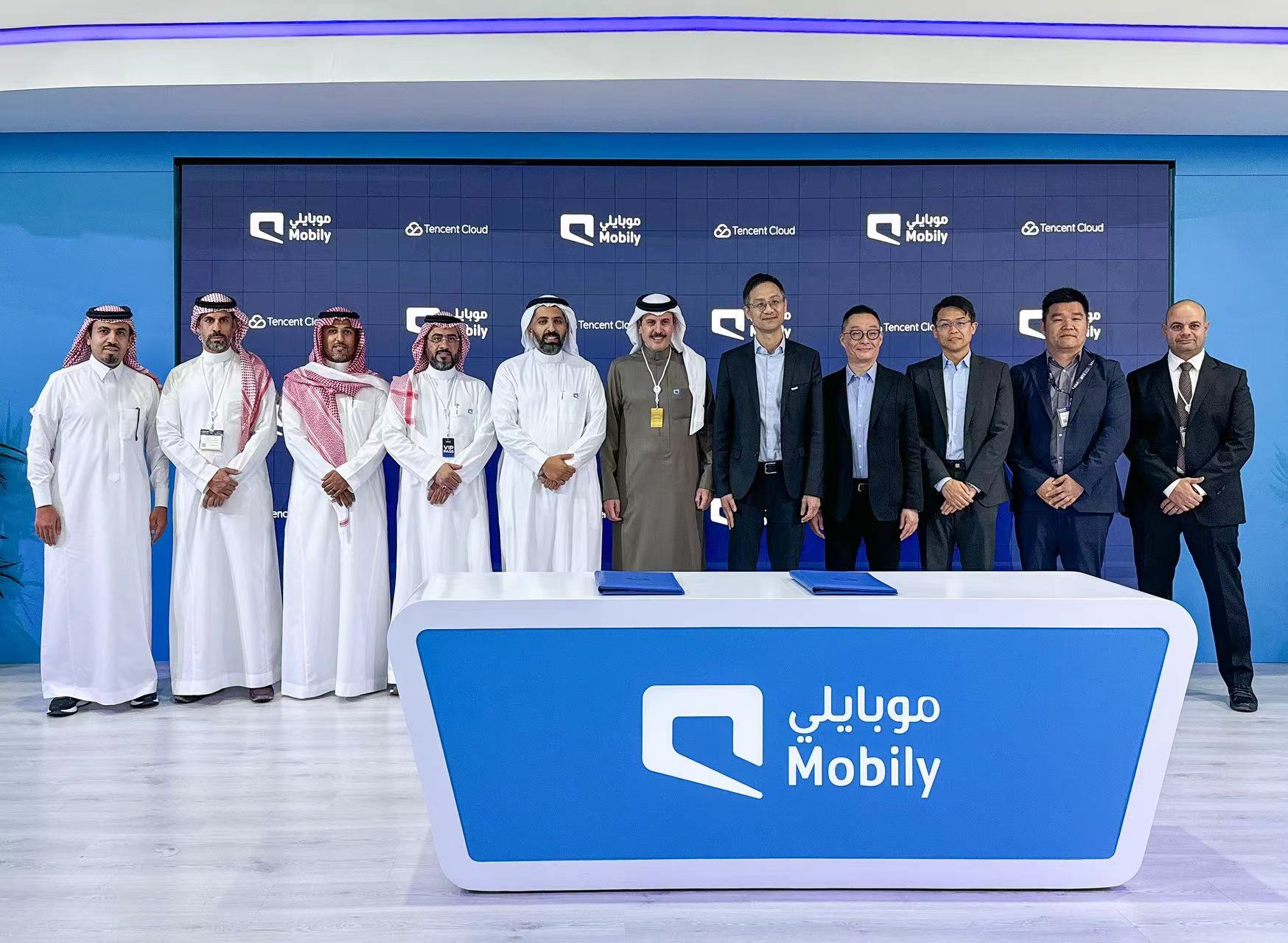
Tencent Cloud has unveiled plans to launch its inaugural Middle East Cloud Region in Saudi Arabia, marking a pivotal expansion in the company’s global infrastructure. Announced at the LEAP 2025 technology summit in Riyadh, the new cloud region will encompass two availability zones, each designed with full redundancy to ensure robust and reliable services. This development is slated to become operational by 2025, aligning with Saudi Arabia’s ambitious Vision 2030 objectives to foster digital transformation and economic diversification.

The strategic move includes an investment exceeding $150 million over the forthcoming years, underscoring Tencent Cloud’s commitment to bolstering the Kingdom’s burgeoning digital economy. Dan Hu, Vice President of Tencent Cloud International for the Middle East and North Africa, emphasized the significance of this initiative, stating, “We’re excited to have grown alongside the Kingdom of Saudi Arabia and look forward to ramping up cloud support for the Middle East. The new Cloud Region strengthens our ability to support the country’s digital transformation journey.”

This expansion will integrate Saudi Arabia into Tencent Cloud’s extensive global network, which currently comprises over 50 availability zones across 21 regions. The new infrastructure is poised to deliver a comprehensive suite of advanced cloud services, including artificial intelligence capabilities, data analytics, and digital media solutions. These offerings are tailored to meet the diverse needs of industries such as finance, gaming, media, and e-commerce within the region.

Saudi Arabia’s cloud computing market is experiencing rapid growth, driven by the government’s proactive digital initiatives and the private sector’s increasing adoption of cloud technologies. Projections indicate that annual spending on public cloud services in the Kingdom is expected to reach $2.5 billion by 2026, reflecting a compound annual growth rate of 25%. This surge is attributed to the nation’s focus on emerging technologies, including AI, cloud computing, and the Internet of Things , as integral components of its Vision 2030 plan.

The LEAP 2025 summit, where Tencent Cloud’s announcement was made, has emerged as a significant platform for technological collaboration and investment in Saudi Arabia. The event witnessed the Kingdom securing $14.9 billion in new investments aimed at advancing its digital infrastructure and AI capabilities. Notably, global cloud service providers are increasingly recognizing the potential of the Saudi market. For instance, Amazon Web Services has partnered with stc Group to accelerate cloud adoption and AI-driven innovation across various sectors, including healthcare, finance, and education.

Tencent Cloud’s entry into the Middle East market is anticipated to intensify competition among cloud service providers, offering businesses in the region a broader array of options to enhance their digital operations. The establishment of local data centers is particularly advantageous, as it addresses data residency requirements and reduces latency, thereby improving the performance of cloud-based applications and services.

In addition to infrastructure development, Tencent Cloud is expected to collaborate with local enterprises and governmental bodies to provide training and support, fostering a skilled workforce adept in cloud technologies. This initiative aligns with Saudi Arabia’s broader goals of nurturing innovation and entrepreneurship, ultimately contributing to a diversified and knowledge-based economy.

The Middle East’s strategic importance in the global technology landscape is increasingly evident, with countries like Saudi Arabia investing heavily in digital transformation. Tencent Cloud’s expansion into the region not only signifies confidence in the local market’s potential but also reinforces the Kingdom’s position as a burgeoning hub for technological advancement and innovation.

As the cloud computing landscape in Saudi Arabia continues to evolve, the presence of global players like Tencent Cloud is poised to accelerate the adoption of cutting-edge technologies. This development is expected to drive economic growth, enhance competitiveness, and pave the way for new business models and opportunities within the region.


Arabian Post Staff Etihad Salam Telecommunications Company, a prominent player in Saudi Arabia’s telecommunications and IT sector, has entered into a Memorandum of Understanding with Advanced Communications & Electronics Systems Company for Neutral Host . This strategic partnership aims to enhance connectivity and telecommunication services for government and corporate sectors in Riyadh, leveraging ACES’s Fiber to the Home infrastructure. A significant milestone of this collaboration is the […]

Etihad Salam Telecom Company has entered into a strategic partnership with Genesys, aiming to revolutionise customer experience across Saudi Arabia. This collaboration seeks to integrate advanced technologies into Etihad Salam’s service offerings, enhancing customer interactions and operational efficiency.

The partnership focuses on leveraging Genesys’s expertise in cloud and artificial intelligence solutions to transform Etihad Salam’s customer service platforms. By adopting these technologies, Etihad Salam aims to provide more personalised and efficient services, aligning with the Kingdom’s Vision 2030 objectives of digital transformation and improved quality of life.

Eng. Amjad Arab, Chief Wholesale and Partnerships Officer at Etihad Salam Telecom Company, emphasised the significance of this alliance: “Our mission is to provide robust, innovative solutions that support the rapid expansion of digital content and seamless technology experiences. We are excited to work together to offer enriched connectivity services and bring content closer to end-users, ultimately empowering businesses to thrive in an increasingly digital landscape.”

This partnership is part of a series of strategic initiatives by Etihad Salam to enhance its service offerings and infrastructure. In collaboration with center3, a subsidiary of stc Group, Etihad Salam is working to bolster Saudi Arabia’s digital infrastructure. This joint effort aims to improve network resilience, enhance connectivity, and provide scalable solutions, thereby enriching the digital ecosystem and supporting the nation’s burgeoning ICT sector, projected to reach USD 82.51 billion by 2030.

The Etihad Salam-center3 partnership focuses on three critical areas: expanding network reach and reliability through shared connectivity services; utilising center3’s carrier-neutral data centres to enhance enterprise solutions; and integrating Etihad Salam’s extensive network with center3’s internet exchanges. This comprehensive approach is designed to accelerate innovation in cloud data management and internet connectivity, providing businesses with the tools needed to thrive in a digital-first world.

In another strategic move, Etihad Salam has partnered with ServiceNow to support the growth of small and medium-sized enterprises in Saudi Arabia. This collaboration aims to offer tailored solutions that address the unique needs of SMEs, facilitating agile business setups and streamlined operations. By combining Etihad Salam’s connectivity and managed services with ServiceNow’s expertise in automating HR, administrative, and management processes, the partnership seeks to provide SMEs with comprehensive tools to navigate the complexities of the digital age.

Saudi Arabia has solidified its position among the world’s top ten battery energy storage markets, marked by the commissioning of the 500 MW/2,000 MWh Bisha Battery Energy Storage System in the southwestern province of ‘Asir. This facility stands as one of the largest energy storage projects in the Middle East and Africa. The Bisha BESS, owned by Saudi Electric Company , comprises 122 prefabricated storage units designed […]

Advertisements

ROSHN Group, Saudi Arabia’s prominent multi-asset real estate developer and a Public Investment Fund company, has finalized a SAR 2 billion Shariah-compliant credit facility with Saudi National Bank . This seven-year financing arrangement is designated for the acquisition of ROSHN Front, a premier commercial and retail complex in Riyadh.

The strategic acquisition of ROSHN Front signifies ROSHN Group’s deliberate expansion into the commercial and retail sectors, complementing its existing residential projects. Opened in 2019, ROSHN Front has become a central hub for both shoppers and businesses, drawing over 7 million visitors annually. The development comprises two main sections: ROSHN Front—Retail, offering more than 81,800 square meters of leasable space occupied by leading retail and dining brands; and ROSHN Front—Business, providing over 78,900 square meters of office space housing esteemed government agencies, private enterprises, and multinational corporations.

Avinash Pangarkar, Group Chief Finance Officer of ROSHN Group, emphasized the importance of this financial partnership, stating that the agreement with Saudi National Bank is a pivotal milestone for ROSHN Group, enabling the unlocking of significant value from the acquisition and creating long-term benefits for stakeholders and the communities served.

The integration of ROSHN Front into ROSHN’s portfolio is poised to enhance the retail and commercial landscape of the area, elevate tenant experiences, and attract top-tier brands and businesses. This move aligns with ROSHN’s broader mission to develop integrated, human-centric communities that enrich the quality of life across the Kingdom.

The acquisition of ROSHN Front, formerly known as Riyadh Front, was initially announced in December 2022, with the rebranding to ROSHN Front occurring in September 2023. The complex is strategically located adjacent to ROSHN’s flagship SEDRA project in Riyadh, facilitating potential synergies between the developments. SEDRA is envisioned to house approximately 30,000 new homes upon completion, and the proximity to ROSHN Front is expected to provide residents with enhanced access to amenities, exclusive promotions, and diverse retail and commercial options.

The financing agreement with SNB not only underscores ROSHN’s commitment to expanding its footprint in the Kingdom’s real estate sector but also reflects the confidence of financial institutions in ROSHN’s strategic vision and operational capabilities. As a PIF-backed entity, ROSHN continues to play a vital role in advancing Saudi Arabia’s Vision 2030 objectives by developing sustainable and vibrant communities that cater to the evolving needs of its populace.

A significant assembly of finance ministers and central bank governors from emerging markets is set to commence on February 16, 2025, in Al-Ula, Saudi Arabia. This high-level conference, jointly organized by the International Monetary Fund and the Kingdom of Saudi Arabia, aims to address the multifaceted challenges confronting emerging market and developing economies in the current global landscape. The gathering occurs against a backdrop of escalating trade […]

The Environmental, Social, and Governance sukuk market has achieved a significant milestone, with its outstanding value exceeding $50 billion by the end of 2024. This growth underscores the increasing integration of ethical and sustainable principles within Islamic finance. Data from the London Stock Exchange Group indicates that ESG sukuk issuances reached $15.2 billion in 2024, marking a 14.5% annual growth. This represents the eighth consecutive year of […]

Saudi Arabia’s Crown Prince Mohammed bin Salman has assumed a pivotal role in shaping the international landscape under U.S. President Donald Trump’s administration. As traditional diplomatic norms give way to a more transactional approach, the Crown Prince’s influence is increasingly evident in critical geopolitical arenas, notably the Middle East and Eastern Europe.

In the Middle East, Saudi Arabia is leading an urgent Arab initiative to counter President Trump’s contentious proposal for Gaza. The U.S. plan suggests relocating Palestinians to neighboring countries, a move that has been met with widespread rejection from regional stakeholders. In response, Saudi Arabia, in collaboration with Egypt, Jordan, and the United Arab Emirates, is formulating an alternative strategy. This plan emphasizes the establishment of a Gulf-funded reconstruction program and the marginalization of Hamas, aiming to stabilize Gaza while preserving Palestinian national aspirations. A summit in Riyadh is scheduled to further deliberate on these proposals, underscoring Saudi Arabia’s commitment to regional stability and its willingness to challenge U.S. policies when they conflict with Arab interests.

Beyond the Middle East, Crown Prince Mohammed bin Salman is extending his diplomatic reach to address the ongoing conflict in Ukraine. The Trump administration has announced potential peace talks with Russian officials, a move that has elicited mixed reactions from the international community. European leaders have expressed concerns that this approach may inadvertently legitimize Russian aggression. Amid these tensions, Saudi Arabia has offered to host summit talks in Riyadh, positioning itself as a neutral ground for dialogue. This initiative not only highlights the Crown Prince’s ambition to elevate Saudi Arabia’s global diplomatic profile but also reflects a strategic alignment with President Trump’s unconventional foreign policy methods.

Saudi Arabia has reported a fiscal deficit of 115.625 billion riyals for 2024, driven by a 6% increase in total spending compared to the previous year, as per data from the Ministry of Finance. This rise in expenditure aligns with the kingdom’s commitment to its Vision 2030 economic transformation strategy, which aims to diversify the economy beyond oil dependence.

The government’s initial projection for the 2024 deficit was 79 billion riyals, approximately 1.9% of GDP. However, updated estimates have revised this figure to 115 billion riyals, around 3% of GDP. In the first nine months leading up to September 30, the deficit stood at 58 billion riyals, with more than half of this amount recorded in the third quarter alone.

Total government revenues for 2024 reached 1.26 trillion riyals , marking a 4% increase from the previous year and exceeding initial budget estimates by 7%. Notably, non-oil revenues have shown significant growth, contributing to the overall revenue increase.

The Vision 2030 initiative encompasses several large-scale projects, including the NEOM megacity, the Red Sea Project, and Qiddiya, all designed to stimulate economic diversification and reduce reliance on oil revenues. These projects require substantial upfront investments, contributing to the current fiscal deficit. The government has emphasized that this “deficit by design” is a strategic move to foster long-term economic growth and sustainability.

Despite the widening deficit, Saudi Arabia’s non-oil sector has demonstrated resilience. Since 2017, non-oil economic growth has consistently ranged between 4% and 5%, indicating progress in the kingdom’s diversification efforts. The government remains optimistic that continued investment in Vision 2030 projects will yield significant economic benefits in the coming years.

However, the ambitious nature of these projects has raised concerns about financial feasibility. Some initiatives, such as the NEOM megacity, have faced challenges related to budget overruns and delays. Analysts suggest that the kingdom may need to reassess certain projects to ensure fiscal sustainability.

In response to these challenges, Saudi Arabia is adjusting its investment strategies. The Public Investment Fund plans to reduce its foreign investment portfolio from 30% to 18%, redirecting focus toward domestic projects that align with Vision 2030 objectives. This shift aims to bolster local economic development and maximize the impact of government spending.

Starbucks has unveiled an ambitious plan to significantly increase its presence in the Middle East by opening approximately 500 new stores over the next five years. This expansion is expected to create around 5,000 jobs in the region, underscoring the company’s commitment to growth in this market. Chief Executive Officer Brian Niccol emphasized the strategic importance of this move, stating that the Middle East offers substantial opportunities […]

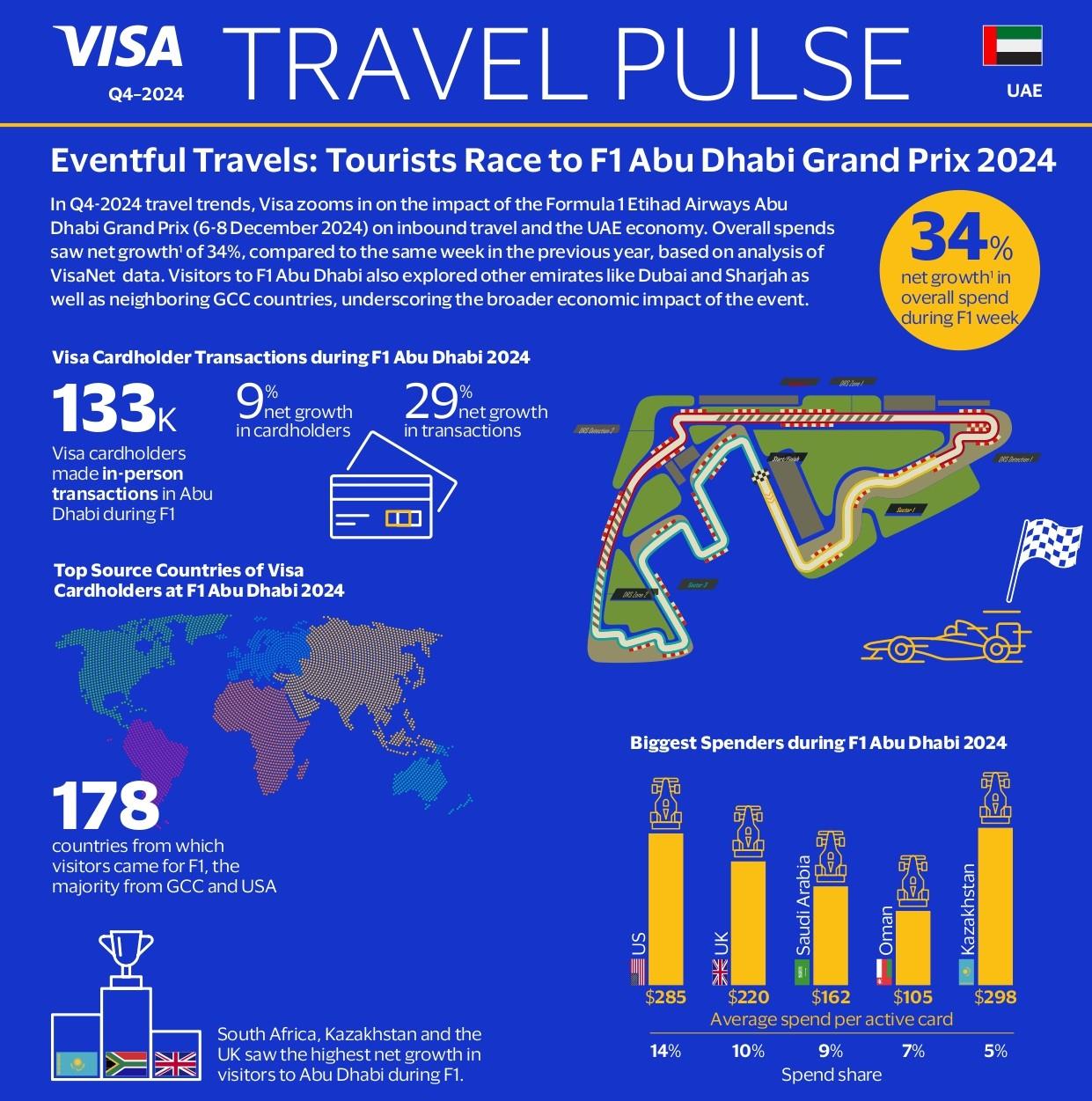
The 2024 Formula 1 Etihad Airways Abu Dhabi Grand Prix significantly boosted the local economy, with international visitor spending in Abu Dhabi increasing by 34% compared to the same week in 2023, according to Visa’s latest Travel Pulse report. During the event, 133,000 Visa cardholders from 178 countries made in-person transactions in the city, marking a 9% rise in visitors and a 29% uptick in transactions.

Visitors from the United States led in spending, accounting for 14% of the total, with an average spend per card of $285, which is 29% higher than the overall average for the event. Other top-spending nationalities included Kazakhstan , the United Kingdom , Saudi Arabia , and Oman .

The Grand Prix’s economic impact extended beyond Abu Dhabi, as 62% of these visitors also spent in other emirates, particularly Dubai and Sharjah. Additionally, 4% of non-GCC visitors continued their journeys to other GCC countries during or after the event, highlighting the boost to regional tourism.

In Abu Dhabi, spending on travel services experienced the largest growth, rising by 68% and representing 18% of the total spend during the F1 weekend. Dining expenditures also saw a notable increase, up 53%, accounting for 19% of the total spend in the emirate. Retail spending grew by 17%, contributing 14% to Abu Dhabi’s overall spend.

Across the UAE, travel services saw an 18% increase, making up 9% of the total spend. Dining spend rose 27%, contributing 8% to the total spend across the nation. Retail spending witnessed an impressive 83% surge, accounting for 27% of the total spend across the UAE during the F1 weekend.

As the allure of train travel experiences a resurgence, 2025 presents an array of exceptional rail journeys that promise both luxury and adventure. From traversing Europe’s scenic landscapes to exploring the vast deserts of the Middle East, these routes offer unparalleled experiences for discerning travellers. The Orient Express La Dolce Vita is set to commence its inaugural journeys across Italy in April 2025. Travellers can anticipate itineraries […]

Rajiv Jain, the billionaire founder and chairman of Florida-based investment firm GQG Partners, is actively expanding his investment footprint in the United Arab Emirates and Saudi Arabia. Following significant deals with prominent UAE entities such as International Holding Company , Aldar Properties, and ADNOC Gas, Jain is exploring further opportunities in these burgeoning markets. GQG Partners, managing assets worth approximately $160.4 billion, has recently executed a substantial […]

LEAP, the acclaimed technology event, is expanding into Asia with the introduction of LEAP East, scheduled at the Hong Kong Convention and Exhibition Centre from 9 to 11 July 2026. Organised by Tahaluf, this inaugural event aims to attract global tech leaders, innovators, and investors to one of the world’s most dynamic cities. The conference will feature over 300 expert speakers and 300 exhibitors, showcasing advancements across […]

Tabby, a prominent financial services and shopping application in the Middle East and North Africa , has successfully raised $160 million in a Series E funding round, elevating its valuation to $3.3 billion. This development positions Tabby as the most valuable fintech company in the region. The funding round was led by existing investors Blue Pool Capital, a Hong Kong-based investment firm, and Saudi Arabia’s Hassana Investment […]

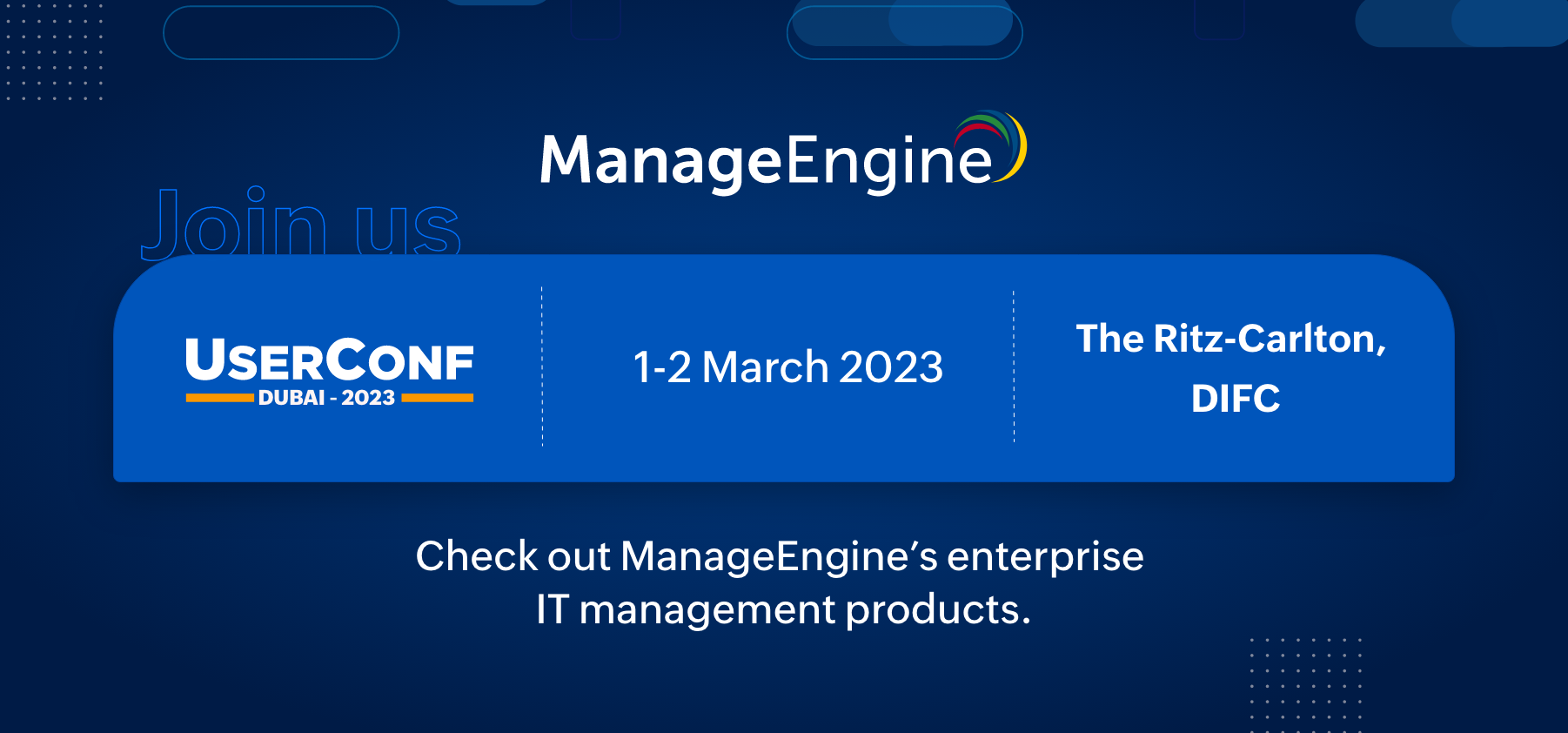
ManageEngine, the enterprise IT management division of Zoho Corporation, is set to host its Middle East User Conference in Dubai, focusing on the integration of artificial intelligence into enterprise IT systems. The event aims to equip businesses with strategies to effectively adopt AI technologies, enhancing operational efficiency and competitiveness.

The conference will feature keynote speeches from ManageEngine’s technology and domain experts, covering topics such as the evolving IT and cybersecurity landscape and leveraging new technologies to stay ahead in the market. Rajesh Ganesan, Vice President at ManageEngine, will discuss the changing role of IT departments in the current era, emphasizing the shift towards remote work and a digital-first customer approach.

In the Middle East, AI is poised to significantly impact the economy. A report by PwC estimates that AI could contribute up to $320 billion to the region’s economy by 2030, accounting for 2% of the total global benefits. Saudi Arabia is expected to see the largest absolute gains, with AI contributing over $135.2 billion to its economy, equivalent to 12.4% of its GDP. In relative terms, the UAE is anticipated to experience the most substantial impact, with AI contributing close to 14% of its 2030 GDP.

The annual growth in AI’s contribution to the Middle East’s economy is projected to range between 20-34% per year, with the fastest growth in the UAE, followed by Saudi Arabia. This growth is attributed to the significant investments these countries are making in AI technologies and their efforts to integrate AI across various sectors.

The ManageEngine conference will also highlight the company’s latest solutions designed to assist enterprises in navigating the complexities of AI integration. Attendees will have the opportunity to participate in detailed walkthroughs and live demonstrations of ManageEngine’s major solutions, including ServiceDesk Plus, OpManager Plus, Applications Manager, Desktop Central, Mobile Device Manager Plus, Log360, Site24x7, and the suite of Active Directory management products.

NEOM and DataVolt have entered into a landmark agreement, marking a significant step toward realizing Saudi Arabia’s vision for a sustainable, data-driven economy. This collaboration aims to establish advanced data centers within NEOM, the ambitious megacity under development in the kingdom’s northwest. The partnership focuses on creating state-of-the-art data infrastructure to support NEOM’s technological and environmental goals. DataVolt, recognized for its expertise in developing and operating data […]

The Gulf Cooperation Council is on track to see its debt capital market exceed $1 trillion in outstanding issuances by the end of 2025, driven by government initiatives aimed at market development, economic diversification, and the need to fund fiscal deficits and upcoming debt maturities. Fitch Ratings reports that the DCM in the GCC reached $940 billion by the close of the first quarter of 2024, marking a 7% year-on-year increase.

Saudi Arabia and the United Arab Emirates lead the region’s DCM, holding 43% and 30% of the market share, respectively. Approximately 40% of the GCC’s outstanding debt comprises sukuk, with the remainder in conventional bonds. Fitch Ratings, which assesses over 70% of the GCC’s US dollar-denominated sukuk, notes that 81% of these are investment-grade, with no defaults reported.

The anticipated growth in debt issuances is attributed to several factors, including projected declines in oil prices to $65–$70 per barrel in 2025 and 2026, which may prompt increased sovereign borrowing to cover budgetary shortfalls. Additionally, government-led initiatives to enhance debt capital markets and diversify funding sources are expected to play a significant role. Bashar Al Natoor, Global Head of Islamic Finance at Fitch Ratings, emphasizes that “most GCC countries have come a long way in developing their DCMs, with the bloc now accounting for almost a third of total emerging-market dollar issuance, excluding China.”

Despite these advancements, the GCC’s debt capital markets remain less mature compared to more developed regions and exhibit varying stages of development across member states. Saudi Arabia and the UAE possess the most advanced markets, while Qatar and Oman have seen contractions due to debt repayments. Kuwait’s absence of a debt law limits its funding options, and Bahrain continues to rely heavily on DCM access and support from other GCC nations amid persistent deficits.

In the banking sector, GCC banks are projected to issue over $30 billion in US dollar-denominated debt in 2025, a decrease from the record $42 billion issued in 2024. This decline is partly due to the maturation of approximately $23 billion in existing debt, with Qatari banks accounting for about a third of these maturities, and UAE and Saudi banks each representing around a quarter. Fitch Ratings anticipates that most additional Tier 1 instruments with first call dates in 2025 and 2026 will be called, given favorable financing conditions.

The US Federal Reserve is expected to reduce interest rates by 100 basis points in 2025, potentially leading to more favorable financing conditions for GCC banks. Strong credit growth, particularly in Saudi Arabia and the UAE, is also anticipated to support further issuances. In 2024, GCC banks’ US dollar debt issuance reached an unprecedented level, driven by high credit growth in Saudi Arabia, efforts to diversify funding bases, and substantial debt maturities.

DeepFest 2025, held from 9 to 12 February in Riyadh, has underscored Saudi Arabia’s burgeoning role in the global artificial intelligence arena. The event, co-located with the LEAP technology conference, attracted over 48,000 AI enthusiasts, including thought leaders, data scientists, and innovators from around the world. The Kingdom’s significant progress in AI was highlighted by its ascent to the 14th position globally in the 2024 Global AI […]

Aster DM Healthcare, a prominent integrated healthcare provider in the Gulf Cooperation Council region, has launched its flagship digital health platform, ‘myAster’, in the Kingdom of Saudi Arabia. This strategic move aligns with Aster’s broader objectives to enhance its footprint within the kingdom and to elevate the standard of healthcare services available to its residents.

The ‘myAster’ platform is designed to offer users a comprehensive suite of healthcare services, including teleconsultations, appointment scheduling, and access to personal medical records. By integrating these features, Aster aims to provide a seamless and patient-centric experience, ensuring that quality healthcare is both accessible and convenient for the Saudi population.

Dr. Azad Moopen, Founder Chairman and Managing Director of Aster DM Healthcare, emphasized the significance of this development, stating, “The introduction of ‘myAster’ in Saudi Arabia represents a pivotal step in our mission to make healthcare more accessible and efficient. We are committed to leveraging technology to bridge gaps in healthcare delivery and to meet the evolving needs of the communities we serve.”

This initiative is part of Aster’s ongoing efforts to expand its services in Saudi Arabia. The company has previously made significant investments in the kingdom, including the acquisition of a majority stake in Sanad Hospital in Riyadh. This acquisition marked one of the largest healthcare deals in the region, underscoring Aster’s dedication to strengthening its presence in Saudi Arabia.

In addition to its hospital operations, Aster has also ventured into the retail pharmacy sector within the kingdom. Through a joint venture with Al Hokair Holding Group, the company plans to establish over 250 pharmacies across Saudi Arabia. This expansion aims to bring Aster’s quality care products closer to the local population, further solidifying its commitment to enhancing healthcare accessibility.

The launch of ‘myAster’ is anticipated to complement these existing services by providing a digital avenue for patients to engage with healthcare professionals and manage their health needs efficiently. As the platform rolls out, Aster plans to gather user feedback to continually refine and enhance the services offered, ensuring they align with patient expectations and requirements.

Saudi Arabia’s healthcare sector has been undergoing significant transformations, driven by the objectives outlined in the nation’s Vision 2030 plan. A key component of this vision is the enhancement of healthcare services through technological integration and increased private sector participation. Aster’s introduction of ‘myAster’ aligns with these national goals, contributing to the digitalization and improvement of healthcare delivery in the kingdom.

Industry experts have noted that the integration of digital platforms like ‘myAster’ can lead to improved patient outcomes by facilitating timely access to medical consultations and personalized health information. Such platforms also have the potential to alleviate pressure on traditional healthcare facilities by offering alternative channels for patient care.

HP Inc. has announced plans to establish a state-of-the-art manufacturing facility in Riyadh, Saudi Arabia, marking a significant expansion of its global operations. The facility is scheduled to commence production of personal computers , printers, and other computing devices within the year. This move aligns with Saudi Arabia’s Vision 2030 initiative, which aims to diversify the nation’s economy and bolster its technological capabilities. Enrique Lores, President and […]

VISHNU RAJA
RYO YAMADA
HITORI GOTOH
IKUYO KITA
Just in:
Coinbase targets 2027 launch amid state gambling lawsuits // Yeebo Announces Interim Results for FY26/27 Revenue Increases by 45.5% to HK$806.7 Million Profit Attributable to Owners Surges 87.6% to HK$2,284.7 Million // International Business Leaders Say Xi’s Speech Boosts Confidence in Asia-Pacific Cooperation // Sabarimala booking discrepancies prompt sabotage angle probe // LittleLives, Little Lab and SEGi College Sign MOU to Explore Early Childhood Education Collaboration Across ASEAN // Travel Insurance Was Built for the Few Who Claim. Ancileo’s Felt Coverage™ is for Everyone Else // Padmini follows Padmaja for ‘ghar vapsi’ // Dubai Introduces SHARH, an AI-Powered Platform Helping Entrepreneurs Buy, Sell and Manage Businesses in the UAE // ED searches five districts in probe against hawala // Antony’s wife called to police station with husband over complaint // Russia permits retail cryptocurrency purchases under regulated framework // Toward a Shared Future for Humanity: Rethinking Civilizational Exchange // Alibaba shares slip despite 53% cloud revenue growth // Promoting Common Human Development Through Exchanges and Mutual Learning Among Civilizations // Jaiedco and Golden Bridge Announce Strategic Collaboration for a New Dubai Islands Development // Dalilk Academy reaches 27 million, targets 100 million by 2030 // Balagopal challenges CM over tax revenue // Dar Global unveils $700m Trump development in Qatar // Crypto market loses $150 billion amid broad sell-off // Oil futures rebound after Riyadh strikes and tanker alerts //