News related to
missile

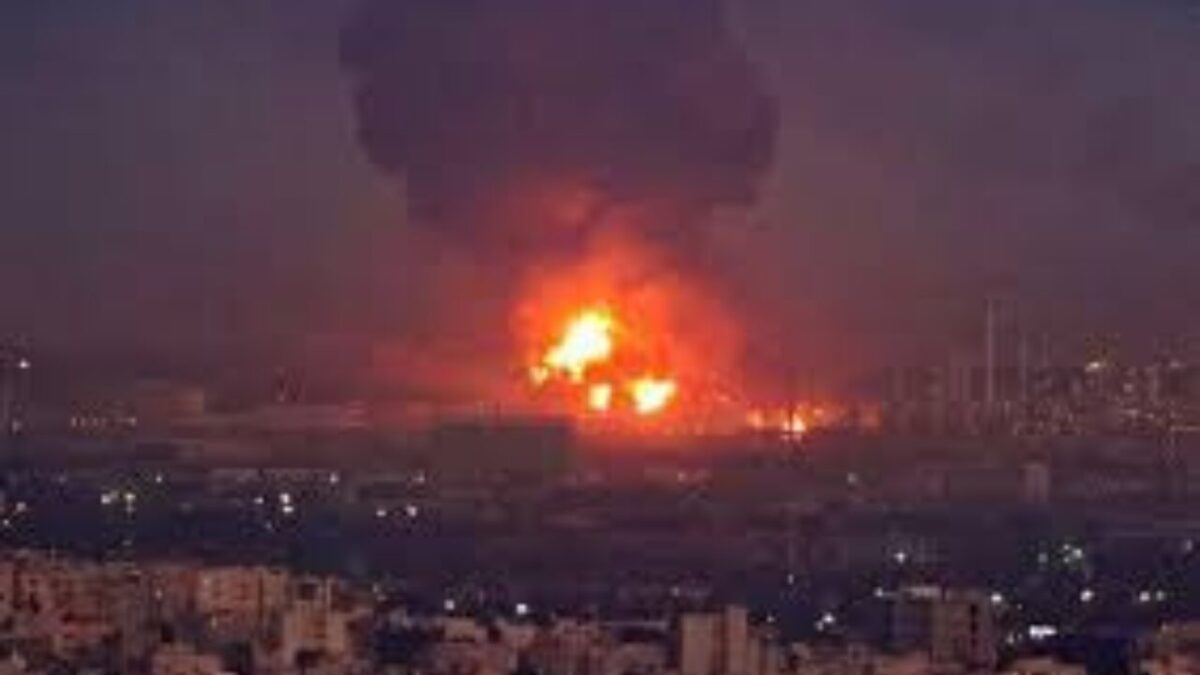
Oil markets surged on Tuesday and Wednesday as escalating military exchanges between Iran and Israel sparked investor anxiety. Brent crude futures climbed approximately 2.1 per cent to $74.79 a barrel by 12:02 GMT, while US West Texas Intermediate settled near $73.19—following intraday swings exceeding 2 per cent gains and drops. The gains were driven by soaring geopolitical concerns after Israel bombed Iran’s South Pars gas field—shared with Qatar—igniting a fire that prompted Iran […]

Senior officials in Washington have quietly activated contingency plans for military strikes against Iranian nuclear facilities, marking a dramatic shift in US posture amid escalating Israeli–Iranian hostilities. According to multiple reports, including Bloomberg and Reuters, the White House and Defence Department are preparing the operational infrastructure needed to engage Tehran directly.

President Donald Trump, speaking on 18 June outside the White House, offered only ambiguity: “I may do it. I may not do it… nobody knows what I’m going to do.” Meanwhile, senior US generals, defence secretaries and intelligence chiefs are said to be readying federal agencies for a possible weekend strike. Forces in the Middle East have been repositioned; aircraft and ships have been moved from bases such as Al‑Udeid in Qatar and Bahrain’s Fifth Fleet port to reduce vulnerabilities.

Sources indicate that the primary target could be Iran’s underground Fordow uranium enrichment plant — a hardened bunker facility situated within a mountain and long deemed beyond Israel’s military reach without US bunker‑busting capacity. With Israel continuing airstrikes on Iran as part of ‘Operation Rising Lion’, analysts assess that a US strike would dramatically escalate the conflict.

Within the White House, debate is intensifying. The New York Times and Washington Post report that Trump, influenced by hawkish advisors such as Senator Lindsey Graham and defence chiefs, has signed off on strike plans but is awaiting final approval. His delay aims to allow Iran a final diplomatic window — offering a chance to curb uranium enrichment before force is used.

Opposition persists even within Trump’s own camp. A divide between hawks, advocating for decisive action, and MAGA-aligned isolationists, including Vice President Vance and media figure Tucker Carlson, highlights the internal tug-of-war shaping presidential decision‑making. Trump has underscored this dynamic: advisors like Gen. Dan Caine and CIA Director John Ratcliffe have pressed for a more aggressive stance, while isolationists urge restraint.

Politically, the administration faces calls for a formal congressional mandate. Critics argue the Constitution requires authorisation for military action beyond self‑defence; proponents counter the urgency of neutralising Iran’s perceived nuclear threat demands swift action.

Diplomacy continues in parallel. The UK, France and Germany are convening in Geneva to press Iran on de-escalation — a track the US has distanced itself from. Tehran has responded with warnings to Washington, promising strong retaliation if US forces become involved.

Markets have reacted with caution. Observers note fears of a broader Middle East conflict, amplified oil price volatility, and rising inflationary risks tied to increased military spending. Central banks, notably the Federal Reserve and Bank of England, must weigh geopolitical shocks alongside inflation outlooks.

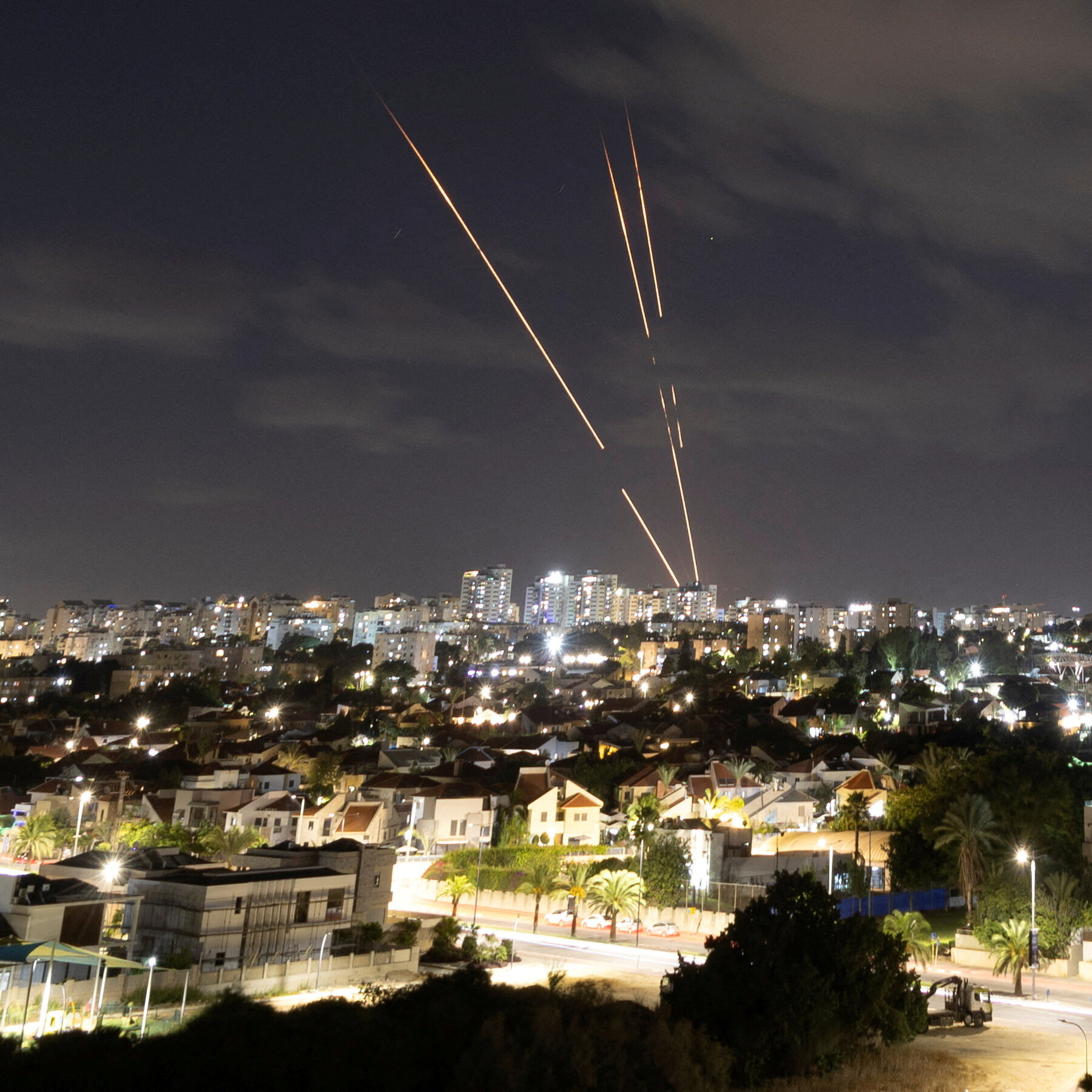
On the ground, Israeli airstrikes have continued across Iran, targeting nuclear infrastructure including Arak and Natanz, with over 1,100 sites reportedly struck since mid‑June. Iran has launched multiple missile barrages at Israeli territory; civilian casualties are said to be in the hundreds on both sides.

The timing of any US strike remains uncertain. Sources cite a possible weekend window, with final orders likely to be issued at the last moment. Pentagon leadership, including SecDef Hegseth and Gen. Caine, are expected to have operational control, while the president retains final authority.

As conflicting pressures swirl — military readiness, strategic diplomacy, domestic political debates — all eyes are on whether President Trump will strike at Iran’s underground sites or continue hedging amid rising global risk.

Matein Khalid The deployment of 30 US air-fueling tankers to the Middle East strongly suggests that Trump has decided to escalate the war with Iran with an American led strike on the underground nuclear site at Fordo. Since the B-2 Spirit super bombers would need tankers to refuel their fighter escort. Ali Khamenei’s tweet threatening America was precisely the wrong message to send to Trump at a […]

By K Raveendran With the likelihood of a diplomatic solution appearing increasingly distant, West Asia is now clearly veering toward a longer and more intense confrontation, one that may significantly reshape economic, geopolitical, and energy dynamics not only in the Middle East but globally. What was initially perceived as a retaliatory exchange following months of […]

The United Arab Emirates has cautioned against a dangerous spiral between Israel and Iran, as its foreign minister strongly warned that “uncalculated and reckless steps” might spread beyond the conflict zones. Sheikh Abdullah bin Zayed Al Nahyan expressed deep concern over escalating military actions that risk drawing in neighbouring states and aggravating regional instability, the UAE Foreign Ministry said on Tuesday. Abu Dhabi’s heightened alarm follows a sharp intensification of hostilities. […]

Matein Khalid There is precious little good news to emerge from the Middle East since the IDF launched its spectacular blitzkrieg and leadership decapitation strike against Iran’s nuclear asset and military/intelligence elite last Friday. This weekend was grim with Iran’s ballistic missile strike on Haifa and Tel Aviv with even a real miss on the IDF command and control complex in Kirya. Netanyahu’s boast that he would […]

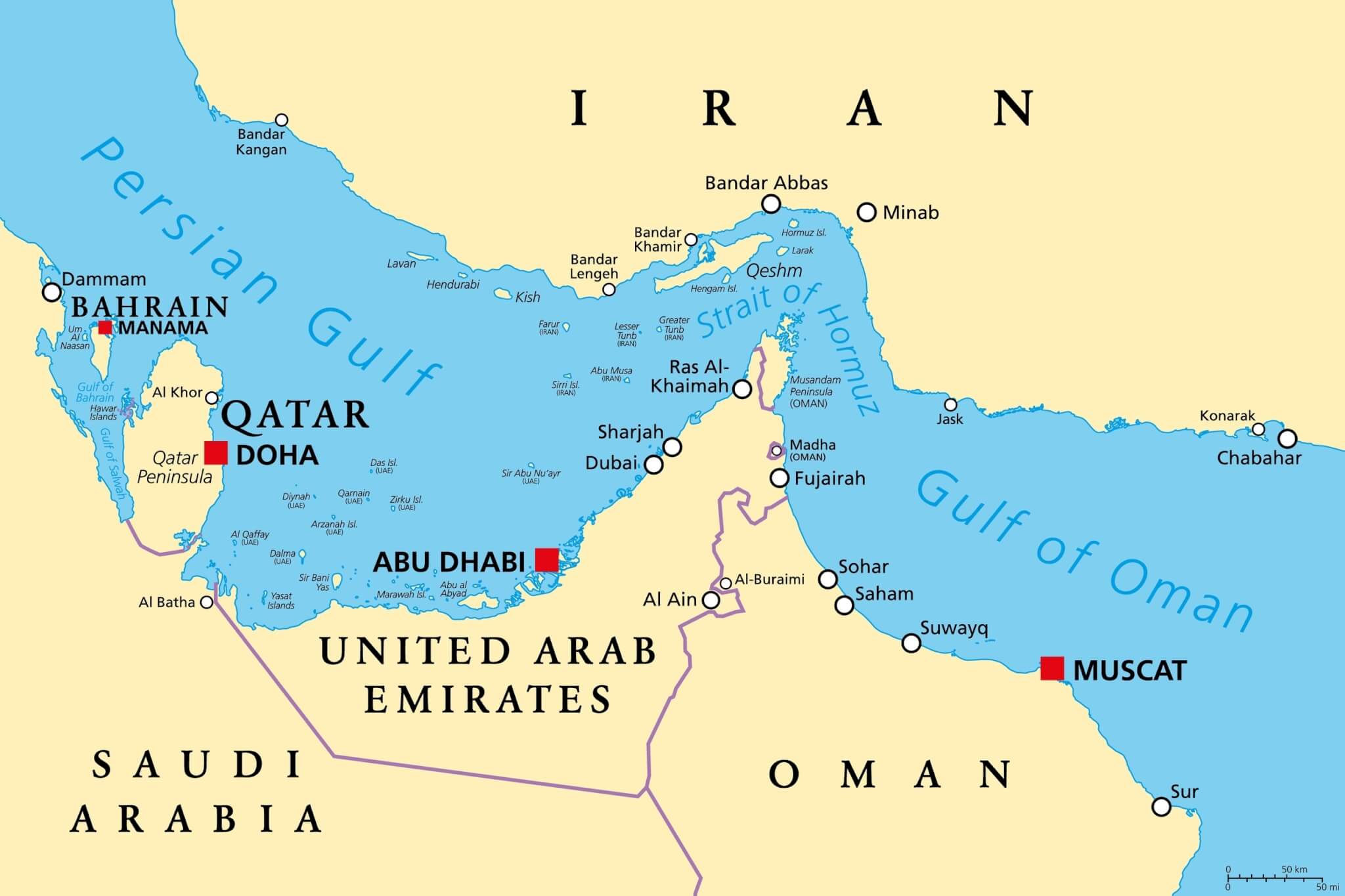
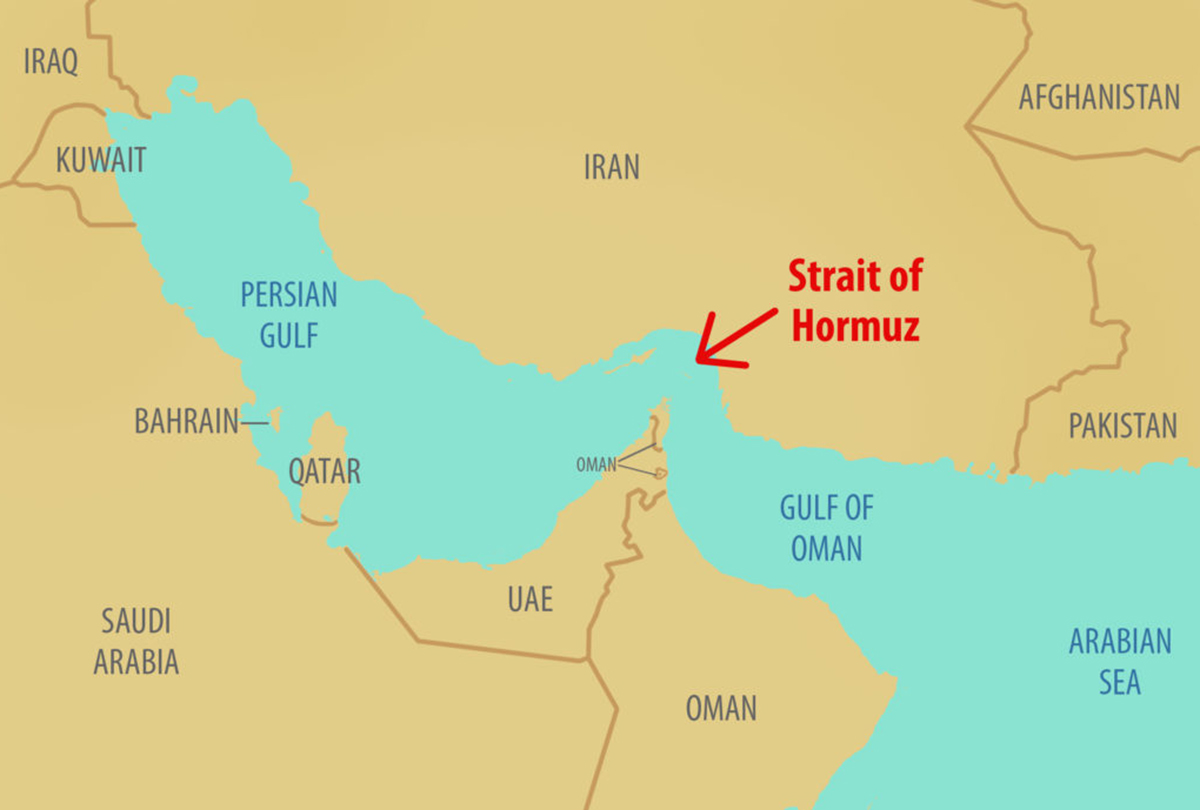
Qatar has instructed LNG carriers to remain outside the Strait of Hormuz until one day prior to loading operations as regional security risks heighten, with officials emphasising that this measure is precautionary and unlikely to disrupt overall supply volumes.

The directive from QatarEnergy affects vessels bound for the Ras Laffan terminal, one of the world’s largest liquefied natural gas export facilities. Around a dozen carriers are idling in ballast outside the terminal, awaiting final instructions before undertaking brief, tightly scheduled transits through the strait.

Market indicators reacted swiftly: European gas prices surged as much as 4.8%, while Asian benchmarks inched upward amid growing concern over potential delivery delays. Despite this, analysts and industry insiders maintain that the streamlined entry process—coupled with Qatar’s steady production—should keep cargo volumes within normal parameters.

This move aligns with contingency efforts by the world’s third-largest LNG exporter. Industry sources confirm that the carriers will execute “quick entry and speedy exits” across the Hormuz passage, necessitating precise scheduling and coordination with maritime authorities.

Analysts acknowledge that about 20–25% of global LNG traffic transits the Strait, underscoring its significance as a logistical chokepoint. Instructing vessels to loiter offshore aims to reduce their vulnerable exposure time in the strait.

Strategic analysts warn that escalating tensions—particularly after recent military exchanges involving Israel and Iran—increase risks for all Gulf shipping. Tehran has threatened to seal off the strait, which could strain Qatar’s export pipelines and ripple through global energy markets.

Despite geopolitical headwinds, Qatar’s production at the South Pars/North Field complex remains steady. The foreign ministry emphasised that LNG output and shipments continue to follow their usual course, even as the country takes enhanced security measures.

Operational insights from shipping analysts describe a familiar summer idling pattern, but note slight increases in loitering time and cautious routing. Vessels such as the tanker HLAITAN are reportedly waiting outside the strait in anticipation of load orders.

Market response has been modest. European gas hubs such as TTF recorded price rises of around 4–5%, while the Asia‑Pacific’s JKM benchmark reached nearly $14 per mmBtu, marking a $1.20 uptick since mid‑June. CNBC‑style commentary points out that the precautionary shift is “unlikely to cause major disruption,” although insurers are adjusting premiums to reflect the heightened transit risks.

For global exporters and importers, Qatar’s stance underscores a renewed emphasis on maritime risk management. Shipping firms are increasingly factoring geopolitical volatility into their routing and scheduling protocols. International insurers have begun revising coverage for LNG carriers traversing the Gulf, citing increased premiums tied to potential missile or drone threats in the region.

Qatar’s approach enables more controlled maritime planning: by delaying vessel entry until close to the loading window, the country limits their exposure to strategic bottlenecks and regional flare‑ups. This calculated move underscores Doha’s dual priorities of maintaining export reliability and protecting vital shipping assets.

Advertisements
By Nitya Chakraborty Israeli missile strikes against Teheran and Iran’s counter offensive entered its fifth day on June 17 Tuesday with U.S. President Donald Trump dramatically cutting short his stay in Canada for G-7 meeting for Washington indicating that he would be busy in peace moves in the next few hours for organizing a ceasefire […]

Markets across the Middle East are bracing for heightened turbulence as Israel and Iran exchange strikes, triggering volatility in equity capital markets and clouding the outlook for initial public offerings this year. Global equities have undergone vacillations following the escalation. Oil prices spiked more than 10% at one stage, driven by fears of supply disruptions through the Strait of Hormuz, before retreating as hopes of de‑escalation emerged. Despite […]

President Donald Trump has called for the immediate evacuation of Tehran, warning that Iran “cannot have a nuclear weapon” after a series of escalating military exchanges with Israel. He issued the statement via Truth Social while attending the G7 summit in Canada, then departed early to convene his national security team. The growing hostilities, now entering a fifth day, have provoked market turbulence, prompted military deployments, and […]

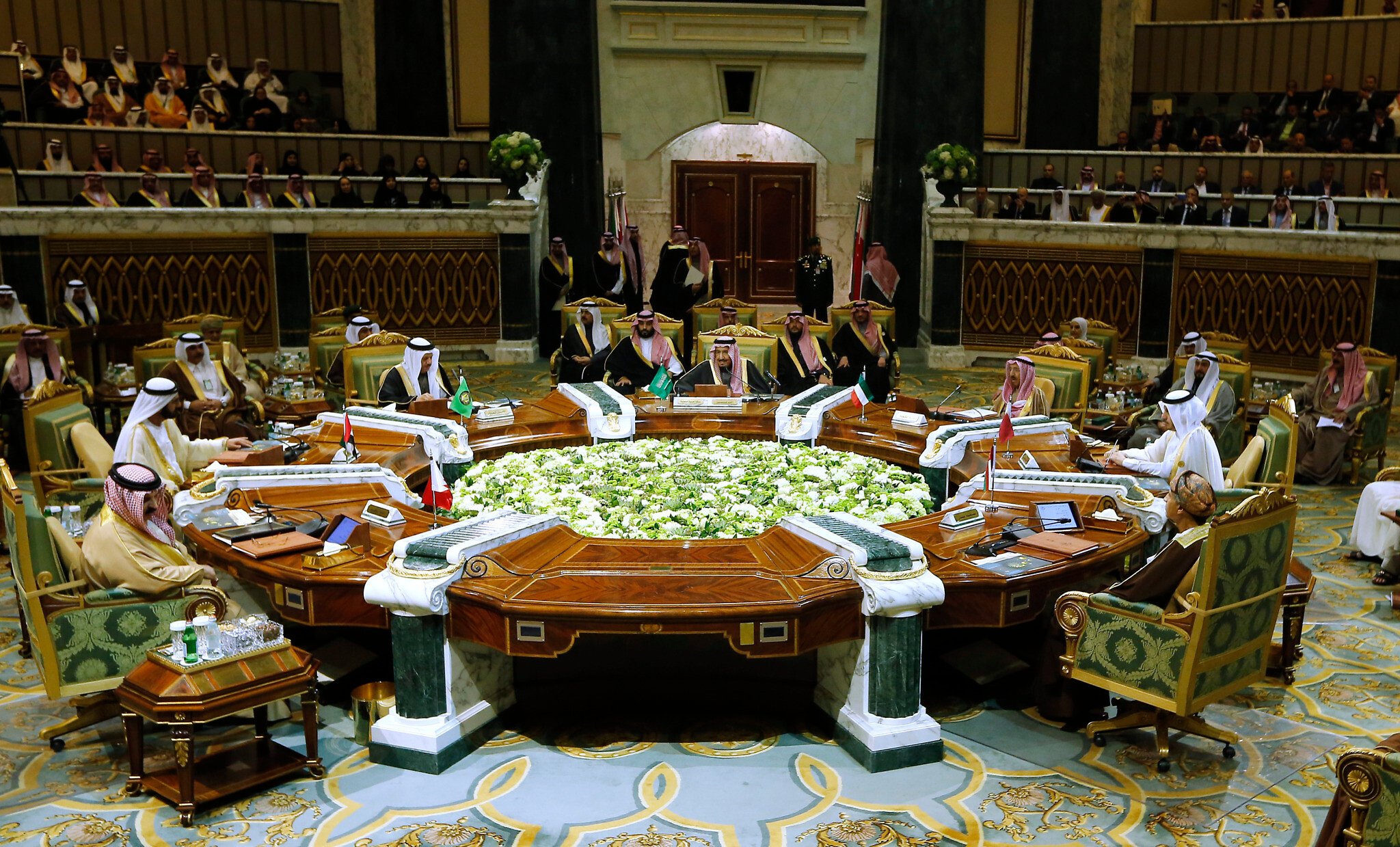
Gulf states have entered a heightened state of alert amid intensifying hostilities between Israel and Iran, as regional leaders warn the confrontation risks dragging the Gulf into a wider, destabilising war.

Leaders of the Gulf Cooperation Council convened an emergency ministers’ meeting chaired by Kuwaiti Foreign Minister Abdullah Al‑Yahya, with Secretary‑General Jassim Al‑Budaiwi declaring the situation had deteriorated into “extremely dangerous and unprecedented escalation,” and entering “full alert” mode to monitor environmental and radiological conditions across member states. He emphasised that continued military strikes, particularly near nuclear sites, would threaten regional infrastructure, health and economies.

Gulf diplomats have condemned the Israeli bombardment of Iranian territory and called on all parties to halt operations and return to dialogue. The council’s Emergency Management Centre is implementing precautionary measures across environmental and radiological sectors, reflecting concern over inbound radiological fallout.

Analysts from the Gulf warn that the strategic vulnerability of Gulf waterways such as the Strait of Hormuz and Bab al‑Mandab makes the region highly exposed to spill‑over from the Iran‑Israel clash. S&P Global Ratings has revised its assessment of regional sovereign risk higher, citing threats to oil exports, transport routes, tourism, capital flows and banking sector resilience in Gulf countries.

Commentators such as Abdulaziz Sager of the Gulf Research Center caution Gulf states are risking sovereignty, infrastructure and public trust unless the conflict is diplomatically defused. He urged activation of regional mediation channels to prevent Gulf countries from being drawn into military exchanges.

Gulf economists emphasise the economic ramifications: disruptions to global supply chains, escalated insurance costs, rising oil prices and capital flight could erode financial stability. While banks have adequate buffers, prolonged conflict could dent business confidence and growth across Gulf economies.

Diplomatic efforts are also underway within the Gulf. Oman and Qatar are spearheading ceasefire talks between Tehran and Washington as a pathway to stabilisation, with Iran open to rejoining nuclear discussions should Israeli strikes cease. Gulf leaders are leveraging their neutrality and communication channels with both Israel and Iran to broker a pause in hostilities.

Within Gulf societies, governments are working to reassure citizens. Public communications in Qatar confirm that radiation levels remain within safe thresholds, while Kuwait’s military affirms that missile trajectories affecting Iran and Israel pose no risk to its airspace.

The reaction within Iran’s sphere of influence appears measured. Unlike prior incidents, allied non‑state actors such as Hezbollah and Yemen’s Houthis have yet to launch retaliatory strikes, suggesting Iran is tempering its response amid Gulf diplomatic pressure.

US diplomacy remains a complex factor. Washington has escalated military readiness by dispatching aerial refuelling assets and an aircraft carrier strike group to the region, yet has stopped short of intervening directly. President Trump has verbalised support for diplomatic channels and warned against Iran acquiring nuclear arms, while signalling that Iran had expressed willingness to end hostilities.

Gulf monarchies are striving to balance neutrality and economic stability. They maintain diplomatic ties with both Iran and Israel while amplifying calls for restraint. Experts caution that escalatory miscalculations could shatter this delicate equilibrium, potentially sparking wider engagement and drawing Gulf states into direct confrontation.

Tehran has entered a state of widespread panic as thousands of residents flee the capital following the latest wave of Israeli airstrikes targeting military, nuclear, energy, and regime-linked sites.

Cities in northern provinces such as Mazandaran, Gilan and Alborz have reported being inundated with evacuees, many travelling along the Tehran–North and Tehran–Qom highways, with gridlock stretching for miles. Fuel stations in Tehran and Karaj are overwhelmed, and shoppers report shortages of essentials amid surge demand. The Iranian capital’s internet has been intermittently throttled amid efforts to suppress distress and control the narrative.

The operation, identified by Israeli leaders as “Operation Rising Lion,” commenced on 13 June when hundreds of precision strikes struck facilities tied to Iran’s nuclear aspirations, ballistic missile production, IRGC leadership and critical infrastructure in and around Tehran. High-value targets were obliterated, including the South Pars gas field, military command centres, and the Defence Ministry, underlining Israel’s expanded scope beyond nuclear installations.

Toll estimates vary: Iranian sources cite more than 224 civilian deaths, including over a dozen IRGC commanders and key nuclear scientists, with more than 900 injured. Israeli authorities report 10 to 14 fatalities in Israel from Iranian missile counterattacks. Silence from Tehran’s official channels contrasts with visible damage and civilian trauma—homes laid waste, shattered windows, and heavy reliance on basements, subway stations and schools repurposed as makeshift shelters.

Despite a state warning against mass exodus, authorities suggested citizens near refineries evacuate and advised use of metro systems for shelter. But many view this response as inadequate; Tehran lacks a network of formal bomb shelters, and a culture that venerates martyrdom over civilian safety has limited protective infrastructure.

Residents describe scenes of desperation: families abandoning homes, children crying, and queues forming at petrol stations and ATMs amid collapsing communications. One finance analyst shared that “windows began to shake” and smoke seeped into her home during a Sunday strike, prompting her to leave the city with neighbours. Another Tehran student spoke of long petrol lines at stations and panicking crowds hunting for food.

Domestic anxiety is compounded by structural vulnerabilities. The Iranian economy, enduring its deepest crisis in decades, faces inflation rates above 40%, mass unemployment and widespread food insecurity. This backdrop of poverty and instability was outlined by Iranian government statistics and global economic monitoring groups. The middle class, already suffering from double-digit inflation and unemployment, is struggling to cope with this surge in insecurity.

In this context, analysts caution that the airstrikes may fit a wider strategy. With senior members of the IRGC and nuclear scientists killed, Israeli officials are believed to be signalling a shift towards undermining regime stability and infrastructure to accelerate political change. Prime Minister Netanyahu has urged Iranians to rise against the clerical leadership, though experts warn that such encouragement could backfire, consolidating hardliner control and prompting Tehran to accelerate its nuclear timeline.

International observers are also raising alarms about spill‑on effects. Crude oil prices have jumped over 10%, a sign of global markets jittering at the potential for further escalation. Meanwhile, the World Bank warns that heightened war intensity may undermine adjacent states involved in sensitive hydrocarbon trade and production.

Within Iran, elites are now confronting increasingly vocal criticism. Social media posts mocking authorities for failing to build basic shelters are circulating despite internet restrictions. While some citizens express threats of retaliation, others develop resignation: “You worry what’s going to come next,” one resident remarked, reflecting the capital’s unease.

Interviews with experts indicate a nation on the cusp of transformation. Iran’s leadership, confronted by a collapsing economy, degrading military deterrent, and a civilian population on the move, faces growing internal rupture. However, dissent remains fragmented and tightly controlled by the IRGC and security services.

Chinese nuclear forces are expanding at a pace unmatched by other countries, with the Stockholm International Peace Research Institute reporting an annual increase of approximately 100 warheads since 2023. The nation now possesses at least 600 nuclear warheads and is constructing around 350 intercontinental ballistic missile silos—developments projected to put China on par with the United States and Russia in ICBM capability by the end of the decade.

SIPRI’s latest yearbook, issued on 16 June, emphasises that global nuclear arsenals are returning to growth after decades of contraction. The combined military stockpiles of nuclear warheads now total around 9,614, while approximately 2,100 warheads—mostly held by the United States and Russia—remain on high alert.

Although China’s nuclear stockpile remains modest compared to the U.S. and Russia—each holding over 5,000 warheads—the momentum behind its expansion marks a strategic shift. SIPRI forecasts that China could field up to 1,500 warheads by 2035, with its ICBM network rivalling that of the established nuclear powers by 2030. The rapid rise in Beijing’s deterrent capacity signals a deeper global arms competition, exacerbated by a breakdown in arms-control agreements.

China’s nuclear modernisation encompasses land-, sea-, and air-based delivery systems. The PLA Rocket Force has deployed a mix of silo-based and mobile ICBMs, including the potent DF-41 system capable of carrying multiple independently targetable re-entry vehicles. Simultaneously, China is advancing a nuclear triad, with bombers like the H‑6K equipped for long-range missions and an expanding fleet of Jin‑class ballistic missile submarines.

Pentagon estimates align with SIPRI’s findings. A U.S. Defence Department report placed China’s warhead count at over 600 and predicts over 1,000 operational warheads by 2030. Analysts note that while many of China’s warheads are stored separately from delivery systems, the growth in silo infrastructure indicates a potential shift towards higher operational readiness.

China maintains its nuclear policy centres on minimum deterrence and no‑first‑use. A spokesperson reaffirmed that its buildup is defensive and that global nuclear reductions should be led by the U.S. and Russia. Yet, the introduction of launch-on-warning capabilities, expansion of missile silos, and pairing of warheads with ICBMs suggest a more assertive posture.

The international ramifications are considerable. SIPRI warns that with diminishing arms controls and growing arsenals, the world faces a dangerous escalation. The concentration of high-alert warheads in U.S. and Russian hands, combined with China’s acceleration, elevates risk profiles significantly. Moreover, emerging technologies such as AI integration in nuclear command-and-control raise alarms about stability and inadvertent escalation.

China’s rise spurs debate among military analysts and policymakers. Supporters view the deepening triad and ICBM deployment as necessary to counter U.S. strategic capabilities. Critics argue that rapid armament undermines global non‑proliferation efforts and threatens to trigger competitive buildups among established nuclear powers. Calls for renewed arms control dialogues now include China, challenging historical norms where Beijing was often excluded from global negotiations.

Meanwhile, other nuclear-armed states—India, Pakistan, the UK, France, North Korea and Israel—continue modernisation programs. India and Pakistan are increasing their stockpiles; the UK has announced an expansion; North Korea is pursuing missile tests; and Israel maintains opacity under its policy of nuclear ambiguity.

Global security experts warn that the dismantling of arms-control institutions, such as the withdrawal from the INF Treaty and uncertainty around New START, has created a vacuum. Amid rising nuclear rhetoric, SIPRI urges urgent diplomatic engagement and the strengthening of verification and non‑proliferation regimes. As nuclear power parity becomes conceivable, the need for inclusive multilateral frameworks has grown acute.

Leaders at the 51st G7 summit convening in Kananaskis, Canada, are confronting an abrupt surge in hostilities between Israel and Iran, marked by intensified airstrikes, rising civilian casualties, and mounting diplomatic tensions. With missile barrages and pre‑emptive assaults already claiming hundreds of lives, the summit agenda has shifted dramatically, prioritising strategies to contain the conflict and avert a broader regional war.

Israeli forces launched “Operation Rising Lion” on 13 June, targeting Iran’s nuclear, ballistic missile, and military infrastructure—including key command centres and Iranian Revolutionary Guard facilities around Tehran—and killed high‑ranking officials and scientists. Iran retaliated with a wave of over 270 missiles, deploying new tactics that overwhelmed Israel’s air defences and struck densely populated urban areas such as Tel Aviv and Haifa. As of 16 June, at least five Israelis were killed and more than 100 injured in the latest overnight strikes. Iranian health authorities report a death toll of at least 224, predominantly civilians, and over 1,200 wounded.

The rapid escalation has introduced fresh complexity to international diplomacy. U.S. President Donald Trump vetoed an Israeli proposal to target Iran’s Supreme Leader Ayatollah Ali Khamenei, emphasising that such action would only inflame the situation. Trump has also signalled the possibility of brokering a deal, suggesting Iran “must make a deal before there is nothing left” and voicing optimism that peace negotiations could emerge from this crisis.

European leaders are urging urgent collective action. German Chancellor Friedrich Merz asserted at the summit that unity is essential to prevent Iran’s nuclear ambitions, uphold Israel’s right to self‑defence, curb escalation, and open diplomatic channels. He indicated that measures could include sanctions, and emphasised cooperation with regional actors such as Oman to reduce tensions with Iran and Yemen’s Houthi rebels. Meanwhile, Ursula von der Leyen and Emmanuel Macron deployed diplomats to press for negotiation, although Macron’s optimism about a swift resolution contrasts with ongoing military deployment in the region.

Britain has signalled readiness to support Israel with defensive and civil aid while advocating restraint. Prime Minister Keir Starmer has reinforced diplomatic engagement with Trump, Netanyahu, and Gulf leaders, and authorised RAF Typhoon jets as a contingency against potential Iranian threats to UK bases. Nonetheless, Iran has dismissed ceasefire calls while military operations continue.

Canada, hosting the summit, has abandoned the traditional joint communiqué, opting instead for chair’s summaries to manage discord—particularly over trade and Middle East policy—between the U.S. and other participants. Canadian Prime Minister Mark Carney emphasised the summit focus on peace, security, supply chains, and jobs—prioritising a co‑ordinated response to the Israel‑Iran crisis.

G7 officials are crafting a unified statement urging Iran to halt its nuclear programme and Israel to pause expansive military action, signalling tangible diplomatic pressure backed by clear consequences for non‑compliance. However, persistent disagreements across the bloc—over trade, relations with Russia, and climate policy—complicate efforts to forge a consensus.

Regional actors are mobilising diplomatic channels. Qatar and Oman are reportedly engaged in shuttle diplomacy to de‑escalate the conflict. Simultaneously, Iran‑backed groups, including militias in Iraq and Houthis in Yemen, are extending hostilities across front lines, prompting concern that the confrontation may metastasise into a wider regional war.

The humanitarian fallout is grave. Large‑scale displacement is underway as Iranians flee Tehran after warnings issued by Israeli forces to civilians near weapons facilities. Hospitals in northern provinces are stretched, while the Iranian Red Crescent has launched mobile clinics to address urgent needs. Energy markets have also reacted sharply: Brent crude prices spiked as Gulf insecurity intensified.

Analysts warn the conflict risks triggering retaliatory terror attacks in the West and disrupting global energy security. The G7 faces a pivotal test: coordinating military readiness, civilian protection, sanctions, nuclear non‑proliferation, and active diplomacy, all while preserving internal unity amid geopolitical divisions.

Iran launched a coordinated attack using ballistic missiles and combat drones against Israel, marking a significant intensification of hostilities and signalling a tactical shift in its military posture. A new guided ballistic missile—named ‘Haj Qassem’ after the late Major‑General Qasem Soleimani—was deployed alongside swarms of drones, striking central Israel including Tel Aviv and Haifa. Iranian state media described the operation as a hybrid assault, showcasing advanced navigation capabilities […]

By K Raveendran Israel’s strike against Iran has reignited a familiar tension in global energy markets, sending oil prices climbing into the mid-$70 per barrel range. The impact is not just visible in the numbers, but in the broader nervousness sweeping across energy trading floors and geopolitical circles alike. At the heart of this movement […]

Oil benchmarks surged on Friday following a major Israeli military operation in Iran, sparking fears over potential disruptions to Middle Eastern oil supplies. Brent crude climbed more than 7 %, reaching an intraday peak of approximately $78.50, before settling at around $74.23 a barrel. The US West Texas Intermediate benchmark mirrored the jump, with intraday highs near $77.62 and a close at $72.98—a 7 % increase and the largest […]

Over 1,800 flights have been disrupted and more than 650 cancelled after Israel’s airstrikes on Iran prompted sweeping airspace closures over Israel, Iran, Iraq, Jordan, and Syria, prompting carriers worldwide to reroute or suspend services. Tel Aviv’s Ben Gurion Airport remains closed indefinitely, while Iran’s state media confirmed grounding all flights. The European Union’s aviation safety agency has classified the region as a high-risk zone.

Flight-tracking platforms like Flightradar24 and Cirium recorded a sudden clearance of air traffic in the affected region. Planes were diverted south via Egypt and Saudi Arabia or north through Turkey, Azerbaijan, and Central Asia. Airlines such as Emirates, Qatar Airways, Etihad, Air India, Lufthansa, British Airways, Delta, United, and El Al have either cancelled or dequeued flights due to safety concerns.

El Al announced suspension of all inbound and outbound operations, evacuating its fleet from Israel. Its budget counterpart, Israir, has similarly withdrawn aircraft from Tel Aviv, with full suspension through to at least 15 June. On the US side, United suspended its Newark–Tel Aviv service until 30 June, and Delta halted routes from JFK through 31 August.

In Europe, national carriers tightened flight operations. Lufthansa extended cancellations to Tel Aviv and Tehran through July, and halted flights to Amman and Beirut until 20 June. KLM, SWISS, Aegean, Ryanair, and EasyJet collectively cancelled flights into Israel, some as late as October. Turkish Airlines, Flydubai, Pegasus, and AJet suspended routes to Iran, Iraq, Jordan, and Syria until mid‑June.

The flight disruptions are exacting a toll on airlines’ financial performance. US carriers Delta, United and American saw share prices fall between 3.5% and 5%, while the US Global JETS ETF dropped around 3.5%. Rising oil prices—spiking between 7% and 11%—have compounded the burden. Investor sentiment across transatlantic carriers remains cautious as volatility in the Middle East continues to unsettle markets.

Aviation risk consultancy Osprey Flight Solutions reports six commercial aircraft have been shot down unintentionally, with three near-miss incidents since 2001, including downed civilian jets in Kazakhstan and Sudan. Such events have heightened the emphasis on airspace risk assessment in conflict zones. International Air Transport Association Director‑General Willie Walsh stressed the need for more coordinated information sharing between states, airlines, and global flight advisory systems.

Operation Rising Lion, the designation given to Israel’s offensive, involved over 200 fighter jets striking more than 100 Iranian targets—including nuclear enrichment sites at Natanz, ballistic missile facilities, and senior military commanders. Iran retaliated with missile and drone strikes, although most were intercepted. The escalation has forced Israel to place its defence units on high alert for further retaliation.

Operationally, airlines have adapted fast. Air India rerouted 12–16 flights—spanning transatlantic and Europe‑India services—via Vienna, Frankfurt and other hubs. Emirates diverted flights from Manchester to Istanbul, and Flydubai rerouted services from Belgrade to Yerevan. Abu Dhabi’s airports issued advisories urging passengers to verify status before travelling, as disruptions are expected to persist through the weekend.

The widespread closure underscores the commercial aviation sector’s exposure to geopolitical volatility. As routes are restructured to avoid conflict zones, carriers face longer routings, elevated fuel costs, crew redeployments, and cancellations—all eroding profit margins already weakened by post‑pandemic recovery strains.

Safety remains paramount. While no civilian aircraft have been lost in the current hostilities, the track record of past downings amplifies concerns. Airlines now rely heavily on real‑time risk intelligence from platforms like OPSGROUP’s Safe Airspace and coordination with aviation authorities. Russia’s Rosaviatsia has also barred its carriers from the contested airspace and banned flights to Iran and Israel until at least 26 June.

Global aviation authorities now face calls to bolster measures: real‑time intelligence sharing, harmonised flight advisories, and contingency routing to maintain safety while minimising disruption. But as long as the Israel‑Iran confrontation rages, the skies remain fragile. Passengers worldwide are urged to monitor airline communications and government travel advisories as the situation remains highly fluid.


Stock markets across Asia plunged as global investors rushed to safe-haven assets following a military strike by Israel on Iran’s nuclear and ballistic missile facilities, intensifying geopolitical tensions in the Middle East. U.S. equity futures dropped sharply, while commodity prices surged—fuelled by fears of supply disruption and escalating conflict.

Crude oil futures reacted violently, with Brent surging about 9 % to approximately US $75.36 per barrel and West Texas Intermediate climbing to US $74.20, both marking the largest daily gains in months. Goldman strategists and energy analysts attributed the spike to risk premiums linked to potential retaliation and threats to regional infrastructure, especially across the Strait of Hormuz.

Precious metals and defensive currencies were also swept up in the panic. Spot gold rose by around 1.5 % to trade near US $3,434 per ounce, inching closer to its April record peak of US $3,500. The Swiss franc strengthened by roughly 0.4 % to reach two‑month highs against the U.S. dollar, while the yen appreciated by about 0.3 %—classic indicators of risk-off sentiment.

Asia’s leading equity indices suffered notable losses: Tokyo’s Nikkei 225 fell between 1.2 % and 1.4 %, Seoul’s Kospi dropped about 1.1 %, and Hong Kong’s Hang Seng declined roughly 0.8 %. U.S. S&P 500 E‑mini futures and Nasdaq futures plunged between 1.7 % and 1.8 %, while Pan‑European STOXX 50 futures slid around 1.6 %.

In India, the Nifty 50 and Sensex tumbled approximately 1.2 %, with the oil and gas sector leading losses thanks to narrower refining margins and soaring crude prices. Stocks of Bharat Petroleum, Indian Oil Corporation and HPCL each shed between 3.5 % and 6 %. Airline stocks, already shaken by a recent Air India crash near Ahmedabad, declined further as travel costs and uncertainty weighed heavily.

Debt markets saw a flight to quality. U.S. Treasury bonds rallied, pushing the 10‑year yield down to around 4.31–4.35 %, its lowest in a month. Currency markets mirrored these moves: the dollar index rose around 0.5 %, while the euro and sterling retreated slightly.

Analysts suggested the next moves hinge on Iran’s response. Charu Chanana, chief strategist at Saxo, noted that if tensions ignite, safe-haven demand and commodity volatility will likely persist. Matthew Haupt from Wilson Asset Management described this as a “classical risk‑off move,” adding that duration and scale of Tehran’s likely response will shape market impact.

This episode compounds earlier market strains. The global economy already faces headwinds from volatile U.S. trade policy and high inflation, while negotiations over Iran’s nuclear programme have stalled. A planned sixth round of talks in Oman was overshadowed as military actions overshadowed diplomacy.

Market indicators suggest traders are swiftly reducing risk exposure ahead of the weekend. Tony Sycamore from IG forecast continued selling in equities, saying that prudent investors will likely trim positions until further clarity emerges.

Energy market strategists warned of wider contagion. According to Saul Kavonic of MST Marquee, unless Iran specifically targets major oil infrastructure, supply impact remains limited—but persistent unrest could be enough to constrain output and flow through the region.

Pentagon officials have trimmed the U.S. Air Force’s F-35A fighter jet order dramatically, requesting just 24 aircraft in fiscal year 2026—cutting it by half from the previously projected 48 jets. The revised procurement proposal, submitted to Congress, seeks approximately $3.5 billion for the jets and an additional $531 million set aside for advance materials procurement. This downsizing is part of a broader strategy by the Department of Defence to […]

M A Hossain By any military measure, Ukraine’s ‘Operation Spider Web’ was an astonishing success. In a meticulously planned operation, Ukrainian drones struck deep into Russian territory, obliterating at least 40 military aircraft—including nuclear-capable Tu-95 and Tu-22M3 bombers—in a single, devastating blow. The attack revealed not only meticulous Ukrainian planning over 18 months but also the glaring vulnerabilities of Russia’s so-called impenetrable airspace. It was a coup […]

EDGE, the United Arab Emirates’ premier defence technology conglomerate, has secured a landmark AED 9 billion contract with the Kuwait Ministry of Defence for the supply of eight FALAJ-3 class missile boats. This agreement represents the largest naval shipbuilding export in the Middle East and ranks among the highest-value naval export deals globally.

Under the terms of the contract, EDGE will serve as the prime contractor, overseeing the design, construction, trials, and delivery of the 62-metre vessels. The agreement also encompasses integrated logistics support and in-service support, with EDGE providing ammunition for the ships. Abu Dhabi Ship Building , EDGE’s naval subsidiary, has been designated as the build subcontractor for the programme.

Hamad Al Marar, Managing Director and CEO of EDGE, described the deal as a significant milestone that deepens long-term defence ties between the UAE and Kuwait. He emphasised that the agreement brings a proven class of advanced vessels into regional service and reinforces EDGE’s position as a trusted international partner. Al Marar highlighted the rapid industrial and engineering progress achieved by EDGE, noting the company’s ability to design, build, and deliver complex naval platforms at scale.

The FALAJ-3 class missile boats are designed for high performance and advanced combat capabilities, tailored to meet Kuwait’s operational requirements. These vessels are equipped for littoral defence operations, featuring advanced combat systems and enhanced capabilities to safeguard Kuwait’s maritime interests.

The Kuwaiti Ministry of Defence stated that the acquisition of these vessels will contribute to raising the level of combat readiness, enhancing maritime security, and protecting the vital and strategic maritime interests of the State of Kuwait. The ministry highlighted that the contract aligns with Kuwait’s strategic objectives to bolster its naval capabilities and ensure the security of its territorial waters.

The FALAJ-3 class has also been adopted by the UAE Navy, with the first vessel, ALTAF, commissioned into service in February 2025. This operational deployment underscores the vessel’s proven capability and performance in regional waters.

The signing ceremony was attended by Sheikh Dr. Abdullah Meshal Mubarak Al Sabah, Undersecretary of the Kuwait Ministry of Defence; Dr. Matar Al Neyadi, UAE Ambassador to Kuwait; Hamad Al Marar, Managing Director and CEO of EDGE; and Omar Al Zaabi, President of Trading and Mission Support at EDGE.

This contract is not the first collaboration between EDGE and Kuwait. Previously, EDGE subsidiary ADSB delivered eight landing craft to Kuwait and provided maintenance, repair, and overhaul services to the Kuwaiti Coast Guard. The current agreement further solidifies the defence partnership between the two nations and demonstrates EDGE’s commitment to delivering comprehensive defence solutions.

The FALAJ-3 class vessels are based on the Fearless-class ships originally designed by Singapore’s ST Engineering for the Republic of Singapore Navy. EDGE has adapted and enhanced these designs to meet the specific needs of regional clients, offering a versatile platform capable of operating in both littoral and blue waters. The vessels can be equipped with a range of weapons, including missiles, rockets, and medium-calibre guns, providing robust defensive capabilities against various threats.

By P. Sudhir Yaqeen Hammad, a 12-year-old Palestinian girl, was shredded into pieces by an Israeli missile attack on her residence. Yaqeen has been aptly called the Anne Frank of Gaza. Like Anne, who kept a diary in an attic in a Holocaust-ravaged, Nazi-occupied neighbourhood, Yaqeen documented the horrors around her. Her diaries – digital […]

Ukraine and Russia have carried out the largest prisoner exchange since the onset of the war in 2022, with each side releasing 307 individuals. This significant development follows earlier phases of a broader agreement initiated during peace talks in Istanbul, aiming to exchange 1,000 prisoners from each side. Ukrainian President Volodymyr Zelensky confirmed the return of 307 Ukrainian military personnel, while the Russian Defence Ministry reported a […]

VISHNU RAJA
RYO YAMADA
HITORI GOTOH
IKUYO KITA
Just in:
Sui activates Hashi Bitcoin lending across partner network // Jaiedco and Golden Bridge Announce Strategic Collaboration for a New Dubai Islands Development // 2026 Tropical Rainforest Ecosystem Partners Conference Kicks off in Hainan // Toward a Shared Future for Humanity: Rethinking Civilizational Exchange // Travel Insurance Was Built for the Few Who Claim. Ancileo’s Felt Coverage™ is for Everyone Else // Anthropic’s debut is lifting markets, but someone is still paying for it // Thailand’s Most Iconic New Year’s Celebration Returns: ICONSIAM Unveils “Amazing Thailand Countdown 2027” // International Business Leaders Say Xi’s Speech Boosts Confidence in Asia-Pacific Cooperation // Oil futures rebound after Riyadh strikes and tanker alerts // Sharjah clears Kalba free zone plan for 400MW complex // Promoting Common Human Development Through Exchanges and Mutual Learning Among Civilizations // Anthropic shares finish above offer price after Nasdaq debut // Coinbase targets 2027 launch amid state gambling lawsuits // LittleLives, Little Lab and SEGi College Sign MOU to Explore Early Childhood Education Collaboration Across ASEAN // Alibaba shares slip despite 53% cloud revenue growth // Dar Global unveils $700m Trump development in Qatar // Airbus leadership visits Dubai South before 2027 facility launch // Antony’s wife called to police station with husband over complaint // HC nullifies assets FIR against minister // Phancy Announces Business Performance for the Nine Months Ended September 30, 2026 //