Just in:
Rahul addresses League’s INDIA bloc grievances
// PayerMax and ShopeePay Strengthen Strategic Partnership to Advance Digital Payment Collaboration in Southeast Asia // California examines possible criminal breaches in Nvidia investigation // Technology at Work, Heritage for All: The “Chinese Approach” to Safeguarding the Leshan Giant Buddha // Egypt’s African Union trade climbs to $8.2 billion // Padmini follows Padmaja for ‘ghar vapsi’ // Yeebo Announces Interim Results for FY26/27 Revenue Increases by 45.5% to HK$806.7 Million Profit Attributable to Owners Surges 87.6% to HK$2,284.7 Million // Anthropic briefly reaches $2 trillion in Nasdaq debut // US military rebuts Iran’s Gulf F-16 strike allegation // Promoting Common Human Development Through Exchanges and Mutual Learning Among Civilizations //
Centre grants aircraft cabin access for Sabarimala pilgrims’ irumudi
// Sui activates Hashi Bitcoin lending across partner network // Phancy Announces Business Performance for the Nine Months Ended September 30, 2026 // ED searches five districts in probe against hawala // Diabetes Malaysia And Alpro Pharmacy Set National Record With 11,007 Most Blood Glucose Screenings Conducted Across Malaysia In Just 48 Hours // Bahrain demands UN action after Iranian industrial strike // CrowdStrike explores Zscaler takeover amid cybersecurity dealmaking // Balagopal challenges CM over tax revenue // Energy Markets Find Little Substance In Shenzhen Summit Promises // Abu Dhabi boat show seals manufacturing partnership on Saturday //

News related to
officer

Coinbase has formally requested approval from the U.S. Securities and Exchange Commission to offer tokenised equities in the country. The scheme would let users buy and trade digital tokens representing company shares, potentially enabling 24/7, faster, and lower-cost equity trading by leveraging blockchain technology. If successful, Coinbase could directly compete with established brokerages such as Robinhood and Charles Schwab.

This strategic initiative marks a pivotal expansion beyond crypto into traditional financial markets. Coinbase’s chief legal officer Paul Grewal described the push as a “huge priority,” emphasising the potential to establish a regulated framework for tokenised securities. To proceed, the company is seeking a “no-action letter” or an exemptive relief from the SEC—mechanisms that would allow official clearance to operate without enforcement action.

The tokenisation of shares aims to reduce transaction costs, accelerate settlement and expand market accessibility. Proponents believe that blockchain-based equities could revolutionise trading. However, global regulators have flagged challenges including low secondary-market liquidity and absence of unified global standards.

Coinbase’s renewed interest follows a prior attempt to introduce a tokenised version of its own stock at the time of its 2020 direct listing—an effort ultimately blocked by the SEC. Now, with the SEC’s evolving crypto task force and indications of a more favourable regulatory environment under the Trump-appointed leadership of acting chair Mark Uyeda, Coinbase envisages a window of opportunity.

Institutional enthusiasm appears to be rising, with CFO Alesia Haas noting that prior regulatory obstacles—“brick walls,” as she put it—may now be negotiable. CEO Brian Armstrong similarly asserted the potential for round-the-clock trading innovation and applauded engagement with the SEC’s crypto task force.

Despite this optimism, regulatory hurdles remain. Coinbase is not registered as a broker-dealer, and any platform facilitating trading in tokenized equities must satisfy existing legal requirements. The SEC had previously sued Coinbase in 2023, alleging the company operated an unregistered brokerage—a lawsuit later dismissed in 2025 under the Trump-appointed SEC leadership.

If granted a no-action letter, Coinbase would gain regulatory assurance that trading tokenised equities is compliant under current laws—a reassurance deemed critical to advance institutional adoption in the sector. Some industry commentators suggest that while tokenised equities are gaining traction internationally, U.S. regulatory clarity is key to unlocking broader institutional uptake.

Globally, exchanges like those operated by Kraken are already piloting tokenised shares—known as xStocks—in international markets outside the U.S.. These moves reflect a broader shift: analysts such as Colin Butler of Polygon have predicted tokenised real‑world assets could reach a market potential of up to $30 trillion in the long term.

Within the U.S., Coinbase has sought to shape the regulatory conversation. In March, the company submitted 36 detailed recommendations to SEC Commissioner Hester Peirce, articulating a blueprint for distinguishing between digital commodities and digital securities, and calling for secondary-market clarity. The SEC also hosted roundtable discussions earlier this year with industry participants on asset tokenisation, including former Coinbase counsel Alex Zozos.

Securing approval would align Coinbase with a mosaic of international initiatives exploring tokenised share trading, potentially enabling U.S. investors to trade equities with crypto-like efficiency. Yet adoption remains tied to demonstration of adequate liquidity, interoperability, and regulatory consistency—areas where global standards are still evolving.

While no timing for product rollout has been disclosed, Paul Grewal stressed that obtaining a no-action letter is essential to injecting confidence into institutional investors, paving the way for a new class of regulated digital securities.

South Korea’s Seoul Southern District Court on 17 June acquitted Haru Invest CEO Lee Hyung‑soo of fraud charges linked to the collapse of withdrawal services that triggered investor losses of approximately $650 million. The court determined there was no deliberate intention to mislead the 6,000-plus affected depositors, citing legitimate business activity that merely suffered collapse from contagion stemming from the FTX collapse.

Prosecutors had alleged Lee orchestrated a $650 million fraud scheme by misleading investors and misappropriating user funds. They argued that the firm, owned by parent company Blockcrafters, presented itself as secure and sustainable before halting withdrawals in mid‑2023, inflicting financial hardship on users. Nonetheless, the court concluded that while Haru Invest’s model carried high risk, it was not inherently deceptive.

The court’s ruling also cleared the company’s co‑CEOs at Blockcrafters, who faced similar allegations. In contrast, Haru’s chief operating officer, Kang, received a two‑year prison sentence after being found guilty of embezzlement. The court determined Kang had transferred client funds to his personal accounts, a charge distinct from the fraud accusations directed at Lee and other executives.

Judges noted connections between Haru’s difficulties and the broader collapse of the cryptocurrency ecosystem following the FTX failure. They observed that Haru deployed a legitimate yield‑earning model using third‑party counterparties, including B&S Holdings, but that the sudden disruption in liquidity markets amplified losses. There was no evidence, the ruling held, that Lee intentionally misrepresented Haru’s operations or risk profile to investors.

Concurrently, prosecution testimonials during closing arguments revealed that Haru marketed its platform as capable of delivering annual interest rates exceeding 10 per cent on deposits of Bitcoin, Ethereum and USDT. Investor expectations were inflated, yet those losses, believed to be exacerbated by exposure to over‑leveraged counterparty relationships, were judged to result from systemic failure rather than criminal intent.

Throughout the proceedings the defence emphasised Lee’s commitment to asset return. Lee personally told the court that investors retained ownership of their crypto assets and that Haru operated legally under custody arrangements. He insisted that financial setbacks resulted from Bernard Bang’s mismanagement at B&S, a company entrusted with executing Haru’s yield‑earning strategy. The defence maintained that Haru’s abrupt withdrawal suspension in June 2023 was a reactive measure to liquidity pressure, not an attempt to defraud.

Meanwhile, the court confirmed that Kang, the COO, diverted funds into accounts unrelated to Haru’s operations, violating fiduciary responsibility, and meriting his conviction. His sentence reflected the separation in responsibility between him and senior management, who genuinely believed in and operated under a legitimate model.

The financial aftermath continues: Haru has appointed an insolvency administrator and launched a creditor claims process affecting thousands of both domestic and overseas investors. According to user‑submitted civil filings, the firm is pursuing recovery of assets tied to the FTX bankruptcy estate, including staking returns and counterparties’ restitution. Victims are filing asset‑recognition claims under Korean bankruptcy law, arguing that deposited tokens belong to them and should be returned outside Haru’s bankrupt estate.

In parallel, appellate proceedings are expected for Kang, whose sentence may be modified as his embezzlement involved funds beyond his legal authority. Lee and his co‑CEOs are also preparing appeals, emphasising that Haru’s structure and disclosures conformed with regulations at the time of operation.

Partners Group, a leading Swiss private markets investment firm managing approximately $152 billion, has inaugurated a new regional headquarters at Abu Dhabi Global Market, signalling a strategic intensification of its presence in the Middle East. Suhail Albaz, appointed Chairman of Middle East, Africa and Central Asia, will oversee the office. His brief includes deepening ties with Gulf institutions, expanding private wealth services, and targeting transformational investment opportunities […]

Radisson Hotel Group has ramped up its presence in Saudi Arabia, now anchoring half of its Middle East portfolio within the Kingdom, a senior company executive confirmed amidst the Future Hospitality Summit in Riyadh. With 50 of the group’s 100 regional properties either operational or under construction based in Saudi Arabia, the expansion underscores its strategic prioritisation of the country’s ambitious hospitality landscape.

Elie Younes, Executive Vice President and Global Chief Development Officer at Radisson, described Saudi Arabia as “one of the top five countries for us globally.” Of the 50 properties, 30 are already open, while 20 are at various stages of construction. The current pipeline, spanning the next three to four years, includes these 20 projects, with another 30 slated for completion over the next four years, collectively offering approximately 4,000 to 5,000 new rooms and generating some 5,000 jobs.

This expansion aligns with the Kingdom’s target to add more than 362,000 hotel rooms by 2030, backed by a US$110 billion investment as part of its Vision 2030 diversification drive. Radisson is strategically deploying a mix of brands across segments. Younes outlined plans for another 10–15 Radisson Blu properties and four to five more under its luxury Radisson Collection label in cities including Riyadh, Jeddah, Makkah and Madinah. Smaller priors in secondary cities are also on the radar for core four‑star Radisson properties.

Recent openings include Radisson Blu Hotel & Convention Centre, Riyadh Minhal, and Radisson Hotel Madinah— the group’s first presence in the holy city of Madinah. Additional launches planned this year include Radisson Blu Hotel Riyadh Al Sahafa and Radisson Hotel Jeddah Tahlia Street in Q2, followed by Radisson Collection Residence Riyadh and Radisson Hotel & Residences Makkah Thakher City in Q4, all designed to capture the religious and leisure tourism surge.

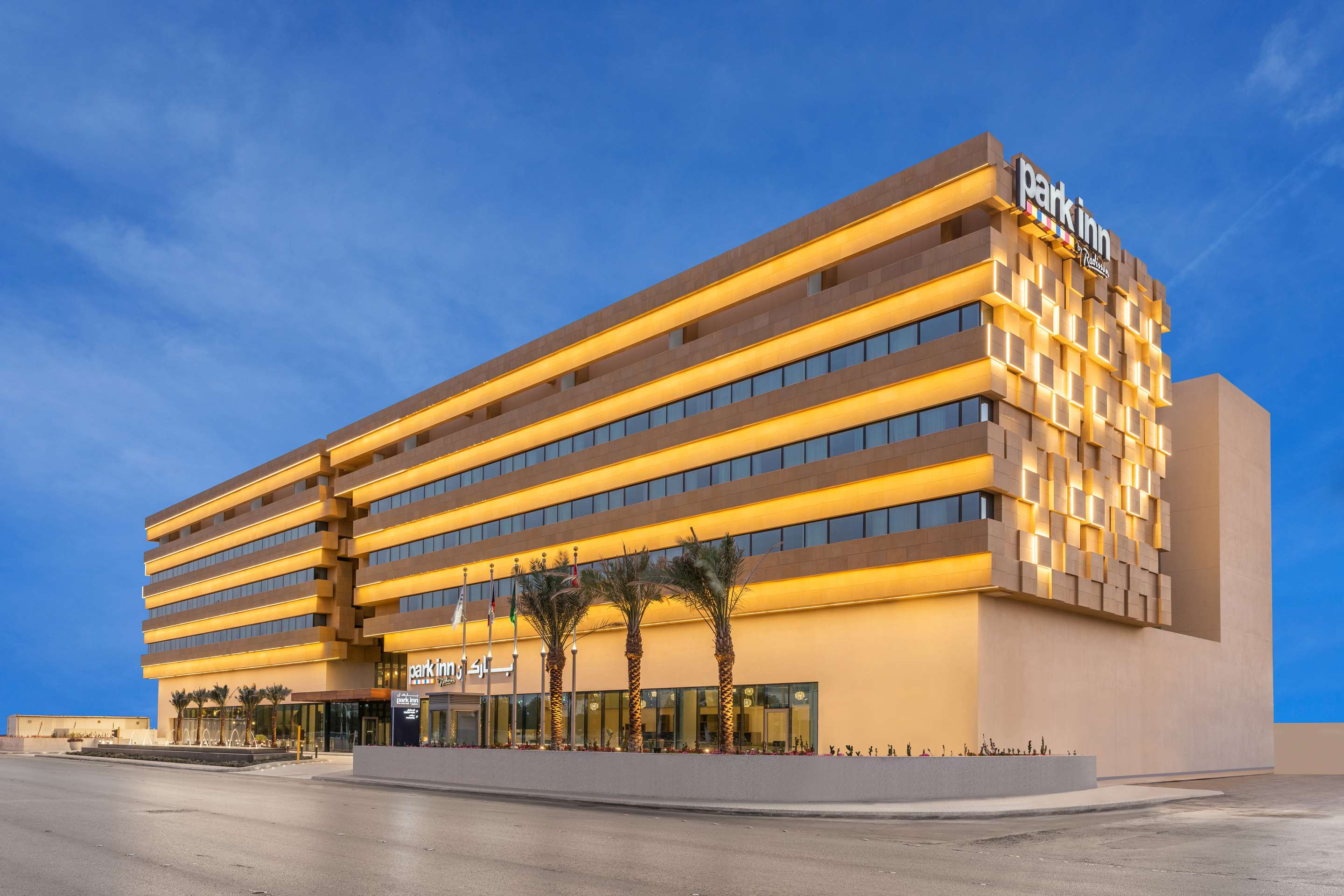
Radisson is also forging partnerships with Saudi entities. A landmark deal with Knowledge Economic City in Madinah will introduce a Park Inn by Radisson in the Islamic World District. Meanwhile, a Memorandum of Understanding with the Saudi Tourism Authority—signed at the Arabian Travel Market—demonstrates deep engagement within the local ecosystem.

The group remains on track to grow its Middle East network to 150 hotels, resorts and serviced apartments by 2030, building on a record-breaking global performance in 2024. Younes emphasises the tailored approach: blending its Scandinavian-inspired hospitality with regional traditions and integrating wellness, eco-friendly features and entertainment to appeal to evolving guest preferences, as detailed by Development Director Ayman Ezzeddine at the Riyadh summit.

Analysis by regional consultants underscores the significance of Radisson’s strategy. Analysts note that by allocating half of its current Middle East portfolio to Saudi Arabia, Radisson demonstrates confidence in the Kingdom’s tourism transformation. Its focus on both high-volume mid-market and luxury segments positions it to tap demand from business travellers, pilgrims and upscale visitors alike amid government incentives and infrastructure investments.

Radisson’s move is also in step with ongoing giga‑projects such as Amaala, the Red Sea Project and Rua Al Madinah, each aimed at hosting millions of tourists and pilgrims by 2030. These projects feature world-class hotels, resorts and cultural infrastructure, reinforcing Saudi Arabia’s status as a global hospitality hub.

Goodwill coverage for affected travel insurance customers includes extending claim submission period from 30 to 90 days to help customers better manage their travel disruptions SINGAPORE – Media OutReach Newswire – 17 June 2025 – On 16 June 2025, Etiqa Insurance Singapore announced its commitment to supporting its travel insurance customers who have been affected by the impending closure of Jetstar Asia’s operations. Recognising the disruption and […]

Binghatti Holding Ltd has launched Binghatti Capital in the Dubai International Financial Centre, aiming to manage approximately $1 billion in Shariah-compliant private credit and real‑estate investments. Licensed by the Dubai Financial Services Authority to deal exclusively with professional clients, the firm marks Binghatti’s strategic pivot from pure property development to full-spectrum asset management.

The new entity will implement dual strategies: acquiring and selling off‑plan residential assets and developing residential projects; and providing private‑credit finance targeted at construction, property management firms and suppliers in the Dubai real‑estate supply chain. Beyond private funds, clients can access bespoke discretionary and non‑discretionary portfolio mandates tailored to their investment goals.

Executive Director Katralnada Binghatti described the move as “a strategic initiative to deepen Binghatti Holding’s investment footprint and enhance access to alternative capital,” underlining ambitions to drive high‑value, income‑generating growth and bolster Dubai’s appeal as a global investment destination. CEO Shehzad Janab added that the firm’s “inaugural suite of unique strategies represents a disciplined, well‑structured approach” designed for strong governance and long‑term resilience.

DIFC Authority’s Chief Business Development Officer, Salmaan Jaffery, welcomed the launch, noting that the centre, home to more than 46,000 financial professionals and over 400 wealth and asset managers, remains the region’s top asset-management hub. He said Binghatti’s addition would further reinforce DIFC’s financial ecosystem.

The launch reflects broader market trends in the Gulf, where firms like Amwal Capital Partners are expanding into private‑credit—a form of non‑bank lending offering direct finance to mid‑tier real‑estate developers and other asset‑backed borrowers. Dubai’s policy environment, characterised by robust infrastructure investment and tax incentives, has boosted demand for these private‑credit solutions.

Industry observers note the move signals a maturing of Dubai’s real‑estate landscape, with residential unit completions projected to exceed 243,000 by 2027, presenting ample opportunity for asset managers specialising in this market—particularly with Shariah‑compliant structures gaining traction among global and Gulf investors.

Binghatti’s pedigree in luxury development, seen in flagship schemes such as Binghatti Ghost in Al Jaddaf, complements its newfound investment ambitions. The firm’s announcement of more than 12 projects valued at $2.7 billion reinforces its market clout and provides a foundation for its asset‑management division.

By branching into private credit and real‑estate fund management, Binghatti aligns with Dubai’s economic diversification goals, channelling institutional capital into strategic sectors and reinforcing the emirate’s role as a conduit between East, West, and the Islamic finance community.

As the firm rolls out its Shariah‑compliant investment vehicles, its governance frameworks and active management approach will be key to winning trust among discerning professional clients. It will also test how effectively Binghatti can manage investor interests alongside its parent’s development pipeline.

With a legacy of excellence, expertise, and a bold vision, Chubb Life HK is meeting rising demand for sophisticated, future-focused financial planning through bespoke legacy and wealth solutions HONG KONG SAR – Media OutReach Newswire – 16 June 2025 – Chubb Life Hong Kong (Chubb Life HK) today launched its first wealth centre, Chubb 1792 Club, marking a pivotal moment in its insurance and wealth management journey. […]

Advertisements

SINGAPORE – Media OutReach Newswire – 16 June 2025 – ST Telemedia Global Data Centres (STT GDC), a leading data centre service provider headquartered in Singapore, today published its 2024 Environmental, Social and Governance (ESG) report. The report details progress toward STT GDC’s ESG targets, as well as its three main ESG pillars – carbon-neutral data centre operations by 2030; a safe, secure, diverse and inclusive workplace; […]

Galaxy Macau and FIA Establish a Three-Year Strategic Partnership Following the Successful Debut of the Landmark Conference in Macau as Historic Home of the FIA Formula Regional World Cup MACAU SAR – Media OutReach Newswire – 13 June 2025 – The 2025 Extraordinary General Assemblies meeting and the Conference of the Fédération Internationale de l’Automobile (FIA), hosted by the Automobile General Association Macao-China (AAMC) supported by Galaxy […]

U.S. Securities and Exchange Commission chair Paul Atkins has formally withdrawn several cryptocurrency-focused rule proposals initiated under former chair Gary Gensler, representing a decisive shift in regulatory strategy.

At the centre of the SEC’s action are two major proposals: amendments to Exchange Act Rule 3b‑16, which sought to classify decentralized finance protocols as securities exchanges, and the implementation of enhanced custody requirements under the Investment Advisers Act for client crypto assets. The withdrawal, confirmed on 13 June 2025, reflects a broader deregulatory drive under the current administration.

Rule 3b‑16 had been poised to expand the SEC’s definition of “exchange” to include systems bringing together buyers and sellers of securities via smart contracts and other DeFi mechanisms. The proposal would have subjected many decentralised platforms to full regulatory oversight, unsettling industry participants and drawing criticism from blockchain developers and legal experts. Many in the crypto sector argued the move would permanently conflate DeFi infrastructure with traditional securities exchanges, hampering innovation.

The custody rule aimed to require investment advisers to deposit all client crypto assets with “qualified custodians” such as banks or registered broker‑dealers. That would have effectively sidelined many crypto-native custodians that don’t meet these standards. Proponents cited the need for robust safeguards, while opponents warned the rule would force clients into a narrow pool of custodians and increase costs.

The SEC’s withdrawal announcement emphasised that it will not pursue finalisation of these proposals and may “consider new rulemaking in the future.” The reversals are part of a broader retreat from Gensler-era initiatives, including planned ESG reporting mandates and cybersecurity obligations. Acting chair Mark Uyeda had suspended both the DeFi exchange and custody rules in March, and this withdrawal gives that decision official effect.

Market reaction was swift. Coinbase’s chief legal officer, Paul Grewal, declared on X that the agency had scrapped “3b16, qualified custodian, and all other unfinished Gensler rule proposals.” Crypto platforms welcomed the rollback, viewing it as a reaffirmation of self‑custody and decentralised financial innovation.

Institutional stakeholders also voiced support. Brian Laverdure, Senior VP of Digital Assets and Innovation Policy at ICBA, noted the agency’s publication had “withdraws several NPRMs” including definition of “exchange” changes and safeguarding rules, sending confidence ripples through community banks and investment advisers.

The shift in posture follows President Donald Trump’s commitment to reducing regulatory burdens on markets. In tandem, SEC staff and FINRA dismantled a long-standing 2019 joint statement on broker‑dealer custody of digital asset securities on 15 May, paving the way for regulated intermediaries to offer crypto custody services under established rules.

The SEC’s deregulatory drive is echoed in recent comments from Uyeda, who in March announced the agency might scrap or significantly amend crypto custody rules introduced during the previous administration. He emphasised a pivot towards “effective and cost‑efficient regulations that respect the limits of our statutory authority”.

Critics caution that this pivot could expose clients to risks. While standards for DeFi governance, custodial integrity, and cybersecurity remain under voluntary frameworks, there are concerns that stripping formal oversight could open institutional and retail investors to vulnerabilities. Legal analysts predict renewed debate over the SEC’s authority to classify new financial structures as securities.

DeFi proponents, for their part, argue the withdrawal presents an opportunity. With regulatory certainty withdrawn, startups and developers may double down on innovation, integrating hybrid compliance models that rely on decentralised autonomy rather than central oversight. Meanwhile, traditional custodians and broker‑dealers are expected to enter the crypto space more aggressively, now freed from the obligation of specialist “qualified custodian” status.

Remaining questions include whether Congress will move to impose legislative frameworks on digital assets and whether the SEC will pursue fresh proposals under a different legal theory. Commissioner Hester Peirce has signalled support for further dialogue and interpretative guidance, reinforcing a more incremental, consultative regulatory model.

The SEC is now scheduled to hold stakeholder forums and public consultations in the coming months. Industry watchers are closely tracking these developments to assess whether the rollback represents a long-term deregulatory reorientation or a temporary reprieve preceding fresh oversight efforts.

Bridging French and Hong Kong innovation ecosystems to supercharge global tech development HONG KONG SAR / PARIS,FRANCE – Media OutReach Newswire – 13 June 2025 – Hong Kong Science and Technology Parks Corporation (HKSTP) is leading 18 of Hong Kong’s brightest innovators in AI and robotics, healthtech, greentech and fintech in its first-ever delegation to VivaTech 2025, Europe’s largest startup and tech showcase held in Paris. The […]

All countries under DHL Supply Chain APAC are now certified DHL Supply Chain Japan becomes the newest office to achieve certification SINGAPORE – Media OutReach Newswire – 13 June 2025 – DHL Supply Chain, the global leader in contract logistics, has been certified as a Great Place to Work® across Asia Pacific. DHL Supply Chain Japan is the latest country office to achieve this certification, bringing the […]

OpenAI is holding discussions with a range of international investors—including Saudi Arabia’s Public Investment Fund, Reliance Industries of India, and Abu Dhabi’s MGX—to raise around $40 billion in fresh equity. The move marks a pivotal effort to underwrite its ambitious next-generation AI models and the expansive Stargate infrastructure initiative. The round is being led by Japan’s SoftBank, which aims to shepherd significant capital into artificial intelligence advancements. At […]

HONG KONG SAR – Media OutReach Newswire – 12 June 2025 – The Hong Kong Polytechnic University (PolyU) took part in the world-renowned London Tech Week 2025 held from 9 to 11 June in London, UK, as the only participating university from Hong Kong. Four PolyU startups showcased their ground-breaking innovations in artificial intelligence (AI), advanced manufacturing technologies and healthcare solutions. The event attracted business leaders, industry […]

Societe Generale‑Forge has introduced USD CoinVertible, a fully backed US dollar stablecoin launching on Ethereum and Solana, with BNY Mellon named as reserve custodian.

USDCV is the second stablecoin by Societe Generale‑Forge following its euro-pegged EURCV. This institutional-grade token, compliant with MiCA and issued under Societe Generale‑Forge’s EMI licence from France’s ACPR, will offer 24/7 fiat-to-crypto conversion and multi-currency utility for institutional, corporate, and retail clients—excluding US Persons. Trading is set to commence in early July.

Jean‑Marc Stenger, CEO of Societe Generale‑Forge, framed USDCV as the logical progression from EURCV: “market adoption of stablecoins is growing exponentially,” and the dollar-based token meets clients’ demands for institutional-grade stablecoin services. The token is designed to underpin a wide range of on-chain activities, including crypto trading, FX transactions, cross-border payments, and collateral or cash management—supporting seamless settlement across USD and EUR.

BNY Mellon will hold the reserves backing USDCV, reinforcing the stablecoin’s institutional foundation. Carolyn Weinberg, Chief Product & Innovation Officer at BNY Mellon, emphasised that 24/7 stablecoin capabilities could enhance operational resilience, generate efficiencies, and unlock novel opportunities across cash, collateral, investment management, and payments.

Both USDCV and its predecessor, EURCV, are categorised as Electronic‑Money Tokens, fully regulated under Europe’s Markets in Crypto‑assets regulation. Societe Generale‑Forge maintains public transparency on collateral composition, which adheres to high credit and liquidity standards and is updated daily on its website.

The MiCA-compliant tokens are poised for distribution through institutional trading venues and exchanges. Demand for fiat-backed digital assets backed by traditional financial institutions is gaining momentum across crypto, with market makers ensuring liquidity, brokers bringing user access, and payment service providers facilitating integration.

The move signifies broader momentum in the stablecoin market. Dollar-pegged stablecoins account for the bulk of the industry, with global market capitalisation in the hundreds of billions, dwarfing euro-pegged variants. Societe Generale‑Forge’s expansion into USD addresses this scale, positioning the bank as a bridge between traditional finance and decentralised finance.

Institutional stablecoins face a competitive landscape. Non-bank issuers such as Circle and Tether dominate the public blockchain scene, while banks like JPMorgan have previously issued tokens like JPM Coin on private networks. USDCV, on a public chain, allows Societe Generale to directly compete as a regulated, EU-licensed stablecoin provider.

Expanding beyond Ethereum to Solana adds a strategic dimension: offering cost-effective, diverse blockchain infrastructure to institutional clients and capitalising on Solana’s growing ecosystem.

Societe Generale‑Forge’s regulatory positioning is central. The subsidiary holds licences as an Electronic Money Institution and Digital Asset Service Provider under France’s financial regulators, aligned with MiCA’s requirements. Both tokens are not registered under the U.S. Securities Act and will only be offered to non-US persons under Regulation S.

The broader context sees European institutions cautiously entering the competitive stablecoin space. Euro-denominated tokens like EURCV remain niche, often hindered by stringent reserve rules and slower Euro adoption. Regulatory oversight via MiCA, while enhancing legal clarity, restricts operational flexibility, as highlighted by the delisting of Tether from EU platforms.

Societe Generale‑Forge’s strategic approach reflects this landscape: build on on-chain euro demand, then expand into the US dollar space where scale and liquidity are strongest. The move supports Europe’s ambitions to reduce dependency on US-dollar stablecoins and foster a regulated fiat token ecosystem.

Market reaction will hinge on liquidity, brokerage integration, and clearing mechanisms. Partnerships with market makers and payment service providers will shape adoption, alongside listings on crypto exchanges. The involvement of BNY Mellon bolsters institutional trust, signalling that banking-grade reserve practices can coexist with blockchain settlement.

Meanwhile, global payment players are integrating stablecoins into mainstream rails. Stripe’s stablecoin accounts, Visa and Mastercard’s pilot programs, and renewed interest among banks show momentum. These initiatives reflect a broader shift to tokenised fiat as infrastructure rather than niche innovation.

As USDCV enters trading next month, key questions remain: will its regulated status prompt flight from unregistered stablecoins? Can it deliver on liquidity and operational efficiency? And does it set a template for future bank-issued tokens within stringent frameworks like MiCA?

Newly Added Arlo Intelligence-Powered Feature Empowers Arlo Secure Subscribers to Make Better Informed Decisions to Protect What Matters Most SINGAPORE – Media OutReach Newswire – 10 June 2025 – Arlo Technologies, Inc. (NYSE: ARLO), a leading smart home security brand, has just announced the next evolution of Arlo’s industry-leading home security subscription service in Australia & New Zealand featuring groundbreaking AI technology, Advanced Audio Detection. “Arlo continues […]

Cancer patients, survivors and their loves ones formed an inaugural dragon boat team Citizens and tourists dive into the Dragon Boat Frenzy HONG KONG SAR – Media OutReach Newswire – 9 June 2025 – The “2025 Sun Life Hong Kong International Dragon Boat Races”, organized by the Hong Kong Tourism Board in collaboration with the Hong Kong China Dragon Boat Association and proudly title-sponsored by Sun Life, […]

HONG KONG SAR – Media OutReach Newswire – 9 June 2025 – Generali Hong Kong announces the launch of LionAchiever Elite (the “Plan”), a new flagship whole life savings and life insurance plan that offers customers high potential returns¹ with a short 2-year premium payment term, while also providing all-in-one legacy planning. Designed to support both wealth accumulation and legacy planning, the plan empowers customers to achieve […]

By Nitya Chakraborty 26 days have passed since the temporary truce in the limited four day war between India and Pakistan taking effect on May 10 this year. Prime Minister Narendra Modi has been talking of his three point doctrine since then, the most important of which is no dialogue with Pakistan unless the ruling […]

Matein Khalid I have had a neurological soft corner for Wall Street’s alternative asset manager stocks ever since I resisted the come hither importunings of multiple Morgan Stanley (MS) managing directors before the firm sold its private wealth division in the DIFC to Credit Suisse. Everyone of these MS honchos wanted me to subscribe to the Blackstone IPO in the summer of 2007 at $32. They assured […]

SHENZHEN, CHINA – Media OutReach Newswire – 5 June 2025 – Leading smart device company OPPO today announced the signing of a global patent licensing agreement with Volkswagen Aktiengesellschaft (hereafter referred to as Volkswagen) to license OPPO’s cellular standard-essential patents portfolio to the group, including 5G. Under the agreement, OPPO’s cellular standard-essential patents will be licensed to Volkswagen to enhance user experiences for its connected vehicle offerings […]

Launch of Gen2050, a structured accelerated programme to drive youth action in the area of social sustainability with an engagement series on key social issues Avails opportunities for youths from all backgrounds to start ground-up initiatives with the support of industry mentors and subject matter experts Provides youths with critical skillsets such as stakeholder management and seed funding to advance innovative ideas SINGAPORE – Media OutReach Newswire […]

The United Arab Emirates and the United States are preparing to initiate negotiations for a potential bilateral trade agreement aimed at reducing or eliminating tariffs imposed during President Donald Trump’s administration on UAE steel and aluminium exports. These tariffs include a baseline 10% duty and a specific 25% tariff on steel and aluminium—which the Trump administration plans to double to 50%.

The UAE, whose steel and aluminium are significant non-oil exports and accounted for 8% of U.S. steel and aluminium consumption in 2024, is looking to leverage its history of swiftly concluded trade deals with nations such as India, Turkey, and Australia. While the U.S. may pursue a limited agreement rather than a full free trade pact, it is expected to be labeled a Comprehensive Economic Partnership Agreement , consistent with the UAE’s past trade deals.

The UAE, Washington’s largest trade partner in the Middle East with $34.4 billion in bilateral trade in 2024, is also a major U.S. investor and security ally, hosting American troops and planning $1.4 trillion in future U.S. investments. Both sides reportedly responded positively to the idea during Trump’s recent visit to Abu Dhabi, though a timeline for formal talks remains unclear.

The Trump administration’s decision to double tariffs on imported steel and aluminium to 50% took effect on June 4, 2025, impacting nearly all trading partners except the United Kingdom, which has a preliminary trade agreement with the U.S. The policy significantly affects major U.S. trading partners like Canada and Mexico, with Canada being the leading exporter of aluminium to the U.S. and both countries ranking high in steel exports.

UAE-based steel producers expect to escape major impact from the latest move by the U.S. to double tariffs on steel imports. The new tariffs apply to all trading partners except the UK, which struck a preliminary trade agreement with the U.S. last month. However, steel manufacturers in the UAE don’t anticipate a hard hit. The U.S. decision to double steel import tariffs “may have an indirect effect on market dynamics but is not expected to materially impact Emsteel’s business,” said Michael Rion, chief commercial officer at Emirates Steel, part of Abu Dhabi-listed Emsteel Group. The company has a “modest exposure” to the U.S. market, with exports accounting for less than 2% of total annual sales.

The UAE’s push for a trade agreement with the U.S. is part of its broader strategy to mitigate the impact of increased tariffs and strengthen economic ties. The potential agreement, discussed during President Trump’s visit to Abu Dhabi, seeks to address the challenges posed by the new tariffs and reinforce the economic partnership between the two nations.

SINGAPORE – Media OutReach Newswire – 5 June 2025 – Sentosa Development Corporation (SDC) and Mount Faber Leisure Group (MFLG) have collaborated to transform Sentosa for ‘Peranakan Reimagined’ — a vibrant showcase that reimagines Peranakan culture through a contemporary lens. A double celebration in commemoration of SG60 as well as the 10th year anniversary of the Singapore Cable Car – Sentosa Line, this showcase will run from […]

VISHNU RAJA
RYO YAMADA
HITORI GOTOH
IKUYO KITA
Just in:
Sui activates Hashi Bitcoin lending across partner network // Promoting Common Human Development Through Exchanges and Mutual Learning Among Civilizations // Sabarimala booking discrepancies prompt sabotage angle probe // Ex-minister named accused in Messi visit fraud case //
Rahul addresses League’s INDIA bloc grievances
// Crypto market loses $150 billion amid broad sell-off //
Centre grants aircraft cabin access for Sabarimala pilgrims’ irumudi
// Egypt’s African Union trade climbs to $8.2 billion // Abu Dhabi boat show seals manufacturing partnership on Saturday // CrowdStrike explores Zscaler takeover amid cybersecurity dealmaking // PayerMax and ShopeePay Strengthen Strategic Partnership to Advance Digital Payment Collaboration in Southeast Asia // UN arms talks sidestep binding autonomous weapons rules // Diabetes Malaysia And Alpro Pharmacy Set National Record With 11,007 Most Blood Glucose Screenings Conducted Across Malaysia In Just 48 Hours // Anthropic briefly reaches $2 trillion in Nasdaq debut // Technology at Work, Heritage for All: The “Chinese Approach” to Safeguarding the Leshan Giant Buddha // Phancy Announces Business Performance for the Nine Months Ended September 30, 2026 // Yeebo Announces Interim Results for FY26/27 Revenue Increases by 45.5% to HK$806.7 Million Profit Attributable to Owners Surges 87.6% to HK$2,284.7 Million // Saudi defences destroy three Houthi missiles targeting Riyadh // California examines possible criminal breaches in Nvidia investigation // Padmini follows Padmaja for ‘ghar vapsi’ //