

Arabian Post Staff -Dubai
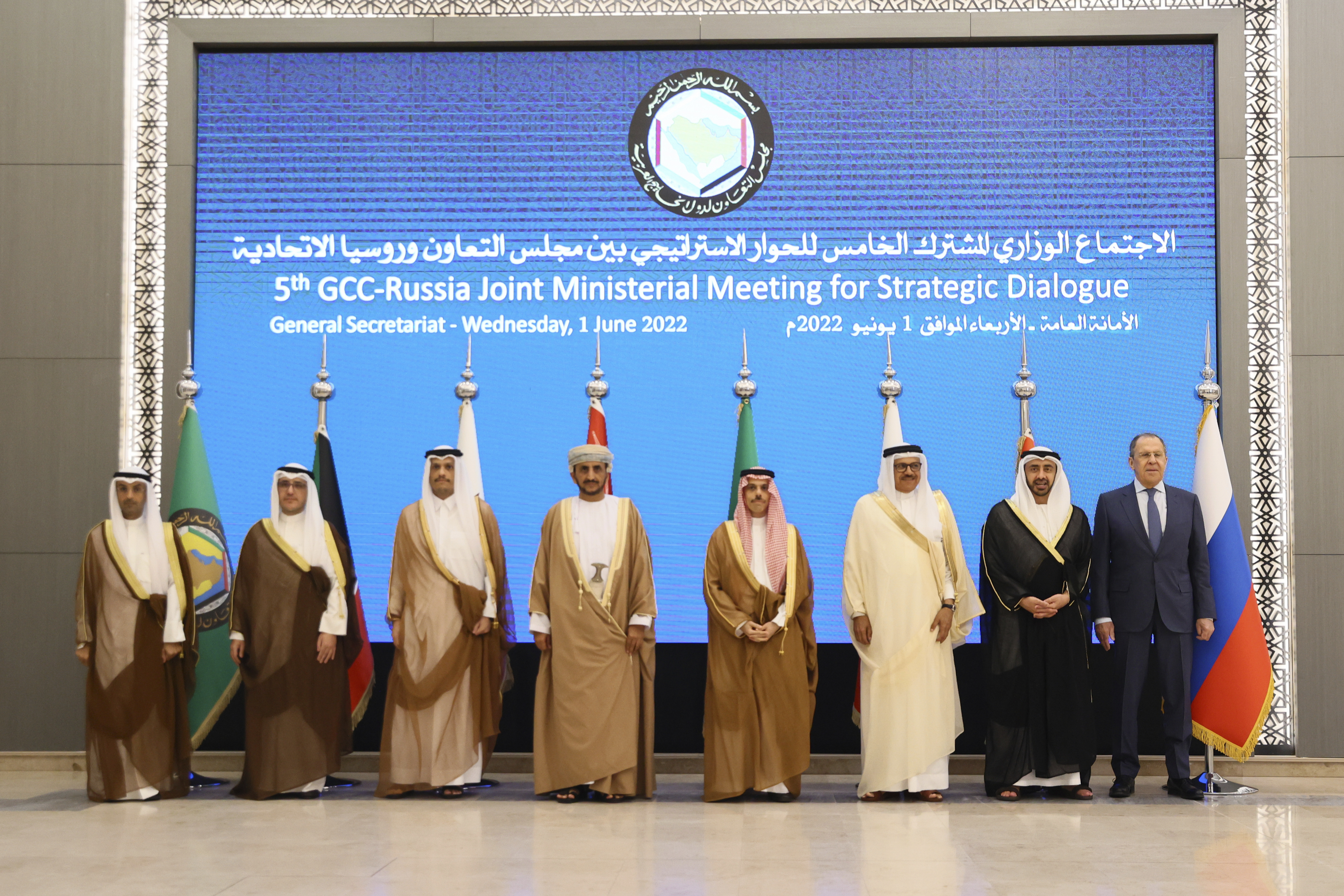
Data released by the Statistical Centre for the Cooperation Council for the Arab Countries of the Gulf reveals a notable decline in the Gulf Cooperation Council’s national income for 2023. The value of gross national income for the GCC region stood at US$2.143 trillion, down 2.7% from the previous year’s figure of US$2.202 trillion. This reduction marks a significant shift in the economic landscape of the Gulf nations.
In 2023, the disposable national income, which measures the income available for consumption and savings after taxes and transfers, also saw a downturn, reaching US$1.989 trillion, compared to US$2.515 trillion in 2022. This represents a 3% decrease in the financial resources available for the region’s residents and businesses.
The GCC’s national income data reflects broader economic trends and shifts in the region’s economic structure, with particular attention given to the changes in the oil and non-oil sectors. While the non-oil sector has grown in importance, the oil sector remains a substantial contributor to the region’s total income. By the close of 2023, the non-oil sector’s value added to the economy amounted to US$513 billion, while the oil sector still held a dominant position with a contribution of US$603.5 billion. Despite the oil sector’s continued strength, the overall decline in GNI suggests that broader economic challenges are at play.
The sharp contrast in performance between the oil and non-oil sectors could be attributed to various factors, including fluctuations in global oil prices and shifting demand for the region’s primary energy exports. While the oil industry continues to be a critical economic driver, the Gulf countries have increasingly turned to diversification efforts, investing heavily in areas such as finance, technology, and tourism to reduce reliance on oil.
The results also reflect global economic pressures, particularly the ongoing impacts of inflation, geopolitical instability, and supply chain disruptions. These external factors have influenced both domestic consumption patterns and investment flows within the region. The 2023 decline in disposable national income indicates that households and businesses in the GCC are experiencing reduced financial flexibility, possibly affecting consumption and investment decisions moving forward.
Despite these challenges, the GCC economies have shown resilience in their attempts to navigate shifting global economic conditions. Several countries within the group, notably Saudi Arabia and the United Arab Emirates, have implemented ambitious plans for economic diversification under initiatives like Vision 2030. These efforts aim to transform their economies by reducing dependency on oil, focusing instead on sectors such as renewable energy, digital innovation, and high-tech industries.
The non-oil sector’s performance is a critical metric of success for these diversification strategies. In 2023, the growth of this sector, while still overshadowed by oil, highlights the ongoing transformation of the region’s economic framework. The expansion of industries such as construction, manufacturing, and services contributes to this shift, providing the region with a more balanced economic profile, though the full impact of these changes will take time to fully materialise.
Follow Arabian Post
Select Arabian Post as your preferred source on Google and MSN News for trusted business news and Arab politics and updates.




