

Arabian Post Staff -Dubai
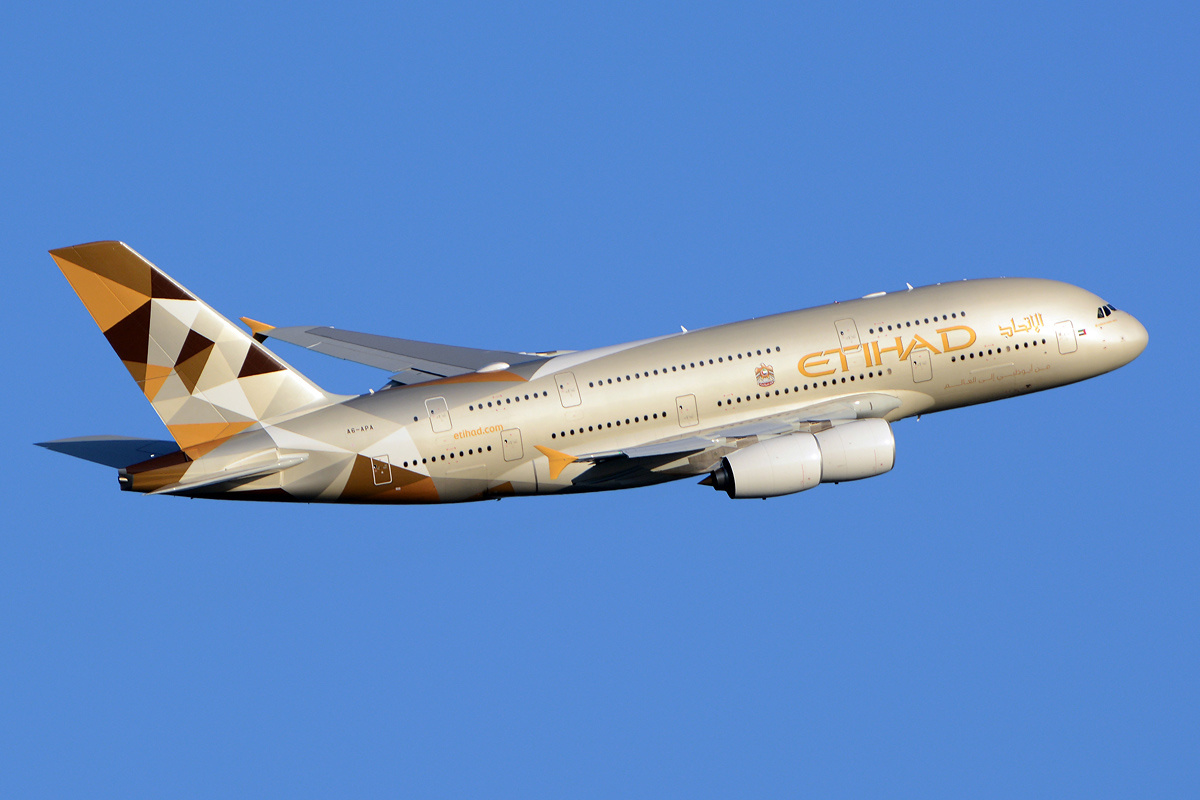
Etihad Airways has unveiled four new routes from its Abu Dhabi hub, linking the UAE capital with networks in North Africa and Asia in a major push to cement its global connectivity. The airline announced flights to Tunis, Hanoi, Chiang Mai and Hong Kong, opening up additional access across Africa and Asia. According to the carrier, these launches account for nearly 45 per cent of the UAE’s aviation growth this year.
The new North African route to Tunis flies three times a week starting 1 November, while the Vietnamese capital Hanoi will receive six weekly flights from 2 November. Chiang Mai in northern Thailand is added with four weekly services from 3 November, and Hong Kong is re-connected via five weekly flights also from 3 November under a renewed codeshare with Hong Kong Airlines. The carrier now serves more than 85 destinations globally.
Chief Executive Officer Antonoaldo Neves described the destinations as “each adding their own character” to the network, underscoring the airline’s aim to diversify its route map and bolster Abu Dhabi’s role as a travel and trade gateway. The move is timed to support the emirate’s broader economic pivot, complementing efforts in tourism, business and infrastructure.
The four-route addition forms part of Etihad’s strategic expansion alongside investments in both fleet and operational capabilities. The carrier has been ramping up use of its long-range Airbus A321LR and Boeing 787 aircraft, enabling direct links to previously unserved or underserved markets. The Tunis launch marks an enhanced North African footprint from Abu Dhabi, while Vietnam and Thailand reflect deeper penetration into Southeast Asia’s growing outbound travel markets. The Hong Kong entry is particularly significant given its status as a major financial and regional hub.
For travellers and partners the implications extend beyond new city-pairs. The enhanced network encourages greater inbound tourism into the UAE and provides domestic and international travellers increased flexibility via the Abu Dhabi hub. Industry analysts say the expansion underscores the carrier’s growing ambition to rival other Gulf-based airlines in forging east-west connectivity. It also aligns with Abu Dhabi’s Vision 2030 agenda, which includes boosting the emirate’s role as a global gateway.
Commercially, the airline’s published figures indicate that it expects the four new routes to contribute thousands of new seats in its system, aiding load-factor optimisation and revenue growth. The timing of launches over consecutive days signals a deliberate push to generate momentum across the network rather than incremental additions. Stakeholders within the regional aviation ecosystem view the move as one that may stimulate competitive responses from other carriers operating in similar markets.
While the expansion has drawn praise for its scale and ambition, there are strategic and operational considerations. Rapid rollout of new routes requires careful yield management, cost containment on long-haul sectors, and the calibration of frequency to ensure sustainable load factors. The North African route to Tunis, for example, hinges on demand that may fluctuate with seasonal tourism and business activity. Similarly, competition in the Thailand and Vietnam sectors remains intense with regional low-cost and full-service carriers vying for market share. The Hong Kong route will need to navigate the evolving regional regulatory and air-freight environment, especially given Hong Kong’s role in both tourism and cargo flows.
Follow Arabian Post
Select Arabian Post as your preferred source on Google and MSN News for trusted business news and Arab politics and updates.



