Just in:
Microsoft pitches Copilot cost advantage against AI rivals // Anthropic’s debut is lifting markets, but someone is still paying for it // UK watchdog finds bird protection duties breached by ministers // US cyber agency urges Java4Shell patches across networks // AXS and PayerMax Advance Omnichannel Payment Acceptance for Merchants // Trump administration rejects coordinated attack behind US outages // Foreign purchases of Asian bonds reach four-month peak // South Korea seeks financial firms’ AI exposure details // Indonesia and Chinese partners set out USD 71.8 billion in cooperation at APEC Shenzhen // Alibaba shares slip despite 53% cloud revenue growth // LANDMARK’s ‘Destination CENTRAL’ Opens an Inspiring New Chapter for the Festive Season in Hong Kong // NASA tests supersonic Mars rotors for heavier payloads // Trump flags Iranian chemical and biological weapons activity // Abu Dhabi court mandates cryptocurrency freezes after Binance theft // Singapore seafood consumers call for stronger assurance on sustainability // Danish parliament ratifies expanded US military access to Greenland // COP31 advances pledge for cleaner artificial intelligence infrastructure // Viet Nam Takes Global Lead in New Climate-Smart Agrifood Partnership Launched at COP31 // Lambency Detailing becomes GTECHNIQ Accredited Detailer at both outlets and launches its new e-commerce website // International Business Leaders Say Xi’s Speech Boosts Confidence in Asia-Pacific Cooperation //

News related to
Qatar

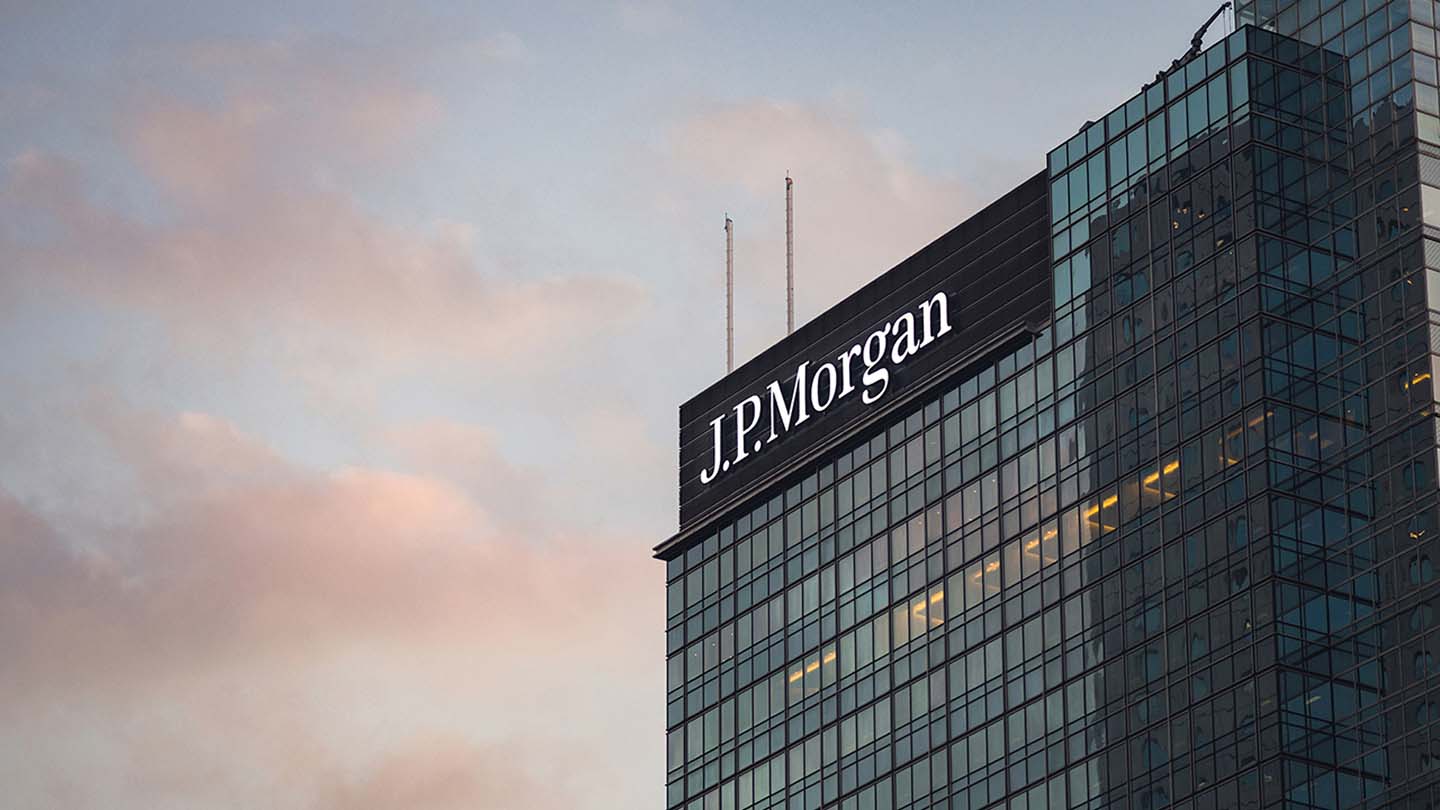
QNB Group has shifted its US dollar corporate payment operations in Qatar onto JPMorgan’s blockchain-based platform, enabling business clients to execute dollar payments within minutes, around the clock. The move marks a notable milestone in the uptake of decentralised ledger technology in mainstream banking.

The Doha-based lender will use JPMorgan’s Kinexys Digital Payments system to facilitate 24/7 USD transfers for its corporate clientele. Traditional banking rails, by contrast, typically operate during business days and may take several days to complete a transfer. The QNB–JPMorgan tie-up underscores the intensifying push by major financial institutions to modernise payment infrastructure.

Kinexys, previously known as JPMorgan’s payments and tokenisation arm, has seen growing traction across the Middle East and North Africa. QNB became one of the first banks in the region to adopt the system, following Saudi National Bank’s earlier deployment. The platform allows programmable payments, enabling banks to embed automated rules or compliance checks directly into settlement flows.

Under its new arrangement, QNB clients in Qatar will now enjoy significantly improved settlement speed and liquidity management. Instead of waiting for traditional cut-off windows, funds flow without interruption, reducing operational risk and improving cash-flow efficiency. Internally, the system allows QNB to manage its USD liquidity more dynamically across its branches and treasury operations.

JPMorgan’s wider strategy with Kinexys spans tokenised deposit accounts, cross-border settlements, and programmable payment capability. Earlier this year, the firm announced a GBP-denominated blockchain deposit offering, complementing its USD tokenisation efforts. JPMorgan has also piloted USD deposit tokens built on its Base blockchain in collaboration with institutional clients.

Across the MENA region, several leading banks have gone live on Kinexys. Commercial Bank of Dubai, First Abu Dhabi Bank and Bank ABC are among the adopters. Saudi National Bank currently uses the system for its U. S. dollar-denominated flows and plans to extend the infrastructure to large corporates in its domestic market.

With Singapore as its regional headquarters in APAC and new operations in China, the payments orchestrator is simplifying cross-border commerce for global merchants. Yuno is also announcing the regional availability of NOVA, the company’s first-of-its-kind suite of agentic AI solutions that turn payment friction into growth. SINGAPORE & NEW YORK, US – Media OutReach Newswire – 25 September 2025 – Yuno, the global payment orchestration platform, today […]

Elon Musk’s artificial intelligence firm, xAI, has raised $10 billion in its latest financing round, pushing its valuation to $200 billion. The capital includes a split between debt and equity, as Musk’s firm accelerates plans for infrastructure expansion and model development. xAI’s funding round was structured as $5 billion in debt, comprising secured notes and term loans, and another $5 billion via strategic equity investment. The raise, […]

United Arab Emirates holds between 40 and 45 per cent share of the Middle East and Africa space market, which is estimated at US$18 billion, according to a report from the Boston Consulting Group. The UAE invested approximately US$443 million in civil space activities in 2024—nearly half of all government space spending across MEA.

Saudi Arabia and Qatar follow with civil space investments of about US$220 million each. Saudi Arabia accounts for an estimated 20–25 per cent of MEA government space spending, while Qatar contributes about 5 per cent.

Downstream services—such as satellite communications, navigation, and Earth observation—comprise roughly 70 per cent of the global space industry. The UAE is positioned to capture more than half of the downstream services market within MEA, while Saudi Arabia aims for over 20 per cent. Qatar’s role remains modest in downstream services, at just under 5 per cent.

All three countries are expected to grow at or above the global space economy’s compound annual growth rate of 5 per cent through 2033.

The report identifies several flagship programmes in the UAE—MBZ-SAT, the Hope Probe, and Arab 813—that are likely to generate returns of roughly 3-4 times the investment. These initiatives illustrate how long-term strategic planning, public-private partnerships, risk-tolerant policy frameworks, and global cooperation are central to the UAE’s leadership in the sector.

Saudi Arabia is expanding its international partnerships, including with NASA and Axiom, while Qatar’s Es’hailSat is strengthening its role in regional satellite communications. Digital policy integration—especially in satellite broadband, low Earth orbit constellations, and Earth observation—is emerging as a key success factor.

Qatar Investment Authority is injecting US$500 million into Ivanhoe Mines via a private placement that grants the sovereign wealth fund roughly a 4 per cent interest in the Canadian miner. Ivanhoe will issue 57,516,666 common shares at CAD 12 per share, with proceeds earmarked for development of critical mineral projects and general corporate needs.

Ivanhoe Mines operates key assets in southern Africa, notably the Kamoa-Kakula copper complex in the Democratic Republic of the Congo, the ultra-high-grade Kipushi zinc-copper-germanium-silver mine also in the DRC, and the Platreef platinum group metals project in South Africa, which is set to begin production in the fourth quarter of 2025. The QIA investment supports work across these operations and Ivanhoe’s exploration licences in the Western Forelands, which cover large prospective areas.

Robert Friedland, Ivanhoe’s Executive Co-Chair, described the deal as a strong endorsement of the company’s ambition to be a leading supplier of metals crucial to the energy transition, advanced infrastructure and technologies including AI and data centres. He expressed that QIA’s vision aligns with Ivanhoe’s long-term strategic investors.

Mohammed Saif Al-Sowaidi, CEO of QIA, said the investment reflects confidence not just in Ivanhoe’s asset portfolio but also in its capacity to sustainably discover, develop and supply critical minerals for global electrification and advanced technologies.

The transaction is subject to customary closing conditions including approval by the Toronto Stock Exchange. In addition, QIA and Ivanhoe will enter into an investor rights agreement which grants QIA the right to board representation and access to company information if its ownership surpasses 10 per cent, along with anti-dilution rights. Existing major shareholders, CITIC Metal Africa Investments and Zijin Mining Group, retain rights to acquire their pro rata shares at the same CAD 12 price to maintain their ownership levels.

Ivanhoe’s share price was affected by the deal: the CAD 12 issue price is below the closing price of CAD 13.19 prior to the announcement, representing a discount. The investment follows a climate in which sovereign funds and institutional investors are increasingly targeting critical minerals as part of global supply chains for the clean energy transition.

Governments across the Gulf Co-operation Council are expanding their civil space programmes, driving the Middle East and Africa space market to a valuation of about $18 billion, with one nation commanding 40-45 per cent of regional government spending in this sector.

Boston Consulting Group’s latest analysis shows that the UAE, Saudi Arabia, and Qatar are at the heart of civil space investment across MEA. The UAE led with roughly $443 million committed for civil space in 2024, capturing nearly half of governmental spending in the region. Saudi Arabia and Qatar followed with approximately $220 million each.

The report highlights downstream services—satellite communications, earth observation—as the fastest-growing segments. UAE is projected to grab over 50 per cent of that downstream services market, while Saudi Arabia is set to hold over 20 per cent, and Qatar remains just under 5 per cent.

In the upstream sphere, where spacecraft design, launch facilities, and ground operations are concentrated, the Gulf countries are boosting capacity. Saudi Arabia has stepped up partnerships with foreign agencies such as NASA and commercial firms like Axiom, and domestic players including Neo Space Group are increasingly involved. Qatar’s Es’hailSat is cited as a key actor in satellite communications. The UAE’s Hope Mars Probe is named as an example of both international cooperation and technical achievement.

Growth rates projected through to 2033 are in line with, or exceed, the expected global compound annual growth rate for the space economy, which BCG estimates at about 5 per cent. Analysts point to policy support, institutional frameworks, public-private partnerships, and investment in human capital as enablers.

Opportunities in downstream services are being amplified by trends in artificial intelligence and cloud computing. These are reshaping data collection, processing and applications for earth sensing, environmental monitoring, agritech, and disaster response. The Gulf states are working to consolidate their roles not only as financiers but as centres of innovation and regional service provision.

The report also situates the MEA region’s space efforts within broader economic diversification agendas, particularly in the Gulf. For the UAE, Saudi Arabia and Qatar, space is not merely symbolic ambition but a sector being leveraged to build scientific ecosystems, boost high-tech employment and attract international collaboration.

DUBAI, UAE – Media OutReach Newswire – 18 September 2025 – VinFast has officially announced a strategic partnership with the Arabian Automobile Association (AAA), a leading provider of vehicle support services in the Middle East, to launch comprehensive roadside assistance for VinFast customers across six countries: the United Arab Emirates (UAE), Saudi Arabia, Kuwait, Qatar, Bahrain, and Oman. This collaboration marks a significant milestone in VinFast’s ongoing […]

Advertisements

Gulf Cooperation Council central banks have lowered key interest rates across the region after the United States Federal Reserve reduced its benchmark rate by 25 basis points. The move marks the Fed’s first rate cut this year, and Gulf economies have quickly aligned their monetary policy to maintain currency pegs, apart from Kuwait, which pegs its dinar to a basket of currencies rather than solely to the dollar.

Saudi Arabia cut its repo rate to 4.75% and its reverse repo rate to 4.25%. The UAE lowered its overnight deposit facility rate to 4.15%. Qatar reduced its deposit, lending, and repo rates each by 25 basis points. Bahrain, Oman, and Kuwait also followed suit with 25 basis point cuts to their key rates.

The rationale driving these moves lies in the Gulf states’ monetary frameworks. Most GCC currencies are pegged to the US dollar, meaning their central banks generally mirror US monetary policy to preserve exchange rate stability. Kuwait stands out as it links its currency to a basket of currencies, weakening the direct link to Fed actions.

Economic analysts note that easing borrowing costs could help stimulate sectors beyond oil, such as real estate, tourism and manufacturing—areas that have strong roles in GCC diversification plans. The UAE expects its non-oil economy to grow by 5.1% this year, while inflation remains modest, easing pressure on rate cuts.

In the United States, the Fed’s decision also signalled expectations of further cuts before the end of the year, setting a stage for global monetary easing. Chair Jerome Powell emphasised that although inflation remains above target, the labour market has weakened enough to justify the cut, but that future reductions will be measured.

Matein Khalid Mauritius, an island archipelago state in the Indian ocean, has long maintained extensive economic and cultural ties with the GCC. Thanks to tax treaties with India, Mauritius is a favourite domicile for wealthy Indian expatriate residents of the UAE and Saudi Arabia. GCC citizens and residents are prominent investors in some of Africa’s most expensive luxury beach resorts located in the island nation, where property […]

Greenlogue/AP QatarEnergy has awarded Samsung C&T’s Engineering & Construction Group the contract to build a mammoth solar power facility in Dukhan, around 80 km west of Doha. The plant will deliver 2,000 MW in two phases by mid-2029. Phase one will supply 1,000 MW to the Kahramaa grid by end-2028. The full plant is designed to support QatarEnergy’s drive to exceed 4,000 MW of renewable generation capacity […]

Washington and Doha are on the verge of agreeing a substantially upgraded defence cooperation treaty following an Israeli airstrike in Doha targeting Hamas leaders, sources say. The move signals a deepening strategic alignment as tensions in the region intensify. US diplomat Marco Rubio confirmed that both countries are “nearing finalisation” of an agreement that would strengthen joint military planning, basing, intelligence sharing and oversight of operations on […]

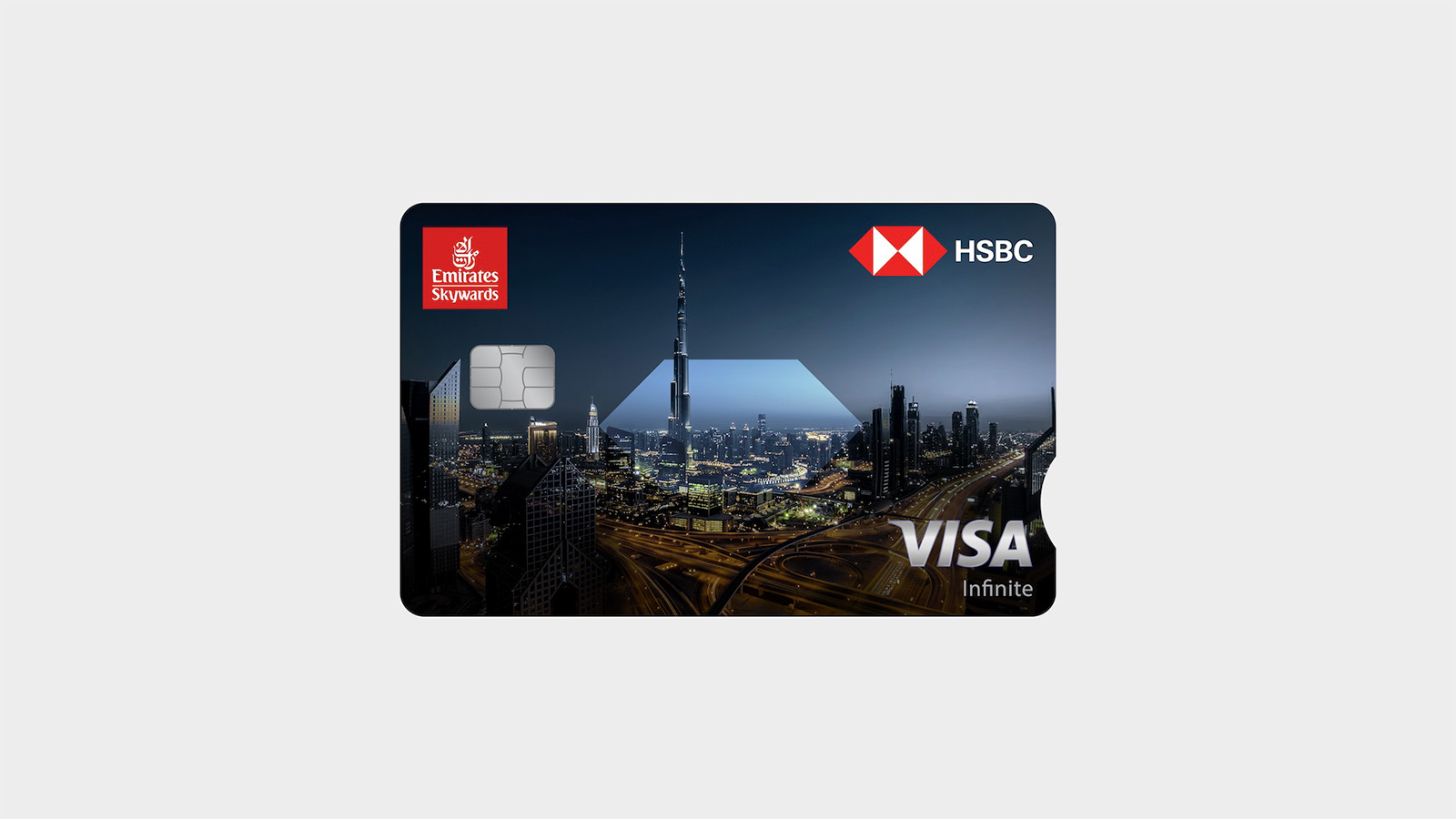
HSBC has opened a dedicated wealth centre in Dubai aimed at serving affluent clients, stepping up efforts to capture a growing share of the UAE’s expanding wealth and asset management sector. It comes as the bank’s Swiss private arm moves to cut ties with over 1,000 wealthy clients from the Middle East under regulatory pressure.

The Dubai centre, housed in HSBC’s flagship Jumeirah branch, will offer Premier and high-net-worth clients access to relationship managers in a specialist space. Dinesh Sharma, HSBC’s head of International Wealth and Premier Banking for Middle East, North Africa and Turkey, said the UAE is among HSBC’s top five global markets, and the investment in infrastructure, people, capabilities and marketing over the next three to four years represents its largest in two decades. Singapore is cited as a model for how the UAE could develop into a global wealth hub.

In parallel, HSBC Private Bank has informed more than 1,000 clients in Saudi Arabia, Lebanon, Egypt and Qatar—many with assets exceeding US$100 million—that it will terminate its relationships with them. The bank is classifying these clients as high risk, following findings by Swiss regulator FINMA that it failed to meet anti-money laundering obligations in past transactions involving politically exposed persons.

HSBC has emphasised its continued commitment to both its Middle East and Swiss wealth business units. Barry O’Byrne, CEO of International Wealth and Premier Banking, maintains that Switzerland remains one of HSBC’s “core wealth hubs.” HSBC is structuring its strategy to grow where it has “a clear competitive advantage.”

The bank notes that personal financial assets in the UAE have surged over the past few years, exceeding US$700 billion, with more than 130,000 millionaires now in the country. Migrants of wealth are drawn by favourable investment policies, tax incentives and regulatory reforms. Regions contributing large shares of incoming wealth include India, other Middle Eastern markets, Russia and the Commonwealth of Independent States, and a growing number from the UK, Europe and China.

HSBC’s move to reduce exposure to high-risk clients comes after FINMA’s rulings in 2024, which identified breaches in anti-money laundering duties in connection with transactions involving politically exposed persons between 2002 and 2015. The regulator prohibited HSBC Private Bank from onboarding new relationships with such individuals until its compliance practices were overhauled. The bank is now working under those rules, winding down existing relationships judged to pose compliance risk.

Swiss private bank Lombard Odier executives have stressed that the Middle East is no more inherently risky than other global markets—but warned that wealth managers must perform rigorous due diligence to avoid regulatory pitfalls in future. The bank is increasing its investment in the region and is aiming to more than double its assets under management there. Frédéric Rochat, managing partner at Lombard Odier, and Ali Janoudi, […]

Dubai’s events sector is being reshaped by a new digital platform aiming to simplify how people organise celebrations. The PartyPlatform, founded by Patrick Narracott, has introduced an online marketplace linking customers directly with vendors, allowing users to either hire full-service planners or assemble their own teams of vendors. The business addresses long-standing challenges in event planning, especially in terms of transparency and vendor discovery. Traditional methods often […]

An Israeli airstrike in Doha targeting Hamas leaders and a large drone incursion by Russian forces into Poland have severely challenged the United States’ standing among allies and adversaries alike. These events have intensified debates over Washington’s influence and reliability in preserving international norms and regional security. The Doha attack struck a compound used by senior Hamas political figures, including some negotiating with Qatar over a proposed […]

The GCC Financial Markets Committee has unveiled the GCC Exchanges Unified Investor Relations Guideline 2025, aimed at elevating transparency and investor confidence across Gulf capital markets. Chaired by the Saudi Exchange, the framework aligns investor-relations practices with global norms while sharpening communication standards and disclosure protocols throughout the region. Member exchanges—including the Abu Dhabi Securities Exchange Group, Dubai Financial Market, Bahrain Bourse, Muscat Stock Exchange, Qatar Stock […]

As the morning light kisses the glazed curtain wall of the Burj Khalifa over the Persian Gulf, and the evening breeze of Doha whispers against the dome of the Museum of Islamic Art, a practice team named “Weihai Yangxing” from Weiyang College of Tsinghua University is measuring the lands of the Middle East with their footsteps and building bridges of cooperation through dialogue. From August 14 to 24, […]

By Nantoo Banerjee One’s pain could be another’s gain. The phrase aptly describes those big business gainers across the world out of the three-and-a-half-year-old Russia-Ukraine war, killing thousands of soldiers and civilians on both sides. The list of such gainers may be short but very impressive. They include some of the giant US defence manufacturers […]


Net profits for banks listed across the Gulf Cooperation Council surged to an unprecedented $16.6 billion in the second quarter, marking the second straight quarter of gains and a sequential increase of roughly 3.7 %, with year-on-year growth at a robust 9.2 %, according to Kamco Invest. This performance was driven by broadly higher revenues and a lower cost-to-income ratio that more than compensated for a rise in impairments. Lending activity remained resilient, underpinned by strong economic fundamentals and a pipeline of projects in the region.

Banks across the GCC achieved strong growth, with net profits rising 10.3 % year-on-year to $16.6 billion in Q2 2025, according to the latest Kamco Invest analysis. The sequential increase of about 3.7 % was fuelled by a broad-based rise in revenues, while a leaner cost-to-income ratio offset the impact of elevated impairments. Lending growth persisted, reflecting healthy demand and continued economic momentum.

Abu Dhabi led regional outperformers as its banks posted aggregate Q2 earnings of $3.2 billion—a 23.1 % rise compared to the year before. First Abu Dhabi Bank stood out with a 29.4 % surge in quarterly net profits to $1.5 billion, supported by stronger non-interest income and lower impairment charges. Abu Dhabi Commercial Bank and Abu Dhabi Islamic Bank also delivered solid gains, buoyed by elevated interest and fee income.

Dubai’s banks, by contrast, experienced a contraction: aggregate city-listed earnings fell by 6.4 % to $3.2 billion, weighed down by increased impairments at major lenders such as Emirates NBD. Some resilience came from Commercial Bank of Dubai, which posted a 15.4 % rise, alongside a surge in real-estate and utilities profits—Emaar Properties and DEWA among the top performers.

Among other GCC markets, Q2 net profits for Oman-listed banks were around $1 billion, while those in Qatar also posted gains, contributing to the overall strength in the banking sector.

The headline figure—$16.6 billion in quarterly profit for GCC banks—captures the scale of the region’s banking sector resilience. This strong performance highlights how GCC banks post record-high quarterly profits, powered by sustained credit growth and operational efficiencies even amid higher impairments.
—

Anthropic has secured a monumental US $13 billion Series F funding round, propelling its post-money valuation to approximately US $183 billion and firmly establishing itself as one of the highest valued private startups globally. The round was spearheaded by Iconiq Capital, Fidelity Management & Research, and Lightspeed Venture Partners, with the Qatar Investment Authority joining as a “significant” investor alongside an impressive roster of global financial institutions and sovereign wealth funds.

Anthropic’s valuing nearly tripled since March, climbing from US $61.5 billion, when it completed a US $3.5 billion Series E raise earlier in 2025. This leap reflects the surging investor appetite for generative AI developers, despite growing debates over tech spending sustainability.

Anthropic’s growth trajectory is underpinned by its financial performance. The company’s run-rate revenue soared from roughly US $1 billion at the start of 2025 to over US $5 billion by August. The enterprise customer base now tops 300,000, with so-called “large accounts” expanding nearly seven-fold in just one year.

The rise of Claude Code, Anthropic’s developer-centric AI tool launched fully in May 2025, has been especially impactful. It currently generates over US $500 million in run-rate revenue, and usage has surged more than ten-fold within three months.

Anthropic’s research credentials and product roadmap also underpin its valuation. In August, the company rolled out Opus 4.1, an upgrade tailored to agentic tasks, coding, and reasoning. Its rapid expansion, focus on AI safety, and growing international footprint were cited by investors as further proof of its potential.

The participation of the Qatar Investment Authority marks a notable chapter in Gulf sovereign wealth funds’ deepening role in AI financing. While Anthropic did not disclose the precise QIA investment amount, it was highlighted as a “significant” backer in the funding syndicate. QIA’s April 2025 holdings were estimated at around US $557 billion, underscoring the strategic weight that such sovereign investments carry in global tech markets.

This infusion of capital will enable Anthropic to scale its enterprise operations, intensify its AI safety research, and accelerate international growth of its Claude platform. Amazon, already a stakeholder, may deploy the funding to expand its cloud infrastructure support for Anthropic, particularly through AWS Project Rainier. Analysts note this could meaningfully boost Anthropic’s spending on cloud services, with projections suggesting an uptick to as much as US $5 billion by 2026.

Amid this whirlwind of funding and growth, some experts caution about the long-term sustainability of such capital-intensive AI ventures. Infrastructure demands for large language model development can rival those of tech giants like Google, Microsoft, or Meta.

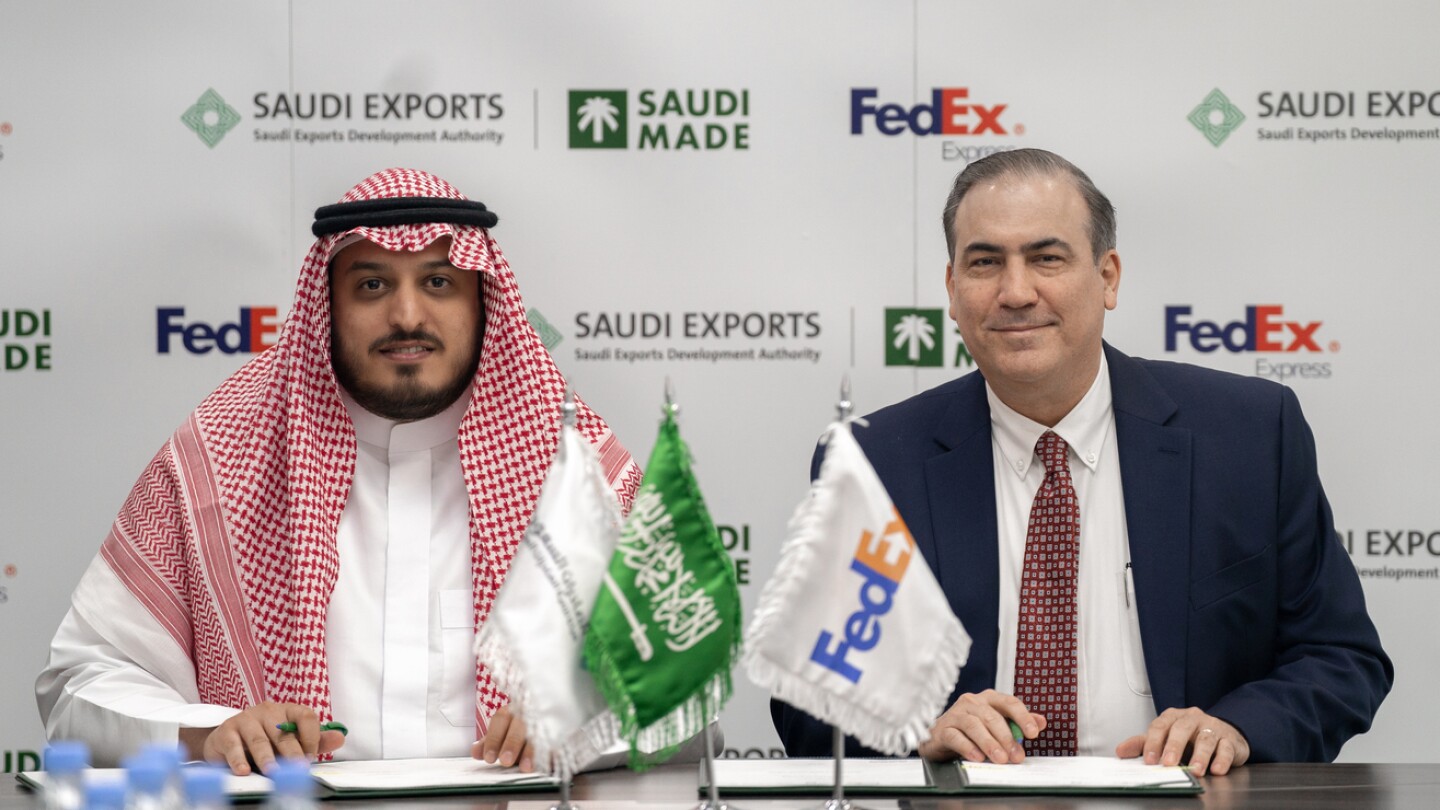
FedEx has gained an economic licence from Saudi Arabia’s General Authority of Civil Aviation to operate as a foreign air carrier, marking a significant expansion of its logistics footprint in the Kingdom. The move equips FedEx to conduct scheduled cargo services via King Khalid International Airport in Riyadh, with plans to operate 24 flights per month from early September 2025, establishing Riyadh as its regional hub linking continents.

The licence, granted on 2 September 2025, grants FedEx the ability to fly directly and to integrate air and ground operations across the Gulf Cooperation Council states. The announcement was made during a ceremony in Diriyah, attended by senior officials including Saleh Al‑Jasser, Minister of Transport and Logistics Services and Chairman of GACA; Abdulaziz Al‑Duailej, GACA President; and Dr Rumaih Al‑Rumaih, Acting President of the Transport General Authority, alongside FedEx executives.

FedEx introduced its first nonstop freighter service from the United States and Europe into Riyadh, operating six times a week with Boeing 777 aircraft. This route is the only express logistics connection offered by FedEx that bypasses other hubs, and continues onward to Guangzhou and Shanghai.

This direct link strengthens trade routes, particularly for high-priority sectors like energy, manufacturing, mining, healthcare and automotive, enabling temperature‑controlled, heavy, oversized or hazardous shipments. FedEx complements this airlift with its FedEx Logistics suite—air, road and sea freight forwarding, customs brokerage, and transit cargo support—aimed at enhancing supply chain resilience across the GCC, South Asia and Africa.

The company has developed end‑to‑end capabilities in the Kingdom, directly managing pickup, delivery and customs clearance through four gateways and four stations, supplemented by digital tools for shipping visibility and efficiency.

FedEx leadership emphasises Saudi Arabia’s role as a strategic logistics hub connecting Asia, Europe and the Americas. Richard Smith, Chief Operating Officer, International and CEO of the Airline at FedEx, cited the Kingdom’s infrastructure as a vital link in their global network. Kami Viswanathan, President of FedEx Middle East, Indian Subcontinent and Africa, underlined the integration of infrastructure, digital innovation and integrated solutions to aid Saudi businesses in competing globally.

These moves align closely with Saudi Vision 2030. The Aviation Programme aims to elevate Saudi Arabia’s aviation sector to the highest regional standards, targeting 330 million passengers, 4.5 million tonnes of air cargo, and air connectivity to 250 destinations by 2030. FedEx’s operations support these objectives by advancing industry capacity and reinforcing Riyadh’s prominence in logistics.

The expansion follows challenges earlier this year, when FedEx suspended economy parcel and freight services to the Kingdom from countries including India, Japan and the UK in March 2025. Service was halted temporarily, with FedEx noting it would resume “as soon as possible.”

Trade levels in Saudi Arabia have surged. The Kingdom posted a trade surplus of US$ 16.8 billion in Q1 2025, up 52 percent on the prior quarter, reflecting strong exports and demand for logistics infrastructure that FedEx is now well‑positioned to serve.

With strategic investments—including the creation of a global head office in Riyadh to oversee operations across Saudi Arabia, Bahrain, Kuwait and Qatar—FedEx reinforces its long‑term commitment to the region.

This expansion signals a departure from reliance on intermediaries or regional hubs outside the Kingdom; FedEx now controls its entire customs-to-delivery chain in Riyadh, laying the groundwork for faster transit, improved service reliability and deeper integration into global trade networks.

Emerging trends include rising demand for integrated logistics services, investment in digital tools for customs and tracking, and regional consolidation of supply chain operations. Key players alongside FedEx include Saudi authorities driving Vision 2030’s transport strategy, while GCC markets and commercial sectors increasingly rely on swift, dependable global connectivity.

Greenlogue/AP Dubai is gearing up to host the 11th World Green Economy Summit on 1–2 October 2025 at the Dubai World Trade Centre, where green finance will sit at the forefront of global climate discussions. Under the theme ‘Innovating for Impact: Accelerating the Future of the Green Economy’, the summit will convene policymakers, investors, business leaders, academics and innovators to mobilise capital toward equitable, sustainable growth. Organised […]

Commerce and Industry Minister Piyush Goyal said today that a free‑trade agreement with Oman will be finalised soon, while Qatar has expressed interest in negotiating a similar pact. Concurrently, he confirmed that negotiations with the European Union are gathering pace.

Speaking at a New Delhi event, Goyal assured exporters of government support to navigate global trade uncertainties—particularly those triggered by unilateral policies of other nations. He emphasised ongoing consultations with stakeholders, including Indian diplomatic missions, aimed at diversifying export markets and strengthening domestic consumption through Goods and Services Tax reforms. Goyal asserted that exports this year are poised to exceed last year’s levels.

Progress on the Oman front appears particularly advanced. Goyal characterised the India–Oman free‑trade agreement as “almost finalised,” suggesting that formal conclusion is within reach.

At the same time, Goyal reiterated that Qatar, along with Saudi Arabia, is keen on forging trade agreements with India, signalling growing interest from Gulf cooperation partners. Notably, India and Qatar had earlier set a goal to double bilateral trade to US$28 billion over five years—a vision reinforced by renewed discussions of a free‑trade pact.

Meanwhile, Europe remains a focal point. Goyal referenced rapid progress in FTA talks with the EU, and earlier this year had projected that negotiations could be concluded before the end of 2025. He expressed confidence that both sides may even exceed expectations and wrap up the deal ahead of schedule. The European Commissioner for Trade, Maroš Šefčovič, is expected in New Delhi in September to oversee the conclusion of the 13th round of discussions, which are likely to address remaining sticking points.

Goyal portrayed this as part of a broader, much‑intensified trade diplomacy, describing India’s approach as negotiations “from morning till evening” with multiple partners including the US, Chile, Peru, and others. He emphasised that each agreement will be grounded in national interest and industrial benefit, stressing that India will uphold its self‑respect and not compromise in negotiations—even as global trade tensions evolve.

These developments unfold against a backdrop of mounting trade headwinds. India’s share in global trade remains relatively modest, at around 2 percent, while nearly 40 percent of its exports to the US remain outside the scope of the newly imposed 50 percent tariffs—muting some of the trade impact.

India’s trade strategy appears to be one of diversification and resilience, deepening ties across regions—from the Gulf to Europe to the Americas. With multiple free-trade agendas advancing simultaneously, key pivots such as the Oman deal, Gulf engagement, and an EU agreement could reshape economic dynamics in the coming months.

HSBC Holdings Plc’s Swiss private banking division is severing ties with numerous high-net-worth individuals from the Middle East, a move aimed at reducing exposure to high-risk clients. This decision, which impacts more than 1,000 clients from countries including Saudi Arabia, Lebanon, Qatar, and Egypt, comes as part of the bank’s strategy to streamline its wealth management business and comply with evolving global financial regulations.

The clients affected are those with substantial assets, some exceeding $100 million, who will no longer be able to maintain accounts with HSBC’s Swiss arm. The bank’s decision reflects growing scrutiny over financial institutions’ relationships with clients deemed risky due to their geopolitical associations, business dealings, or regulatory concerns.

HSBC’s Swiss private banking unit, once a lucrative segment for the bank, has been subject to increasing pressure, particularly after several international regulatory challenges over the years. The Swiss division had long been a hub for wealth management services, catering to high-net-worth individuals seeking to safeguard and grow their assets. However, with stricter global regulations targeting the private banking sector, particularly surrounding anti-money laundering practices and financial transparency, HSBC has been forced to reassess its client base.

The bank’s decision to end these relationships comes as part of a broader push by financial institutions to reduce their exposure to high-risk clients. Over the past several years, there has been an uptick in global regulatory pressure aimed at preventing money laundering and promoting transparency, especially for private banks handling large sums of money. This has led some banks to adopt more stringent vetting procedures for clients, scrutinising not only their financial standing but also their backgrounds and business affiliations.

HSBC’s move aligns with the ongoing trend within the banking sector to de-risk their portfolios and distance themselves from controversial clients. Wealthy individuals from certain regions, particularly those in the Middle East, have increasingly come under the microscope due to political and legal concerns. For instance, clients who are heavily tied to governments or businesses with unclear or controversial financial practices have raised alarms for regulatory bodies.

In the case of HSBC, the bank is reportedly working to ensure that the wealth management division in Switzerland only maintains relationships with clients who meet its revised risk criteria. The bank’s decision, while part of an ongoing strategy to refine its client list, has caused concern among those impacted, who now face limited options for managing their wealth within Switzerland’s historically secure banking environment.

For many of the clients affected, the closure of their accounts represents a significant shift, as Swiss private banking has long been considered a safe haven for those seeking discretion, financial stability, and robust wealth management services. Some clients have expressed frustration over the decision, noting that their wealth and business activities have been fully transparent and compliant with international laws.

The Swiss banking landscape, however, is changing. With growing demands for increased transparency and a crackdown on illegal financial activities, institutions such as HSBC are recalibrating their approach to international wealth management. As financial regulations continue to tighten globally, private banks are expected to adopt more stringent policies regarding the kinds of clients they choose to serve.

HSBC’s move could set a precedent for other global financial institutions to follow. The bank’s focus on reducing its exposure to high-risk individuals in the Middle East highlights the changing nature of international banking. Other banks with significant wealth management operations, particularly in regions with unstable political environments or controversial business practices, may follow suit in an effort to mitigate risks and align with global financial regulations.

VISHNU RAJA
RYO YAMADA
HITORI GOTOH
IKUYO KITA