News related to
Qatar

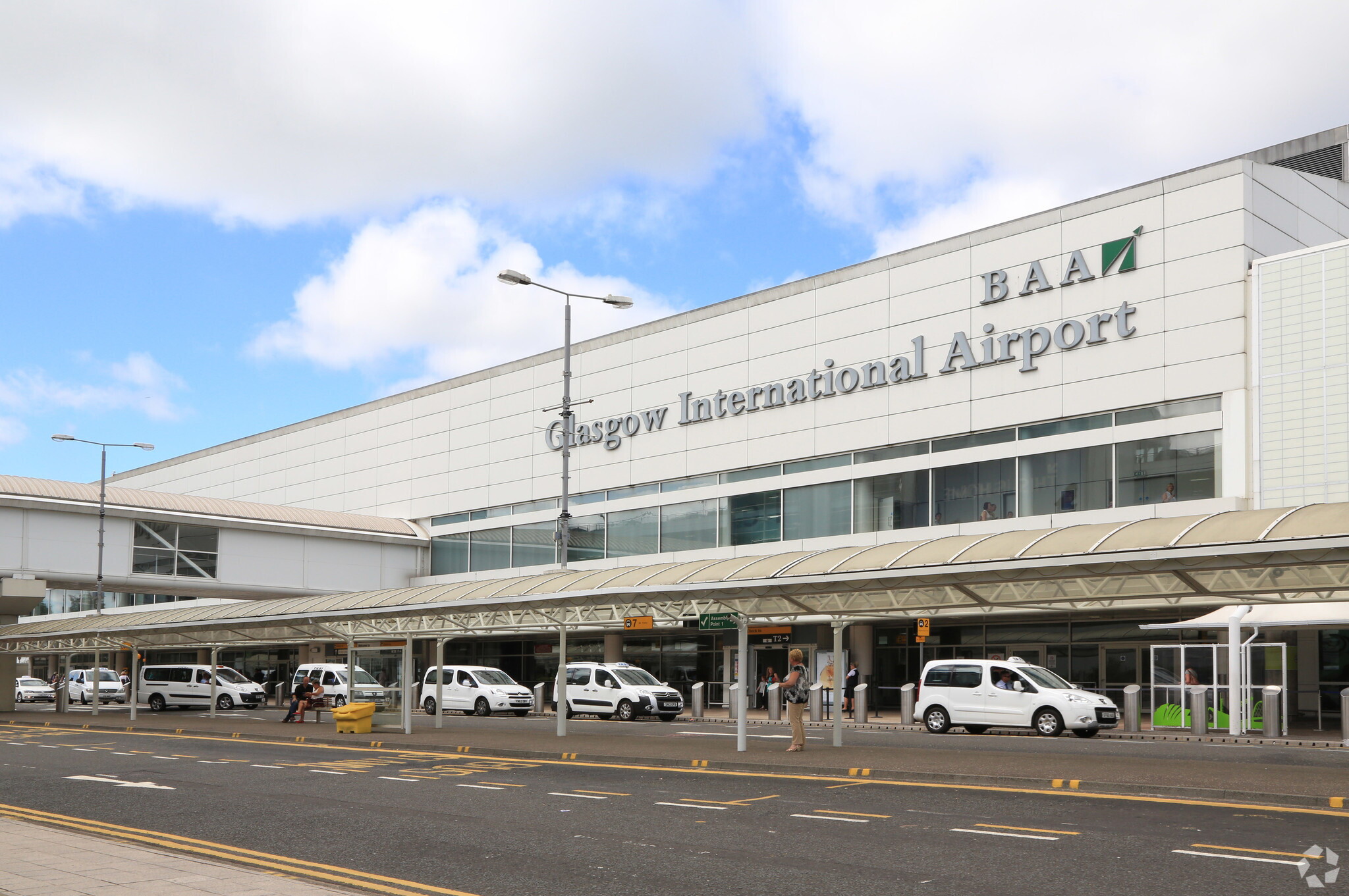
Blackstone, the US-based private equity firm, has agreed to acquire a 22% stake in AGS Airports, the operator of Aberdeen, Glasgow, and Southampton airports, for £235 million. The remaining 78% stake will continue to be held by AviAlliance, a subsidiary of the Canadian pension investor PSP Investments.

AGS Airports serves over 11 million passengers annually. The investment by Blackstone is aimed at supporting the growth of the UK’s travel and tourism industries. Greg Blank, CEO of Blackstone Infrastructure Strategies, highlighted that transportation remains a key focus area for the firm, citing the strong global growth in leisure travel.

AviAlliance, known for its investments in airports such as those serving Athens, Düsseldorf, Hamburg, and San Juan in Puerto Rico, acquired AGS last year from Ferrovial and Macquarie at an enterprise value of £1.5 billion. Sandiren Curthan, PSP’s global head of infrastructure investments, emphasized that both PSP and Blackstone are like-minded investors with long-term patient capital to support the development of AGS.

In a related development, Qatar’s Lesha Bank has indirectly acquired a stake in Edinburgh Airport through an investment in an infrastructure-focused fund managed by a renowned infrastructure fund manager. This move marks Lesha Bank’s entry into the global infrastructure investment market and aligns with its strategic focus on resilient asset classes.

These transactions reflect a broader trend of increased private investment in UK transport infrastructure. Private investors currently back several of the UK’s leading airports, including London’s Heathrow and Gatwick. Last year, Ferrovial agreed to sell the majority of its stake in Heathrow … .

The UK’s aviation sector has witnessed a surge in private investments, with firms like Blackstone and Lesha Bank seeking to capitalize on the burgeoning travel industry. Blackstone’s infrastructure unit has also invested internationally … , and the airport manager behind Rome … airports.

Lesha Bank’s investment in Edinburgh Airport is structured through a Shari’a-compliant financing arrangement, reinforcing its commitment to expanding its aviation and infrastructure portfolio. This acquisition follows Lesha Bank’s recent successful acquisition of several aircraft leased to a leading airline.

The influx of private capital into the UK’s airport infrastructure is expected to drive enhancements in airport operations and passenger experiences. AGS Airports, for instance, is implementing changes to accommodate larger aircraft and open new routes, aiming to boost traffic and connectivity.

Industry analysts suggest that such investments could lead to increased competition among airports, potentially resulting in better services and facilities for travelers. However, they also caution that the involvement of private equity firms may prioritize profitability, which could impact pricing structures and accessibility.

The UK’s aviation industry plays a crucial role in the nation’s economy, facilitating trade, tourism, and business travel. The recent investments by Blackstone and Lesha Bank underscore the sector’s attractiveness to global investors and its potential for growth in the coming years.

As these developments unfold, stakeholders will be keenly observing how the infusion of private capital influences the operational strategies and performance of these airports. The balance between profitability and public service will be a critical factor in determining the long-term success of these investments.

The aviation sector’s recovery post-pandemic has been marked by a resurgence in passenger numbers and an increased appetite for travel. Investments such as these are indicative of confidence in the industry’s rebound and its capacity to adapt to evolving market dynamics.

While the financial details of Lesha Bank’s stake in Edinburgh Airport have not been disclosed, the move signifies a strategic expansion into the UK market. Lesha Bank CEO, Mohammed Ismail Al Emadi, stated that the investment marks a significant milestone, aligning with the bank’s focus on infrastructure investments with robust growth potential.

The collaboration between established infrastructure investors like AviAlliance and new entrants such as Blackstone and Lesha Bank is expected to bring diverse perspectives and expertise to the UK’s airport operations. This could lead to innovative approaches in managing airport assets and enhancing passenger experiences.

As the landscape of airport ownership in the UK evolves, the emphasis will likely be on balancing commercial interests with the need to provide efficient, accessible, and high-quality services to the public. The involvement of private investors brings both opportunities and challenges in achieving this equilibrium.

The UK’s airports are vital hubs connecting the nation to the rest of the world. The recent investments signal a recognition of their importance and a commitment to their development and modernization. How these investments translate into tangible benefits for passengers and the broader economy remains to be seen.

The trend of private investment in airport infrastructure is not unique to the UK. Globally, investors are increasingly viewing airports as attractive assets, offering stable returns and opportunities for growth. The UK’s experience may serve as a case study for other nations considering similar investment strategies.
Gulf sovereign wealth funds are projected to manage assets totalling $18 trillion by 2030, representing a 50 percent increase from the end of 2024, according to a recent analysis by Deloitte Middle East. This growth underscores the region’s expanding influence in global finance, with Gulf SWFs currently holding approximately 40 percent of worldwide sovereign wealth assets. The Abu Dhabi Investment Authority leads the Gulf’s sovereign funds with […]

Matein Khalid If ever any investor needed a real time lesson in emerging markets risk, the timebombs in Ankara, Jakarta and Bogotá to provided it. President Erdogan ordered the arrest of his top rival Istanbul Mayor Ekrem İmamoğlu and triggered a 10% plunge in the lira against the US dollar, an exodus of offshore money from the local T-bill market and a horrific meltdown in Istanbul bank […]

Matein Khalid Starting in 2016, the US has morphed into the world’s largest LNG exporter, eclipsing Australia and Qatar. Trump is determined to achieve global energy dominance as he exploits the geopolitical leverage American LNG exports give him in his relations with Europe, Asia and the GCC. He has pledged to dramatically expand US natural gas production via his “drill baby drill” ethos, rescinded Biden’s environmental pause […]

Escalating conflict in the Middle East has led to significant upheavals in global financial markets. On March 18, 2025, Israel launched extensive airstrikes across the Gaza Strip, effectively ending a ceasefire that had been in place since January. These strikes resulted in over 400 Palestinian casualties, including many women and children, marking one of the deadliest 24-hour periods in the region since 2023. Israeli Prime Minister Benjamin […]

ADNEC Group has achieved a historic milestone by contributing AED8.5 billion to the UAE economy in 2024, surpassing the AED7.4 billion recorded in 2023. This achievement underscores the group’s expanding influence in bolstering economic growth and aligns with the UAE’s strategic goal of fostering a diversified, knowledge-based economy. Humaid Matar Al Dhaheri, Managing Director and Group CEO of ADNEC Group, remarked that 2024 has been a landmark […]

In a strategic move that could reshape the Middle East’s food delivery landscape, Talabat, a leading online food ordering company, has acquired InstaShop, an online grocery delivery platform. This acquisition underscores a growing trend towards consolidation in the region’s delivery sector, aiming to enhance operational efficiencies and expand market reach. Talabat, established in Kuwait in 2004, has evolved into a dominant player across the Middle East, operating […]

Advertisements

Saudi National Bank has successfully issued a $750 million five-year Formosa bond, attracting an order book totaling $1.1 billion, including $121 million from joint lead managers. The bond, priced at the Secured Overnight Financing Rate plus 120 basis points, is scheduled to be listed on the Taipei Exchange on 17th March. Crédit Agricole CIB and KGI Securities Co Ltd served as joint managers, with HSBC acting as the lead manager.

Formosa bonds are debt instruments issued in Taiwan but denominated in foreign currencies, typically targeting international investors seeking exposure to foreign issuers. This issuance marks SNB’s second foray into the Formosa market, following its inaugural $500 million five-year senior unsecured floating-rate note bond in July 2024. That initial issuance was part of SNB’s $5 billion Euro Medium Term Note Programme and was notable for being the first by a Saudi bank in the Taiwanese market.

The latest bond issuance underscores SNB’s strategic efforts to diversify its funding sources and strengthen its presence in international capital markets. The oversubscription by $350 million indicates robust investor confidence in SNB’s creditworthiness and the economic stability of Saudi Arabia. This confidence is further bolstered by the bank’s proactive engagement with a broad set of top-tier international investors, reflecting the strong appeal of SNB’s credit profile to the global investor community.

In the broader context, Gulf Cooperation Council banks have been increasingly tapping into the Formosa bond market to diversify their funding bases and access competitive pricing. For instance, Qatar National Bank Group, the region’s largest bank, completed a $1 billion five-year Formosa bond issuance under its Euro Medium Term Note Programme in the first half of 2024. This trend highlights the growing significance of the Formosa market as an attractive platform for Middle Eastern banks seeking to broaden their investor base and secure favorable funding terms.

SNB’s successful bond issuance aligns with Saudi Arabia’s Vision 2030 initiatives, which aim to diversify the Kingdom’s economy and reduce its dependence on oil revenues. By accessing international capital markets and engaging with a diverse range of investors, SNB is contributing to the development of a more resilient and diversified financial sector in Saudi Arabia.

The choice of SOFR as the benchmark rate for the bond pricing reflects a broader shift in global financial markets toward alternative reference rates, following the phase-out of the London Interbank Offered Rate . SOFR, based on overnight transactions in the U.S. Treasury repurchase market, is considered a more robust and reliable benchmark, aligning with international best practices.

In a historic shift, the White House has confirmed that U.S. officials are engaging in direct talks with Hamas, aiming to secure the release of American hostages held in Gaza. This development marks a departure from the longstanding U.S. policy of avoiding direct negotiations with the group designated as a terrorist organization since 1997. White House Press Secretary Karoline Leavitt acknowledged these discussions, stating, “These are ongoing […]

Talabat, the prominent Middle Eastern online food delivery platform, has completed the acquisition of InstaShop, a leading online grocery marketplace in the region, for $32 million. This strategic move, effective from February 25, 2025, aims to bolster Talabat’s presence in the grocery and retail sectors across the Middle East and North Africa region. The acquisition was fully financed through Talabat’s internal cash reserves, resulting in InstaShop becoming […]

Nyla Abaya, a distinguished online fashion brand, has launched its premium abaya collection in the United Arab Emirates , offering an array of handcrafted designs that blend traditional aesthetics with contemporary elegance. The brand’s online platform showcases a variety of abayas, each meticulously crafted to cater to the discerning tastes of fashion-conscious women in the region. The collection features abayas made from luxurious fabrics such as organza […]

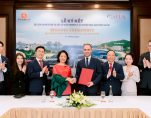
HA LONG, VIETNAM – Media OutReach Newswire – 4 March 2025 – Vingroup and global investment firm JTA Investment Qatar have announced a Memorandum of Understanding (MOU), opening up strategic investment opportunities in the electric vehicle and tourism sectors. Accordingly, JTA Investment Qatar recognizes VinFast’s global growth strategy, alongside the significant value of Vinpearl’s premium hotels and resorts, leading amusement parks and entertainment clusters, thereby aiming to […]

Abu Dhabi National Oil Company has formalised a 15-year sales and purchase agreement with Japan’s Osaka Gas, committing to supply up to 0.8 million tonnes per annum of liquefied natural gas from its Ruwais LNG project. This definitive contract transitions a prior heads-of-agreement into a binding commitment, marking the inaugural long-term LNG supply arrangement between the two corporations. The Ruwais LNG facility, currently under development in Al […]

A 2 Billion THB Investment in Pediatric Excellence and Smart Hospital Innovation BANGKOK, THAILAND – Media OutReach Newswire – 27 February 2025 – Samitivej Hospital, a leader in pediatric care, unveils its newly expanded standalone Samitivej International Children’s Hospital at Samitivej Srinakarin Hospital. Backed by a 2 billion THB investment, the expansion strengthens Samitivej’s commitment to becoming Asia-Pacific’s Leading Pediatric Referral Hub, providing specialized care, innovative treatments, […]

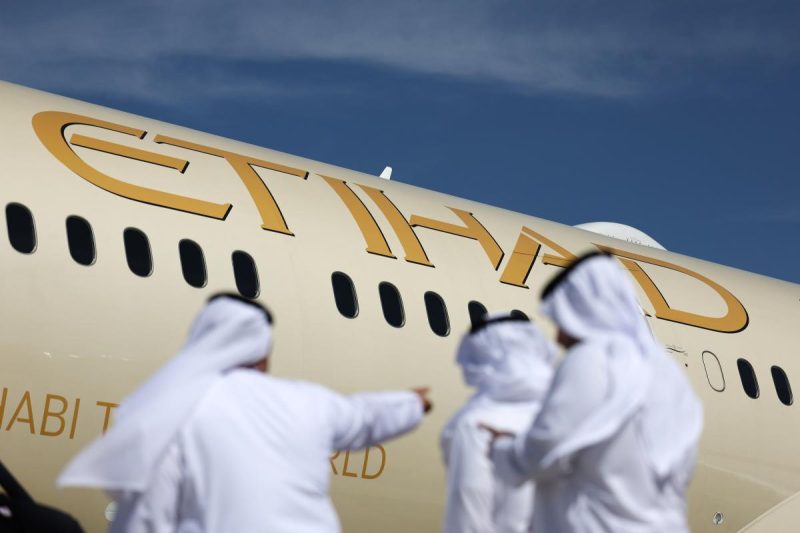
Etihad Airways is set to announce the launch of an initial public offering worth $1 billion, sources have revealed. This marks a significant milestone in the aviation industry, as it would be the first public listing by a major Gulf airline in nearly two decades.

The airline, which is fully owned by Abu Dhabi’s sovereign wealth fund ADQ, intends to offer 20% of its business to the public, with the funds raised being allocated towards accelerating its expansion plans. The decision to go public highlights Etihad’s ambitions to position itself as a stronger player in the global airline industry.

The move also underscores the growing trend among Gulf-based companies to raise capital through IPOs, following a wave of high-profile listings in the region. The Middle East has witnessed a surge in IPO activity in recent years, driven by a desire for diversification and economic growth, in line with the region’s broader efforts to reduce reliance on oil revenues.

Etihad’s decision to open up its equity to public investors is part of a larger strategy aimed at enhancing its operational capabilities and competing more effectively with regional and international rivals. The airline’s plans include expanding its fleet, increasing flight frequencies, and potentially adding new routes to cater to growing demand in key global markets.

The IPO also reflects the broader changes taking place in the aviation sector, particularly in the Gulf region. Airlines in the region, such as Emirates and Qatar Airways, have been aggressively investing in their fleets and expanding their networks in a bid to capture more market share. Etihad’s move to become a publicly traded entity comes as the airline looks to consolidate its position as a leading regional carrier, competing with its peers.

Sources close to the matter suggest that Etihad’s management team is optimistic about the potential success of the IPO, given the ongoing recovery in the global travel industry following the challenges posed by the COVID-19 pandemic. The airline is reportedly confident that investors will be attracted to its growth prospects, as air travel demand rebounds and the aviation sector experiences a strong recovery.

The IPO will be managed by a consortium of financial institutions, which are expected to handle the share sale process. The precise timing of the launch is yet to be confirmed, but it is anticipated to take place in the coming days. As part of the offering, Etihad is likely to sell a portion of its shares to institutional investors, with a smaller portion allocated to retail investors.

Etihad Airways has faced a challenging few years as it navigated the impacts of the global pandemic, which resulted in a significant decline in air travel demand. However, the airline has implemented a series of cost-cutting measures and streamlined its operations in an effort to adapt to the changing market environment. These efforts, coupled with its focus on expanding its network and enhancing its product offering, have positioned Etihad for long-term growth.

Despite the challenges faced by the airline, Etihad has remained committed to its vision of becoming a global aviation leader. The airline’s investment in new technologies, customer service initiatives, and sustainability measures has helped bolster its reputation and attract a loyal customer base. By tapping into the capital markets, Etihad hopes to strengthen its financial position and continue to invest in its future growth.

The IPO is expected to be closely watched by market analysts, investors, and industry experts alike, as it could signal the beginning of a new era for Gulf airlines. If successful, Etihad’s IPO could set a precedent for other regional carriers considering similar moves. Airlines in the region are under increasing pressure to modernize their fleets, improve operational efficiencies, and adapt to changing consumer preferences.

Etihad’s decision to go public is part of the wider trend in the Gulf region, where state-owned companies are increasingly seeking to diversify their operations and raise funds to support growth initiatives. The UAE government has been actively encouraging the privatization of certain state-owned entities to promote economic development and attract foreign investment.

The Ministry of Communications and Information Technology has introduced a pioneering ‘Digital Skills Framework’ aimed at accelerating Qatar’s digital transformation. This initiative delineates 115 distinct digital competencies across 19 key domains, structured into four progressive proficiency levels. The framework is designed to enhance digital literacy and expertise within both public and private sectors, aligning with the nation’s Digital Agenda 2030 and the Third National Development Strategy.

The Digital Skills Framework serves as a foundational tool to standardize digital competencies across various industries in Qatar. By categorizing skills into beginner, intermediate, advanced, and expert levels, the framework provides a clear pathway for individuals and organizations to assess and develop their digital capabilities. This structured approach ensures that the workforce is equipped to meet the evolving demands of a digitally-driven economy.

In conjunction with the launch of the Digital Skills Framework, MCIT has established the ‘Digital Skills Working Group.’ This collaborative body comprises representatives from various government entities and aims to foster the development of digital skills nationwide. The working group is tasked with coordinating efforts to implement the framework effectively, identifying opportunities for digital upskilling, and addressing challenges related to digital competency development. Regular quarterly meetings are scheduled to ensure continuous progress and alignment with national digital strategies.

The introduction of the Digital Skills Framework and the formation of the working group are integral components of Qatar’s broader strategy to position itself as a leading digital economy. The Digital Agenda 2030 outlines key pillars, including the enhancement of digital infrastructure, promotion of digital innovation, and integration of smart technologies across various sectors. By focusing on these areas, Qatar aims to create a conducive environment for technological advancement and economic diversification.

In a significant move to bolster its digital transformation efforts, Qatar has entered into a five-year partnership with Scale AI, a San Francisco-based artificial intelligence solutions provider. This collaboration is set to deploy AI-powered tools and training programs to enhance government services. Scale AI will develop over 50 AI use cases tailored to Qatar’s governmental needs, incorporating predictive analytics, automation, and advanced data analysis. This initiative is expected to streamline operations and improve public service delivery, positioning Qatar at the forefront of AI integration in governance.

The partnership with Scale AI underscores Qatar’s commitment to leveraging cutting-edge technologies to drive national development. By integrating AI solutions into government operations, Qatar aims to enhance efficiency, reduce operational costs, and provide more responsive services to its citizens. This initiative also reflects a broader trend among Gulf nations to invest in artificial intelligence as a means to diversify their economies and reduce dependence on hydrocarbon revenues.

Qatar’s focus on digital transformation is further evidenced by its substantial investments in digital infrastructure. The Qatar Investment Authority has announced plans to merge Qatar National Broadband Network with Gulf Bridge International , aiming to create a national leader in telecommunications. This merger is expected to enhance the country’s digital and AI infrastructure, providing a robust foundation for future technological initiatives. Additionally, telecommunications company Ooredoo is expanding its regional data centers to meet the growing demand for AI applications, further solidifying Qatar’s position as a digital hub in the region.

Qatar’s government has entered a five-year partnership with San Francisco-based Scale AI to integrate artificial intelligence into its public services. This collaboration aims to enhance operational efficiency and service quality across various government sectors.

The Ministry of Communications and Information Technology announced that the agreement focuses on deploying AI-powered tools such as predictive analytics, automation, and advanced data analysis. These technologies are expected to streamline government operations, making them more responsive and effective.

Over the next five years, Scale AI will develop more than 50 AI use cases tailored to Qatar’s governmental needs. Trevor Thompson, Scale AI’s global head of growth, emphasized the significance of this initiative, stating it “can be a blueprint for other governments around the world” and reflects a commitment to driving impactful change swiftly.

This move positions Qatar competitively in the regional race for AI leadership, especially amid similar advancements by neighboring countries like Saudi Arabia and the United Arab Emirates. The financial specifics of the deal have not been disclosed.

Founded in 2016, Scale AI specializes in providing accurately labeled data essential for training AI models. The company collaborates with major clients, including Microsoft and Morgan Stanley, to create and refine datasets that power various AI applications.

The partnership aligns with Qatar’s broader strategy to modernize its public sector through digital transformation. By integrating AI solutions, the government aims to improve service delivery, reduce operational complexities, and foster a more efficient administrative environment.

As part of the agreement, Scale AI will also offer training programs to develop the skills of Qatar’s national workforce. This initiative is designed to equip government employees with the necessary expertise to manage and sustain AI-driven systems, ensuring long-term success and self-reliance in technological operations.

The collaboration is expected to yield several benefits, including enhanced data-driven decision-making, improved public service responsiveness, and the creation of new opportunities within the tech sector. By embracing AI, Qatar aims to set a precedent for innovative governance in the region.

This development comes as part of Qatar’s ongoing efforts to diversify its economy and reduce reliance on hydrocarbon revenues. Investing in cutting-edge technologies like AI is a strategic move to build a knowledge-based economy and position the nation as a hub for technological innovation.

The successful implementation of AI solutions in government services could serve as a model for other nations seeking to modernize their public sectors. Qatar’s proactive approach demonstrates a commitment to leveraging technology for national development and improved quality of life for its citizens.

Qatar Islamic Bank has been distinguished as the ‘Best SME Bank’ in Qatar by Global Finance as part of its 2025 GW Platt Foreign Exchange and SME Bank Awards. This accolade underscores QIB’s pivotal role in supporting small and medium-sized enterprises within the nation, contributing significantly to economic diversification, private sector expansion, and financial inclusion. Global Finance’s annual awards identify financial institutions worldwide that demonstrate exceptional leadership […]

Türkiye has launched its inaugural New-Type Landing Craft Tank at the Anadolu Shipyard in Istanbul, marking a significant advancement in the nation’s naval capabilities. The vessel, designated YLCT C-159, is the first of eight planned ships under a project initiated in early 2024 by the Presidency of Defense Industries.

The contract for these advanced amphibious vessels was signed in April 2024, and just ten months later, the first ship has been successfully launched. The remaining seven ships are slated for completion within the next 27 months, with the second YLCT expected to launch within a week. This accelerated timeline underscores Türkiye’s commitment to enhancing its naval fleet with domestically produced assets.

Haluk Gorgun, head of Turkish Defence Industries, expressed pride in this milestone, stating that it brings Türkiye closer to its goal of a stronger and more deterrent navy in the “Blue Homeland.” The YLCTs are designed to transport various vehicles and personnel, playing a crucial role in combat missions, disaster response, humanitarian aid, and evacuation operations.

Over the past 23 years, Türkiye has significantly increased the domestic production rate of its naval platforms from 20% to 80%. This achievement positions the country among a select group capable of designing, building, and maintaining a comprehensive range of military ships, including amphibious assault ships, support vessels, combat ships, and submarines.

The Anadolu Shipyard, located in Tuzla, Istanbul, has been instrumental in this progress. Founded in the early 1950s, the shipyard has evolved from building sailing yachts to advanced military vessels. It boasts facilities capable of constructing ships up to 17,000 DWT, with two shipways measuring 200 meters and 140 meters, respectively. The shipyard can simultaneously build up to six vessels, reflecting its substantial capacity and expertise.

In addition to bolstering its own naval forces, Türkiye has made strides in exporting domestically produced warships. The country has delivered vessels to nations such as Indonesia, Malaysia, Pakistan, Nigeria, and Qatar. Notably, in December 2024, Turkish defense company STM announced a contract to build two naval logistics ships for Portugal, marking Türkiye’s first military shipbuilding export to a NATO and EU member state.

The YLCT class ships are poised to enhance Türkiye’s operational capabilities significantly. These vessels are designed for high-speed operations, capable of transporting tanks, troops, and supplies during various missions. Their versatility makes them invaluable assets for both military logistics and humanitarian efforts, including natural disaster response and evacuation operations.

The launch of YLCT C-159 signifies a broader national effort to develop a self-sufficient defense industry. Türkiye’s focus on domestic production aims to reduce reliance on foreign suppliers and strengthen its strategic autonomy. This initiative aligns with the country’s long-term vision of becoming a formidable maritime power, capable of projecting influence and ensuring security within its regional waters and beyond.

As the remaining YLCT vessels are completed and integrated into the fleet, Türkiye’s naval forces will experience a substantial boost in their operational readiness and versatility. The successful execution of this project reflects the nation’s growing industrial capabilities and its determination to assert itself as a key player in the global defense sector.

The Anadolu Shipyard’s role in this endeavor cannot be overstated. With a history dating back to the 1950s, the shipyard has transformed into a hub of advanced naval construction. Its facilities, including two expansive shipways and multiple quays, enable the construction and maintenance of a wide array of vessels. The shipyard’s capacity to build up to six ships simultaneously highlights its strategic importance to Türkiye’s defense infrastructure.

Looking ahead, Türkiye’s investment in domestic naval production is expected to yield significant economic and strategic benefits. The development of indigenous shipbuilding capabilities not only enhances national security but also opens avenues for international collaboration and export opportunities. As Türkiye continues to modernize its fleet, it sets a precedent for self-reliance and innovation in defense manufacturing.

The launch of the first YLCT ship represents a pivotal moment in Türkiye’s maritime history. It exemplifies the nation’s commitment to strengthening its naval forces through domestic ingenuity and production. As subsequent vessels join the fleet, Türkiye is poised to enhance its maritime security and project power more effectively on the global stage.

Saudi Arabia is poised to lead the Middle East and North Africa region in initial public offerings in 2025, with 27 companies planning to list on its stock exchange. This surge underscores the Kingdom’s efforts to diversify its economy and strengthen its capital markets. According to a report by EY, the MENA region anticipates 38 company IPOs and 22 fund listings in 2025, spanning various sectors. The […]

By Cihan Tuğal DAMASCUS: As the smoke settles on the fall of Bashar al-Assad’s regime in Syria and its replacement by Islamist leadership under Hayat Tahrir al-Sham (HTS), it is clear that Turkey’s far-right governing bloc has emerged from the tumult strong and emboldened. What is less clear is whether this will mean that Recep […]
By Sushil Kutty In a special gesture Prime Minister Narendra Modi went to the Indira Gandhi International Airport on Monday and received the Amir of the State of Qatar, Sheikh Tamim Bin Hamad Al Thani. And in another special gesture, because the Amir is extraordinarily tall, security personnel assigned to stand at guard at the […]


Qatar has unveiled a significant reduction in business set-up fees, a move aimed at making it easier for entrepreneurs to establish entities within the country’s growing financial hub. The Qatar Financial Centre announced that the application fee for licensing an entity within its platform will be reduced by a staggering 90%, dropping from $5,000 to $500.

This reduction applies specifically to businesses that will engage in non-regulated activities within the QFC, although Single Family Offices are excluded from the fee cut. The new initiative is designed to lower entry barriers and encourage more entrepreneurs and businesses to take advantage of Qatar’s thriving financial ecosystem.

The QFC, a key pillar in Qatar’s economic diversification strategy, has positioned itself as a dynamic platform for both local and international companies seeking to operate in the region. This step reflects the country’s growing emphasis on fostering a more open and accessible business environment, especially as it seeks to attract startups, SMEs, and other entrepreneurs from around the globe.

The decision to slash set-up costs for businesses seeking to operate in the QFC is part of Qatar’s broader agenda to strengthen its competitive edge in the Middle East and North Africa region. By making it easier to establish companies, Qatar aims to tap into the growing demand for financial services and other non-regulated activities.

The move is also expected to benefit those looking to establish smaller, niche companies that might not otherwise have considered Qatar as a viable business location due to high initial costs. Qatar’s commitment to creating a more entrepreneur-friendly landscape aligns with its long-term vision of fostering sustainable growth through diversification and innovation.

Notably, while the QFC’s new fee structure is designed to attract entities with non-regulated business models, it also sends a message to the broader market about Qatar’s evolving role as a business hub in the region. By reducing the cost of entry, the country hopes to level the playing field for businesses of all sizes and industries.

This fee reduction aligns with Qatar’s wider economic reforms, including those that aim to ease regulations on foreign investments, offer tax incentives, and provide better access to capital for emerging businesses. The QFC’s efforts also reflect Qatar’s strategic aim of becoming a more diversified, competitive, and resilient economy, reducing its reliance on traditional sectors such as oil and gas.

In recent years, the country has made substantial strides in creating an environment conducive to growth and innovation. Initiatives like this are likely to play a key role in positioning Qatar as an attractive destination for foreign direct investment , which will be pivotal for future economic expansion.

The move is also in keeping with global trends that see financial centres and business hubs competing to provide the most appealing regulatory and fiscal environments. Qatar is positioning itself to meet the growing demand for digital finance, fintech, and other non-regulated sectors, where opportunities for growth and profitability are seen to be abundant.

In addition to these measures, Qatar’s focus on creating a more transparent and streamlined regulatory environment has been instrumental in its quest to attract international businesses. The QFC offers a competitive range of services designed to simplify processes for companies, including business licensing, tax exemptions, and operational support, further enhancing its appeal to potential investors.

Qatar’s economic diversification strategy is being closely monitored by industry experts, with many recognising the country’s growing importance as a business and financial hub in the Gulf region. By lowering business entry fees and removing traditional barriers to establishment, Qatar is positioning itself as a forward-thinking, business-friendly nation eager to promote entrepreneurship and global investment.

Given its strategic geographical location and political stability, Qatar is increasingly seen as a secure and profitable gateway for businesses looking to access the broader MENA region. The government’s proactive approach to enhancing the business climate, evidenced by the fee reduction, has already yielded tangible results in attracting international investors and business operations to the country.

While the new fee structure is a positive development for the QFC, it is also crucial to consider how it will resonate with other financial hubs in the region, such as Dubai and Abu Dhabi. These cities have long been established as business destinations, with comprehensive support networks and attractive fiscal policies. Qatar’s recent measures indicate an understanding of the need to foster a competitive business environment, but the long-term impact on regional competition remains to be fully seen.

For now, however, the move to significantly reduce business licensing fees is expected to boost Qatar’s image as a modern, progressive economy that is actively seeking to expand its footprint in the international business world. It also reflects the wider trend of economic liberalisation and market-friendly reforms sweeping across the Gulf region.

Saudi Arabia holds the largest portion of the Gulf Cooperation Council’s debt capital market , accounting for 44.8 percent of all outstanding issuances, according to recent data from Fitch Ratings. This makes the kingdom a dominant player within the region’s financial landscape, which has seen substantial growth over the past year. The total value of the GCC’s debt capital market surpassed $1 trillion by the end of […]

VISHNU RAJA
RYO YAMADA
HITORI GOTOH
IKUYO KITA