Just in:
Travel Insurance Was Built for the Few Who Claim. Ancileo’s Felt Coverage™ is for Everyone Else // Dubai Introduces SHARH, an AI-Powered Platform Helping Entrepreneurs Buy, Sell and Manage Businesses in the UAE // LittleLives, Little Lab and SEGi College Sign MOU to Explore Early Childhood Education Collaboration Across ASEAN // Russia permits retail cryptocurrency purchases under regulated framework // NASA tests supersonic Mars rotors for heavier payloads // Sharjah clears Kalba free zone plan for 400MW complex // 2026 Tropical Rainforest Ecosystem Partners Conference Kicks off in Hainan // International Business Leaders Say Xi’s Speech Boosts Confidence in Asia-Pacific Cooperation // Sui activates Hashi Bitcoin lending across partner network // AXS and PayerMax Advance Omnichannel Payment Acceptance for Merchants // Antony’s wife called to police station with husband over complaint // Oil futures rebound after Riyadh strikes and tanker alerts // Anthropic’s debut is lifting markets, but someone is still paying for it // Thailand’s Most Iconic New Year’s Celebration Returns: ICONSIAM Unveils “Amazing Thailand Countdown 2027” // Toward a Shared Future for Humanity: Rethinking Civilizational Exchange // Women held for plot to rob pilgrims // Malappuram hartal over Western Ghats // Phancy Announces Business Performance for the Nine Months Ended September 30, 2026 // Jaiedco and Golden Bridge Announce Strategic Collaboration for a New Dubai Islands Development // Yeebo Announces Interim Results for FY26/27 Revenue Increases by 45.5% to HK$806.7 Million Profit Attributable to Owners Surges 87.6% to HK$2,284.7 Million //

News related to
voice

Businesses across Houston are accelerating their transition to Voice over Internet Protocol blended with cloud services, aiming to streamline communication, enhance customer experience and reduce costs. Leading this shift is Phonoscope Communications, a Houston-based provider that leverages its fibre-optic metro network to integrate VoIP and cloud-based services for enterprises across eight counties. With a history dating to 1953—and pioneering two-way videotelephony in schools—Phonoscope now supplies unified voice, […]

Reddit is exploring integration of Worldcoin’s iris‑scanning Orb technology to verify that account holders are genuine, unique individuals while preserving user anonymity. The move aims to curb bot activity and AI‑generated content, and to comply with emerging age‑verification regulations. In discussions with Tools for Humanity, the Orb would capture an encrypted representation of a user’s iris—known as an IrisCode—to assign a secure, anonymous World ID. That identifier confirms […]

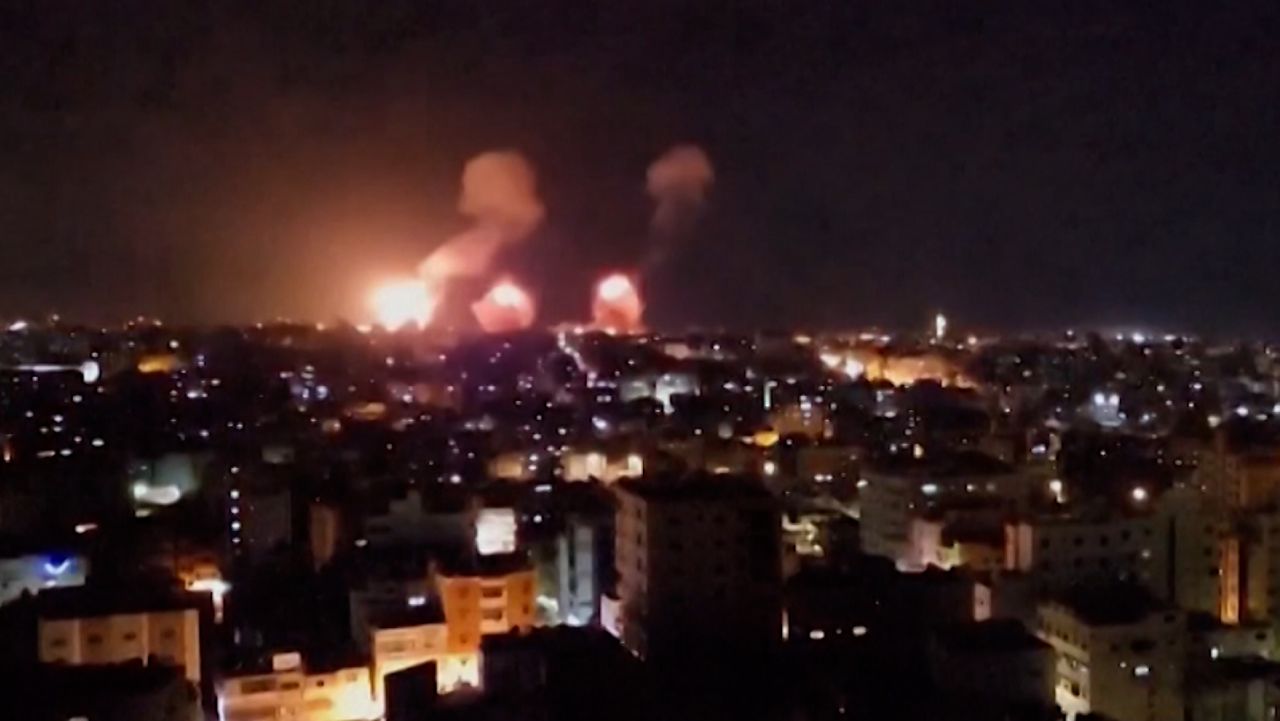
Oil markets swung sharply following the US Air Force’s striking of Iran’s Fordow, Natanz and Esfahan nuclear facilities on 21 June, triggering a fresh wave of geopolitical risk. Brent crude futures jumped over 11 per cent earlier this week after Israeli attacks, and traders are now preparing for further price volatility once global trading resumes.

President Trump described the operation as a “spectacular military success” and warned that more targets await if Iran does not seek peace. The US employed six B‑2 bombers laden with GBU‑57 “bunker‑buster” bombs—ordnance only capable of penetrating Fordow‘s deep underground vaults. Natanz and Esfahan were also hit, reportedly using Tomahawks from submarines.

Market analysts warn that disruption to Iran’s 2.5 million barrels per day export capacity, plus the threat of a shutdown of the Strait of Hormuz, would lift risk premiums sharply. Oxford Economics estimates oil could reach $130 a barrel if Iran decides to close the Strait, sending inflation soaring.

Investors are preparing for turbulence in equities and a rush towards safe-haven assets like the US dollar and gold. Potomac River Capital’s CIO, Mark Spindel, warned of markets being “initially alarmed” with heightened volatility continuing until the extent of the damage is confirmed.

Global markets have seen mixed signals: while crude prices surged up to 18 per cent since Israel’s June 13 raids, equities such as the S&P 500 have remained relatively steady. Predicting a deeper sell-off may depend on whether Iran follows through with threats — including disrupting the Strait, leveraging regional proxies, or escalating cyber campaigns.

Iran’s official response has been defiant rather than conciliatory. Tehran’s Atomic Energy Organisation assures no radiation has been released, and lawmakers claim the damage is superficial and repairable. Iran’s foreign ministry has labelled the strikes “outrageous” and cautioned that the consequences will be “everlasting”.

Global leaders have voiced alarm. New Zealand’s foreign minister urged all parties to “de-escalate and return to diplomacy”, while Australia and Mexico emphasised restraint and dialogue. Venezuela and Cuba condemned the strikes as violations of international law, calling for immediate halt to military action.

Oil market specialist Saul Kavonic warns Brent could move towards $100 a barrel “depending on Iran’s retaliation”. While Saudi output increases may buffer short-term shortages, traders recognise that any direct counterstrike on Gulf tanker routes or infrastructure would compound risk.

The destruction of key nuclear enrichment sites may set back Iran’s nuclear programme temporarily. Yet experts caution that the regime’s scientific expertise cannot be fully neutralised and the damage might harden Tehran’s resolve to pursue a bomb. This may also hinder diplomatic engagement, as Iran could withdraw from the Nuclear Non‑Proliferation Treaty and cease cooperation with the IAEA.

In financial hubs and oil centres from London to Shanghai, traders are reviewing risk models, stress-testing portfolios and hedging energy exposure. Asian markets, heavily reliant on Gulf crude, could face inflationary pressure if shipping routes are disrupted.

A key question now is whether the United States and its allies will pursue further strikes or shift to diplomatic pressure. Trump’s administration insists that Iran now has a binary choice: embrace peace or face further “precision” strikes. Critics warn that without congressional authorisation, deeper military involvement risks entangling the US in a long-term Middle East conflict.

Arabian Post Staff -Dubai Meta has unveiled the Oakley Meta HSTN, a new smart glasses model tailored for sports enthusiasts that introduces high-resolution video and extended battery life. Pre-orders open on 11 July for the premium $499 edition, with standard variants priced from $399 available later in the summer. Initial markets include the US, Canada, UK, select European countries, Australia, and later expansions slated for Mexico, India, and the […]

MANILA, PHILIPPINES – Media OutReach Newswire – 20 June 2025 – Women usually play an important role in family car-buying decisions, and the VinFast VF 6, recently launched in the Philippines, meets the key priorities of many women buyers. The old stereotype paints a familiar picture: men kick tires, debate horsepower, and make the final call on family cars. Reality tells a different story. According to CDK […]

Santos Ltd’s board of directors has endorsed a US $18.7 billion cash offer from an Abu Dhabi-led consortium, pledging immediate relief for stretched gas markets but plunging Australia into a high-stakes national interest conflict. The bid, sponsored by ADNOC’s investment arm XRG alongside ADQ and Carlyle, offers A$8.89 per share—a 28 per cent premium to Santos’s market value—while assuming A$36.4 billion in enterprise debt. It marks the largest all‑cash takeover ever in […]

Twelve consolidated copyright suits filed by US authors and news outlets against OpenAI and Microsoft have landed in the Southern District of New York, elevating the question of whether the extent of human input in AI training crosses the threshold of lawful fair use. The judicial panel cited shared legal and technical claims involving unauthorised use of copyrighted material, notably books and newspapers, as justifying centralised legal […]

Advertisements
By P. Sudhir It may appear rather unusual to recall the inglorious sequence of events that began at midnight on June 25, 1975, with the declaration of the Internal Emergency. However, we are reminded of those immortal words of wisdom: ‘those who tend to forget the lessons of history are condemned to repeat them.’ These […]

A ballistic missile launched by Iran struck the Tel Aviv Stock Exchange building in Ramat Gan on 19 June 2025, inflicting substantial structural damage in the heart of Israel’s financial district. This incident occurred amid a coordinated barrage that also hit key civilian infrastructure elsewhere, including Soroka Medical Centre in Be’er Sheva, intensifying already volatile regional tensions.

Sirens wailed across central and southern Israel as air defence systems engaged waves of inbound missiles. Between 20 and 30 ballistic projectiles were reported, an escalation surpassing previous exchanges earlier this monthꟷnotably those on 15 and 16 June, which injured dozens and damaged residences in Tel Aviv, Bat Yam and Haifa. This latest salvo targeted multiple urban areas, with at least 32 civilians confirmed wounded by Magen David Adom teams, some in serious condition.

The stock exchange structure, known as Birsa, sustained extensive facade damage and shattered windows, with parts of surrounding offices impacted. Video footage circulated online showing debris falling from upper floors into streets below. Emergency crews were deployed immediately to evacuate employees and assess structural integrity, though no fatalities were reported at the site.

In parallel, Soroka Medical Centre at Be’er Sheva—Israel’s principal hospital serving around one million residents with more than 1,000 beds—was also struck. Footage and eyewitness reports confirmed significant damage: roof collapse in some wards, shattered glass across corridors and injuries among both patients and medical staff. Hospital officials imposed strict access controls, advising the public to avoid the area as emergency protocols were activated.

Israel’s air-defence systems, including Iron Dome and Arrow batteries, intercepted many of the missiles but failed to prevent all impacts. Some missiles penetrated defences and struck densely populated neighbourhoods, damaging residential high-rises and injuring civilians. This pattern marks a troubling shift. Previous intercepts had been more successful, but the latest strikes have underscored vulnerabilities in urban protection.

The missile offensive came as retaliation for Israel’s strikes on Iranian nuclear facilities. Earlier on 19 June, Israeli aircraft reportedly struck the heavy-water reactor at Arak and a related plutonium-production component, in what the Israeli government called efforts to disrupt Tehran’s nuclear capabilities. Iran’s state media countered that the reactor had been evacuated in advance and there was no radiation leak.

Prime Minister Benjamin Netanyahu publicly condemned the missile strikes on Israel’s financial hub and its hospital network, accusing Iran’s leadership of targeting civilians and vowing that Tehran “will pay the full price”. Defence officials say that Iran deployed over 25 missiles targeting Israeli urban centres during this wave.

Humanitarian services are stretched thin. Magen David Adom paramedics reported at least 32 people with injuries ranging from shock and minor shrapnel wounds to serious trauma in Be’er Sheva and Tel Aviv. Hospitals near strike zones have diverted critically ill patients and limited admissions to emergencies, raising concerns over the continuity of essential health services.

Economically, the assault on the stock exchange reverberated across markets. While share trading has continued, operational disruptions occurred as staff evacuated and investigations into building safety commenced. Analysts note that the financial centre embodies Israel’s economic resilience, but warn that repeated infrastructure targeting injects uncertainty into investor sentiment.

As missiles fly in both directions, global powers are watching warily. US President Donald Trump indicated possible military support for Israel pending internal approval, while European leaders called for restraint and emphasised the potential for diplomatic channels. The International Atomic Energy Agency has voiced alarm over Iran’s uranium enrichment practices, now exacerbated by military confrontations sparked by retaliatory airstrikes.

Israeli authorities warn that this may be Iran’s most sustained attack yet, burning through long-range arsenal previously reserved for strategic military targets. Intelligence assessments suggest Iran is deploying missiles intensively—over 400 since the conflict’s escalation—though only a fraction have struck urban centres.

With civilian infrastructure clearly in the crosshairs, the stakes are escalating dangerously. Analysts warn that further strikes on hospitals, markets or cultural institutions may invite stronger Israeli countermeasures, potentially widening the conflict. For now, cities remain on high alert as missiles continue to disrupt daily life and rattle the foundations of an already tense Middle East.

The U.S. Senate has enacted the GENIUS Act, the first-ever federal framework for regulating dollar‑pegged stablecoins, with a decisive 68–30 bipartisan vote on 17 June 2025. Eighteen Democrats joined Republicans in supporting the legislation, which now advances to the House and is expected to reshape Washington’s digital asset rules.

The bill mandates that stablecoin issuers back tokens with liquid assets such as U.S. Treasuries, require regular financial disclosures and adhere to anti‑money‑laundering measures. It grants banks the authority to issue stablecoins, while explicitly restricting executive branch officials and legislators from sharing in their profits—a direct response to concerns over conflicts of interest.

A surge in crypto-sector investment in political campaigns appears to have shifted momentum. Industry spending topped $119 million in support of pro‑crypto congressional candidates during the 2024 cycle. Lobbyists then intensified efforts to engage Democratic lawmakers, viewed as essential for reaching the 60-vote threshold in the evenly divided Senate.

Internal communications among Democratic operatives reveal strategic alignment with crypto backers. In a private group chat described in reporting by the Lever, coalition members acknowledged that, despite ethical concerns, opposing the industry would be “political suicide.” One member reportedly observed that any amendment targeting Trump‑family conflicts would be “DOA,” suggesting token amendments offered for optics rather than impact.

Legislators including Senator Elizabeth Warren have voiced misgivings, arguing that the bill inadequately shields consumers or addresses risks associated with big‑tech or foreign‑issued stablecoins. She contends it grants too much leeway to the likes of former President Donald Trump’s crypto ventures, such as the Trump memecoin and World Liberty Financial.

The crypto lobby’s efforts have extended beyond campaign funding to retention of influential political operatives. Coinbase, for instance, recently appointed veteran Democratic strategist David Plouffe to its advisory board, joining a roster of insiders from both parties. Observers note this reflects crypto’s emerging status as a “politically competitive” constituency.

The political dynamic has shifted decisively. As AP reports, Democrats are balancing distrust of Trump-linked crypto enterprises with newfound recognition of the sector’s electoral influence. Backing the GENIUS Act became for many a strategic necessity, notwithstanding deep ideological resistance to deregulation.

The Senate vote occurred amid broader legislative discussions. The CLARITY Act—aimed at clarifying agency jurisdiction across the SEC and CFTC—is under consideration in the House Financial Services Committee. Some lawmakers propose merging the stablecoin and authority-defining bills, though others caution it could delay the GENIUS Act’s passage.

Crypto industry leaders view the GENIUS Act as a critical precursor to more comprehensive legislation. Ledger’s Head of Global Policy, Seth Hertline, described the Senate’s action as “a political bellwether” for the sector’s broader legislative agenda.

The bill’s passage also intersects with Trump’s personal crypto interests. His family’s stablecoin projects have sparked accusations of profiteering and lobbying for relaxed oversight. Critics warn that current legislative safeguards fall short of preventing conflicts of interest.

The next phase lies in the House, where Republican leadership must reconcile the Senate’s GENIUS Act with its own STABLE Act or integrate it into broader regulatory plans. Some Republicans advocate adding provisions to limit central bank digital currency initiatives, though such measures may complicate Senate approval.

Major stablecoin issuers such as Tether and Circle —together controlling over $200 billion in supply—stand to gain regulatory clarity and legitimacy if the GENIUS Act becomes law. Recent moves by major corporates, including JPMorgan’s planned stablecoin on Coinbase’s Base chain and indications that Amazon and Walmart are exploring token issuance, signal growing private‑sector enthusiasm.

As the House deliberates, questions remain whether the Senate’s bipartisan vote marks the start of a fully fleshed-out U.S. crypto regulatory regime—or the culmination of a high-stakes battle between policy integrity and political pragmatism.

Abu Dhabi’s state‑owned oil giant ADNOC has unveiled plans to escalate its U.S. energy investments six‑fold over the next decade, targeting a total of $440 billion. Speaking in Washington on 17 June, Sultan al‑Jaber, ADNOC Chief Executive and UAE Minister of Industry and Advanced Technology, declared that the American market is “not just a priority; it is an investment imperative” for the company’s global expansion.

Al‑Jaber underlined the urgency of the move, emphasising that artificial intelligence represents a “once‑in‑a‑generation investment opportunity.” He pointed out that the growth of data centres driven by AI will demand substantial power— “The next stage of evolution” in energy consumption, he said. The planned investments will span a wide spectrum: anchor stakes in the largest liquefied natural gas facility in Texas, petrochemical plants, and the deployment of 5.5 gigawatts of renewable energy paired with storage systems “from coast to coast”.

ADNOC’s international investment arm, XRG, is cementing its presence with a new Washington office, aimed at steering these high‑stakes ventures. XRG has already struck a deal with Occidental’s 1PointFive for a direct air capture project in Texas, with potential investment reaching $500 million. Additional widescale cooperation includes agreements to develop U.S. gas, LNG, specialty chemicals and energy infrastructure.

The announcement synchronises with a broader bilateral strategy: in March, senior UAE officials committed to a ten‑year, $1.4 trillion investment framework in the U.S., covering sectors such as AI, energy, semiconductors and manufacturing. As part of that pact, U.S. companies agreed to invest $60 billion in UAE energy assets. The XRG–Occidental partnership, as well as other collaborations involving ExxonMobil, Japanese firms Inpex and JODCO, is expected to expand capacity at Abu Dhabi’s major offshore oil field, Upper Zakum.

At the Atlantic Council Global Energy Forum in Washington, al‑Jaber addressed the broader challenge of powering AI, stating that U.S. energy infrastructure must undergo a “system‑wide shift” to keep pace. He highlighted the need to hyperscale energy supply—from gas, renewables with storage and nuclear—to meet the projected requirement of 50–150 GW of new capacity just in the next five years. He warned against prematurely retiring existing power plants, advocating instead for grid modernisation and rapid permitting for new infrastructure.

Environmental groups have voiced concern that the surge in AI‑driven energy demand could lead to rising carbon emissions unless clean energy is prioritised. In response, al‑Jaber suggested that AI could, in fact, offer solutions—optimising grid efficiency and managing load fluctuations, effectively “unlocking its own energy challenge”.

The energy‑AI summit ENACT, hosted by XRG and MGX alongside the Atlantic Council, gathered leading figures from across the energy, tech and finance sectors. Delegates, including representatives from Exxon, OpenAI and BP, discussed mid‑ and long‑term strategies to address the escalating power needs of hyperscale data centres.

These developments are set against a backdrop of rising instability in the Middle East, where al‑Jaber cautioned that energy remains a “cornerstone of peace, stability and prosperity,” signalling that the new chapter of collaboration aims to underpin global energy security.

For the U.S., the influx of investment promises a host of benefits: large‑scale infrastructure expansion, high‑task employment, and reinforced energy resilience. Projects under the UAE umbrella—from LNG plants to hydrogen and carbon capture initiatives—are poised to generate thousands of jobs, while U.S. energy firms gain access to new development avenues both at home and back in the Gulf.

Yet questions remain. Policy experts stress that realisation of al‑Jaber’s ambitious vision will depend heavily on ensuring timely regulatory approvals and creating an effective risk environment for private capital. Moreover, balancing fossil fuel commitments with the drive toward decarbonisation will require clear direction from both governments and industry stakeholders.

RetroArch has emerged as the pre‑eminent solution for classic gaming on Linux, offering enthusiasts a polished interface and extensive emulator support. This open‑source frontend consolidates numerous “cores” — modular emulators encapsulating consoles such as NES, SNES, PlayStation, GameCube and more — under a single, unified environment. Linux users benefit from seamless installation via Snap, Flatpak or official repositories, enabling easy access to stable versions across x86‑64 and […]

LeetCode’s Java ecosystem is evolving beyond mere algorithmic correctness, with a growing emphasis on code quality metrics such as readability, maintainability, and performance profiling. Practitioners are advancing from writing bare-bones solutions to refining their work through rigorous complexity analysis and structured refactoring. LeetCode-in-Java, a prominent community resource hosting over 300 Java-based interview questions, lists the time complexity and space usage for each problem, aiding developers in benchmarking […]

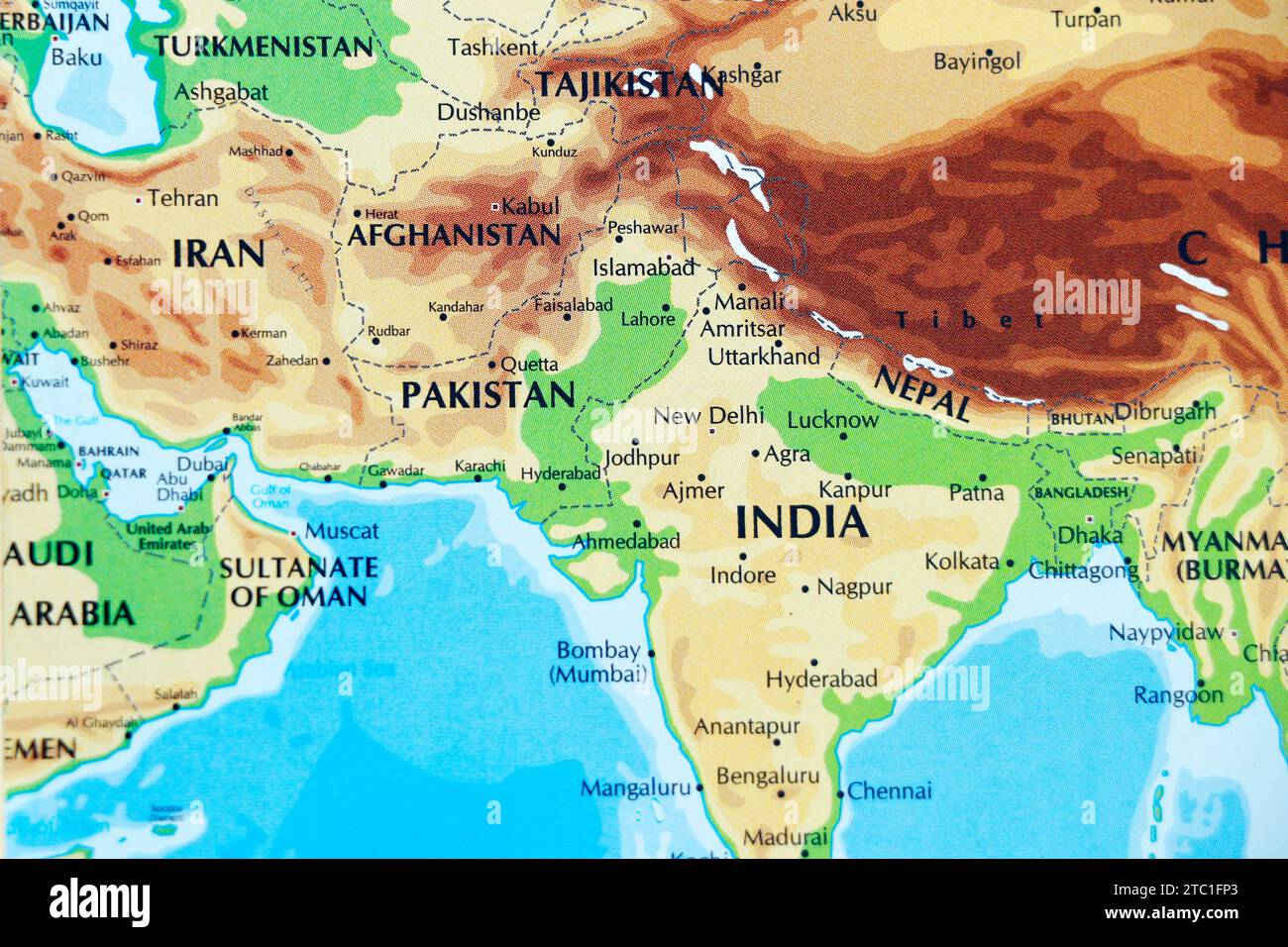
Asian Cricket Council officials are accelerating preparations to shift the 2025 Asia Cup to the United Arab Emirates, prompted by escalating diplomatic tensions and logistical barriers between India and Pakistan. Originally awarded to India, the tournament, scheduled for September, will adopt a neutral venue in a bid to preserve participation from all eight qualifying teams. Sources within ACC and Pakistan Cricket Board suggest that holding the entire tournament in UAE offers the only viable path forward, ensuring both cricketing integrity and commercial viability.

Accruing nearly US$170 million in media rights, the Asia Cup commands considerable financial stakes. With India and Pakistan at the centre of its appeal, organisers are unwilling to jeopardise the competition. Forbes reports confirm that ACC officials have concluded that relocating the tournament is more feasible than attempting a hybrid model involving split venues. The UAE becomes the default choice, replicating approaches from previous tournaments when political dynamics between South Asian nations hindered full-fledged hosting arrangements.

PCB figures confirm that Pakistan will participate in the UAE-hosted event, despite its reluctance to travel to India. Pakistan also plans a preparatory tri-series in August in Dubai involving Afghanistan and the UAE team—effectively replacing previously scheduled fixtures and maintaining match readiness should the Asia Cup shift occur. With the PCB’s Mohsin Naqvi doubling as ACC president, such parallel initiatives underscore Pakistan’s active role in preserving the tournament’s continuity.

Yet India has maintained a discreet stance. The Board of Control for Cricket in India has neither confirmed nor denied its capacity to host or participate, with internal caution dominating its external posture. BCCI secretary Devajit Saikia recently refuted reports that India would withdraw from all ACC events. Still, precedent indicates India’s avoidance of Pakistan-hosted events: The team did not travel to Pakistan for the Champions Trophy in February–March, instead participating in Dubai under a hybrid format.

Recalling historical context affirms the ACC’s decision. In 2018, the tournament was relocated from India to UAE amid similar political friction. Such precedent sets a framework for crisis management within the sport, suggesting that regional hostilities do not necessarily derail cricketing schedules. Observers also note that India has consistently leveraged a hybrid model since 2022, notably playing Asia Cup matches in UAE and Sri Lanka rather than Pakistan.

Operationally, staging the Asia Cup in UAE will require careful planning, balancing weather conditions in September, broadcast scheduling for global audiences, and coordination with the tri-series. The PCB’s tri-series proposal is advancing, reflecting a proactive stance. Meanwhile, ACC is likely to convene soon, under Naqvi’s leadership, to finalise the tournament’s relocation, format adjustments, and confirmation of venues in Dubai and Abu Dhabi. No official announcement has yet been made, but reports from hindustantimes.com, ET and ProPakistani align in describing the move as imminent.

Stakeholders are weighing broader implications. Indian broadcasters and advertisers depend heavily on premium fixtures, particularly India–Pakistan matches that attract unparalleled viewership. A full UAE tournament may retain this commercial allure while circumventing diplomatic entanglements. For smaller teams such as Hong Kong, Oman and UAE—each having qualified through ACC’s Premier Cup—the neutral format ensures on-field exposure without political fallout.

However, dissenting voices warn against complacency. Some Pakistani conspirators question whether a UAE relocation diminishes Pakistan’s role as host, contrary to its status as 2025 Champions Trophy host and an ACC full member. Conversely, BCCI’s insistence on a hybrid model has previously delayed Pakistan-based hosting, but this time the initial hosting rights belong to India. Any pivot could attract scrutiny over ACC governance and fairness, adding dimension to an already complex political backdrop.

Supporters of the hybrid model note that India’s hybrid strategy for the Champions Trophy earlier this year preserved integrity but exposed limitations. Attendance at Dubai was lukewarm; Australia–India clashes lacked the vibrancy typical of full-capacity Pakistan venues. UAE’s smaller suburban stadiums and shorter pitches may limit spectator buzz, but logistical expediency and political neutrality weigh heavily.

Athletes themselves face uncertainty. India and Pakistan players have not toured regularly since 2008 in bilateral series, and momentum often arises through ICC events. The Asia Cup in UAE represents another opportunity for competitive engagement before the T20 World Cup in 2026. With eight teams and nineteen matches planned, this Asia Cup holds relevance for Qatar 2026 preparations. Still, fragmented venues and political overtones could overshadow performance, causing players and fans to question cricket’s autonomy from geopolitics.

As the ACC readies its final call, timing remains critical. A decision made before July is necessary to confirm bilateral arrangements, tickets, broadcasting contracts, and tri-series scheduling. ACC’s resolution will reverberate across regional cricket administration, testing confidence in neutral venues as a template for coping with diplomatic disruptions.


Israeli Finance Minister Bezalel Smotrich has ordered the cancellation of a decades‑long indemnity that shields Israeli banks when processing shekel transactions for Palestinian counterparts, a move poised to disrupt salaries, imports and basic services across the West Bank and Gaza.

The directive, issued on 10 June 2025, halts a waiver that permitted Israeli financial institutions to facilitate payments to the Palestinian Authority and local customers without fear of legal consequences. Analysts warn this could sever Palestinian banks’ vital access to the larger Israeli banking system.

Palestinian Monetary Authority officials cautioned that this severance would seriously impede operations such as payments for food, fuel, electricity and water. In 2023 alone, around 53 billion shekels—equivalent to $15.2 billion—passed through Palestinian banking corridors. The revocation of the indemnity risks plunging the territories into a fragile cash‑only system, heightening exposure to theft, fraud and illicit activity.

Smotrich’s decision follows sanctions by the UK, Canada, Australia, New Zealand and Norway imposing asset freezes and travel bans on him and National Security Minister Itamar Ben‑Gvir, citing their roles in incitement and human rights abuses in the West Bank and Gaza. Smotrich maintains the waiver withdrawal is a justified response to what he terms the Palestinian Authority’s “delegitimisation campaign” against Israel.

For decades, Palestinian banking operated without central‑bank autonomy or national currency. Reliance on Israeli shekels and correspondent banking agreements has been critical. International voices—including US Treasury Secretary Janet Yellen, G7 officials and the UN—have repeatedly warned that ending this arrangement could trigger a humanitarian crisis and violate international law.

Local analysts predict the measures will exacerbate an already deteriorating economic landscape. Kristin Ronzi of intelligence firm Rane Network said abolishing this financial collaboration will “impede the Palestinian Authority’s ability to import basic, essential goods such as food and fuel,” likely deepening economic hardship and undermining public sentiment.

The Palestinian banking system, which exceeds 100 % of GDP, is particularly vulnerable to spill‑over effects from Gaza into the West Bank, according to IMF data. The termination of the waiver is feared to amplify credit constraints on private and public sectors alike, risking reduced lending, increased borrowing costs, and even defaults.

International stakeholders, including the US and G7, had pressed for short‑term extensions of the indemnity. Those appeals often hinged on warnings that a collapse of Palestinian financial networks would destabilise trade, delay crucial services, and potentially fuel militant groups reliant on cash economies.

Smotrich is known for his hardline positions: he has previously withheld Israeli-tax clearance revenues and blocked aid in retaliation for moves supportive of Palestinian statehood. In May 2025, he warned publicly that Gaza “will be totally destroyed,” vowing to push Palestinians toward resettlement in other countries.

Within Israel, there is evident friction. Prime Minister Benjamin Netanyahu and some coalition members support Smotrich, but others fear political and economic backlash—particularly amid international outrage and concern over deepening the Gaza violence. The policy must still pass through Israel’s security cabinet before implementation begins.

Across Palestinian chambers in Ramallah and Gaza City, there is growing anxiety. Authorities are scrambling to negotiate with donors, international NGOs and Middle Eastern allies, in hopes of constructing contingency plans. Proposed measures include alternative cash corridors, increased use of digital currencies, and humanitarian exemptions—but none currently matches the scale of the existing system.

Economists warn the broader consequences of this rupture—the Palestinian economy has already lost billions amid conflict. Since October 2023, Gaza’s economy shrank by 61 %, the West Bank by 24 %, and joblessness soared to around 57 % across both territories. Analysts fear the banking clamp‑down could invert years of fragile recovery efforts, worsening poverty and political instability.

A pioneering device, the MouthPad by Augmental, now enables users with paralysis or limited mobility to control digital devices using only tongue and head movements. Introduced this year, the device combines a tongue‑sensitive touchpad and motion sensors embedded into a custom dental retainer, delivering seamless Bluetooth cursor control and click functions across phones, tablets, and computers. Developed by MIT alumnus and CEO Tomás Vega, the MouthPad capitalises on […]

Turkish authorities have clearly denied that Turkish Technic conducted any maintenance on the Boeing 787‑8 Dreamliner of Air India Flight 171, which crashed on 12 June 2025 near Ahmedabad, resulting in 279 fatalities. The Directorate of Communications’ Centre for Countering Disinformation labelled the claims “false” and “disinformation”, emphasising that existing agreements with Air India in 2024–25 strictly covered Boeing 777 aircraft—not the 787‑8 model involved in the disaster.

Flight AI 171 had lifted off from Sardar Vallabhbhai Patel International Airport bound for London Gatwick, crashed approximately 30 seconds later into a hostel block of B. J. Medical College in Ahmedabad’s Meghani­nagar area. Of the 242 onboard, only one passenger survived; the crash also claimed around 38 lives on the ground.

Turkish officials reiterated that the maintenance contract signed with Air India was limited to B777 aircraft serviced at Turkish Technic’s Istanbul facilities, and never extended to Dreamliner models. They acknowledged awareness of the company that last serviced the crashed aircraft, but refrained from naming it to avoid speculation amid the ongoing investigation.

The denial followed sensational allegations by yoga guru Baba Ramdev, who suggested a Turkish maintenance firm’s involvement, describing a possible “foreign conspiracy.” Turkish agencies sharply rejected his claims as baseless and manipulative.

The crash—the first fatal hull-loss involving a Boeing 787 since its entry into service—has sparked a major international investigation. India’s Aircraft Accident Investigation Bureau is leading the probe under Annex 13 protocols, with support from Boeing, GE Aerospace, and UK and US aviation authorities. Investigators are examining multiple lines of inquiry, including engine thrust anomalies, flap alignment, landing gear deployment, possible bird strike, and maintenance protocols.

India’s civil aviation regulator has ordered additional inspections across Air India’s Boeing 787 fleet, comprising 33 jets, and directed IndiGo to review its single 787. This unprecedented disaster, marking the deadliest global aviation accident involving a 787 in over a decade, has sharpened scrutiny on Air India’s maintenance regimes and Boeing’s safety standing.

Eyewitness and CCTV footage captured a distressing mayday call: “Thrust not achieved. Falling,” suggesting a rapid loss of lift. Preliminary observations indicate that the aircraft may have experienced dual-engine thrust failure or malfunctioning flaps or landing gear, heightening the risk of aerodynamic stall.

An aviation expert, retired captain Alok Singh, stressed that while the Boeing 787 platform is broadly reliable, such incidents often arise from a confluence of mechanical issues, procedural errors, or environmental factors such as bird ingestion. Meanwhile, industry analyst Steven Chen has advanced the theory that inadvertent flap retraction by the co‑pilot during take‑off may have disrupted lift, though this remains speculative pending flight data.

The Aircraft Accident Investigation Bureau has recovered the flight data recorder. Retrieval of the cockpit voice recorder is still in progress. Both are expected to yield critical insight into procedural actions and system failures. India’s government has established a high-level panel with a three-month deadline to issue findings.

In response to the tragedy and international concern, Boeing and GE Aerospace withdrew from the Paris Air Show to concentrate on search and investigative support. Boeing’s CEO Kelly Ortberg expressed condolences and pledged full cooperation, even as the company navigates ongoing operational and reputational pressures following prior safety incidents.

Air India, now under Tata Group ownership since 2022, has announced financial compensation packages for victims’ families and is working with authorities on victim identification through DNA and dental records. Public anxiety has surged, with many calling for systemic reforms in aircraft maintenance oversight, cross-border service dependencies, and regulatory enforcement.

Apple has introduced “Liquid Glass,” a sweeping redesign of its software interface unveiled at the Worldwide Developers Conference on 9 June. The look is inspired by the translucent, refractive aesthetics of its Vision Pro headset, spreading across iOS 26, macOS Tahoe, iPadOS 26, tvOS 26 and watchOS 26. The update, beginning developer betas immediately, provoked strong reactions from users, designers and Wall Street analysts alike. The new […]

Ajman has emerged as the host for the 58th Asian Fitness and Bodybuilding Championship, taking place from 15 to 17 June 2025 at the Emirates Hospitality Centre. The emirate, hosting the event for the first time, extends a formal welcome under the patronage of His Highness Sheikh Ammar bin Humaid Al Nuaimi, Crown Prince of Ajman and Chairman of the Executive Council, with the presence of Sheikh Abdulaziz bin Humaid Al Nuaimi, Chairman of the Ajman Department of Tourism Development.

Delegations from 23 nations across Asia will converge on Ajman this week, marking a notable heightening of the emirate’s stature within international sports circles. The Asian Bodybuilding and Fitness Federation’s congress also convened on 14 June, assembling leading officials and athletes to chart governance, standards and growth pathways for the sport across the continent.

IFBB President Dr Rafael Santonja expressed strong approval of Ajman’s preparations. He praised the local authorities’ logistical efforts and voiced confidence that the event will proceed in “the best possible manner,” reflecting meticulous planning.

By integrating top-tier competition with a high-level governance forum, Ajman seeks to project itself as a dynamic arena for Asia’s sporting peaks. The congress set the stage for the championships, drawing attention to the need for continuity between seasonally organised regional fests and global-level federation oversight.

Competitors span multiple divisions, including bodybuilding by height, men’s and women’s physique, fitness challenge categories, and adaptive contests such as wheelchair bodybuilding and para-bodybuilding. The comprehensive format reflects the IFBB’s commitment to expanding inclusivity, with winners across senior classes earning IFBB Pro Cards, enhancing the stakes for participants.

Logistics have been arranged to accommodate the influx of athletes, officials and support staff. Delegations arrived on 14 June, as confirmed by weigh-ins and registration hosted at the Bahi Ajman Palace Hotel. The adjacent Asian Federation congress was conducted at Ajman Saray Hotel. Recommended airports include Sharjah and Dubai, easing international access to the host emirate.

Entry structures show stringent anti-doping controls, with compliance to WADA standards in place. National federations have a stringent responsibility to vet athletes, especially those with past doping violations. Consent to drug testing was mandatory upon registration.

Registration fees include accommodation and meals from 14 to 18 June, with athletes opting for single or shared rooms at Bahi Ajman Palace Hotel. Crossover category participants incur a USD 100 surcharge.

The championship schedule unfolds across three days, with prejudging commencing on Day 2. Finals continue through Day 3 and Day 4 before closing events conclude on 17 June. Delegations depart on 18 June. This compact time-frame underscores an intention to deliver a high-impact, tightly controlled competition.

Ajman’s hosting aligns with a broader push to diversify its economy through sporting tourism and cultural diplomacy. The tourism authority unveiled the event’s logo and mascot—‘Mayed’—alongside traditional Emirati performances, highlighting the interplay between sporting and cultural platforms. The championship is expected to catalyse increased occupancy in the hospitality sector and heightened international visibility.

Preparatory logistics—hotel accommodations, venue readiness, anti-doping protocols, and athlete transport—underscore Ajman’s growing capacity to stage large-scale events. Federal backing ensures alignment with Wahid leadership’s vision to see the emirate emerge as a regional hub for international gatherings across sports, business, and tourism.

The intersection of high-performance sport, organisational governance and cultural presentation at Ajman’s inaugural hosting of the Asian Fitness and Bodybuilding Championship signals the emirate’s aspiration to position itself prominently on Asia’s event map.

WazirX has unveiled a revised restructuring plan under Singapore High Court oversight that proposes to repay approximately 85% of users’ pre‑hack balances, while the remaining 15% would be settled over time through a Recovery Token mechanism. A final court decision is expected by 20 June, setting the stage for ensuing repayments.

A hack that occurred on 18 July 2024 led to the theft of nearly US $235 million from the exchange’s wallets, widely attributed to North Korean Lazarus Group operatives. WazirX parent company Zettai Pte Ltd subsequently secured a moratorium in Singapore and initiated a formal Scheme of Arrangement allowing creditors to vote on recovery proposals.

By April, rebalancing of assets was completed, enabling the exchange to present each affected user’s USD and INR valuations based on their 18 July 2024 holdings. Around 93% of creditors voted in favour of this plan in April, far exceeding the 75% threshold required by law.

Under the scheme, the initial payment—estimated at 85% of the original holdings—would be disbursed in either the original asset or USDT within ten business days of court approval. The remaining 15% would be issued as RTs, tradable tokens redeemable via quarterly buybacks funded from WazirX’s profits or recovered assets.

Risks remain, however: if creditors reject the plan, the court may order liquidation under Section 301 of the Singapore Companies Act. That scenario could trigger asset fire‑sales, reducing recovery potential and extending the timeline until 2030.

Community reaction is mixed. Many users have expressed doubts over the exchange’s transparency and the partial compensation model. Subreddits suggest a collective legal response is forming in Kerala and beyond. One user asserted:

“If anyone still believes that WazirX will return our funds without us taking any action — that hope is gone after yesterday’s court decision.”

Meanwhile, creditor‑activist voices have argued the restructuring represents a better outcome than liquidation. As one FTX creditor remarked, it is “far superior to liquidation” for preserving value.

CoinSwitch has also launched a parallel initiative named CoinSwitch Cares, offering affected users a potential path to full recovery—up to ₹600 crore—with added incentives for sign‑ups and referrals. However, that scheme depends on WazirX restoring withdrawal functionality.

The Singapore High Court’s deadline of 20 June will determine whether the court grants final sanction to WazirX’s Scheme of Arrangement. Should it proceed, initial disbursements would begin between late June and July. If it’s rejected, WazirX would head into liquidation—triggering a protracted, uncertain payout stretching possibly until 2030, with potentially deep losses.

WazirX’s recovery architecture combines immediate restitution and long‑term tools designed to align creditor outcomes with the firm’s future performance. The RT buyback mechanism underscores this approach, offering users potential upside linked to the exchange’s profitability and asset recovery.

Users must act to verify claims through WazirX’s Claim Tracker, accept the rebalanced valuations, and monitor further updates. Approval hinges on the court’s formal order and the willingness of creditors to embrace a controlled, phased repayment versus the uncertain prospects of full liquidation.

Brazil is charting a potential first for any G20 economy by moving through its legislature a proposal to allocate up to 5 per cent of its approximately $370 billion foreign‑exchange reserves into Bitcoin. Bill PL 4501/2023, currently advanced by the Economic Development Committee, would establish a Sovereign Strategic Bitcoin Reserve—dubbed “RESBit”—under the joint oversight of the Central Bank and the Ministry of Finance, with stringent storage protocols and biannual audits.

The bill’s sponsor, Federal Deputy Eros Biondini, argues the measure would reinforce Brazil’s financial sovereignty and diversify its reserve holdings beyond traditional assets. Parliamentarian Luis Gastão, acting as rapporteur, emphasises a cautious, phased implementation aimed at managing volatility exposure while boosting institutional resilience. This contrasts with El Salvador’s executive decree model; the Brazilian plan proceeds through parliamentary channels, potentially setting a more enduring legal precedent.

Storage and transparency are at the core of the proposal: BTC holdings would be secured via cold wallets, underpinned by mandated audits every six months, and reported directly to Congress. Advocates hope this methodical governance framework will ease institutional apprehensions while allowing crypto assets to form part of state‑backed fiscal strategy.

Market reaction has been swift. Analysts highlight the timing, noting that Bitcoin trades near $107,500, with a market capitalisation exceeding $2.1 trillion and a 30 percent rise over 90 days. Within Latin America, Brazil would stand alongside El Salvador as a pioneer, but its parliamentary route marks a significant departure, offering a scalable model potentially attractive to larger economies.

Experts say integration of Bitcoin into sovereign reserves could unlock strategic advantages. Proponents highlight potential hedging against inflation and dollar dependency, while warning of crypto’s inherent risk. Central Bank and finance ministry coordination could foster system-level stability, aligning with policy objectives such as the issuance of a central bank digital currency.

A global ripple effect may follow. Brazil’s initiative has garnered attention across financial and crypto communities; social‑media commentators suggest it may herald the second phase of sovereign Bitcoin adoption, one grounded in legislative legitimacy rather than executive fiat.

Opposition voices within the finance sector remain vigilant. Critics question Bitcoin’s volatility and liquidity as state assets, urging robust risk frameworks before proceeding. Analysts stress the need for comprehensive impact assessments, including stress‑testing against currency and gold reserves.

Ahmedabad authorities have recovered both black boxes from the wreckage of the Boeing 787 Dreamliner that crashed shortly after departure en route to London Gatwick, killing 241 of the 242 people aboard and dozens on the ground. Emphasis now is on analysing flight data and cockpit voice recordings to establish whether engine thrust, control surfaces or pilot actions led to the fatal descent. India’s Aircraft Accident Investigation Bureau is spearheading the probe, with support from UK, US and Boeing specialists.

Rescue and forensic teams continued sifting through the charred remains of buildings and aircraft debris in Ahmedabad’s densely populated medical college area. They are gathering fragments of flaps, landing gear, engines and fuel systems to reconstruct the sequence of events. Authorities have also collected dental records and DNA samples to identify victims whose remains were severely burned.

Preliminary scrutiny points to a sudden loss of thrust or possible flap misalignment during the initial climb. Flight-tracking data indicates the aircraft briefly ascended to about 625 feet before entering a steep descent, around 475 ft per minute, video footage shows abnormal wing-flap positioning and attempts at emergency corrective actions.

India’s Directorate General of Civil Aviation has issued an immediate directive for pre-departure technical checks across Air India’s 787-8 and 787-9 fleet, including engine-system diagnostics, cabin-air compressors, hydraulics and fuel-pressure systems. These measures are mandatory before the affected aircraft can resume service. GE Aerospace has pledged full cooperation with the inspections, while Boeing and US aviation regulators have dispatched technical teams to support the investigation.

Prime Minister Narendra Modi, shortly after arriving at the site, described the event as “heartbreaking beyond words” and met with the lone survivor, British national Viswashkumar Ramesh, who recalled escaping the fuselage through an exit door and was treated for minor injuries. The survivor’s account provides a rare eyewitness perspective amid the apex of data analysis in the coming days.

Air India’s reputation and “world-class airline” ambitions under Tata Group ownership are under intense international scrutiny. Experts warn the incident—Air India’s first fatal accident in decades and the first crash of a 787 Dreamliner—could severely undermine trust in the carrier’s safety oversight. The regulator’s maintenance order seeks to allay those concerns, but aviation analysts emphasise that rebuilding credibility will require transparent investigation and disciplined operational safeguards.

Families of victims remain in anguish, many having to wait for dental and DNA verification to identify the deceased. Hospital staff and forensic teams are painstakingly processing remains amidst anxious relatives at Ahmedabad Civil Hospital. Emotional distress is intensifying calls for accountability and answers as grieving relatives await official findings.

Experts caution aviation investigations can span several months, often involving layered analysis of mechanical faults, human errors, manufacturing quality and maintenance procedures. The cooperation of international agencies—including UK’s Air Accidents Investigation Branch, the US NTSB and FAA—forms the backbone of a thorough inquiry, especially given multiple jurisdictions involved.

Next steps hinge on decoding the black boxes, which are being analysed at a specialised laboratory in New Delhi. A clearer picture is expected to emerge once flight parameters, cockpit communications and mechanical readings are correlated with crash-site reconstructions.

The urgency around maintenance audits and global oversight has intensified as aviation authorities aim to prevent similar tragedies. Meanwhile, the carrier’s elderly 787 fleet—many delivered in 2014–15—remain grounded pending conclusive safety checks.

Major corporations Walmart and Amazon are understood to be mulling the launch of their own stablecoins as part of a broader trend among retailers and tech companies seeking to streamline payment systems and reduce transaction costs. With the U.S. Congress advancing the GENIUS Act—legislation to regulate stablecoin issuance—the moment now appears opportune for these private-sector experiments.

Both Walmart and Amazon are reportedly evaluating the regulatory environment and potential use cases for proprietary stablecoins. Sources suggest these could be integrated with payment platforms, loyalty schemes and digital marketplaces. Such a move would allow these companies to bypass conventional card rails and intermediaries that currently levy high fees on merchants and slow settlement times.

Walmart’s ongoing fintech ambitions align with the exploration of stablecoin applications. The retailer has already lobbied for regulatory changes aimed at bringing greater competition into credit card networks, indicating a broader shift towards alternative payment mechanisms. Amazon, though in the preliminary assessment stage, is also understood to be considering whether a branded stablecoin might enhance the convenience of online transactions.

The GENIUS Act currently under Senate review is central to this evolution. It delineates a framework for “permitted payment stablecoin issuers” and mandates reserve requirements, redemption rules and federal oversight. While enabling banks, non-banks and subsidiaries to issue stablecoins, it permits notable flexibility across different sectors.

Critics are already voicing concerns. Legislators such as Senator Elizabeth Warren and Rep. Maxine Waters caution against allowing large non-financial firms to enter the payments landscape, fearing an erosion of banking safeguards and potential intensified corporate dominance. Academic voices, including law professor Hilary Allen, warn that Big Tech’s entry into finance could “entrench corporate power” and compromise consumer data privacy.

A key sticking point lies in a proposed amendment to prohibit non-financial corporations from issuing stablecoins unless they meet stringent criteria around financial stability, data protection and consumer welfare. This amendment would cover tech behemoths like Amazon, Meta and Apple. In contrast, proponents argue that allowing these companies in could foster innovation and enhance market competition.

Merchant industries are lobbying hard for clarity. The Merchants Payments Coalition argues that a stablecoin framework could disrupt the dominance of established payment networks and deliver substantial cost savings. Stakeholders have highlighted how cross-border payments could benefit from low-cost, near-instant settlement, echoing the broader fintech industry’s embrace of stablecoins as programmable rails for digital commerce.

Opposition remains robust, however. Critics warn that unbridled stablecoin issuance by non-financial corporations could introduce systemic risks. The GENIUS Act’s provisions are aimed at managing these risks through requirements for reserves, transparency, anti-money laundering compliance and state-federal coordination. Still, there is unease that enforcement mechanisms may not sufficiently address deep-seated concerns over financial stability and consumer safety.

Proponents believe stablecoins could transform how commerce operates, by speeding up settlements, reducing fees and enabling more fluid integration across digital platforms. With adoption driven by both large merchants and smaller enterprises, the innovation rather than consolidation of money systems could mark a significant shift.

Walmart and Amazon appear poised to test these boundaries. As the GENIUS Act moves closer to a Senate floor vote, the exact role that private-sector stablecoins will play remains uncertain. The decision by Congress to permit non-bank issuers is a strategic pivot, opening regulatory pathways that could redefine how money flows through the global payments ecosystem.

Apple has unveiled a breakthrough open‑source framework, Containerization, during its WWDC 2025 keynote, enabling developers to create, run and manage Linux containers directly on macOS. The Container CLI, a companion command‑line tool, operates each container as a lightweight virtual machine, bypassing the need for third‑party platforms like Docker. This marks a strategic shift in Apple’s support for cross‑platform workflows, particularly for developers working on server‑side and cloud‑native […]

VISHNU RAJA
RYO YAMADA
HITORI GOTOH
IKUYO KITA