News related to
voice

The Sharjah Roads and Transport Authority (SRTA) has launched an interactive initiative at Zahia City Center to strengthen public understanding of its road and transport services. This three-day event is designed to foster greater community engagement while showcasing the Authority’s focus on sustainable infrastructure and improved public transportation systems.

Visitors to the platform are being introduced to SRTA’s latest technological solutions and future projects aimed at enhancing urban mobility across the emirate. Through engaging displays and interactive tools, attendees can explore how SRTA’s initiatives contribute to better connectivity, reduced environmental impact, and overall quality of life.

Highlighting the Authority’s dedication to innovation, the platform showcases a variety of ongoing projects and services. This includes plans for road network expansion, public transit enhancements, and the introduction of environmentally friendly transport options. Officials have emphasized that the event provides a direct avenue for the public to voice concerns, suggest improvements, and gain insights into how SRTA is shaping the region’s transport infrastructure.

The event also features demonstrations of smart transportation tools, such as mobile applications that provide real-time updates on bus schedules, parking availability, and route planning. These technologies reflect SRTA’s commitment to integrating digital advancements to address urban transport challenges efficiently.

A key feature of the initiative is its focus on sustainability. SRTA has underlined its efforts to align with global environmental goals, introducing measures such as energy-efficient street lighting and plans to transition to electric buses. The platform also educates visitors on how these projects contribute to reducing carbon emissions and promoting eco-conscious travel options within Sharjah.

Transport experts attending the event praised the initiative as a step forward in addressing the growing demands of an expanding population. They noted that effective public engagement plays a critical role in the successful implementation of large-scale transport projects. By providing an opportunity for the community to interact with officials, SRTA ensures its services align with the needs and expectations of its residents.

The event comes as Sharjah continues to expand its infrastructure to accommodate economic growth and urbanization. Strategic plans to enhance connectivity between key industrial, commercial, and residential hubs are underway, supported by a combination of government funding and private sector collaboration. These efforts are expected to boost the emirate’s competitiveness as a leading destination for investment and tourism.

Among the highlights at Zahia City Center are detailed presentations on SRTA’s upcoming projects, including new road networks and transit corridors. These developments are expected to ease congestion, improve safety, and shorten travel times for commuters. Officials at the event reiterated the Authority’s mission to create a transport system that is accessible, inclusive, and sustainable for all segments of society.

The Authority’s efforts have also drawn attention for their emphasis on technology-driven solutions. SRTA’s adoption of artificial intelligence in traffic management, such as adaptive signal control systems and predictive maintenance for infrastructure, showcases its forward-thinking approach to addressing urban transport challenges.

Faber-Castell champions creativity and sustainability among young Malaysians, empowering environmental awareness and advocacy through art. The Young Artist Award workshops saw a record-breaking four-year high in participation, reaching 77,000 students and 3,456 teachers across Malaysia. PETALING JAYA, MALAYSIA – Media OutReach Newswire – 12 December 2024 – Faber-Castell Malaysia, a renowned advocate for learning and creativity, has successfully concluded the fourth year of its Young Artist Award […]

HONG KONG SAR – Media OutReach Newswire – 12 December 2024 – MooneyBird, a proptech company specializing in real estate marketing and AI technologies, has launched Hong Kong’s first AI-powered real estate marketing system. This innovative system is specifically designed for small and medium-sized real estate agencies, offering an integrated solution that combines brand website design, automated marketing, and client management tools. This solution strives to facilitate […]

The blockchain landscape is on the cusp of a transformative shift as new contenders challenge the dominance of established platforms like Ethereum and Solana. While Ethereum and Solana have carved out prominent positions with their focus on scalability, smart contracts, and decentralized applications, emerging blockchain networks are beginning to capture the attention of investors, developers, and enthusiasts alike.

Ethereum, long regarded as the king of smart contracts, has faced challenges in scaling its network to handle growing demand. Solana, with its high-speed transactions and low fees, quickly gained popularity but has encountered its own set of technical issues. In response to these pain points, several new blockchain projects are positioning themselves as solutions that could disrupt the current hierarchy and change the way blockchain technology is used.

At the forefront of this potential revolution is the development of layer-2 solutions, next-generation consensus mechanisms, and other blockchain innovations designed to address the scalability issues that have hindered Ethereum’s progress and Solana’s network stability. These new technologies promise to enhance transaction speed, reduce fees, and improve overall network performance.

The race is on to build a blockchain that not only scales efficiently but also remains decentralized and secure. New protocols are leveraging cutting-edge cryptographic techniques and modular designs to allow for greater flexibility in handling various types of blockchain applications, from decentralized finance (DeFi) to non-fungible tokens (NFTs). These protocols promise to deliver faster transaction times without sacrificing the security and decentralization that blockchain users expect.

One of the most talked-about developments in this space is the rise of *modular blockchains*. These blockchains, in contrast to the monolithic models used by Ethereum and Solana, separate the execution layer from the consensus layer, creating a more flexible, scalable architecture. This modular approach allows for tailored solutions that can better accommodate specific use cases, whether it be for enterprise adoption, decentralized finance, or other blockchain-based innovations. Projects like Celestia and Polkadot are leading the charge in this area, drawing significant interest from both developers and investors.

Modular blockchains allow for enhanced interoperability between different blockchains, a crucial factor in ensuring that the blockchain ecosystem remains open and accessible. Unlike the more isolated ecosystems of Ethereum or Solana, modular solutions enable smoother communication and asset transfers between multiple blockchain networks. This approach has the potential to address some of the interoperability issues that have plagued the space, making cross-chain transactions more seamless and efficient.

In addition to modular blockchains, the rise of *zero-knowledge proofs* (ZKPs) is also gaining momentum. ZKPs are cryptographic tools that allow one party to prove to another that a statement is true without revealing any underlying information. These proofs can be used to significantly improve privacy and scalability in blockchain systems. ZKPs are already being integrated into several promising blockchain platforms, with zk-SNARKs (a specific type of zero-knowledge proof) playing a pivotal role in projects like zkSync and StarkNet.

As these technological advancements continue to take shape, the conversation around blockchain’s future has become even more nuanced. Traditional giants like Ethereum and Solana are not standing still in response to these challenges. Ethereum is moving towards Ethereum 2.0, a major upgrade designed to improve scalability, security, and sustainability through a shift from proof-of-work (PoW) to proof-of-stake (PoS). While this transition has been slow, it is expected to significantly reduce Ethereum’s energy consumption and increase its overall capacity.

Solana, too, is doubling down on its efforts to solidify its position as a leading blockchain for decentralized applications. Despite its technical setbacks, the network’s lightning-fast transaction speeds and low fees continue to attract developers, especially those building decentralized finance (DeFi) applications and non-fungible tokens (NFTs). However, Solana’s ability to maintain network stability amid high transaction volumes will be crucial to its long-term success in the space.

The evolving blockchain ecosystem has brought with it the rise of decentralized autonomous organizations (DAOs), community-driven governance models that give token holders a voice in decision-making. These decentralized governance models, in which users have a say in protocol updates and network upgrades, are becoming more popular as users seek more control over the platforms they use. As DAOs continue to gain traction, the shift towards decentralized governance is poised to challenge traditional models of centralized control in blockchain development.

BANGKOK, THAILAND – Media OutReach Newswire – 9 December 2024 – Multi-jurisdiction regulated broker FPG Fortune Prime Global has appointed Alice, the former Fullerton Markets Country Manager, as the Country Manager for Thailand to further strengthening the company’s presence in the ASEAN region. Country Manager, Alice Alice brings over 8 years of experience in the financial industry, including her role as Country Manager at Fullerton Markets. With […]

A new weapon in *Call of Duty: Black Ops 6* has ignited controversy among players, with many voicing concerns over its design and the game’s portrayal of drug-related content. The weapon, dubbed the “bong gun,” is a functional in-game object that, when used, resembles a smoking device. While the weapon itself is not directly associated with promoting illegal drug use, its presence in the popular first-person shooter […]

Cuba’s national power grid has collapsed, leaving millions of citizens without electricity and causing widespread disruption across the country. Late Wednesday, officials reported that the country was only generating enough electricity to meet one-sixth of its peak demand. This power failure comes as Cuba continues to grapple with energy infrastructure issues, highlighting the vulnerabilities in its aging electrical system.

The power outage, which began hours before the statement from the state-owned Electric Union of Cuba, resulted in a total blackout in several regions, including the capital Havana and major provincial cities. The grid collapse came as temperatures soared, exacerbating the already difficult living conditions for many Cubans. The government has faced mounting criticism over its inability to provide a consistent and reliable electricity supply, with the national grid experiencing periodic failures throughout the year.

Cuban officials blamed the national grid’s collapse on a combination of factors, including weather-related issues and aging infrastructure. While the authorities have taken steps to mitigate the crisis, such as shifting to emergency power generation and rationing electricity in some areas, the situation remains dire. Reports from residents describe long-lasting blackouts, with some parts of the country still waiting for power to be restored more than a day after the incident.

The impact of the blackout is severe, affecting daily life and businesses alike. Hospitals, schools, and other essential services have had to operate on backup generators, placing further strain on resources that were already stretched thin due to Cuba’s ongoing economic struggles. With the government focusing efforts on restoring power, many are also questioning the broader implications for the country’s energy policy and infrastructure development.

Power shortages have long been a concern in Cuba, with frequent blackouts and unreliable energy supplies being a part of daily life in many regions. The situation has worsened in recent months, as the country faces an economic crisis compounded by the ongoing effects of the COVID-19 pandemic and international sanctions. These challenges have placed significant pressure on the energy sector, which has been struggling to meet the needs of a population already facing considerable hardship.

Energy experts have pointed out that Cuba’s power grid is outdated and in need of significant investment and modernization. The country relies heavily on oil for electricity generation, but fuel shortages have been a common issue in recent years. The collapse of the power grid is seen by many as the latest sign of systemic failure within the country’s energy sector, which has failed to keep pace with the demands of a growing population and the complexities of modern energy production.

The government has said it is working to restore the grid and minimize further disruptions. However, some experts have warned that the root causes of the crisis will require long-term planning and investment to address. As part of its efforts, Cuba has turned to its allies in the region, seeking assistance with both emergency energy supplies and technical expertise to overhaul its electricity infrastructure.

In the meantime, the Cuban government has been forced to impose rolling blackouts, a move that has drawn widespread criticism from citizens who have endured long periods without power. Many have taken to social media to voice their frustration, accusing the government of failing to provide basic services despite the country’s vast natural resources. The government, for its part, has insisted that it is working diligently to restore full power, but has also acknowledged the difficulties in overcoming the challenges posed by the aging infrastructure.

The situation has prompted a broader debate over Cuba’s energy policy and its reliance on outdated systems and foreign aid. While the country is rich in renewable energy resources, such as solar and wind, it has been slow to transition to more sustainable energy solutions. Experts have long recommended that the government invest in renewable energy infrastructure, but progress has been slow. Critics argue that more aggressive steps should have been taken years ago to modernize the energy sector, reducing Cuba’s dependence on imported oil and providing more sustainable energy options for its citizens.

Cuban President Miguel Díaz-Canel, in a public address, acknowledged the severity of the power failure and promised to take immediate action to address the crisis. He reassured the public that the government would prioritize restoring power to the most affected areas and was working with international partners to bring in additional resources. However, the situation remains fluid, with many still uncertain about the long-term solutions to the country’s energy challenges.

This power outage is not the first of its kind in Cuba, and it is unlikely to be the last unless substantial investments are made to address the underlying issues. As the country continues to struggle with an outdated and overburdened grid, the question of how to modernize Cuba’s energy infrastructure and move towards more sustainable solutions is becoming increasingly urgent. The current crisis serves as a stark reminder of the challenges facing the Cuban government and its citizens in securing reliable access to electricity.

Advertisements

The transition from traditional banking systems to cryptocurrency has marked a pivotal shift in the financial world, driven by the impact of demonetization trends and the surge in digital transactions. This evolution, explored in depth by researchers Aashi Rawal, Santosh Gopalkrishnan, Dhanashree Tharkude, and Pallavi Deshpande, highlights the challenges and opportunities that cryptocurrencies present to global financial frameworks. A comprehensive study presented at the 2024 International Seminar […]

Emirates, the largest airline in the MENA region, has voiced increasing frustration over ongoing delays and growing uncertainty surrounding the delivery of its Boeing 777-9X jets. The airline, which placed a substantial order for the aircraft, is concerned that the continued postponements could impact its long-term fleet strategy, and has called for clearer timelines and solutions from Boeing.

The 777-9X, an advanced version of the 777X series, was initially slated for delivery in 2024. However, production setbacks, combined with technical challenges, have pushed back the timeline repeatedly. The delays have sparked concern across the aviation industry, as they affect airlines’ expansion plans and disrupt the global supply chain for new aircraft.

Emirates, which has long been a key customer of Boeing, has expressed its disappointment over the missed deadlines. The airline had originally ordered 150 of the 777-9X jets, which were intended to bolster its fleet and replace older models, particularly the 777-200 and 777-300. These aircraft were seen as vital to the airline’s strategy to compete in long-haul travel, offering greater fuel efficiency and capacity than earlier models.

Boeing’s repeated delays with the 777-9X have affected not only Emirates but several other airlines around the world. The company has struggled with production issues related to the aircraft’s engine, structural elements, and other components, which have led to prolonged certification processes and delayed first deliveries. These challenges have prompted some airlines to reconsider their fleet strategies, with several seeking to renegotiate delivery schedules or exploring alternative aircraft options.

Emirates has not been silent in expressing its dissatisfaction. Tim Clark, the airline’s president, has been vocal about the disruptions caused by Boeing’s delays, emphasizing that the issue is creating significant challenges for the airline’s operations. According to Clark, the uncertainty surrounding the aircraft’s arrival date makes it difficult for Emirates to plan its future routes and fleet expansions effectively.

The airline’s frustration is amplified by the broader context of post-pandemic recovery, where airlines are racing to expand their fleets and capitalize on the growing demand for air travel. Emirates, which has already faced the pressures of the pandemic on its operations, is eager to modernize its fleet to maintain competitiveness in the global market. With the delays in Boeing’s production, the airline has had to consider other solutions, including increasing the use of its older aircraft for longer periods, potentially increasing maintenance costs and operational challenges.

Boeing has repeatedly assured its customers that it is working diligently to resolve the issues, but so far, no firm delivery dates have been set. The company has promised to keep affected airlines informed, though some critics believe the level of transparency regarding production hurdles could be improved. Boeing’s management has acknowledged the difficulties and is reportedly taking steps to address the technical and manufacturing problems that have hindered the 777-9X’s progress.

In response to the delays, Emirates has been exploring other options for replacing older aircraft in its fleet. This includes considering different models from rival manufacturer Airbus, particularly the A350-1000, which offers comparable capacity and range to the 777-9X. Emirates has already placed significant orders for the A350 in recent years, and while the airline has expressed preference for the 777X series, it may have to adjust its fleet strategy to meet the evolving demands of global travel.

Industry analysts have pointed out that the 777-9X delays are not an isolated issue but part of a broader trend affecting both Boeing and the aviation industry as a whole. The pandemic disrupted global supply chains, creating bottlenecks in the production of everything from aircraft parts to engines. Manufacturers have struggled to catch up with the surge in demand for new aircraft as airlines emerge from the pandemic with ambitious growth plans. The competition between Boeing and Airbus, in particular, has intensified, with each company striving to secure a larger share of the global aviation market.

The uncertainty surrounding the 777-9X has led some airlines to question Boeing’s ability to meet future delivery commitments. While Boeing has made strides with other models, such as the 737 MAX, the prolonged delays with the 777-9X have raised doubts about the company’s overall production capabilities and ability to meet the needs of the aviation industry as it rebounds. The impact of these delays is expected to extend beyond the immediate customer base, affecting the entire aviation supply chain, from suppliers of aircraft parts to maintenance and repair companies.

Over 80 Local and Overseas Creative Communities Engaging in Large-scale Installations & Exhibitions, Workshops, and Creative Voice Powering Inner Growth Through Design HONG KONG SAR – Media OutReach Newswire – 29 November 2024 – Presented by PMQ and sponsored by the Cultural and Creative Industries Development Agency (CCIDA), formerly known as Create Hong Kong (CreateHK), deTour design festival will take place from 29th November to 15th December […]

HONG KONG SAR – Media OutReach Newswire – 29 November 2024 – The 14th Learning & Teaching Expo 2024 (LTE) is set to take place from 11 to 13 December 2024 at Halls 3B-E of the Hong Kong Convention and Exhibition Centre. This year’s LTE is presented by Hong Kong Education City (EdCity), organised by Bailey Communications HK, and supported by the Education Bureau of the Hong […]

By Dr. Gyan Pathak Electorate of the country has been tossing Congress up and down for quite some time, and the trend is more pronounced in the last one and half year ever since Karnataka elections in May 2023 when people brought the Congress with overwhelming majority throwing the BJP out of power. During this […]


Emirates Airline has expressed deep frustration with Boeing over persistent delays in aircraft deliveries, which are hampering the airline’s growth plans and disrupting operations. Boeing, one of the world’s leading aircraft manufacturers, has faced challenges in meeting its delivery commitments, with several aircraft orders for both Emirates and its subsidiary Flydubai delayed. These setbacks have impacted Emirates’ ability to expand its fleet, adding pressure to its financial performance and customer satisfaction.

The airline, which relies on Boeing aircraft as a key component of its long-haul fleet, has been forced to revise its strategies as a result of these delays. According to a statement from Emirates, the delays are particularly disruptive for its planned network expansions and fleet renewals. The airline had previously aimed to introduce new aircraft to meet the growing demand for travel and enhance its services. However, Boeing’s inability to meet delivery deadlines has caused operational disruptions and forced Emirates to re-evaluate its growth projections for 2024.

Emirates’ issues with Boeing mirror similar frustrations at Flydubai, its sister company, which operates a significant fleet of Boeing 737s. Flydubai has voiced similar concerns, citing delays in the delivery of its aircraft that are hindering its expansion and affecting its financial performance. The airline had plans to introduce additional aircraft to meet rising passenger demand, but with Boeing falling behind on its commitments, Flydubai has had to adjust its schedules and operations. This has not only strained Flydubai’s ability to meet its planned expansion but also disrupted the airline’s efforts to maintain its competitive edge in the crowded Middle Eastern aviation market.

The impact of these delays extends beyond just operational concerns. Both Emirates and Flydubai are at risk of losing market share as competitors like Qatar Airways and Etihad Airways continue to enhance their fleets. As the delays continue, both airlines face increased financial pressures, especially since they had budgeted for the new aircraft and expansion plans. Industry analysts suggest that the continued strain on Boeing’s production capabilities could lead to longer-term consequences for both airlines’ strategic goals.

Boeing has acknowledged the delays, citing challenges in its manufacturing process, including supply chain disruptions and labor shortages. The company has pledged to work closely with its clients to resolve the backlog, but the situation remains uncertain. This has led to widespread dissatisfaction among customers and a growing sense of frustration in the aviation industry, where timely deliveries are critical to maintaining competitive advantage and operational efficiency.

Dubai is famous for its road system and traffic rules all around the world. For this reason, it is a wonderful destination for new drivers to practice and gain experience. However, safe driving practices should be strictly followed. The well-paved roads might be a reason for temptation for the experienced drivers to go fast. But the new drivers have to be careful. If you are a new […]

In its third year, the FGG Summit became a member of 2024 youthfest@HK, empowering teen girls to identify strengths, embrace challenges as opportunities, and take bold action HONG KONG SAR – Media OutReach Newswire – 25 November 2024 – The FutureGEN Girls Leadership Summit 2024 (the Summit), organized by the JYC Girls Impact Foundation (JYCGIF) and supported by the Home and Youth Affairs Bureau, Hang Seng Bank, […]

Abu Dhabi is hosting an event that has gathered leading experts, researchers, and companies to focus on the future of open-source AI technologies. The Open-Source AI Summit, organized by the Technology Innovation Institute (TII), is bringing together prominent voices from academia and the tech industry to discuss the most pressing issues facing artificial intelligence today. The event highlights the crucial role of open-source development in shaping the trajectory of AI across sectors, including healthcare, data infrastructure, and generative models.

The summit is set to provide a platform for exploring new algorithms, ethical frameworks, and cutting-edge technologies aimed at improving AI systems’ transparency and usability. The discussions will address the challenges and potential benefits of open-source contributions to the rapidly growing field of AI. A major theme of the event is how open-source AI could democratize access to powerful technologies, fostering a more inclusive approach to innovation.

Experts at the summit, including Michal Valko, Principal Llama Engineer at Meta Paris, are pushing forward the theoretical foundations of machine learning. Valko’s focus on reinforcement learning from human feedback (RLHF) is among the key topics, as it offers insights into aligning AI behaviors with human values. This approach, which combines human preference models with reinforcement learning, has gained significant traction for refining AI models like large language models (LLMs).

In parallel, Dr. June Paik, Founder and CEO of FuriosaAI, is presenting her company’s work on AI chips designed to improve energy efficiency and performance, particularly in data centers managing the growing demand for deep learning inference. The shift towards hardware specifically built for AI is another cornerstone of the discussions, addressing the challenges posed by energy consumption and scalability in AI applications.

The event is also delving into the role of AI in conversational technologies. Dr. Neil Zeghidour, co-founder of Kyutai, is showcasing their advancements in creating Moshi, the world’s first full-duplex speech-to-speech system that allows AI to engage in natural, real-time conversations with human-like emotions. This breakthrough represents a significant leap forward in human-AI interaction, promising enhanced experiences in customer service, healthcare, and education.

The diverse perspectives presented at the summit underline the importance of collaboration between open-source communities, corporations, and government institutions. Many of the featured technologies, from generative AI to AI-powered hardware, are set to play an integral role in shaping industries over the next decade. Open-source AI, with its focus on collaboration and accessibility, is positioned as a transformative force, promising to create more robust and adaptable systems.

The summit also emphasizes the role of regulatory frameworks in the future of open-source AI. With the rapid rise of generative models like ChatGPT, discussions have intensified about the need for effective governance to ensure these technologies are developed responsibly and ethically. As some experts argue for tighter regulations to manage the risks associated with AI, others emphasize the need to keep open-source AI development flexible and adaptable to meet emerging challenges.

Microsoft confirmed that it is investigating disruptions to its Microsoft 365 suite, primarily impacting Teams and Exchange services. The issue has drawn global attention, with users reporting difficulties in accessing key functionalities, including the Teams calendar and Exchange Online. Downdetector, a platform that tracks service outages, logged a surge of complaints about these issues, suggesting widespread impact. The company acknowledged the situation early Monday, notifying users through […]

A leading Thai official has underscored the inadequacy of current measures to combat the rising global temperature, emphasizing the need for urgent action at the ongoing UN climate change conference in Baku. Chalermchai Sri-on, Thailand’s Minister of Natural Resources and the Environment, voiced strong concerns about the global response to climate change at COP29, calling on world leaders to prioritize climate financing and effective solutions for the […]

Dubai has emerged as the epicenter for global futurism with the launch of the third edition of the Dubai Future Forum, a major event held at the city’s Museum of the Future. This year’s forum is expected to attract over 2,500 prominent experts, policymakers, and innovators from nearly 100 countries. Organized by the Dubai Future Foundation (DFF), the event stands as a significant gathering aimed at exploring cutting-edge technologies and visions for the future.

The two-day forum, which kicked off with high anticipation, brings together more than 150 thought leaders, industry pioneers, and visionaries. With over 70 scheduled sessions, it is poised to be the largest event of its kind, drawing international attention as a hub for foresight and innovation. The forum’s scope extends across multiple sectors, including artificial intelligence, robotics, sustainable development, healthcare, and more, focusing on how emerging technologies are reshaping the world.

A key feature of the forum is the diversity of participants, including leading academic institutions, top governmental figures, as well as major players from global industries. These individuals are sharing knowledge and discussing transformative trends, challenges, and solutions that are shaping the future of societies and economies worldwide. The Dubai Future Forum aims to serve not just as a meeting point for experts, but as a dynamic platform for the exchange of ideas that could drive future global policies and technological advancements.

A focal point for this year’s event is the ongoing developments in AI and its application across industries. Leading experts are set to explore the ethical, economic, and societal implications of AI, especially in areas such as automation and decision-making. Discussions around the role of AI in global governance, data privacy, and its integration into both public and private sectors will likely dominate much of the debate. Industry giants are also highlighting the increasing reliance on data-driven decision-making and machine learning models, with implications for both business practices and public policy.

Sustainability remains a pivotal topic, with the forum showcasing various initiatives aimed at tackling climate change, resource depletion, and environmental degradation. Speakers from both the private sector and international environmental organizations will delve into innovative solutions that use technology to combat ecological challenges. This includes advancements in green energy, circular economy principles, and smart cities, all of which will be central to the conversations.

The Dubai Future Forum also offers a unique opportunity for participants to engage with various forms of immersive technologies such as virtual reality (VR) and augmented reality (AR). These tools, frequently used in industries like gaming and entertainment, are now being explored for their potential applications in education, healthcare, and even urban planning. Experts are showcasing how these technologies can reshape the learning experience, improve healthcare delivery, and contribute to smarter urban environments.

Another important aspect of the forum is the representation of younger generations in the discussions about the future. The Dubai Future Foundation has made an intentional effort to include youth leaders and young entrepreneurs who are shaping the next wave of innovation. Their involvement underscores the importance of engaging younger voices in the conversation about technological advancements and their impact on society.

In addition to the scheduled sessions and talks, the forum also features an exhibition area, where startups, innovators, and corporations present their latest projects and prototypes. These exhibitions serve as a live demonstration of how businesses are pushing the boundaries of innovation to create real-world solutions to future challenges. Entrepreneurs are highlighting breakthrough technologies in fields like biotechnology, space exploration, and autonomous vehicles, showcasing the practical applications of futuristic concepts.

The Dubai Future Forum aligns with the UAE’s broader vision to position itself as a global leader in technological innovation and a hub for future-oriented thinking. The country’s investments in the future, such as the establishment of the Museum of the Future itself, reflect a strategic commitment to shaping global technological trends and fostering the development of transformative solutions.

SHENZHEN, CHINA – Media OutReach Newswire – 21 November 2024 – OPPO has strengthened its cooperation with Microsoft to deliver advanced AI productivity features to ColorOS 15, OPPO’s next-generation smart device experience. “To deliver advanced AI experiences, we are incredibly proud to partner with Microsoft, a pioneer in the field. At the cutting edge of global AI development, Microsoft lays a strong foundation for ColorOS 15’s language […]

TAIPEI, TAIWAN – Media OutReach Newswire – 20 November 2024 – As Taiwan’s leading tech media powerhouse, TVBS consistently pioneers in merging advanced technology with high-quality journalism, delivering timely and accurate global news to Taiwanese audiences. With the 2024 U.S. presidential election drawing close competition between the two main candidates, the vote-counting process captivated viewers in Taiwan. On election day, TVBS News Channel, TVBS Channel, and TVBS […]

Elon Musk’s social media platform X has filed a lawsuit against Amazon-owned Twitch, claiming the streaming service is part of a broader illegal conspiracy to exclude the platform from advertising opportunities. The lawsuit, which was filed in the United States District Court for the Northern District of California, accuses Twitch of engaging in coordinated actions with other tech giants to disrupt the advertising revenue stream for X, a move that Musk’s legal team argues is both unlawful and damaging to the platform’s financial health.

The case is a significant escalation in Musk’s battle against the advertising industry, which he has criticized for allegedly unfairly targeting his platform and reducing the flow of advertising dollars. Musk, who acquired X (formerly Twitter) in 2022, has frequently argued that large corporations and digital media entities are stifling competition by colluding to reduce the effectiveness and revenue potential of his platform. He has claimed that companies, including Twitch, have coordinated with others to deprive X of crucial ad dollars, harming its ability to compete in the ever-growing social media market.

In the lawsuit, X asserts that Twitch’s actions were not isolated incidents but part of a deliberate attempt to harm the platform by steering advertisers away from X in favor of its competitors. The legal complaint details how X believes Twitch engaged in these practices, which the lawsuit describes as “anticompetitive behavior” in violation of both federal antitrust laws and state-level business regulations. This legal move is expected to have far-reaching implications for the advertising and social media industries as a whole.

At the center of Musk’s allegations is the claim that Twitch, alongside other online services, has been pressuring advertisers to avoid spending on X’s platform. X’s legal team argues that Twitch, with its vast reach in the live-streaming community, played a pivotal role in this alleged conspiracy. The lawsuit underscores how companies in the digital ad space, which rely heavily on advertising dollars to fuel their operations, are increasingly turning to such tactics to control market share and suppress competition.

Twitch, owned by Amazon, has yet to publicly comment on the lawsuit, but experts in the tech and advertising sectors suggest that this case could highlight the evolving tensions between the major players in the digital ad market. Twitch, which is widely regarded as the leading live-streaming platform for gamers and creators, has become a major competitor in the online entertainment space, attracting millions of viewers and ad dollars annually.

The lawsuit also sheds light on the broader landscape of advertising in the digital age, where power dynamics among tech companies are continuously shifting. Advertisers are increasingly exercising greater influence over where ad dollars are spent, and X has long been critical of the industry’s preferences for other platforms like Facebook, Google, and YouTube, accusing them of manipulating the digital ad ecosystem to limit competition. Musk’s accusations suggest that Twitch, with its connection to Amazon and its substantial user base, could be wielding its market power to support a digital ad cartel aimed at diminishing X’s revenue-generating capabilities.

Legal experts see Musk’s lawsuit as part of a larger strategy to position X as a champion of free market principles, countering what he describes as a monopolistic and anticompetitive media landscape. Musk has voiced his concerns about the challenges of securing advertisers for X, particularly after high-profile departures and skepticism from traditional brands who were wary of the platform’s direction under Musk’s leadership. By targeting Twitch and Amazon, Musk appears to be signaling that his platform’s advertising struggles are not merely the result of internal mismanagement but part of a broader effort to undermine its success.

The case also brings into question the growing power of companies like Amazon and Google, which dominate both the cloud computing and digital advertising sectors. Twitch’s parent company, Amazon, has faced its share of legal challenges over its business practices, particularly regarding competition and antitrust issues. The lawsuit could open new avenues for scrutiny of Amazon’s dominance in the tech world, especially in how it interacts with other digital media platforms and the companies that rely on advertising dollars.

Twitch’s role in this alleged conspiracy could be pivotal in determining the extent to which platforms like X and others in the social media sphere can survive without adequate advertising support. Musk’s claims suggest that the digital ad market may not be as open or competitive as it appears, with major players using their influence to dictate where and how advertising funds are allocated. If the case moves forward and is successful, it could lead to significant changes in how tech companies handle advertising relationships and could even prompt broader reforms in the advertising industry.

The outcome of the lawsuit is still uncertain, but the legal battle represents the latest chapter in a series of challenges Musk has faced in attempting to turn X into a profitable business. Since taking over Twitter, Musk has made numerous changes to the platform’s structure, operations, and content policies. However, one of the most significant hurdles remains securing a stable revenue stream, particularly from advertisers, who have historically been the lifeblood of social media platforms.

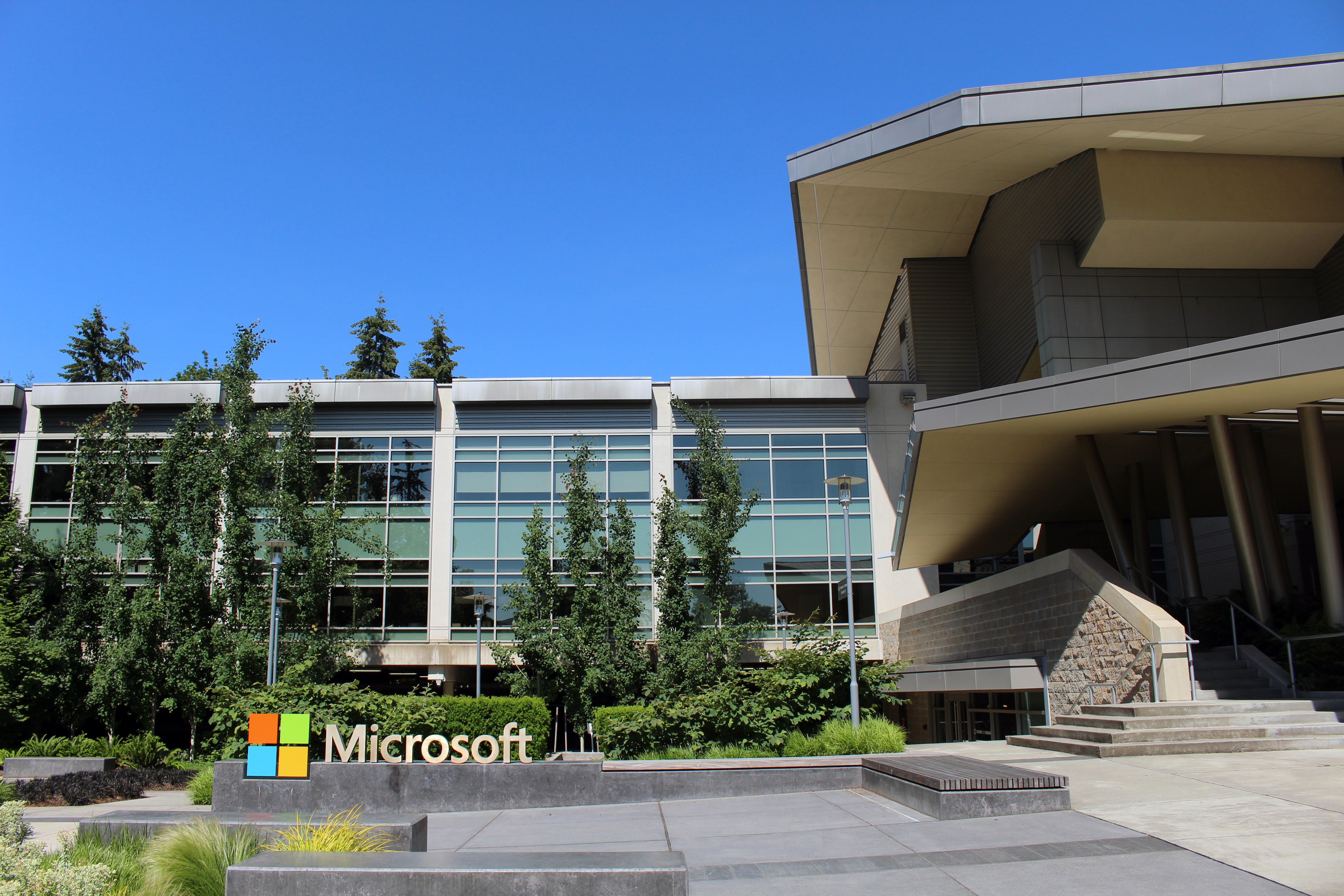
MicroStrategy’s founder, Michael Saylor, will address Microsoft’s board next month regarding the potential incorporation of Bitcoin into the tech giant’s corporate strategy. As the world’s largest software company continues to seek ways to leverage its $78 billion cash reserve, Bitcoin could become a cornerstone in their plans. However, reports indicate the board has already expressed skepticism, with several members raising concerns about the risks and volatility associated with digital assets.

Saylor, a vocal Bitcoin advocate, is expected to present a proposal that could see Microsoft join the growing number of corporate entities embracing cryptocurrency as part of their balance sheets. This follows a broader trend among tech companies, including Tesla and Square, that have invested in Bitcoin as both a hedge against inflation and as a means of aligning with the growing prominence of decentralized digital currencies.

The move by Microsoft, though not final, marks a significant moment in the ongoing evolution of corporate finance. While the company is sitting on a hefty cash reserve, which could potentially absorb the fluctuations of Bitcoin’s market, internal dissent underscores the divide between traditional financial strategies and the allure of digital currency. Microsoft’s board has been reluctant to adopt cryptocurrency, citing potential regulatory hurdles and concerns about the environmental impact of Bitcoin mining.

Despite the opposition, Saylor’s advocacy for Bitcoin remains unwavering. Since 2020, MicroStrategy has acquired over 150,000 BTC, making it one of the largest corporate holders of Bitcoin. The company has also committed to expanding its digital asset strategy, seeing Bitcoin not only as a store of value but also as a long-term investment that can yield substantial returns.

For Microsoft, the decision to integrate Bitcoin as part of its corporate strategy could be pivotal, especially as the company navigates the challenges of an evolving global economy. The ongoing discussions, set to culminate in the upcoming board meeting, come at a time when the financial world is increasingly debating the merits of digital currencies as an asset class. If the proposal is approved, Microsoft would join a small but growing group of traditional corporations making Bitcoin a central part of their financial structure.

In contrast, critics of cryptocurrency within the board have voiced concerns over Bitcoin’s volatility, which could undermine the stability of Microsoft’s cash reserves. These critics argue that the risks associated with such an investment could harm the company’s reputation as a reliable tech giant and create uncertainty for investors who have long viewed Microsoft as a safe haven in the stock market.

There are broader concerns about the regulatory environment surrounding cryptocurrencies. As governments worldwide grapple with the challenges of regulating digital currencies, the legal and financial uncertainties may deter some corporate leaders from taking such bold steps. Microsoft’s leadership, while innovative, has been historically cautious about ventures that could potentially invite scrutiny from regulators or affect the company’s relationships with stakeholders.

On the other hand, proponents of Bitcoin integration argue that Microsoft, with its vast financial resources, is well-positioned to weather the market’s fluctuations. Bitcoin’s rise in value over the past few years has proven that, despite its volatility, the digital currency holds significant long-term potential. With large tech companies and institutional investors like BlackRock increasingly backing Bitcoin, proponents believe that Microsoft’s endorsement could lend further legitimacy to the cryptocurrency market.

If Microsoft were to proceed with a Bitcoin investment strategy, the tech industry could see further moves from other major corporations exploring digital assets as a new avenue for growth. The decision would also reflect the changing mindset of corporate America, which is gradually warming to the idea of blockchain and cryptocurrencies as vital components of future business strategies.

Saylor, whose vision for Bitcoin as a central asset in corporate portfolios has often made headlines, will likely present a case focused not just on the potential upside of investing in Bitcoin, but also on its function as a store of value in an era of economic uncertainty. He argues that Bitcoin offers a unique value proposition compared to traditional assets like stocks or bonds, given its decentralized nature and the finite supply that protects against inflationary pressures.

The internal debate at Microsoft is just one example of how large corporations are grappling with the idea of digital currency integration. While some companies embrace Bitcoin as a forward-thinking investment, others remain wary, opting for more conventional approaches to managing their cash reserves.

As the tech world continues to wrestle with the implications of cryptocurrency, the decision Microsoft faces will serve as a barometer for the broader corporate landscape. Should the tech giant take the leap, it would signal a major shift in how corporations view digital currencies and their role in the future of business finance.

A pivotal chapter in gaming history, *Half-Life 2* remains a benchmark in storytelling, game mechanics, and immersive environments, redefining what players could expect from interactive entertainment. First released in 2004 by Valve Corporation, this game continues to draw admiration for its blend of narrative depth and technological innovation. The portrayal of its dystopian world, set in City 17 under the alien Combine regime, merges art and atmosphere to create a timeless experience.

The game begins with protagonist Gordon Freeman awakening from stasis under the cryptic guidance of the G-Man, immediately plunging the player into a world ruled by oppression. From the unsettling train ride into City 17 to the authoritarian grip of masked Combine soldiers, the opening sequence establishes the stakes with cinematic intensity. Freeman’s journey, silent but compelling, underscores the resilience of humanity in the face of overwhelming control.

Valve’s use of the Source Engine elevated the visual and interactive elements of *Half-Life 2*. The engine introduced advanced physics through the Havok engine, allowing objects to behave with a realism previously unseen in games. From solving physics-based puzzles to leveraging the iconic Gravity Gun, the gameplay demanded ingenuity, giving players an unprecedented sense of agency.

Narrative complexity further sets *Half-Life 2* apart. Freeman’s allies, including Barney Calhoun, Dr. Kleiner, and Alyx Vance, are richly characterized, with dialogue and interactions that foster emotional investment. Alyx’s AI and the dynamic interactions with her companion, Dog, showcased how character design could drive gameplay while enhancing the story. These relationships lent humanity to a game rooted in a bleak, Orwellian premise.

The oppressive architecture of City 17 and the menacing Striders, mechanical Tripods patrolling the streets, reflect the artistry of the game’s environment design. Coupled with a meticulously crafted soundscape—where ambient noise and character voice work complement the visuals—the game achieves an immersive experience. Iconic moments, such as the eerie Ravenholm sequence, highlight Valve’s mastery of pacing and suspense, leaving a lasting impact on players.

VISHNU RAJA
RYO YAMADA
HITORI GOTOH
IKUYO KITA