News related to
voice

Leading Educational Experts Convene at Knowledge Exchange Festival 2025 Navigating Collective Creative Futures through Arts Education HONG KONG SAR – Media OutReach Newswire – 24 May 2025 – To foster greater understanding and facilitate dialogue on creative teaching and learning among stakeholders in education and the arts, AFTEC, with funding from The Hong Kong Jockey Club Charities Trust, presents the Knowledge Exchange Festival on 23 – 24 […]

The Commodity Futures Trading Commission has affirmed that crypto perpetual futures are allowed for trading within the United States, providing much-needed regulatory clarity to market participants and investors in the digital asset space. This confirmation signals a significant development in the regulation of cryptocurrency derivatives, which have previously operated in a somewhat ambiguous legal environment. The CFTC’s explicit stance is expected to bring greater legitimacy and stability to an increasingly popular segment of the crypto market, while also setting the tone for future regulatory frameworks.

Crypto perpetual futures, a type of derivative contract that allows traders to speculate on the price movements of cryptocurrencies without an expiry date, have gained widespread traction globally. Unlike traditional futures contracts with fixed settlement dates, perpetual futures enable continuous trading, providing liquidity and hedging opportunities that attract institutional and retail investors alike. However, their regulatory status has often been unclear, causing uncertainty among exchanges and traders, especially in the US, where regulatory agencies tend to apply stringent oversight to financial instruments.

The CFTC’s confirmation comes amid growing scrutiny of the broader cryptocurrency ecosystem, which has faced regulatory challenges regarding investor protection, market manipulation, and systemic risks. The agency clarified that perpetual futures on cryptocurrencies fall under its jurisdiction as derivatives products, which means platforms offering these contracts must comply with relevant CFTC rules and regulations. This includes registration requirements for exchanges, adherence to anti-fraud measures, and maintaining transparent market practices.

Market leaders in crypto derivatives, such as Binance.US, FTX , and CME Group, have actively developed or listed perpetual futures contracts, but the lack of a formal regulatory framework had limited broader institutional adoption. The CFTC’s clear position may pave the way for more exchanges to offer these products, potentially increasing market liquidity and fostering innovation. The move also aligns with the agency’s broader approach to fostering responsible innovation in the derivatives market while safeguarding investor interests.

Industry experts note that the CFTC’s position contrasts with the Securities and Exchange Commission’s approach toward cryptocurrencies, which is generally more cautious, particularly regarding spot trading and certain crypto tokens. The delineation between the two agencies’ jurisdictions has been a subject of ongoing debate, especially since the SEC considers many digital assets as securities, thus subject to more stringent rules. The CFTC’s focus on futures and derivatives, rather than spot trading, offers a clearer regulatory path for these instruments.

This clarification from the CFTC also coincides with increased legislative and policy interest in digital assets at both federal and state levels. Lawmakers have debated comprehensive crypto regulatory frameworks to unify the patchwork of existing rules and provide consistency for market players. The CFTC’s explicit statement on perpetual futures could serve as a foundation for such legislative efforts, informing standards that balance innovation with risk management.

The implications of this regulatory clarity extend beyond the immediate crypto derivatives market. Institutional investors, including hedge funds, asset managers, and pension funds, have expressed cautious interest in digital asset products but often cite regulatory uncertainty as a key barrier. With perpetual futures formally recognised by the CFTC, these market participants may feel more confident engaging in cryptocurrency markets, potentially unlocking fresh capital inflows.

At the same time, consumer advocates and regulatory observers remain watchful. The high leverage and volatility inherent in perpetual futures trading can pose significant risks to less experienced traders, raising concerns about potential losses and market manipulation. The CFTC’s mandate includes protecting market integrity and consumer interests, so its enforcement actions and rulemaking around these contracts will likely intensify to address these risks effectively.

Cryptocurrency exchanges operating within the US have welcomed the announcement, viewing it as a step toward harmonising regulatory oversight and reducing operational uncertainty. Many platforms have invested heavily in compliance infrastructure, knowing that robust regulatory approval is crucial for long-term sustainability and growth. The clear jurisdictional guidance from the CFTC provides a framework for exchanges to innovate within established legal boundaries.

Internationally, regulatory bodies are also grappling with the rapid evolution of crypto derivatives. Countries such as Singapore, Switzerland, and the United Kingdom have developed varying approaches to the supervision of perpetual futures and similar instruments. The US’s decision to permit these contracts under the CFTC’s regulatory umbrella could influence global standards, encouraging a more coherent international regulatory environment.

Financial analysts highlight that the integration of crypto perpetual futures into regulated markets may increase price transparency and reduce volatility over time. By bringing these products under official oversight, the CFTC enables enhanced surveillance tools and risk controls, potentially deterring manipulative trading practices that have plagued the crypto space.

This regulatory clarity comes as decentralised finance platforms continue to explore perpetual futures through automated protocols. While the CFTC’s ruling primarily affects centralised exchanges and traditional trading venues, it sets a precedent that could influence regulatory approaches to DeFi derivatives as well. Authorities are closely monitoring DeFi developments, which challenge conventional frameworks due to their borderless and algorithm-driven nature.

Industry voices underscore the importance of balancing innovation with prudent oversight. The CFTC’s confirmation reflects a broader shift towards integrating cryptocurrency markets into the mainstream financial system while managing systemic risks. The move is likely to spur further collaboration between regulators, industry stakeholders, and market participants to develop standards that protect users without stifling technological advancement.

This regulatory milestone arrives amid a period of consolidation and maturation in the crypto market. After years of rapid growth, speculative excesses, and high-profile failures, the sector is increasingly focused on compliance, institutionalisation, and sustainable development. The CFTC’s stance on perpetual futures underlines the evolving recognition that digital assets and their derivatives require clear, enforceable rules tailored to their unique characteristics.

Matein Khalid While I never ​ever found diamonds in any coal mine, the truth is​ I never looked since I never really believed that De Beers/James Bond propaganda that diamonds are forever. In fact, my ​i​ndustry sixth sense​ tells me that diamonds are forever – worthless. I guess, my only investment in diamonds was a romantic one when I proposed to my then GF and now proud […]

SHENZHEN, CHINA – Media OutReach Newswire – 22 May 2025 – In celebration of the World Day for Cultural Diversity for Dialogue and Development, OPPO reaffirms its commitment to cultural preservation and cross-cultural understanding through its global initiative Culture in a Shot, in partnership with Discovery Channel. Launched in 2024, this global initiative enters its second year and has documented cultures in 15 countries, continuing its mission […]

OpenAI has agreed to acquire artificial intelligence device startup io in a $6.5 billion all-stock transaction, bringing onboard Apple’s iconic designer Jony Ive and his team as part of a bold expansion into hardware development. The deal, which is OpenAI’s largest to date, aims to reshape the future of consumer electronics by embedding artificial intelligence deeply into everyday devices. The acquisition values io based on a $5 […]

By Nitya Chakraborty The four day visit of the Pakistan Deputy Prime Minister Mohammad Ishaq Dar to China ended on Wednesday May 21 with top Chinese leaders assuring Dar that ‘as an ironclad friend, China, as always, firmly support Pakistan in safeguarding its national sovereignty and territorial integrity, support Pakistan in exploring a development path […]

The University of Zimbabwe has sparked widespread criticism by offering adjunct lecturers a paltry US$5.50 per hour to replace striking academic staff, intensifying an ongoing labour dispute that has disrupted operations at the country’s premier higher education institution. Lecturers, represented by the Association of University Teachers , initiated an indefinite strike on 16 April, demanding a return to pre-2018 salary levels of US$2,250 per month for junior […]

Advertisements

Headless commerce is reshaping the retail landscape by decoupling the front-end customer interface from the back-end commerce functionality, enabling brands to offer more personalised, flexible, and scalable shopping experiences. This architectural shift is gaining momentum as retailers face increasing pressure to innovate in response to evolving consumer behaviour, technological advancements, and the demand for seamless omnichannel engagement. At its core, headless commerce separates the presentation layer—how customers […]

Mrs Nana Shettima, spouse of Vice President Kashim Shettima, joined Senator Rochas Okorocha, Deputy Speaker Benjamin Kalu, and other prominent figures in calling on Nigerian women to assert themselves confidently in all spheres of life. Their appeal came during a gathering focused on advancing women’s empowerment, where speakers highlighted the need for greater female participation in politics, business, and social leadership. The event underscored the critical role […]

Apple has agreed to a $95 million settlement to resolve a class-action lawsuit alleging that its voice assistant, Siri, recorded users without consent. The lawsuit, filed in 2019, claimed that Siri-enabled devices were inadvertently activated, capturing private conversations that were sometimes shared with third-party contractors. Eligible U.S. residents who owned Siri-enabled devices between September 17, 2014, and December 31, 2024, can file claims to receive up to […]

A decade after its viral debut, the Ice Bucket Challenge has re-emerged with a renewed mission: promoting mental health awareness and suicide prevention. Spearheaded by students at the University of South Carolina, the 2025 iteration, dubbed the #SpeakYourMIND Challenge, has rapidly gained traction on platforms like TikTok and Instagram. The campaign was initiated by Wade Jefferson, a junior at USC, following the tragic loss of two friends […]

Saudi Aramco has reported a decline of 4.6% in its first-quarter profit, totalling 97.54 billion riyals for the period ending March 31. This drop in profit is attributed to lower sales and increased operating costs, with the economic uncertainty weighing heavily on the global crude markets. Despite this decline, Aramco’s performance still exceeded analysts’ expectations, as the company had previously provided a median forecast of $25.36 billion. […]

Pope Leo XIV, the newly elected pontiff and the first American to hold the office, has identified artificial intelligence as one of the most pressing challenges confronting humanity. In his inaugural address to the College of Cardinals at the Vatican, he underscored the ethical and societal dilemmas posed by AI, drawing parallels to the upheavals of the Industrial Revolution. Formerly Cardinal Robert Prevost, Pope Leo XIV chose […]

The United Arab Emirates has called upon India and Pakistan to exercise restraint and prioritise diplomatic engagement following a surge in cross-border hostilities that has heightened fears of a broader conflict in South Asia.

Sheikh Abdullah bin Zayed Al Nahyan, the UAE’s Deputy Prime Minister and Minister of Foreign Affairs, issued a statement on Wednesday urging both nations to avoid further escalation that could jeopardise regional and international peace. He emphasised that diplomacy and dialogue remain the most effective means of resolving crises peacefully and achieving shared aspirations for stability and prosperity.

The appeal comes in the wake of India’s missile strikes targeting nine sites in Pakistan and Pakistan-administered Kashmir, reportedly aimed at militant infrastructure linked to the April 22 attack in Indian-administered Kashmir that killed 26 tourists. India’s Defence Ministry stated that the strikes were focused, measured, and non-escalatory, asserting that no Pakistani military facilities were targeted. However, Pakistan reported that the attacks resulted in at least 19 casualties, including women and children, and damaged several mosques and a medical clinic.

In retaliation, Pakistan claimed to have shot down five Indian fighter jets and launched strikes into Indian-administered Kashmir, reportedly killing three people. The heightened conflict has led to school closures, disrupted international flights, and drawn global concern, with calls for restraint from China, the United Nations, and U.S. leaders.

Sheikh Abdullah’s statement underscores the UAE’s commitment to supporting initiatives aimed at peaceful conflict resolution and mitigating humanitarian consequences. He stressed the importance of heeding voices calling for dialogue and mutual understanding to prevent military escalation and strengthen stability in South Asia.

The UAE has a history of mediating in regional conflicts and has previously facilitated exchanges between conflicting parties. Its call for restraint reflects a broader international consensus urging India and Pakistan to de-escalate tensions and engage in constructive dialogue to resolve their longstanding disputes.

Two Arab-Israeli tourists have been handed lengthy prison sentences by a South Sinai court following their conviction in the fatal stabbing of an Egyptian tour guide at a Red Sea resort, a verdict that has drawn international attention against the backdrop of heightened regional hostilities.

The ruling, delivered on Saturday, found the two individuals guilty of intentionally killing the Egyptian national during a confrontation at a beach resort in the city of Nuweiba. Prosecutors had charged them with premeditated murder and carrying out an attack that endangered public safety. According to court filings and officials familiar with the proceedings, the incident occurred during a heated altercation which quickly escalated into violence, leaving the guide with multiple stab wounds that proved fatal at the scene.

The defendants, both Arab citizens of Israel, were on a holiday trip to Egypt when the incident unfolded. Their legal defence argued the act was not premeditated, claiming it stemmed from a misunderstanding over personal comments made during a beachside discussion. However, the court was unconvinced by the self-defence narrative, citing forensic evidence and eyewitness testimony suggesting the attack was both aggressive and deliberate. One of the convicted was sentenced to life imprisonment, while the second received a fifteen-year sentence, with both verdicts subject to appeal under Egyptian law.

The sentencing has reignited discourse over the complex social and political positioning of Arab-Israelis in the region, particularly as travel restrictions and diplomatic sensitivities fluctuate in response to the Israel-Gaza conflict. Although tourism between Egypt and Israel has historically persisted even through periods of regional instability, this case is likely to deepen anxieties on both sides. Security analysts and diplomats warn of a growing unease among Arab visitors from Israel, who are increasingly viewed through a geopolitical lens rather than a civilian one, especially in politically tense zones like the Sinai Peninsula.

This is not the first time tensions have flared in Egyptian resorts involving tourists from across the border. The Red Sea, a destination traditionally known for its seclusion from regional politics, has seen intermittent flashpoints. However, the escalation of Israel’s military operations in Gaza since October has placed local authorities on high alert. Security has been significantly tightened in Sinai, with additional checks implemented on cross-border travellers.

The Egyptian judiciary’s firm stance on the case has also been interpreted as an attempt to send a signal of internal order at a time of external pressure. Cairo has been balancing domestic outrage over developments in Gaza with its longstanding peace agreement with Israel, while also maintaining its role as a mediator in ceasefire negotiations and humanitarian efforts.

Observers note that while the legal outcome aligns with Egypt’s existing penal code concerning intentional homicide, the broader implications may resonate more in the political and diplomatic spheres than in the legal domain. Civil society voices in Israel have expressed concern that the verdict could fuel existing prejudice against Arab citizens within the country and complicate their movements across the region. Human rights advocates have also raised questions about the legal representation afforded to the defendants and the degree of diplomatic support extended to them during their incarceration and trial.

On the Egyptian side, there has been a marked effort by state-aligned media to highlight the judiciary’s independence and the rule of law. The attack, which drew public outrage among local residents and workers in the hospitality sector, was described as a senseless act that endangered the country’s vital tourism industry—a key economic pillar already under strain due to declining visitor numbers in parts of Sinai.

Egypt’s Ministry of Tourism has reiterated that the Sinai coast remains safe for tourists, while noting that isolated incidents of violence, though rare, are treated with the utmost seriousness. Tourism operators, particularly in South Sinai, are also re-evaluating visitor protocols in light of the incident, with discussions underway about potential guidelines for managing cultural or political disputes among international guests.

The verdict comes at a moment when Israel’s war in Gaza has pushed regional sensitivities to a boiling point, with a significant uptick in diplomatic fallout, public protests, and strained bilateral engagements. Although Egyptian officials have not directly linked the court’s decision to the ongoing hostilities, analysts note that public sentiment in Egypt has been heavily influenced by the humanitarian toll in Gaza, which may indirectly affect the social environment for visitors perceived to be aligned with the conflict.

This incident highlights the fragile line separating tourism from geopolitics in the Middle East. While both Egypt and Israel maintain open travel channels under their decades-long peace treaty, the practical implications of regional conflict are becoming more visible at individual levels. Arab citizens of Israel, already navigating complex identities within Israel, are now finding themselves subject to heightened scrutiny abroad.

Legal experts say the defence may challenge the procedural aspects of the trial or appeal on grounds of intent classification, though such efforts may be hindered by the current climate and the strong forensic evidence submitted during hearings. The Egyptian penal system allows for appeals on both procedural and substantive grounds, and any modification to the sentence would need to pass through multiple judicial reviews.

The jailed individuals are currently being held in a high-security detention centre in South Sinai, where they are expected to remain unless the appeal courts intervene. The Israeli consular presence in Egypt has yet to issue a detailed comment on the sentencing, though officials have confirmed that consular support is being provided.

Veteran Kenyan radio presenter Edward Carey Kwach has passed away following a battle with meningitis, according to a statement from his family released on Tuesday morning. Kwach, widely admired for his distinctive voice and years of service in the Kenyan media industry, was undergoing treatment for the condition at the time of his death. Kwach, whose career spanned over three decades, was a household name in Kenya, […]

Driverless transport options are gaining ground in Abu Dhabi as authorities move to widen the reach of RoboTaxi services across the emirate. The Integrated Transport Centre, operating under Abu Dhabi Mobility, confirmed the expansion of autonomous taxi trials through a strategic collaboration with Autogo, an advanced autonomous mobility solutions provider, and Apollo Go, Baidu’s self-driving platform.

Abu Dhabi Mobility stated that the expansion marks a significant step towards integrating autonomous vehicles into everyday life, with an emphasis on both safety and sustainability. The project is part of the broader Smart Mobility strategy aimed at reducing carbon emissions and improving transport efficiency. This move follows initial successful trials on Yas Island, where RoboTaxis operated under controlled conditions to collect performance and safety data.

The latest phase extends the autonomous taxi service to additional urban areas within Abu Dhabi, including Saadiyat Island and parts of Al Reem Island. Passengers can now hail RoboTaxis through dedicated mobile applications, with the service designed to offer round-the-clock operations. The vehicles are equipped with Level 4 autonomy, meaning they can perform all driving tasks within defined operational areas without human intervention, although a safety operator remains onboard during trials as a precautionary measure.

Autogo and Apollo Go are deploying an updated fleet fitted with enhanced sensor arrays, including lidar, radar, and high-resolution cameras. These vehicles are capable of detecting and responding to complex traffic scenarios, such as pedestrian crossings, cyclist movements, and emergency vehicle prioritisation. Abu Dhabi authorities have indicated that full commercial operations are anticipated once regulatory frameworks are fully established and trial benchmarks are consistently met.

Demand for autonomous mobility services in the emirate has been steadily growing, driven by factors such as urbanisation, digitalisation, and a young, tech-savvy population open to adopting innovative transport modes. Global consultancy reports predict that the Middle East’s autonomous vehicle market will grow significantly over the next decade, with Abu Dhabi positioned to lead regional adoption given its early investment in smart city technologies.

Abu Dhabi’s Department of Municipalities and Transport, which oversees the Integrated Transport Centre, has reiterated its commitment to fostering a regulatory environment that prioritises safety while encouraging innovation. Current trials are being closely monitored, with data analytics playing a key role in assessing vehicle performance, user acceptance, and integration with traditional traffic systems.

Autogo’s Chief Executive Officer, Wang Yu, emphasised the importance of international collaboration in accelerating the adoption of autonomous technologies. Speaking at a media briefing, Yu said the partnership with Abu Dhabi Mobility was a model for how governments and technology firms could work together to bring transformative transport solutions to market. Baidu’s Apollo Go division echoed these sentiments, noting that Abu Dhabi offered favourable infrastructure conditions for high-level autonomous driving trials.

The RoboTaxi initiative forms part of Abu Dhabi’s larger plan to diversify its economy and reduce dependence on oil revenues by investing heavily in technology, innovation, and sustainable infrastructure. The expansion of the service is also aligned with the UAE’s Net Zero 2050 strategy, which targets a significant reduction in greenhouse gas emissions through a variety of initiatives, including sustainable transport solutions.

While the adoption of autonomous vehicles in Abu Dhabi has been largely welcomed, industry experts caution that challenges remain. Public trust in self-driving technology is still developing, and authorities are working to address concerns through extensive safety demonstrations, public education campaigns, and transparent data sharing. Insurance and liability frameworks are also under review, as current models must adapt to scenarios where vehicles, rather than drivers, are responsible for road incidents.

Meanwhile, competition in the global autonomous vehicle sector is intensifying. Companies such as Waymo, Cruise, and Motional have made substantial progress in cities across the United States, while Asian markets like China and Japan are moving rapidly towards large-scale RoboTaxi deployment. Abu Dhabi’s proactive approach is aimed at positioning the emirate as a leader not only regionally but also on the global stage of autonomous mobility.

Recent deployments by Apollo Go in other territories, including parts of China’s first-tier cities, have demonstrated the scalability of the technology, offering encouraging prospects for Abu Dhabi’s ambitions. Autogo’s track record in delivering commercial-scale deployments in international markets has further strengthened confidence in the success of the partnership.

The trial expansion also includes provisions for enhanced accessibility, with the vehicles designed to accommodate passengers with limited mobility. Special features such as lower step-in heights, automatic ramps, and voice-activated controls have been integrated to ensure inclusivity. Abu Dhabi Mobility confirmed that these considerations were central to the service’s design ethos, aiming to create a transport system that is equitable and user-friendly for all demographics.

As the service expands, Abu Dhabi Mobility is engaging with stakeholders across sectors including urban planning, energy, and telecommunications to ensure that the infrastructure needed to support mass autonomous vehicle adoption is in place. This includes the development of smart intersections, 5G communication networks, and dedicated pickup and drop-off zones optimised for autonomous vehicle operations.

Technological advancements are expected to drive further enhancements to the RoboTaxi experience, with future iterations promising even greater vehicle-to-infrastructure communication capabilities and improved AI decision-making models. Engineers working on the trials are also studying the impact of local environmental conditions, such as extreme heat and sandstorms, on the performance of autonomous systems to tailor solutions specifically for the region.

Public sentiment around the RoboTaxi service has so far been largely positive, with early users praising the convenience and novelty of the experience. Authorities have stressed, however, that safety remains the overriding priority, with rigorous checks in place at every stage of service delivery. Plans are underway to gradually transition the RoboTaxi fleet from supervised to fully driverless operations once confidence in system reliability is firmly established.

Abu Dhabi’s vision for a technology-driven future is steadily taking shape, with autonomous transport a key pillar in its broader innovation agenda. The expansion of the RoboTaxi service is being closely watched by global cities also exploring autonomous mobility solutions, underlining the emirate’s growing influence in shaping the next era of urban transportation.


SINGAPORE – Media OutReach Newswire – 28 April 2025 – On April 23, at the inaugural GITEX ASIA 2025 in Singapore, iFLYTEK made a grand entrance by unveiling its On-Prem LLM All-in-One Solution to global acclaim. This turnkey appliance is meticulously engineered for enterprises that demand robust levels of data sovereignty and bespoke AI capabilities, enabling organizations to train, fine-tune, and deploy large language models entirely within […]

Meta’s AI systems on Facebook and Instagram have come under intense scrutiny following reports that chatbots engaged in unsettling conversations with users posing as children. The bots, powered by artificial intelligence, were found to be having inappropriate exchanges with users impersonating minors, which included disturbing interactions involving Disney characters and celebrity voices. The controversy emerged when a series of investigations revealed that AI-driven chatbots, designed to simulate […]

Temperatures soared close to 50°C across the United Arab Emirates today as fierce dusty winds swept through several areas, amplifying already sweltering conditions and causing widespread disruption. Authorities issued multiple weather alerts, urging residents to take precautions against heat-related illnesses and reduced visibility caused by the dust-laden atmosphere.

The National Centre of Meteorology confirmed that desert regions and inland cities recorded some of the highest temperatures, with Al Dhafra region touching 49.2°C by mid-afternoon. Urban centres such as Abu Dhabi, Dubai, and Sharjah experienced highs ranging between 45°C and 47°C, with humidity levels compounding the oppressive weather. The agency also noted that wind speeds varied between 15 to 25 kilometres per hour, occasionally surging to 45 kilometres per hour, stirring up dense dust clouds that blanketed highways and neighbourhoods.

In a parallel statement, emergency services intensified public advisories, warning of potential heat strokes and respiratory difficulties due to the airborne dust particles. Hospitals reported an uptick in patients exhibiting symptoms linked to dehydration and breathing complications, prompting health officials to reinforce messages about hydration and limited exposure during peak hours.

Traffic authorities reported several minor accidents and traffic snarls across the country, attributing them to diminished visibility caused by the dust storms. Motorists were urged to maintain safe distances and use fog lights even during daytime driving. Residents living in low-lying desert suburbs faced particularly challenging conditions, with winds strong enough to whip up sand dunes onto major roads, affecting mobility and safety.

While the UAE is no stranger to harsh summer conditions, the severity of today’s heatwave stands out, underscoring the growing frequency of extreme weather patterns in the region. Meteorologists pointed to a combination of regional atmospheric pressure systems and seasonal climatic shifts driving the sudden spike in temperatures. These changes mirror a broader trend observed across the Gulf, where weather extremes have become more pronounced over the past few years.

Labour authorities called for strict enforcement of the mandatory midday break for outdoor workers, which bars any construction or manual labour under direct sunlight between 12:30 pm and 3:00 pm. Inspectors were dispatched across industrial zones and construction sites to ensure compliance. Non-adherence carries substantial penalties under UAE labour regulations aimed at safeguarding workers’ health during summer months.

Energy consumption surged as residents and businesses ramped up air conditioning use to combat the intense heat. Officials from the Federal Electricity and Water Authority advised the public to conserve energy wherever possible to prevent grid overloads. Measures included setting thermostats to a minimum of 24°C and limiting the use of heavy appliances during peak demand hours.

Educational institutions that remained operational through the summer period either shifted classes online or modified school timings to avoid exposing students to extreme outdoor temperatures. Parents were advised to ensure children stayed indoors, wore light cotton clothing, and remained hydrated at all times.

Air quality across major emirates deteriorated markedly as a result of the dust storms. Environmental agencies recorded significant rises in particulate matter concentrations, warning that prolonged exposure could aggravate pre-existing respiratory conditions such as asthma and bronchitis. Health experts advised wearing masks outdoors and using air purifiers indoors to mitigate the health risks associated with poor air quality.

Tourist activities also took a hit, with desert safaris, outdoor markets, and public beach outings largely suspended. Many tour operators either cancelled excursions or adjusted schedules to early morning and late evening slots to avoid the worst of the heat. Shopping malls, indoor parks, and entertainment complexes saw a sharp rise in footfall as residents and visitors sought respite in air-conditioned venues.

Agricultural communities in rural parts of the Emirates voiced concern over crop damage due to the combination of excessive heat and abrasive winds. Farmers noted that young plants, particularly those without adequate shade or irrigation, showed signs of wilting and dehydration. Agriculture departments mobilised support initiatives to help farmers protect their yields, including advisories on irrigation management and shade-net installations.

Looking ahead, forecasters predict that elevated temperatures and dusty conditions are likely to persist over the coming days, though a marginal drop may occur towards the end of the week. Authorities continue to monitor the situation closely and are prepared to escalate measures if conditions worsen.

Healthcare providers across the Emirates remained on high alert. Medical professionals reiterated the importance of staying hydrated, avoiding caffeinated drinks, and recognising early signs of heat exhaustion, such as dizziness, headache, and muscle cramps. People with chronic illnesses, the elderly, and young children were especially advised to remain indoors and maintain cool environments.

The civil aviation sector reported no major flight disruptions despite the challenging weather. However, operational teams were instructed to remain vigilant, and minor adjustments were made to ground handling procedures at airports to ensure worker safety amid high temperatures and dusty winds. Pilots and crew members were also advised to factor in weather conditions during flight operations, especially during take-offs and landings.

Retailers noted a spike in sales of cooling appliances, water bottles, sunscreens, and protective wear such as hats and UV-resistant sunglasses. Pharmacies experienced heightened demand for electrolyte solutions and hydration tablets. Businesses adapted by launching promotional campaigns aimed at helping residents equip themselves against the heatwave.

A major update to the Gemini API has launched, bringing forth tools designed to enhance the development of AI applications. Among the key features are Gemini 2.5 Flash and Veo 2, both aimed at providing users with greater flexibility, real-time capabilities, and an improved user interface for building and managing applications. Gemini 2.5 Flash, a key upgrade to the Gemini API, is designed to offer deeper insight […]

By Nitya Chakraborty Three days have passed since the savage terrorist attack at Pahalgam resulting in the death of 26 people, mostly tourists. The communal tenor of the massacre shocked the Indian people. There was unequivocal demand from the people supported by all sections of the political parties that the Narendra Modi government must take […]
A court in Abidjan has disqualified Tidjane Thiam, leader of the Democratic Party of Côte d’Ivoire and former CEO of Credit Suisse, from contesting the upcoming presidential election, citing his previous French nationality at the time of his registration. The ruling, delivered on 22 April, determined that Thiam was ineligible to run as he held dual Ivorian-French citizenship when he registered on the electoral roll. According to […]

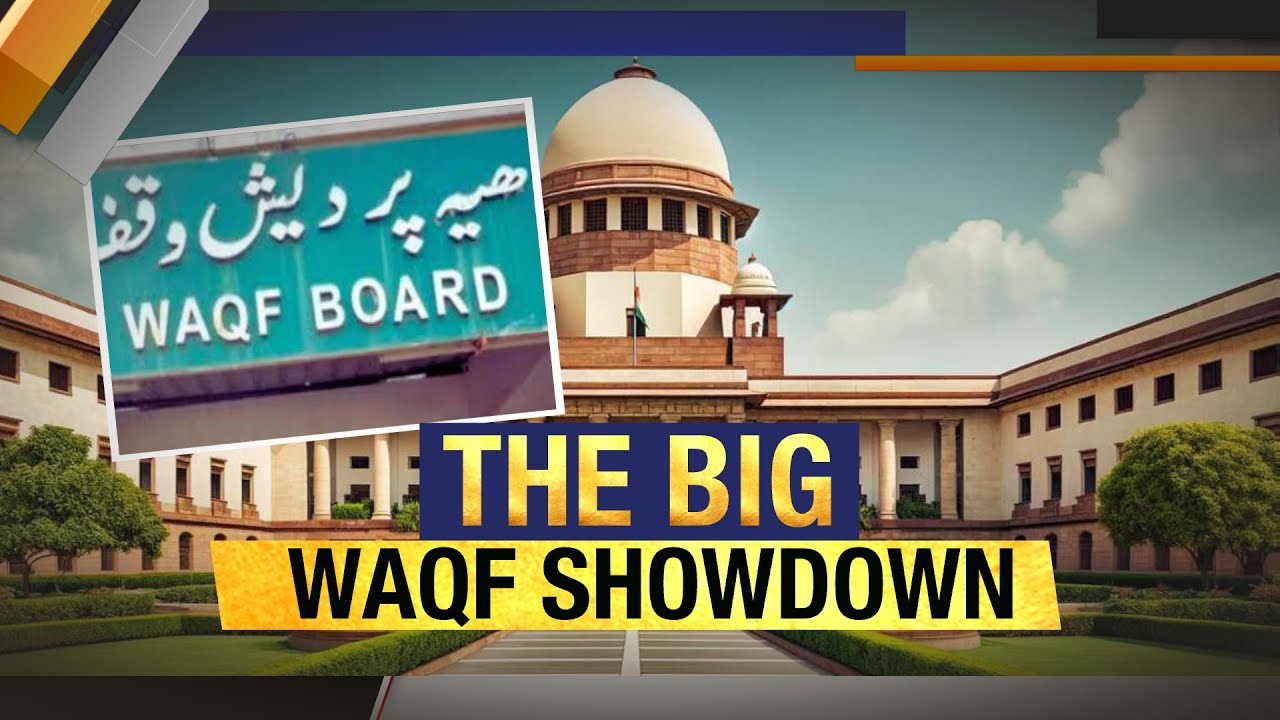
By K Raveendran The Supreme Court’s interim order on the controversial Waqf Amendments Act has created an unusual equilibrium among opposing camps, hinting at a calculated balancing act rather than a decisive intervention. While the order does not represent a full-fledged stay on the implementation of the amendments, it introduces a layer of judicial restraint […]

VISHNU RAJA
RYO YAMADA
HITORI GOTOH
IKUYO KITA