News related to
voice

OPPO enhances ColorOS 15 with Google’s leading AI capabilities ColorOS 15 will include the Google Gemini app and Circle to Search with Google on OPPO devices SHENZHEN, CHINA – Media OutReach Newswire – 19 November 2024 – OPPO is bringing advanced AI experiences, Google Gemini, and Circle to Search with Google, to its upcoming ColorOS 15. “With ColorOS, our goal has always been to create an easy-to-use, […]

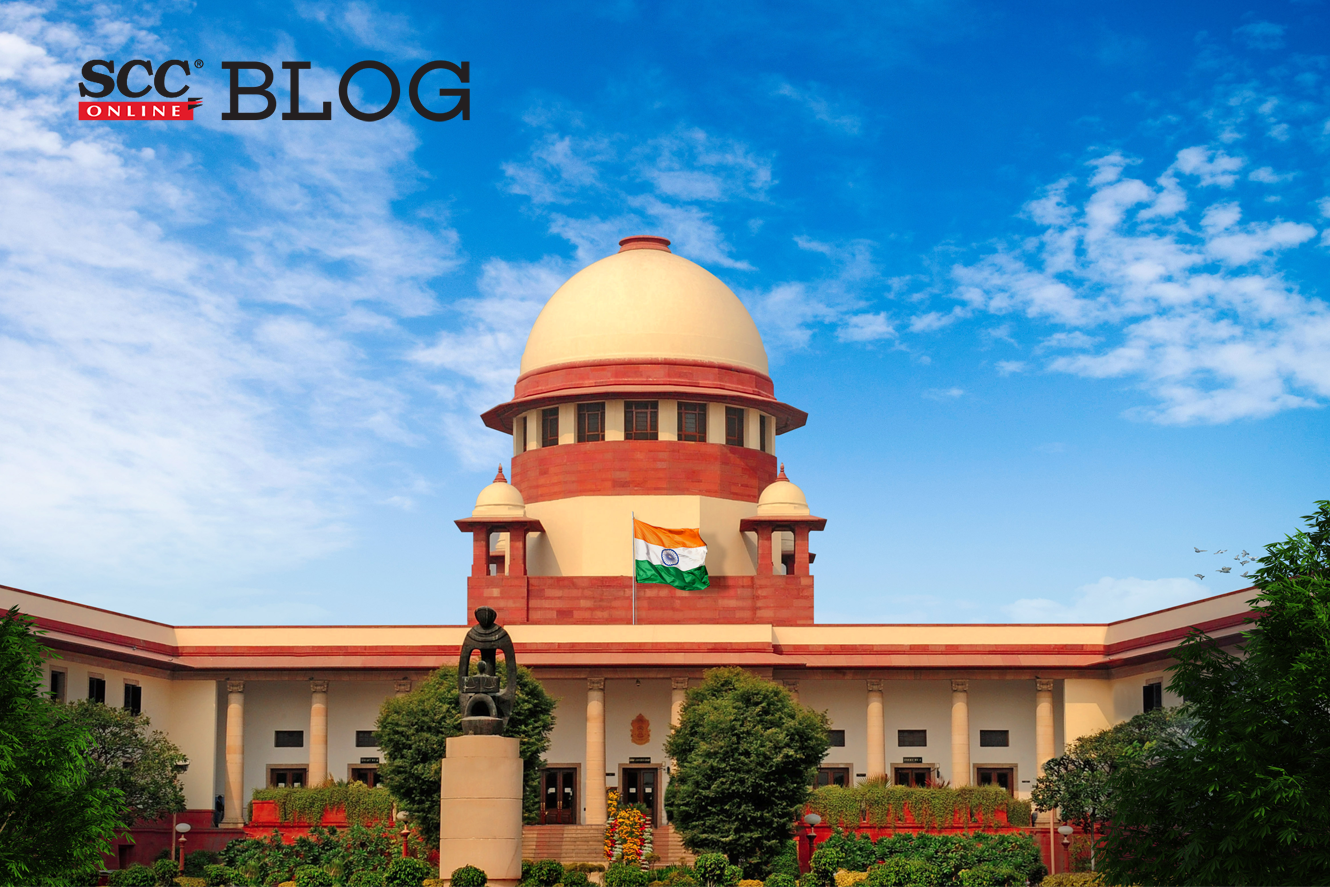
India’s Ministry of Electronics and Information Technology is set to unveil voluntary ethical guidelines for artificial intelligence and generative AI firms by early 2025. These guidelines are expected to outline a framework encouraging responsible innovation while addressing societal concerns linked to the misuse of AI technologies.

As AI transforms industries and public services, the ethical ramifications of its deployment have come under scrutiny. Recognizing the need for oversight, the Ministry has been crafting a non-binding code that promotes transparency, accountability, and fairness in AI applications. This initiative aims to mitigate risks such as algorithmic bias, misinformation propagation, and threats to user privacy, which are becoming critical issues globally.

Government officials have emphasized that the voluntary nature of these guidelines allows for flexibility and innovation while encouraging adherence to ethical standards. Unlike regulations, this approach does not impose strict mandates but seeks to foster collaboration between government bodies, tech companies, and civil society. AI firms participating in the development process have voiced support for the guidelines, stating that they align with global best practices while considering local nuances.

The framework’s primary focus areas include ensuring fairness in AI-driven decision-making processes, safeguarding data privacy, and establishing mechanisms for identifying and addressing misuse. It also underscores the importance of explainability, enabling users to understand how AI systems make decisions. By encouraging companies to adopt these principles, the Ministry hopes to set a precedent for ethical AI development in the global arena.

As AI-powered systems become integral to governance, education, healthcare, and financial services, concerns about their unchecked application have grown. Experts warn of potential pitfalls, such as reinforcing societal inequalities through biased algorithms or enabling large-scale surveillance through advanced data analytics. By addressing these challenges, the guidelines aim to strike a balance between innovation and ethical responsibility.

India’s initiative mirrors global efforts to establish ethical standards for AI. The European Union’s AI Act, currently under deliberation, seeks to regulate AI systems based on their risk levels, while the United States is exploring sector-specific guidelines. India’s voluntary approach, however, aims to create a conducive environment for AI innovation without stifling technological progress.

While the proposed framework has been welcomed by many stakeholders, some experts caution against relying solely on voluntary adherence. They argue that enforceable regulations may be necessary to ensure compliance and protect public interests effectively. Proponents of a regulatory approach highlight the potential for misuse by entities unwilling to adopt ethical practices.

India’s burgeoning AI ecosystem, fueled by startups and global tech giants, has made the country a critical player in the global AI landscape. Industry leaders see the guidelines as a strategic step towards aligning India’s AI ecosystem with international standards, enhancing its competitiveness in the global market. Additionally, ethical AI practices are expected to boost public trust and acceptance of AI-driven innovations.

A Hong Kong court has sentenced over 30 prominent pro-democracy activists to prison terms ranging from four to ten years in what has been described as the largest national security case since the imposition of the Beijing-backed security law in 2020. The sentences, handed down on Tuesday, mark a significant moment in the city’s ongoing crackdown on dissent, further diminishing hopes for political freedoms that once defined […]

Donald Trump is set to hold a private meeting with Coinbase CEO Brian Armstrong to discuss key personnel appointments related to his vision for the cryptocurrency sector. The meeting, which marks a significant step in Trump’s growing interest in digital currencies, will also address plans for a potential presidential advisory commission focused on Bitcoin and other cryptocurrencies. This commission, if Trump secures a second term in office, could have a profound impact on U.S. crypto policy, aiming to provide clearer regulatory guidelines and bolster the integration of digital assets into the economy.

Trump’s vocal support for Bitcoin and its role in the future of finance has been consistent, with his proposals reflecting a desire to integrate digital currency into mainstream financial structures. The advisory commission, should it be formed, would likely influence major regulatory decisions, potentially reshaping how government agencies view cryptocurrencies and their role in global markets. Given Armstrong’s influence in the crypto world, his involvement signals a pivotal moment for both the industry and Trump’s campaign, aligning political support with the priorities of one of the world’s largest cryptocurrency exchanges.

The planned collaboration comes as Coinbase, under Armstrong’s leadership, has continued to push for greater regulatory clarity in the United States. The company has been at the forefront of the battle for clear and consistent crypto regulations, often vocal about the need for lawmakers to establish more defined rules that can foster innovation while safeguarding investors. Coinbase’s legal team has been embroiled in a high-profile lawsuit against the U.S. Securities and Exchange Commission (SEC), accusing the regulator of stifling the development of the cryptocurrency market with unclear and inconsistent guidelines.

The SEC’s position on cryptocurrencies, particularly its classification of certain digital assets as securities, has long been a point of contention within the industry. Coinbase’s legal challenge is one of several efforts to create a more predictable regulatory environment. Armstrong and other industry leaders argue that clearer regulations would help drive innovation in the sector, attract new investors, and support the wider adoption of blockchain technologies.

In addition to its legal battles, Coinbase has made strategic moves to influence policy decisions in the crypto space. The company launched Stand With Crypto, a nonprofit organization dedicated to advocating for pro-crypto policies and legislation. Stand With Crypto focuses on educating lawmakers, regulators, and the public about the potential benefits of cryptocurrencies and the need for a regulatory framework that supports growth while protecting consumers. The organization’s efforts have brought Coinbase into the heart of the debate on crypto regulation, aligning the company with others in the industry seeking to make their voices heard in Washington, D.C.

Armstrong’s private discussions with Trump may be part of a broader strategy to position the cryptocurrency sector more favorably within the next administration. If Trump moves forward with his plans for a Bitcoin and crypto-focused advisory commission, it could help reduce the uncertainty that has plagued the sector. This move would also underscore Trump’s interest in securing the support of tech and finance sectors, particularly as he seeks to widen his base of support among younger voters who are more likely to invest in or embrace digital currencies.

The meeting between Trump and Armstrong is also noteworthy in the context of the political climate surrounding cryptocurrencies. While some politicians view Bitcoin and other cryptocurrencies with skepticism, fearing that they could be used for illicit activities or undermine traditional financial systems, others see them as essential to the future of finance. Trump’s involvement could shift the narrative, casting digital currencies as an innovative force in the economy that deserves the same level of attention as traditional financial institutions.

However, the political and regulatory landscape remains complicated. The U.S. has struggled to balance the need for innovation with the potential risks associated with cryptocurrencies. Proponents argue that cryptocurrencies have the potential to enhance financial inclusion, reduce transaction costs, and offer new opportunities for economic growth. Critics, on the other hand, raise concerns about the volatility of digital assets, the environmental impact of Bitcoin mining, and the potential for fraud and market manipulation.

The cryptocurrency sector’s push for regulatory clarity is not confined to the United States. Globally, countries are taking varied approaches to managing the growth of digital currencies. Some nations, like El Salvador, have embraced Bitcoin as legal tender, while others have cracked down on its use. The lack of a unified global approach to crypto regulation has created challenges for companies like Coinbase, which operate across multiple jurisdictions and must navigate different legal requirements.

Trump’s proposed advisory commission could also help bring the U.S. in line with global trends, positioning the country as a leader in the cryptocurrency space rather than a passive observer. The commission could provide a forum for industry leaders, regulators, and lawmakers to work together on creating a regulatory framework that promotes innovation while addressing concerns about security, consumer protection, and market stability.

The United Nations General Assembly has overwhelmingly voted in favor of a resolution recognizing the right of the Palestinian people to self-determination, paving the way for the establishment of an independent Palestinian state. A total of 170 countries supported the resolution, signaling strong international backing for the Palestinian cause, while six nations, including Israel and the United States, voted against it. Nine others abstained from the vote, […]

By Nantoo Banerjee from Manila The US-backed new Philippine Maritime Zones Act and Archipelagic Sea Lanes Act clearly defining the extent and boundaries of the country’s maritime zones and nullifying China’s sweeping claims in the South China Sea promises to raise fresh tensions in the region threatening to affect the estimated global maritime trade of […]

BMW M GmbH’s latest innovation, the iX M60, is set to redefine the boundaries of electric mobility, blending high-performance dynamics with cutting-edge technology. As the first all-electric Sports Activity Vehicle (SAV) from the M division, the iX M60 delivers thrilling performance, sophisticated luxury, and a forward-looking vision for sustainable driving. With its powerful motor, refined suspension system, and robust technological features, this electric vehicle marks a significant […]

Advertisements

The Al Ain Book Festival 2024 launched this week, bringing together literary enthusiasts, authors, publishers, and cultural figures from around the world. Held at the Al Ain Convention Centre, the event promises a series of engaging discussions, workshops, and book exhibitions aimed at promoting reading and encouraging creative exchanges in the literary world.

The festival, now in its 12th edition, is a cornerstone of the UAE’s rich cultural landscape, reflecting its commitment to supporting the arts and literature. It draws attention to a growing national interest in fostering a literary environment that aligns with the country’s Vision 2030 initiatives. The UAE has long championed the promotion of knowledge and culture, making the Al Ain Book Festival a significant event for intellectuals and cultural figures across the Middle East and beyond.

A variety of activities is set to unfold throughout the festival, including book signings, panel discussions, and performances by local and international authors. Organizers have emphasized the importance of creating an inclusive space for both seasoned authors and newcomers to share their perspectives on current global trends in literature and storytelling. Among the festival’s primary objectives is to foster a deeper connection between local audiences and global literary movements.

As a growing international platform, the Al Ain Book Festival also showcases the UAE’s role as a bridge between Eastern and Western literary traditions. The festival’s theme this year centers on “Innovating Tradition,” reflecting the evolving nature of literature in a rapidly changing world. This theme resonates with the ongoing cultural shift seen in various media and publishing channels, including the rise of digital publishing, podcasts, and multimedia storytelling.

The opening day highlighted some of the festival’s major attractions, including the participation of prominent authors such as novelist and essayist Dr. Maha Al-Fahim, whose works explore the intersection of personal identity and societal change. Her recent work on cultural transitions in the Arab world has been a focal point of many academic discussions. Also, the event sees participation from acclaimed international authors, with discussions on themes ranging from contemporary fiction to non-fiction, and an exploration of how traditional forms of storytelling are being reshaped by technology.

Emerging trends in global literature are central to this year’s programming, with a focus on works that challenge conventional narratives, particularly regarding gender, race, and global migration. At the heart of these discussions is the rise of diverse voices within the literary world, marking a shift from historical literary canons toward a more inclusive and multifaceted approach to writing and storytelling. The festival’s organizers are keen to promote dialogue about the global influences on literature, and many panels are centered around how regional narratives blend with global themes.

Another notable development this year is the festival’s expanded outreach through digital platforms, allowing virtual participation for international attendees. With digital media becoming an integral part of the literary world, the festival embraces hybrid events, making it accessible to a wider audience globally. This approach has received positive feedback from both exhibitors and attendees, who recognize the importance of adapting to new methods of engagement in a post-pandemic world.

The event also emphasizes the role of publishing in shaping cultural conversations. UAE-based publishers are showcasing their latest works, while international publishers are promoting books that address a range of social issues. This presents an opportunity for publishers and authors to connect, share experiences, and discuss future trends in the global book market. Industry experts are discussing the challenges and opportunities within the publishing sector, including the impact of digital transformation and the growing demand for content across various media.

The festival has become a key event for nurturing local talent. Emirati authors, whose works have garnered attention for their unique perspectives on history, society, and culture, continue to have an increasingly significant presence at the festival. They use the platform to reach a broader audience, seeking to preserve and promote their cultural narratives while engaging with the global literary community.

An important aspect of the Al Ain Book Festival is its educational outreach. Schools and universities across the region are encouraged to bring students to the event, fostering early engagement with literature and learning. Educational workshops designed for young people are held throughout the festival, encouraging them to express their creativity and explore their literary interests. This initiative reflects the festival’s ongoing commitment to cultivating a new generation of readers and writers.

Keynote speeches and discussions also delve into the challenges faced by the modern publishing industry. Themes of copyright protection, digital piracy, and the economic viability of print publishing in an increasingly digital world have been discussed in-depth by panelists. These discussions emphasize the need for adapting traditional business models to stay relevant in a fast-changing global market.

The festival is not just an academic event but also a celebration of the arts. Cultural performances, including poetry readings, music inspired by literary themes, and live art installations, add to the dynamic nature of the festival. This integration of different forms of artistic expression reflects the growing convergence between literature, music, and visual arts in today’s cultural scene.


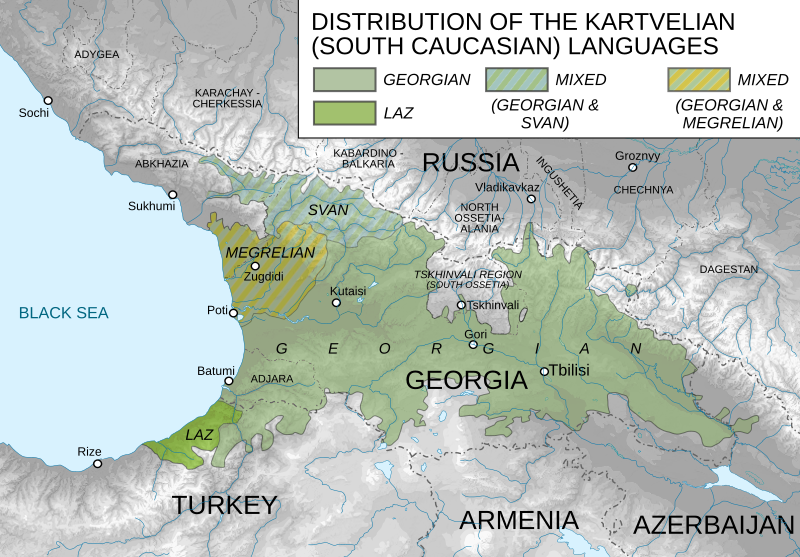
A member of Georgia’s opposition party, Unity – National Movement, disrupted a meeting of the Central Election Commission (CEC) on Friday by throwing black paint at CEC Chairman Giorgi Kalandarishvili. The act was a protest against what Kirtadze, the opposition lawmaker, referred to as alleged election fraud, prompting an immediate suspension of the meeting. The chaotic scene unfolded as Kirtadze, visibly upset, called the act a symbol of his party’s deep concerns regarding electoral integrity.

Following the incident, the security service swiftly intervened and escorted Kirtadze out of the hall. The confrontation has sparked outrage across the political spectrum, further heightening tensions in the country’s already polarized political environment.

The opposition Unity – National Movement party has long accused the ruling government of manipulating elections to secure its hold on power. The protest during the CEC meeting, which was intended to address upcoming elections, underscores the growing dissatisfaction with the election process in Georgia, especially in the wake of controversial results in previous ballots.

Following the interruption, Kalandarishvili, the CEC Chairman, assured the public that despite the disruption, the meeting would reconvene once order was restored. The CEC stressed its commitment to overseeing free and fair elections, despite the disruptions caused by opposition protests.

Kirtadze’s action has raised alarms about the growing volatility in Georgia’s political landscape. While the act was condemned by some, it resonated with many opposition supporters who have voiced their frustrations over the government’s grip on electoral processes. This attack is seen as a dramatic gesture aimed at drawing international attention to the alleged shortcomings of Georgia’s election system.

The Unity – National Movement party has called for an immediate review of the election procedures and has threatened further demonstrations if their demands are not met. The political crisis in Georgia has been escalating in recent months, with frequent clashes between opposition forces and the government. Both sides accuse each other of undermining democracy, leading to widespread protests across the country.

Georgia’s Central Election Commission has historically been a source of contention. While the government insists that elections are fair, opposition groups remain skeptical. The credibility of the election process has been a contentious issue ever since Georgia’s 2020 parliamentary elections, which were marred by accusations of voter manipulation and fraud. Despite international calls for reform, the allegations have continued to dominate public discourse.

The act of throwing paint, while symbolic, highlights a growing sense of desperation within the opposition, which believes that peaceful protest is no longer enough to sway the government. The move to physically confront Kalandarishvili, who has been a central figure in the commission, reflects the intensifying battle for political legitimacy.

The ruling Georgian Dream party has condemned Kirtadze’s actions as an unacceptable form of protest, urging for greater political maturity. However, this event has undoubtedly added fuel to the already heated political climate in Georgia.

International observers have expressed concern about the impact this incident may have on the upcoming elections. While Georgia has made significant strides in its democratic transition over the past decade, the political scene remains fraught with challenges. The incident at the CEC is a stark reminder of the fragility of the country’s electoral process.

Kirtadze’s actions, though widely seen as extreme, are indicative of the mounting pressure opposition parties face in Georgia. As the 2024 elections approach, opposition groups have vowed to continue their fight for electoral reforms, and many are prepared to escalate protests if their demands are not addressed.

Hundreds of hotel workers at a casino near the Las Vegas Strip initiated a strike early Friday morning, marking a significant escalation in their ongoing battle for better working conditions and a new contract. The labor dispute, which has gained widespread attention in recent weeks, underscores a larger trend in the hospitality industry, as workers demand fair wages, improved benefits, and job security amid rising living costs.

The workers, including housekeepers, bellhops, and other hotel staff, voted overwhelmingly to strike after lengthy negotiations failed to produce an agreement with their employer. The casino, located just off the iconic Strip, is one of many in the area where unions have mobilized in recent months to address what they describe as an imbalance between the enormous profits of hotel operators and the conditions faced by their employees.

Negotiations had intensified over the last few months, with workers demanding increased wages to keep pace with the rising cost of living in the region. According to union representatives, many of the employees have not seen significant pay raises in years, despite the booming tourism industry and record profits for casinos. With inflation affecting prices across the board, particularly for housing and groceries, employees argue that their compensation no longer aligns with their work’s value.

The union representing the workers, the Culinary Workers Union Local 226, has been vocal about the need for a contract that reflects the economic realities faced by workers. The union’s president, Geoconda Argüello-Kline, emphasized that hotel and casino employees are critical to the industry’s success, yet they are often underpaid and overworked. She pointed to the financial disparities between the workers’ paychecks and the multi-billion-dollar profits generated by these establishments, noting that the workers’ wages have not kept up with the inflationary pressures affecting Las Vegas.

The strike is particularly significant as it takes place in one of the most profitable entertainment hubs in the world. Casinos and hotels along the Strip are a major draw for visitors, with the hospitality sector contributing billions to Nevada’s economy. Yet, workers argue that the benefits of this boom have not trickled down to those on the frontlines.

While the casino’s management has not yet made a public statement regarding the strike, sources close to the company say they were hopeful for a resolution before it reached this point. The strike, however, appears to be the result of growing frustration among workers who feel that their concerns have been ignored by management.

The labor movement in Las Vegas has long been a powerful force, with unions advocating for workers’ rights and striving to secure better wages and working conditions. Over the years, the city’s hospitality workers have won significant improvements, including better healthcare benefits, pension plans, and protections against workplace abuses. However, with many hotel workers still earning hourly wages that barely cover the cost of living, union leaders argue that more needs to be done.

This strike follows a broader wave of labor activism across the United States, where workers in several industries, from education to healthcare, have pushed for fairer compensation and improved working conditions. The Las Vegas hospitality sector, with its reliance on low-wage labor, is particularly vulnerable to such labor unrest, as workers in this sector continue to voice dissatisfaction with wages that fail to keep pace with rising costs.

The strike is also a reflection of larger societal trends, where economic inequality has become a central issue for many Americans. With the gap between the wealthy and the working class growing ever wider, calls for more equitable pay and conditions have become louder. The Las Vegas hospitality workers’ actions are part of this broader movement, aiming to address the disparities that many workers face in industries that thrive on consumer spending but offer few rewards to the people providing the services.

For many workers, the strike represents a crucial turning point. It is not just about wages, but about dignity and respect for their labor. Many hotel employees in Las Vegas feel that their work, which often involves long hours and physical labor, is undervalued, even as the industry continues to profit immensely from the tourism that their efforts help to drive.

The outcome of the strike will likely have broader implications for labor movements across the country. If the workers succeed in securing better terms, it could inspire similar actions in other cities where workers in hospitality and service industries face similar challenges. Conversely, if the strike fails to yield the desired results, it could dampen morale in labor movements and set back efforts to secure better conditions for workers.

HEFEI, CHINA – Media OutReach Newswire – 15 November 2024 – On November 15, the 2024 China Huangshan Book Fair commenced in Hefei, Anhui Province. This year’s event highlights its focus on “thematic development, internationalization, digitalization, and lifestyle integration,” featuring a diverse array of cultural activities, including themed exhibitions and sales of publications, industry forums, reading promotion initiatives, cultural livestreams, digital experiences, and project discussions. The fair […]

Nigeria’s ongoing economic challenges, exacerbated by a cash shortage, have led to an increased reliance on Point of Sale (POS) agents for daily financial transactions. Amid a surge in the use of POS terminals for basic banking needs, the debate over their role in Nigeria’s financial ecosystem has intensified. While these agents serve as a crucial bridge for unbanked and underbanked populations, questions are emerging about their […]

LOS ANGELES, USA – Media OutReach Newswire – 15 November 2024 – Livestreaming platform Bigo Live is set to bring Season 3 of its talent competition, BIGO’s Most Talented, to a thrilling conclusion with the Grand Finale on October 16 in Los Angeles. This innovative virtual talent show blends the competitive excitement of traditional reality TV with the interactivity of live streaming, using engagement as a unique […]

HONG KONG SAR – Media OutReach Newswire – 15 November 2024 – The Elite Programme of Hong Kong Science and Technology Parks Corporation (HKSTP) aims to nurture both local and international tech ventures with high growth potential. With 24 companies currently active in the programme, including 13 home-grown companies and 11 from overseas, the Elite companies span across different industries, including AI & robotics, life and health […]

By K Raveendran Recent interventions by the Supreme Court into actions taken by the Securities and Exchange Board of India (SEBI) have underscored mounting concerns about systemic issues within the country’s chief market regulator. SEBI’s actions in several high-profile cases—particularly its record of imposing significant penalties and its alleged tendency to either delay or condone […]

The United Kingdom is preparing to roll out blockchain-powered digital government bonds within the next two years, marking a significant step towards modernizing its financial markets. This initiative is expected to streamline the process of issuing gilts, traditionally used by the UK government for borrowing, by leveraging blockchain technology. The formal announcement of the project is anticipated on November 14.

City Minister Tulip Siddiq has been a key advocate for this move, which aims to enhance efficiency and reduce the costs associated with traditional bond issuance processes. Blockchain’s ability to provide transparency and cut out middlemen is seen as a major advantage. Supporters of the initiative argue that it could also offer greater security and streamline the trading process by reducing administrative burdens.

However, the proposal has encountered resistance, particularly from the UK Debt Management Office (DMO), which has expressed concerns about the feasibility of implementing such a system at scale. The DMO, which manages the issuance and redemption of government debt, has voiced reservations regarding the technical challenges of transitioning to a fully digital platform. These concerns center on the complexity of blockchain integration into existing financial structures and the readiness of key stakeholders to adopt the new technology.

Despite this, Siddiq remains steadfast in her belief that blockchain represents a crucial step forward. She has pushed for the adoption of blockchain to not only modernize the financial sector but also to maintain the UK’s competitive edge in global markets. The proposal could potentially place the UK at the forefront of adopting blockchain in public sector financial services, offering a model for other nations to follow.

A clash between former president Donald Trump and tech mogul Elon Musk could be imminent, according to experts tracking the dynamics of their relationship. Despite Musk’s enthusiastic support for Trump’s 2024 presidential campaign, some predict that a power struggle may arise, driven by their competing ambitions for dominance in the public sphere. Kara Swisher, a well-known tech journalist and columnist, has voiced concerns that, while Trump has […]

SINGAPORE – Media OutReach Newswire – 8 November 2024 – The Asia Pacific Enterprise Awards (APEA) 2024 Regional Edition is pleased to honor Ariescope EL Mejor Trading Pte Ltd (Ariescope Trading) as an exemplary business in Asia. Organized by the NGO Enterprise Asia, the APEA is an unparalleled platform for fostering entrepreneurial growth in Asian economies. Ariescope Trading stands at the forefront of the Trading & Wholesaling […]

A second term for Donald Trump could usher in significant changes for investors in the Middle East, with the potential for both increased economic opportunities and geopolitical instability. Trump’s return to the presidency would likely revive his administration’s assertive economic policies, reshaping U.S. foreign relations, particularly toward China, Europe, and Middle Eastern nations, while possibly impacting global market dynamics in ways that will directly affect Gulf economies.

Trump’s “America First” approach, previously marked by attempts to realign American foreign policy priorities, could lead to heightened trade tensions with major global economies, including the European Union and China. During his previous term, the Trump administration imposed steep tariffs on Chinese goods and withdrew from the Trans-Pacific Partnership, signaling a shift from multilateral agreements to bilateral deals with clear U.S. advantages. These policies could place Middle Eastern investors in a challenging position, especially those with extensive ties to both Western and Asian markets. His re-election could rekindle these policies, affecting key industries and the economic strategies of regional stakeholders, who may need to reassess their portfolios to navigate potential trade disruptions.

One area of likely change would be Trump’s approach to the U.S.-China trade war, which saw tariffs as high as 25% imposed on hundreds of billions in imports. The escalating tariffs strained trade flows globally, and with Trump’s potential return, the continuation or expansion of such tariffs could push China to deepen its ties with Gulf nations as it seeks alternative partners. The Middle East, particularly Saudi Arabia and the UAE, has already seen increased investment from China under the Belt and Road Initiative, and a further intensification of U.S.-China rivalry could strengthen these relations. Additionally, Gulf economies that depend heavily on oil exports may find opportunities as China looks for secure energy suppliers outside of the American sphere.

Simultaneously, Trump’s proposed policies are expected to drive further U.S. disengagement from traditional allies in Europe, compelling these countries to secure alternative economic partnerships. This shift could create an environment where European countries turn to the Middle East to establish closer trade relations, viewing Gulf states as critical energy providers and investment hubs. Regional investors could benefit from an increased inflow of European capital seeking to mitigate the effects of U.S. tariffs.

In terms of defense, Trump has consistently voiced support for reducing U.S. military commitments abroad, urging allies in Europe and the Middle East to shoulder more responsibility for their own defense. This could result in reduced U.S. military presence in Gulf nations, which may encourage these states to expand defense partnerships within the region and seek additional security alliances beyond the U.S. This shift could spur an increase in local defense spending and the development of domestic defense industries, presenting investment opportunities in these sectors. However, it may also bring heightened insecurity, which could lead to market instability, especially in oil-dependent economies that rely on stable energy production and export environments.

The Middle East’s energy sector might experience new pressures and opportunities under a Trump administration focused on American energy independence. Trump has previously supported policies that increase domestic oil and gas production in the U.S., which could lead to a drop in oil prices globally, impacting the revenue of oil-exporting countries in the Gulf. To counter this, Gulf economies may be motivated to diversify and boost non-oil sectors such as technology, real estate, and tourism, creating new avenues for regional and international investors.

Trump’s stance on Iran could also lead to renewed tensions in the region. During his first term, the administration’s “maximum pressure” campaign aimed at curbing Iran’s nuclear ambitions led to economic sanctions and heightened regional conflicts. If reinstated, such policies could escalate instability in areas around the Strait of Hormuz, a key chokepoint for global oil exports. Middle Eastern markets might face disruptions if these tensions spill over, particularly for industries dependent on steady energy flows and safe trading routes. Yet, defense and energy infrastructure investments may see a boost in response to these renewed geopolitical challenges.

Trump’s previous involvement in brokering the Abraham Accords set a precedent for Arab-Israeli normalization. A return to power could see a renewed push for expanded economic ties between Israel and more Arab states, following the precedent of UAE, Bahrain, Morocco, and Sudan establishing official relations with Israel. Investors across the Gulf could benefit from these expanded commercial ties through greater market access, technology transfers, and joint ventures, particularly in high-growth sectors like technology, renewable energy, and tourism. The prospect of regional integration holds promise for attracting further foreign direct investment (FDI) and bolstering Middle Eastern economies.

Middle Eastern investors, therefore, may need to prepare for a mixed impact, balancing potential market volatility with strategic opportunities. Gulf Cooperation Council (GCC) countries, particularly the UAE and Saudi Arabia, may find themselves in a pivotal position, with increased leverage in securing favorable trade agreements as both Western and Eastern economies seek partnerships in response to Trump’s policies. Yet, they may also have to contend with the risks of being on the frontline of fluctuating U.S. policies toward the region, especially regarding defense and energy.

SINGAPORE – Media OutReach Newswire – 7 November 2024 – Held at the Grand Hyatt Taipei on 13 September, the much-anticipated Asia Pacific Enterprise Awards (APEA) 2024 Taiwan recognized many leading companies and entrepreneurs for their success and excellent leadership. The APEA is Asia’s premier awards recognition program promoting outstanding entrepreneurship, bringing together top entrepreneurs, and fostering networking between various industries. Alljack Technologies, Inc. was among the […]

Donald Trump declared a resounding victory following his success in a pivotal electoral contest, marking a significant milestone in his political journey. Speaking to a fervent crowd of supporters, Trump praised his campaign’s momentum and emphasized the importance of his victory in shaping the nation’s future. His remarks came after securing a crucial state that many had anticipated to be a tight race.

Trump’s win has sent shockwaves through the political landscape, igniting debates over the direction of the upcoming election cycle. Political analysts have been quick to weigh in on the implications of his victory, with some suggesting it could be a precursor to a broader surge in support, while others caution that the battle for the White House is far from over.

The former president’s victory in this key state highlights his continuing influence within the Republican Party. In his speech, Trump reinforced his stance on major issues, including immigration, trade, and national security, reiterating promises to restore economic prosperity and strengthen America’s global standing. His remarks were a clear message to his rivals that he is ready to reassert control over the political narrative leading up to the next presidential election.

Trump’s political allies have rallied behind his victory, seeing it as a reaffirmation of his strength as a candidate. Republican figures, many of whom had initially been skeptical about his potential candidacy, have now aligned themselves with his vision for the future. Several prominent party members have voiced their support, underscoring the idea that Trump’s victory could pave the way for a unified Republican front as the race for 2024 intensifies.

Meanwhile, the Democratic Party is bracing for what promises to be a fiercely contested election. Trump’s message of economic recovery and national security resonated with voters in key battleground states, suggesting that his ability to galvanize support among certain demographic groups remains a formidable force. This victory has reignited concerns among Democratic strategists about Trump’s potential to sway critical swing voters.

In the aftermath of his speech, there has been an outpouring of both support and criticism from various quarters. While many of his supporters cheered his victory, praising his leadership and vision, others expressed concerns over the divisive rhetoric that has often characterized his political career. Opponents argue that Trump’s approach to governance, particularly his handling of issues like healthcare, social justice, and climate change, has been polarizing and detrimental to the broader social fabric of the country.

The race for the presidency has undoubtedly entered a new phase, with Trump’s electoral success serving as a reminder of the enduring strength of his political brand. As he continues to rally supporters, the coming months will likely see heightened scrutiny of his policies and public statements. The Republican Party, meanwhile, faces a critical decision as it assesses how best to position itself for the approaching election cycle.

As political analysts digest the implications of this victory, attention is turning to the potential candidates who could emerge to challenge Trump for the Republican nomination. While several prominent figures have already signaled their intentions to run, none have yet been able to replicate the level of support Trump continues to command among a significant portion of the electorate.

The broader political environment remains unpredictable, with many questioning how the next phase of the race will unfold. In the coming months, both parties will focus their efforts on winning over key voting blocs, particularly in swing states, where Trump’s influence has been most keenly felt. As he capitalizes on this victory, Trump will need to navigate both internal party dynamics and external opposition to maintain his political dominance.

SINGAPORE – Media OutReach Newswire – 6 November 2024 – Artistic Biomedical Limited Company took home two awards at this year’s Asia Pacific Enterprise Awards (APEA) 2024 Taiwan Chapter, held at the Grand Hyatt Taipei on 13 September. The APEA is Asia’s leading awards ceremony recognizing outstanding entrepreneurship, innovation, and sustainable leadership in business. Since its founding in 2012, Artistic Biomedical has transformed the Taiwanese dental market. […]

Up to 18% First Year Premium Discount Complimentary Health Services including Health Check-up, Chinese Medicine Services or Vaccination Services HONG KONG SAR – Media OutReach Newswire – 4 November 2024 – As global life expectancy prolongs and the costs of living continue to rise, it is not easy to properly plan for the future of oneself and his beloved ones. Hong Kong Life understands the needs of […]

Concerns over potential conflicts of interest have prompted Ethereum researchers Justin Drake and Drankrad Feist to resign from their roles at EigenLayer, a decentralized protocol that facilitates the building of new applications on the Ethereum blockchain. This decision comes in the wake of their disclosure regarding substantial token payouts they received from EigenLayer, raising eyebrows within the cryptocurrency community and igniting debates over transparency and governance in […]

VISHNU RAJA
RYO YAMADA
HITORI GOTOH
IKUYO KITA