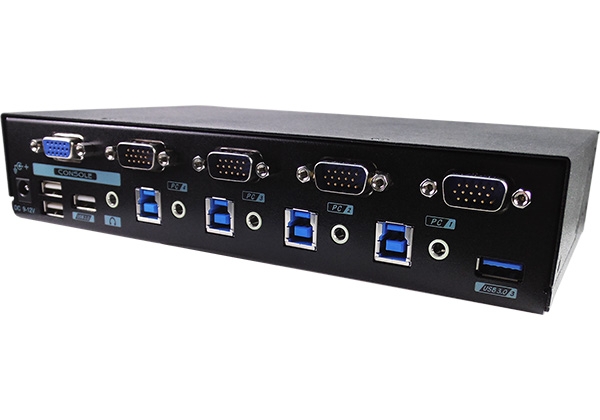
Cheap IP-KVM devices widely used in enterprise environments have been found to contain critical security vulnerabilities that could allow attackers to seize low-level control of entire networks, according to findings from multiple cybersecurity researchers.
The flaws, identified across several budget remote management products, enable attackers to bypass standard security protections and gain direct access to connected systems at the BIOS level. Once compromised, a single IP-KVM device can effectively grant full keyboard, video and mouse control over multiple servers, turning what is designed as an administrative tool into a potent attack vector.
Researchers examining devices priced as low as $30 uncovered at least nine distinct vulnerabilities affecting four manufacturers, many of which are commonly deployed in data centres, server rooms and industrial control environments. The weaknesses include hardcoded credentials, improper authentication mechanisms, insecure firmware update processes and exposed remote access services.
Security analysts warn that the risk lies not only in the individual flaws but in the level of access these devices provide. IP-KVM switches operate below the operating system, enabling administrators to manage machines remotely even when systems are offline or unresponsive. This same capability allows attackers who gain access to manipulate system boot processes, install persistent malware and evade traditional endpoint detection tools.
Experts note that exploitation could allow adversaries to inject malicious code directly into firmware, establish long-term persistence and move laterally across networks without triggering standard security alerts. Because IP-KVM devices often sit outside conventional monitoring frameworks, compromised units may remain undetected for extended periods.
The affected devices are typically marketed as low-cost alternatives to enterprise-grade remote management hardware, appealing to small and mid-sized organisations seeking affordable infrastructure solutions. Their widespread availability through online marketplaces has contributed to their adoption across sectors including education, healthcare and manufacturing.
Cybersecurity professionals point out that supply chain transparency remains limited for many such products, with firmware components often sourced from third-party vendors and insufficiently audited. This creates additional uncertainty around embedded vulnerabilities and the potential for backdoor access.
Industry observers say the findings highlight a broader trend in which inexpensive network-connected hardware introduces disproportionate risk. As organisations expand remote management capabilities, the attack surface grows, particularly when devices are deployed without rigorous security assessment.
Mitigation measures recommended by security experts include isolating IP-KVM devices on separate network segments, disabling unnecessary remote access features and updating firmware where patches are available. However, in several cases examined, vendors had not issued comprehensive fixes at the time of disclosure, raising concerns about patching timelines and long-term support.
Some organisations have begun reassessing procurement strategies, weighing the upfront cost savings of budget hardware against potential exposure to high-impact breaches. Analysts suggest that even a single compromised device could provide attackers with entry points equivalent to physical access, undermining perimeter defences and internal segmentation controls.
The vulnerabilities also carry implications for critical infrastructure, where remote management tools are frequently used to oversee distributed systems. In such environments, unauthorised access could disrupt operations or facilitate sabotage, amplifying the severity of the threat.
Security researchers emphasise the need for greater scrutiny of embedded systems and hardware-level security, areas that have historically received less attention than software vulnerabilities. They argue that as attackers become more sophisticated, targeting lower layers of the technology stack offers a pathway to bypass increasingly hardened software defences.
Regulatory bodies and industry groups are also being urged to establish clearer standards for the security of network-connected hardware, particularly devices intended for enterprise use. Calls for mandatory disclosure practices and independent security testing have intensified as similar vulnerabilities continue to surface across the Internet of Things ecosystem.
Follow Arabian Post
Select Arabian Post as your preferred source on Google and MSN News for trusted business news and Arab politics and updates.