

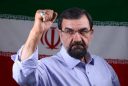
Arabian Post Staff -Dubai
Rezaei replaces Mohammad Bagher Zolghadr, another former Revolutionary Guards commander who had held the powerful post since March. Zolghadr has been moved to a political advisory role under Supreme Leader Ayatollah Mojtaba Khamenei, while Rezaei will also serve as the supreme leader’s representative on the council.
The change places one of Iran’s longest-serving military and political figures at the centre of decisions over national defence, foreign policy and the confrontation surrounding the Strait of Hormuz. The Supreme National Security Council is formally chaired by President Masoud Pezeshkian and brings together senior government, military and intelligence officials, although the supreme leader retains ultimate authority over major state decisions.
Rezaei commanded the Islamic Revolutionary Guard Corps from 1981 until 1997, covering much of the Iran-Iraq war and a formative period in the development of the Guards as a major military and political institution. He later became secretary of the Expediency Discernment Council and served as vice-president for economic affairs between 2021 and 2023.
His return to a frontline security position comes as Tehran says negotiations with Oman on a maritime arrangement for the Strait of Hormuz are close to completion. The discussions are intended to establish shipping arrangements through one of the world’s most important energy corridors after months of severe disruption to commercial traffic.
The emerging proposal envisages separate inbound and outbound shipping lanes close to Iranian and Omani waters. Iran would gain oversight of vessels entering the Gulf under the draft arrangement but would not be permitted to impose tolls or service charges. The proposal has been circulated among regional governments and Washington as negotiators seek a formula acceptable to the competing parties.
Agreement with Oman, however, would not automatically reopen the waterway. Tehran has linked a broader restoration of traffic to demands involving Washington, including sanctions relief, compensation for wartime damage, access to frozen assets and an end to what it describes as military threats and hostile actions against Iran and its regional allies. Direct negotiations between Tehran and Washington remain suspended, with messages passing through intermediaries.
Oman has emerged as a central diplomatic intermediary because of its longstanding ability to maintain working relations with Iran, Gulf Arab governments and the United States. Muscat has pushed for a navigational arrangement capable of separating the immediate problem of commercial shipping from the wider confrontation between Tehran and Washington.
The Strait of Hormuz carries a significant share of internationally traded oil and liquefied natural gas, making disruption there an immediate concern for energy markets, shipping companies and governments dependent on Gulf exports. Traffic has fallen sharply during the conflict, forcing vessels to delay journeys, remain at anchor or reassess operating risks throughout the Gulf. Thousands of seafarers have also been affected by the prolonged restrictions and security threats.
The personnel change adds another element of uncertainty to negotiations. Zolghadr had taken a firm position on the conditions required for reopening the strait, demanding major concessions from Washington. Rezaei is likewise identified with Iran’s hard-line security establishment, meaning the appointment does not by itself signal a softer approach towards the United States.
Zolghadr had been appointed to the security council after his predecessor, Ali Larijani, was killed during the conflict in March, making Rezaei the third secretary of the body within a year. The turnover reflects the pressure placed on Iran’s political and security institutions by months of warfare and the deaths of senior officials.
Pezeshkian has supported diplomatic efforts aimed at reducing the economic and security costs of the crisis, while powerful military and conservative factions retain considerable influence over the terms Iran is prepared to accept. Rezaei’s dual role as council secretary and representative of the supreme leader strengthens his position between those competing centres of authority.
Also published on Medium.
Follow Arabian Post
Select Arabian Post as your preferred source on Google and MSN News for trusted business news and Arab politics and updates.




