News related to
Arabian Post Special

By K Raveendran Vinesh Phogat’s Olympics debacle is the ultimate manifestation of the uncertainty in sports, where triumph and tragedy often converge in a moment’s breath. Phogat, a wrestler whose athletic prowess as well as her struggle against sports bureaucracy has made her a beacon of hope and defiance in Indian sports, found her aspirations […]
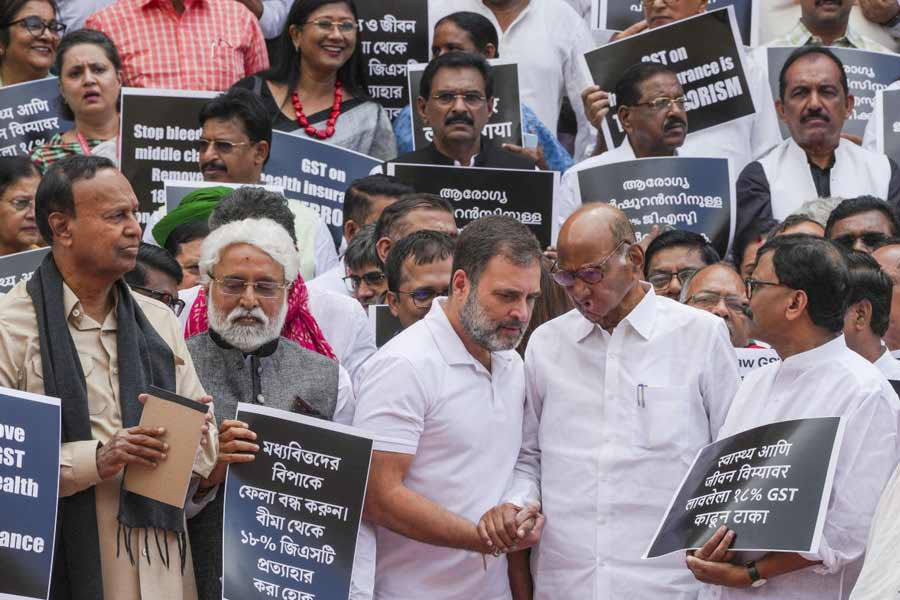
By Dr. Gyan Pathak INDIA bloc is now firmly against taxing people on their future crises of life and health, protested within and outside the Parliament against imposition of 18 per cent GST on life and health insurance premium, and demanded their immediate removal. Modi government seems to be unwilling to concede to the demand, […]
By Sushil Kutty India didn’t know what was cooking in its backyard. Prime Minister Narendra Modi, vaunted vishwaguru – supposedly the only leader with the charisma to talk Russia out of the war with Ukraine – was caught off-guard when a coup forced Bangladesh Prime Minister Sheikh Hasina to take a clandestine flight to India, […]
By Arun Srivastava After the sudden, inglorious exit of Sheikh Hasina from the political theatre of Bangladesh, the tone and temper of the students’ movement have changed. A new narrative is making rounds in the political and media circles that the student movement for quota reform is fading from the official narrative and BNP-Jamaat have […]
By Branko Marcetic WASHINGTON: The vibes have not been this good for a long time. Only two weeks after President Joe Biden’s decision to end his campaign turned the 2024 election on its head, Vice President Kamala Harris has shocked the political establishment by choosing as her running mate Minnesota governor Tim Walz, the most […]

A significant portion of Americans disapprove of deploying U.S. ground forces to protect Israel in the event of an Iranian attack. This sentiment emerges amidst heightened tensions in the Middle East, reflecting a broader reluctance to engage militarily in foreign conflicts.

Recent surveys from Pew Research Center and Ipsos reveal that a majority of Americans prefer the United States to adopt a diplomatic stance rather than a military one in the ongoing Israel-Hamas conflict. Approximately 57% of respondents oppose sending U.S. troops if Israel were attacked by its neighbors, while 50% oppose military intervention if Iran directly entered the conflict. This indicates a strong preference for non-interventionist policies, despite widespread sympathy for Israel among the American public.

The data also shows significant demographic and political variations in opinions on U.S. involvement. Older Americans, particularly those over 65, are more inclined to support military aid, whereas younger adults, especially those under 30, largely oppose it. Politically, Republicans are more supportive of military aid to Israel than Democrats, but a significant portion of both groups agree on avoiding direct military engagement.

The American public’s preference leans heavily towards diplomatic efforts. Most Americans believe the U.S. should play a minor role in resolving the Israel-Hamas conflict, with 53% advocating for diplomatic negotiations and 54% supporting efforts to protect Israeli civilians. There is, however, less consensus on military aid, with the country almost evenly split—36% in favor and 34% against.

Jewish Americans strongly support military aid to Israel, with 56% in favor, contrasted by 55% of Muslim Americans who oppose it. These differences highlight the complex and multifaceted nature of public opinion on U.S. foreign policy in the Middle East.

While the public remains divided on specific policies, there is a clear majority opposing the deployment of U.S. ground troops in active combat scenarios. This stance underscores a broader trend of wariness towards further military entanglements, emphasizing a preference for diplomatic and humanitarian interventions over direct military action.

The findings indicate a cautious approach to U.S. involvement in the Middle East, reflecting a desire for balanced and measured responses to complex international conflicts.

—

Sources:
– Pew Research Center: Views on U.S. Involvement in Israel-Hamas Conflict
– Ipsos: American Public Opinion on Israel-Gaza Conflict

By Nitya Chakraborty India is faced with an unprecedented political turmoil in Bangladesh after the formidable prime minister for the last fifteen years – Sheikh Hasina Wazed– was forced by the army generals and members of her own security team to leave the country within just 45 minutes. She is now in Delhi, waiting for […]
Advertisements

BMW Motorrad Austria has collaborated with the Austrian design studio Vagabund Moto GmbH to create a unique and innovative electric scooter, the CE 02 x Vagabund. This new model stands out with its striking retro-futuristic design, blending modern aesthetics with nostalgic elements to appeal to urban commuters.

The CE 02 x Vagabund, introduced as part of a one-off project, is a testament to the creative synergy between the automotive giant and the design studio. Vagabund’s founders, Paul Brauchart and Philipp Rabl, emphasized their intent to combine futuristic elements with a retro touch, inspired by minimalistic designs from the 1960s and 70s. The result is an electric scooter that not only offers functionality but also a distinct visual appeal.

One of the standout features of the CE 02 x Vagabund is the inclusion of a Teenage Engineering OB-4 Magic Radio. This addition aligns perfectly with the scooter’s retro-futuristic theme, offering users a unique auditory experience while commuting. Furthermore, the scooter features an “electric exhaust” that doubles as an umbrella drawer, enhancing its practicality for urban environments.

The project was showcased during the BMW Motorrad Days in Berlin, where it garnered significant attention for its innovative design and modularity. This customization follows a previous collaboration between BMW and Vagabund, which included the BMW CE 04, notable for its surfboard rack and smiley face design.

This bespoke scooter is presented in a custom 3.6-meter high steel-like packaging, resembling a collectible item. This special packaging not only highlights the uniqueness of the CE 02 x Vagabund but also ensures its safe transportation and display.

Although the CE 02 x Vagabund is not intended for mass production, it serves as a powerful example of what can be achieved through creative collaborations between automotive manufacturers and design studios. The project underscores BMW’s commitment to exploring new design horizons and Vagabund’s ability to merge different design philosophies into a cohesive product.

This electric scooter exemplifies how traditional design elements can be reimagined with modern technology to create a product that is both functional and aesthetically pleasing. The CE 02 x Vagabund stands as a significant milestone in the ongoing evolution of urban mobility solutions.

This collaboration between BMW Motorrad and Vagabund Moto GmbH not only reflects the innovative spirit of both companies but also sets a new standard for what can be achieved in the realm of electric urban mobility. The CE 02 x Vagabund is poised to inspire future projects and collaborations in the industry, pushing the boundaries of design and functionality.

By Nantoo Banerjee The sudden and sharpest cut in the import duty on gold and gold doré seems to be quite confusing since even at a 15 percent import duty on gold India’s import of the yellow metal surged nearly 30 percent amounting US$45.54 billion in the last financial year. The gold import in the […]
By Harihar Swarup When newcomer Arvind Kejriwal defeated three—time chief minister Sheila Dikshit in her constituency of New Delhi in 2013 assembly polls, jubilant supporters took to streets, hailing the moment when a common man got an opportunity to master electoral politics. Kejriwal’s Aam Aadmi Party soon became the premier force in Delhi politics. In […]
By K Raveendran The Union government’s decision to issue a fresh draft notification for nearly 56,825 sq km of the Western Ghats as an Eco-Sensitive Area (ESA) in the wake of the catastrophic landslides that ravaged Wayanad, flattening entire swathes of settlements, markets, and public spaces can only be seen a knee-jerk reaction, rather than […]

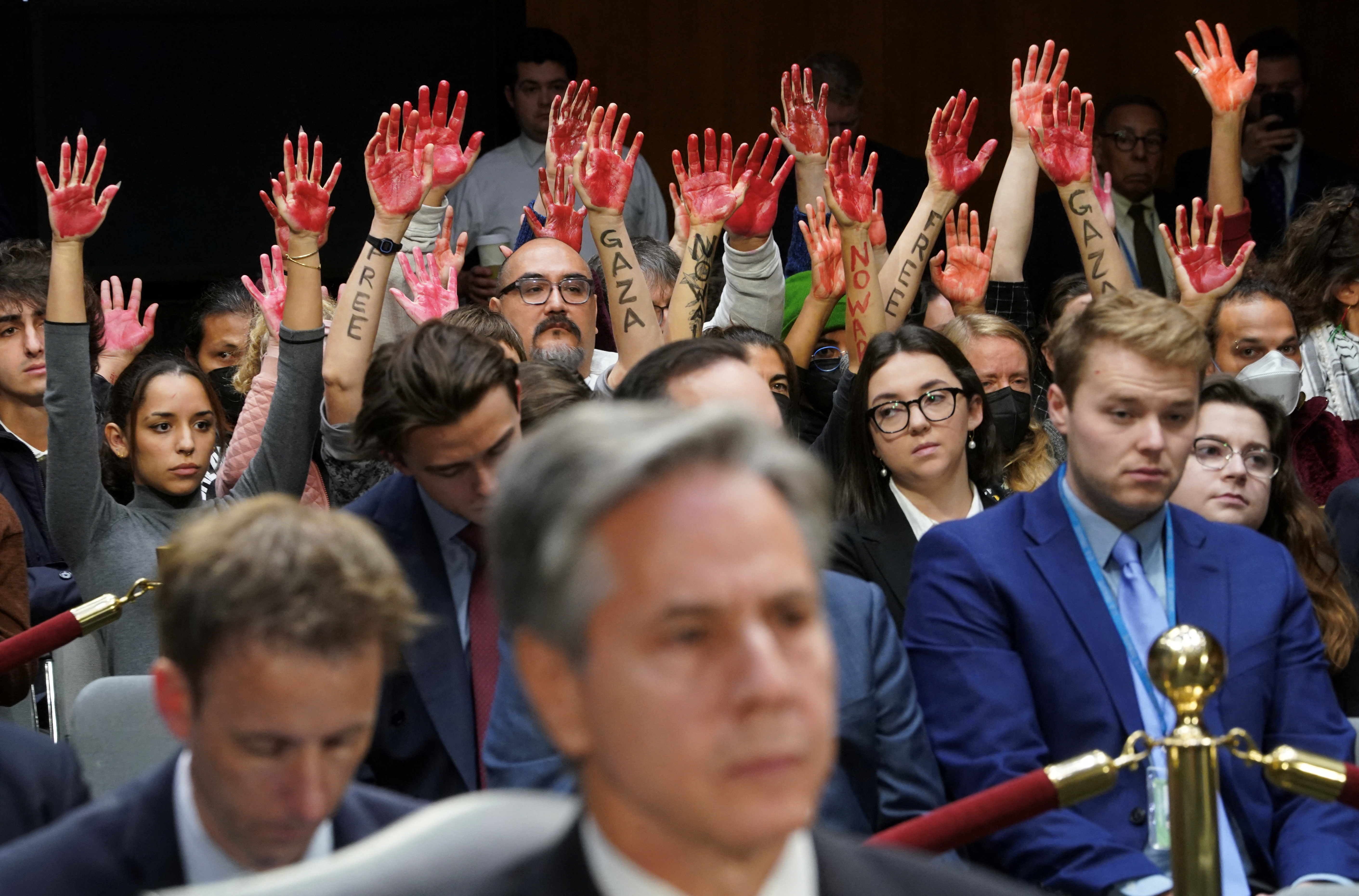
A bipartisan group of 22 members of Congress has expressed concerns over potential funding from Iran to anti-Israel organizations within the United States. This apprehension, detailed in a recent letter, highlights ongoing fears of foreign influence in domestic affairs, particularly regarding protests linked to the Gaza conflict.

Director of National Intelligence Avril Haines confirmed that Iranian government actors have been actively involved in provoking and financially supporting protests in the U.S. over the Gaza war. According to Haines, these actors have posed as activists online, aiming to incite demonstrations and deepen divisions within the U.S. She emphasized that while many American protesters are genuine in their expressions, there are troubling indications of foreign manipulation designed to exploit these movements.

The letter from Congress specifically questions how and why certain protests target particular locations and figures, suggesting an organized effort supported by foreign funding. Representative Brad Schneider (D-IL) pointed out that anti-Israel protests targeting his home and office, equipped with sophisticated materials like sirens and professional banners, raise questions about their funding sources.

House Foreign Affairs Committee Chair Michael McCaul (R-TX) stated that it would not be surprising if Iranian influence were confirmed, signaling a potential investigation into the matter. McCaul also underscored the need to scrutinize the role of social media platforms like TikTok in spreading anti-Israel narratives, which he fears are influencing the younger generation.

This revelation comes as part of a broader concern over foreign interference in U.S. protests, with Iran allegedly using tactics similar to those deployed in previous influence operations. In 2020, for example, Iranian actors posed as members of the far-right group Proud Boys, sending threatening emails to voters in swing states.

The congressional letter and Haines’ statement mark the beginning of a series of public updates on foreign influence operations, especially with the 2024 election approaching. There is a call for increased vigilance among Americans when interacting with online entities they do not personally know, to avoid unwittingly participating in foreign-sponsored activities.

As this issue unfolds, lawmakers and intelligence officials continue to urge transparency and accountability, stressing the importance of addressing these foreign influence efforts to protect the integrity of American democratic processes.

US Defense Secretary Lloyd Austin, under the directive of President Joe Biden, rejected a plea deal for the alleged orchestrators of the September 11, 2001 attacks. The plea agreement would have seen Khalid Sheikh Mohammed and four co-defendants plead guilty in exchange for avoiding the death penalty. Lawmakers, including Senator Ted Cruz and Representative Nicole Malliotakis, condemned the plea, urging the administration to pursue the death penalty. This decision comes amid concerns over the implications of such a deal, especially for the victims’ families who have been seeking justice for over two decades.

The plea negotiations, ongoing for over a year, were partly motivated by legal challenges arising from the CIA’s use of torture on the suspects. Critics argue that avoiding the death penalty would undermine justice. Additionally, over 2,000 9/11 victims’ family members sent a letter to Biden, expressing their dismay over the plea deal and its potential to obscure crucial details about the attacks.

By Dr. Gyan Pathak The verdict of the 7-judge Constitution Bench of the Supreme Court of India allowing sub-quotas within the overall quota for Scheduled Castes (SCs) has a potential to twist the Indian politics in a new direction, since it paves the way for a new structured reservation policy for the country, not only […]
By P. Sudhir The decadal census, which was due in 2021, has not been held so far. In the union budget 2024-25, no substantial provision has been made for conducting the census. The centre has also not extended the deadline of June 2024 to freeze administrative boundaries which are necessary to conduct the census as […]
By Nitya Chakraborty The New Popular Front (NFP) has taken a major step towards forming a coalition government in France after the partners agreed to name independent socialist Lucie Castets as the Prime Minister candidate for forming the new government after the July 7 general elections led to a hung national assembly. The NFP leadership […]
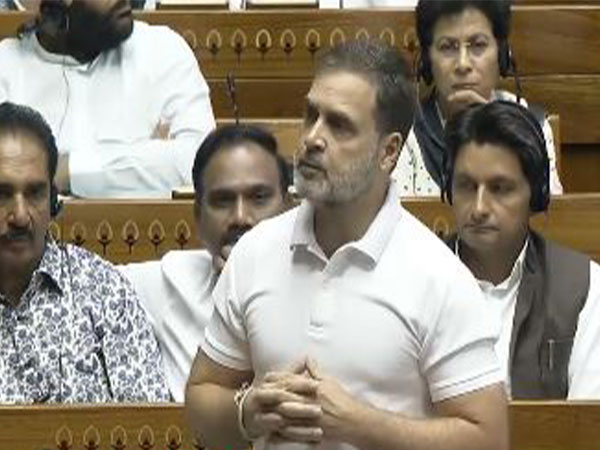
By K Raveendran Finance Minister Nirmala Sitharaman’s response to the opposition’s critique of the budget, coupled with Rahul Gandhi’s performance, has turned out to be the highlight of the debate on the budget in the Lok Sabha. The crux of the opposition’s argument was that the budget disproportionately favoured Bihar and Andhra Pradesh, states of […]

Valiantys has announced its acquisition of Contegix, a leading Atlassian consulting firm, marking a strategic move to enhance its presence in North America. This acquisition is set to bolster Valiantys’ service offerings and market reach, positioning the company as a dominant player in the Atlassian consulting ecosystem. The acquisition brings together two Atlassian Platinum Partners, creating a powerful entity that leverages Contegix’s robust technical expertise and Valiantys’ […]

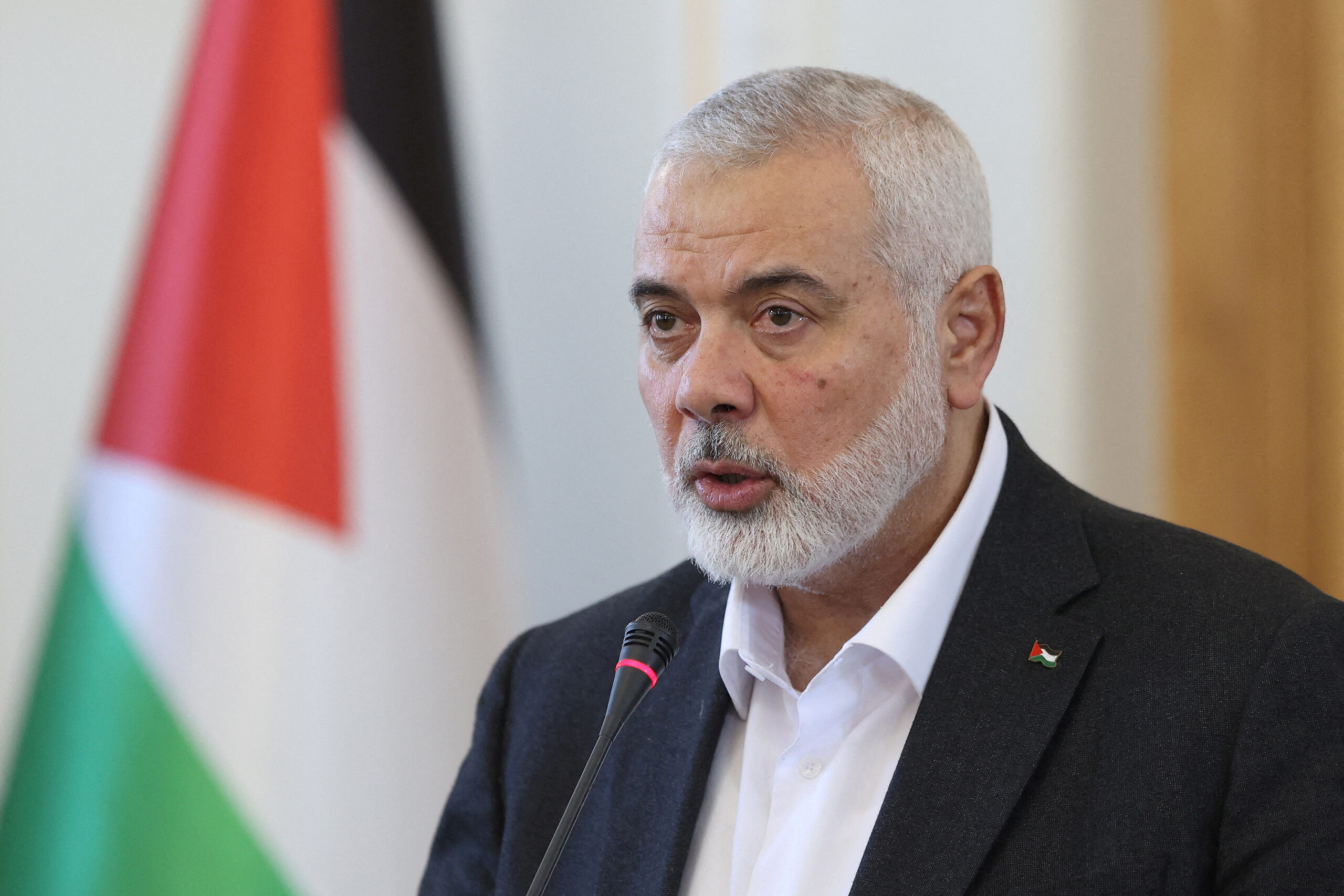
By Nitya Chakraborty The Middle East was thrown into an unprecedented turmoil on Wednesday as the news came of the killing of the Hamas leader Ismail Haniyeh in Teheran in the morning by unidentified gunmen in his residence. Though the Iranian government said that they were investigating the killing and the Israeli government kept officially […]
By Arun Srivastava Only six months back, Indians, especially the bourgeoning middle class endorsing the jibes of Narendra Modi against Rahul Gandhi, who preferred to address him “Pappu”, “Shehenshah” and a “part-time politician”, are now looking towards him with hope. Not only the common people and the politically conscious, but also the policy decision-makers and […]

A group of 85 Palestinians, including individuals severely injured and those suffering from cancer, have been evacuated to Abu Dhabi for medical treatment. The evacuees were accompanied by 63 family members, who will provide support during their treatment and recovery process.

The evacuation, facilitated by UAE authorities, underscores the ongoing humanitarian commitment to assist those affected by conflict and health crises. The arrival of these patients in Abu Dhabi marks a significant step in providing them with the necessary medical care that might be unavailable in their home region due to the ongoing instability and limited resources.

The patients were transported on a specially chartered flight that ensured their safe and efficient arrival. Medical professionals and support staff accompanied the patients throughout the journey, ensuring that their medical needs were met during the flight. The evacuees included a mix of individuals with severe injuries and cancer patients who require specialized treatment not accessible in their current locations.

Upon arrival, the patients were taken to various medical facilities across Abu Dhabi, where they will receive comprehensive care. These facilities are equipped with advanced medical technology and staffed by experienced healthcare professionals dedicated to providing high-quality care to the evacuees. The treatment plans for these patients will be tailored to their specific medical conditions, ensuring that they receive the most effective and appropriate care.

The UAE’s Ministry of Health and Prevention has coordinated with local hospitals to ensure a seamless transition for the patients. This coordination includes detailed plans for each patient’s treatment and recovery, with an emphasis on providing holistic care that addresses both their physical and psychological needs. Family members accompanying the patients will also receive support, ensuring that they can assist in the recovery process effectively.

This humanitarian initiative highlights the UAE’s ongoing efforts to provide aid to those in need, regardless of their nationality. The country has a history of offering medical assistance to people affected by conflicts and natural disasters worldwide. The latest evacuation effort is part of a broader commitment to humanitarian aid and medical diplomacy, aiming to alleviate the suffering of vulnerable populations.

The patients’ journey from conflict zones to the safety of Abu Dhabi was made possible through extensive collaboration between various UAE government agencies and international humanitarian organizations. This collaboration ensured that all logistical challenges were addressed, providing a safe and efficient pathway for the evacuees to receive the care they need.

Healthcare experts in Abu Dhabi have emphasized the importance of providing timely and high-quality medical treatment to the evacuees. They acknowledge the significant challenges these patients have faced and are committed to offering them the best possible care. This commitment is reflected in the meticulous planning and resources allocated to this evacuation effort.

As the evacuees settle into their treatment regimens, the broader international community continues to monitor the situation in the conflict-affected regions. The UAE’s example of providing direct and immediate medical assistance serves as a model for other nations and humanitarian organizations. This approach not only addresses the immediate medical needs of the patients but also contributes to long-term recovery and stability by supporting the health and well-being of affected populations.

The UAE’s actions underscore a compassionate response to a complex humanitarian crisis, demonstrating solidarity with those in need and offering a lifeline to individuals facing severe health challenges. This initiative is a testament to the power of coordinated humanitarian efforts and the impact they can have on the lives of those affected by conflict and health crises.

By Tirthankar Mitra Reduced to a single Lok Sabha member from West Bengal post 2024 elections, the state Congress unit is busy picking up the pieces of the jigsaw which would help it arrive at the causes of its dismal state and chart its path of revival. Apart from an organisational rejig and the search […]

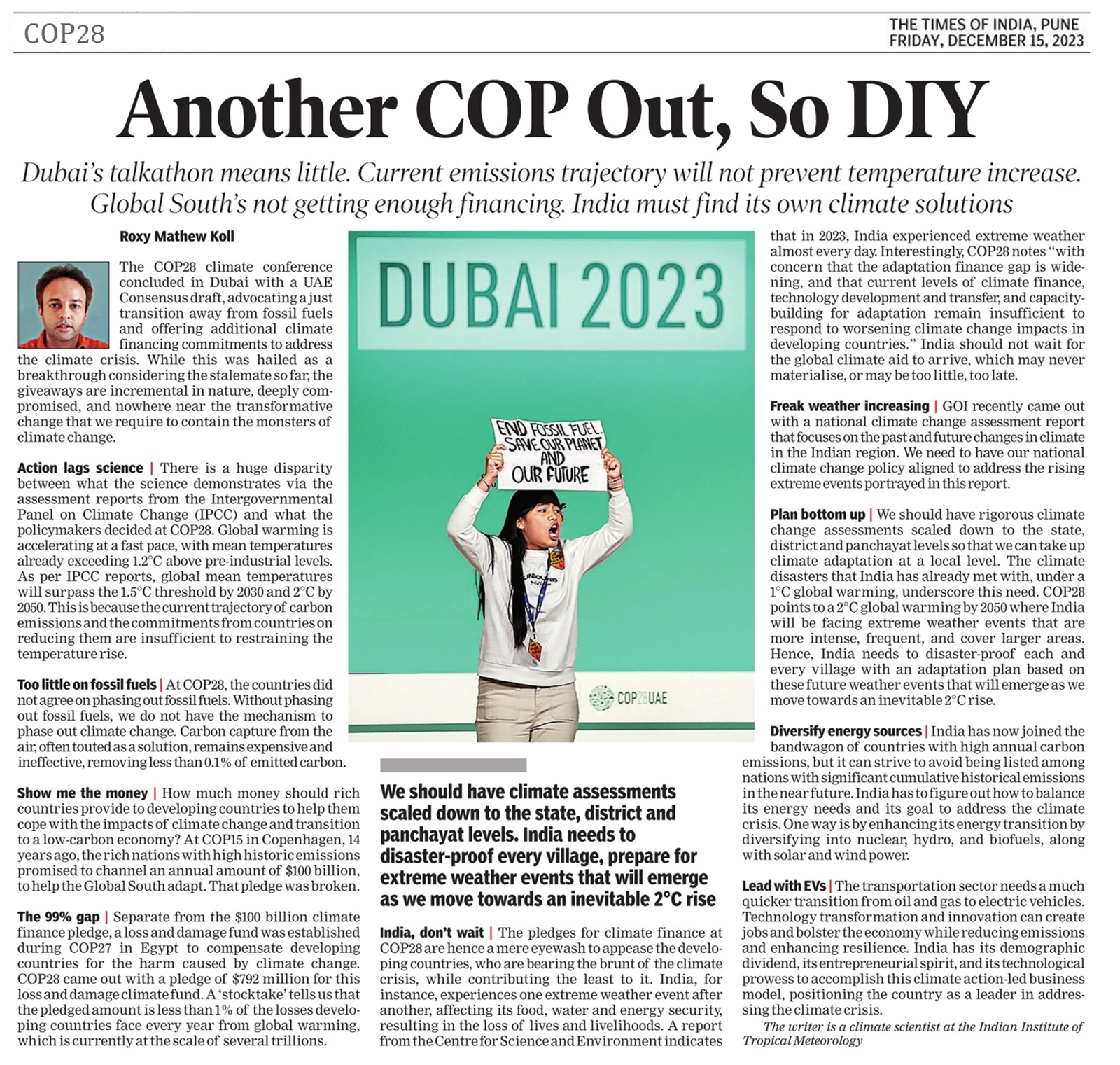
Dubai is currently experiencing extreme heat conditions, with temperatures feeling as high as 60°C (140°F) due to the combined effects of high air temperatures and humidity. This extreme weather is putting the city under significant stress and raising concerns about the future impacts of climate change.

The official temperature in Dubai during July averages around 39.4°C (102.9°F), with nighttime lows of about 32.3°C (90.1°F). However, the heat index, which factors in humidity, can make it feel significantly hotter, reaching dangerous levels of 54°C (129.2°F) and beyond. These extreme conditions are not only uncomfortable but also pose serious health risks, especially to those who must work or spend extended periods outdoors.

One of the key factors exacerbating the heat in Dubai is its high humidity levels, which hover around 51% in July. This combination of heat and humidity creates a stifling environment that can lead to heat exhaustion or heat stroke if proper precautions are not taken. The local authorities have issued advisories urging residents and visitors to stay hydrated, avoid strenuous activities during peak hours, and seek shelter in air-conditioned environments whenever possible.

The extreme heat has also highlighted the broader implications of climate change for the region. Dubai, like many parts of the Middle East, is expected to see even more extreme temperatures in the coming decades. Studies predict that heatwaves will become more frequent and intense, making large parts of the region uninhabitable without significant adaptations in infrastructure and lifestyle.

Dubai has already been taking steps to mitigate the effects of its harsh climate. The city has invested heavily in green building technologies, which include better insulation and energy-efficient cooling systems to reduce the reliance on air conditioning. Additionally, there are ongoing efforts to increase the amount of green space within the city to help lower temperatures through natural cooling.

Urban planners in Dubai are also looking into innovative solutions such as reflective building materials that can help reduce the urban heat island effect. This phenomenon, where cities become significantly warmer than their rural surroundings due to human activities, exacerbates the already extreme summer temperatures.

The health risks associated with such extreme weather are not limited to heat-related illnesses. High temperatures can also exacerbate existing health conditions such as cardiovascular and respiratory diseases. The healthcare system in Dubai is bracing for an increase in cases related to heat stress, and there are ongoing public health campaigns to educate people about the dangers of prolonged exposure to extreme heat.

Moreover, the economic impact of extreme heat is significant. High temperatures can reduce productivity, especially in sectors such as construction and outdoor services. The energy demand for cooling also spikes during heatwaves, putting additional strain on the power grid and leading to higher utility costs for both residents and businesses.

The current heatwave in Dubai serves as a stark reminder of the challenges that lie ahead as global temperatures continue to rise. It underscores the urgent need for both mitigation and adaptation strategies to address the risks posed by climate change. As Dubai continues to grow and develop, it will need to balance economic growth with sustainable practices that can help protect its residents and infrastructure from the escalating impacts of extreme weather.

Sources:
– Visit Dubai
– Weather Atlas
– Reuters

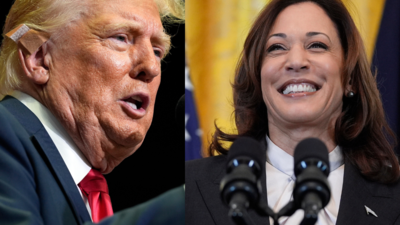
By Sushil Kutty Does AlphabetGoogle CEO Sundar Pichai, have a pronounced Harris bias? Kamala Harris of Indian-Jamaican origin is up against Republican former President Donald Trump, close pal of Indian Prime Minister Narendra Modi. But India-born Sundar Pichai is a left-leaning head honcho now charged with anti-Trumpism. This, as Indian-Americans across the USA have been […]
VISHNU RAJA
RYO YAMADA
HITORI GOTOH
IKUYO KITA