News related to
Arabian Post Special

Mubadala’s healthcare arm, KELIX Bio, has made a decisive step in boosting its presence in the life sciences sector by acquiring four pharmaceutical assets from GlobalOne Healthcare Holding. This move is part of Mubadala’s broader ambition to transform the UAE into a global hub for life sciences innovation and advanced healthcare solutions. The acquisition reflects the growing influence of the UAE’s healthcare industry as it aligns with the nation’s goals to enhance its capabilities in pharmaceuticals and biotechnology.

The deal involves four strategic pharmaceutical companies, which are expected to add substantial value to Mubadala’s existing healthcare portfolio. It also demonstrates the commitment of KELIX Bio, a key player in Mubadala’s ecosystem, to expanding its footprint across the Middle East and Africa. This acquisition is seen as an essential step toward addressing rising healthcare demands in the UAE and further establishing the nation as a leader in advanced healthcare solutions.

The UAE has been focused on expanding its healthcare infrastructure and capabilities, especially in the fields of pharmaceuticals and biotechnology. The government’s initiatives, such as the National Strategy for Wellbeing 2031, are aimed at enhancing the overall health sector in the country. Mubadala’s acquisition aligns with these initiatives, helping to create an ecosystem that fosters innovation, sustainability, and long-term economic growth.

KELIX Bio is positioned as a leader in the manufacturing and distribution of essential medicines across emerging markets, focusing on addressing the critical need for quality and affordable treatments. The latest acquisitions from GlobalOne Healthcare Holding provide KELIX Bio with advanced pharmaceutical production capabilities and access to new markets. These assets are integral to producing generic and specialized medications that will serve both the UAE’s population and neighboring regions.

Mubadala’s strategy is not limited to expanding its pharmaceutical footprint within the UAE. The acquisitions signal a broader focus on making the country a life sciences powerhouse that can influence markets across the Middle East, Africa, and beyond. By enhancing local production capabilities, KELIX Bio aims to reduce dependency on imported medicines and foster a sustainable supply chain for critical medications.

The importance of these acquisitions is further highlighted by the fact that KELIX Bio has been aggressively pursuing growth in various healthcare sectors. Prior to this deal, the company made notable investments in manufacturing facilities in Egypt and Morocco, positioning itself as a dominant force in the region’s pharmaceutical market. The addition of GlobalOne’s assets will enhance KELIX Bio’s portfolio, enabling it to meet the growing demand for medical treatments across emerging markets.

Industry experts believe that this acquisition could significantly impact the life sciences industry in the UAE. The healthcare sector in the UAE has been undergoing rapid growth, driven by government initiatives, private investments, and a strong emphasis on medical research and development. The addition of new pharmaceutical assets is expected to catalyze innovation in drug production and distribution, supporting the country’s long-term vision for a sustainable and advanced healthcare system.

Mubadala’s focus on healthcare is not new. The sovereign wealth fund has long prioritized investments in sectors that align with the UAE’s economic diversification goals. Over the years, Mubadala has played a key role in developing critical industries such as healthcare, aerospace, and renewable energy, contributing to the nation’s vision of building a knowledge-based economy. Through KELIX Bio, Mubadala is now advancing its efforts to create a self-reliant healthcare system that is less dependent on international supply chains.

The life sciences industry in the UAE is also benefiting from an influx of global talent and expertise, driven by both government policies and Mubadala’s investments. The country has established itself as an attractive destination for life sciences companies and professionals, thanks to its strategic location, favorable business environment, and robust infrastructure. The acquisition of GlobalOne Healthcare Holding’s assets further strengthens the UAE’s position as a growing center for pharmaceutical and healthcare innovation.

The UAE government’s long-term vision for the healthcare sector has laid the groundwork for a thriving life sciences ecosystem. By fostering public-private partnerships and encouraging investment in cutting-edge healthcare technologies, the country aims to become a global leader in this field. Mubadala’s acquisition is expected to contribute significantly to this vision, as it brings in new technologies, expertise, and opportunities for collaboration in the global healthcare market.

The acquired assets will help boost the production of life-saving medicines and therapies, with a particular focus on emerging markets. The deal comes at a time when the global demand for affordable and effective healthcare solutions is on the rise. By focusing on expanding its presence in pharmaceuticals, Mubadala is addressing both regional and international healthcare needs, providing essential treatments to underserved populations.

Mubadala’s acquisition is expected to spur growth in the UAE’s pharmaceutical manufacturing sector, creating new jobs and contributing to the country’s economic development. The move aligns with the UAE’s broader healthcare goals of improving access to high-quality medical treatments and fostering innovation within the industry. KELIX Bio’s acquisition strategy will likely continue as the company looks for more opportunities to strengthen its position in the Middle East and Africa.

Damac Group, a Dubai-based conglomerate with diverse ventures in real estate and digital infrastructure, has unveiled plans to inject $1 billion into developing data centers in Thailand. This ambitious move, led by Damac’s subsidiary Edgnex Data Centers, is part of a strategic push to tap into the booming data-driven economy in the Asia-Pacific region. The project will be executed through a joint venture with Thailand’s Proen Corp, with Edgnex holding a majority stake in the partnership.

Thailand has emerged as a pivotal hub in the global data center market, driven by rapid digital transformation across sectors. The country’s ongoing initiatives in smart city development, big data analytics, and the Internet of Things (IoT) integration make it an attractive destination for investment. With the demand for data storage and processing growing exponentially, Edgnex’s investment aligns with the broader regional trends aimed at enhancing digital infrastructure.

The first phase of Edgnex’s investment will focus on constructing a state-of-the-art Tier 3 colocation facility in Bangkok’s Rama 9 Central Business District. Covering over 19,000 square meters, the facility is expected to be operational by 2026. This location offers excellent connectivity, sitting in proximity to key economic hubs like Thailand’s Stock Exchange and an international data center, ensuring that the new facility will meet both local and international data service needs. This project will commence with a 10MW output in the first building, with a second building adding another 10MW in the future.

Thailand’s growing data center market is projected to expand significantly in the coming years, largely fueled by the country’s focus on digital innovation. As businesses increasingly shift towards cloud computing, artificial intelligence, and blockchain technologies, the need for reliable and scalable data infrastructure has become more pronounced. Edgnex’s investment aims to meet this escalating demand while bolstering Thailand’s position as a key player in the global digital economy.

Hussain Sajwani, the founder and chairman of Damac Group, highlighted the strategic importance of this move. He pointed to the increasing need for robust digital infrastructure to support Thailand’s ambitious technological goals. As part of the broader APAC strategy, Edgnex’s projects are designed to foster economic competitiveness while also enhancing the quality of digital services available in the region.

In addition to its ventures in Thailand, Edgnex has also been expanding its footprint across the Asia-Pacific region, including the development of a data center in Jakarta, Indonesia. This multi-country approach underscores Damac Group’s commitment to building next-generation digital infrastructure that will power the future of data-driven economies.

While Proen Corp will play a key role in managing operations locally, Edgnex will oversee the strategic direction, leveraging its experience in constructing world-class data centers. The joint venture is expected to create substantial economic benefits for Thailand, including job creation and the facilitation of technology-driven business opportunities.

Damac’s venture in Thailand is part of a larger global trend of heightened investment in data centers, especially as companies and governments alike recognize the critical role digital infrastructure plays in future economic growth. With Asia-Pacific markets experiencing rapid technological advancements, investments such as these are vital to support the digital transformation efforts of businesses and governments.

As global data consumption rises exponentially, particularly driven by innovations in artificial intelligence, machine learning, and 5G networks, the role of data centers in managing and securing this data becomes ever more critical. Thailand, positioned at the intersection of these technological trends, stands to gain significantly from these developments, and Edgnex’s investment is expected to be a key driver of this growth.

ADVERTISEMENT

Dubai Silicon Oasis (DSO) has garnered the prestigious title of “Middle East Free Zone of the Year” at the Global Free Zones of the Year 2024 Awards, hosted by the Financial Times’ fDi Intelligence. This recognition underscores DSO’s commitment to fostering innovation and entrepreneurship within the region’s economic landscape. The accolade highlights DSO’s strategic initiatives aimed at enhancing the free zone’s competitiveness, infrastructure, and service offerings, positioning it as a premier hub for technology and innovation.

Established in 2006, Dubai Silicon Oasis serves as a Special Economic Zone (SEZ) that focuses on attracting technology-based companies and supporting innovative businesses. It is one of five Urban Zones identified within Dubai’s 2040 Urban Master Plan, reflecting the emirate’s vision to transform into a global center for knowledge and innovation. DSO’s robust framework facilitates the growth of start-ups and established companies alike, offering a conducive environment for research, development, and collaboration.

Key to DSO’s success is its state-of-the-art infrastructure, which includes a mix of residential, commercial, and educational facilities. The free zone boasts advanced telecommunications and technology systems, making it an attractive destination for businesses seeking to establish a presence in the UAE. Moreover, DSO provides a variety of incentives for companies, including tax exemptions, 100% foreign ownership, and full repatriation of profits, which are critical in attracting international firms.

The recent award signifies DSO’s proactive approach to evolving with industry demands. The zone has embraced innovative practices, such as implementing smart city technologies and promoting sustainability initiatives, which resonate with global trends in urban development. DSO has introduced initiatives aimed at integrating artificial intelligence and smart solutions within its operational framework, thereby enhancing the overall efficiency and competitiveness of businesses operating within its premises.

One of the key factors contributing to DSO’s recognition is its extensive support for start-ups and entrepreneurs through initiatives like the Dubai Technology Entrepreneur Campus (DTEC). DTEC serves as an incubator for technology-focused businesses, providing mentorship, networking opportunities, and access to funding. The center plays a pivotal role in nurturing local talent and encouraging innovation, positioning Dubai as a prominent player in the global technology ecosystem.

DSO actively collaborates with academic institutions and research centers to drive innovation. This partnership model ensures that businesses have access to cutting-edge research and development resources, further enhancing the zone’s appeal. The synergy between industry and academia fosters a vibrant ecosystem that encourages knowledge sharing and innovation.

DSO’s commitment to sustainability is also noteworthy. The free zone has launched several initiatives aimed at reducing its carbon footprint and promoting green practices among its tenants. This focus on sustainability not only aligns with global environmental goals but also attracts businesses that prioritize corporate social responsibility.

The recognition from fDi Intelligence is expected to further bolster DSO’s reputation as a leading free zone in the region. This accolade will likely enhance its attractiveness to foreign investors and companies looking to tap into the lucrative Middle Eastern market. As the UAE continues to position itself as a hub for technology and innovation, DSO is poised to play a critical role in shaping the future of the region’s economy.

In addition to attracting international businesses, DSO is focused on fostering a diverse and inclusive workplace culture. This approach has contributed to its reputation as an employer of choice among skilled professionals. The free zone’s commitment to diversity not only enriches its work environment but also drives creativity and innovation among its workforce.

As the competitive landscape among free zones intensifies, DSO’s ability to adapt to changing market conditions and embrace new technologies will be crucial. The ongoing investment in infrastructure and services indicates that DSO is well-positioned to maintain its leadership in the innovation sector. The zone’s emphasis on continuous improvement and customer-centric services ensures that it remains responsive to the needs of businesses.

DSO’s strategic location in Dubai enhances its accessibility to global markets, facilitating trade and collaboration. The free zone’s proximity to major transport hubs and its integration with Dubai’s extensive logistics network make it an ideal base for companies seeking to expand their reach.

Collaborative efforts between Veolia Energia Poznan and hosting provider Beyond.pl have launched a groundbreaking project aimed at recycling waste heat generated from data centers in Poznan, Poland. This partnership, marked by a signed letter of intent, seeks to channel thermal energy produced by Beyond.pl’s facilities into the city’s district heating network, effectively providing low-emission heating for local residents.

The initiative focuses on recovering heat from servers in Beyond.pl’s data centers, especially those powered by high-performance, AI-driven computing systems. It will incorporate advanced waste heat recovery technology utilizing industrial-grade heat pumps alongside high-density servers, facilitating the distribution of thermal energy suitable for integration into the district heating system. This innovative setup is projected to deliver thermal energy with a capacity of around 30 megawatts, primarily serving the southeastern area of Poznan.

Significantly, this project aims to reduce the city’s carbon footprint, with estimates indicating a potential decrease of approximately 52,500 tons of CO2 emissions annually and a reduction in water usage by around 76,500 cubic meters. By replacing fossil fuel sources with this waste heat, the initiative enhances energy security and sustainability for Poznan and its surroundings.

Luiz Hanania, CEO of Veolia Group in Poland, highlighted the alignment of this project with their GreenUp strategy, designed to promote decarbonization and improve quality of life through sustainable solutions. This approach underscores the company’s commitment to utilizing waste heat as a renewable energy resource, which contributes significantly to increasing the low-emission heating options in Poznan’s energy mix.

Beyond.pl, recognized as a leader in sustainable practices within the data center industry, has established its reputation by operating its facilities entirely on renewable energy. The data center located at Poznan’s campus, operational since 2016, has already been recycling waste heat for its office and logistics spaces, making this city-wide initiative a natural progression of its existing sustainability efforts.

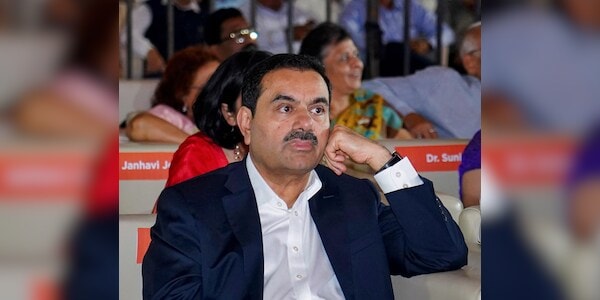
Adani Group, led by billionaire Gautam Adani, is reportedly engaged in discussions with a Middle Eastern sovereign wealth fund to secure a significant investment in its airport business. The move is seen as part of the conglomerate’s broader strategy to raise up to $1 billion to fund its airports division. These talks come at a critical juncture as Adani seeks to solidify its position in India’s infrastructure and aviation sector while addressing concerns over its debt levels.

Adani Airports, a subsidiary of the Adani Group, currently operates several major airports across India. It has been aggressively expanding its footprint in the country’s aviation industry, holding stakes in seven airports, including those in Mumbai, Ahmedabad, and Lucknow. This push into the airport sector is part of the group’s broader goal to diversify its operations and strengthen its presence in infrastructure, energy, and transportation. Airports have become a key focus area for Adani in recent years, reflecting the company’s long-term bet on India’s growing demand for air travel and infrastructure development.

Reports suggest that the potential deal with the Middle Eastern sovereign wealth fund could result in a capital injection that would help Adani Airports scale up its operations, reduce its debt burden, and maintain financial stability. While the identity of the sovereign wealth fund has not been publicly disclosed, sources familiar with the matter indicate that the discussions are at an advanced stage. The potential investment is expected to bolster Adani’s ability to meet its expansion goals and improve its financial health, particularly after facing scrutiny over its leverage levels following a short-seller report earlier this year.

The interest from the sovereign wealth fund also signals the growing appetite among Gulf-based investors to participate in India’s infrastructure growth. The Middle East, particularly countries like the United Arab Emirates and Saudi Arabia, has increasingly turned its attention to the Indian market, recognizing the long-term potential in sectors such as energy, logistics, and aviation. Adani’s airport business, with its strategic portfolio of assets, is an attractive proposition for investors seeking exposure to India’s booming aviation industry and infrastructure projects.

For the Adani Group, securing this investment would mark a significant milestone. The company has been under pressure to demonstrate its ability to navigate financial challenges while continuing its rapid expansion across key sectors. Earlier in 2023, Adani’s financial dealings came under intense global scrutiny after a report by the U.S.-based short seller Hindenburg Research accused the group of stock manipulation and accounting fraud. The allegations triggered a sharp decline in Adani’s share prices and forced the group to undertake damage control efforts, including scaling back its capital expenditure plans and repaying debt to allay investor concerns.

Despite these challenges, the group has maintained its aggressive growth trajectory, particularly in sectors like airports, ports, power generation, and renewable energy. Adani Airports, in particular, has been a core element of the company’s infrastructure portfolio, with the group committing substantial resources to transform its airport assets into world-class aviation hubs. The airport business is seen as a long-term growth driver for Adani, especially as India continues to witness strong growth in air passenger traffic. Pre-pandemic projections had anticipated India to become the world’s third-largest aviation market by 2025, and the post-pandemic recovery has further fueled optimism about the sector’s prospects.

Adani’s push for fresh capital comes as the Indian government intensifies its focus on modernizing and expanding the country’s airport infrastructure to meet growing demand. The government has introduced several policy reforms aimed at attracting private investment in the aviation sector, including public-private partnerships and airport privatization initiatives. Adani’s airports division has been a major beneficiary of these reforms, having won competitive bids to operate several airports under long-term concession agreements.

This potential $1 billion capital raise aligns with the company’s broader strategy of attracting foreign investments to support its infrastructure ambitions. In recent years, the Adani Group has successfully secured investments from global players, including a $6 billion investment from TotalEnergies for its renewable energy business. By bringing in a strategic partner for its airport business, Adani aims to replicate this success in aviation, further boosting its ability to scale up operations and enhance the efficiency of its airport assets.

The timing of these negotiations also coincides with increasing interest from international investors in India’s growing aviation market. India is expected to witness a rapid increase in air traffic over the next decade, driven by rising middle-class incomes, urbanization, and increased business travel. With this backdrop, Adani’s airport business is poised to capture a significant share of this growth, particularly as the company continues to expand its airport operations and invest in modernizing its existing assets.

While the final terms of the deal are yet to be finalized, industry analysts believe that the investment from the Middle Eastern sovereign wealth fund could serve as a crucial catalyst for Adani’s airport ambitions. The deal would provide much-needed liquidity to the group and enhance its ability to fund future airport projects, including terminal expansions, new runway constructions, and modernization efforts at its airports.

Advertisements
ADVERTISEMENT

Abu Dhabi-based Ghitha Holding, a subsidiary of the International Holding Company (IHC), is making strategic moves to strengthen its position in the food sector by acquiring a significant stake in International Food Industries (IFI) for $11 million. This transaction highlights the company’s ongoing commitment to expanding its portfolio, particularly in the food and agribusiness sectors.

Ghitha, which has consistently pursued high-growth opportunities in line with IHC’s overarching diversification strategy, is expected to leverage IFI’s established market presence and distribution networks across the UAE and beyond. The acquisition aligns with IHC’s broader vision to solidify its presence in sectors deemed critical to the region’s food security.

The acquisition of a stake in IFI is seen as a vital move for Ghitha, known for its investments across agriculture, food processing, and distribution. This deal further enhances Ghitha’s capabilities to scale its operations, allowing it to meet the increasing demand for food products in the region and establish a stronger foothold in local and regional food markets.

The food sector in the UAE is experiencing significant growth, driven by rising demand for sustainable food sources, population growth, and government initiatives aimed at food security. IHC has been particularly active in this area, with several recent investments in food, agriculture, and logistics to bolster the UAE’s supply chain resilience. Ghitha’s acquisition is in line with these goals, as the company aims to contribute to national food security efforts while expanding its revenue base.

This acquisition comes on the heels of IHC’s broader strategy of acquiring stakes in diverse industries such as healthcare, energy, and technology, making it one of the largest and most diversified holding companies in the region. The holding company, chaired by Sheikh Tahnoon bin Zayed Al Nahyan, has demonstrated a keen focus on scaling investments in key sectors that align with the UAE’s long-term growth strategy. IHC’s rapid rise in the global investment landscape has been fueled by both organic growth and aggressive acquisition strategies, with its subsidiaries, including Ghitha, playing a critical role in achieving this vision.

International Food Industries, a notable player in the region’s food manufacturing space, specializes in producing a wide range of food products that cater to consumer needs. With this acquisition, Ghitha is expected to introduce operational efficiencies and enhance the production capabilities of IFI, further cementing its position as a leader in the region’s food industry.

The acquisition of a stake in IFI also underscores Ghitha’s ambition to scale its food-related businesses in international markets. Given its history of successful partnerships and acquisitions, Ghitha is poised to utilize its resources and expertise to ensure that IFI continues to grow and compete on a global scale.

By reinforcing its presence in the food industry, Ghitha is aligning with the UAE government’s broader goals of ensuring food security, increasing local production, and reducing dependence on food imports. The investment is expected to drive innovation within IFI, supporting the development of new products and enhancing its distribution reach across the region.

Market analysts see the acquisition as a strategic move that will likely bolster Ghitha’s financial performance, adding to the holding company’s expanding revenue streams. This also serves as another indication of IHC’s growing influence in critical industries across the UAE and its commitment to supporting sectors that play a crucial role in the country’s economic future.

Thailand’s Securities and Exchange Commission (SEC) has officially given the green light for mutual and private funds to explore investments in digital assets. This regulatory shift, seen as a significant development in the nation’s financial landscape, aims to provide more diverse investment opportunities, especially in cryptocurrency, to both domestic and foreign markets. The SEC’s decision comes as global interest in digital assets and crypto-based exchange-traded funds (ETFs) […]

Dubai, UAE – EcoClean, a leading provider of eco-friendly cleaning solutions, is proud to announce the expansion of its home and apartment cleaning services, designed to offer Dubai residents a cleaner, healthier, and more sustainable living environment. With a commitment to eco-friendly practices, EcoClean’s services cater to homeowners seeking high-quality cleaning without harmful chemicals.   Comprehensive cleaning solutions for every home EcoClean’s home cleaning services provide a […]

ADVERTISEMENT

Arabian Post Staff Oil varnishing, a known issue in the operation of gas turbines and other heavy-duty industrial machinery, continues to affect performance and reliability, despite years of advancements in lubrication technologies. Since the early 2000s, when General Electric (GE) released data showing that nearly one-third of its F-class turbines were experiencing varnish formation, operators have been seeking effective solutions. Varnishing, characterized by the formation of thin, […]

QatarEnergy has finalized a significant 20-year naphtha supply agreement with Shell, marking a pivotal development in the global energy sector. The agreement, effective from April 2025, is set to deliver up to 18 million metric tons of naphtha to Shell’s operations, primarily supporting its petrochemical ventures. This deal underscores Qatar’s growing role as a key player in the global energy market, especially in petrochemical production, where naphtha is a vital feedstock.

The announcement was made by Saad al-Kaabi, the CEO of QatarEnergy and the state’s Minister of Energy. He emphasized the importance of this agreement, stating it represents QatarEnergy’s first long-term naphtha sales contract of such duration. Al-Kaabi highlighted the collaboration as part of a broader strategy to leverage Qatar’s vast energy resources, particularly from the North Field, the world’s largest natural gas field, shared with Iran and known as the South Pars gas field in Iran.

The strategic partnership between QatarEnergy and Shell is not new; it has been built over several years through joint ventures and investments in liquefied natural gas (LNG) projects, including the Pearl GTL (Gas-to-Liquids) facility, which is a significant project in Qatar’s energy landscape. The two companies are committed to further collaboration in various energy sectors, enhancing their capabilities in energy production and distribution.

As global energy demands continue to evolve, the deal also reflects the shifting dynamics in the petrochemical industry, where companies are increasingly focused on securing long-term supply contracts to stabilize their operations. Naphtha, derived from crude oil, serves as a critical raw material in producing various chemicals and plastics. The agreement with Shell positions Qatar as a reliable supplier in a market that is grappling with fluctuating energy prices and geopolitical uncertainties.

The significance of this deal extends beyond immediate commercial interests. It aligns with Qatar’s broader vision to diversify its economy and expand its influence in the global energy landscape. By solidifying such long-term contracts, QatarEnergy aims to enhance its competitive edge, ensuring a steady revenue stream while contributing to the stability of global energy supplies.

Industry experts view this agreement as a testament to Qatar’s strategic foresight in recognizing the importance of long-term partnerships in a sector that is increasingly volatile. The collaboration not only strengthens Qatar’s energy export capabilities but also reinforces Shell’s operational efficiency as it seeks to maintain its leadership position in the petrochemical market.

As global energy policies shift towards sustainability, this agreement is also anticipated to play a role in transitioning to more sustainable energy sources. QatarEnergy has been proactive in exploring cleaner energy alternatives and investing in technologies that reduce carbon emissions, reflecting a commitment to environmental stewardship.

National Industries Group (NI Group), one of Kuwait’s leading conglomerates, is weighing a strategic move to acquire Foulath Holding, a key player in the steel and industrial sectors across the Gulf region. This potential acquisition signals NI Group’s intent to further expand its regional influence, adding to its already diverse portfolio that spans building materials, financial investments, and manufacturing across the Middle East, Europe, and North America.

Foulath Holding, based in Bahrain, specializes in steel production through its subsidiary companies like SULB and Bahrain Steel. These entities play a significant role in supplying critical steel infrastructure, not only to local markets but also to global players. SULB, in particular, has been instrumental in producing structural steel sections, which are essential for various industrial projects throughout the region. Its operations are anchored in Bahrain and Saudi Arabia, with a large production capacity focused on regional demand and export.

This possible acquisition aligns with NI Group’s long-term strategy to enhance its industrial base, particularly in sectors poised for growth. Established in 1960, NI Group has evolved into a significant industrial conglomerate, boasting a robust financial standing and a clear vision of expanding its industrial footprint. With more than 1800 employees, NI Group’s operations are diversified through companies like National Industries Company (NIC), which leads in producing building materials and infrastructure products in Kuwait.

For Foulath Holding, the acquisition could provide a stronger financial backing, leveraging NI Group’s extensive resources and experience in the industrial and financial sectors. Foulath’s role in regional steel production is vital, given the growing demand for infrastructure and construction projects throughout the GCC. This synergy could position both entities to capitalize on large-scale regional initiatives such as Saudi Arabia’s Vision 2030, which demands substantial steel input for infrastructure development.

NI Group’s ambitions are not confined to the Gulf. Through its subsidiaries like Noor Financial Investment Company and Proclad Group, it has already made strides in international markets. Noor, for example, has a diverse portfolio in financial services and real estate investments, while Proclad Group provides critical engineering solutions for the oil, gas, and energy sectors.

The discussions around the acquisition come at a time when the global steel industry faces increasing challenges, including fluctuating raw material prices and rising demand for sustainable production methods. Should NI Group successfully close this deal, it would bolster its capabilities to respond to these challenges while securing a stronger foothold in the steel manufacturing space. Such a move could also provide opportunities for innovation and expansion in environmentally friendly steel production, aligning with global trends toward sustainable development.

ADVERTISEMENT

A transformative budget for 2025 has been approved by the UAE Cabinet, reflecting a strategic vision to enhance the nation’s economic growth, development, and social welfare. The budget, amounting to an unprecedented AED 72.8 billion (approximately USD 19.8 billion), is designed to bolster critical sectors, improve infrastructure, and drive innovation.

Key allocations in the budget underscore a commitment to education, healthcare, and economic diversification. The Ministry of Education will receive AED 16.2 billion, marking a significant increase aimed at advancing educational facilities and enhancing the quality of teaching. This initiative aligns with the broader objective of cultivating a skilled workforce equipped to meet the demands of a rapidly evolving job market.

Healthcare also sees substantial investment, with AED 10 billion earmarked to improve public health services and infrastructure. This funding is expected to expand healthcare access and enhance service delivery across various emirates, particularly in remote areas. The focus on healthcare is part of a long-term strategy to prioritize citizens’ health and well-being, especially in light of the challenges posed by global health crises.

Infrastructure development continues to be a priority, with a notable AED 14 billion allocated for projects aimed at modernizing transport and logistics systems. This investment is poised to facilitate greater connectivity within the UAE and enhance the nation’s position as a global trade hub. It underscores the commitment to maintaining a competitive edge in the region’s logistics and supply chain sectors.

The budget also emphasizes environmental sustainability and energy efficiency. Initiatives aimed at promoting renewable energy and reducing carbon emissions are integral to the government’s long-term vision. Funding for green projects and sustainable practices reflects a commitment to diversifying the energy portfolio and reducing dependency on fossil fuels. This aligns with the UAE’s ambitious sustainability goals, which aim to establish the country as a leader in clean energy solutions.

The Cabinet’s decision to prioritize economic diversification is evident in the allocation of AED 9 billion to support small and medium-sized enterprises (SMEs). Recognizing the pivotal role that SMEs play in driving economic growth and job creation, the government aims to provide these businesses with the necessary resources and support to thrive in a competitive market. This initiative is expected to stimulate innovation and entrepreneurship across various sectors.

Digital transformation is another focal point of the budget, with AED 6.4 billion directed towards enhancing digital infrastructure and cybersecurity measures. As the UAE continues to position itself as a tech-savvy nation, investments in digitalization are crucial for driving efficiency and improving service delivery in both public and private sectors. This funding aims to foster a digital ecosystem that encourages technological advancements and enhances the overall quality of life for residents.

The Cabinet’s approval of the budget reflects a comprehensive approach to governance, prioritizing both immediate needs and long-term goals. The strategic allocations signal a robust framework for navigating challenges while harnessing opportunities for growth. The budget aims to position the UAE as a resilient economy capable of adapting to global shifts and uncertainties.

In addition to focusing on domestic priorities, the budget also highlights the UAE’s commitment to international partnerships. Allocations for foreign aid and developmental assistance demonstrate the nation’s dedication to fostering relationships with other countries and contributing to global efforts in areas such as education, health, and infrastructure development. This commitment enhances the UAE’s reputation as a proactive player on the international stage, reinforcing its position as a leading contributor to global development.

The government has expressed optimism that the 2025 budget will stimulate economic activity and support job creation across various sectors. Officials anticipate that strategic investments will yield positive returns, enhancing overall economic resilience. The budget serves as a roadmap for growth, providing a foundation for initiatives aimed at increasing productivity and fostering a culture of innovation.

ADVERTISEMENT

Arabian Post Staff Cathay Pacific has introduced a compelling offer to commemorate its new direct route between Riyadh and Hong Kong, aimed at enticing Saudi travelers with a unique opportunity. The airline, known for its premium service and strong presence in Asia, launched this route as part of its ongoing effort to expand connections in the Middle East and capitalize on the growing demand for air travel […]

The Saudi Red Sea Authority (SRSA) has announced an ambitious target to attract 19 million tourists to the Red Sea coast by 2030. This move aligns with the Kingdom’s broader Vision 2030 strategy, which aims to diversify its economy away from oil dependence and boost tourism as a key economic pillar. By developing the Red Sea coastline, SRSA plans to contribute over SR85 billion to the national GDP and capture a significant portion of Saudi Arabia’s leisure tourism market.

The coastal tourism sector is central to Saudi Arabia’s efforts to transform its tourism industry, with the SRSA aiming to secure 30% of the Kingdom’s leisure tourism share and 40% of entertainment spending by the end of the decade. Moreover, the plan includes the creation of more than 210,000 jobs across various sectors, including hospitality, environmental services, and infrastructure.

SRSA’s strategy is focused on promoting sustainable tourism. Protecting the marine ecosystem of the Red Sea, which boasts some of the world’s most pristine coral reefs and diverse marine life, is a top priority. The authority emphasizes that environmental conservation is critical to ensuring long-term success in tourism development. By integrating sustainable practices, SRSA hopes to preserve natural resources while simultaneously fostering economic growth.

The government and SRSA are working together to create opportunities for both local and international investors to engage in the tourism sector. The Red Sea region’s unique combination of cultural heritage, biodiversity, and adventure tourism potential is set to become a significant draw for a global audience. These development projects include high-end resorts, eco-friendly lodges, and cultural attractions that highlight the region’s history and natural beauty.

The growth of the Red Sea tourism industry is expected to be driven by several key initiatives, including substantial investment in infrastructure, streamlining regulatory frameworks, and launching global marketing campaigns aimed at showcasing the Red Sea as a world-class tourist destination. By improving accessibility, especially through transportation networks and high-end facilities, the SRSA intends to attract a diverse range of travelers, from luxury tourists to eco-conscious adventurers.

SRSA is committed to working closely with private sector stakeholders and local communities to ensure that the benefits of this development are widely shared. Part of the strategy involves involving local populations in tourism projects, thereby creating jobs and improving living standards for residents along the coast.

This push for Red Sea tourism comes amid broader national reforms intended to increase the Kingdom’s appeal as a global tourist destination. Saudi Arabia has been aggressively easing its entry restrictions and developing its tourism infrastructure as it seeks to attract 100 million visitors annually by 2030, a figure that would position it among the world’s top tourist destinations.

While tourism has traditionally played a limited role in Saudi Arabia’s economy, Vision 2030 is changing that by opening up previously restricted areas and promoting the Kingdom’s natural and cultural assets. The Red Sea Authority’s ambitious plans, backed by strong government support, are central to this transformation, positioning the region as a centerpiece of Saudi Arabia’s emerging tourism economy. The development also reflects a global trend toward coastal and eco-tourism, appealing to travelers looking for sustainable and authentic experiences.

Abu Dhabi Investment Authority (ADIA) has announced the establishment of a subsidiary within India’s GIFT City, a move that is set to enhance the region’s reputation as a global financial hub. This development reflects ADIA’s strategic intent to tap into emerging opportunities in India and reinforces the country’s growing appeal as an investment destination.

GIFT City, located in Gandhinagar, Gujarat, is designed as a smart city to facilitate financial services and technology-driven initiatives. The city operates under a special economic zone framework, offering favorable regulations and tax incentives to attract foreign investment. ADIA’s entry into GIFT City marks a significant milestone for the financial landscape of India, signaling confidence in the country’s economic trajectory.

The establishment of the subsidiary comes amid a surge in foreign direct investment (FDI) in India, particularly in sectors such as technology, renewable energy, and infrastructure. ADIA’s foray into GIFT City aligns with the broader trend of institutional investors increasingly seeking to diversify their portfolios by exploring opportunities in India’s rapidly expanding economy.

As a sovereign wealth fund managing assets exceeding $800 billion, ADIA’s strategic investments are focused on long-term growth and value creation. The authority has a history of investing in various sectors globally, including real estate, technology, and infrastructure, aiming to capitalize on lucrative opportunities that emerge across different markets.

The GIFT City initiative is being touted as a transformative project for India, attracting several global financial institutions and tech companies. By hosting a variety of financial services and fostering innovation, GIFT City aims to emerge as a key player in the global finance landscape. ADIA’s presence will likely encourage other foreign investors to consider GIFT City as a viable option for investment, further bolstering the city’s standing.

Experts have noted that GIFT City’s establishment has provided a platform for financial technology (fintech) companies to thrive. The city has already attracted notable players in the fintech space, aiming to facilitate seamless financial transactions and enhance service delivery in the sector. ADIA’s new subsidiary could further catalyze this growth by potentially investing in innovative fintech solutions.

The announcement of ADIA’s subsidiary also highlights a growing trend of collaboration between sovereign wealth funds and local governments to stimulate economic growth. The Indian government has been actively promoting GIFT City as a hub for international business and finance, reflecting its commitment to making India a preferred investment destination.

GIFT City’s unique position as a designated financial zone allows it to offer services such as international banking, insurance, and capital market operations under a single umbrella. This integrated approach has garnered attention from various sectors, making it an attractive proposition for foreign investors.

Industry analysts predict that the collaboration between ADIA and GIFT City will lead to the development of new financial products and services that cater to both local and international markets. The subsidiary could also explore partnerships with Indian startups and established companies to foster innovation and growth within the financial sector.

As ADIA embarks on this new venture, its role will likely extend beyond mere investment. The authority’s extensive global experience and resources can contribute to knowledge sharing and capacity building within GIFT City, potentially enhancing the capabilities of local firms and promoting sustainable development.

This development comes at a time when India is striving to position itself as a global economic powerhouse. The government’s focus on digital transformation, infrastructure development, and policy reforms is aimed at enhancing the ease of doing business and attracting foreign investments. ADIA’s commitment to establishing a subsidiary in GIFT City is indicative of the growing interest from global investors in India’s economic potential.

Saudi Arabia’s food giant Almarai is poised for a major expansion in the region with its decision to acquire Jordan’s Hammoudeh Food Industries for $70 million. This strategic move aims to bolster Almarai’s dairy and cheese production capabilities through its subsidiary, Teeba Investment. The deal is seen as part of Almarai’s broader efforts to deepen its presence in core markets across the Middle East.

Hammoudeh Food Industries, a leading producer of dairy, juices, and other related products in Jordan, represents a crucial addition to Almarai’s portfolio. The acquisition, valued at SR263 million (roughly $70 million), will be financed through Almarai’s internal cash flows. This investment not only solidifies the company’s foothold in Jordan but also aligns with its long-term growth strategy. The acquisition is still subject to regulatory approvals in both Jordan and Saudi Arabia, and adjustments to the final price may occur as the process progresses.

The acquisition is expected to provide Almarai with significant operational leverage, enabling it to enhance its product offerings and scale operations across the region. Almarai’s strategic move aligns with ongoing trends in the Middle East’s food and beverage sector, where companies are increasingly looking to consolidate their presence in key markets and diversify their product lines. For Almarai, this acquisition marks another step in maintaining its competitive edge as one of the largest dairy producers in the region.

The company has been eyeing expansion opportunities in key markets like Jordan, where Hammoudeh’s established brand and operational capabilities complement Almarai’s ambitions to enhance its supply chain and distribution networks. This move is likely to have significant implications for Almarai’s growth trajectory as it works to tap into Jordan’s growing dairy market and further expand its consumer base.

Almarai’s financial performance has been robust, reflecting its successful execution of strategic acquisitions and operational efficiencies. Over the years, the company has maintained a strong presence in the GCC, and the acquisition of Hammoudeh is expected to solidify its position as a leading player in the region’s dairy market. This latest acquisition will enable Almarai to extend its product range, which includes milk, cheese, and other dairy products, while also leveraging economies of scale to drive profitability.

The Middle East’s dairy market has seen a surge in demand driven by shifting consumer preferences toward healthier food options. Companies like Almarai have responded by investing in innovation and expanding their product lines to cater to these trends. Almarai’s recent financial results also demonstrate the company’s resilience and ability to adapt to changing market conditions. In its latest trading updates, Almarai’s stock price climbed by 1.62% following the announcement of the acquisition, signaling strong investor confidence in its expansion strategy.

Almarai’s acquisition of Hammoudeh Food Industries also comes at a time when regional trade relationships are being strengthened. Saudi Arabia and Jordan have been enhancing economic cooperation, especially following the signing of the Comprehensive Economic Partnership Agreement (CEPA), which aims to boost trade between the two nations. The trade between Saudi Arabia and Jordan is projected to reach $8 billion in the near future, a sign of the deepening ties between these neighboring nations. Almarai’s investment in Jordanian assets could serve as a catalyst for further collaborations between businesses in the two countries, strengthening economic ties and creating opportunities for other sectors as well.

This acquisition is seen as a continuation of Almarai’s strategy of diversifying its business and enhancing its regional footprint. Previously, the company had made strategic acquisitions and investments to expand into new product segments, particularly in the food and beverage industry. This focus on expansion has enabled Almarai to maintain its leadership in the market, especially amid growing competition in the sector.

Looking ahead, Almarai is expected to continue seeking out new growth opportunities in the region, with a particular focus on emerging markets that offer strong consumer demand for dairy products. The acquisition of Hammoudeh is just one piece of the puzzle in Almarai’s broader growth strategy, as the company works to enhance its production capabilities, streamline its supply chain, and expand its distribution network across the Middle East.

Saudi Arabia’s Public Investment Fund (PIF) is evaluating the possibility of increasing its stake in Nintendo, a move that reflects the kingdom’s strategic interest in the global gaming industry. This potential investment comes amid an ongoing trend of Middle Eastern investment in major gaming companies, which has seen significant financial outlays in recent years. PIF’s foray into the gaming sector aligns with Saudi Arabia’s broader economic diversification efforts, as outlined in its Vision 2030 initiative aimed at reducing reliance on oil revenues.

The PIF currently holds approximately 8% of Nintendo, a position acquired through a series of investments totaling around $1 billion. This stake has proven to be lucrative, especially as Nintendo’s stock has surged in response to the success of its Switch console and various blockbuster game releases. By contemplating a larger stake, the PIF aims to bolster its portfolio further and capitalize on the gaming sector’s growth trajectory.

The global gaming industry has shown remarkable resilience and growth, with market analysts projecting it to surpass $200 billion by 2023. Major players in the sector, including Microsoft and Sony, have been investing heavily in game development studios and new technologies, indicating a competitive environment that encourages investment and innovation. Nintendo, with its legacy of popular franchises like Mario, Zelda, and Pokémon, remains a pivotal figure within this landscape, making it an attractive target for investors.

Saudi Arabia’s ambition to become a hub for entertainment and digital gaming has prompted local authorities to pursue partnerships with international gaming firms. The kingdom has already hosted numerous esports events and launched initiatives aimed at fostering a domestic gaming industry, reflecting its commitment to being at the forefront of this rapidly evolving sector. The interest from the PIF not only signifies confidence in Nintendo’s future but also highlights the strategic importance of gaming as a component of Saudi Arabia’s economic diversification.

The interest from the PIF aligns with other notable investments in the gaming space, including the acquisition of a significant share in Activision Blizzard and partnerships with other gaming companies. The PIF’s strategy appears to be part of a larger pattern of sovereign wealth funds increasingly looking towards technology and entertainment sectors for growth opportunities. This trend has implications for the global gaming market as it encourages consolidation and new capital influx, potentially leading to innovative developments in gaming technology and experiences.

The potential expansion of the PIF’s investment in Nintendo could signal more profound collaborations in game development, marketing, and distribution strategies. Analysts speculate that increased financial backing could empower Nintendo to explore new technologies such as augmented reality (AR) and virtual reality (VR), which are becoming pivotal in enhancing user experiences in gaming. As the industry pivots towards more immersive gaming experiences, the involvement of entities like the PIF could drive significant advancements.

The broader implications of this investment strategy are evident in the way it could influence Nintendo’s operational decisions. Historically, Nintendo has maintained a conservative approach to partnerships, preferring to develop its titles in-house. However, increased capital from a strategic partner like the PIF may enable the company to consider joint ventures or collaborations that could lead to innovative gaming experiences while retaining its unique brand identity.

The engagement of sovereign wealth funds such as the PIF in the gaming industry could pave the way for a more competitive landscape, where financial resources are directed towards emerging gaming trends and technologies. This influx of capital can catalyze growth in areas such as mobile gaming, cloud gaming, and subscription-based models, which are gaining traction in the industry.

As the PIF deliberates on increasing its stake in Nintendo, it reflects broader ambitions within Saudi Arabia to shape its economic future. By investing in established firms with strong intellectual property, the PIF seeks not only to grow its financial holdings but also to position the kingdom as a prominent player in the global entertainment arena. The potential collaboration between the PIF and Nintendo could herald a new era of gaming innovation and economic growth, showcasing the evolving landscape of international investment in the gaming sector.

This engagement comes as other Middle Eastern nations also ramp up their efforts to invest in entertainment and technology, with the United Arab Emirates and Qatar also making substantial investments in gaming and esports. The race to establish a foothold in the burgeoning gaming industry may see a heightened pace of mergers, acquisitions, and partnerships as countries compete for dominance in this lucrative sector.

VISHNU RAJA
RYO YAMADA
HITORI GOTOH
IKUYO KITA
Social Media Auto Publish Powered By : XYZScripts.com