CSD’s Workshop Focuses on Community-Driven Psychological First Aid

The Centre for Social Development (CSD) has launched an innovative workshop aimed at improving community skills in psychological first aid. The initiative, spearheaded by Dr. Bana Bouzaboon, seeks to empower individuals with the tools necessary to offer initial psychological support in various crises.
The workshop is designed to equip participants with practical skills to recognize and address mental health issues in emergency situations. This approach aligns with a broader movement within the mental health community towards integrating psychological support into everyday community interactions, particularly during crises or traumatic events. By training community members to provide immediate, empathetic support, the program aims to bridge the gap between professional mental health services and community-based interventions.
Dr. Bouzaboon emphasized the importance of community involvement in mental health support. According to her, the program’s goal is to create a network of trained individuals who can offer initial psychological assistance, thereby fostering a supportive environment for those in distress. This community-centered approach is intended to make psychological first aid more accessible and immediate, potentially alleviating the burden on mental health professionals and services.
The workshop covers various aspects of psychological first aid, including recognizing signs of mental distress, effective communication strategies, and basic intervention techniques. Participants learn to address common psychological reactions to trauma, such as shock, anxiety, and confusion, and are trained to provide practical support while ensuring their own well-being. The training also includes role-playing scenarios to help participants practice their skills in a controlled environment.
The focus on community involvement reflects a growing recognition of the role that ordinary individuals can play in mental health care. In many regions, especially those with limited access to mental health services, community members often become the first line of support for individuals in distress. By empowering these individuals with the skills and confidence to provide psychological first aid, the workshop aims to enhance the overall resilience and support network within communities.
Several case studies and pilot programs have demonstrated the effectiveness of community-based psychological first aid initiatives. These programs have shown that when trained individuals are present during crises, they can significantly reduce the impact of traumatic events on affected individuals and facilitate quicker recovery. The success of these programs has prompted similar initiatives in other regions, highlighting the growing recognition of the value of community involvement in mental health support.
Dr. Bouzaboon’s workshop is part of a larger effort to integrate mental health training into community-based programs. By focusing on practical skills and real-world applications, the program seeks to make psychological first aid more relevant and accessible. This approach not only addresses immediate needs but also contributes to long-term mental health resilience within communities.
The initiative has garnered support from various mental health organizations and community leaders, who see it as a vital step towards improving mental health care accessibility. The workshop is expected to attract a diverse group of participants, including community leaders, educators, and volunteers, all of whom play a crucial role in supporting individuals in their communities.
As the workshop progresses, it will be evaluated for its impact on participants and the communities they serve. Feedback from these evaluations will be used to refine the program and ensure its continued relevance and effectiveness. The goal is to create a sustainable model for community-based psychological first aid that can be replicated in other regions and adapted to different cultural contexts.




 By Nantoo Banerjee Democratically elected governments often think their electors are idiots. They may have good reasons to build such a notion as a good number of them don’t deserve to be there in terms of their personal background and characteristic traits. Many of them are booked for even criminal offences. Voters have little choice […]


 By Dr. Gyan Pathak The Akal Takht’s declaring Shiromani Akali Dal (SAD) president Sukhbir Singh Badal a ‘tankhaiya’ on August 30 is most likely to reset the Punjab politics in general and Sikh politics in particular. In the tumultuous history of Punjab, this development is significant. Punjab may be entering a new phase of political […]




 By K Raveendran The Supreme Court’s recent judgments granting bail to Delhi minister Manish Sisodia and others in the Delhi excise and similar cases mark a significant shift in how the judiciary approaches money laundering charges, particularly those pressed by the Enforcement Directorate (ED). The rulings not only highlight the evolving judicial perspective but also […]

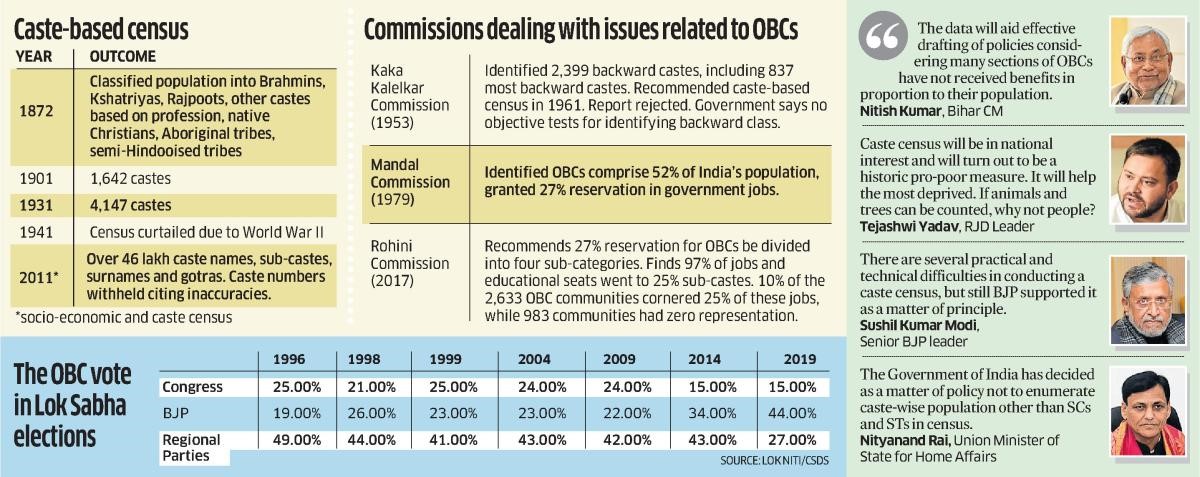
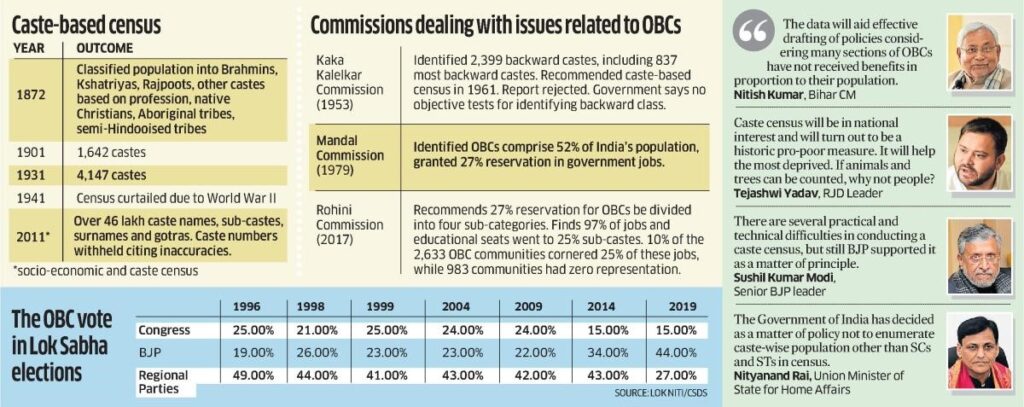 By Dr. Gyan Pathak The issue of caste census has finally mounted on the agenda of the Parliamentary Committee on Welfare of OBCs led by the BJP. The party has been rejecting the opposition INDIA bloc’s demand for conducting caste census in the country. It was much to the frustration of the BJP, that its […]





 By K Raveendran The squabble between Rahul Gandhi and Union minister Kiren Rijiju over the lack of representation of backward classes and tribals in beauty pageants has accorded a bit of glamour to the debate surrounding castes. Rahul’s remark, might seem trivial at first glance, but on closer scrutiny, it turns out to be a […]