News related to
Arabian Post Special

By Dr. Gyan Pathak Creating a bad neighbourhood is unwise, especially through totally avoidable unrestrained speeches. However, the leaders from the ruling establishment in India have been in the habit of making unrestrained speeches aimed at winning domestic elections that hurt our neighbouring countries unnecessarily worsening already strained relationships at a time when India is […]

Investors have witnessed a marked shift in market behaviour in recent weeks. The once seemingly invincible Big Tech stocks have faced pressure, no longer reaching new all-time highs, even as the broader S&P500 index posted record highs earlier this week (Monday). Nvidia—the poster child of the recent tech renaissance—has seen its stock price fall 8.5% from its August peak, despite reporting impressive second-quarter earnings on August 28th […]

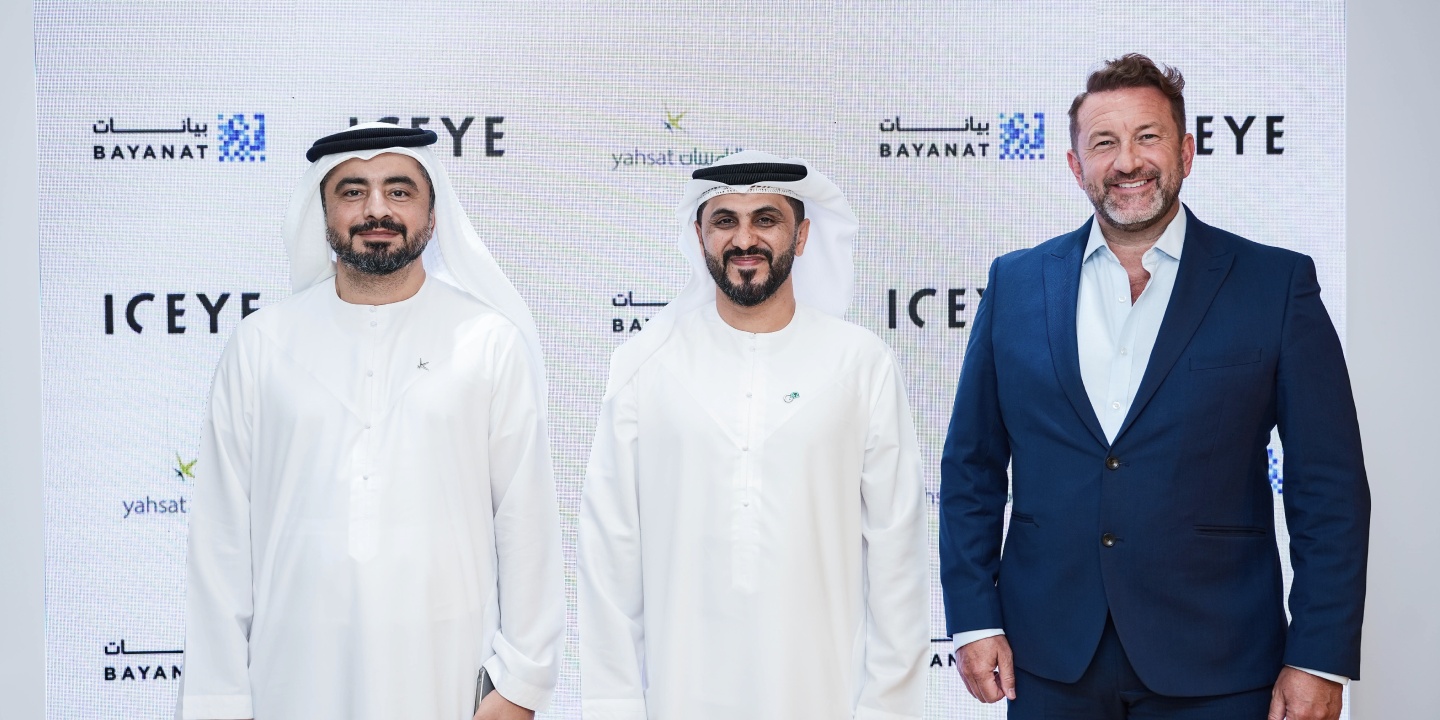
Bayanat, a prominent geospatial data analytics firm, and Yahsat, a leading satellite communications provider, are poised to finalize their merger by next month. This strategic union aims to enhance service delivery across the Middle East and North Africa (MENA) region, leveraging each company’s strengths in data analytics and satellite technology.

The merger represents a significant consolidation in the geospatial and satellite sectors, allowing the combined entity to offer a more robust suite of services. By integrating Bayanat’s advanced analytics capabilities with Yahsat’s satellite infrastructure, the companies plan to provide innovative solutions tailored to a variety of sectors, including government, defense, telecommunications, and natural resources.

As part of the merger, the leadership teams of both companies have emphasized a shared vision of fostering technological advancements and promoting digital transformation. Bayanat’s expertise in big data analytics is expected to complement Yahsat’s satellite communication services, allowing for real-time data processing and improved decision-making for clients. The collaboration is expected to facilitate enhanced services such as remote sensing, location-based services, and real-time monitoring for clients across various industries.

The merger is also positioned as a response to the increasing demand for high-quality geospatial data and reliable communication solutions in the region. As businesses and governments seek to optimize operations and improve efficiency, the ability to access and analyze geospatial information has become more crucial. Yahsat’s satellite technology will enable the delivery of data in remote areas, ensuring that organizations can benefit from Bayanat’s analytical insights regardless of their geographic location.

With this merger, the companies aim to position themselves as market leaders in the geospatial intelligence and satellite communications space. Industry analysts anticipate that the combined entity will have a significant competitive edge over its rivals due to the synergies generated from their respective technologies and expertise.

The merger has been welcomed by various stakeholders, including government entities that recognize the potential benefits of improved data services and satellite connectivity. This union aligns with broader governmental strategies focused on enhancing technological capabilities within the region. By improving access to data-driven insights, the merger is expected to support national initiatives in various sectors, from urban planning to disaster management.

Yahsat, which has been expanding its operations since its inception in 2007, has established itself as a leader in satellite communication, offering services that span the globe. The company operates multiple satellites and has formed strategic partnerships to enhance its service offerings. Bayanat, a subsidiary of the Abu Dhabi-based Group 42, specializes in AI-driven analytics, offering advanced solutions that harness big data for actionable insights. This merger marks a new chapter in both companies’ histories, combining their respective strengths to create a formidable entity in the tech landscape.

The merger has also sparked discussions regarding the future of the satellite and geospatial sectors within the MENA region. Experts highlight the importance of such consolidations in driving innovation and enhancing service delivery. As the demand for data services continues to grow, companies that can effectively integrate technology and analytics will be better positioned to meet market needs.

Looking ahead, the combined resources of Bayanat and Yahsat are expected to accelerate research and development initiatives. Both companies have indicated plans to invest in new technologies that enhance their service capabilities, focusing on next-generation satellite technologies and advanced analytical tools. This emphasis on innovation is crucial in a rapidly evolving market where clients increasingly expect sophisticated solutions.

In addition to enhancing their technological capabilities, the merger is anticipated to have significant implications for the regional job market. As the combined entity grows, it is expected to create new employment opportunities in tech development, project management, and customer support. This aligns with broader economic goals within the UAE to foster job creation in high-tech industries.

The merger has also raised questions about regulatory considerations, as the consolidation of two major players in the geospatial and satellite sectors may draw scrutiny from regulatory bodies. Ensuring compliance with local and international regulations will be essential for the newly formed entity as it seeks to navigate the complexities of the market.

By Nitya Chakraborty India’s neighbour Sri Lanka has elected the Marxist-Leninist leader Anura Kumara Dissanayake as the next president in the intensely contested presidential elections held on Saturday, September 21. About 75 per cent of the total of 170 million population who voted, broke away decisively from the binary of two political formations through years […]

Turkish singer and music video director Metin Arolat tragically passed away during a live performance in Istanbul. The 52-year-old artist collapsed while on stage in the Kozjatagi district, having suffered a heart attack. His death shocked fans and the local entertainment industry alike, especially given the circumstances surrounding his final moments.

Reports indicate that Arolat had been experiencing discomfort prior to the performance, with numbness in his hand and pain that persisted throughout his set. Despite this, he continued with the show, raising concerns among those close to him that his health was already in decline. A nurse who was present in the audience attempted to revive him after he collapsed, but efforts were unsuccessful. He was pronounced dead soon after, leaving many to mourn the loss of one of Turkey’s prominent musical figures.

Arolat, who had gained fame not only for his vocal talent but also as a respected music video director, had maintained a visible presence in Turkey’s entertainment industry since the 1990s. His contributions to pop culture spanned both music and visual media, and he had developed a significant fan base over his career.

MicroStrategy has distinguished itself as a formidable player in the financial landscape, outperforming every company in the S&P 500 since it adopted a Bitcoin-centric investment strategy. This remarkable trajectory has positioned the firm at the forefront of the digital asset revolution, highlighting the potential of cryptocurrencies as a viable asset class. The firm, which specializes in business intelligence software, made headlines in 2020 when it began purchasing […]

Hibiscus tea has become increasingly popular among wellness enthusiasts, especially for its potential in aiding weight loss. This bright red herbal drink, made from the dried calyxes of the *Hibiscus sabdariffa* plant, not only offers a refreshing, tart flavor but also boasts a range of health benefits that contribute to its growing reputation in the weight loss community. The tea’s effect on metabolism and fat accumulation is […]

Advertisements
By K Raveendran The Supreme Court of India is finds itself at the threshold of a unique opportunity to create history when a bench headed by chief justice D Y Chandrachud takes up next month a clutch of petitions seeking a review of the 2022 verdict concerning the Prevention of Money Laundering Act (PMLA). Seldom […]

Microsoft has announced that it will shut down its long-running Xbox Ambassadors program by mid-October, signaling a shift in its community engagement strategy. The program, which has been active for over 13 years, aimed to provide experienced Xbox gamers with a platform to assist others by answering support questions, hosting game sessions, and helping cultivate a positive gaming environment. In recognition of their efforts, Xbox Ambassadors received exclusive rewards and participated in special events.

The decision to discontinue the program aligns with Microsoft’s broader strategy of streamlining its community initiatives. The company cited changes in the gaming landscape and evolving needs of its global community as key reasons for this move. Over the years, the Ambassador program helped create a more inclusive and global gaming culture. However, Microsoft believes it is time to integrate the lessons and values from this initiative into other player engagement platforms like Xbox Fanfest, the Xbox Insider Program, and Xbox Rewards.

The closure of the Ambassadors program is scheduled for October 15, 2024. Ambassadors have until then to claim any remaining rewards, including redeeming codes, and the Xbox Ambassadors badge will receive a final legacy design. While the program is winding down, Microsoft will offer a series of special sweepstakes in its final weeks, providing members with one last opportunity to earn rewards.

Active participants in the current season of the program will receive a special “thank you” in the rewards section. Additionally, the Ambassador Champions program will transition into a new format, dubbed “Xbox Community Champions,” as part of this restructuring.

SpaceX is under scrutiny for alleged safety violations during two launches in 2023, as the U.S. Federal Aviation Administration (FAA) has revealed. The company, led by Elon Musk, could face a fine of up to $630,000 due to failure to meet established launch safety requirements. The FAA disclosed that these violations occurred during two separate missions, raising concerns over adherence to regulatory standards governing commercial spaceflight.

The FAA’s enforcement proposal is based on findings that SpaceX committed three significant violations during its 2023 operations. These violations have prompted the agency to pursue a civil penalty amounting to $633,009, an amount calculated according to the civil penalty guidelines laid out by federal law. SpaceX has been given a 30-day period to respond to the FAA’s formal notice.

The first violation involves SpaceX’s failure to adhere to pre-flight safety protocols, which are designed to ensure that launch conditions are safe for both the crew and the public. The FAA stressed the importance of these protocols, emphasizing that any deviation from them poses potential risks to the mission’s success and to those involved in the launch process. This violation was reported to have occurred during a major satellite launch, which drew significant attention due to its payload and the complex nature of the mission.

The second violation occurred during another SpaceX mission later in 2023. This particular infraction concerned the post-launch safety measures, which are critical in preventing accidents that could arise from debris or malfunctions. The FAA’s findings indicate that SpaceX did not fully comply with the requirements for tracking and mitigating potential risks posed by falling rocket stages or debris that might threaten populated areas.

While SpaceX has been at the forefront of innovation in the space industry, the company has also drawn criticism for pushing the boundaries of regulatory frameworks. The FAA’s proposed fine underscores the tension between innovation and safety, especially as commercial space travel becomes increasingly accessible. SpaceX’s rapid cadence of launches has made it one of the most prolific players in the sector, but the FAA’s findings suggest that this speed may come at a cost to safety.

SpaceX has long been a critical partner in advancing U.S. spaceflight capabilities, working closely with NASA and private sector clients to deliver payloads to orbit and beyond. However, the 2023 violations point to a need for stricter compliance with federal safety regulations. Industry experts have highlighted that as the space industry expands, regulatory agencies such as the FAA must balance the need for innovation with stringent safety oversight to ensure that commercial spaceflight remains sustainable and safe for all stakeholders.

This is not the first time SpaceX has encountered challenges related to regulatory compliance. In previous years, the company faced investigations and scrutiny from federal agencies over various issues, including environmental concerns and noise complaints from communities near its launch sites. However, this proposed fine is one of the largest civil penalties the company has faced to date, signaling the FAA’s commitment to enforcing safety standards in the rapidly evolving commercial space sector.

Critics of SpaceX’s approach to launches argue that the company’s fast-paced operations may be contributing to oversight lapses. Some have raised concerns that the company’s focus on rapid development and frequent launches may come at the expense of rigorous safety checks. SpaceX has previously defended its track record, citing the overall success of its missions and its role in revolutionizing the space industry. Nevertheless, the violations in question indicate that more work may need to be done to ensure compliance with federal safety standards.

Industry analysts believe that the proposed fine could serve as a warning to other space companies operating under the FAA’s purview. The rise of private space ventures has transformed the landscape of space exploration, and with this transformation comes the need for robust oversight. The FAA’s decision to impose penalties on SpaceX could signal a broader shift toward stricter regulatory enforcement in an industry that has, until now, operated with relative freedom compared to other sectors.

SpaceX’s leadership is expected to respond to the FAA’s allegations within the specified 30-day window. It remains to be seen whether the company will contest the fine or take measures to address the violations. Should SpaceX decide to challenge the FAA’s findings, the case could set a significant precedent for how safety violations in commercial spaceflight are handled in the future. If the company chooses to settle, it could result in enhanced safety protocols for future missions and potentially stricter oversight from the FAA going forward.

The space industry is experiencing a period of unprecedented growth, with SpaceX at the forefront of this transformation. The company has achieved remarkable milestones, including the development of reusable rockets, which have lowered the cost of space travel and enabled a surge in commercial space activity. However, these achievements come with increased scrutiny from regulators, who are tasked with ensuring that safety standards keep pace with the rapid advancements in technology and operational scale.

SpaceX’s relationship with the FAA has seen both cooperation and conflict in the past. While the FAA has granted numerous licenses and approvals for the company’s operations, there have also been instances where SpaceX’s ambitious timelines have clashed with the FAA’s regulatory processes. One notable example occurred during a previous high-profile launch, when SpaceX proceeded with a test flight despite FAA objections over environmental concerns. The company’s assertiveness in pushing its agenda has won it praise for innovation but also criticism for occasionally sidestepping regulatory boundaries.

As the investigation into the 2023 violations unfolds, it is likely to fuel broader discussions about the future of space regulation. With more private companies entering the sector and the increasing frequency of launches, the FAA and other regulatory bodies face mounting pressure to ensure that safety protocols are consistently followed. The outcome of the SpaceX case could influence how these agencies approach enforcement in the coming years.


By Satyaki Chakraborty The junior doctors’ movement in West Bengal partially ended on its 41st day on September 20 Friday. The striking doctors joined their duties on September 21 in emergency services only in the state government run medical colleges and hospitals still keeping the OPD work and surgical operations out of their duty profile. […]



The rising tensions in the Red Sea, particularly due to Houthi rebel threats against shipping vessels, have led to a sharp increase in insurance premiums for maritime companies operating in the region. The volatile security environment, combined with the risk of targeted attacks on vessels linked to countries like the UK, US, or those having called at Israeli ports, has left insurers increasingly cautious about providing war-risk cover for ships transiting the waters.

War-risk insurance premiums have skyrocketed to as much as 2% of a vessel’s value for a single transit through the Red Sea. This steep increase reflects heightened concerns following several incidents, most notably the August 21 strike on the oil tanker Sounion, which was carrying about one million barrels of crude oil at the time. Though the tanker was safely towed without spillage, the attack underscored the vulnerability of maritime assets in the region, adding pressure on insurers and shipping companies alike.

The market for insuring ships passing through this critical shipping route has narrowed as smaller insurers retreat from offering coverage. A limited number of firms, mostly high-risk underwriters, continue to offer protection, but at significantly elevated costs. Industry insiders have noted that some vessels, especially those perceived as high-value targets for potential attacks, are struggling to secure any coverage at all.

The risks have intensified with the Houthis’ declaration that ships with certain affiliations would face potential attacks. While traditionally, war-risk cover has been available, the situation is unprecedented with underwriters outright refusing coverage, citing the region’s escalating risks. For shipping operators, this poses not only financial but also operational challenges, as the necessity of traversing the Red Sea for global oil and goods trade remains critical despite the threats.

A consortium of insurance underwriters led by Brit provided the war-risk cover for the Sounion, alongside firms such as Antares, Iquw, Hamilton, and others. However, many of these insurers have been notably silent regarding the details of coverage, which underscores the sensitivity and complexities of offering insurance in such a volatile region. The consortium’s willingness to continue offering protection contrasts with smaller players who are increasingly unwilling to take on such risks.

The situation has compounded concerns for global shipping companies, especially with the strategic importance of the Red Sea in connecting Europe, the Middle East, and Asia. As attacks threaten to disrupt not just oil shipments but broader trade routes, the rising insurance costs may further exacerbate existing challenges for global supply chains.

Maritime experts are urging caution as geopolitical tensions in the region show little sign of abating, with insurers increasingly exercising selective underwriting processes to minimize exposure. Ships perceived as having higher exposure to attacks are now finding it exceedingly difficult to secure coverage at any price. This selective process not only reflects the complexities of the situation but also highlights the unpredictable nature of risk in conflict-prone areas like the Red Sea.

As shipping companies scramble to mitigate these rising costs, the long-term impact on global trade remains a looming concern. Many in the industry are questioning how long they can sustain operations under such financial pressure and whether alternative routes or additional security measures might provide a viable solution in the coming months.

By Nitya Chakraborty The interim Government of Bangladesh headed by Dr. Muhammad Yunus is doing all the preparatory work for officially demanding the extradition from India of the ousted Prime Minister Sheikh Hasina as early as possible. Indications suggest that Dr. Yunus may mention of this demand at his address to the United Nations General […]

The Qatar Investment Authority (QIA) is intensifying its global investment strategy, focusing on major markets in Australia, South Korea, and Southeast Asia. This expansion underscores QIA’s commitment to diversifying its portfolio and enhancing its international presence amid shifting economic landscapes.

QIA, which manages the sovereign wealth of Qatar, aims to tap into the growth potential of these regions, particularly in sectors such as technology, renewable energy, and real estate. The fund’s strategy aligns with Qatar’s broader economic vision, which emphasizes sustainability and innovation.

In Australia, QIA is exploring opportunities in infrastructure and technology. The nation’s stable economic environment and strong regulatory framework make it an attractive destination for foreign investment. Recent reports indicate that QIA is in discussions to acquire stakes in several Australian tech firms, which are poised for significant growth. These investments not only promise financial returns but also facilitate knowledge transfer and technology sharing, vital for Qatar’s long-term economic diversification goals.

South Korea presents a similarly appealing landscape for QIA, especially in the realms of semiconductor manufacturing and renewable energy. As the global demand for advanced technology continues to rise, QIA is positioning itself to capitalize on South Korea’s leading role in this sector. The fund’s recent investments in local companies indicate a strategic move to leverage South Korea’s technological advancements while contributing to sustainable energy initiatives.

Southeast Asia is another focal point for QIA’s investment drive. The region is experiencing robust economic growth, driven by increasing consumer demand and digital transformation. QIA’s interest spans across various industries, including e-commerce, fintech, and logistics. By investing in these high-growth sectors, QIA aims to harness the region’s potential while fostering business relationships that could yield long-term benefits.

This expansion is part of QIA’s broader strategy to enhance its asset allocation. According to experts, diversifying investments across different geographies and sectors is critical for mitigating risks associated with global economic fluctuations. By increasing its footprint in these key markets, QIA not only aims for higher returns but also seeks to establish strategic partnerships that bolster Qatar’s economic influence.

The expansion into these markets aligns with the goals of Qatar’s National Vision 2030, which emphasizes sustainable development and economic diversification away from hydrocarbons. The QIA’s investments are instrumental in achieving these objectives, as they foster innovation and support job creation in the host countries.

Additionally, QIA’s growing investments may influence the broader investment landscape in these regions. As a significant player, the fund’s entry often attracts other investors, enhancing the overall appeal of local markets. This ripple effect can lead to increased capital inflow and foster a more dynamic investment climate.

Experts note that QIA’s approach reflects a careful assessment of risk and opportunity. The fund is known for its long-term investment horizon, often opting for strategic partnerships that allow for greater control and influence over its investments. This strategy is particularly evident in sectors like real estate, where QIA seeks to not only invest but also develop assets that align with its sustainability objectives.

The move also comes at a time when global investors are recalibrating their strategies in response to geopolitical tensions and economic uncertainties. By focusing on stable markets like Australia and technologically advanced countries like South Korea, QIA positions itself to weather potential global shocks more effectively.

As the fund continues to expand its investments, it remains committed to adhering to the highest ethical standards. Transparency and governance are at the forefront of QIA’s investment philosophy, ensuring that all ventures align with its values and contribute positively to the communities in which it invests.

Strategic economic discussions are at the forefront of the United Arab Emirates’ diplomatic agenda as officials prepare for President Mohamed bin Zayed Al Nahyan’s upcoming visit to Washington. This visit aims to reinforce economic partnerships and bolster trade relations, reflecting the UAE’s commitment to enhancing its global economic footprint amid shifting geopolitical dynamics.

The discussions are anticipated to focus on a range of issues, including technology investments, renewable energy, and sustainable development initiatives. The UAE has been proactive in positioning itself as a leader in renewable energy, with significant investments in solar and nuclear power projects. The visit comes at a time when the United States is keen on strengthening ties with Middle Eastern allies, especially in the context of energy security and economic stability.

Officials from both countries are expected to engage in talks to expand bilateral trade, which has shown resilience even in challenging global economic conditions. According to the UAE Ministry of Economy, trade between the two nations reached $24 billion in 2022, highlighting the potential for further growth. The discussions will likely include opportunities for U.S. companies to invest in the UAE’s burgeoning sectors, including technology and healthcare.

The UAE’s diversification efforts, particularly through its Vision 2021 and subsequent strategies, underscore its ambition to reduce reliance on oil revenues. With a strong focus on innovation and sustainability, the UAE is attracting foreign direct investment (FDI) and enhancing its reputation as a business hub. The ongoing development of the UAE’s technology landscape, with initiatives like the Dubai Future Foundation and Abu Dhabi’s Tech Investment Fund, positions it as an attractive destination for U.S. investors seeking new opportunities.

Key players from both sides are expected to participate in high-level meetings. Notable figures may include U.S. Secretary of State Antony Blinken and UAE Minister of Foreign Affairs Abdullah bin Zayed Al Nahyan. Their discussions are likely to revolve around fostering cooperation in areas such as cybersecurity, artificial intelligence, and advanced manufacturing. The emphasis on technology reflects the growing recognition of the digital economy’s role in driving future growth.

Moreover, the UAE’s role as a logistics and trade hub for the region presents further opportunities for collaboration. The country’s strategic location, coupled with its advanced infrastructure, makes it an ideal gateway for U.S. companies aiming to access markets in Africa, Asia, and Europe. Enhancing logistics and supply chain efficiency will be a key topic of discussion, particularly in the aftermath of the disruptions caused by the pandemic.

The economic dialogue also aligns with broader geopolitical interests. The UAE’s commitment to stability in the Gulf region is crucial for U.S. interests, particularly in light of ongoing tensions with Iran and other regional challenges. Strengthening economic ties serves to fortify alliances that are vital for regional security and economic resilience.

The upcoming visit also underscores the UAE’s efforts to position itself as a mediator in global conflicts and an advocate for multilateral cooperation. The nation’s diplomatic initiatives in promoting peace and stability in conflict zones such as Yemen and Libya have garnered international attention. This diplomatic approach is expected to be highlighted during the discussions, reinforcing the UAE’s role as a key player in regional and global politics.

Additionally, climate change is likely to be a significant theme during the meetings. The UAE has made notable commitments to sustainability, including hosting the COP28 climate summit in 2023. This platform will allow the UAE to showcase its initiatives in reducing carbon emissions and promoting green technologies. Cooperation with the U.S. on climate action can pave the way for joint ventures in renewable energy projects and innovative environmental solutions.

Furthermore, the visit may address concerns regarding the global supply chain, particularly in light of recent disruptions. Both countries are likely to explore collaborative strategies to enhance resilience in supply chains, focusing on technology-driven solutions to streamline processes and mitigate risks.

After years of contending with elevated inflation, all major central banks around the world have started to reverse their aggressive rate-hiking strategies. The Federal Reserve, European Central Bank (ECB), and the Bank of England, amongst their peers, are all cautiously easing monetary policy, signalling that the era of high inflation may finally be behind us. This pivot is creating new opportunities for investors, requiring a shift in […]

Donald Trump’s World Liberty Financial has entered the crypto arena with aspirations to redefine investment paradigms, led by his sons, Donald Jr. and Eric Trump. The launch event at Mar-a-Lago, broadcast via X Spaces and in collaboration with Rug Radio, set the stage for this ambitious project aimed at positioning the U.S. as a frontrunner in the cryptocurrency space. At the heart of World Liberty Financial is […]

By Nitya Chakraborty What is happening to Indian foreign policy during the third term of the Prime Minister Narendra Modi? Is India a vassal state to the United States in 2024 disconnecting all its political links with the country’s BRICS partners? On September 18, a day after our PM’s 74th birthday and completion of 100 […]
By Dr. Gyan Pathak People in 14 states and Union Territories of India were earning below the national average in 2023-24. Out of these 9 are larger states and UTs –Assam, Bihar, Jharkhand, Madhya Pradesh, Chhattisgarh, Odisha, Rajasthan, Uttar Pradesh, and West Bengal, while 5 are smaller – Manipur, Meghalaya, Nagaland, Tripura, and Jammu & […]
By K Raveendran Narendra Modi’s administration, since its rise to power, has been actively distancing itself from the tradition of naming state-sponsored initiatives after members of the Nehru-Gandhi family. This practice has long been a hallmark of the Congress era, but the trend of eliminating or renaming these projects took on a new momentum after […]


Dubai’s strategic focus on medical tourism has intensified, driven by a new Memorandum of Understanding (MoU) signed between the Dubai Health Authority (DHA) and the Dubai Department of Economy and Tourism (DET). The MoU is set to bolster the city’s already formidable reputation in healthcare by expanding its role as a premier destination for medical tourists. This collaboration aligns with Dubai’s broader economic agenda, particularly the D33 strategy, aimed at enhancing the emirate’s position across key sectors.

One of the most significant objectives of this agreement is to attract investments into Dubai’s healthcare sector. Authorities are targeting a global audience of medical tourists by leveraging advanced healthcare facilities and promoting top-quality services. Dubai’s existing infrastructure, along with its geographic advantage at the crossroads of Europe, Asia, and Africa, plays a critical role in enhancing its attractiveness to international patients seeking high-quality medical care. The DHA’s Director General, Awadh Seghayer Al Ketbi, emphasized that this MoU is part of a broader vision to solidify Dubai’s position as a global leader in medical tourism, attracting investments and showcasing the emirate’s medical capabilities.

Dubai has already witnessed a strong surge in medical tourism over the past year, drawing 691,478 medical tourists in 2023, with expenditures on healthcare services exceeding AED 1.034 billion. This marks an increase from the previous year, demonstrating the emirate’s growing appeal in the global healthcare landscape. Dubai has positioned itself as a prime destination for advanced treatments across specialties, including orthopedics, cardiology, oncology, and cosmetic surgery. Hospitals in the city are also seeing a rise in demand for wellness programs, preventive care, and medical check-ups, catering to international patients looking for comprehensive healthcare solutions.

The impact of this surge in medical tourism extends far beyond healthcare. The influx of international visitors has fueled revenue across sectors such as aviation, hospitality, and retail, with indirect revenues surpassing AED 2.305 billion. The city’s medical tourism infrastructure is further strengthened by initiatives like the Al Safeer Congress Ambassador Programme, which works to attract major medical conferences and meetings to Dubai, solidifying its position as a medical knowledge hub. This combination of world-class facilities and strategic networking places Dubai at the forefront of the medical tourism industry globally.

As part of the DHA and DET’s collaboration, the two entities plan to establish networks of international partnerships, further driving innovation and knowledge sharing within the medical field. The collaboration also seeks to streamline investment opportunities for foreign and local stakeholders, ensuring that the healthcare sector remains a robust engine of economic growth. These efforts will likely lead to the introduction of more state-of-the-art hospitals and specialized medical centers, enhancing the overall quality of life for residents and international visitors alike.

Dubai’s continued investment in smart healthcare solutions and digital health is another critical factor contributing to its success in attracting medical tourists. By adopting advanced technology, the city is setting a benchmark for medical innovation, from AI-driven diagnostics to telemedicine and remote care services. These technological advancements offer convenience and enhanced patient care, which is a significant draw for medical tourists from around the world.

Additionally, the DHA has implemented several regulatory reforms aimed at simplifying business registration for investors and ensuring compliance with local laws, thus encouraging further growth in the medical tourism sector. These reforms are part of a broader effort to make Dubai a more attractive environment for medical professionals and investors, allowing the healthcare industry to expand rapidly and meet the demands of a growing international patient base.

In this increasingly competitive global medical tourism market, Dubai’s ability to offer a unique blend of cutting-edge medical care, luxury hospitality, and tourism experiences sets it apart. The city offers patients not only access to world-class medical treatment but also the opportunity to recover in a luxurious environment, with easy access to Dubai’s numerous leisure and cultural attractions.

Australia is set to implement stringent regulations for video games that include elements resembling gambling, aiming to tackle the growing concern over potential gambling addiction among younger players. These new regulations will mandate that games with gambling-like features be classified under a new category, ensuring that both developers and consumers are well-informed about the content before purchase. The Australian Classification Board, responsible for rating games and media […]

A landmark study has revealed the presence of microplastics in human brains, marking a significant breakthrough in environmental and health research. This finding emerged from an examination of 15 adult cadavers in Brazil, where eight were found to contain microplastic particles in their brain tissue. The study, published in JAMA Network Open, represents the first documented evidence of such contamination in human neurological tissue.

The research team, comprising scientists from Germany and Brazil, including the University of São Paulo, meticulously identified and characterized microplastics in brain samples. These particles, known to originate from various everyday plastic products, are believed to enter the brain through inhalation of airborne microplastics. This novel discovery underscores the urgent need to understand the broader health implications of such pollution.

Toxicologists have expressed growing concern over the potential health risks associated with microplastics. Dr. Wells Brambl, a specialist in medical toxicology, pointed out the emerging threats posed by microplastic pollution, emphasizing the need for increased vigilance. While the study did not establish a direct link between microplastics in the brain and specific health conditions, the potential for adverse effects warrants further investigation.

The International Agency for Research on Cancer (IARC) has already classified microplastics as a possible carcinogen, which adds to the urgency of addressing this issue. Dr. Robert Schwaner, an expert in environmental health, has called for heightened attention to the prevalence of microplastics and their potential health consequences. He advocates for more comprehensive research to better understand the risks and to develop strategies to mitigate exposure.

The discovery of microplastics in the brain highlights the pervasive nature of plastic pollution. Microplastics are not only found in environmental settings but have also infiltrated human tissues, raising concerns about their long-term impact on health. The potential pathways for microplastic entry into the body include ingestion of contaminated food and water, as well as inhalation of airborne particles.

The study’s findings have prompted calls for urgent action to address plastic pollution. Despite the widespread use of plastics in food containers, bottle caps, and clothing, there is a growing movement towards adopting alternative materials. Aluminum, for instance, is emerging as a viable substitute in various applications to reduce reliance on plastics.

By Sushil Kutty The NDA government of Prime Minister Narendra Modi completed its first 100 days on September 17 with Modi as third term Prime Minister. How did he fare was the topic of the day, which was also his birthday. Prime Minister Narendra Modi turned 74 on Tuesday and the celebrations were rather muted. […]


VISHNU RAJA
RYO YAMADA
HITORI GOTOH
IKUYO KITA